Choosing Your First Bow Guide

I came up with the idea to write this article after reading a message on the club’s chat—one of the fellow archers was curious about horse bows and asked for advice. I liked the brief exchange between him and one…

I came up with the idea to write this article after reading a message on the club’s chat—one of the fellow archers was curious about horse bows and asked for advice. I liked the brief exchange between him and one…

Knowledge gathers in the hands first. Before theory spreads its mesh, the body enters an agreement with wood, string, air, and ground. A seasoned yew settles into the palm with a weight that carries memory; cool grain moves under the…

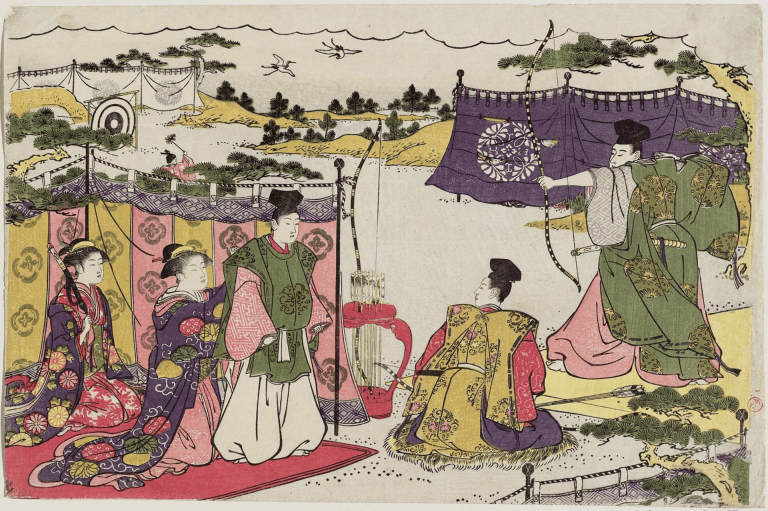
Dear Readers, this article arose from a need of the spirit and from the shared curiosity of fellow archers who keep asking the same living questions. Two traditions—Japanese kyūdō and European field archery, especially clout—speak to each other through posture,…

Wind comes off the Irish Sea with a brisk salt that pricks the lip and lifts the gull-cry over the lough, and the ground in Down remembers. The turf keeps a grain of hoof and boot, a thin echo of…

The physical discipline of archery begins with stance—applied biomechanics and declaration in one breath. An archer settles the feet, a shade wider than the hips, weight gathered forward so the balls of the feet drink seventy percent of the load.…

Let me begin plain. What follows isn’t a manual, and it isn’t a coaching note. I’ve no wish to stand in front of anyone with a whistle round my neck. I’m not a trainer, and I’ve never been much of…

You can feel it in the land still, if you’re quiet enough. The way the past breathes up through the soil. We talk of the great warriors, the high kings, the men who stood shield to shield with sword and…

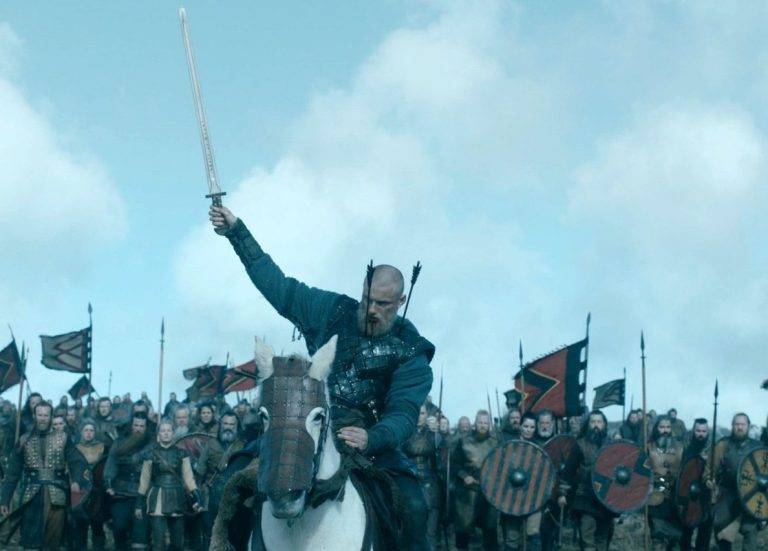
There are many films and series with archery; Vikings and The Last Kingdom carry the standard for today’s historical action. Both draw big audiences, both shape how viewers picture Dark Age war, and both bring bows into rain, firelight, and…

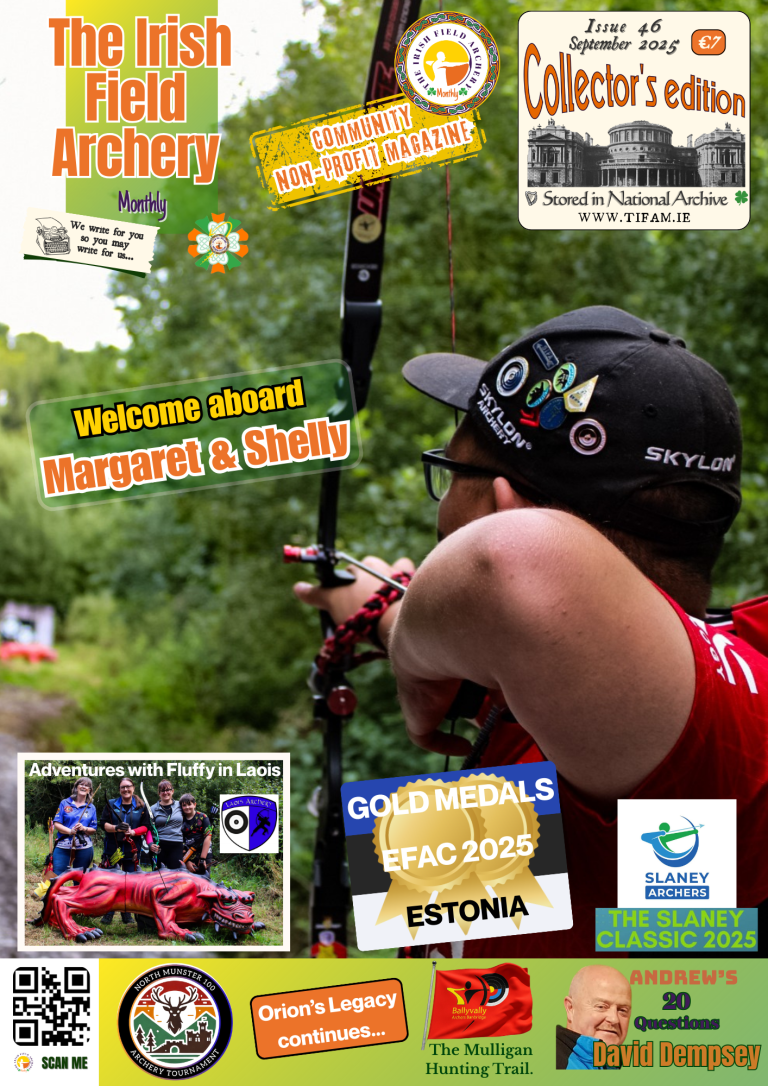
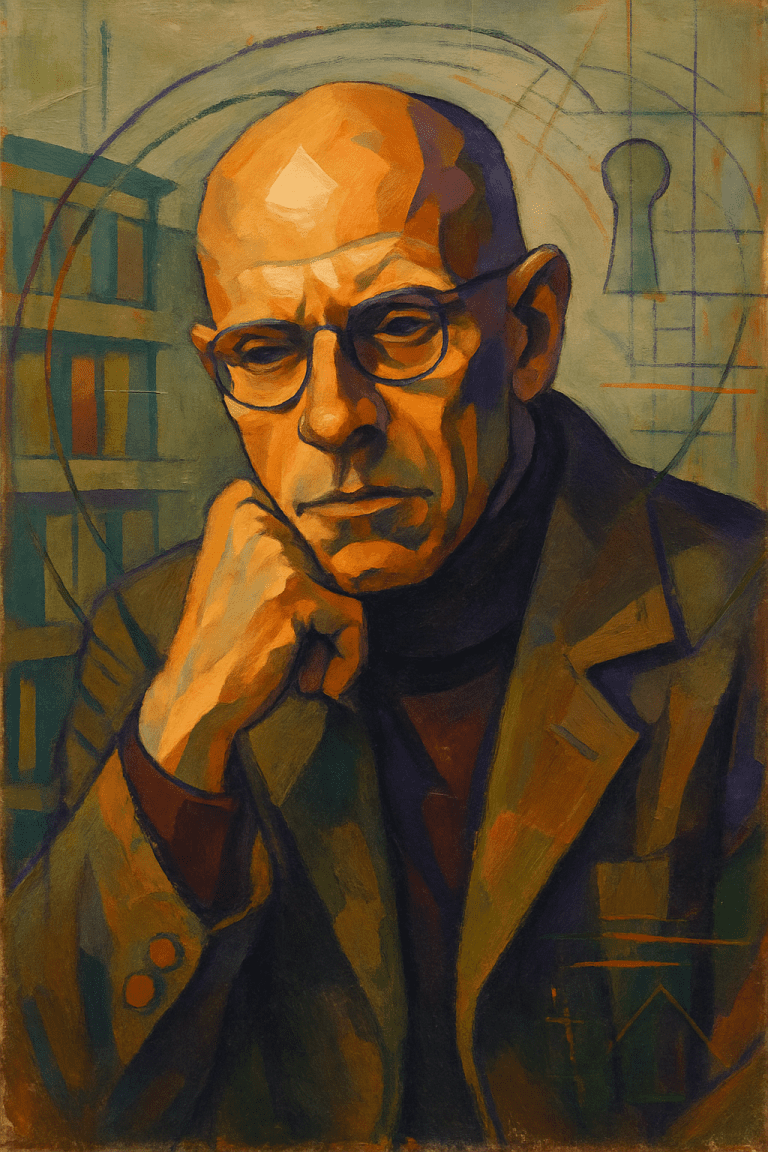
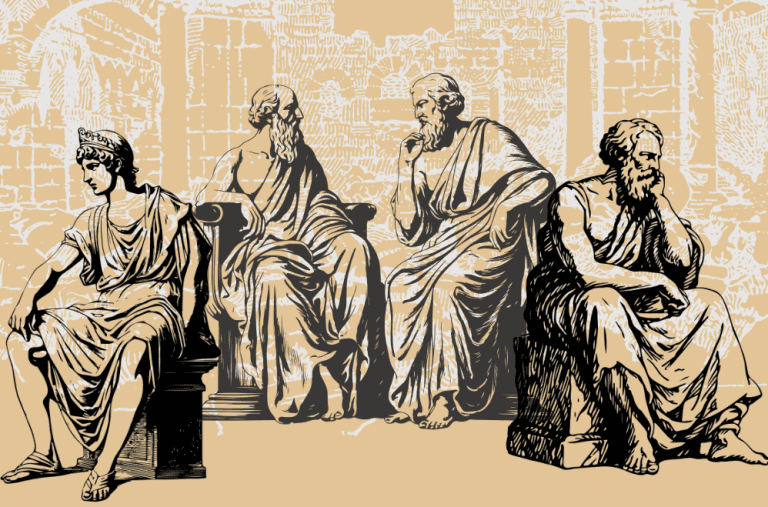
In This Month’s TIFAM: Gold Medals, Political Philosophy Through the archer’s scope, and a Trip Through the Woods The September 2025 collector’s edition of TIFAM is here, packed with tournament triumphs, deep dives into history and philosophy, and stories from…

Once a year, Ballyvally Archers hosts a singular type of competition that exemplifies the enjoyment found in the sport: the Mulligan Hunting Trail. Whilst hunting Frank Mulligan is not the aim of the competition – and just as well as,…

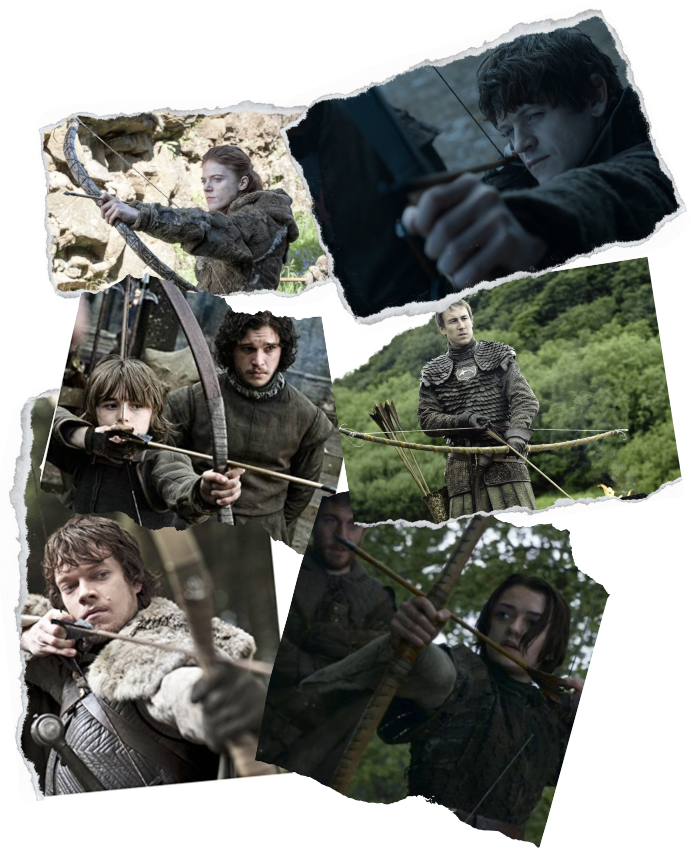
Greetings, Readers… A clean field opens, a breeze crosses the skin, and a bow rises into that light like a living thought. A page turns, a world gathers, and George R. R. Martin’s archers step forward with quivers that carry…

Time walks as my fiercest rival. It gathers more than it gifts and measures each hour with a strict hand, so I stepped straight through that pressure and wrote this book. The seed took hold two years ago as a…

Editorial Review Matt Latimer’s short stories read like late talk around a small kitchen table after rain. You can hear the coat drip in the hall and the kettle sigh. You can see the bow propped by the door, clean…

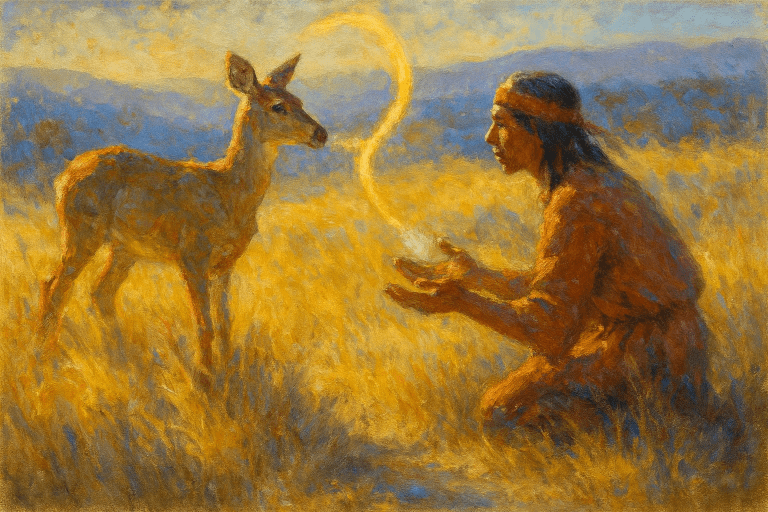
Elders share a winter story from the northern woods. Frost wrote its fine script across alder and birch, and a young hunter walked a corridor of blue light where breath rose like white birds. A doe stood in the hush and faced the hunter with calm eyes that held a country of knowing. The hunter lifted the bow, and the deer spoke across the space in a voice that sounded like river over stones: “Choose kinship or hunger, and shape hunger through kinship.” The hunter lowered the bow, set palm on the ground, and offered a strand of hair, a button, a pinch of meal from a pouch. The doe stepped forward, breathed into the hunter’s hand, and left one slender rib beside the offerings. From that bone came the first whistle for calling, and from that calling came a covenant—the people would eat through an agreement that carried respect in both directions. The deer would give, and the people would give in return, and the land would carry the memory of that exchange in grass, in hoofprint, in human song. Every archery season rises from that early promise: power serves when consent guides it, and meals carry honor when gratitude leads every step.

It begins with the heft of a thing in the hand, a weight rising like a question shaped in the palm. The first encounter with a tool that means business—a plane or a chisel—draws the room to attention. The body,…

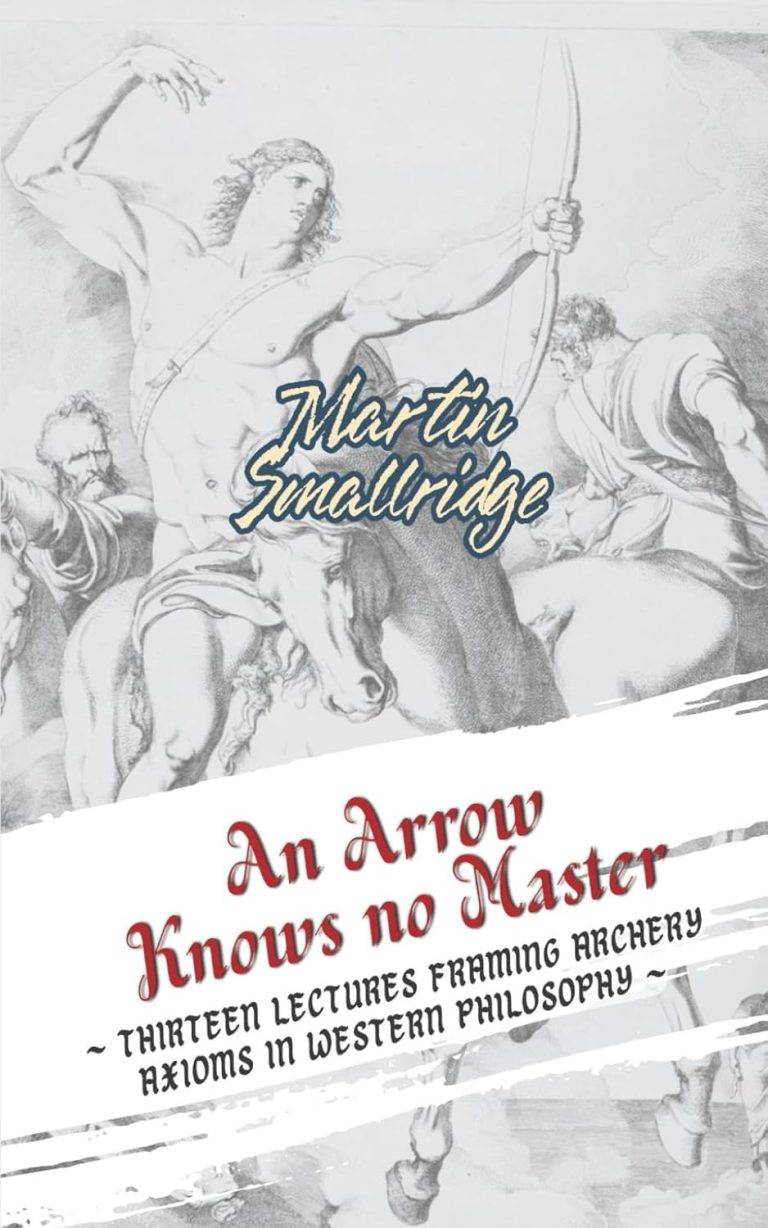
A sage from the auld days, a Roman steady at the helm of his own heart, praised the archer. He watched the draw and saw a likeness for a life well shaped. The whole purpose, the gathered labour of person…

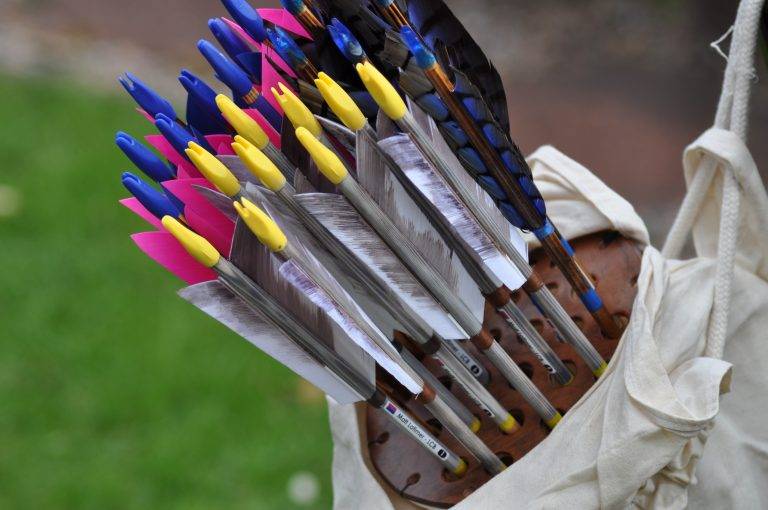
For many of the past eleven years, I have been making my own arrows. This skill has developed little by little over time, as I read various articles, and listened to what other traditional archers had to say. Whilst it…

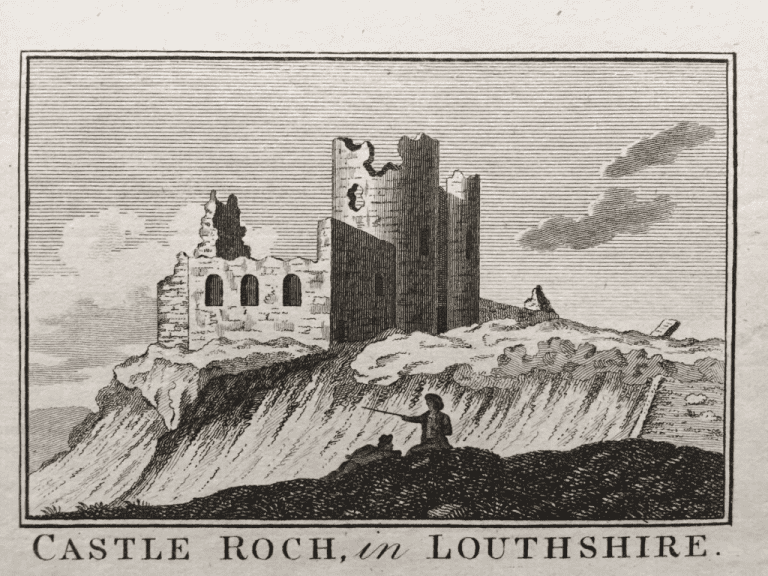
Year of grace 1236 receives a crisp line in the Annals of Connacht, a sentence that carries armed men west with cart, banner, and purpose. Scribes set down the march of the Galls, naming lords, bishops, and kings, a cadence of spears and departures, a ledger where steel, oath, and burial speak in one breath. One world leans upon another across hedgerow and ford, and the record grants that leaning a bright authority. A greater stone rose that same year upon the rough rim of Ulster, a clenched statement of mastery with a woman’s will at its heart, though parchment offered silence where her name should stand. She answered through rock. She signed her life upon a crag that lifts above Louth, a defiant silhouette still blue against evening, a mark that survives every list and every tally. A Latin hand would call it Castellum de Rupe, Castle on the Rock, and that title seals her authorship with a clarity that withstands storm and time.
A house like hers grows from ancient ground. The de Verduns rode from Vessey in Mortaine with the Norman tide of 1066 and pressed on through the marches of Wales toward Irish harbours that smelled of salt and promise. Bertram de Verdun, her grandfather, held the confidence of Henry II and of John. He turned that confidence into acres, into courts, into the kind of revenue that ripens into policy. He crossed with the prince in 1185 and set the line’s anchor where Dundalk greets the sea. Nicholas, his son, sired one heir to receive dominion spread across Staffordshire, Warwickshire, Leicestershire, and Buckinghamshire, with the Irish lordship at Uriel tying sea to shire. That heir, Roesia, understood inheritance as vocation rather than accident. When she joined Theobald Butler in 1225 as his second wife, she looked through the Butler succession and measured her own. Her children would carry the surname that mattered to her line. John de Verdun arrived as testament to that resolve, and the syllables of his name carried a charter’s force. A surname becomes a land when a mind of iron sets the measure.
The life of a lady of that century moved within measured corridors shaped by king, father, and husband. Roesia followed those corridors for a season. Henry III lent personal persuasion to her match, and she honoured the alliance with dignity, bearing children and tending the lattice of families that held the Lordship of Ireland together. Then fate altered the board. Theobald received the summons in 1230, gathered horses and arms, and rode toward Poitou with royal purpose. He died there beneath another sky. Within another year Nicholas also departed the stage. Grief forged a new balance within her and the law offered a name for that balance: femme sole, a woman alone in legal standing, bearer of both burden and advantage. A widow with territories across two realms invites a king’s attention. She answered with treasure rather than supplication. During October 1231 she approached the king with silver for judgment rather than tears for mercy, 700 marks for two prizes: seisin of her patrimony and freedom to choose her own marriage. That figure would clink through any hall. The Exchequer felt the weight, and royal writ answered with grace. By April 1233 the Justiciar in Ireland received order to deliver her lands. She stood with the authority of a magnate and directed her affairs with the steadiness of a steward born to the craft.

Members-only content. Sign in with an eligible membership to read this article.

Members-only content. Sign in with an eligible membership to read this article.