Of all the many fine things regarding the Bluebell Shoot, the finest was that the format had been reset from the common mixed affair back to the unmarked and marked rounds.
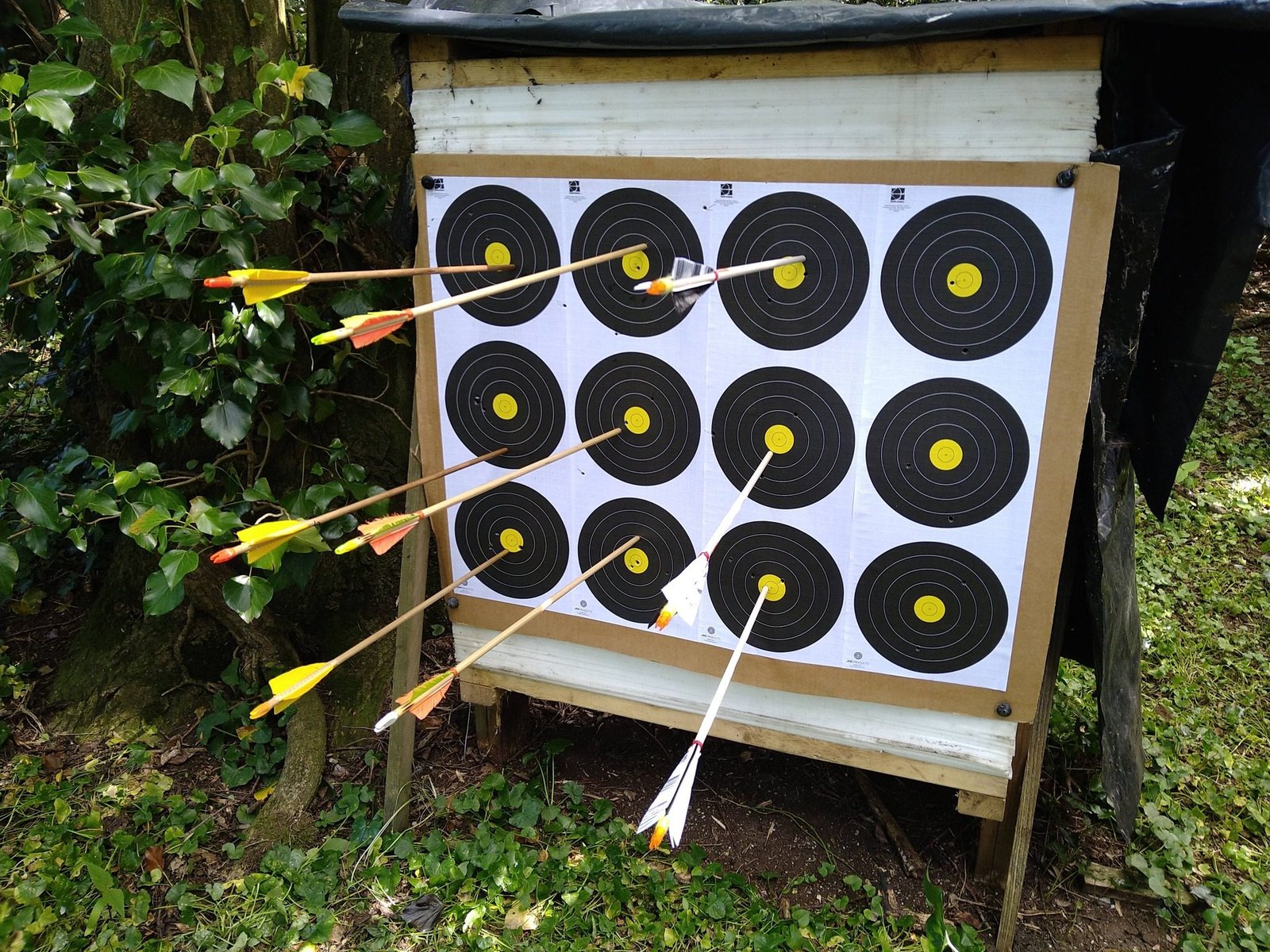
Why there are so many mixed rounds, I don’t know. I’ve nothing against them, as they are challenging, interspersing 15m bunnies and 25m multiples with the saving grace of a 15m or 16m 60 face. Yet, and I have said this before, nothing tests an archers’ resolve, their moral fibre, better than the unrelenting, unforgiving format of a marked round. Every target is tougher going, and every poor shot or miss is compounded by the reality that there are no easy targets coming later on to boost your score.
Sure, there are two 5m bunnies to look forward too, but that’s like throwing a pebble down before the incoming tide and hoping the sea will be halted; a 6, 5, 4 can give the archer a quick high at the time, but underneath the previous target’s score, it sets a grim contrast. And then it’s on to the next target, a 60 at 40m perhaps.
It had been sometime since I shot a marked round, and God help me, I missed the hard graft of it – maybe I’m a masochist.
Not to put anyone off, of course. A marked round allows us to struggle, like the weightlifter pushing up to a greater weight, or a runner struggling on and doing an extra mile. Every poor shot, or miss is still progress and growth.
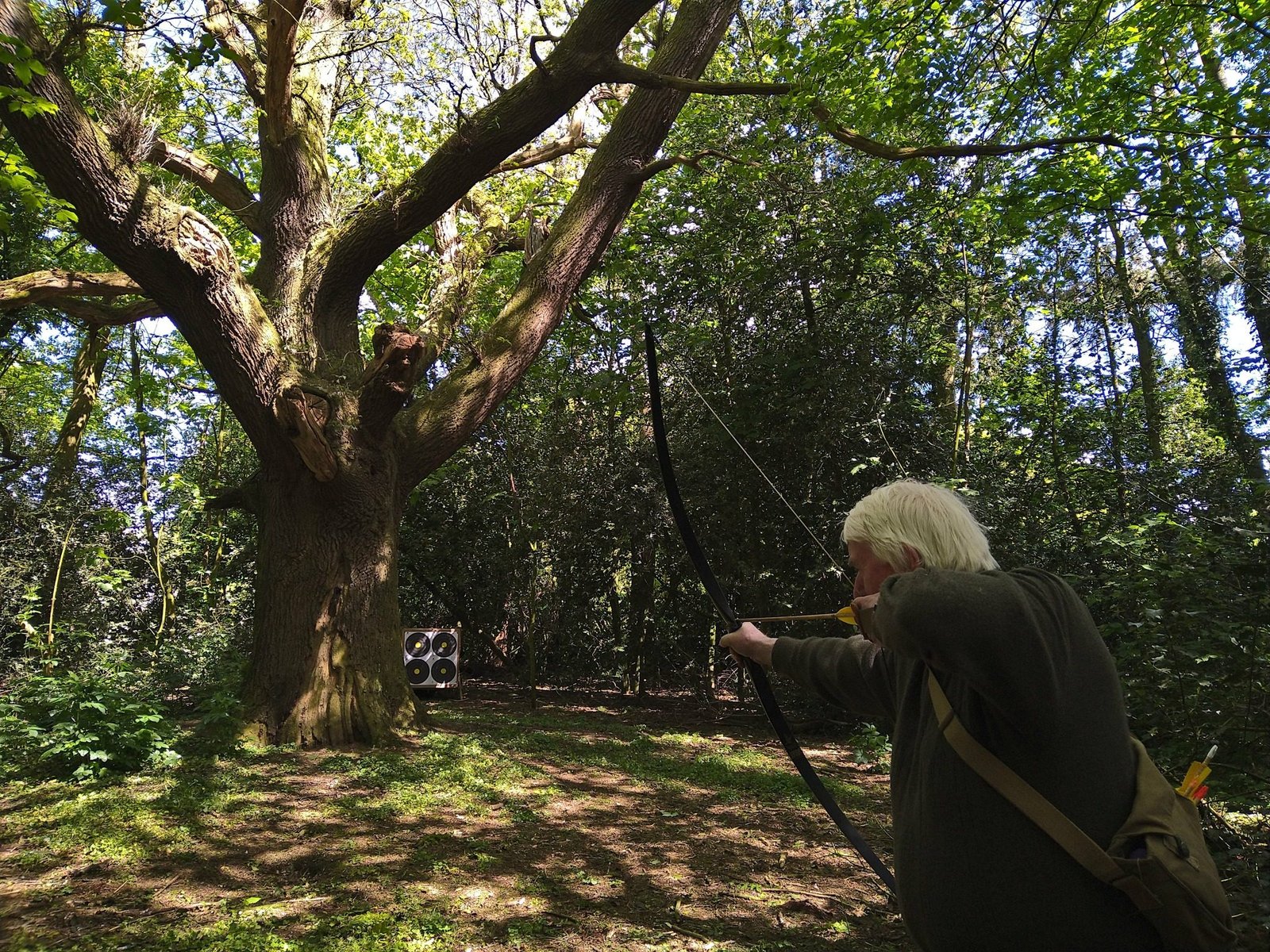
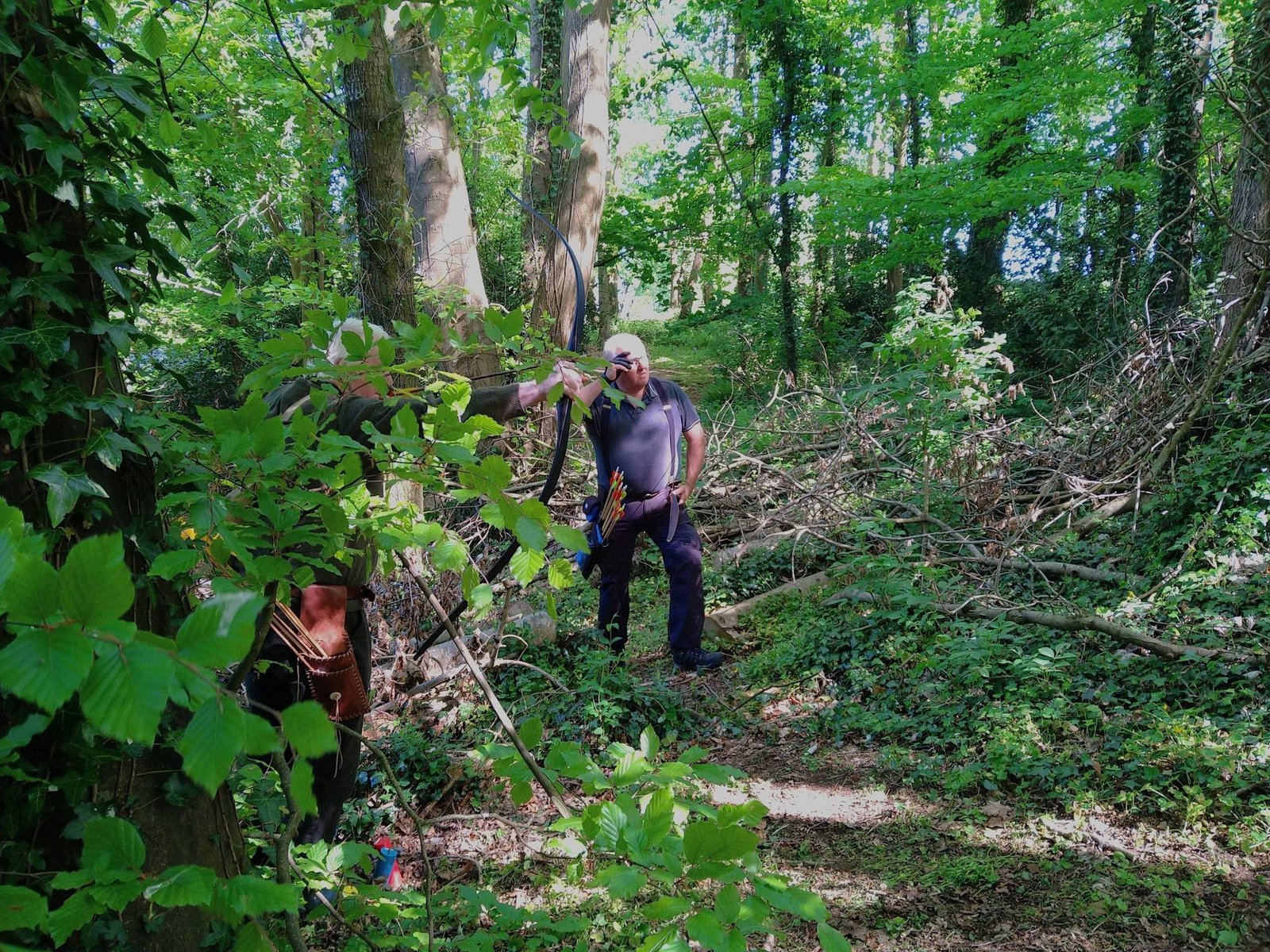
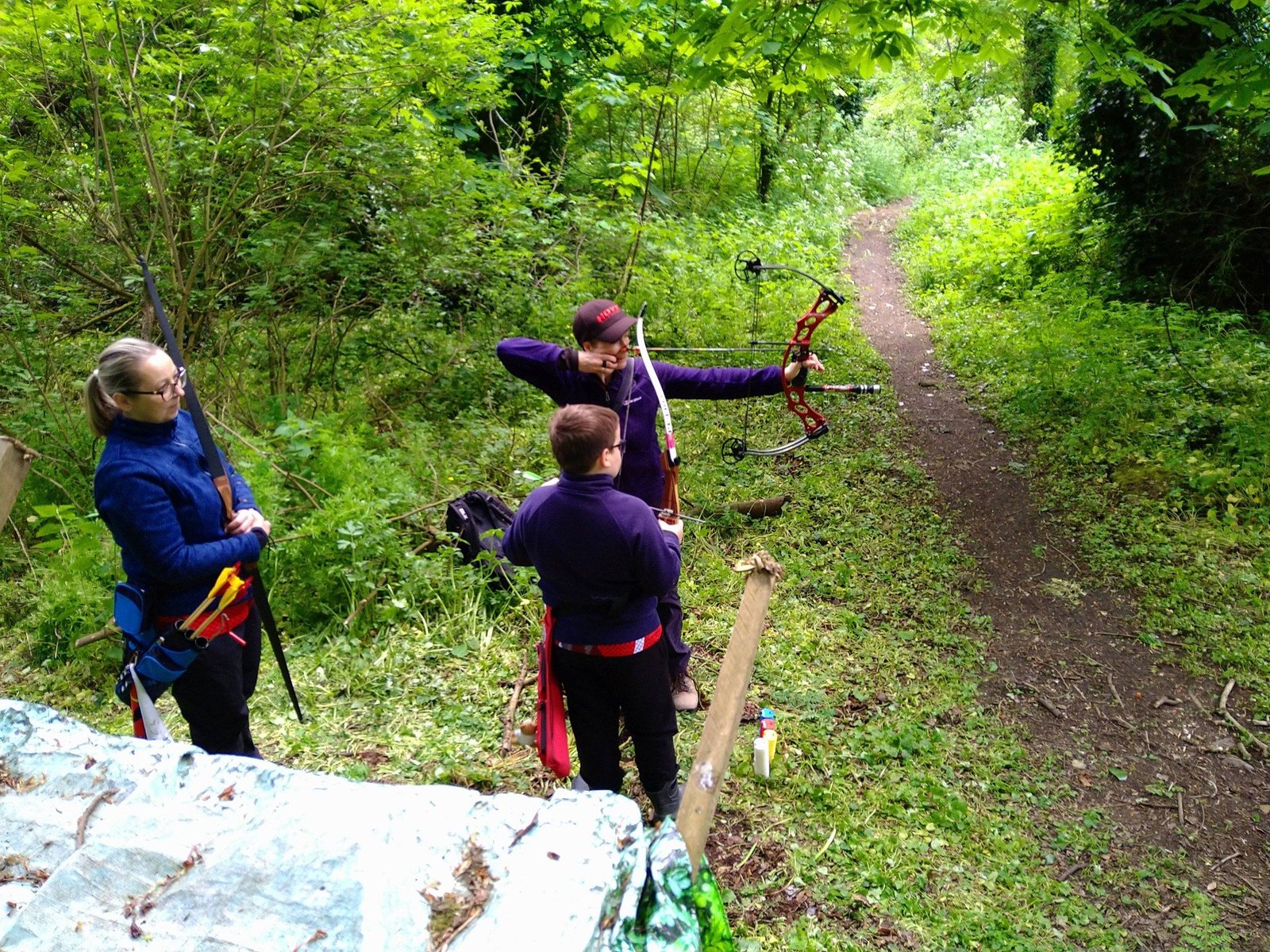
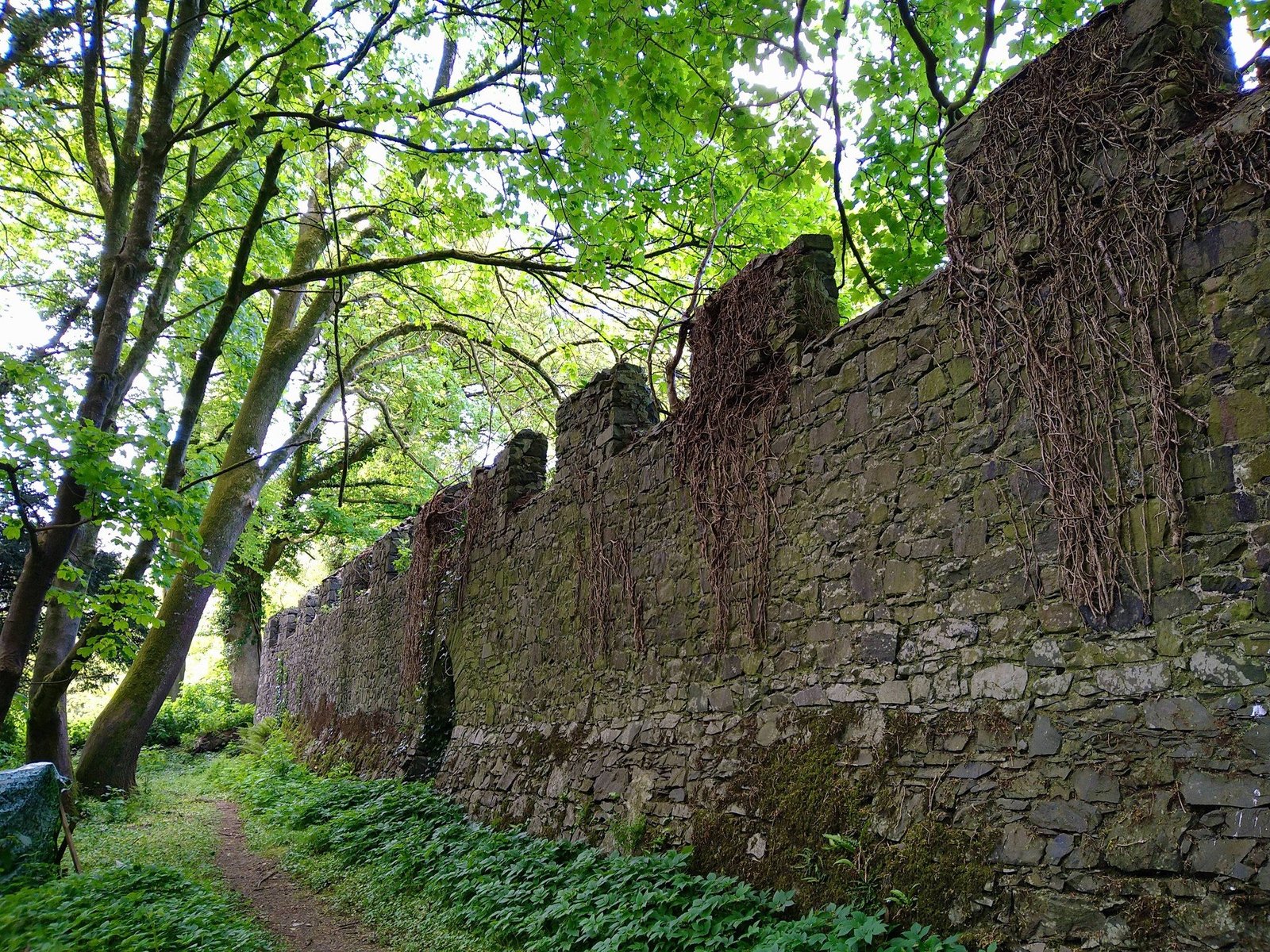
With Ballyvally having reformatted its course, the registration is now held in a stone barn set against the remnants of an older structure, its walls reaching out of the foliage in a forlorn attempt to escape nature.
This puts the practice bosses in the meadow, creating a far more social setting. And if the weather is good, a pocket of blessed warmth to keep the muscles from tautening.
I mean, shooting the practise bosses is good for keeping the muscles from freezing over, but I never bother with them. If I don’t know it by know, a few practise ends won’t help. It’s like starting revision for the exam, the morning of the exam.
All in, there was a large turnout for the affair. For one thing, it is that dreadful time of year for the juniors, known as exam session. Oh, just typing about is making my blood pressure rise. I’m on the wrong side of 35 and I still have nightmares about those times.
Whilst the usually numerous youths of Ballyvally had been sundered by the wickedness of exams, several were still present on the second day, including future barebow champion Annabel Mulligan.
There was even a young woman from England present. It was encouraging to see someone so eager to shoot as to travel to this island.
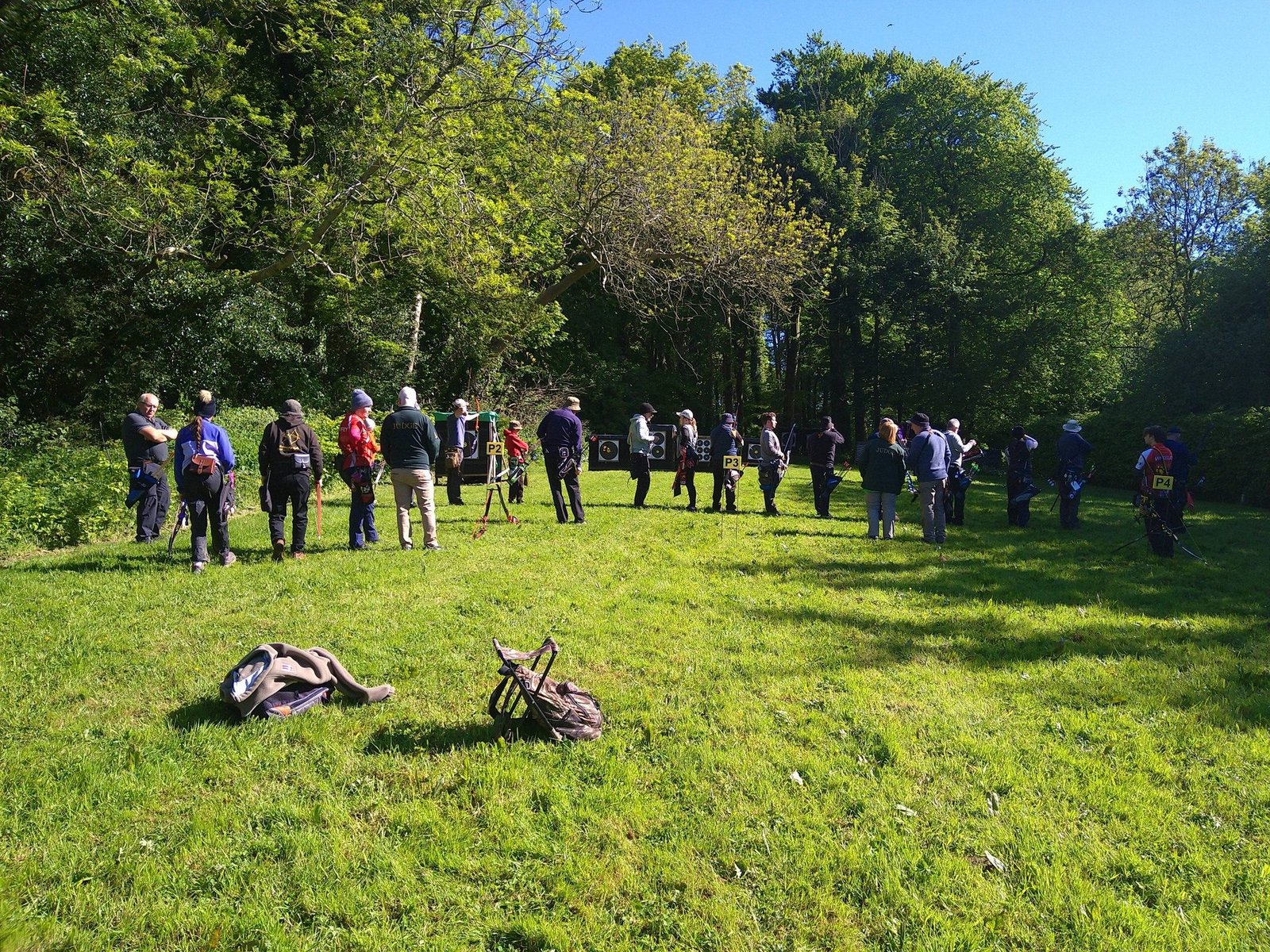
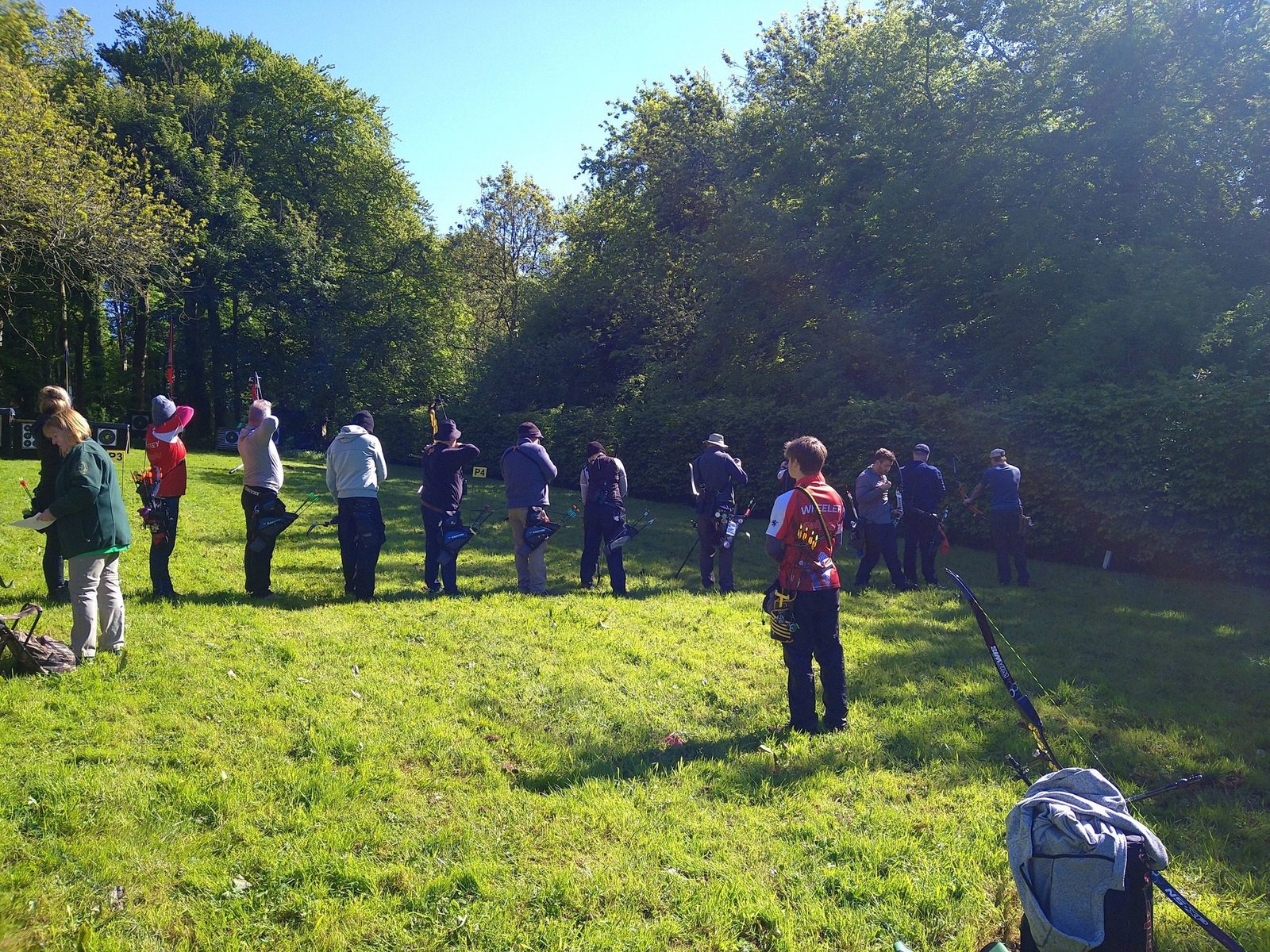
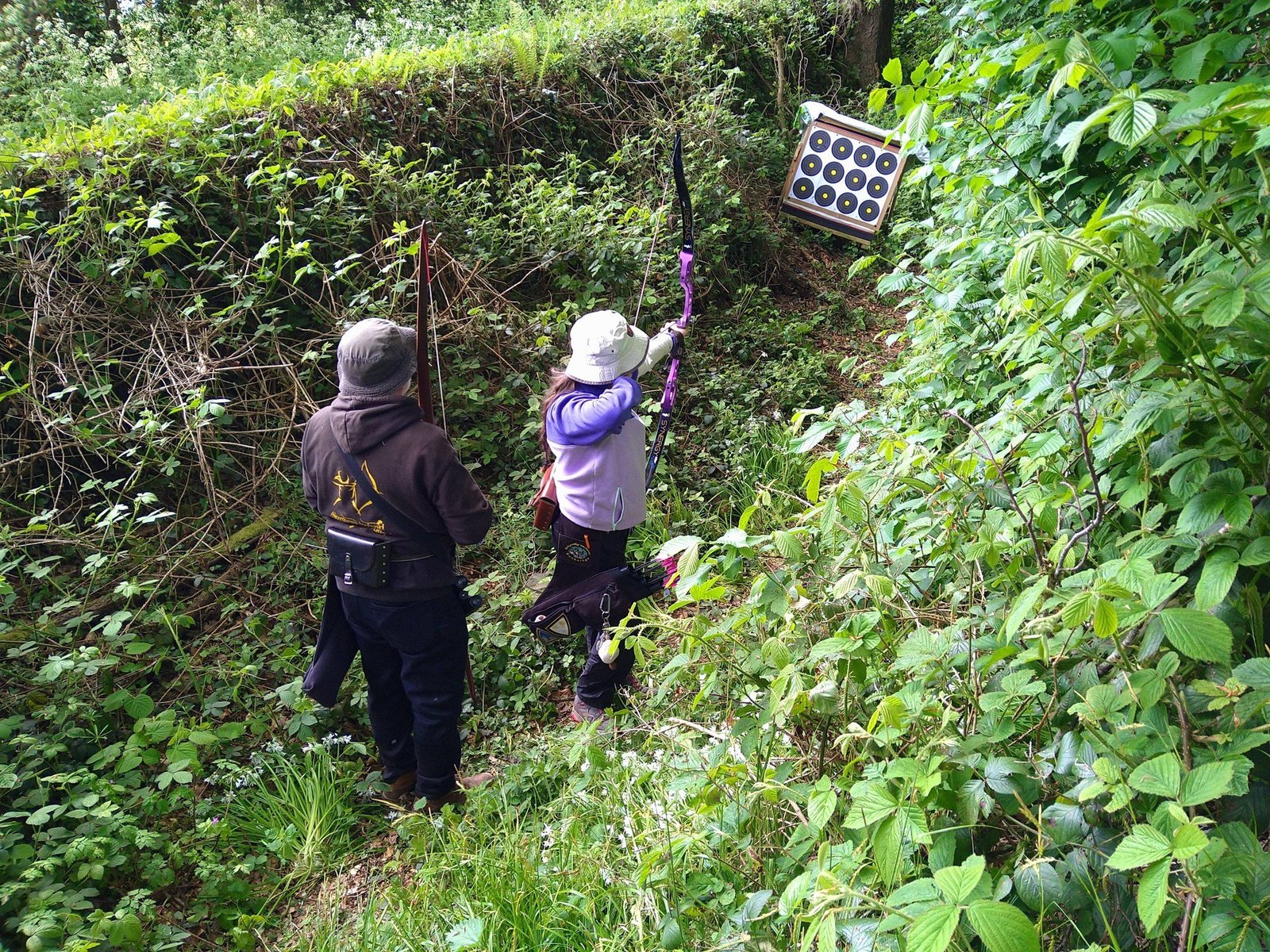
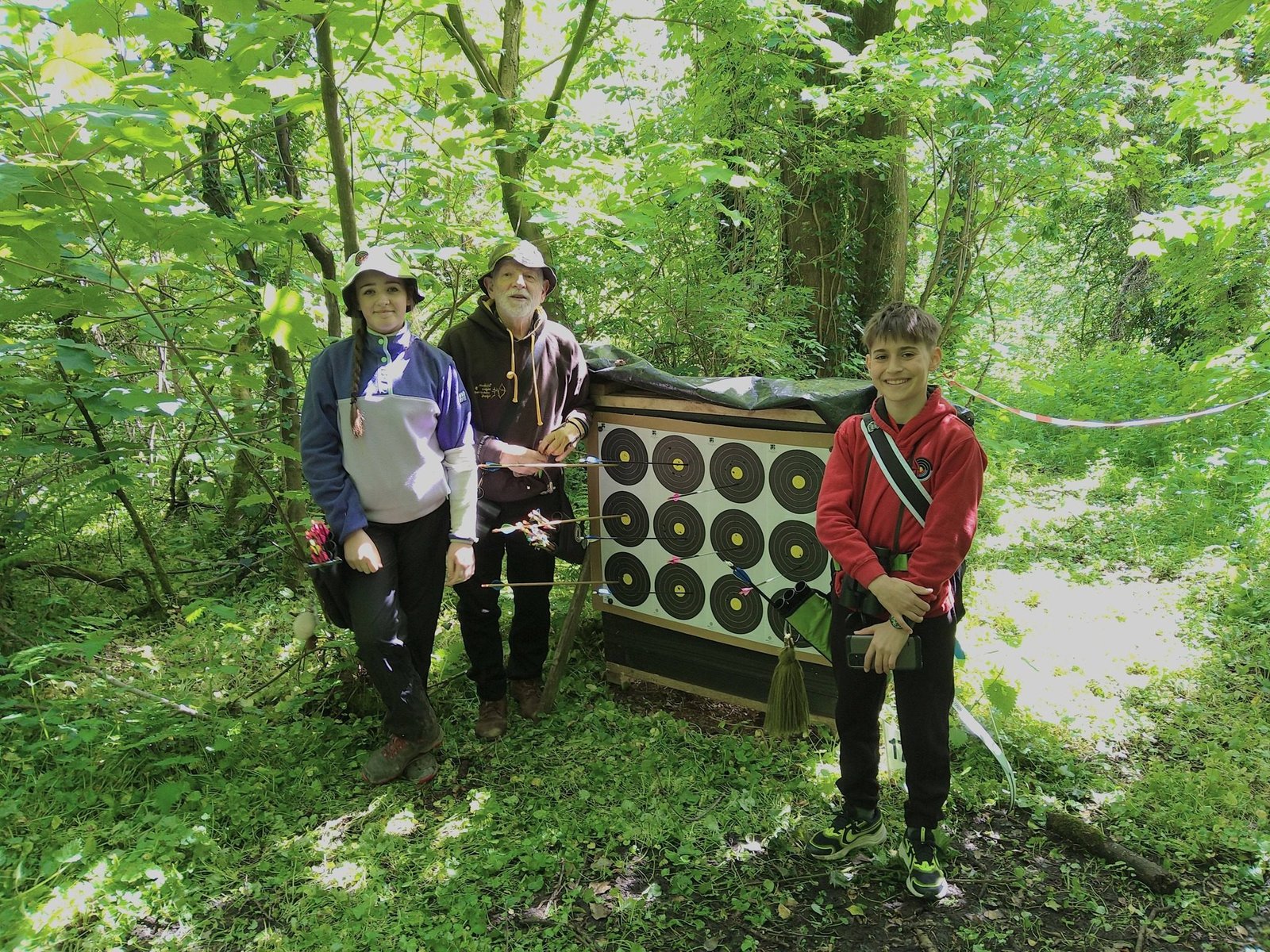
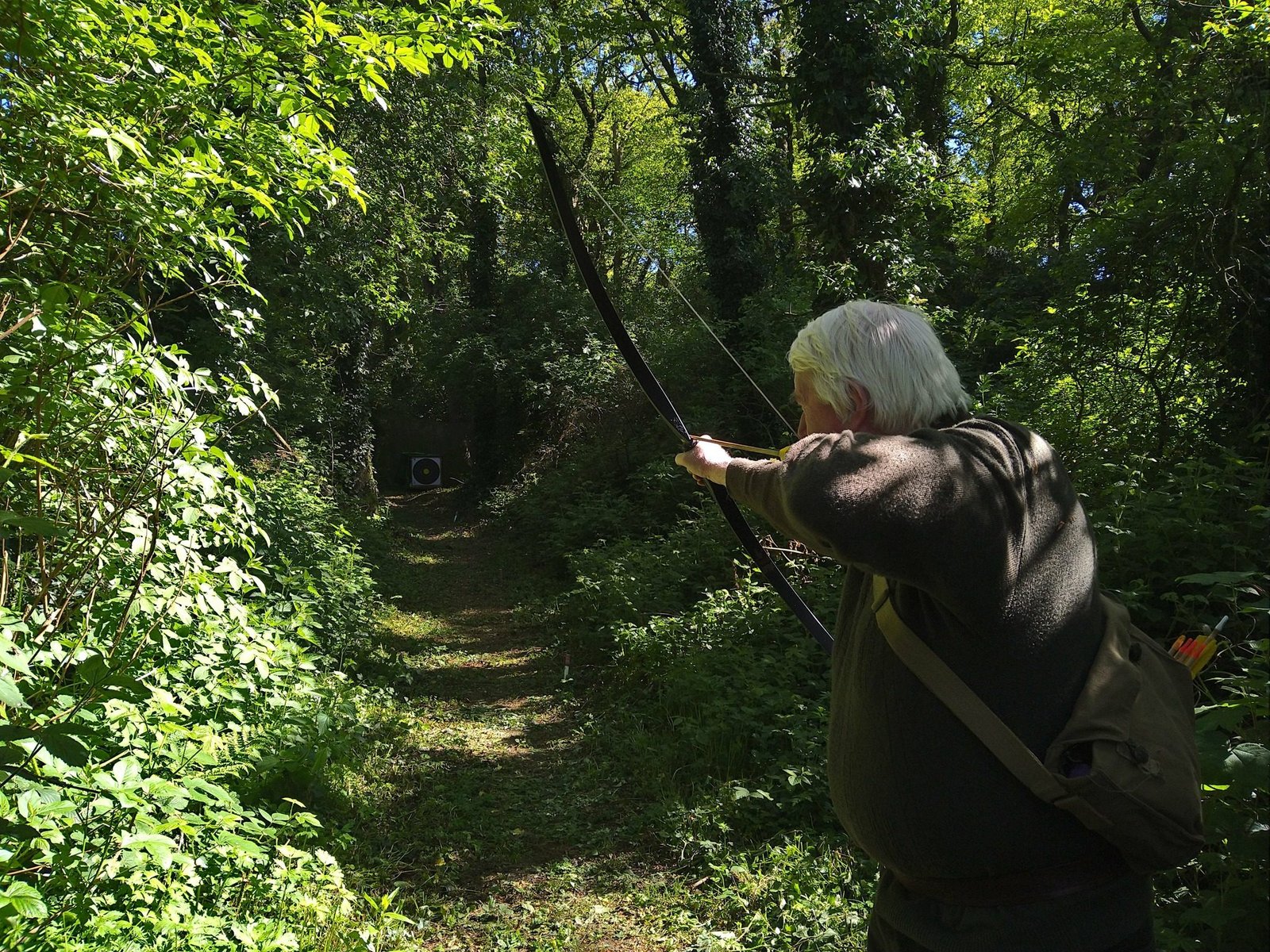
Whilst the first day was easier going, my group began at the rear of the course. Despite the heavier vegetation there, the great woody columns, a vicious torrent of icy wind dominates that part of the course. Its breezy tendrils whip and glide through the great pillars with the same deftness of a falcon, enveloping the archer so as to steal their strength and composure.
With me was, Tom Williamson and George Moore. The former was wearing a t-shirt, so I had to force myself to stand upright and smile as if the cold wasn’t sinking its needle-like fangs into my cheeks and neck.
Whilst I took off on one of the best starts on a course I ever had, Tom Williamson overtook me by the time we got into the final four targets of the first half. A slower start to the second half kept Tom well ahead of me, and by the end of the day he had shot a personal best, shoving me into second place – that is second of two.
It was hard to say where I was lacking against Tom. Though I suspect it was mainly the 60 and 80 faces, with his arrows hitting the higher rings. There were a few mishaps on my part on a couple of the shorter targets, clean missing with an arrow on a multiple somewhere in the 15m region. Yet in terms of mistakes, Tom and I were on an equal footing. Tom just made up for it elsewhere with greater accuracy.
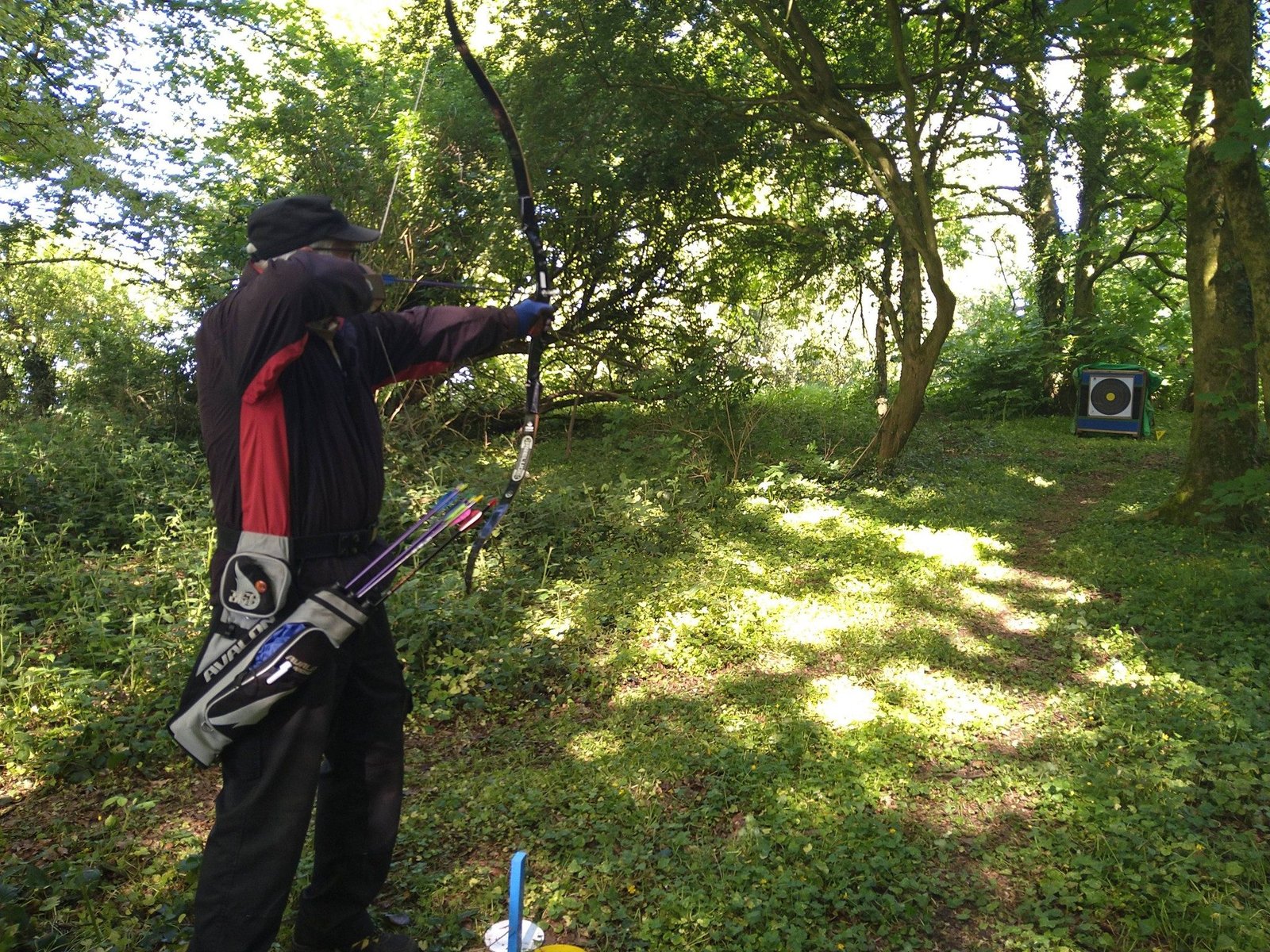
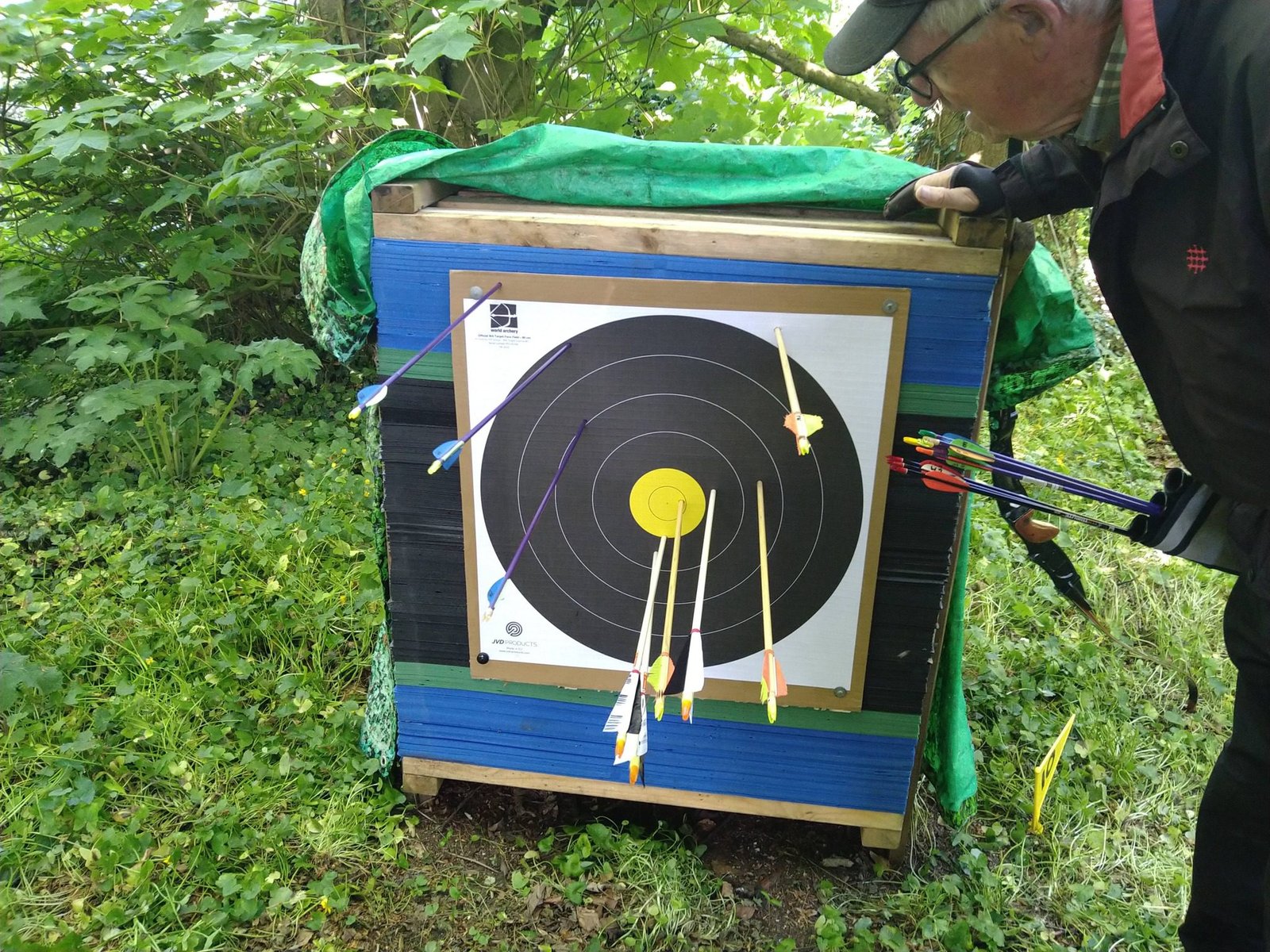
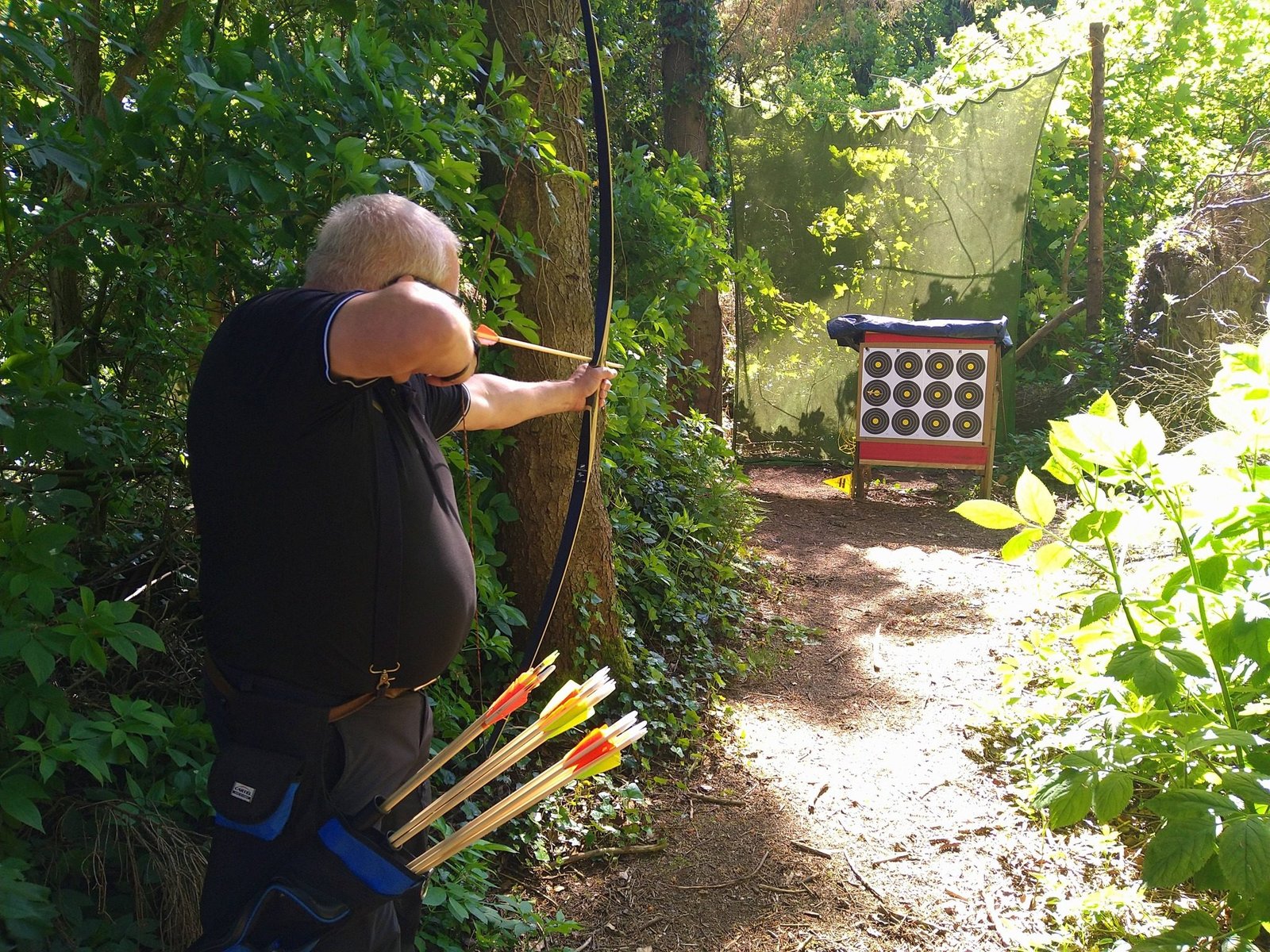
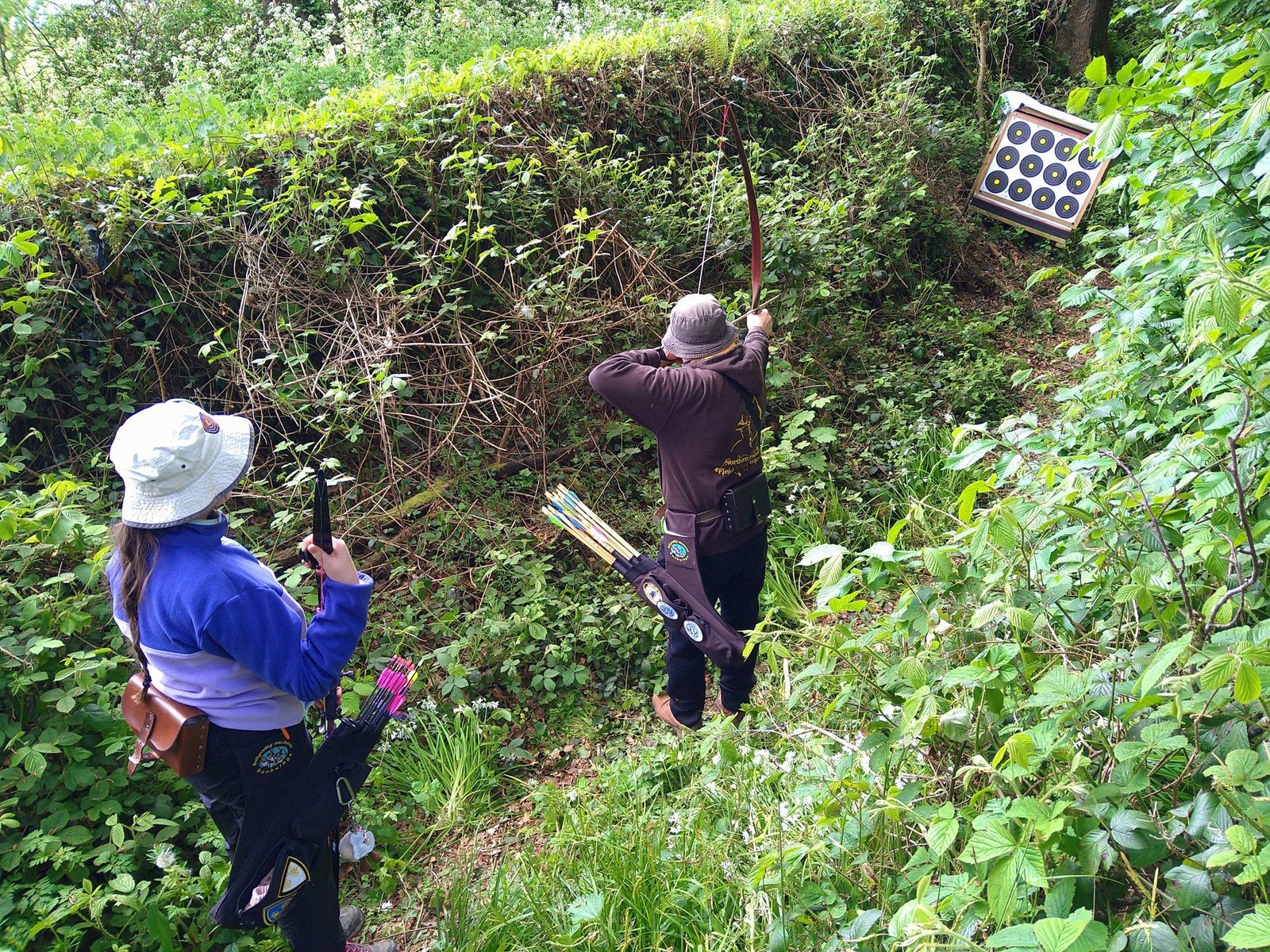
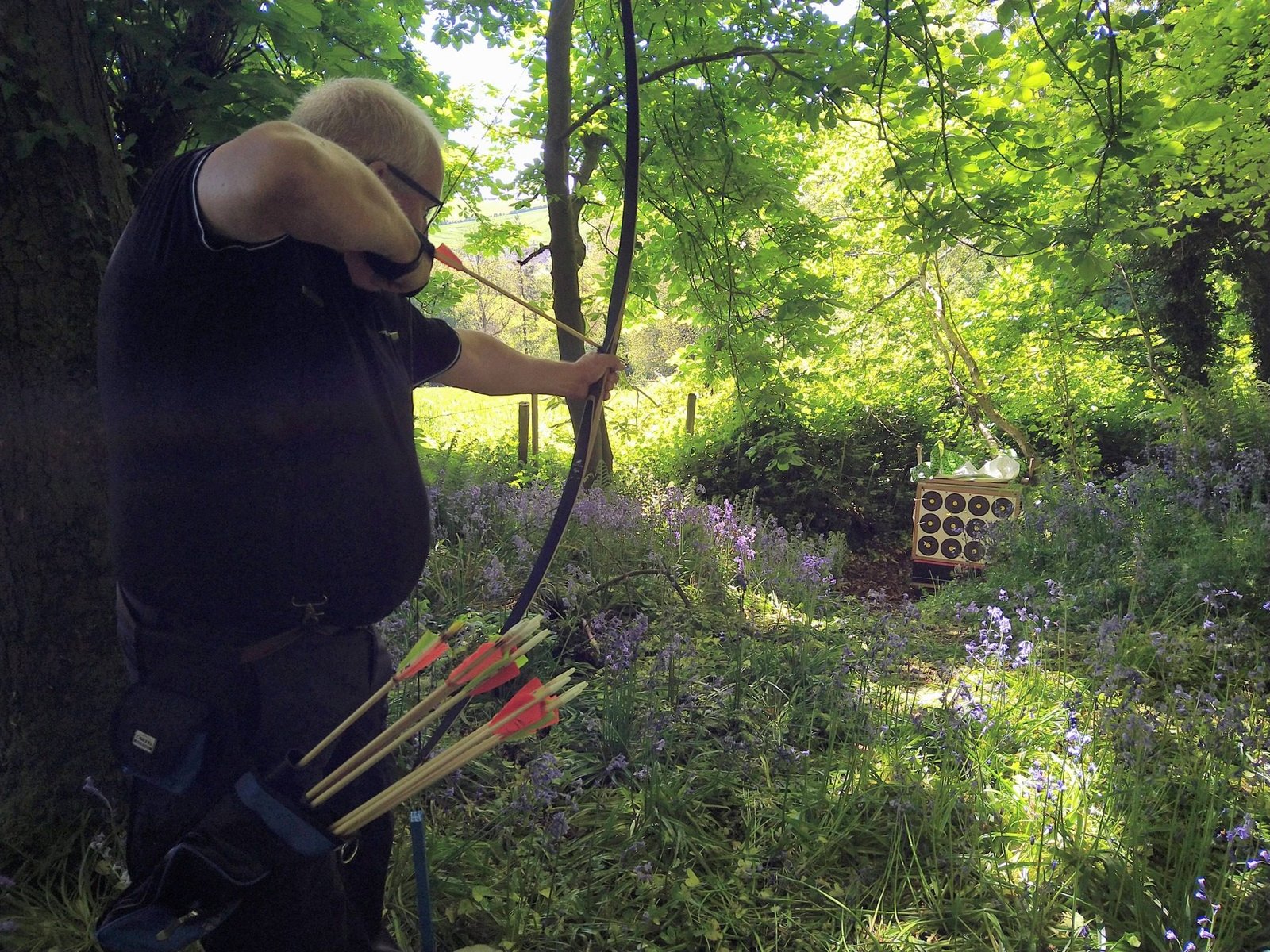
In keeping with the nature of a marked round, I had a rough start on day two. It was a while before I managed to land three arrows on a single target. It wasn’t an easy starting place, however, as my group were getting many of the big faces out of the way first.
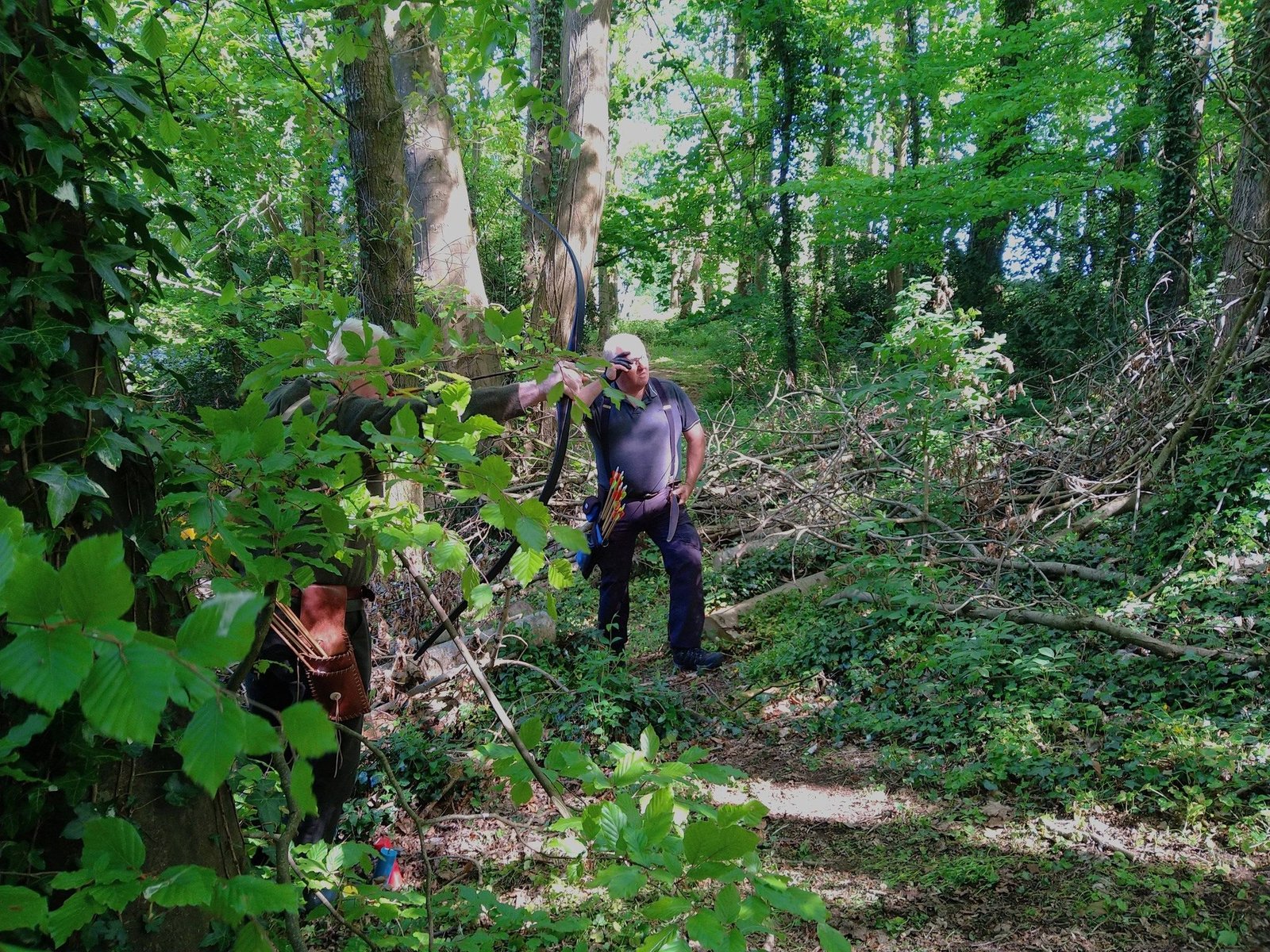
This time it was the Toms who were with me, Tom Williamson again, and Tom Scott. All in all, it was learned company to keep for the day. Tom Scott has come on superbly in the past few years and is the only archer I know who uses an ambidextrous bow, occasionally shooting with his right hand.
As we made it into the last half of the first half, the targets were still not yielding to us. The first day, on the unmarked, I had a total of four misses across all twenty-four targets. By the end of the first six targets on the marked course, I hadn’t even managed to get all three arrows on a single target!
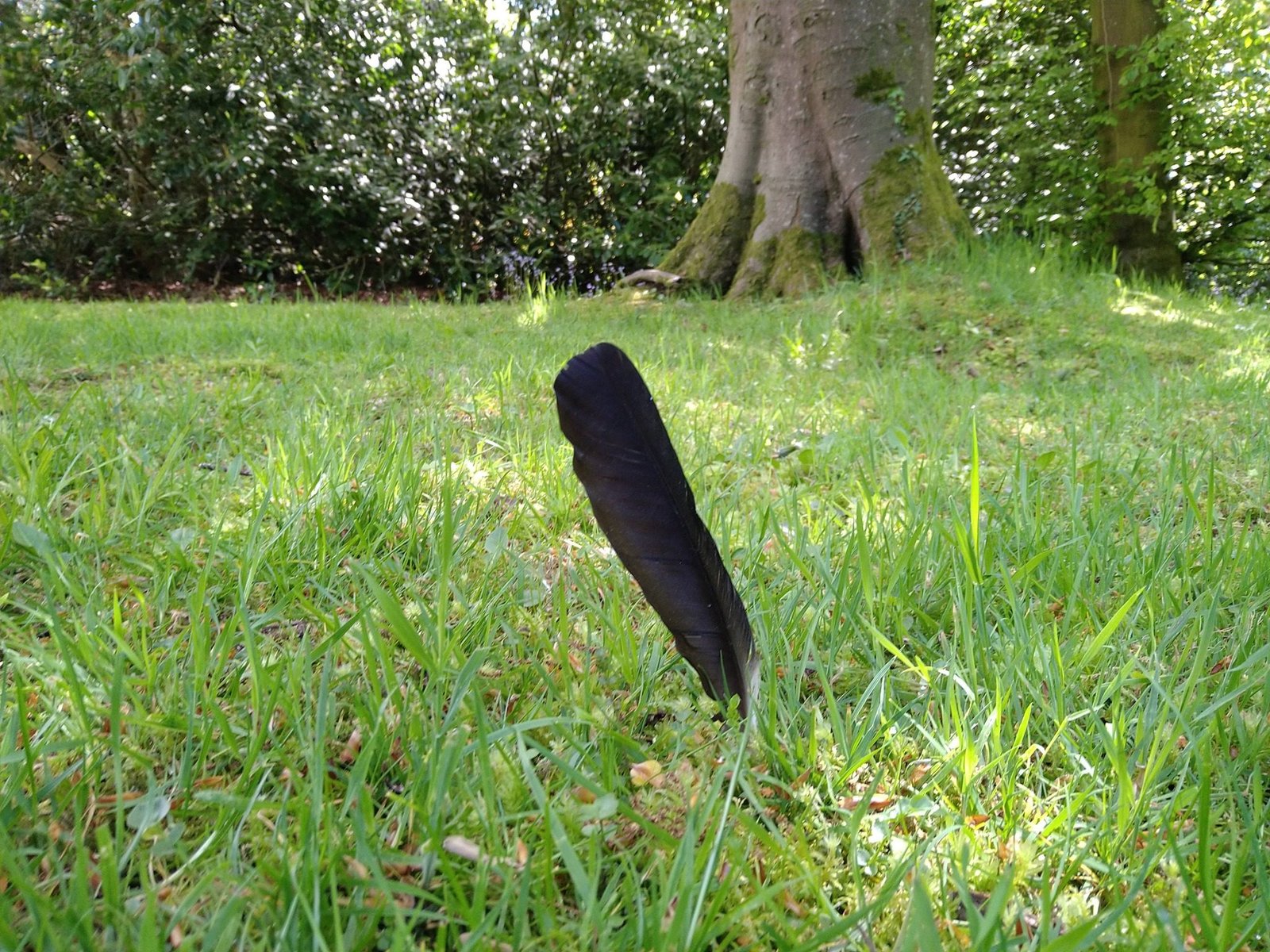
Thankfully I had the benefit of seeing a couple of wrens, and the chorus of blackbirds to keep me going. Whilst blackbirds roll out a belligerent chirruping, Wrens roar with a brutish chirping disproportionate to their miniscule size. Whilst it is obvious that blackbirds are never happy to see us, it is hard to tell with the rooks. Their deeper, honk like, caw is difficult to resolve into anything tangible.
Naturally the robins were out in force, wondering just what we were up to. If they had the mental capacity, you just know they’d be trying their best to put us off.
Early on we passed a field with a foal and mother horse grazing and caught sight of the donkeys residing in the shade of a large tree.
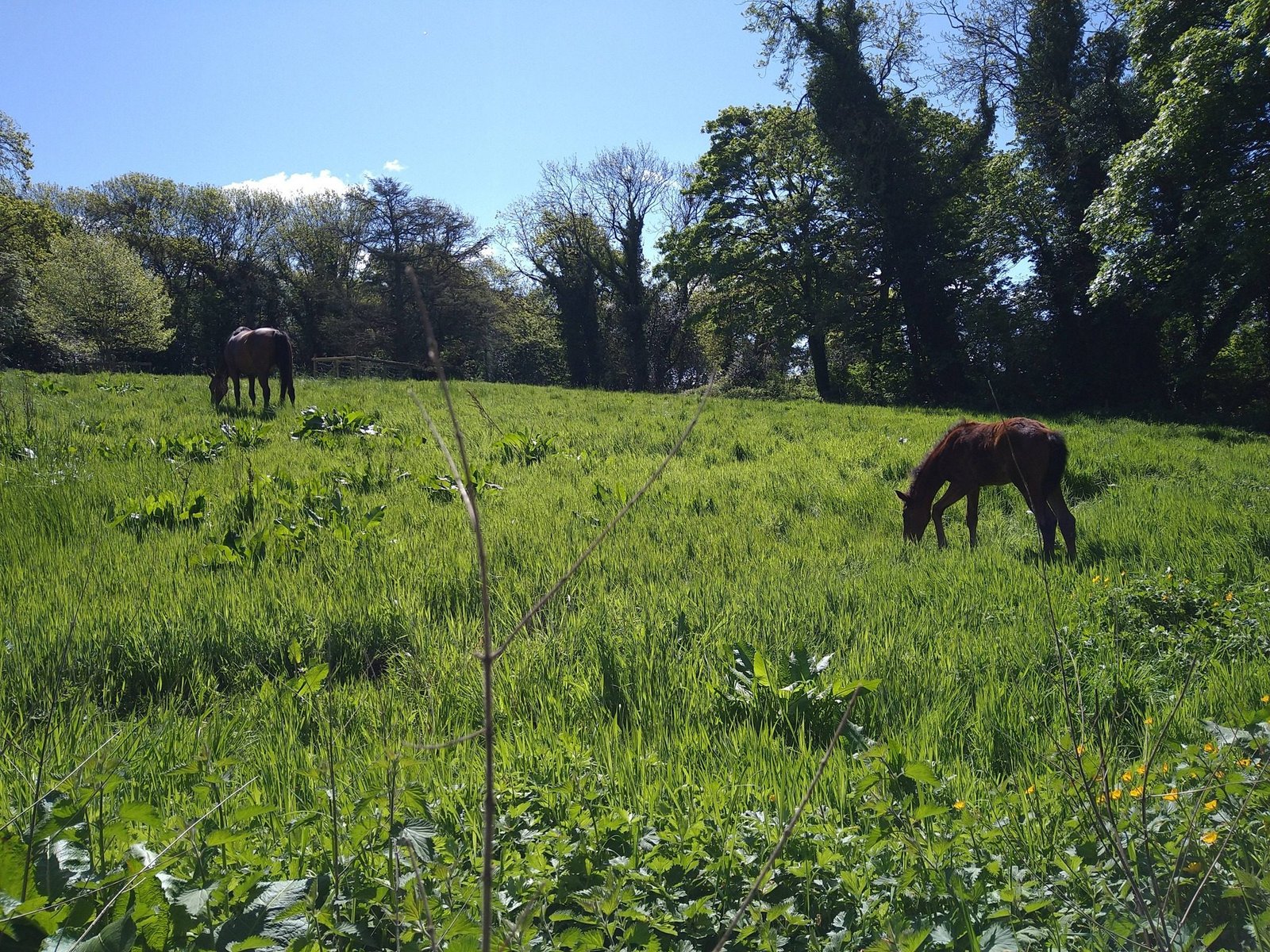
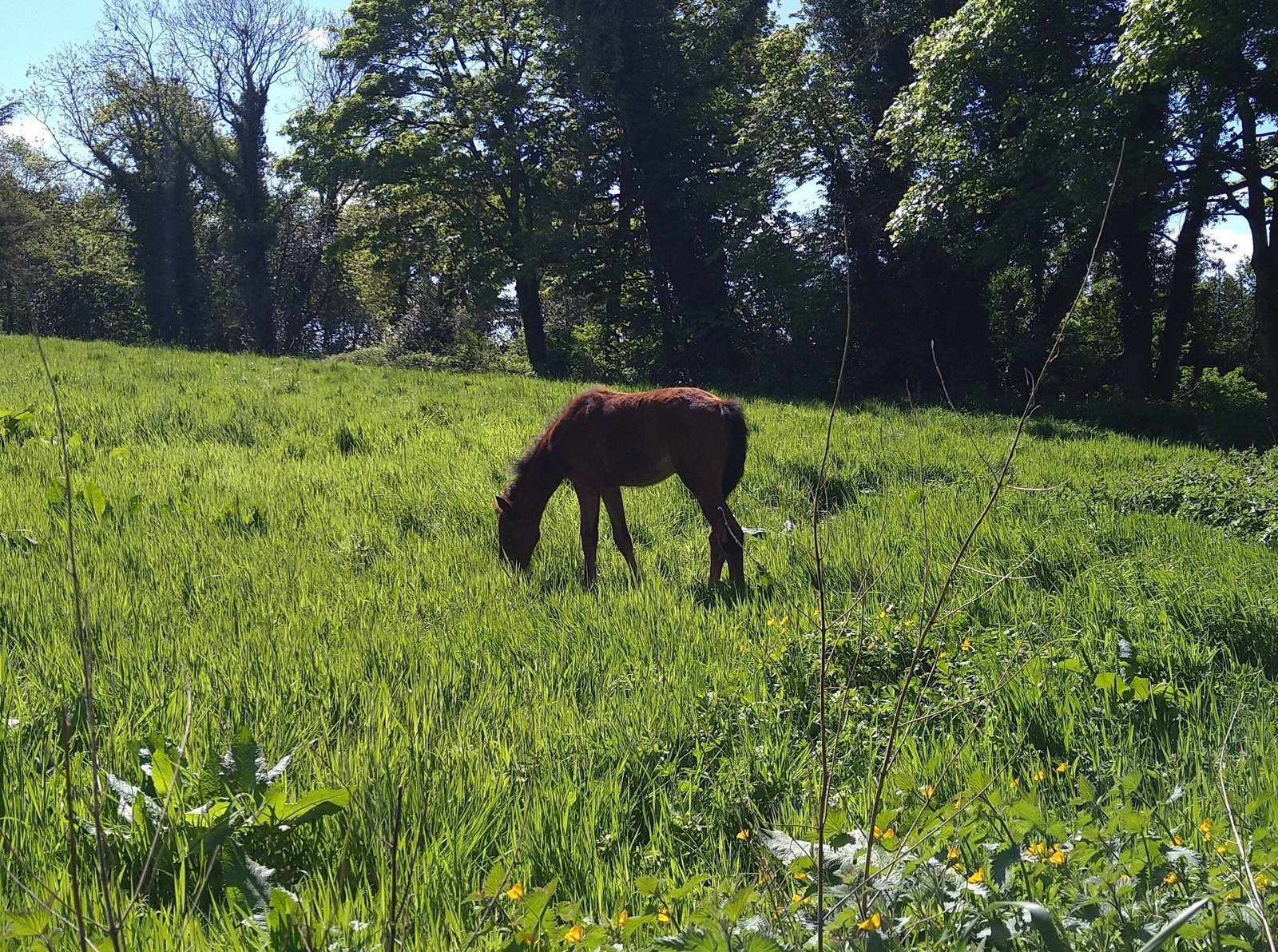
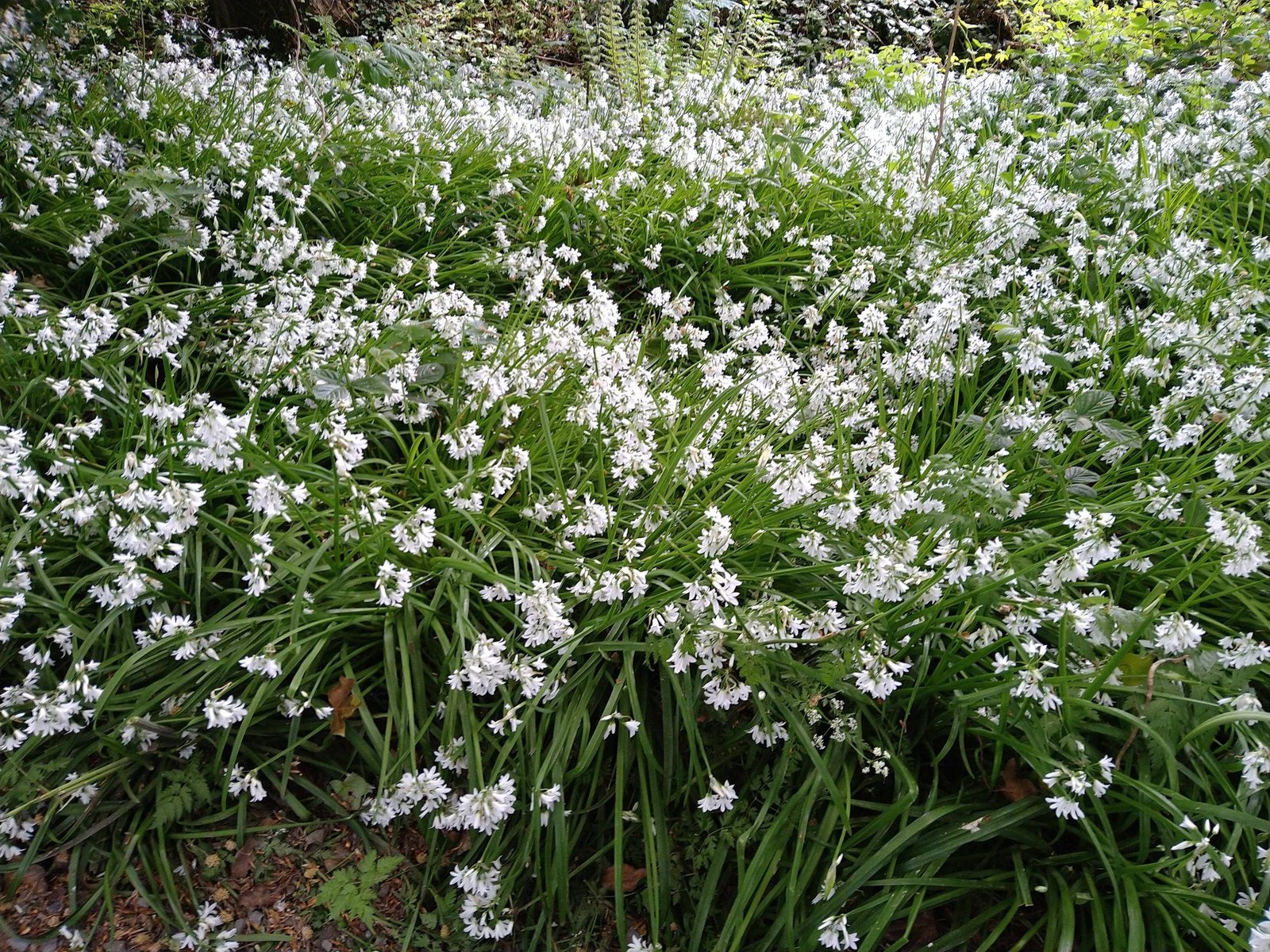
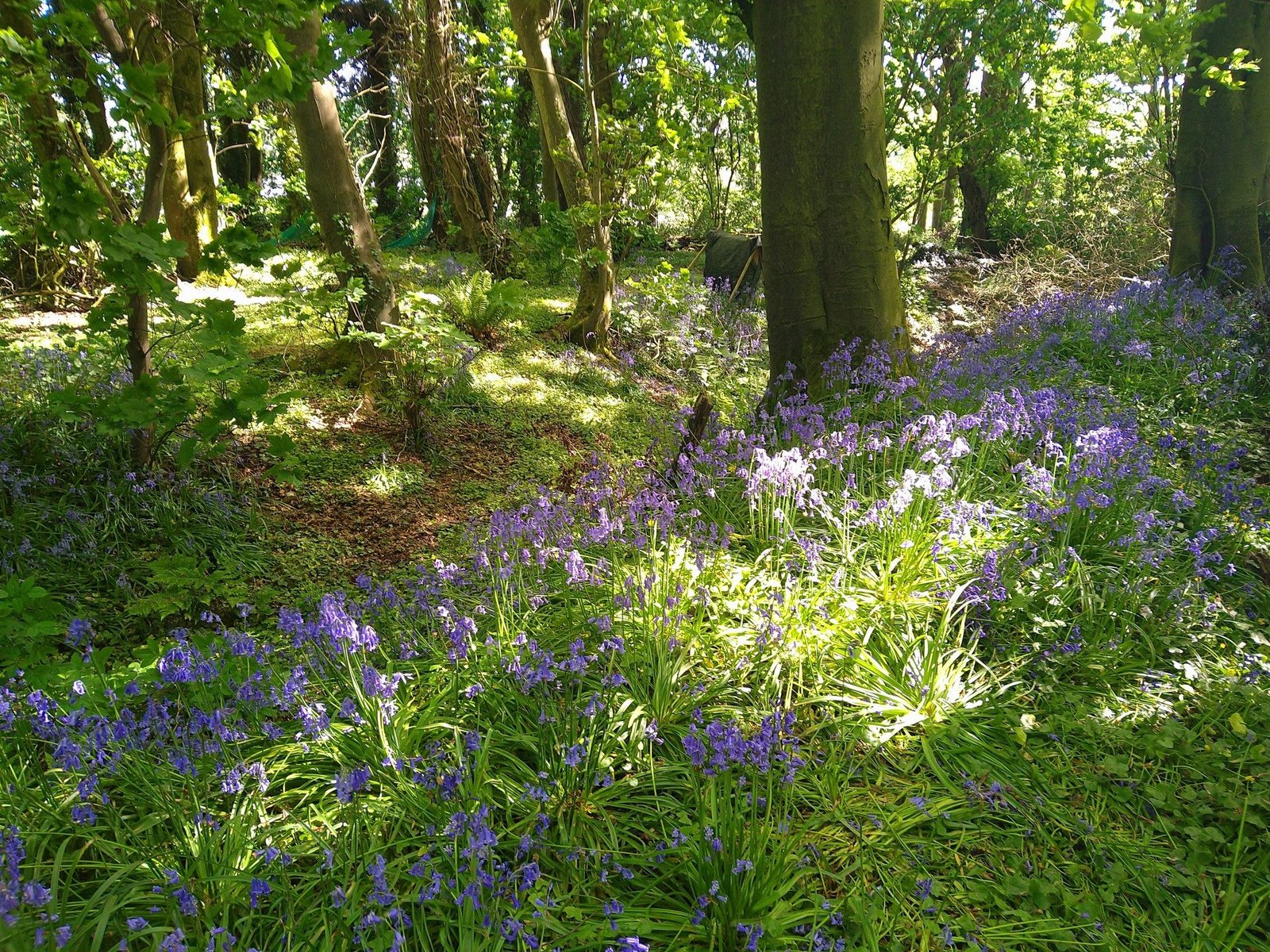
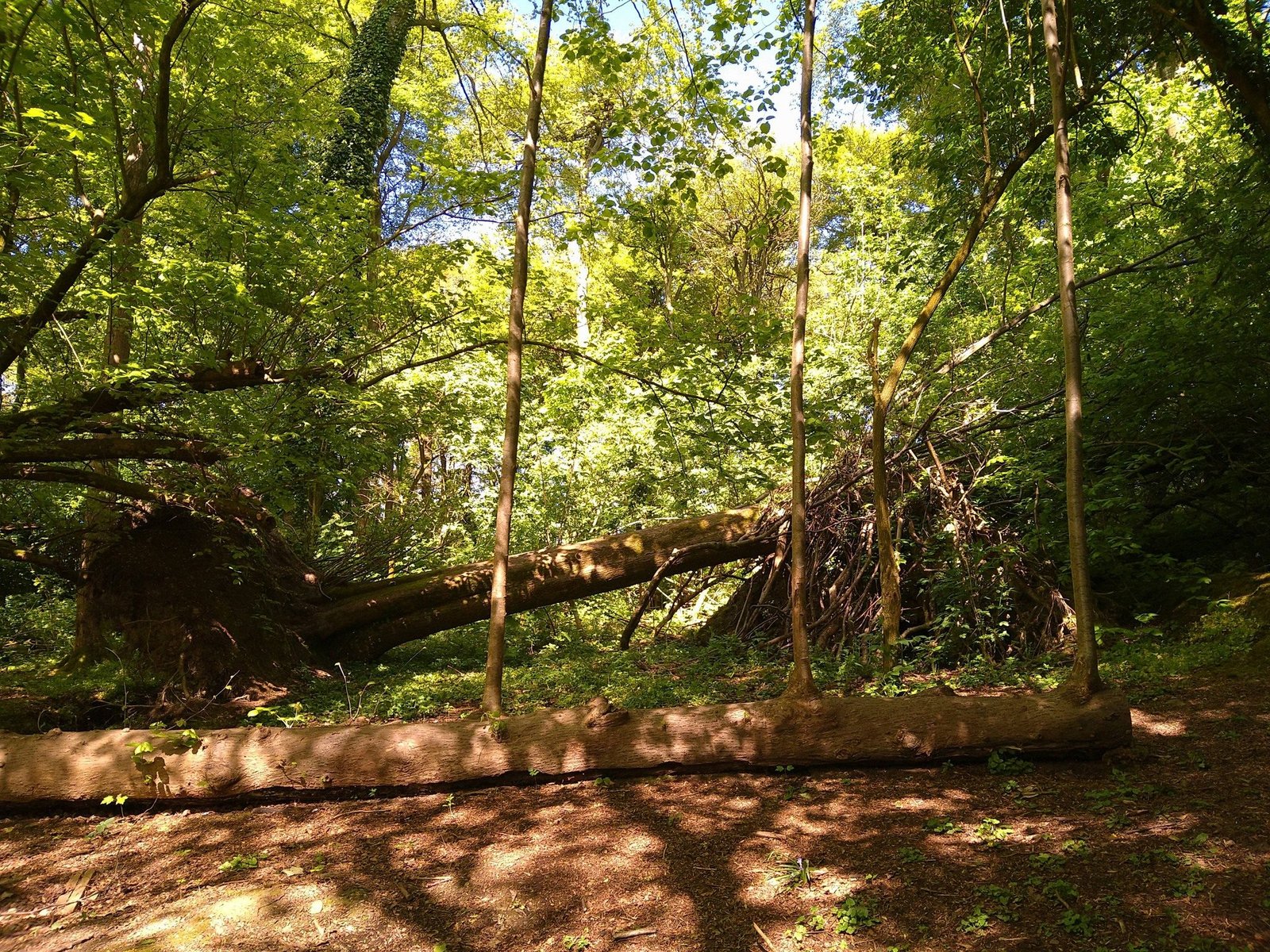
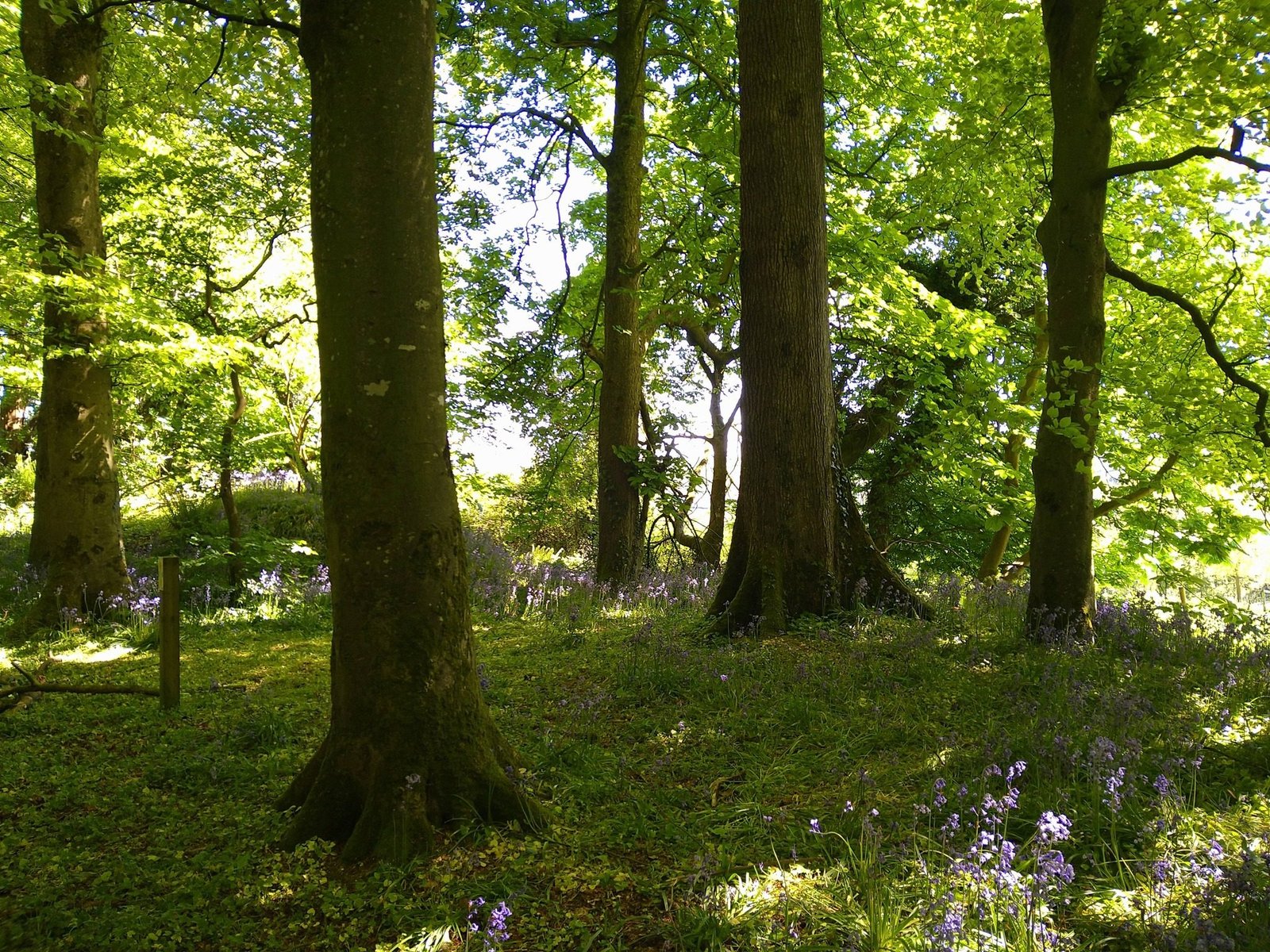
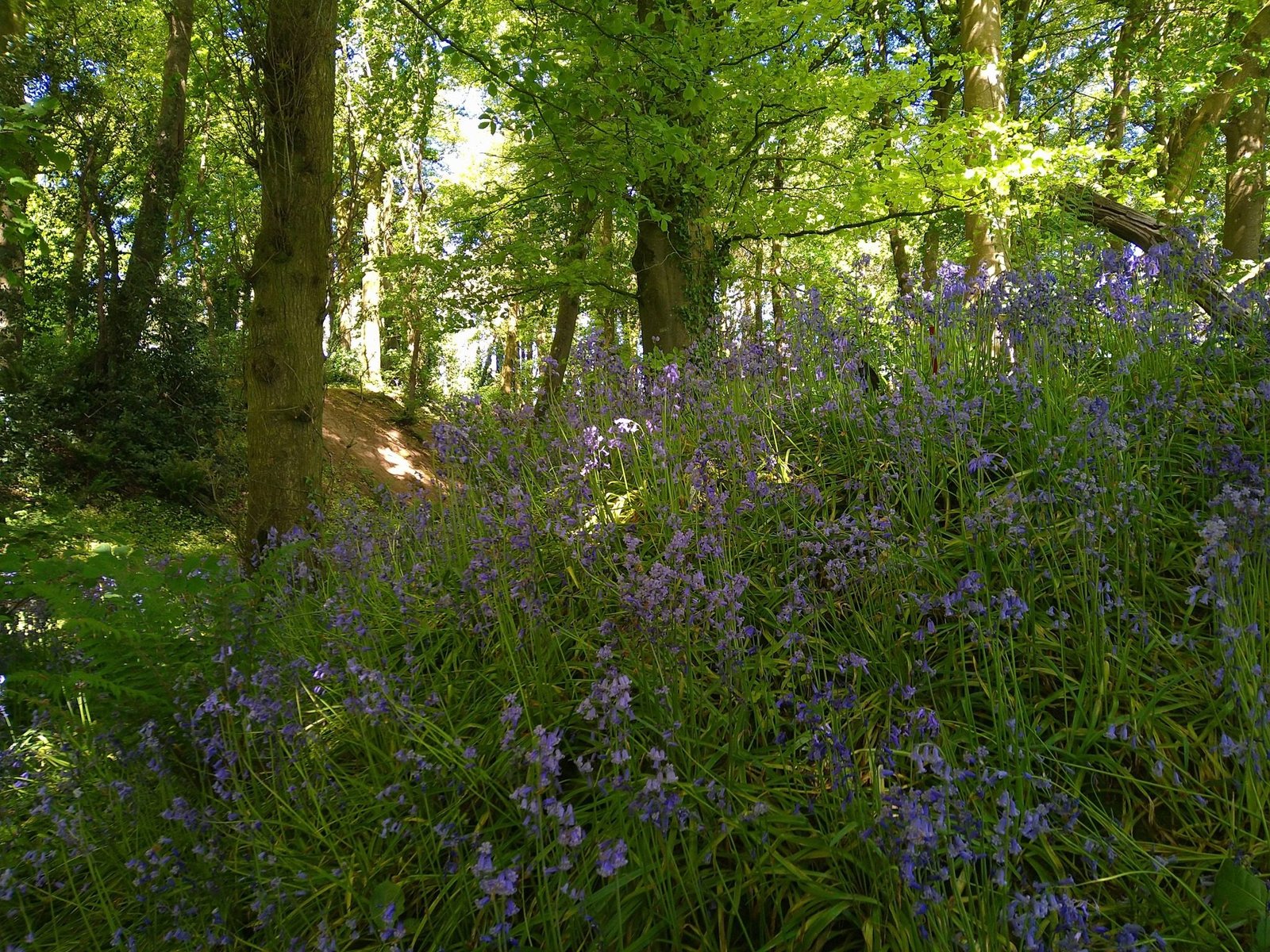
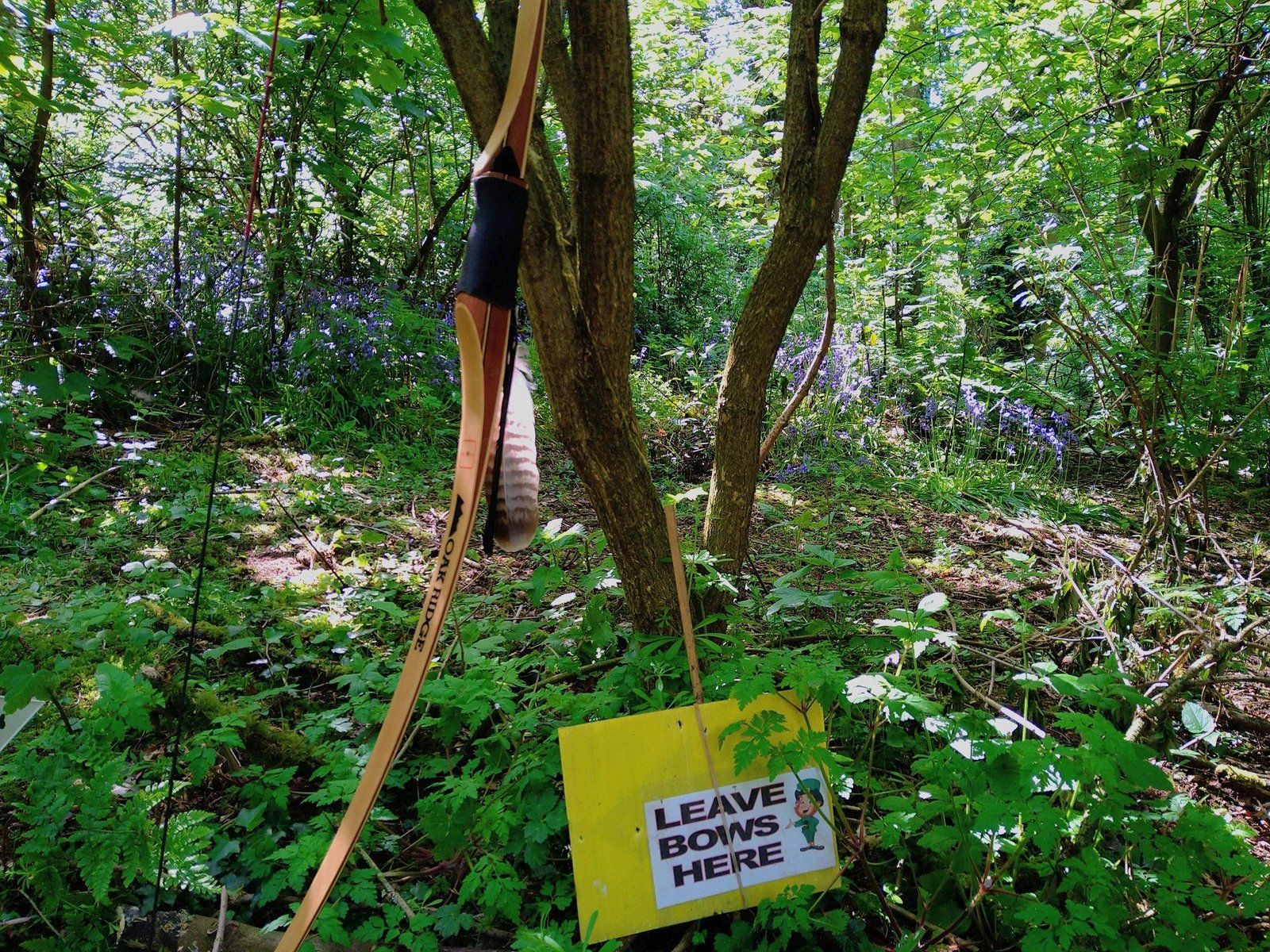
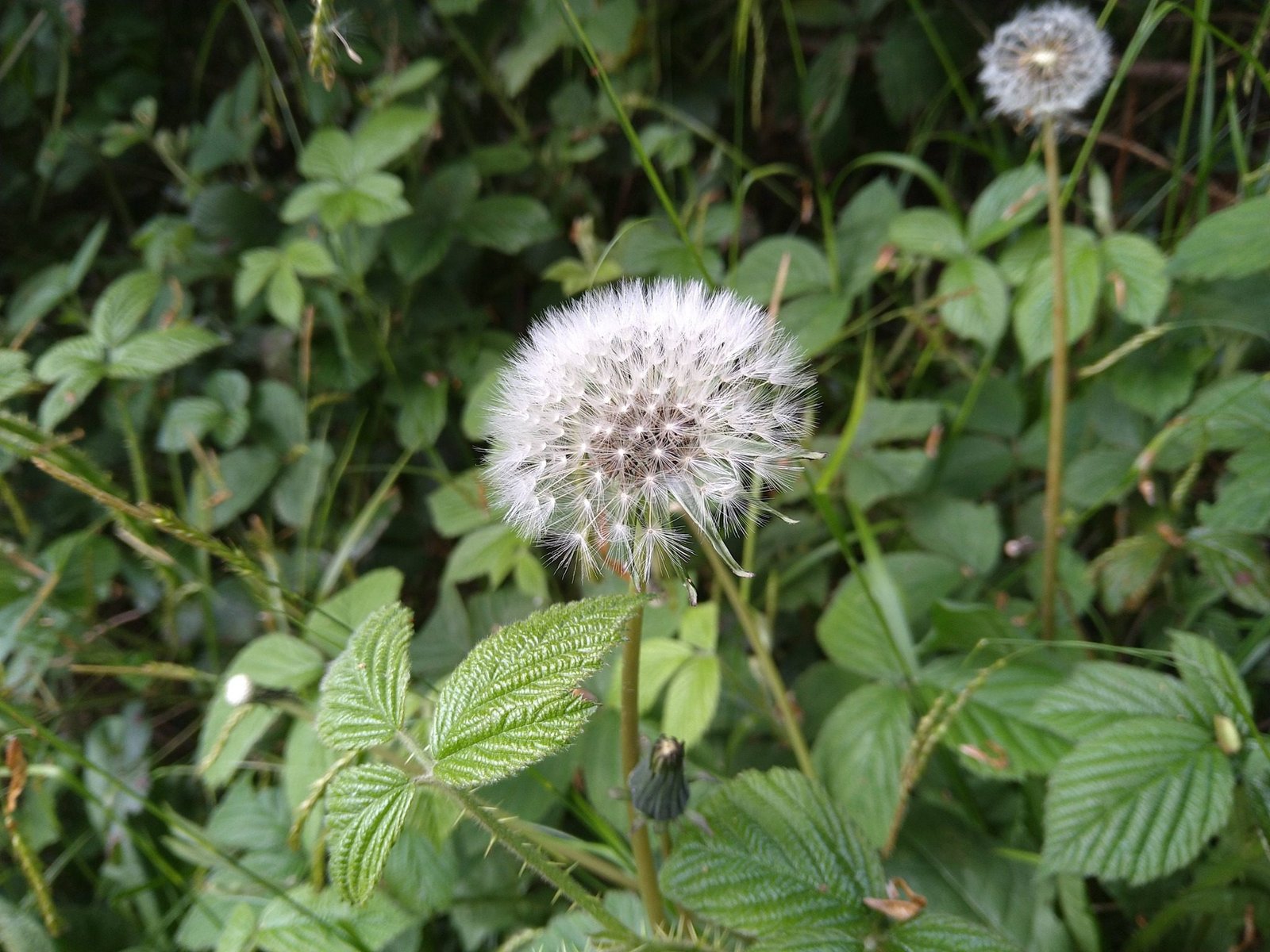
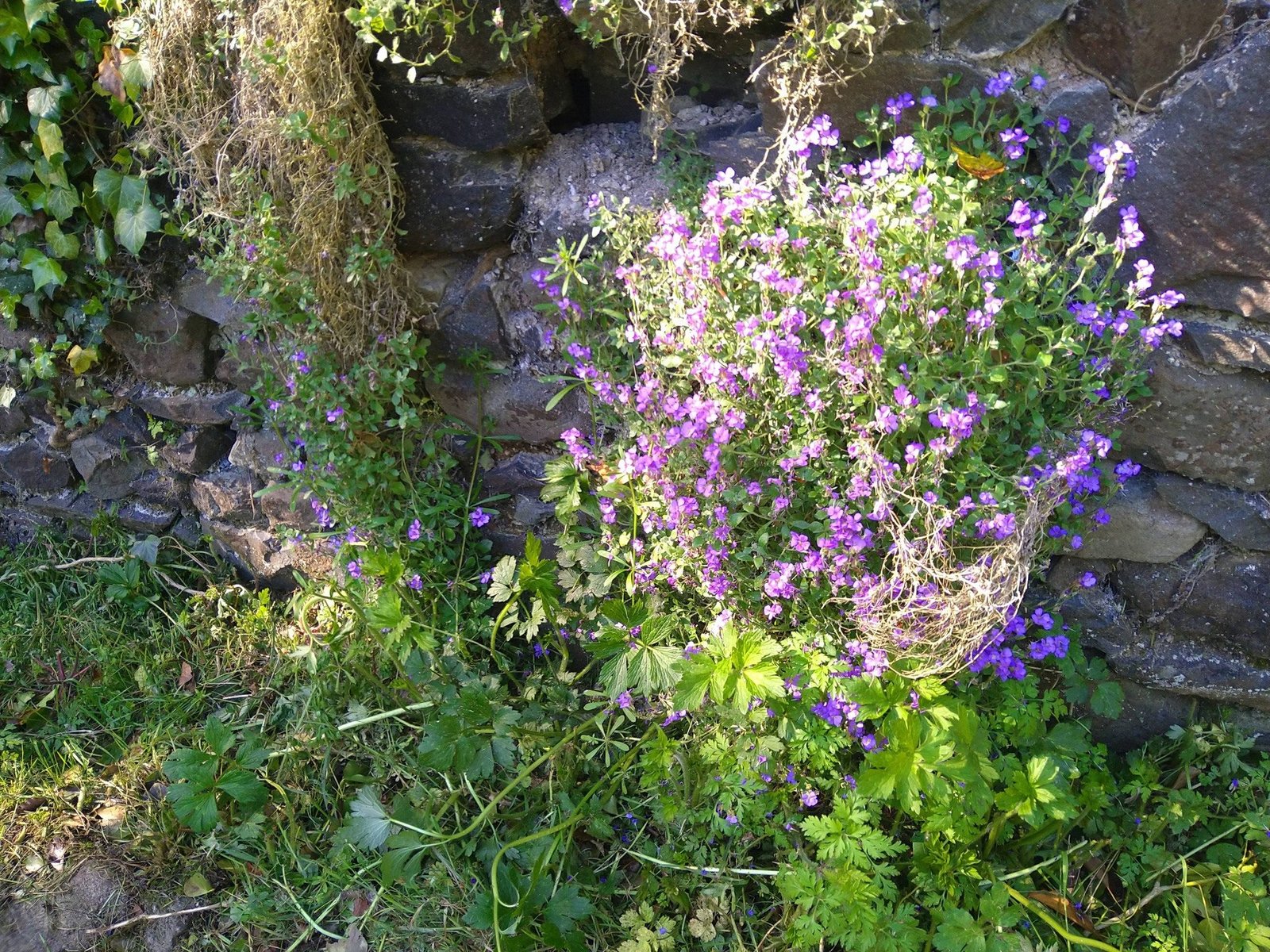
Many of the lanes to and from the targets were rife with nettles and ivy, all dashed by the rooks of course. Towards the rear parts of the course, bluebells reigned across the soil, even conquering the walls of the ancient ring fort and setting a soft contrast to the darker hues of the trees. At various intervals the dazzling white of onion plants combined into enrich the banks, with a heavy scent permeating the lanes.
All of this represented spring in full force, winter forgotten, swept away by the upheaval of new life.
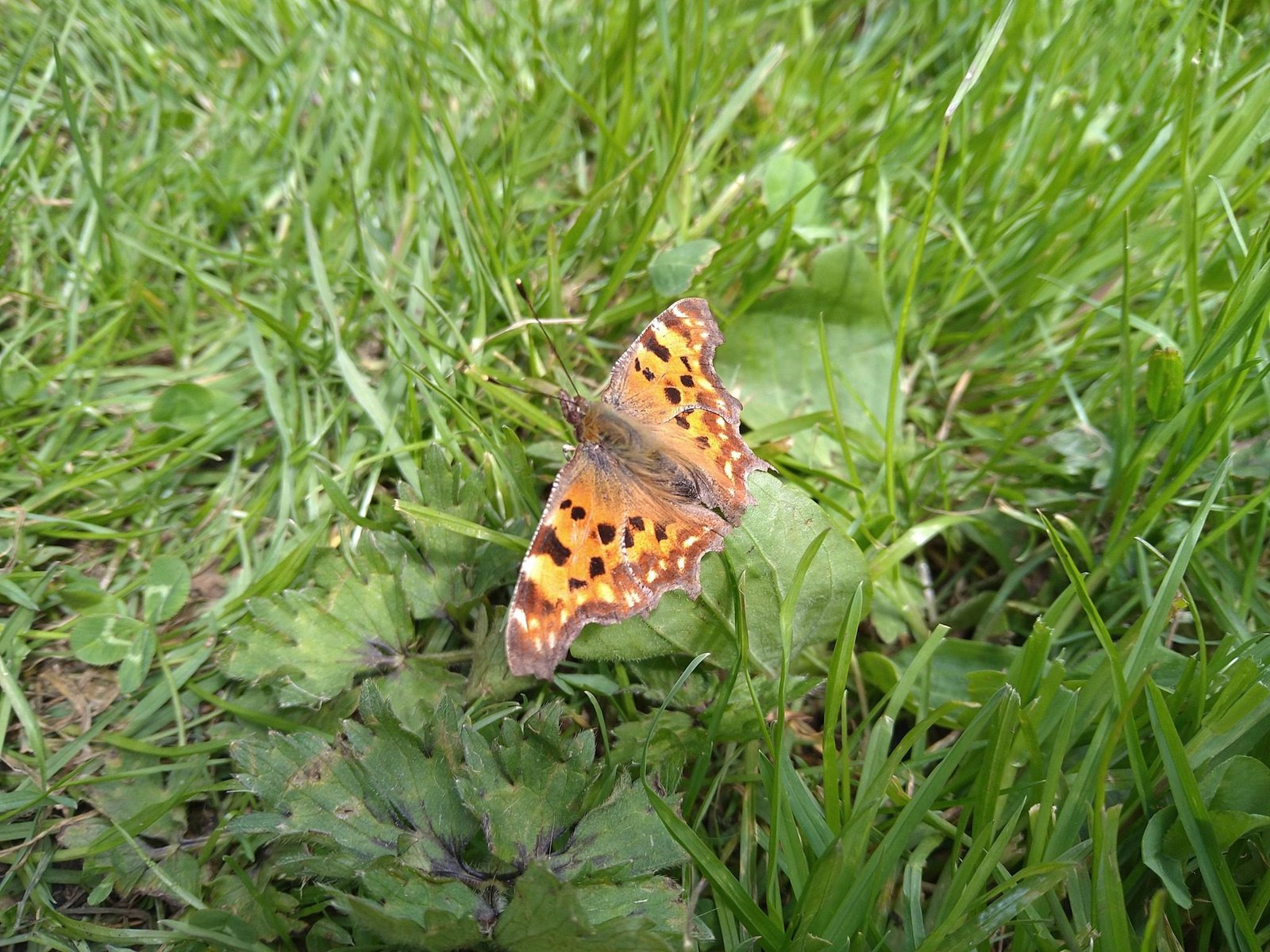
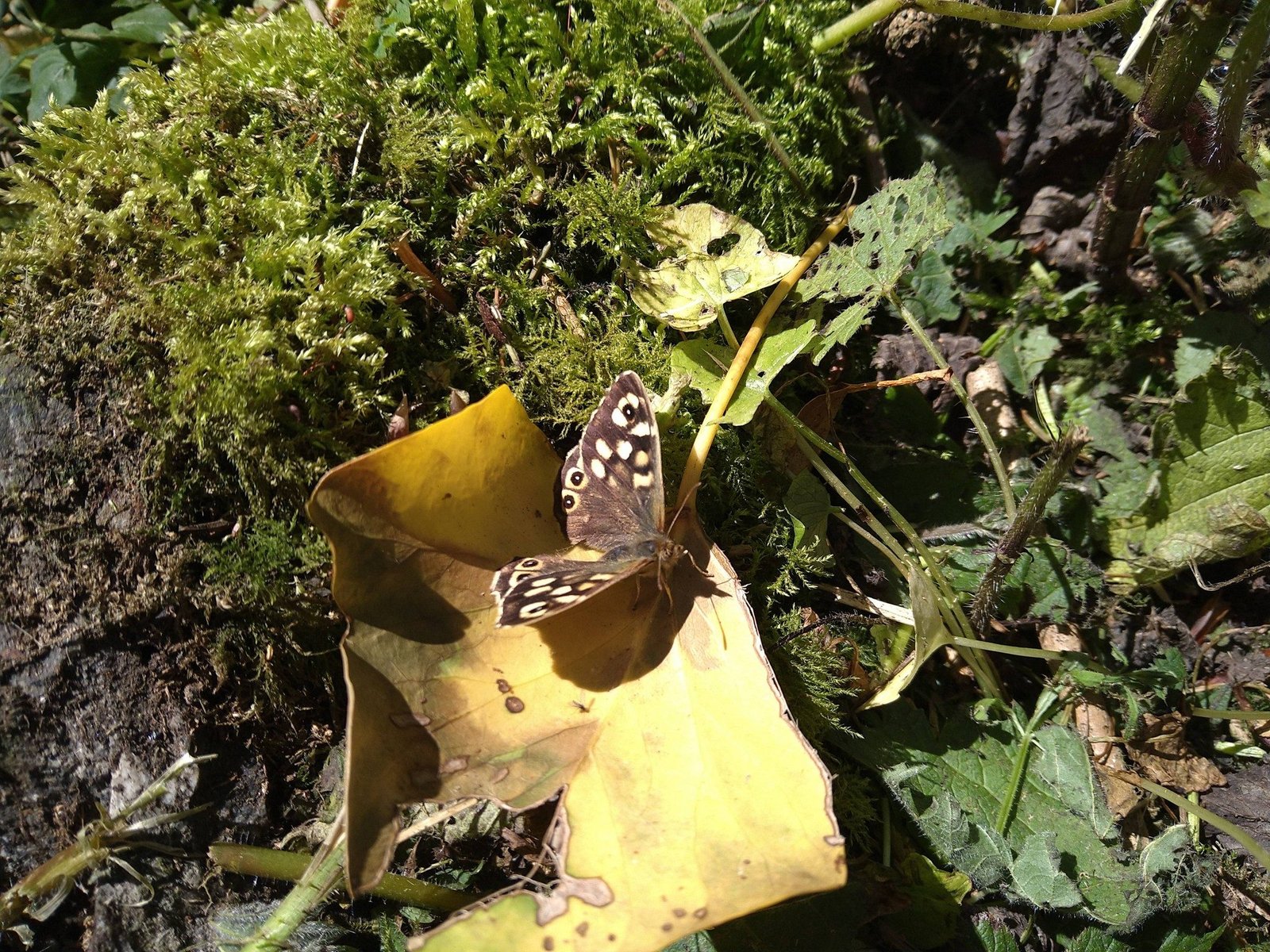
At the end of each day, we were graced by the presence of butterflies, each posing long enough for me to get a decent photo of them.
There are many kinds of ‘wins’ to be achieved in a field round: not losing any arrows is a classic; taking a podium place; shooting a personal best; not blanking any targets; scoring higher on specific target types; breaking in a new shooting style. It is important to recognise all of these, to build an ongoing resilience when things get tough, and see just how far you have come!
Views: 482