Knowledge gathers in the hands first. Before theory spreads its mesh, the body enters an agreement with wood, string, air, and ground. A seasoned yew settles into the palm with a weight that carries memory; cool grain moves under the thumb as if years travel along the nerves. Breath pulls damp earth and crushed grass into the chest. Feet meet soil; pressure climbs the bones and draws the spine to its full height. Presence registers through posture. An anchor arises even before the arrow moves. The string meets three fingertips and offers a faint rasp that hints at stored force. Touch opens a conversation. The body tunes itself into an instrument of attention, and ceremony begins with the simple act of taking up a tool. The field steps forward: wood, string, soil, horizon, a long green lane that receives the eye without hurry.
Perception enters through action. An archer walks to the peg and allows habit to shape the world. Alva Noë’s thought lives in the body here: meaning emerges from what the body can do. Gold at the centre with rings breathing outward waits seventy yards along the light. Muscle memory speaks through the back as the draw rises toward anchor near the mouth; ribs expand to make room for that geometry; scapulae slide with a steady glide. A heel shifts a whisper’s width and the entire picture adjusts. A slow pivot of the head sets arrow-tip and gold in a truer relation. Wind brushes the cheek with grainy chill, and the bow arm yields a hair to welcome its push. Understanding blooms in the movement itself; thought spreads through limb, breath, and skin. Mute surfaces turn responsive; the field answers with textures and counterforce. The archer shapes conditions for flight by engaging the place; the place reveals itself through that engagement.
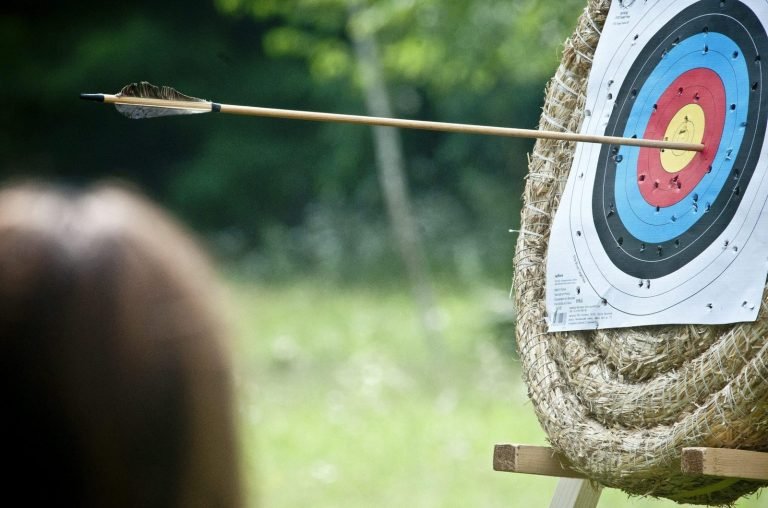
The draw gathers a current that carries the archer inward and outward at once. Goals shine without speeches; the centre pulls attention as surely as a bright coin under water. Feedback arrives without ceremony. A shaft leaves; a thud reports; later the face on the bale shows a small script of holes that tell form, timing, release. Mihaly Csikszentmihalyi’s language for this condition—flow—fits with clean precision when a practiced sequence meets an honest challenge. Finger pads register the string’s pressure; anchor rests against bone with faithful contact; breath settles to a tempo that steadies the torso. When elements answer one another, observation fuses with action. The self widens to include stave and string, shaft and the silver line it writes through air. Seconds at full draw open into a broad interior, while whole afternoons gather into a bright thread of work. Meaning lives inside the doing. Each arrow completes a small world that carries its own reward.
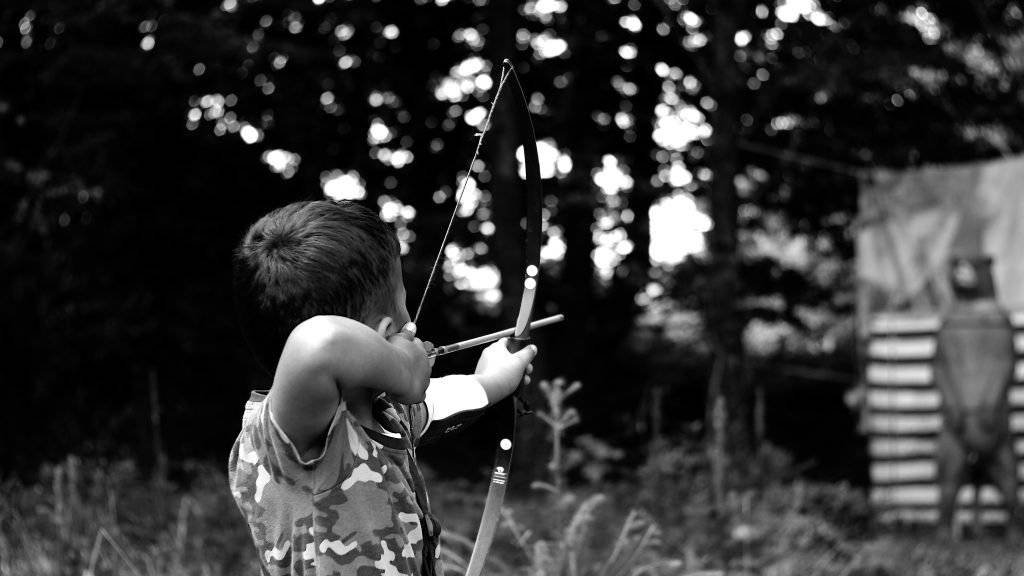
Relation sustains the engagement. The bow bends with temperament born of timber and tiller, and the pull receives a measured reply. Hartmut Rosa would name this exchange resonance: a dialogue that resists domination. Limbs hum at full draw with compressed energy; that vibration speaks along forearm and ribs. Alteration runs both directions in the charged space between person and tool. A pocket of uncertainty keeps the relation alive. Form, breath, and release belong to the archer; the last yards belong to air, gravity, light, the small sways that live inside any living frame. A Stoic ethic rises naturally from the field: give care to orientation, effort, and method; welcome the world’s answer without bitterness or grasping. An archery ground therefore cultivates a human tempo in a culture pressed by velocity. Rhythm settles to a pace the body honours. Attention stretches a live wire between person and world, and that wire carries something like music.
The sanctuary travels. On a bus thick with chatter, ribs open with the same even breath that steadies anchor, and the mind clears a lane through which decisions pass without collision. At a crowded table, the “quiet eye” of Joan Vickers—the sustained fixation in the final seconds before release—returns without name; the gaze holds a child’s story through each pause and stammer until the last detail lands with dignity. During a late shift, a designer raises a pen the way a hand raises a bow, and the line on paper receives the same patience that once gathered at full draw. The sequence learned on grass becomes an inner architecture that carries into rooms with fluorescent light and ringing phones. Release—a clean exit from the string without grab or push—reappears when a letter leaves the hand, when an argument yields before it turns to harm, when a day closes with work left deliberately unfinished for tomorrow’s steadier eyes.
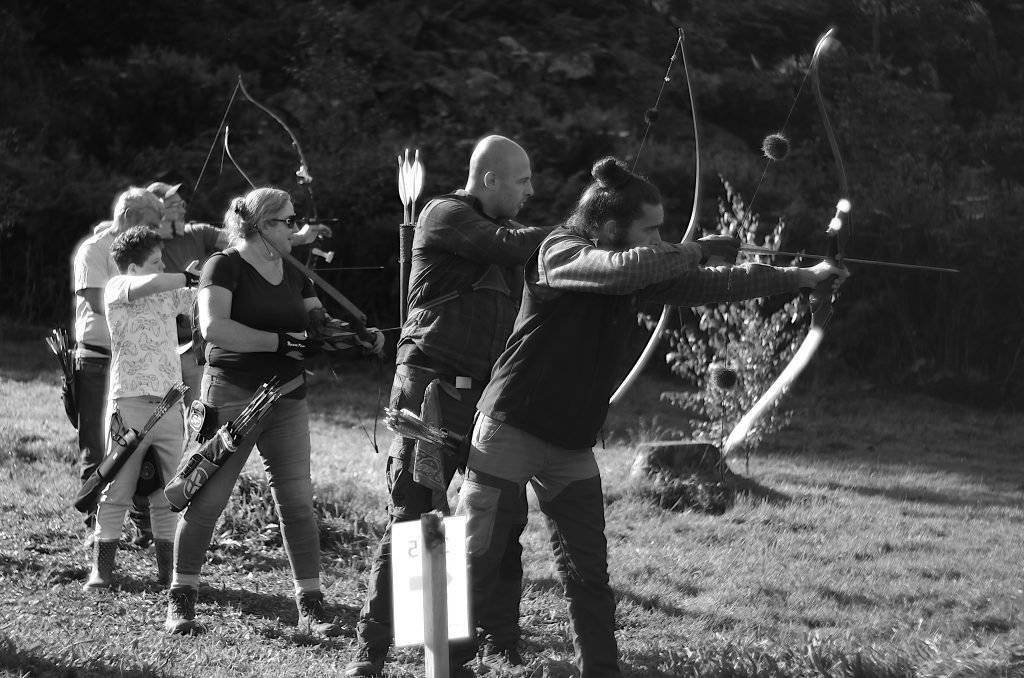
Technique deepens when the field asks for evidence. Crosswind walks across the range, and two archers answer with different feet: one settles into an open angle that lets the chest breathe under pressure; another brings a sheltering rotation that breeds quiet through the hips. Each brings a virtue paid for in its own coin, and the groups on the face tell which virtue the day demands. One archer hooks deep at the first joint; another rests on the pads for a finer exit; both invite the string to leave with clean authority and read that invitation in the flight itself. An anchor against the canine casts a certain sight picture; a higher pocket along the jaw sets another; each binds the neck into a repeatable promise. A wrist that floats free of torque grants the bow its line; a scapula that glides down and in gifts the shoulder a safe home. Where custom welcomes a clicker, patience stretches through the small metallic whisper; where barebow sings, crawls along the serving become tactile measures of elevation. Every choice writes a story that practice edits until it reads as confidence rather than vigilance.
Weather writes its own chapter. Rain lays a sheen across serving and feather; a small smear of wax steadies fibre and timing. Sun heats the limbs until they answer with a slightly different voice; attention returns to tiller and brace height with courtesy rather than fretfulness. Crosswind presses hard at mid-flight; a thoughtful allowance on the aim and a truly steady bow arm protect dignity at distance. Evening light brightens the centre while outer rings sink into shadow; a brim shapes the field back into fairness. Long grass drinks a low arrow and teaches care with elevation; a tired bale spreads feedback and invites a fresh face; better data arrives with one casual staple and a clean sheet. The place becomes a school that trains judgment with concrete tasks, and judgment pays its tuition with small corrections that bring groups tighter and the heart rate lower.
Tradition enlarges purpose. Lakota teaching hands the bow and arrow as paired gifts: a moon-given curve that stores force and a sun-given line that releases it—two bodies that complete one another and model balance. Before a hunt, a warrior touches both tips to the earth in salute to Grandmother, folding person and tool back into life. Mitákuye Oyás’iŋ—“all are related”—sounds through that gesture, and kinship arrives as practice rather than ornament. Enter archery inside that vision and the aim stretches beyond personal mastery; the shot affirms placement within a living world, where rivers, grasses, animals, weather, and unseen helpers share the work. The portable sanctuary becomes an ethic that moves through traffic, field, and kitchen, an attentiveness that handles bread with respect and greets a stranger with eyes that hold.
Lineages speak through fingers and wood. A bowyer in a cool shed lifts a stave and reads grain as text: follow growth lines, shelter a knot, heat a curve into reflex, and let seasons breathe through hanging timber. On a polished floor, kyūdō practitioners shape feet, hips, shoulders, breath, and gaze into kata that consecrate movement as a moral act. In a parish field, villagers raise longbows beside a church and learn wind and range as common sense. Across difference, a shared conviction shines: the body can hold durable knowledge that carries ethical weight, and tools earn respect by serving as teachers. An archer who studies those lines receives more than equipment lore; time itself thickens with labour, cooperation, and memory.
Error arrives with gifts in its pockets. A group climbs toward the blue, and the face whispers about a drifting anchor. Another cluster sits low-left, and the body remembers a tiny collapse at release. A red stripe along the forearm speaks of elbow bone turned unkindly; a guard, a breath, a minor rotation, and the bruise fades along with the habit. Fatigue loosens the base and sends groups wandering; a gentle redistribution of pressure through the feet answers with immediate truth. Coaching, when it honours agency—“Feel the blade glide,” “Listen for the string,” “Hold the picture through one calm heartbeat”—invites authorship rather than dependence. A phone on slow-motion reveals a small tremor that the inner witness missed; a pocket notebook preserves the discovery and seeds a trial the next day. Failure joins the circle as a worker rather than a heckler; confidence grows from observation and revision.
Inner life takes a shape the hands recognise. Patience rises from breath and settles into the grip. Anger blows groups apart faster than any gust, and the archer learns the cost by reading the bale without excuses. Joy lengthens follow-through; the chest stays open a blink longer and the line holds. After months, the range presents stations of a wider life in miniature: morning stiffness that yields to movement, friendships that form in the easy industry of shared ends, weariness that asks for water and rest rather than theatre, bright sequences where three shafts touch in the gold and a hush travels outward like a bell. Repetition welds craft to character; character returns gratitude along the same seam.
Seasons wheel and the practice keeps its place. Summer haze perfumes grass while winter air sharpens the string’s bright snap; spring lifts pennants into playful angles and autumn pours honeyed light across straw. Ends sometimes gather in quiet harmony, and on other days colour scatters and humility ripens through the hands. Years reshape muscle and measure, the eye acquires patience, calm arrives early and stays with authority. Zen teachers speak of an artless art, motion carrying the weight of every hour until grace reads as ordinary. The bale begins to answer like a mirror as much as a mark; an arrow travels toward a steadier self, and the path moves through faithful surrender to sequence. Attention rises as the governing aim, presence holds the frame. A raise and draw renew a pledge to the moment; an arrow writes its question into air; the range replies in straw-whisper or board-ring, a small legible sentence that lingers like ember-glow at the field’s edge.
Views: 87