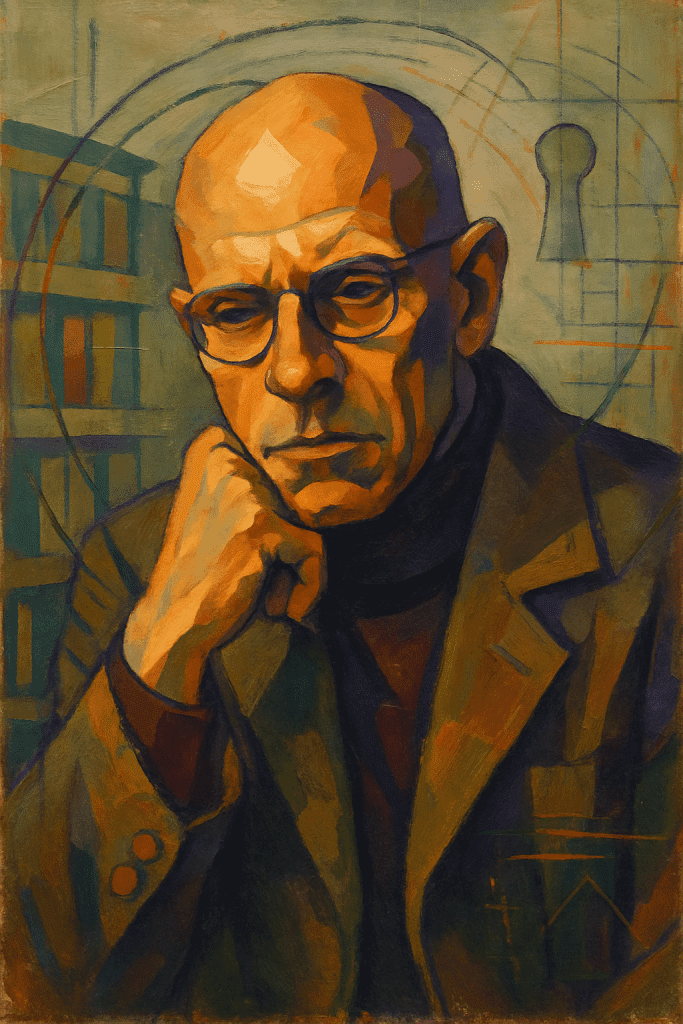
It begins with the heft of a thing in the hand, a weight rising like a question shaped in the palm. The first encounter with a tool that means business—a plane or a chisel—draws the room to attention. The body, raised on its own familiar grammar, meets a fresh syntax across the dense grain of oak and the yielding face of clay. Learning takes root here, within the quiet shock of matter answering touch. A conversation older than words opens between skin and world, and a kind of freedom steps through that exchange. George Nakashima spoke of giving a tree a second life, of finding the one right task asleep in a plank of wood. That vision arrives after patient listening. Humility enters before mastery. The body, this coat we carry through our days, reveals its blind corners. The mind draws grand shapes on air; the hands reveal where practice must begin. Embodied thinking speaks through this rhythm. Mind learns through the doings of bone and sinew. The first motion falters and teaches. Wood whispers its rules. James Krenov stands beside the bench in memory and shows a listening that shapes design. Attention gains courage and breath. The body stands at the doorway like willing clay. Michel Foucault named bodies malleable and machines in need of tuning; that insight breathes through the first day at the bench. Willing clay presents itself for shaping. Hands ask for teaching. Early awkwardness turns into a prayer and then into a plan. Shoulders settle. Eyes weigh the line. Steel meets fibre with growing grace. Apprenticeship begins with that small surrender to reality. A chosen discipline sets its posts and lays a path that stretches across seasons, through bright mornings and long dusks, through days of making and mending, through truth measured in grain and weight and honest finish.
That word, discipline, carries a heavy ring, a toll with overtones of power and command. Foucault traced its steps through school corridors, parade grounds, and prison yards, and named it a political anatomy that inscribes flesh and trains reflex and gaze. Timetables carve hours into precise slices. Plans of rooms direct movement and sight. Drills raise gestures to the reach of rule. A body turns docile and slides into the gearwork of a wide machine. Walk into a luthier’s room or a potter’s shed and the same order fills the air. A place for every tool. A sweep for the floor at day’s end. A bench cleared for dawn. A thousand small gestures repeat until they grow into steadiness and grace. The difference lives in the vow that sets the frame. Here, discipline rises by election of the maker. A chosen architecture forms a shelter for intention. A frame of habit stands around a life’s labour and keeps it upright through storms and fatigue. The body softens toward its own purpose and moves with willing consent. Watch a dancer at the barre. Plié after plié, slow as prayer, strong as oak, a human frame learns a freedom that flows from exact response. Art itself asks for this yield, and desire for right expression sets the terms. Craft obeys law that emerges from wood, clay, fire, weight, heat, and hand. The grain sets the path for the plane. The kiln governs the fate of the pot. Physics speaks with final authority, and the maker nods and follows. A life that keeps pace with reality finds firm ground. An athlete signs a compact of food, sleep, breath, and practice with muscle and will. Mastery grows through service to clear bounds and clear hope. Grammar chosen and rehearsed turns the body articulate. It speaks a craft through stance and reach. It speaks for the work with quiet authority and, in time, speaks for itself.
This small republic of the workshop, with mild laws and faithful rites, offers sound soil for Foucault’s later theme of technologies of the self. Hands, hours, and habits become instruments for care and transformation. Life turns toward art in the old sense, an œuvre with heat and form. A long project unfolds—patient as winter light, steady as tide. An ethos grows that aims at the good, the beautiful, and the true measure of a person. The craftsperson carries a model of this labour. The whetstone greets the chisel. The broom clears the floor. The bench meets the back like an ally. Small repeated acts stack into character. Bernard Leach spoke of the ethical pot, a vessel shaped with love and right attention, heavy with moral and spiritual charge. The quality of a cup mirrors the quality of its maker. Two currents from Foucault—the shaping power of discipline and the freedom of self-care—meet and flow as one. Techniques once bent toward control turn, through choice and reverence for method, into instruments of liberation. Command of gesture, thoughtful order of space and hour, and a clear gaze upon purpose bring a self into being. Discipline explains the how; care of the self answers the why. Power turns inward and serves a life rather than an external regime. An alchemy works across years. Constraints grant shape. Humility keeps the heart teachable. Patience seasons will and hand. From this, a freedom with grain and heft emerges, earned through practice and close regard. The body, faithful to the rhythm of its work, writes authorship across surface and sound, across fibre and fire, across the day itself.
Memory in the body carries what busy thought fumbles. Repetition lays tracks through the brain. Each return strengthens a pathway in a deep region called the basal ganglia, and reliable motion travels more surely along that route. The prefrontal cortex—seat of planning, weighing, deciding—gains room for wider thought as fluent action moves on its own. Habit forms through this quiet labour. Life draws efficiency from that design. A musician’s fingers land on notes with easy aim. A weaver’s hands read pattern like a psalm by touch. A chef’s knife walks the board with quick intelligence and clean intent. Embodied cognition breathes through these acts. Thinking saturates doing, and memory rests in muscle and nerve. Change also grows through a deeper turn of identity. A claim such as “I want to write a book” sets a target; a claim such as “I am a writer” frames a life. Each act casts a vote for who we become. Ten minutes at the desk each morning speaks in favour of that identity. One board planed each day speaks in favour of a woodworker’s path. A loop turns virtuous. Decision lights the first step. Repetition grows skill and turns effort into fluent motion. Identity buds from that growth and urges the next round of practice. Care of the self, seen this way, begins with a simple start and continues by daily return. Small acts stack and wire the nervous system in a direction we can name. One stroke, one join, one sentence, and then another. Philosophy meets physiology within that quiet hum; a person feels the truth in the chest while the hands prove it on the bench.
A story shrinks when it stops at a single life. Another view stretches the self across kin and time. Indigenous wisdom carries this view with clarity and reverence. Craft threads a person to people, land, and ancestors, and returns gifts to the generations ahead. The Māori weavers of Aotearoa, New Zealand hold a living example. Weaving carries sacred charge. Knowledge passes in Te Whare Pora, the House of Weaving, which stands as place and as state of being. Harakeke, the flax, lives as family in that world. The weaver steps toward it with care, cuts with respect, and keeps the plant vigorous for the next season and the next hand. Patterns hold story and genealogy and maps of the cosmos. The act of weaving incarnates mauri, the life force, and mana, a spiritual authority and power, within the finished cloak or basket. That force warms the object like a coal carried from a shared hearth. The weaver serves as conduit and guardian, and stands at a crossing where ancestors send strength forward and descendants receive it. Care of the self widens here into care of a shared self. Community and history breathe through one chest. Discipline becomes a sacred duty, a way to keep a people’s story alive through touch and fibre, rhythm and chant. The œuvre rises as the life of a culture. That vision offers a clear answer to the question of making. We make to remember ourselves. We make to speak to children and show them the range of their future. We make to honour whenua, river, and sky that grant material and measure. We make to pass on beauty, use, and a way to walk through the world in right relation.
Virtues formed beside the bench travel across a life. Patience learned in the fitting of a clean joint becomes patience at a neighbour’s table. Integrity demanded by a straight line becomes integrity that steers a day when crosswinds rise. Transfer unfolds like heat through iron. A small practice in one corner warms the whole house. The old Greeks offered a name for this wisdom: phronesis. It means the art of acting rightly amid particulars. Aristotle taught that phronesis grows through experience and through many trials of judgment. The workshop serves as a school for this. Each day brings problems that ask for a steady eye and a sure hand. The maker reads wood for character—sap, ring, and season each speak a distinct language. The maker imagines the person who will live with the finished piece and aims for grace that serves. An elegant solution reveals itself and settles in the chest like music. Habit of judgment ripens into a way of being. Craft’s ethos shapes a person’s ethos. Glenn Gould offers a witness from music. He lived by an exacting rule at the piano and shaped an existence to match that standard. He turned from the concert hall and moved toward the studio because the recorded field offered clarity, control, and a deeply personal truth. His musical ethos formed his life ethos; each fed the other. The transfer reached far beyond sound. Years of deliberate practice inscribed a posture through his whole frame. Virtues became habits of the body as surely as they stood as rules of the mind. A maker who seeks balance and harmony in a chair brings that same care to love, home, and neighbourhood. One character emerges from one fire and carries a steady glow.
So we return to the hand, the tool, and the piece of the world waiting for shape, and fresh sight meets old motion as the line begins again. A simple gesture, stretched through time by care and attention, grows into a technology of the soul. The clumsy apprentice body of early days yields to a wiser body with room for measure and song. Limits reveal their worth. Form reveals its grace. Work claims dignity through honest strain and faithful finish. Freedom arrives through discipline like a river reaching the sea, with current, breadth, and salt. Grain, weight, and texture from the real world give that freedom proof. A life made by hand gains coherence through the steady beat of chosen practice. The self turns into a well-made thing—useful, beautiful, and ready for passage from palm to palm. A string sings of limits and possibility and teaches a grammar the body learns with joy. The workshop’s small republic sends its ethos across the range of living. It speaks through labour and through love, through service, rest, and civic duty. It shapes how we carry ourselves as citizens within a shared world. A character rises from the ground, lay by lay, one true line at a time, and the work continues with grace, courage, and a keen eye for what the day invites next.
Views: 104