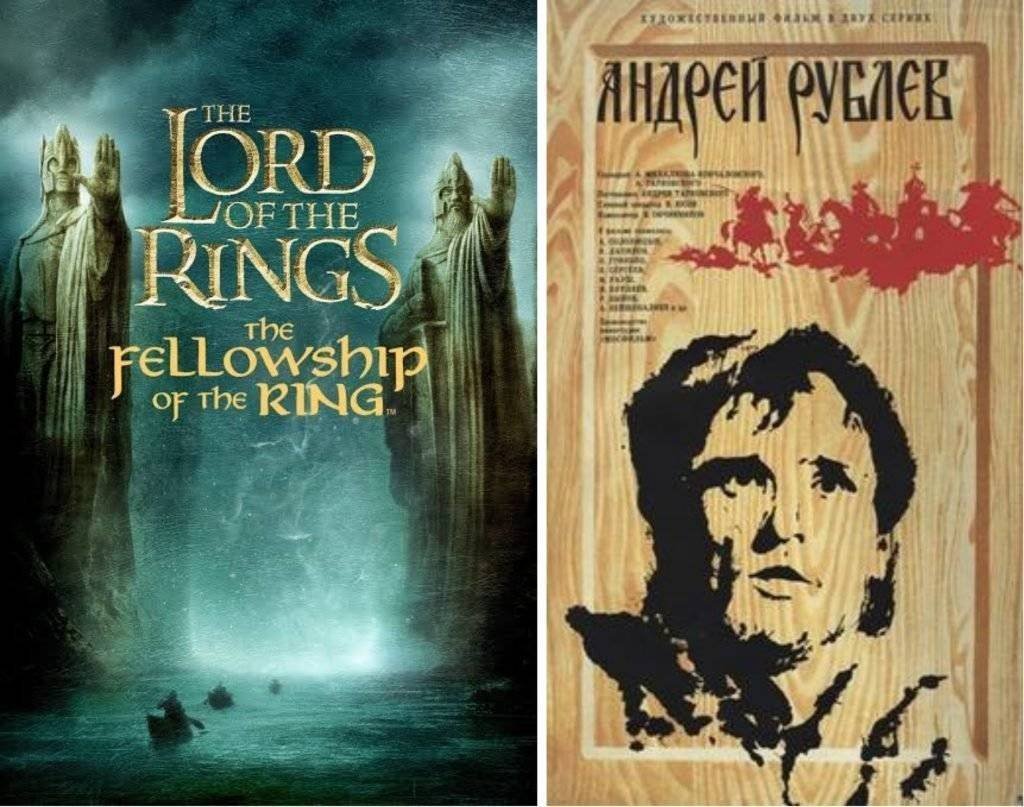
The ring rests on a small palm and drinks the room’s window-light as if metal could breathe. Smoke hangs in a slow veil over maps and teacups, an ember answers the draught with a soft pulse, and the hobbit’s fingers tighten around the circle until a warm welt blooms in the skin. Across a continent and a century of snow and mud, a boy stands thigh-deep in a bell pit, clay slicking his legs, horsehair biting his wrists as he knots a binding around the mould’s ribs. He speaks measurements with a certainty that startles older men into belief. His eyes burn with a promise inherited from silence, a gift from a master unseen, and that promise draws a ring of labour around a pit where earth, water, and fire will learn a single voice. A question steps forward with the smoke: what shape does grace take when a world tilts toward ash and iron, and how does a community hold a bearer whose task bends every choice toward a single end? An answer arrives from Middle-earth in the sound of a footfall on stone, the coil of a rope, the sharing of bread, the lift of a song against the dark. Another answer rises from medieval Russia through the feel of clay, the heft of timber, the scent of charcoal, and the timing of a pour that accepts error as disaster, hesitation as danger, flinch as ruin. Watch how the camera in one film keeps near to boots that bite scree and cloaks that drink sleet, how the other lingers on hands that knead clay and bind timber, how both films teach patience through material that yields only to earned touch and exact timing.
The weight on Frodo’s palm impresses a mark that lingers. He lifts the circle from the table, and the air in Bag End tightens in answer. Gandalf’s pipe ember breathes like a coal at the heart of an anvil, and his voice carries oak-smoke and patience. The hobbit’s face opens to a mix of fear and resolve that ages him in a breath. The pledge arrives through speech and also through the furniture of the room: beams that know storms, shelves bowed under vellum and legend, a kettle’s hiss that makes a hearth into covenant. When Gandalf names the charge, the room seems to lean, and the teacups tremble as if porcelain could feel an age arriving at the rim of an ordinary day. Boriska’s field grows from trench work. Spades bite, oxen lean, timbers arrive on sledges, men curse and laugh through chapped lips, and snow forms a crust on hats and shoulders. The boy walks the circumference and names the line again and again until it feels true under his boots. He presses his ear to the mould and listens for flaws as if clay could confess. He orders more sand, less water, thinner hair, tighter binders, and the men answer because authority arrives through risk carried in a small chest. Command grows where a leader spends skin and pride before he asks another to spend either. The pit answers that currency with a faint breath of steam and the perfume of earth warmed by coals.
On the road out of Rivendell, fellowship breathes with a common lung. Sam shoulders a pan and bread-heel; Merry and Pippin jostle jokes against dread; Gimli taps iron with pleased expectancy; Legolas measures light and distance with a hunter’s calm; Aragorn sets the pace with a ranger’s arithmetic of river and ridge. The company moves with a cadence that marries banter to vigilance. In the Moria dark, pillars rise like petrified oaks; dust climbs into throats; echoes court catastrophe. A chain scrapes, a stone drops into black water, and the fellowship becomes a single body that learns to breathe as one creature. A shield intercepts a hammer blow, an arrow blinds a troll, a hand catches a cloak on the lip of a collapsing stair, and courage ripples outward through a dozen small decisions that arrive faster than speech. Rublev’s Russia receives violence as a weather system. Hooves churn a river into slurry, torches knit a net of orange over roofs, screams climb a church’s ribs until the stone seems to flinch. The camera refuses gawking and shows aftermath as ethics: a horse stumbling on slick flagstones inside a nave, a woman with hair like a torn banner, icons scored by blades. The monk binds himself to silence as a shield for the soul and carries that vow with a labourer’s endurance. He feeds the hungry from a pocket that always seems to carry more than it should. He watches a fair with a painter’s eye for human hunger and delight, and he turns away from spectacle to guard the seed of his gift. He accepts the long fast of silence until mercy permits colour again.
Legolas’s shooting offers a grammar of grace under pressure. He plants feet, breath steadies, draw lengthens until the bow sings along the limbs, and release follows the line the eye already carries. Arrows stitch a clean path through foul air and arrive with certainty. The fellowship learns from that grammar. Every act becomes an arrow: a remark to lift a friend, a rope tossed at the right instant, a watch kept with cheer, a step made when fear pleads for retreat. The bell field offers a sibling grammar. Men in the bell field swing sledges in time; a ladle tilts for a heartbeat and then steadies; the pour begins, and the mould drinks fire with a hush that rises beyond any choir. Every action answers a danger known by muscle and scar. Grace in Jackson arrives as a gift that fits the hand: a phial’s trapped light blooms in a dark place, or a leaf-wrapped bread feeds a body beyond its size. Grace in Tarkovsky arrives through permission to paint again, and through a bell that turns rain into music. Both worlds honour meals. The round of fire, pan, stew, and tale keeps courage limber. The camera drinks that ritual like a pilgrim at a spring. Love enters through service that carries the hour through fear. Fellowship and field share a liturgy: hands pass bowls and tools, eyes meet in recognition, and humour keeps pride from breaking the line of work.
The ring seeks to shrink a life into a private hunger. Every hand that samples its weight hears a whisper that promises mastery and steals breath. Rooms grow tight when it enters; eyes glaze; speech thins to bargain. In answer, the fellowship expands its practices of care. Watches run like a relay; choices gain counsel; power scatters among temperaments that complement one another. The bell draws people outward. The mould’s curve attracts bodies and speech, and the town learns how to hear itself before the clapper moves. Anxiety and hope mingle at the edge of the pit, and talk quiets as heat climbs into the night air. The bell’s promise gathers people into a circle whose shape they learn by entering. Boromir’s death reads like a psalm of body and intention. A horn calls across a wood, arrows stamp the afternoon with iron, and a captain spends every breath and tendon to buy minutes for children of a small people. The camera keeps close to the muscular arithmetic of that purchase. Hands fumble at straps with blood on them; a shoulder leans to lift; a lord kneels beside a friend and confers honour free of pomp. That death clarifies the fellowship. Aragorn accepts kingship as labour rather than entitlement; the others accept their division of paths with calm hearts. Two hunters move to rescue friends, a steward’s son enters legend as a guardian who spent his strength for love, leaving gain aside.
In the Russian rain, the first peal walks across puddles and faces as a shock of relief. Men who worked in mud straighten with pride, women laugh through tears, horses lift heads, and the prince breathes like a man whose wager finally pays off. Sound pours through ribs and houses; the valley receives a name in that tone. The boy crumples beside a fence post and cries with the alarming honesty of youth who carried far beyond his share. The monk’s vow of silence ends with a sentence that holds command and consolation. Rublev gathers the boy into an embrace that invites breath to return. Words follow, spare and steady, and permission to paint comes back like spring after a winter that tested every root. Material shapes morality. The ring glows like a coal that brands every owner, and its metal sings of mines where agony set the rhythm. The bell carries ore, sweat, and timing toward a voice that binds a village to itself. One object encloses minds; the other gathers them. One tightens throats; the other opens them. The difference rehearses a theology. A dark sacrament seals a contract with domination. A bright sacrament grants a town a center where labour, prayer, and gossip meet with ease. The films teach that morality travels through materials and tools, through sights and sounds that train attention. Metal changes behaviour; air learns to carry meaning; touch writes a creed outside any council’s chamber. Memory travels through things. A shard of a sword carries a future; a phial carries a promise; a seed-cake recipe carries a map back to a table that waits with candles and laughter. An icon returns a face to a people; a bell returns a measure to a valley. Children run hands along the bell’s lip and feel a cold that holds summer inside it. Old men nod and name the founder with a respect that sweetens the mouth. Songs pick up stories; stories polish names; names give courage on market days and in sieges. The bell’s tone writes dates into memory; the ring writes wounds. A people learns which sound to keep.
Violence in Jackson obeys tactics and timing. The camera honours the exact instant when a blade parries, when a foot plants, when an arrow’s fletching clears the shelf. Victory arrives through teamwork that reads terrain and substitutes humour, loyalty, and nerve for swagger. Violence in Tarkovsky arrives like winter. It takes the measure of a community across hours and years, and the image answers with aftermath instead of duel. The difference offers its own quiet instruction. One film exalts technique as a rescue for the present danger and a discipline for future trials. Tarkovsky grants a town an answer through work that gathers many into one sound. Technique matters in both, yet the moral centre lives in service. Food shelters conscience. In both worlds, the meal turns a field into a home. A ladle knocks a pot rim like a bell; steam rises; men and women sit with sore backs and easy smiles. Decision grows easier under that roof of shared warmth. A leader parses options with an ear for fairness; a shy voice proposes a plan; a joke breaks tension and releases a better idea from the grip of pride. Bread changes minds. Honey steadies the hand. A full stomach gives courage to accept a longer road or a heavier shift at dusk. Tables fill, then empty, then fill again, and the world outside shrinks to wind on the eaves while the fire gives a law to breathing. The camera in both films makes weather into character. Mist folds over a pass and turns feet into metronomes for faith. Rain needles a bell field until every face carries river-silt and shine. Sun through leaves makes patterns on hobbit curls and leather straps; snowfall erases boundary lines and asks the artisan to redraw them with shovel and spade. Viewers feel air in their own lungs when the frame cares for such detail. A moral atmosphere arises from wind, frost, and thaw. People forged inside that air grow a second skin of resolve. Morality in both films breathes through weather; people shaped by rain and frost accept endurance as a common language.
A final weighing fits on a smith’s anvil. Set the ring and the bell side by side. The ring concentrates will into a point so fierce that fellowship becomes medicine. The bell diffuses voice across a valley so generous that a solitary boy grows into a founder through the certainty of others. One object demands guardians who deny themselves; the other demands labourers who give themselves. Each calls a community into precise work. The fellowship’s labour unfolds as a map unrolls in starlight, a strap cinches on a pack, a song lifts from the night watch, and the march begins again, every task guided by a conscience sharpened by mutual regard. Imagine the end after the end. A mountain throat opens and accepts a circle that once ruled every conversation around it. Smoke thins. A wind runs its palm over ash, and the land exhales. Somewhere far from furnaces, a valley holds its breath as a bell moves for the first time. The clapper kisses bronze, a wave travels through ribs and rafters, along harbour rope and thatch, across barley fields and over slate roofs, and the sound tucks itself under shirts and into hearts. People lift eyes. Horses prick ears. The town listens in wonder as if sky and soil had agreed on a single sentence. In another land, two friends cling to a ledge while fire eats an empire from its root. Release arrives in both valleys with a hush that makes tears reasonable. An ethic grows from such work, the way ivy grows on stone, gate, and lintel. The small weight carried to save a neighbour from the machinery of domination finds its balance in the large weight shaped to gather a community into hearing. Fellowship becomes both armour and hearth; art becomes both service and witness. A bow drawn with a clean line, a wedge seated with calm wrists, a meal shared among friends, a skill passed from one hand to another—these become the grammar of a shared life. Silence is held when words would wound, and a voice speaks to lift fear. The watch is kept while others sleep, and rest is accepted when another takes their turn. Ordinary hours absorb this practice until it moves by habit. A day earns its keeping through small offices of care and courage.
I walk from the screen into evening with the bell’s hum inside the ribs and the fellowship’s foot-cadence under the soles. The road to the house carries puddles that mirror sodium lamps like small moons; a kettle sings from a neighbour’s window; peat smoke threads the air; the city’s diesel hum grumbles under it all; somewhere a church clock tosses a note into the wind. I think of a hobbit whose courage enlarged every companion, and of a monk who guarded his gift until a boy’s courage returned colour to a wall streaked by rain. My own street answers with its familiar choir: tyres on wet tarmac, a fox’s light tread, a neighbour’s laugh on a phone, a bus sighing at the corner. The films teach me to hear it as a bell and to guard it as if a ring lay heavy in my pocket. A last image lingers. A palm opens to show a circle’s imprint faded yet present. A valley holds a new sound that will measure chores and feasts for a century. Between palm and valley stands every person who decides for the common good when appetite presses for a crown. The films carry that decision through ash, clay, linen, soot, brine on lips, rust on fingers, frost in beards, and river-sheen under bridges. The answer arrives through action, and the action stamps the soul. The bell speaks again in memory with a firmness that feels like bell-metal under a palm. I step forward with a vow as plain as bread: carry when the hour asks for carrying, found when the hour asks for founding, and keep faith with those who walk and those who work beside the pit. Grace wears two faces across these stories, and each face shares the same bone structure. One face leans toward renunciation and keeps a small carrier alive through bread, rope, and song; the other face leans toward affirmation and brings a valley to speech through charcoal, mould, and molten breath. I hold both faces in mind and feel a single ethic gather: protect the weak point in the circle, and build the wide ring that welcomes many into courage. That ethic lives in near work, in the oiling of a hinge and the mending of a strap. It warms a bowl, steadies a ladder, marks a measure on timber. It is the sweep of a step, the watch kept on embers, the sharing of the last heel of bread, and the song that answers a heavy silence. Philosophy climbs into the hands and shoulders and accepts weight as teacher. An archer reads wind and range, a founder reads dampness and grain, a monk reads sorrow in a villager’s eyes and answers with bread, a hobbit reads the fear in a friend’s voice and answers with a smile and a stride. Work plants hope. Hope moves crowds. Crowds remember. Memory shapes choice. Choice lays tools on the bench. Tools ask for care and repay that care with clean lines, true measures, and sounds that return people to themselves.
Views: 71