Bow, Blood, and Charter
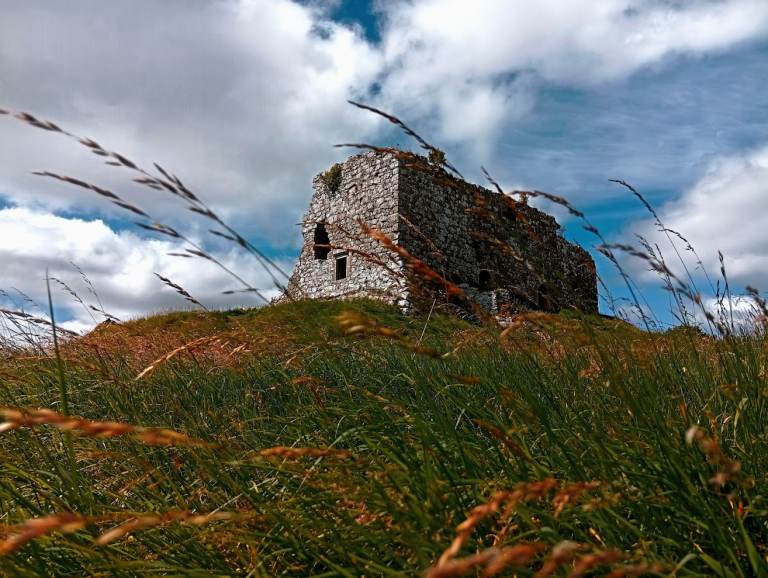
On the Rock of Dunamase the limestone rises with a clenched grammar, as though the earth had learned law from iron, and as though the plain of Laois, which looks gentle when the sun lies low, had carried a memory…


On the Rock of Dunamase the limestone rises with a clenched grammar, as though the earth had learned law from iron, and as though the plain of Laois, which looks gentle when the sun lies low, had carried a memory…
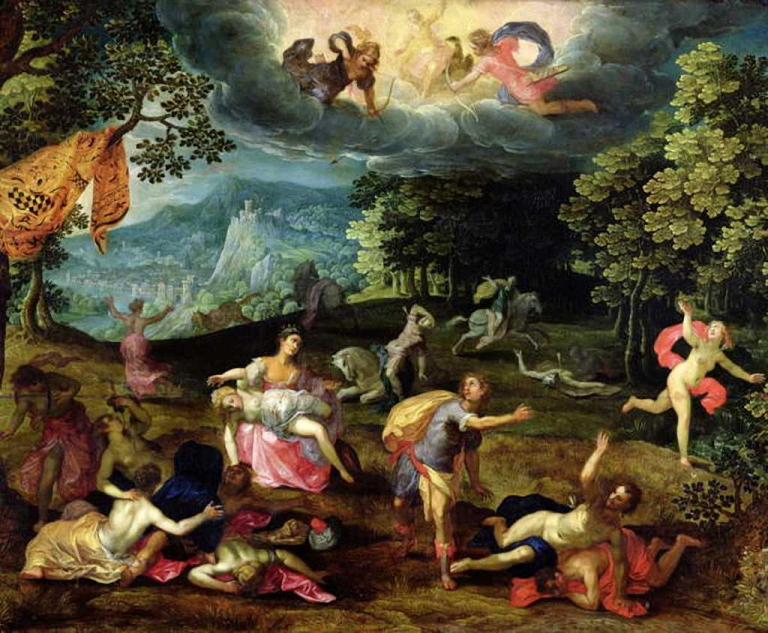
A question lodged in my mouth with the abrasive persistence of a burr caught inside a sock, and from that small irritation the whole inquiry drew its shape: when a yew bow sings, which vessel receives the hymn—the timber itself,…
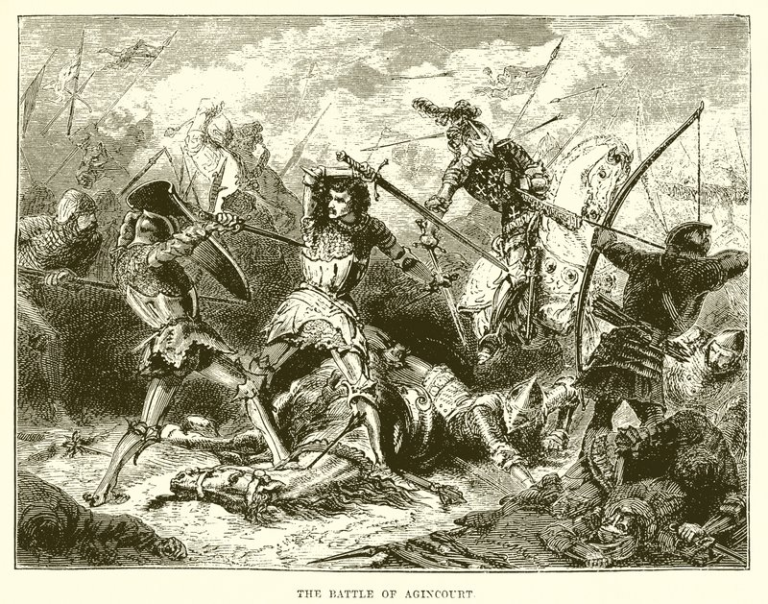
Quae avis post mortem longissime volavit, dum caro iuxta focum mansit, ossa iuxta fossam quieverunt?What bird flew farthest after death, while its flesh stayed near the hearth, and its bones stayed near the ditch? A frost had sat on the…
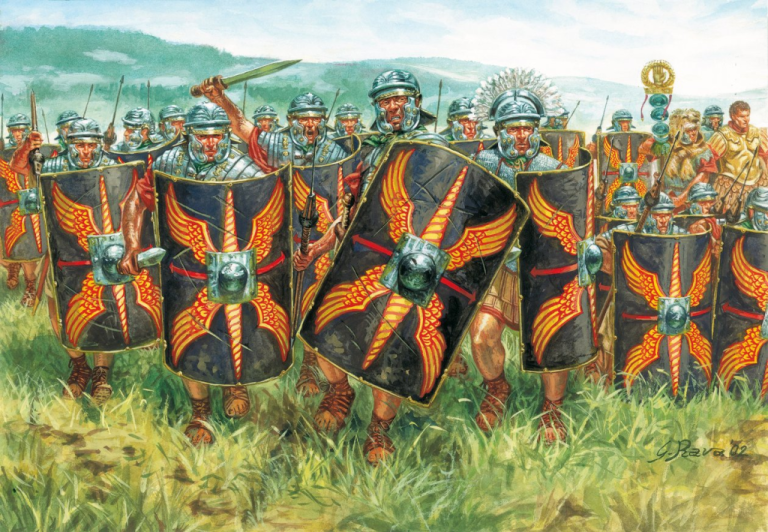
Rome Learns Distance The arrowhead rose from the Mesopotamian soil like a small dark tooth, green under its rust as though it had grown there with the barley. A man in a fluorescent vest and cracked boots—whatever name his century…
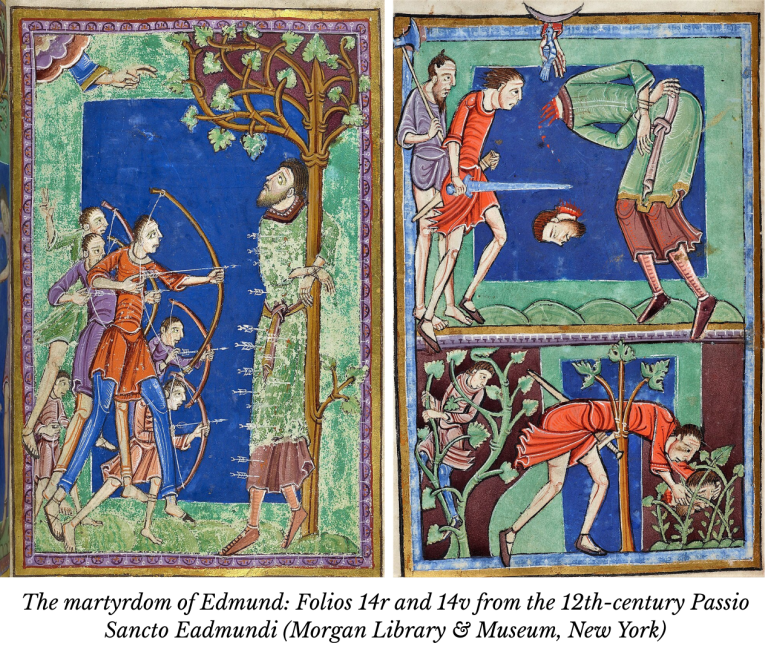
In sanguine martyrum regna Christianorum radicantur¹—in the blood of martyrs the realms of Christians take root. For a medieval mind that line had the weight of a weather proverb. It described how power settled into the soil. A grave that…

Dust deepened within the breach while heat raised a chalky veil from crushed ashlar, and a litter advanced in a long, breathing sway as four shoulders moved with choir-like discipline and the poles sang against their leather slings. Fever pressed…
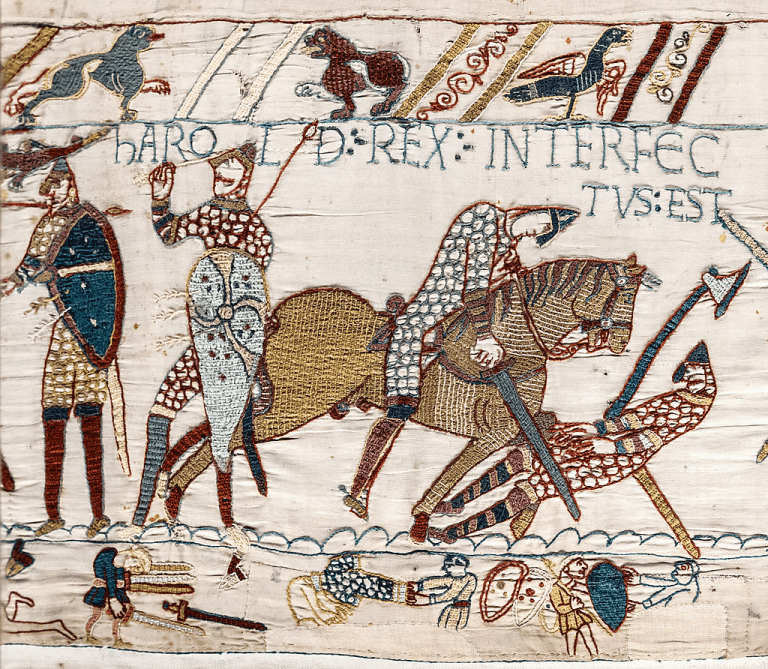
A cold, fox-coloured light runs across the ridge above the Rother, and a banner—dragon or cross according to the teller—leans into the breath from the Channel. Hooves churn the slope into a paste of chalk and blood; ash feathers from…
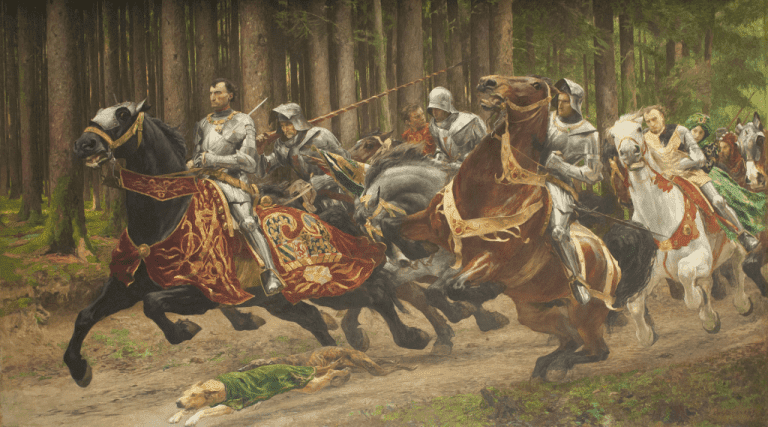
Some men arrive larger than their birthplaces. They carry a heat that pushes maps outward, seeks new borders, stamps a name into the grain of years. When such a figure drops, ordinary endings jar the ear. An unassuming death jars…
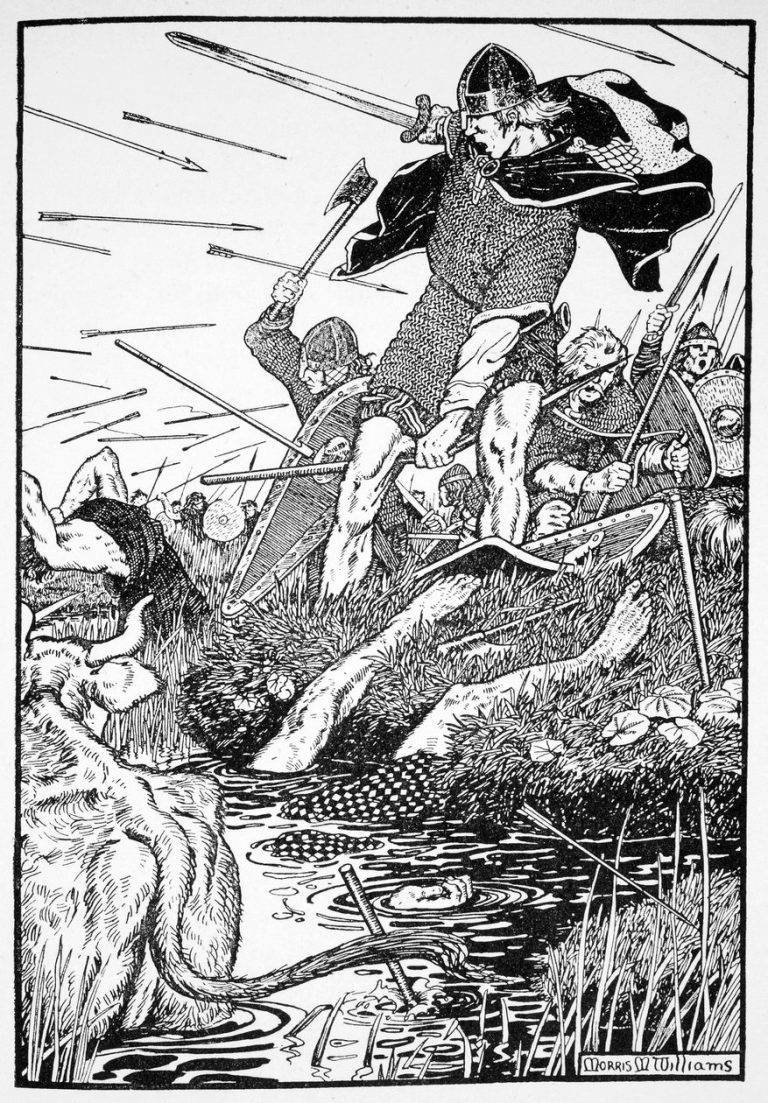
Wind comes off the Irish Sea with a brisk salt that pricks the lip and lifts the gull-cry over the lough, and the ground in Down remembers. The turf keeps a grain of hoof and boot, a thin echo of…
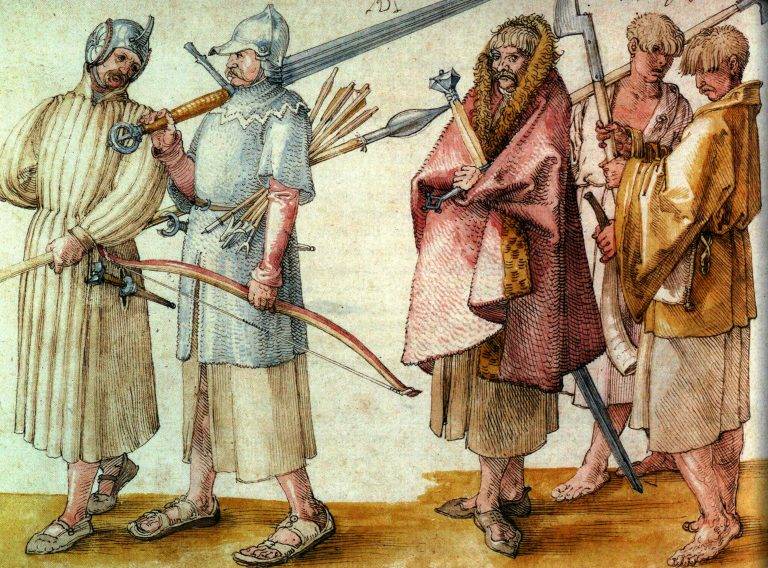
You can feel it in the land still, if you’re quiet enough. The way the past breathes up through the soil. We talk of the great warriors, the high kings, the men who stood shield to shield with sword and…
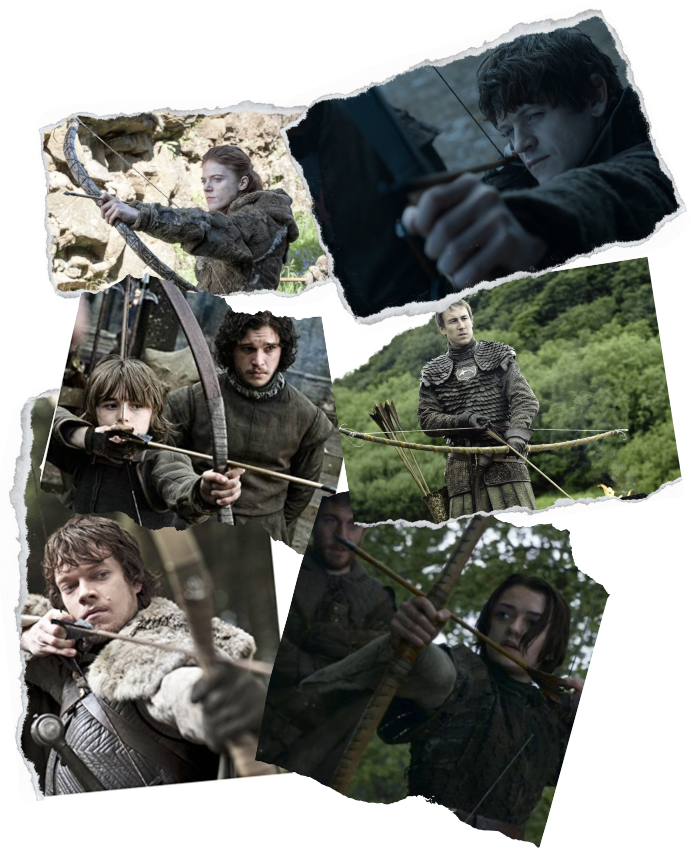
Greetings, Readers… A clean field opens, a breeze crosses the skin, and a bow rises into that light like a living thought. A page turns, a world gathers, and George R. R. Martin’s archers step forward with quivers that carry…
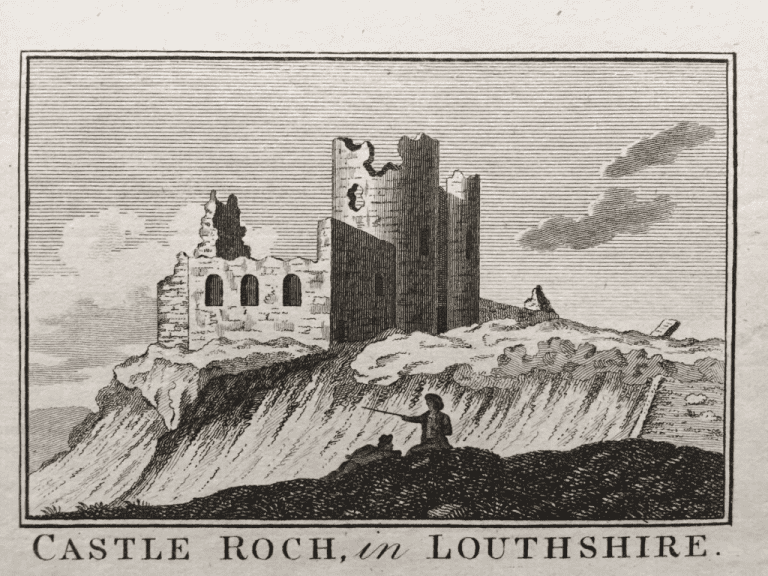
Year of grace 1236 receives a crisp line in the Annals of Connacht, a sentence that carries armed men west with cart, banner, and purpose. Scribes set down the march of the Galls, naming lords, bishops, and kings, a cadence of spears and departures, a ledger where steel, oath, and burial speak in one breath. One world leans upon another across hedgerow and ford, and the record grants that leaning a bright authority. A greater stone rose that same year upon the rough rim of Ulster, a clenched statement of mastery with a woman’s will at its heart, though parchment offered silence where her name should stand. She answered through rock. She signed her life upon a crag that lifts above Louth, a defiant silhouette still blue against evening, a mark that survives every list and every tally. A Latin hand would call it Castellum de Rupe, Castle on the Rock, and that title seals her authorship with a clarity that withstands storm and time.
A house like hers grows from ancient ground. The de Verduns rode from Vessey in Mortaine with the Norman tide of 1066 and pressed on through the marches of Wales toward Irish harbours that smelled of salt and promise. Bertram de Verdun, her grandfather, held the confidence of Henry II and of John. He turned that confidence into acres, into courts, into the kind of revenue that ripens into policy. He crossed with the prince in 1185 and set the line’s anchor where Dundalk greets the sea. Nicholas, his son, sired one heir to receive dominion spread across Staffordshire, Warwickshire, Leicestershire, and Buckinghamshire, with the Irish lordship at Uriel tying sea to shire. That heir, Roesia, understood inheritance as vocation rather than accident. When she joined Theobald Butler in 1225 as his second wife, she looked through the Butler succession and measured her own. Her children would carry the surname that mattered to her line. John de Verdun arrived as testament to that resolve, and the syllables of his name carried a charter’s force. A surname becomes a land when a mind of iron sets the measure.
The life of a lady of that century moved within measured corridors shaped by king, father, and husband. Roesia followed those corridors for a season. Henry III lent personal persuasion to her match, and she honoured the alliance with dignity, bearing children and tending the lattice of families that held the Lordship of Ireland together. Then fate altered the board. Theobald received the summons in 1230, gathered horses and arms, and rode toward Poitou with royal purpose. He died there beneath another sky. Within another year Nicholas also departed the stage. Grief forged a new balance within her and the law offered a name for that balance: femme sole, a woman alone in legal standing, bearer of both burden and advantage. A widow with territories across two realms invites a king’s attention. She answered with treasure rather than supplication. During October 1231 she approached the king with silver for judgment rather than tears for mercy, 700 marks for two prizes: seisin of her patrimony and freedom to choose her own marriage. That figure would clink through any hall. The Exchequer felt the weight, and royal writ answered with grace. By April 1233 the Justiciar in Ireland received order to deliver her lands. She stood with the authority of a magnate and directed her affairs with the steadiness of a steward born to the craft.
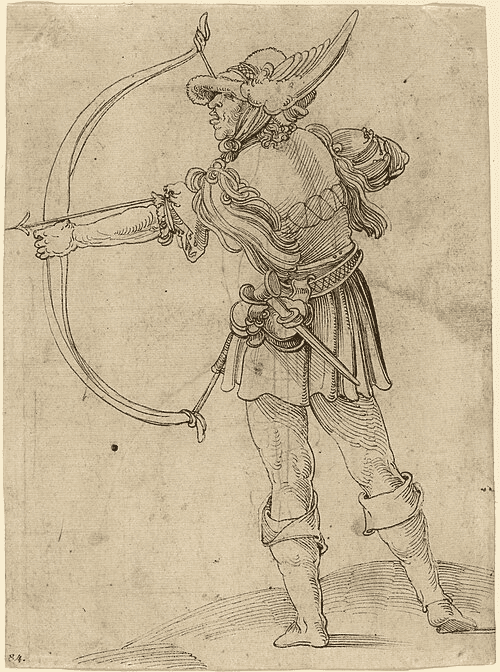
We like our archers graceful, all clean lines and poised stillness. We imagine a certain elegant geometry of the human form, a partnership between body and bow. History, however, keeps its own accounts, and they tell a story etched in warped bone and strained sinew. The body of the true war archer was a thing remade, a specialised engine of violence. Skeletons recovered from the wreck of the Mary Rose and other medieval sites show us the truth: men with thickened left arms, distorted spines, and grotesquely enlarged joints around the left wrist, left shoulder, and right hand. This is the physical receipt for a lifetime of devotion, a process begun in childhood, with boys as young as seven learning to pull the string.
They were training to master a beast. The draw weights of English war bows were immense, starting around 90 pounds-force and soaring to a staggering 160 or even 180 lbf. This is a force that few modern men could command once, let alone for the duration of a battle. The technique itself was a full-body agony. The 16th-century bishop Hugh Latimer described how an English archer “laid his body in the bow,” a visceral image of a man pressing his entire weight into the stave, a human press converting flesh and bone into projectile energy. This was the price of admission to the world’s most devastating ranged infantry.
The archer’s body became a living testament to the bow’s demands, a beautiful and terrible asymmetry. The true, unvarnished history of our craft is a story written in this strange ink of sinew, bone, and poison; enforced by absurd laws; and etched into the very skeletons of its masters. It is a history of humanity’s darkest and most brilliant impulses, all converging on a single, pointed end.

There are stories that feel true because we want them to be. Stories of a clean end, a single, meaningful moment that cuts a life’s thread. A hero stands against the odds, and a fatal, well-aimed arrow finds him. It’s…...

The last winds of March in the year of 1199 must have stirred through the valleys of Limousin with no particular burden, no whisper of what tremor would so soon ripple out across the aching spine of the Angevin world.…

strange heat it was, the summer of 1399. The kind of heat that presses down on the land and makes the air thick with waiting. You could feel it in the quiet of the fields and the low murmur of…...

In the hush between the tolling of bells and the hiss of the string, something else stirred in the guildhalls of medieval Flanders and England—something older than the arrows they notched and swifter than the oaths they swore. While the…...

I came across him not in a book, but in a footnote misquoted in the margin of another. It was a binding so cracked it seemed to wheeze when opened, part of a bundle I’d been lent by a Flemish…...

I don’t remember when exactly. Could’ve been Lyon. Or Toulouse. Maybe Montpellier. It hardly matters now, except for the sound of rain. A persistent, whispering sort, seeping into the bones of an evening too worn to protest. I had been…

At times, especially within historical investigations, things become fleeting and elusive. The past ceases to be a fragile record and becomes the superficial memory of a chronicler. However, there are moments when it stirs, gathering a strange, electric energy, and…