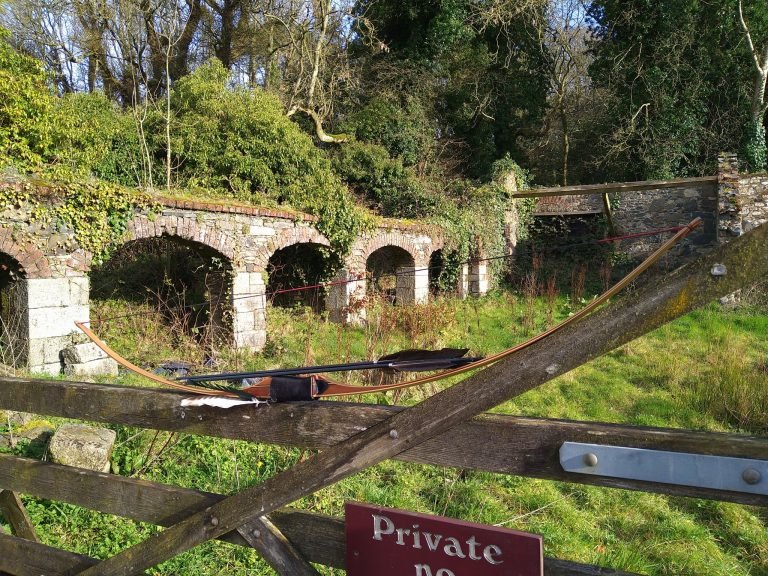
Well, dear archers, I thought I might prepare this little travel guide for you and your May visit to our great town of Portlaoise.
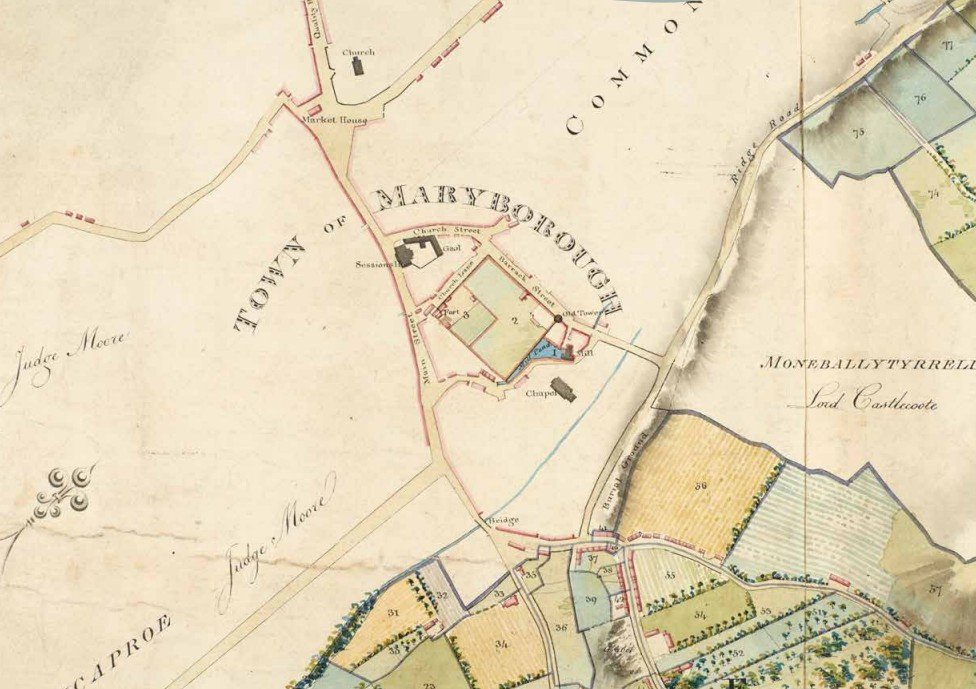
Portlaoise carries its past with quiet assurance. The town began in the mid-sixteenth century as a Tudor plantation fort, first known as Fort Protector, then Maryborough, planted as an instrument of rule in a contested region. That beginning remains visible in its layout and in the surviving memory of the Old Fort Quarter, where the lines of authority once shaped ordinary life. In time, the place regained its Irish name and its own civic character, becoming Portlaoise, a Midlands centre that now feels confident, ambitious, fully itself. Today it serves as a growing hub for commerce, culture, transport, with strong links to Dublin and an ease of access that places it among the most practical bases in the country. Its development has pace, and it also has substance.
That quality makes Portlaoise a fitting host for the European Traditional Open 2027. The event will bring archers into the forests and ranges of Laois—Clonkeen, McDonald Woods, O’Moore Park—while the week also opens into a fuller encounter with the county. ETO 2027 creates an opening into a part of Ireland where sport sits beside hospitality, local history, a vivid sense of place. A day spent on the range can lead with ease into an evening in town, a walk through old streets, a meal in a good local restaurant, or a pint in a pub where conversation comes readily. The event gives visitors a reason to arrive; the town and county give them reasons to linger.
Portlaoise itself has more than enough to fill afternoons and evenings. Begin in the Old Fort Quarter, where the town’s origin becomes legible in the streetscape. Move slowly there, for the place rewards attention through its lines, surfaces, and inherited shape. From that historic core, Portlaoise opens into a lively centre with shops, cafés, and a social atmosphere that feels grounded, assured, at ease with itself. Dunamaise Arts Centre gives the town cultural presence through theatre, music, film, while O’Moore Park carries the charge of Gaelic games and local pride. For those seeking an easier evening after a day outdoors, Odeon Cinema Portlaoise provides a comfortable modern option right in town.
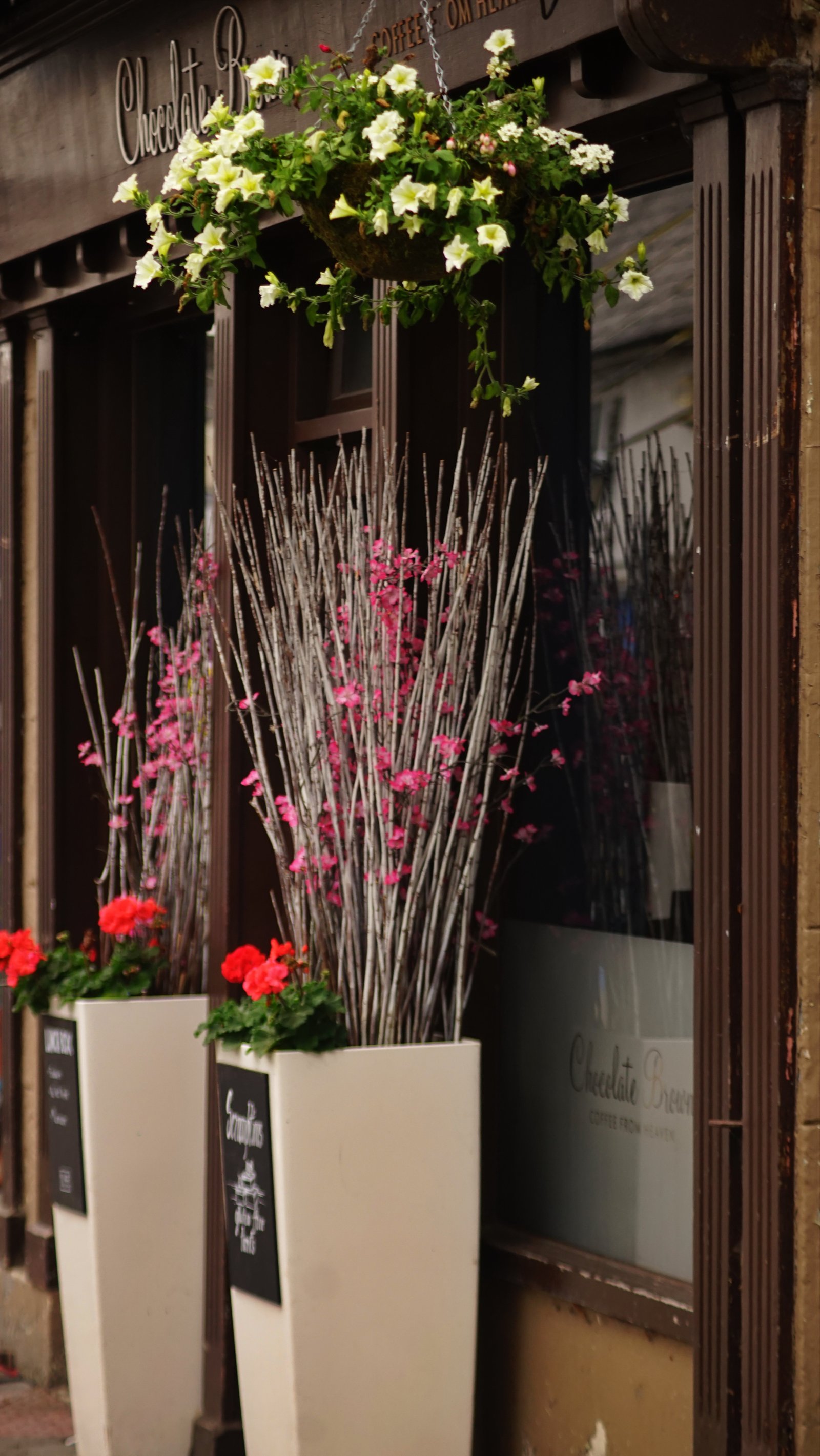
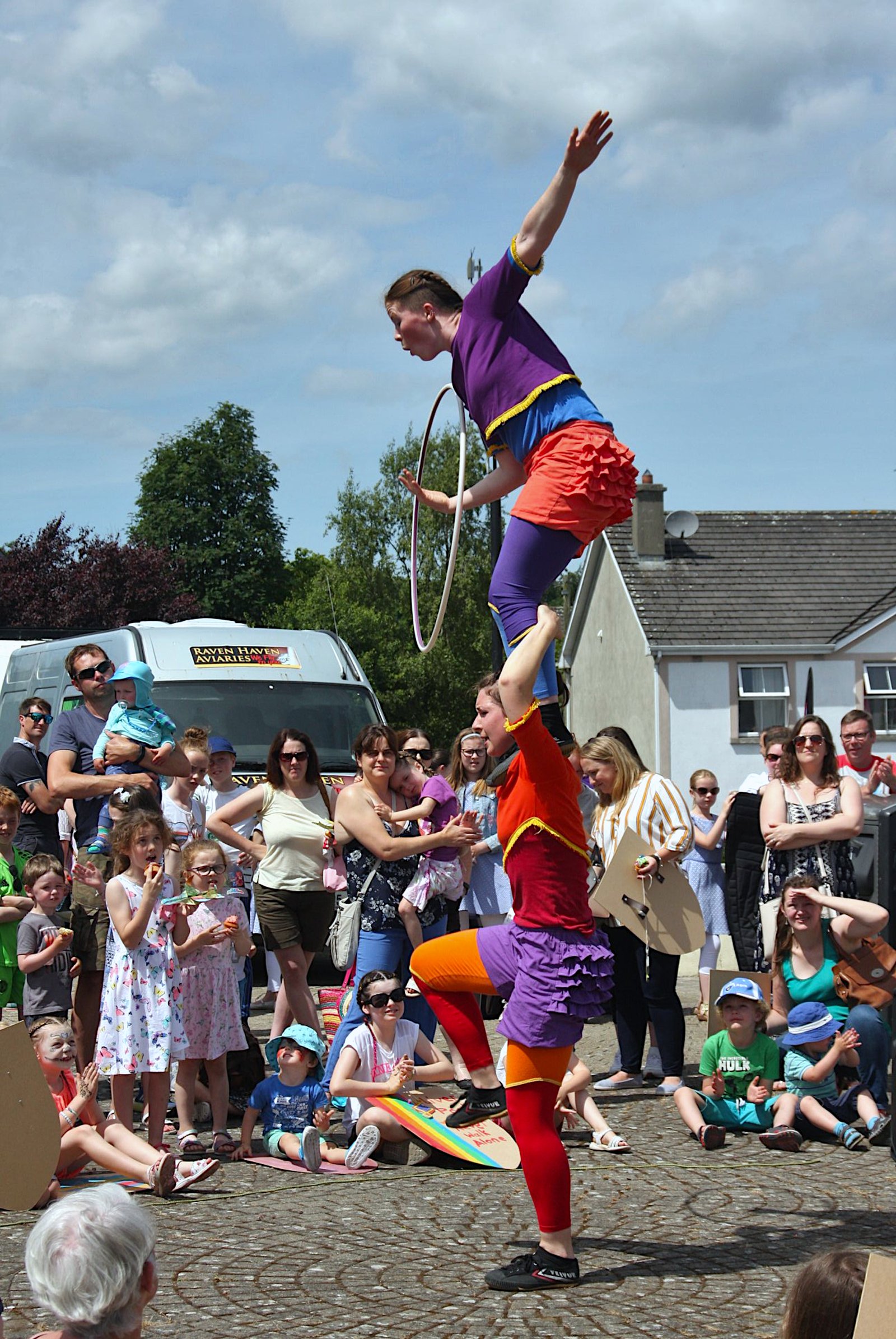
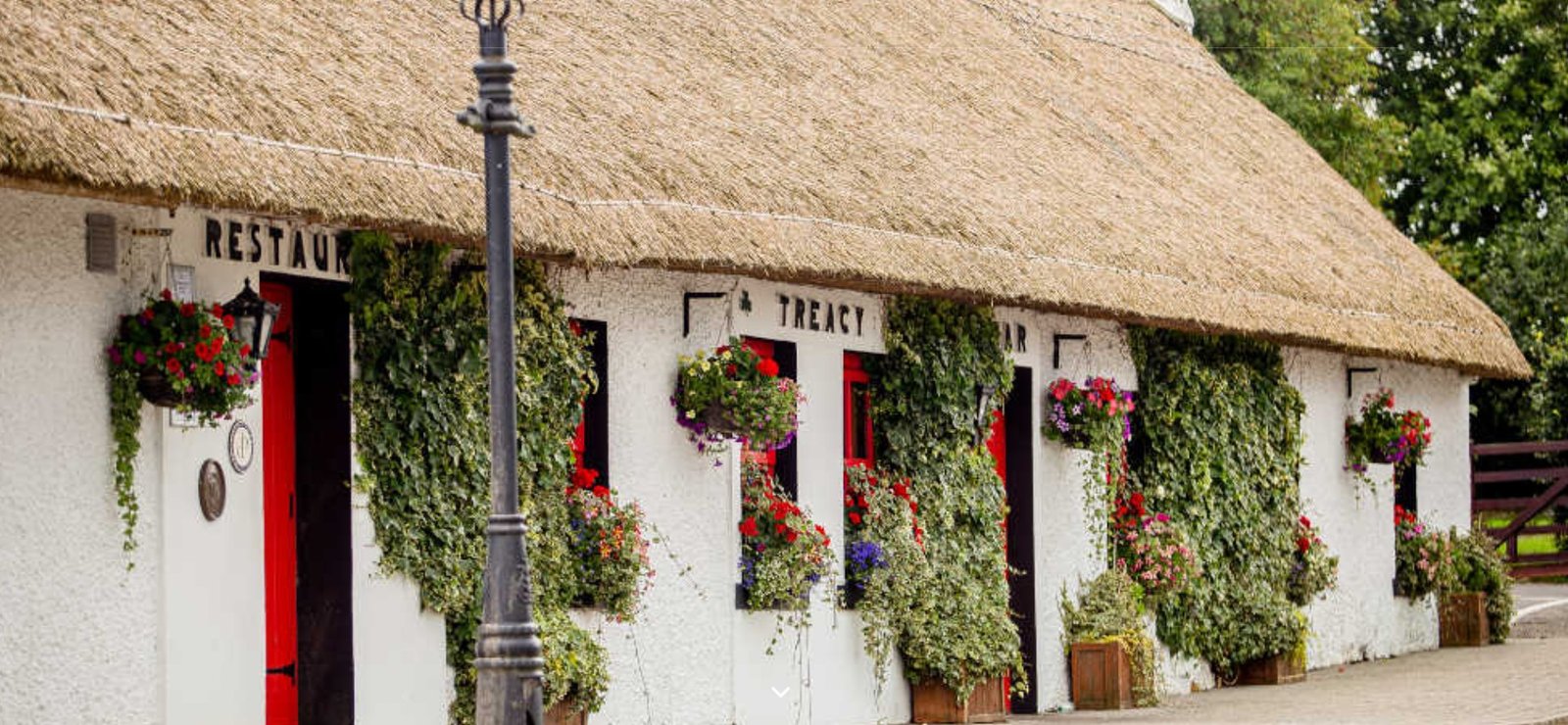
The pub life remains one of Portlaoise’s strongest assets. Around eight established pub and bar venues within the town itself give the place real social depth. Kavanagh’s Bar and The Square Bar offer the familiar pleasures people hope to find in Ireland: a good pint, easy company, the possibility that music may rise before the evening ends. Jeremiah Grant Bar & Eatery offers a wider setting, where food and nightlife flow into one another with ease. One can also try Vibe Bar or Sally Gardens Pub, Eventually my favourite one, although it’s slightly outside the town, but the food and vibe are unmissable – one and only Treacy’s Bar & Restaurant
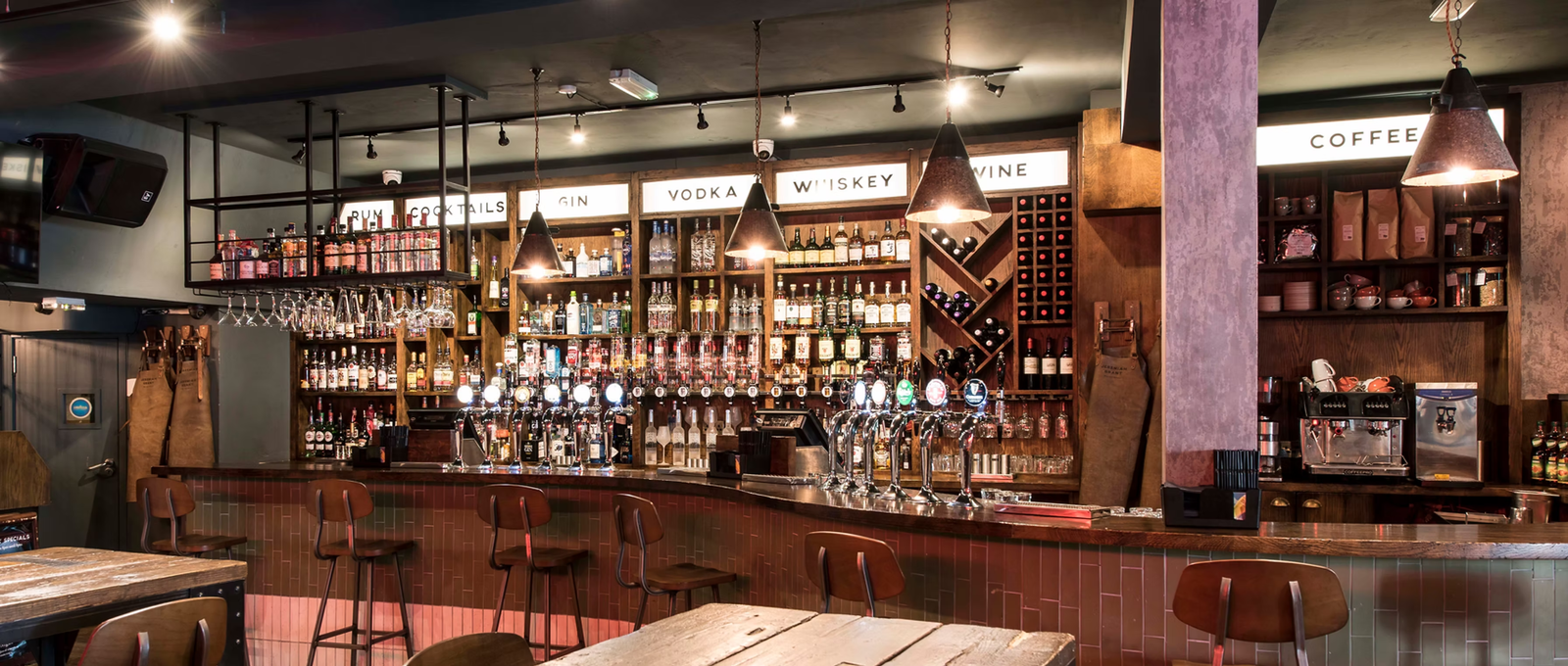
A pint generally falls somewhere around €5.50 to €6.50, which keeps an evening pleasantly manageable. In a town like this, the pub functions as far more than a place of drink; it acts as a room of welcome.
Food in Portlaoise follows the same spirit. Meals tend to be generous, straightforward, rooted in good local produce. That pattern suits a sporting week. After a long day in the woods or on the range, visitors usually want solidity, warmth, flavour, and the town answers that desire well.
Step beyond Portlaoise itself and County Laois begins to reveal its richness. Distances are kind, roads are manageable, and the range of places worth seeing exceeds what many first-time visitors expect.
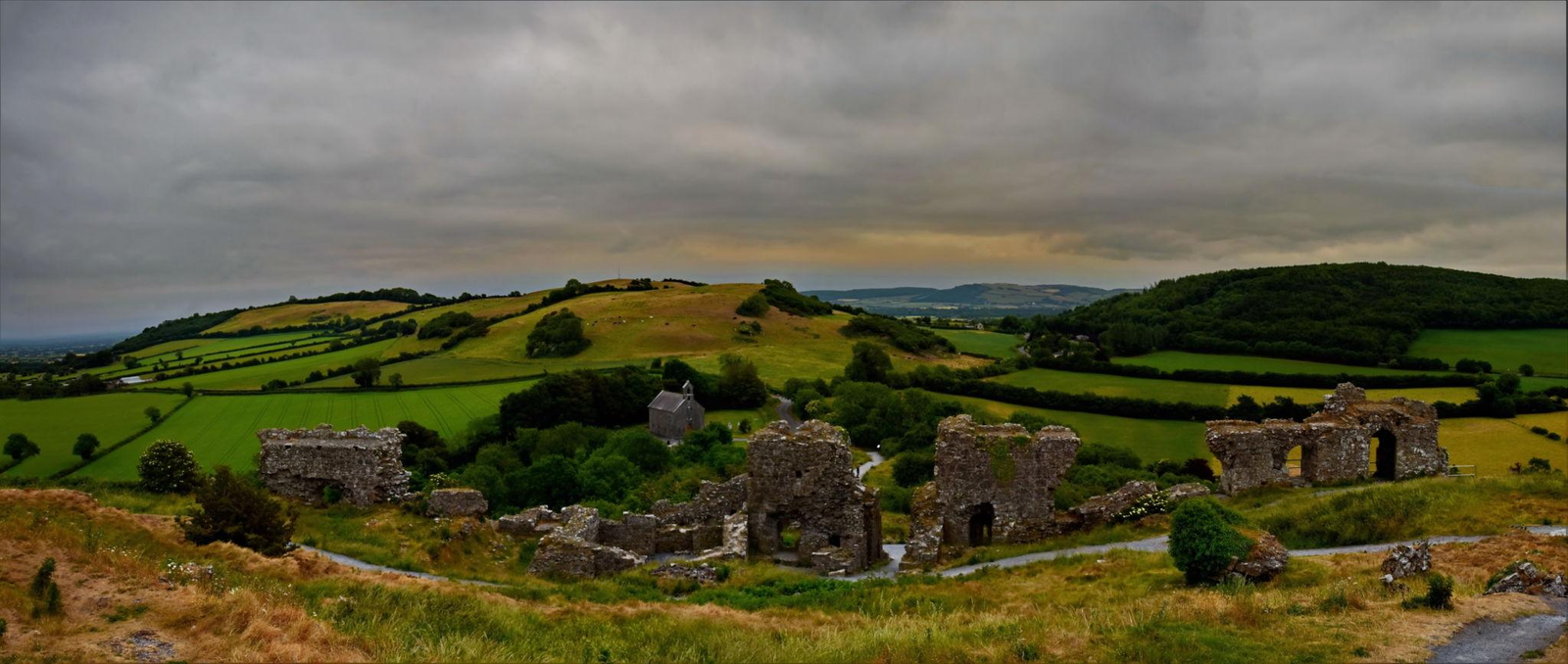
The first place that deserves your attention is the Rock of Dunamase. It rises above the plain with a drama that feels almost theatrical, a ruined stronghold set on a limestone height with commanding views across the county. The ascent remains short enough for most visitors, while the reward arrives quickly at the top. The site carries a long history through early Irish settlement, Viking attack, Norman occupation, and though the fortress now survives in fragments, those fragments speak with force. Entry is free, and the sense of scale alone makes the visit worthwhile.
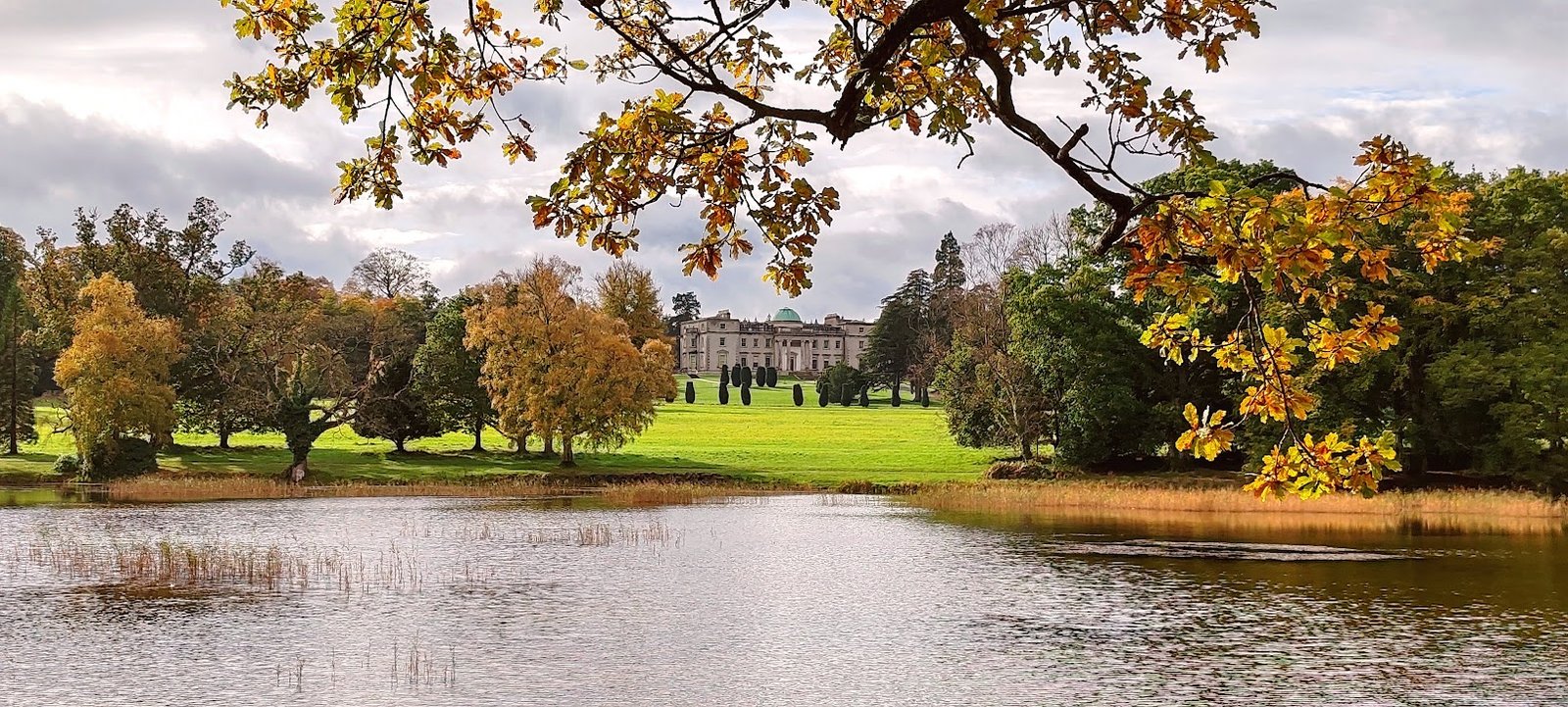
From there, one can move to a different expression of power and elegance at Emo Court. Designed by James Gandon, this great neo-classical house brings symmetry, refinement, composure into the centre of the county. The gardens and parklands offer ample space for a leisurely walk, while admission to the house itself usually comes in at about €8 for adults. After the exposed grandeur of Dunamase, Emo Court feels measured, serene, intellectually ordered, almost as though the landscape had accepted a philosophical discipline.
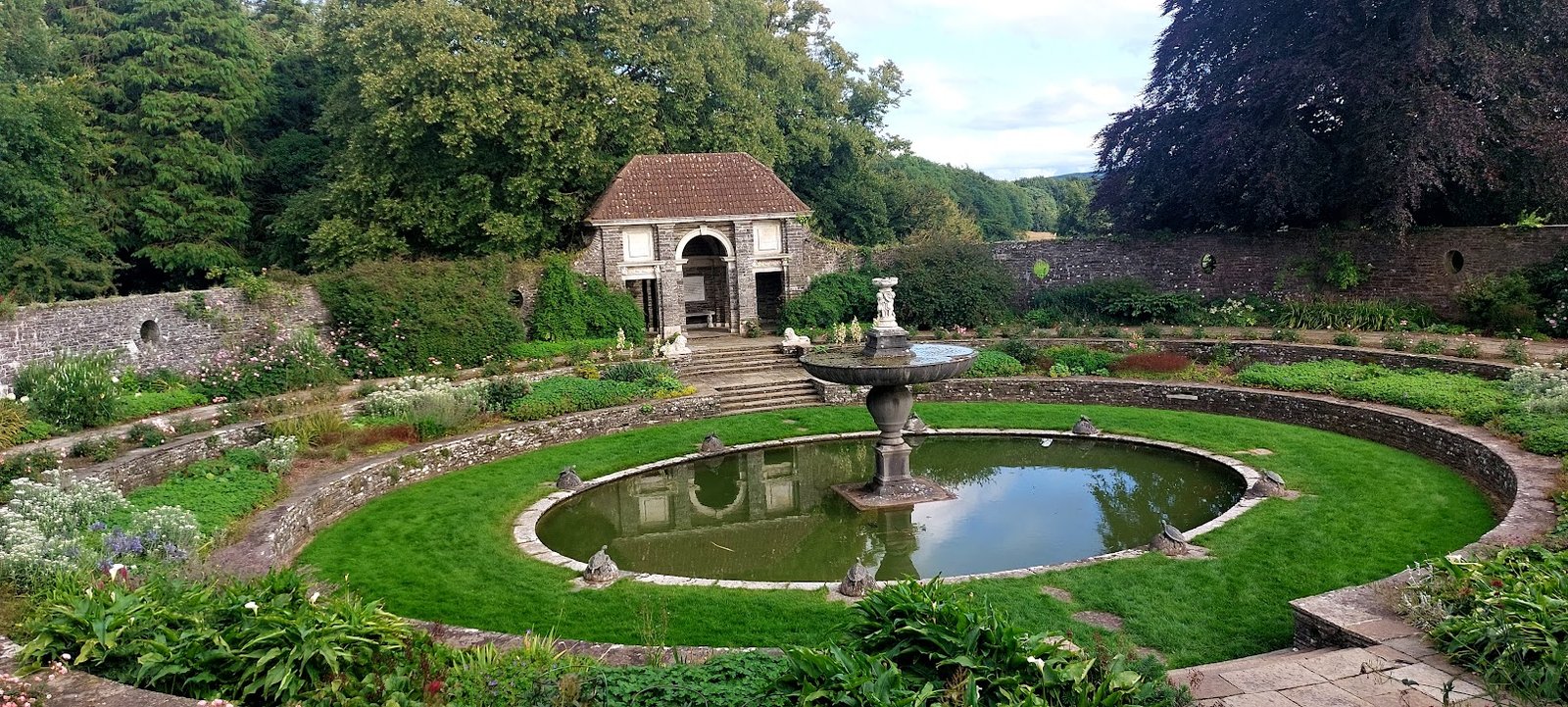
Heywood Gardens should also find a place in the week. They remain one of the quieter treasures of Laois, a site where terraces, water, mature trees, wide views create a calm, shaped beauty. The visit asks for little and gives a great deal. Free entry adds to the appeal, while the deeper value lies in the mood of the place, which encourages a slower pace and fuller attention.
Durrow offers another rewarding outing. It is a handsome small town with a composed air of its own, and it works beautifully as part of an afternoon excursion. Nearby, Durrow Castle Gardens provide a refined and restful setting for anyone seeking a gentler interlude between more dramatic historic sites. A walk through the town itself, followed by time in the gardens, makes for one of the most graceful short trips available from Portlaoise.
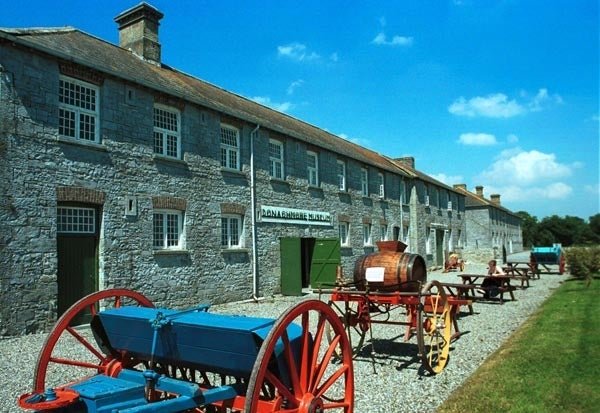
Visitors with an interest in the harder edges of Irish history should make time for Donaghmore Famine Workhouse Museum. The visit carries a different register, quieter in one sense, weightier in another. The workhouse preserves the memory of famine-era Ireland with an immediacy that reaches well beyond display. Admission remains modest, and the experience tends to stay with people long after they have returned to town.
Timahoe Round Tower offers another form of encounter with the past. The tower rises with striking elegance from an early medieval setting, and the Romanesque doorway alone justifies the journey. Timahoe lies close enough to Portlaoise to fit easily into a half-day plan, and the place carries a contemplative quality that balances the busier attractions elsewhere in the county.
Nature has its own strong claim on any visit to Laois. Abbeyleix Bog offers boardwalk trails through preserved peatland, giving walkers access to a landscape that feels delicate, rare, quietly absorbing. Entry is free, and the route works especially well for those seeking a softer outdoor experience. The Slieve Bloom Mountains provide the larger excursion, with forest walks, cycle routes, hidden waterfalls, and the kind of inland Irish scenery that unfolds by degrees. These hills rely on a slower power. Their effect grows through time spent in them.
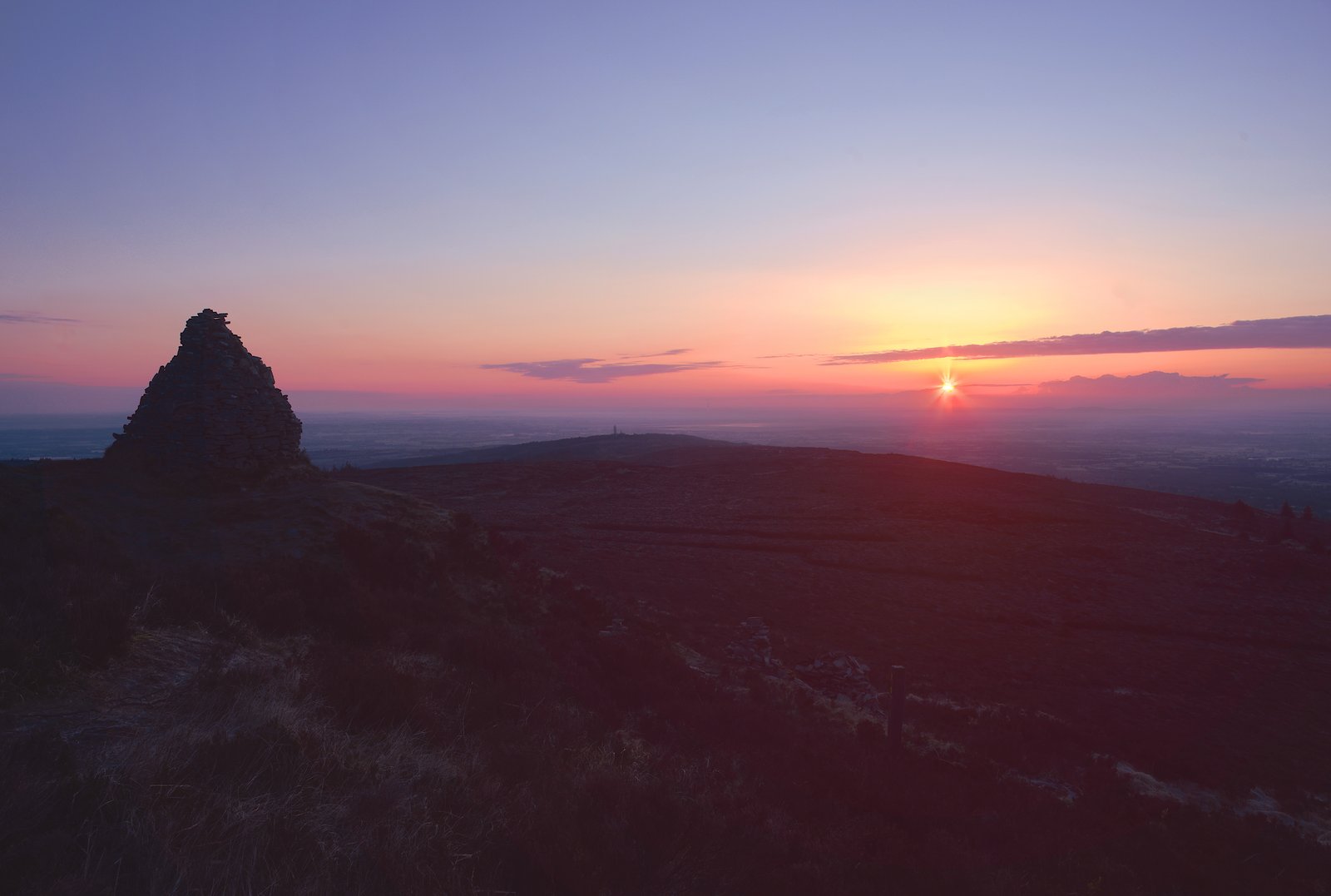
Wednesday, as the competition respite day, gives visitors a chance for something longer and more memorable within the county. That day deserves full use. One excellent option would be a fuller Laois circuit beginning at the Rock of Dunamase in the morning, continuing to Emo Court, then moving on through Heywood Gardens and Durrow for lunch and a walk, before closing with an evening return to Portlaoise for dinner and the pub. Another strong possibility would be a more landscape-led day through the Slieve Bloom Mountains, paired with Abbeyleix Bog or Timahoe, depending on appetite and pace. For those seeking the richest single-day impression of Laois, a long Wednesday drive linking heritage, gardens, upland scenery, one good town stop delivers something close to the county in miniature.
more about Slieve Bloom Mountains here: slievebloom.ie
That is perhaps the great strength of Portlaoise and Laois as a whole. The county keeps offering substance through ease, welcome, continuity. The town gives visitors friendliness and a proper social centre. The wider region adds ruined fortresses, grand houses, ancient towers, gardens, bogland, mountain roads. Each element enriches the others.
ETO 2027 will bring archers here for sport. Laois will provide the rest: history underfoot, hospitality at hand, a landscape that extends quietly in every direction. By the week’s end, the memory of the targets will remain, while it will likely stand beside something larger: the roads taken across the county, the old places entered in passing, and the sense that Portlaoise proved far more than a useful base.
Views: 13
This article is part of our free content space, where everyone can find something worth reading. If it resonates with you and you’d like to support us, please consider purchasing an online membership.