Last Christmas, we had the great pleasure of announcing that ETO 2027 is coming to Ireland—news that fills all of us with real excitement. Ireland now joins the wider TAI family with anticipation and hope, and with pride too: pride in this country, and in the archers of Ireland—who they are, and what they carry onto the line.
- Travel and Sport as One Practice
I have started to picture ETO 2027 as a double blessing: a tournament that sharpens the hand, and a journey that sharpens the mind. Travel brings the body into new roads and new timetables, while sport brings the body into discipline and courtesy, and the two together widen a man the way a long walk widens a lung. When archers meet across borders, they meet with gear and habits and accents, yet they also meet with the older human equipment—curiosity, pride, bashfulness, hunger for belonging—and that mix improves us. It makes us better hosts. It makes us better guests. It makes us better shots.
- Portlaoise, May 2027, and the Series Ahead
On 17–21 May 2027, that widening comes to Portlaoise, when the European Traditional Open lands in County Laois. I write this as a first greeting, a pilot light for a longer run of pieces—articles, interviews, visits, arguments over details, laughter in clubhouses—that will introduce Traditional Archers International to Irish archers, and Irish archers to the wider TAI family. In the months ahead I want to speak plainly about accommodation, about clubs worth visiting in Laois and Wexford, about the small local customs that save a visitor from embarrassment, about TAI rules and the particular flavour of a TAI shoot, about bow styles and what they mean in practice when a referee stands beside your kit and a scorecard waits in a damp palm. For now, I want to open the gate and let you see the lane.

- Who TAI Is, and What It Values
TAI—Traditional Archers International—stands as an international, non-profit association devoted to traditional and historical archery, with members spread across Asia, Europe, and America: craftsmen who build bows, archers who live for the line of an arrow, historians who keep cultural memory alive, organisers who keep competitions honest, and ordinary people who keep turning up and helping. Its stated mission holds three ideas close: protection of knowledge and technique, connection across borders in friendship, and events that keep the skill active rather than museum-bound. The tone inside TAI remains plain, almost stern in the best sense: authenticity, education, respect, mutual support, and a clean refusal of showmanship that forgets safety.
- Rules, Inspection, and the Quiet Order of a Championship
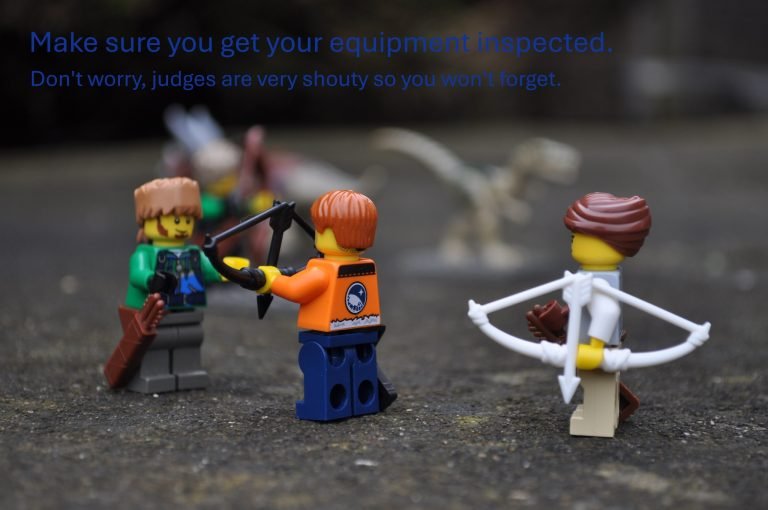
That tone matters at a championship. At ETO, a bow carries romance in the hand, yet it also carries responsibility, and TAI treats responsibility as the first ornament of sport. Equipment inspection forms part of that responsibility. Your declared style binds you at registration and bow inspection, and judges hold the authority to act when a change breaks the declared class. The rule-set also treats national representation with seriousness: an archer starts for a single nation, with identification available on request, and dual citizenship brings a binding choice for a defined period. Even the small mechanics of a day on the parcours receive attention: group structure, captains and scorers, safe drawing directions, clear visibility around targets, and sobriety during competition. A visitor feels the effect immediately. A TAI event runs on the same quiet fuel as any good parish: people mind one another.
- TAI and IFAA: A Practical Difference
For many Irish archers, the first question arrives fast and practical: how does TAI relate to IFAA? IFAA has long provided a strong home for field and 3D archery, with an international framework and a familiar set of divisions that accommodate a wide range of equipment philosophies, including styles that welcome aiming systems and other modern additions under defined limits. TAI takes another route. TAI gathers its bow styles around traditional and historically oriented forms, and it builds its classifications around construction features and materials, with a clear eye on performance realities that appear on the course. That approach avoids the endless labyrinth of labels built on geography, or on pure historical period, or on pure shape alone, because bows migrate across continents and centuries, and form repeats itself in multiple places, and material changes alter behaviour even when a silhouette remains similar. TAI’s framework aims for clarity that a working archer can recognise on sight and a referee can apply in the field without turning the tournament into a seminar.
- Bow Styles Under the TAI Umbrella
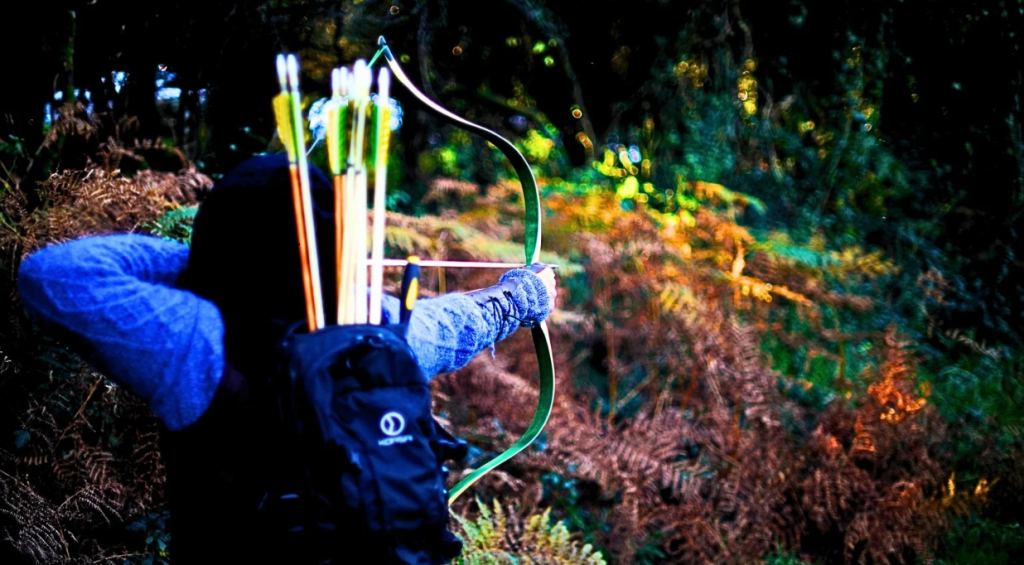
The bow styles you will meet under the TAI umbrella carry names that sound familiar, yet they mean something particular in a TAI setting. Recurve bows appear as Bowhunter Recurve and Traditional Recurve. Flatbows appear as American Flatbow, with classic and modern expressions. Reflexbows appear as classic and modern forms, often with siyahs that signal their lineage. Natural basic bows appear as Primitive Bow and Selfbow. The selfbow holding a special austerity—one piece of wood, one continuous truth in the hand, a refusal of complication that somehow increases the depth of the craft. The classifications form a language, and ETO becomes a place where that language gets spoken in full sentences: an archer arrives with a bow that matches his declared style, he passes inspection with a kind of relieved pride, he steps onto the course with others who carry different histories in their limbs, and the scorecard tells the only story that counts.
- How ETO Shoots: Sport Parcours and Hunting Parcours
ETO itself carries a structure that feels both simple and cunning. The shooting takes place at unknown distances, which brings judgement back into the body. The championship runs across one 3D sport parcours and two 3D hunting parcourss, with the course laid out across groups of 3D animals that ensure variety and balance. Peg colours mark age groups, a small practical kindness that keeps flow and fairness. In the 3D sport parcours, each target gets shot from one peg through a walk-up arrangement: the archer begins at the farthest peg, and a miss brings him forward to the next. Only the first score counts, which creates a particular kind of psychological pressure: a first arrow carries the full weight of ambition. Scoring reflects that pressure. A first-arrow kill carries the richest reward, and later arrows step down in value. The hunting parcours carries a different tension. Distances remain capped by age group, and the set-up varies between two pegs with one target, two pegs with two targets aligned left and right, or one peg with two targets. In the one-peg-two-target arrangement, one arrow goes to each target and both arrows count. The hunt format thus asks for versatility: judgement, choice of order, and the ability to reset the mind in seconds.
- Portlaoise as Host Town
All of that arrives in Portlaoise, and Portlaoise sits in the centre of County Laois like a practical heart—rail links, roads, services, beds, food, and the sort of Irish town rhythm that lets a visitor settle fast. I picture the international archer stepping off a train with a bowcase and a mild worry about accents, and I picture an Irish archer pointing him toward a café, toward a shop for forgotten kit, toward the local common sense that saves a day. An event lives by shooting, yet it also lives by what happens between shooting: the ten minutes where strangers compare tab styles, the evening where a tired group finds a pub meal, the small exchange of spare parts that creates a friendship inside two gestures.
- After ETO: A Wexford Weekend of Shooting and Sea-Air
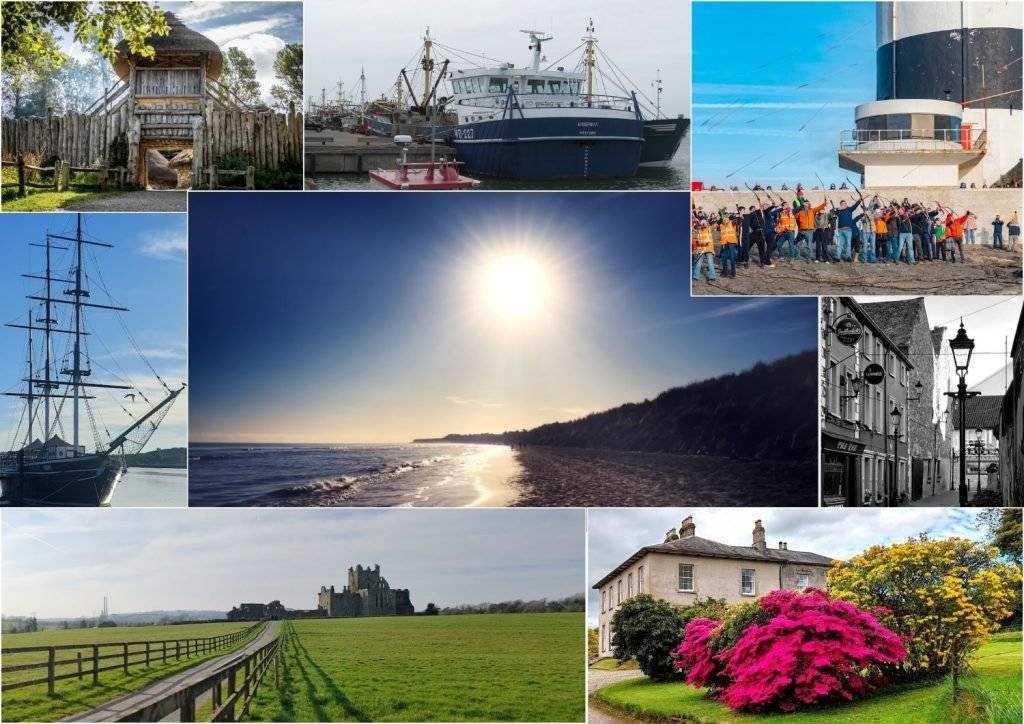
Immediately after ETO, for the remaining weekend, we have prepared an extra shoot and a visit south into County Wexford, because a good championship deserves a good winding-down, and because Ireland makes sense when you meet more than one county. I want overseas archers to leave with salt on the tongue as well as peat in the memory, and I want Irish archers to find new friends in a new place while the muscles still carry the rhythm of the week.
Wexford receives a visitor with a different light and a different horizon. The Hook Peninsula draws the eye toward Hook Lighthouse, where guided tours carry you up into the tower and coastal views carry you back out into the world, and nearby Tintern Abbey sits as a Cistercian ruin whose silence holds its own kind of instruction. I keep thinking that an archer understands such places instinctively, because stonework and long sightlines speak the same language as a bow: patience, alignment, and the consequences of small errors.
When we move inland, the Irish National Heritage Park at Ferrycarrig offers a broad walk through the country’s long human span, and it does it outdoors, under the open air, where the body keeps learning while the mind listens. Close to Wexford Town, Johnstown Castle Estate, Museum & Gardens gives a gentler day, with a lake and gardens that calm a tired competitor, while Wells House & Gardens—up toward Gorey—adds woodland walks and easy trails that suit a mixed group where some people crave pace and others crave conversation.
The coast then takes over the heart. Curracloe Beach and the Raven nature area stretch out in a long sandy strand that invites a slow walk, while Rosslare Strand offers the classic seaside ease close to the Europort, as if the county itself remembers that arrivals and departures deserve beauty. Kilmore Quay, with its fishing village harbour, gives a visitor the honest pleasure of boats and gulls and good food, and it also offers the chance of a day trip out to the Saltee Islands, where seabirds turn the air into a living page.
Wexford holds history with a firmer grip too, in ways that match the moral weight of any journey. New Ross offers the Dunbrody Famine Ship experience on the quays, which can cut through romantic notions and replace them with a deeper respect for endurance and departure, while the JFK Arboretum nearby spreads out in a vast woodland collection that feels almost medicinal after the workhouse story. The Kennedy Homestead at Dunganstown adds its own thread to that same New Ross region, with family history that travelled outward and then echoed back. Up the county, Ferns Castle carries the Norman note and the older Leinster story, and Enniscorthy Castle stands in the town centre with exhibitions and rooftop views that restore a sense of terrain, while the National 1798 Rebellion Centre brings the rebellion history close enough to feel, close enough to keep a visitor honest.
If an archer happens to return later in the year, Wexford Festival Opera gives the town a different kind of target—music as competition, music as ritual—and the 2026 run sits from 15 to 31 October, which can plant a future journey in the mind of anyone who discovers a love for the place. Yet for our immediate weekend, the heart of the plan remains simple: a shared shoot, shared meals, shared walks, and a shared chance to extend friendships past the closing whistle of ETO. Woodville House, home of Wexford Archery, will stand as a welcoming base for that part of the visit, a place where visiting archers can meet local hands and local humour in the most direct way: on the range, with bows strung and talk running easy.
- Why Laois Fits Archery
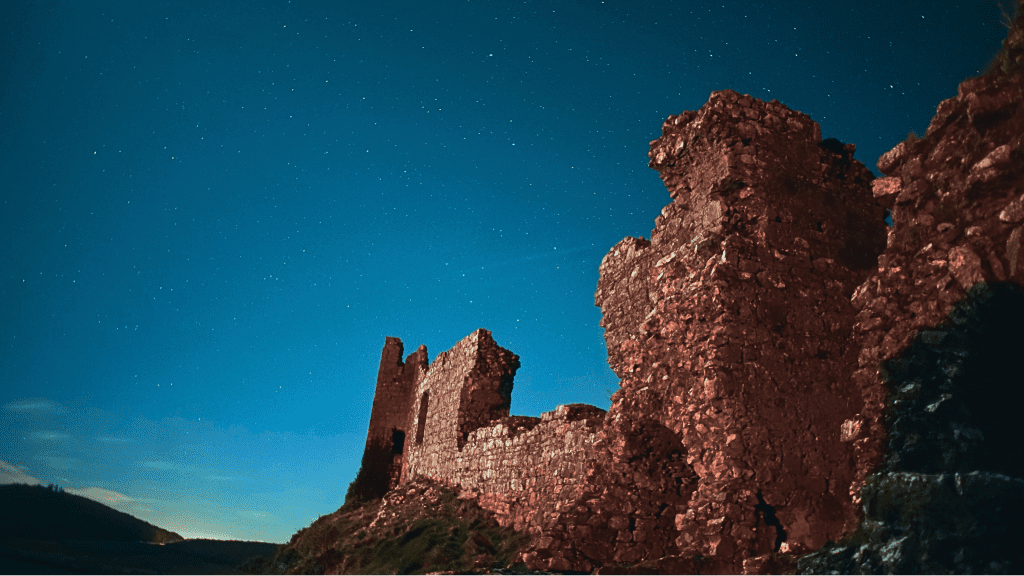
County Laois offers more than convenience. Laois carries a density of heritage that suits archery, because archery belongs to stone and timber and old lines of sight. A visitor who comes for ETO can also come for the county’s long memory.
- Stone, Gardens, and the Long View
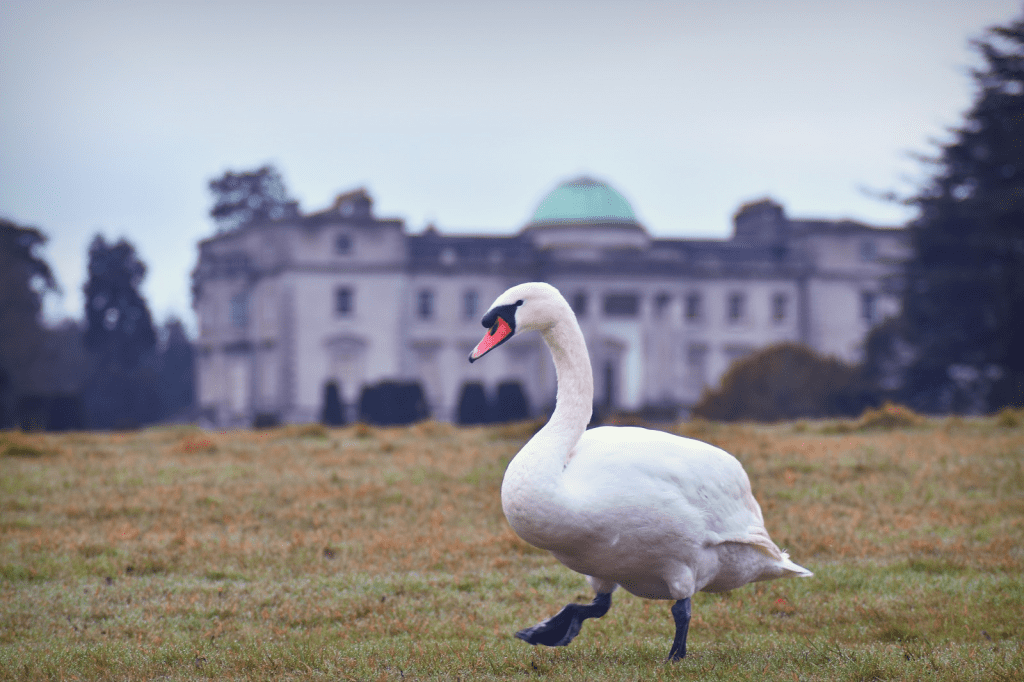
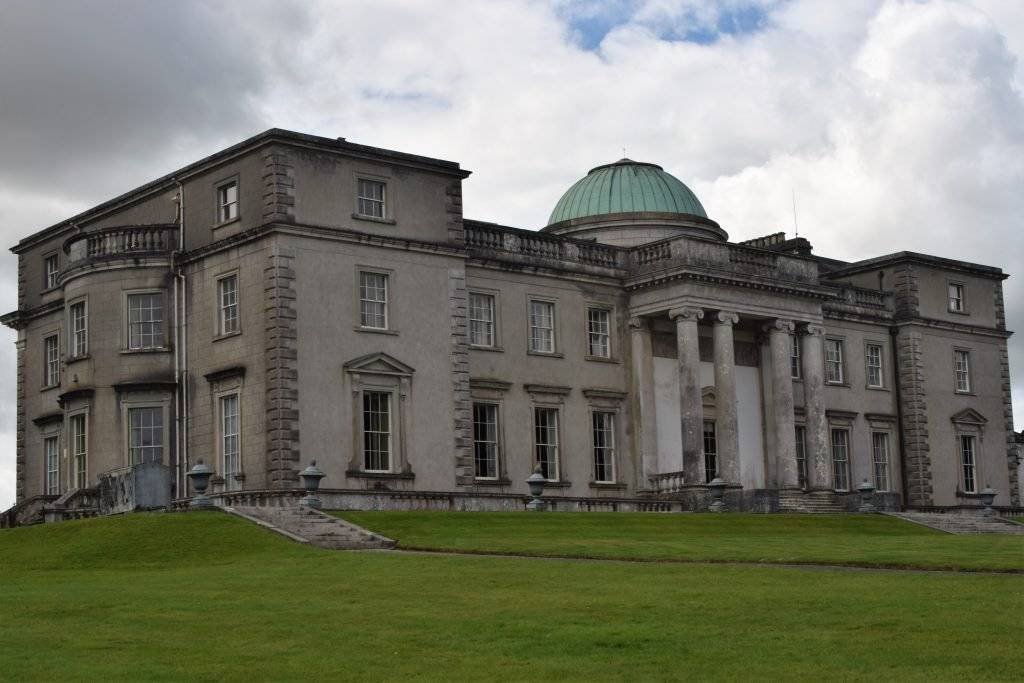
Emo Court stands as one of the great invitations—a house with a grave elegance, and grounds that give the feet a slow and grateful pace. A morning there can calm the nervous energy that competition builds, while the mind rehearses shots in the background like a prayer half-spoken. The Rock of Dunamase rises with a harsher grandeur, a spine of ruin and view that teaches a lesson about vantage: a man climbs, he looks, he understands why people fought over height. Timahoe Round Tower brings another kind of instruction, a vertical patience, a reminder that craftsmanship once aimed for endurance and clarity of proportion. Heywood Gardens offers a quieter delight: designed space where walking becomes a form of attention, where the eye learns to follow lines and pauses, and that habit carries back onto the course.
- Abbeyleix, Bogland, and the Poet’s Cottage
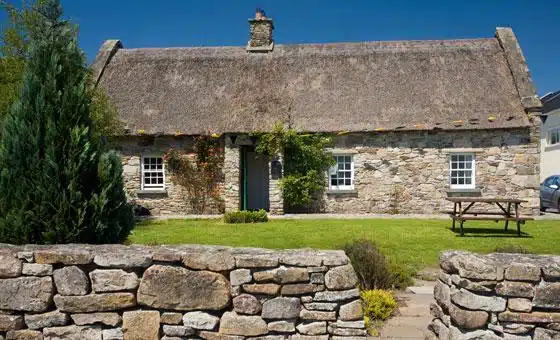
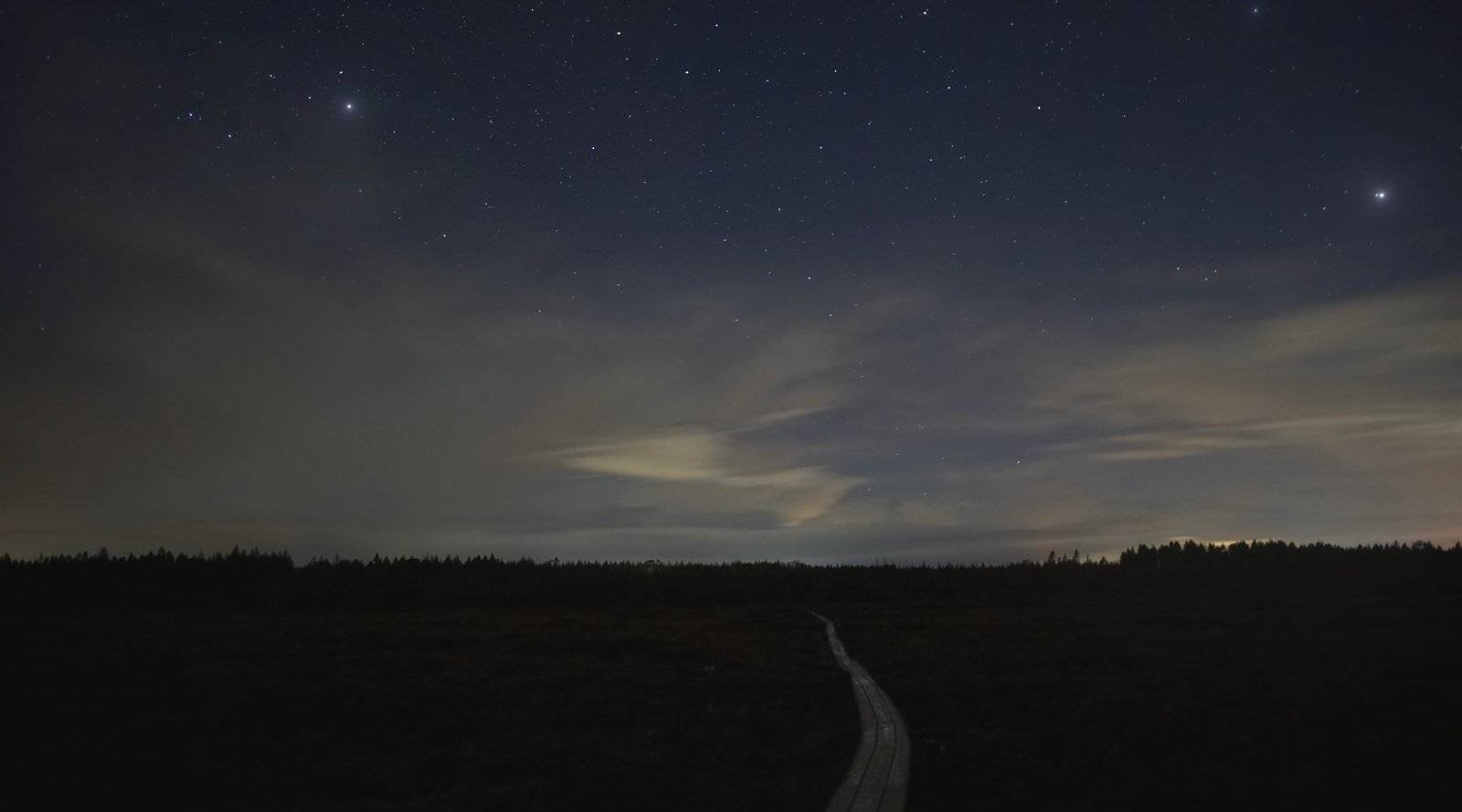
The county’s towns and villages provide their own charms. Abbeyleix holds a lived-in grace, and it offers places that speak directly to the visitor who wants history without theatre. The Heritage House in Abbeyleix can anchor a day with context—names, objects, the feel of local narrative held in a room. Abbeyleix Bog Project offers a different kind of beauty, a landscape that carries peat, birds, and the slow labour of conservation. Camross offers the Poet’s Cottage, which carries a gentle reminder that Ireland’s art often lived in small rooms and hard conditions, and that imagination thrived with little permission.
- Durrow, Abbeys, and Castles Further Out
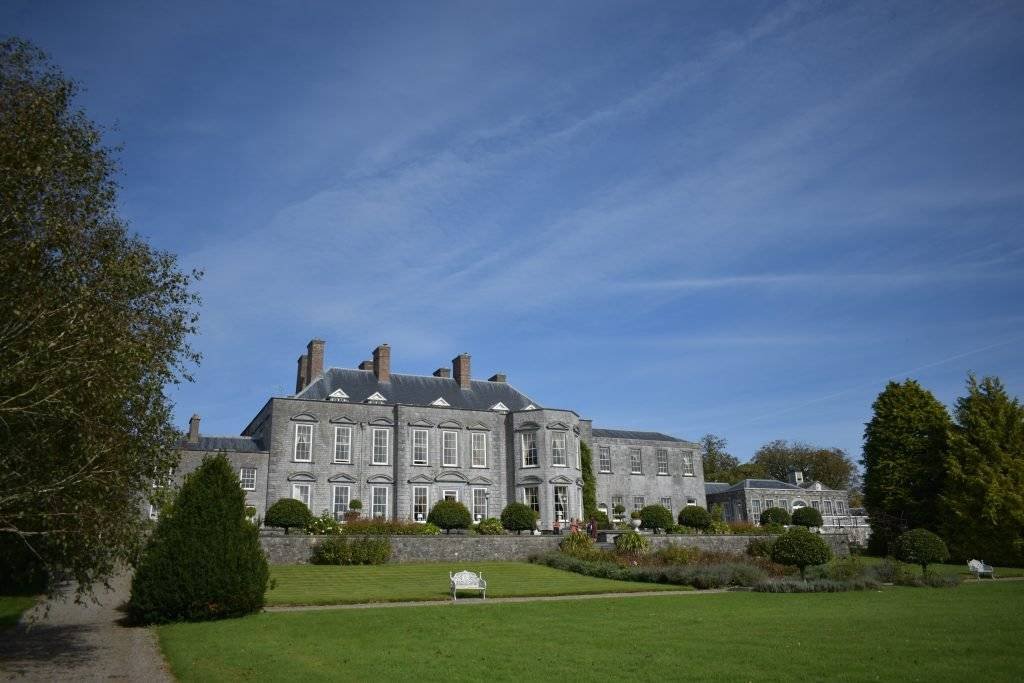
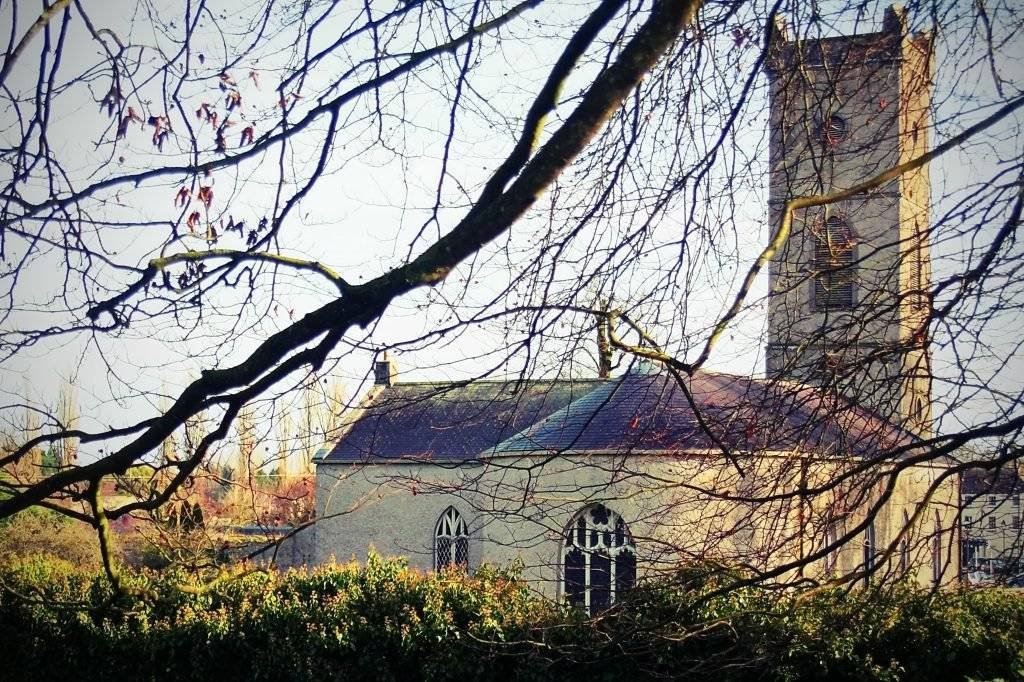
Further out, Durrow draws a visitor with its village character and the presence of Durrow Castle, and the deeper monastic shadow of Durrow Abbey. Aghaboe Abbey carries another monastic resonance, where stone and devotion held a marriage across centuries. Cullahill Castle adds a fortified note, the sort of place where you understand how a doorway and a wall shape power. Ballaghmore Castle stands as another strong emblem of Laois stonework and continuity. Allyadams Castle adds its own chapter to the county’s architecture of defence and status.
- Workhouse Memory and a Local Pint
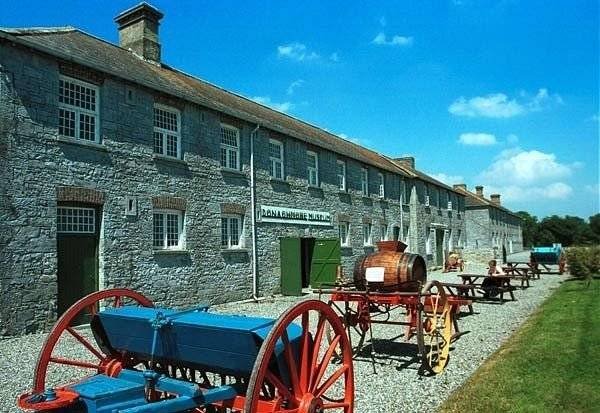
Then there are the places that speak of hunger and endurance. Donaghmore Famine Workhouse Museum carries a heavy education, and any visitor who walks its rooms carries away a sharper sense of Ireland’s social history, and a more careful respect for the land that hosts the tournament. That respect can reach even into a pint glass: Ballykilcavan Brewery offers a local taste and a local story, with the sort of grounded hospitality that fits an archer’s evening after a long day on the parcours.
- The Slieve Blooms and a Clear Head
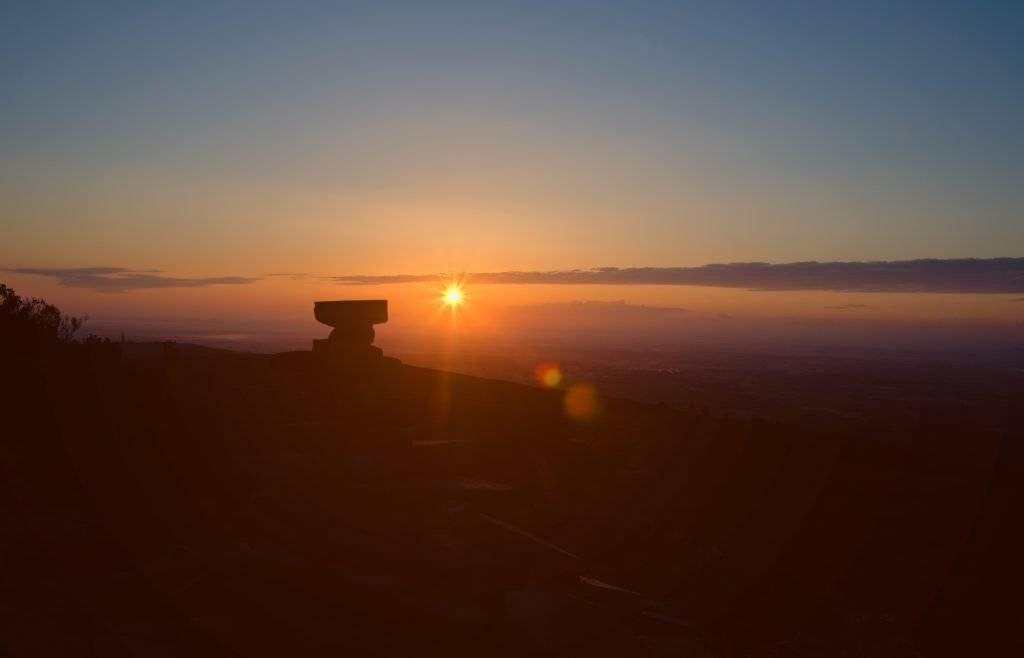
The Slieve Bloom Mountains rise at the county’s edge with their own call—walking, views, breath, and the clean fatigue that clears the head. An archer who spends a spare day there arrives back at the shooting line with legs pleasantly sore and attention brightened.
- A Championship That Becomes a Place
This matters for ETO because an international championship thrives when it becomes more than scores. A visitor who sees only targets carries home only results. A visitor who steps into the county carries home a living impression, and that impression shapes the way he speaks of Ireland within his own club, in his own country, in his own language. That kind of reputation grows quietly, like good timber.
- TIFAM as an Irish Gateway
In all of this, TIFAM enters as an Irish hand extended toward the wider archery world. TIFAM—the Irish Foundation for Archery and Mentorship—works as a community-based, non-profit organisation devoted to promoting archery across Ireland, with a focus that reaches beyond publishing into active support and organisation of events. Its flagship gathering, the TIFAM All-Ireland Archery Festival, has built itself into a meeting place for archers of many affiliations, with tournaments, workshops, presentations, and a strong emphasis on community and learning. TIFAM has also placed attention on youth, with initiatives that recognise skill alongside contribution to community life. For international archers who arrive with TAI as their home association, TIFAM offers a local Irish gateway: a way to meet Irish archers across styles, a way to understand how archery lives on this island, and a way to connect with a broader cultural life around the sport.
- Irish Archery, Irish Hosting
That gateway matters because Irish archery carries its own texture. We carry a strong club spirit, a habit of welcoming strangers with a mixture of teasing and care, and a practical approach to outdoor shooting shaped by our landscape and our calendar. At a good Irish shoot, an archer receives directions, help, and a cup of tea as part of the same gesture. ETO 2027 gives Irish archers a chance to meet TAI practice up close, to learn the peculiar strengths of the TAI rule-set, and to bring Irish warmth into an international frame that already values respect and mutual support.
- Victories on Paper, and Victories at the Edge of the Day
As I look toward May 2027, I see a week that can carry many kinds of victories. A champion will rise in each class, and medals will hang and photographs will get taken, and a few shots will live in memory like clean music. Yet another kind of victory will happen around the edges: a visitor will learn how to read Irish road signs and Irish humour; an Irish archer will learn how a Hungarian bowyer speaks about horn and sinew; a German archer will learn the names Dunamase and Timahoe and Aghaboe with the same ease as he learns Portlaoise; a French archer will discover Abbeyleix and Durrow and find himself planning a return trip even before the final day’s scores get signed.
The riddle I carry, in plain words, asks whether sport brings us to travel, or travel brings us to sport. ETO 2027 answers with a third truth: both bring us to each other, and each meeting leaves a mark that lasts longer than a weekend. I will keep writing toward next months—about rules, about bow styles, about what TAI does differently on the ground, about the clubs worth visiting, about Laois and Wexford as places where an archer can arrive as a stranger and leave with friends—and I will keep the door open for voices besides my own, because interviews and conversations carry more accuracy than solitary declarations. For now, I offer a first welcome, in my own name, from the middle of Ireland: bring your bow, bring your courtesy, bring your appetite for place, and let Portlaoise and County Laois meet you as you meet them, arrow by arrow, step by step, until the week shapes itself into something you carry home in your hands and in your speech, long after the last target stands cleared and the last scorecard rests in a pocket that smells of grass and string-wax and human company.
Views: 147
This article is part of our free content space, where everyone can find something worth reading. If it resonates with you and you’d like to support us, please consider purchasing an online membership.