Category FREE ACCESS

A wealth of high-quality articles exploring Irish archery in all its richness—history, philosophy, ethics, technical insights, interviews, and rare profiles of exceptional figures. Featuring top writers, youth contributions, and cultural commentary, this is an open invitation to engage deeply with the spirit, stories, and subtleties of archery in Ireland—freely accessible to all who wish to read, reflect, and be part of the living tradition.

Aiming Makes Souls Wander.

Image 2.png

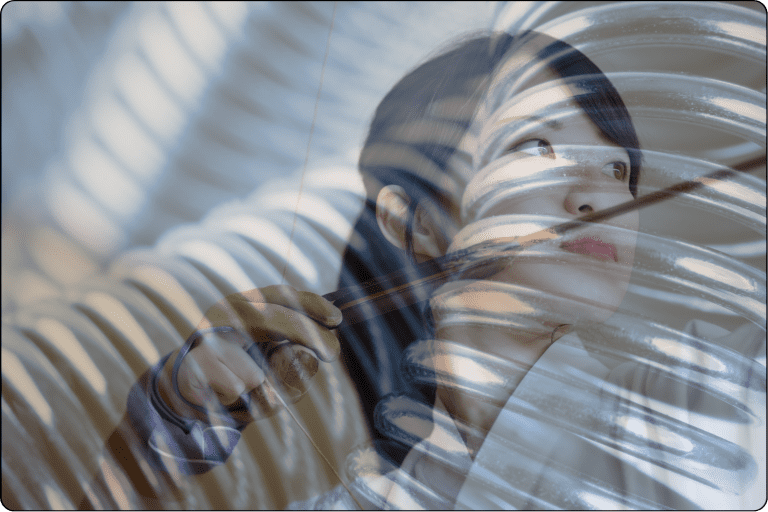
What travelled farther: the bolt that left the string, or the hand that held the string and trembled, deciding, for a heartbeat, whether mercy had any jurisdiction over hunger? Quid longius it: telum an animus? A question suited to a…

You Are a Spring Under Tension

Spring under tension

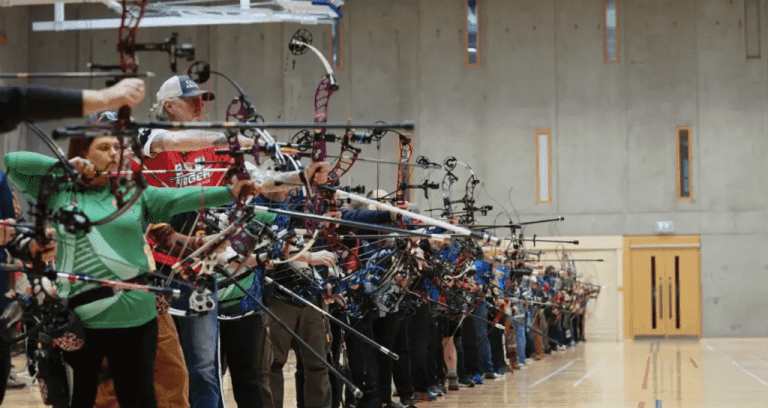
In archery, the follow-through is arguably more critical than in golf or tennis, because the “engine” of the shot is the tension in your own body. While the arrow leaves the bow quickly, any collapse or movement at the moment…

Between Gāṇḍīva and Blackboard

Image 2 1024x645.png

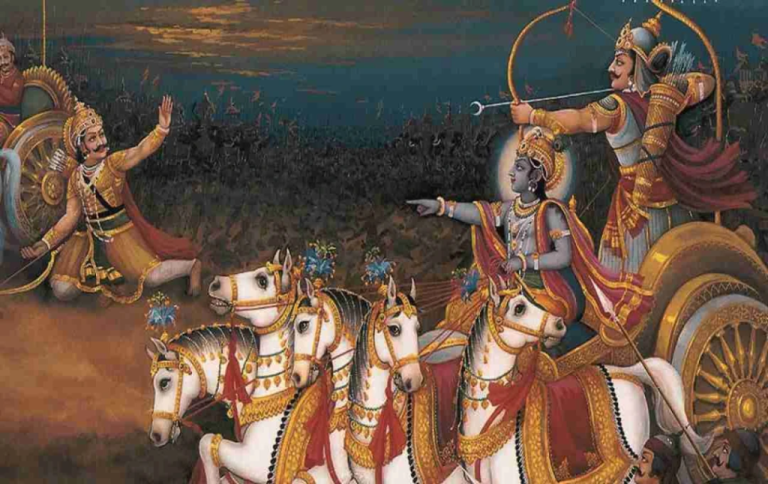
The first bamboo bow that entered my life never breathed Indian heat; it lived inside a grainy photograph pinned above my crowded desk in Portlaoise, between a postcard of Velázquez and a stained reading timetable. The photograph came from an…

Bowhunter – Chapter 2

1000035431

The Mane, Sovereign Kingdom of Ebvren (The Barren State), City Capital Vrenki – Typhon Resurgence, Day 10 Whatever Ebvren, and by extension its capital city Vrenki, had to claim in terms of sovereignty, was beyond Fergus Reeves. If it wasn’t…

A way to freeze time…

Image

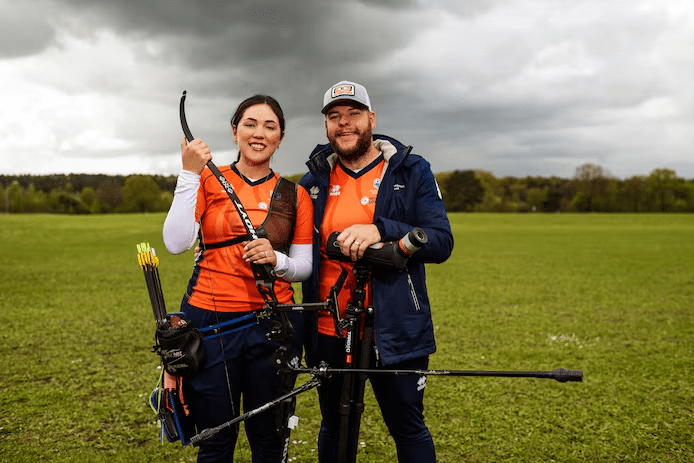
Late light spills over a summer field that could belong to any stop on the World Cup caravan—air thick as steamed linen in Shanghai, sharp as dry paper in Madrid—and in that blur of geography the camera for Mr and…

Bowhunter – Chapter I

1000035431

The Mane, Fohalin, Thilso Island Chain, Southeastern Province – Typhon Resurgence, Day 8 I common joke Renata Zeman had heard as a child, when her parents travelled around the countries of the Poet’s Sea, began with, “A Dytrentian, a Maytoni,…

Bowhunter – Prologue

Image

Archers! A new fictional fantasy serial has just begun.

Bowhunter -

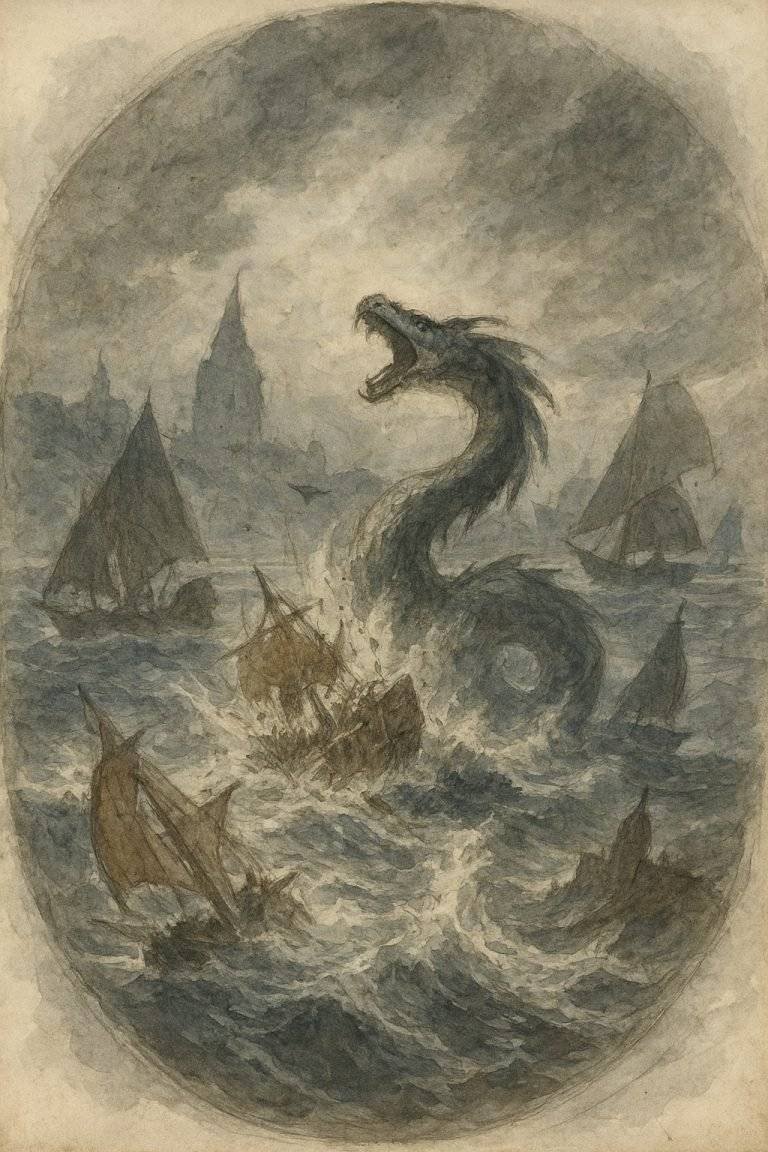
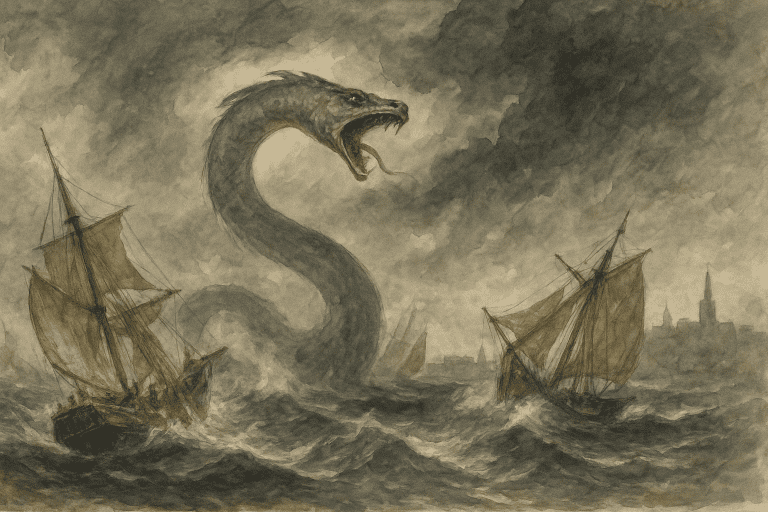
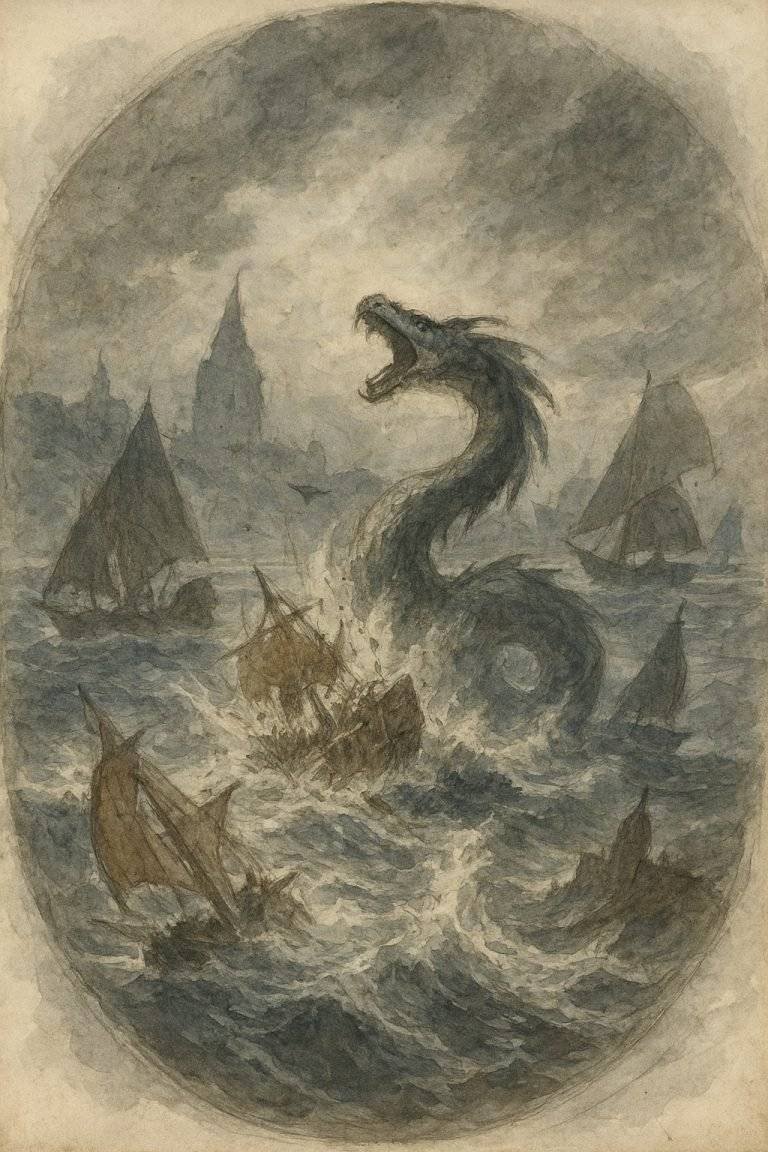
The deathly binds keeping a gigantic sea snake, the Vainglory Typhon, at bay have been broken.

Thriving upon its territory for over a century, the citizens of Fohalin, their land, their cities, and their lives are devastated in the wake of the beast's return.

Yet, as the great beast reclaims its territory, it brings with it more than just obliteration.

Fohalin leadership shatters. Left in their stead is an excommunicated Pastoral from a foreign state, an unlucky and ungrateful hunter, and a pirate captain with a conscience who is bound to the will of his ship.

In seeking to cull the titanic creature they are pitting themselves against something that does not need to adapt to its environment, but rather forces the environment to adapt to its presence.

Bowhunters in the North

534595312 24758191327107663 3828460848787671518 n

Once a year, Ballyvally Archers hosts a singular type of competition that exemplifies the enjoyment found in the sport: the Mulligan Hunting Trail. Whilst hunting Frank Mulligan is not the aim of the competition – and just as well as,…

Artistry In Arrows

DSC

For many of the past eleven years, I have been making my own arrows. This skill has developed little by little over time, as I read various articles, and listened to what other traditional archers had to say. Whilst it…

The Lady of Roche

Image 5 1024x768.png

Year of grace 1236 receives a crisp line in the Annals of Connacht, a sentence that carries armed men west with cart, banner, and purpose. Scribes set down the march of the Galls, naming lords, bishops, and kings, a cadence of spears and departures, a ledger where steel, oath, and burial speak in one breath. One world leans upon another across hedgerow and ford, and the record grants that leaning a bright authority. A greater stone rose that same year upon the rough rim of Ulster, a clenched statement of mastery with a woman’s will at its heart, though parchment offered silence where her name should stand. She answered through rock. She signed her life upon a crag that lifts above Louth, a defiant silhouette still blue against evening, a mark that survives every list and every tally. A Latin hand would call it Castellum de Rupe, Castle on the Rock, and that title seals her authorship with a clarity that withstands storm and time.

A house like hers grows from ancient ground. The de Verduns rode from Vessey in Mortaine with the Norman tide of 1066 and pressed on through the marches of Wales toward Irish harbours that smelled of salt and promise. Bertram de Verdun, her grandfather, held the confidence of Henry II and of John. He turned that confidence into acres, into courts, into the kind of revenue that ripens into policy. He crossed with the prince in 1185 and set the line’s anchor where Dundalk greets the sea. Nicholas, his son, sired one heir to receive dominion spread across Staffordshire, Warwickshire, Leicestershire, and Buckinghamshire, with the Irish lordship at Uriel tying sea to shire. That heir, Roesia, understood inheritance as vocation rather than accident. When she joined Theobald Butler in 1225 as his second wife, she looked through the Butler succession and measured her own. Her children would carry the surname that mattered to her line. John de Verdun arrived as testament to that resolve, and the syllables of his name carried a charter’s force. A surname becomes a land when a mind of iron sets the measure.

The life of a lady of that century moved within measured corridors shaped by king, father, and husband. Roesia followed those corridors for a season. Henry III lent personal persuasion to her match, and she honoured the alliance with dignity, bearing children and tending the lattice of families that held the Lordship of Ireland together. Then fate altered the board. Theobald received the summons in 1230, gathered horses and arms, and rode toward Poitou with royal purpose. He died there beneath another sky. Within another year Nicholas also departed the stage. Grief forged a new balance within her and the law offered a name for that balance: femme sole, a woman alone in legal standing, bearer of both burden and advantage. A widow with territories across two realms invites a king’s attention. She answered with treasure rather than supplication. During October 1231 she approached the king with silver for judgment rather than tears for mercy, 700 marks for two prizes: seisin of her patrimony and freedom to choose her own marriage. That figure would clink through any hall. The Exchequer felt the weight, and royal writ answered with grace. By April 1233 the Justiciar in Ireland received order to deliver her lands. She stood with the authority of a magnate and directed her affairs with the steadiness of a steward born to the craft.