—What flies by consent, strikes by measure, gathers strangers into quiet, then leaves a single hole in the character of its testimony?
A clear answer emerged through the organising work behind EIAC 2026 in Waterford. Leadership remained visible, with named responsibility attached to named duties carried out exceptionally. Duties were fulfilled to the furthest reach of human ability, through the labour of the IFAF committee Chaired by Marjan Boers and the volunteers who bore the day-to-day weight in a spirit of public service, giving time where money could never purchase trust. The guiding question follows with force: in what manner can EIAC 2026 serve as a blueprint for the ethical organisation of an event of this magnitude? A positive answer appears where rules become care, where coordination earns confidence, and where public service enters common life as a shared civic good.
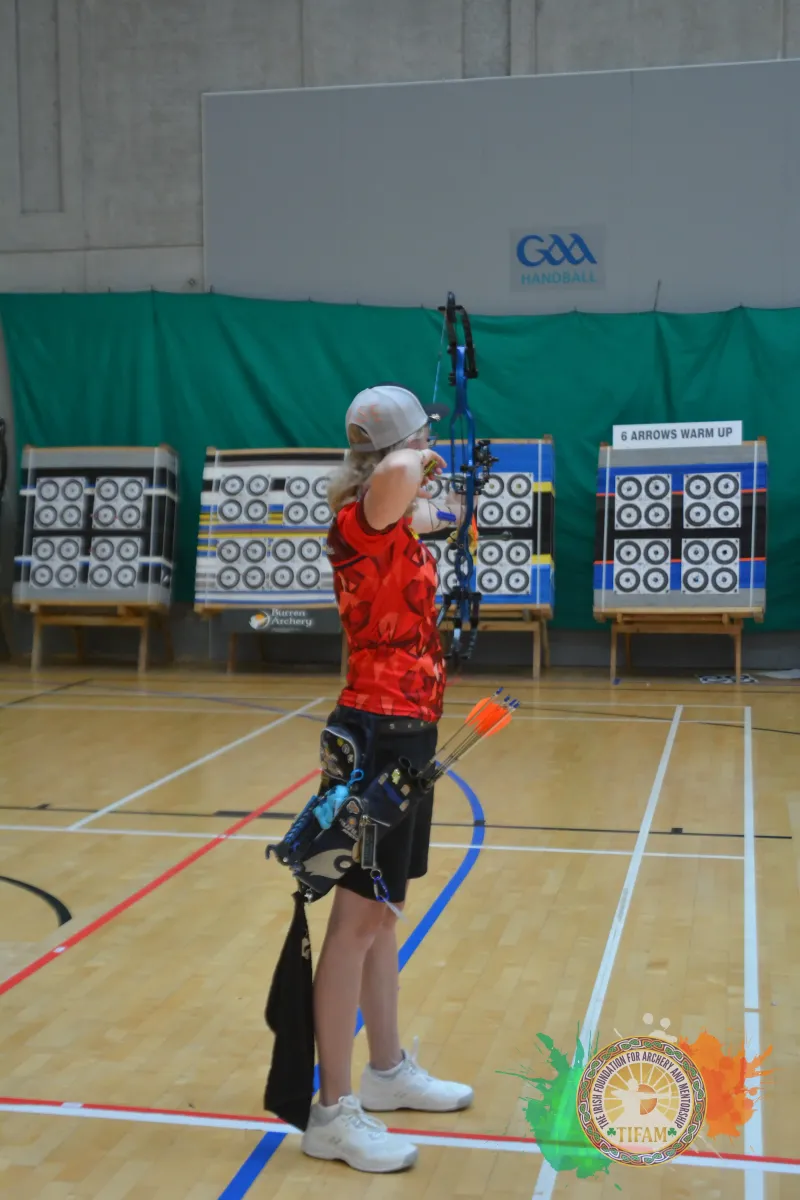
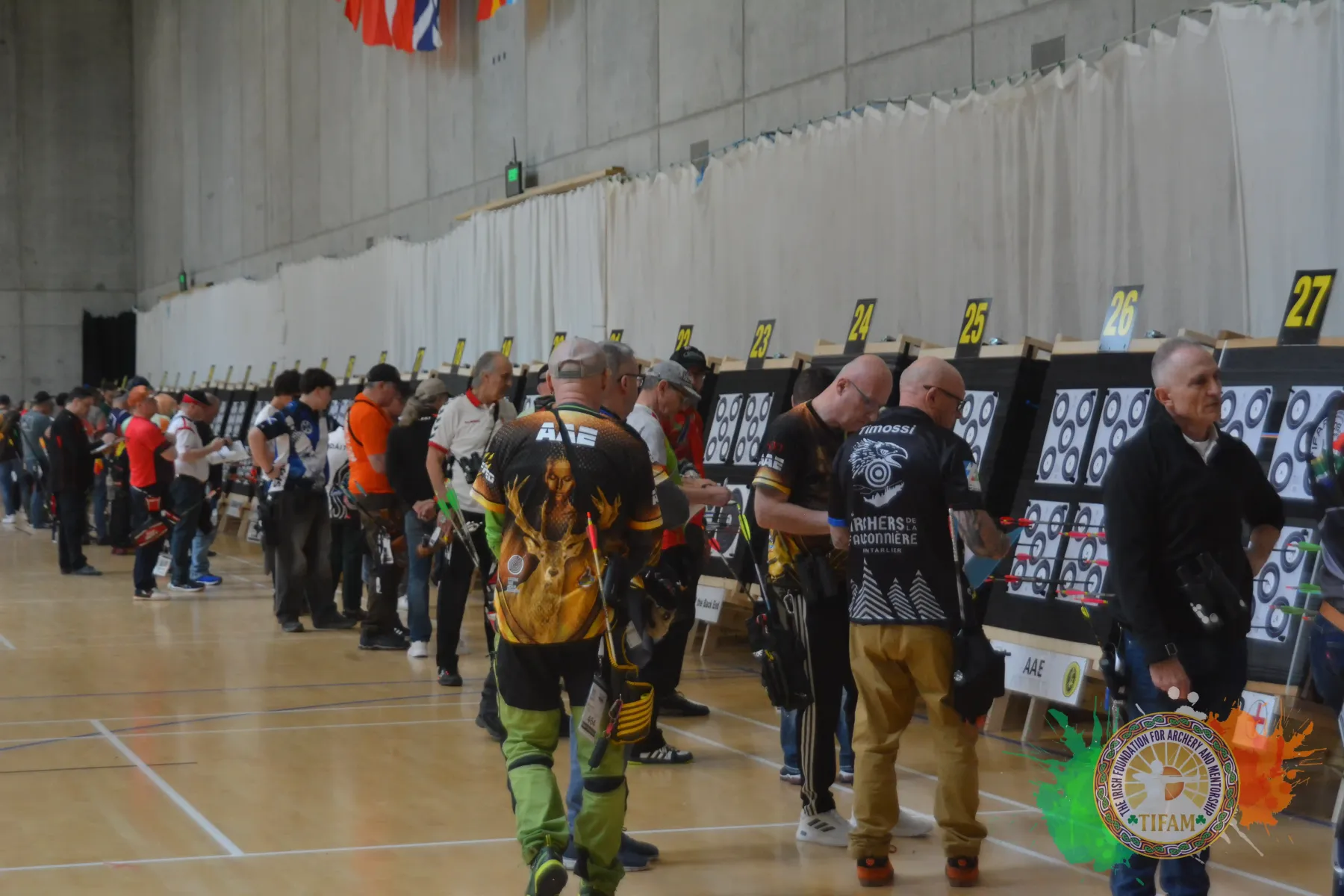
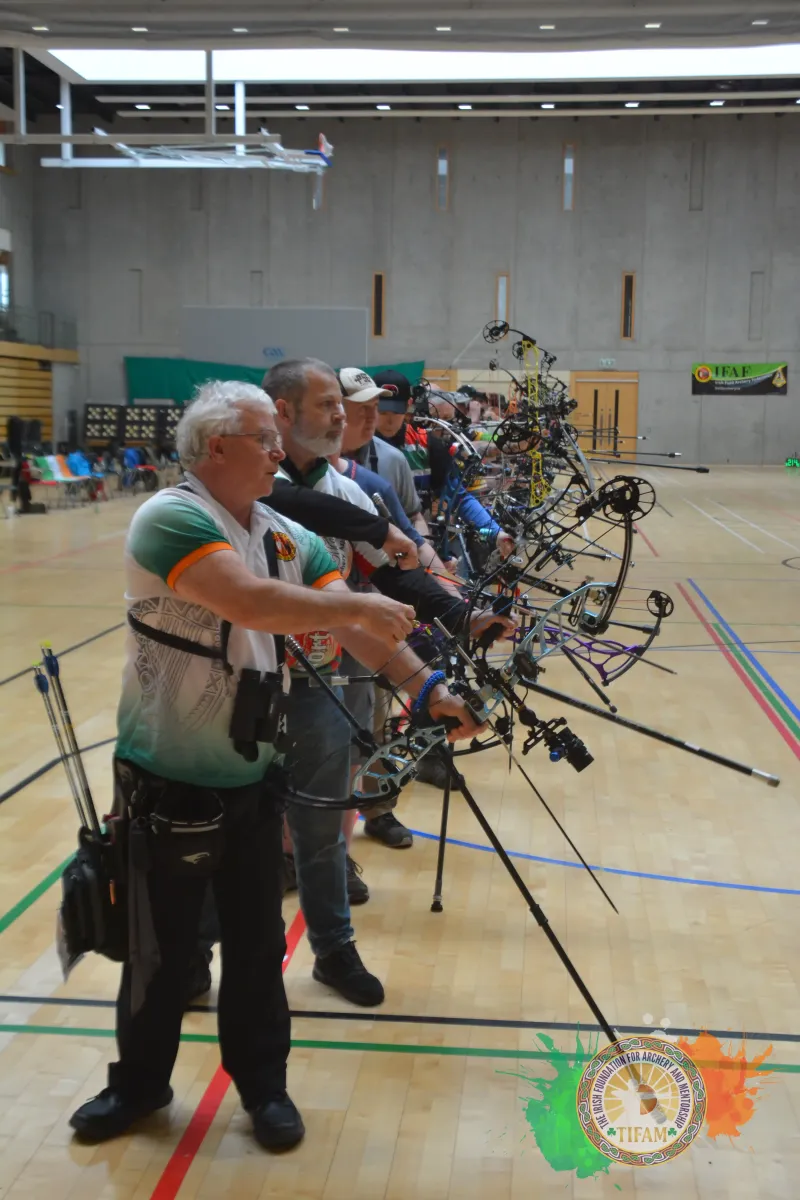
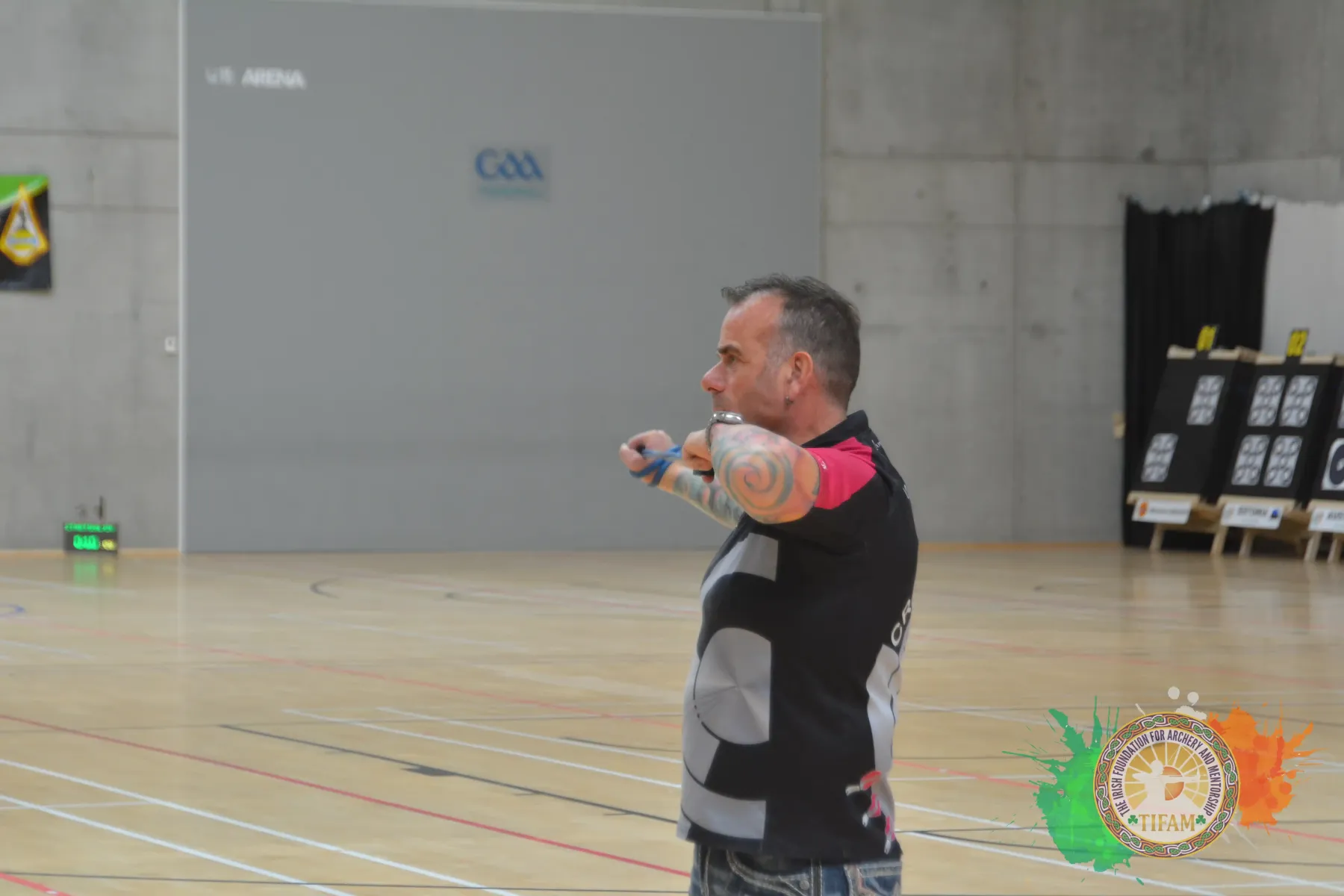
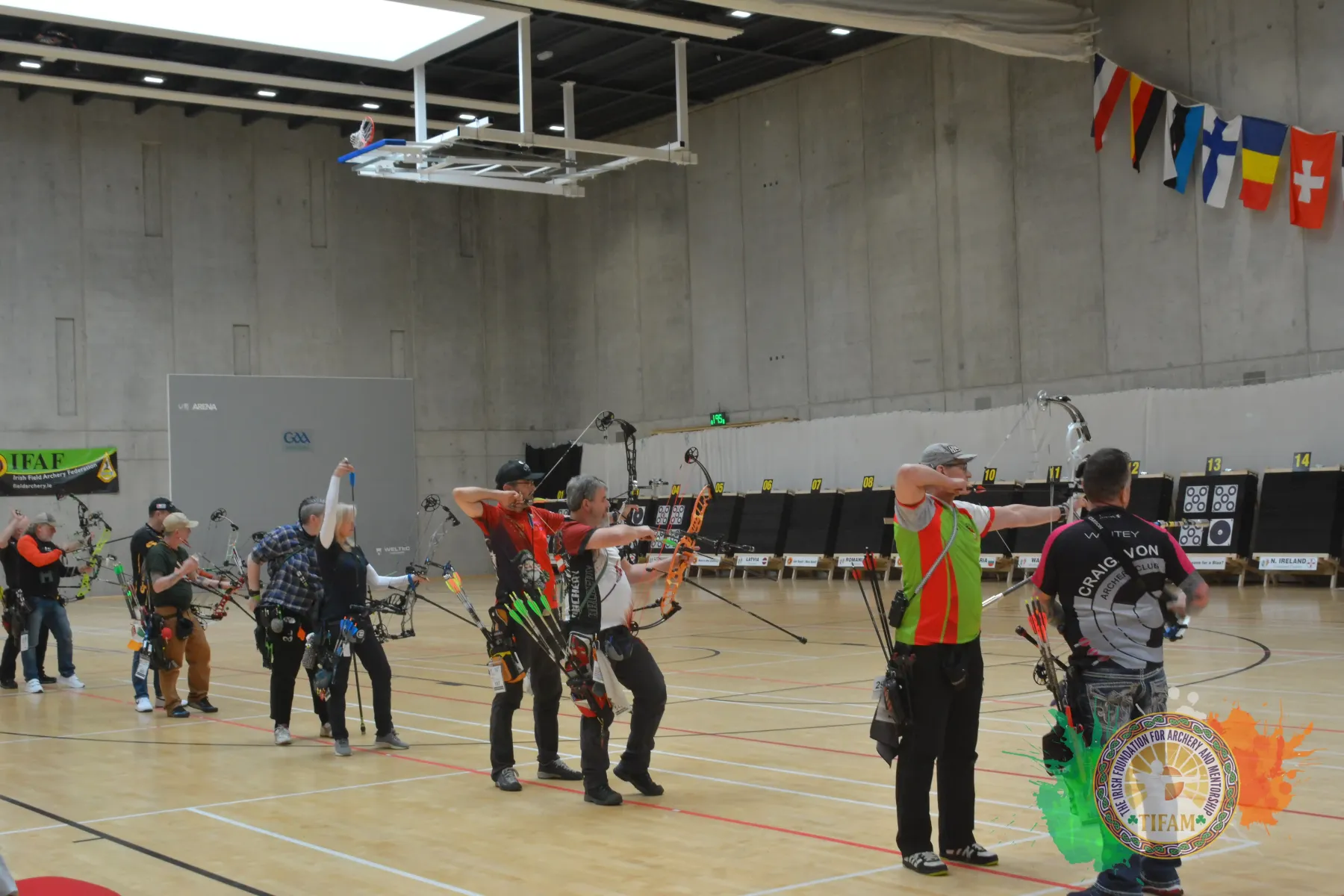
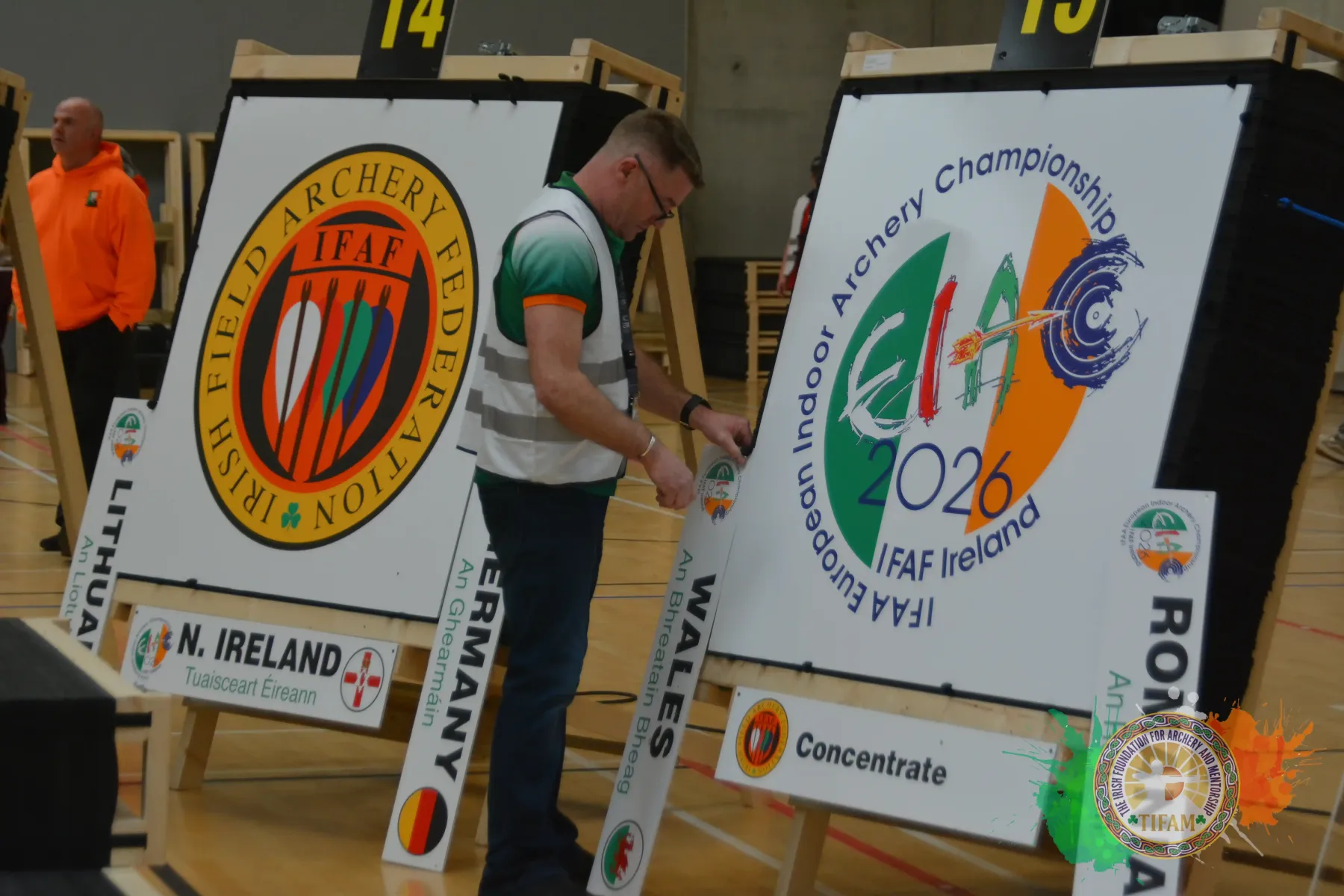
A major indoor championship turns a sports hall into a small civic order. Space acquires a juridical character through marked lines, posted maps, and stewarded doors. Time becomes a shared resource through session plans, clear calls, and predictable transitions. When that order holds, competitors can concentrate on their own form instead of fighting the odds. EIAC 2026 stated its core facts plainly: it ran from 2 to 6 March 2026, took place at the SETU Arena in Carriganore, and reached ticket capacity in advance. Ethical organisation begins with this kind of truth-telling, for honest limits prevent false expectation from hardening into anger and disappointment.
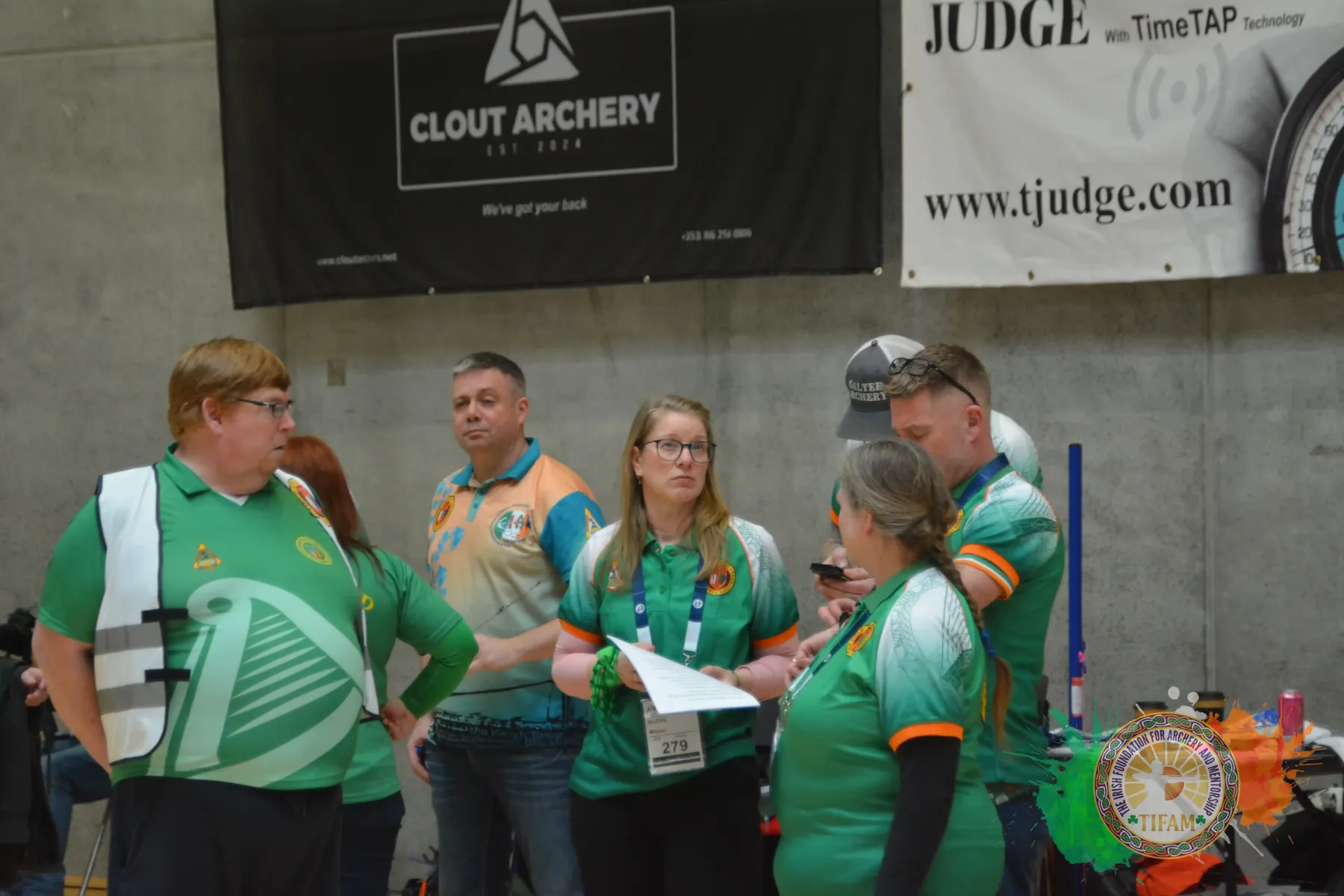
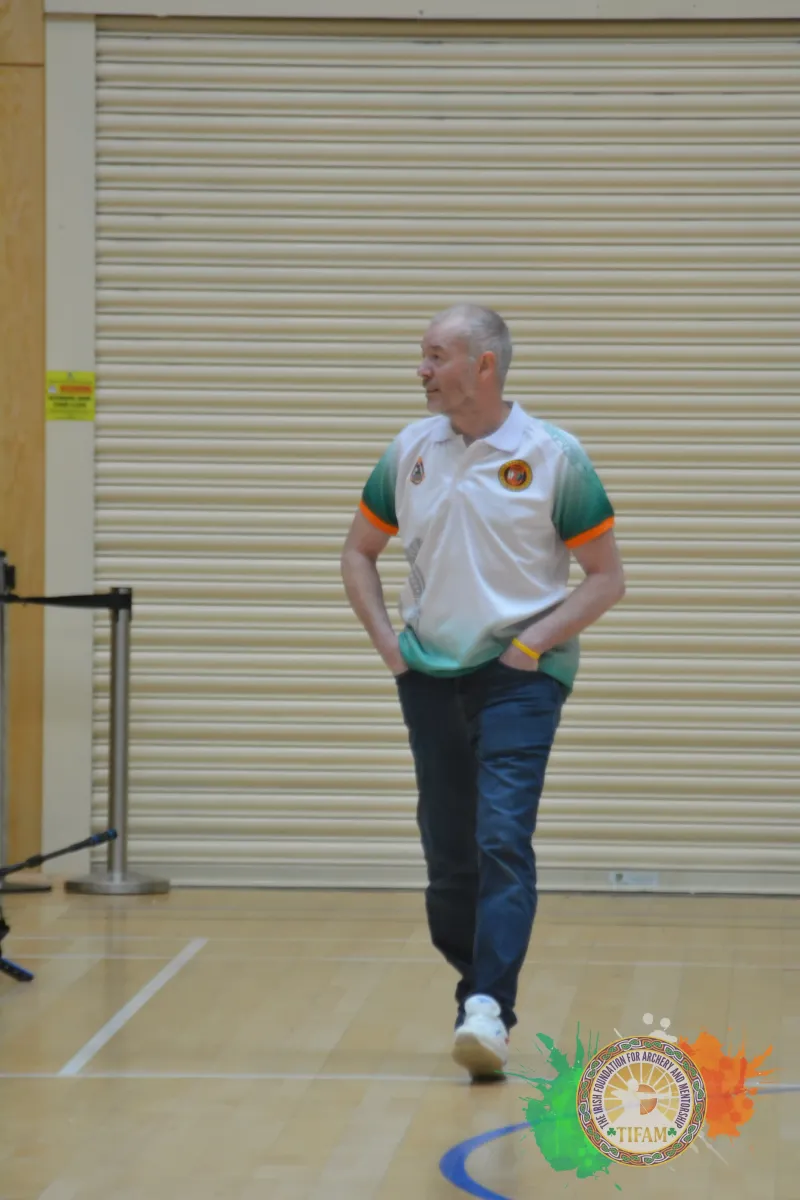
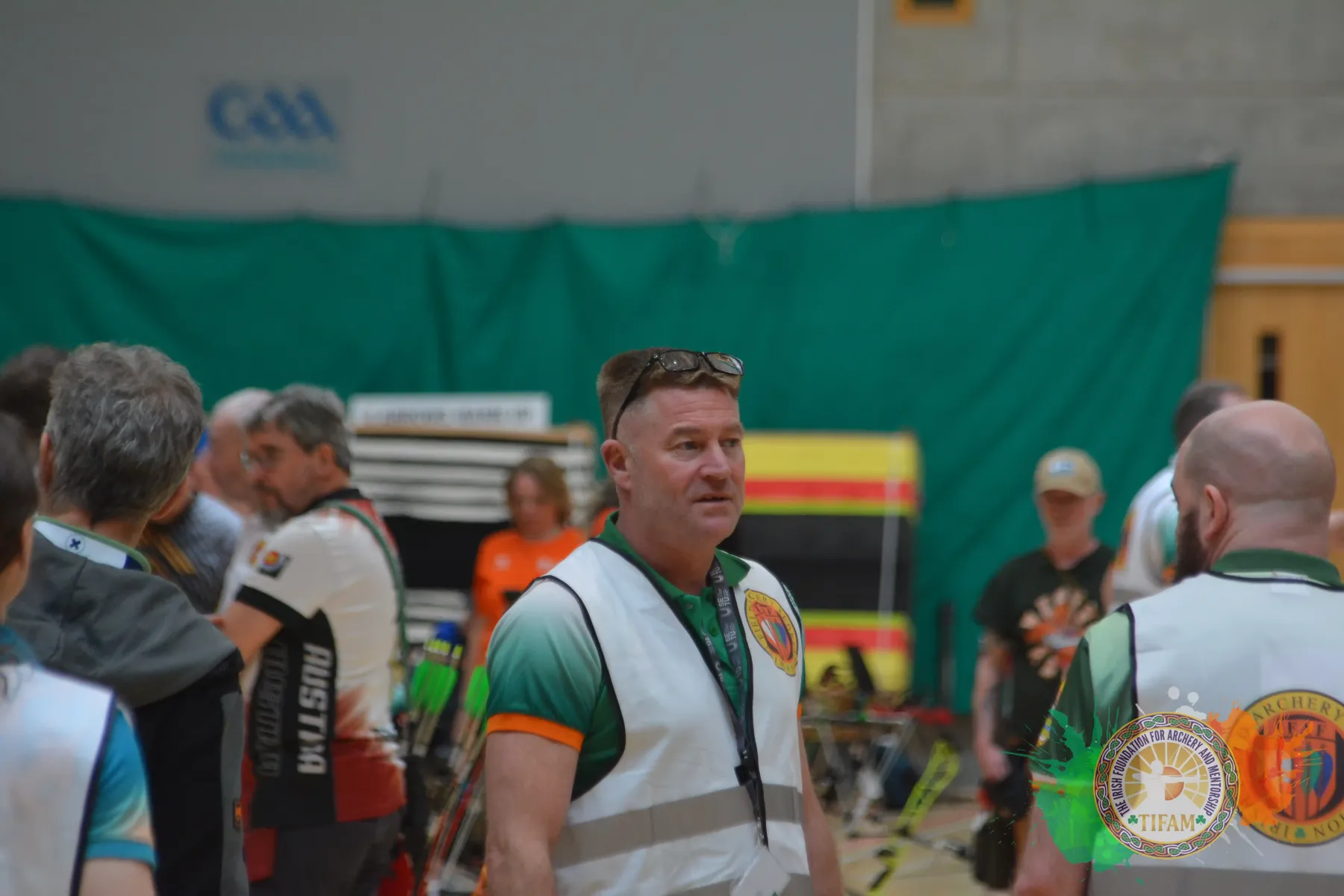
A sound blueprint begins with clarity of role. Committee structure matters, for “everyone responsible” quickly becomes “nobody accountable” once crowds arrive. IFAF’s committee list placed responsibility in the open: chairperson, international representative, public relations officer, safety officer, shoot marshals, floor stewards, registration, bow check, and related functions. That transparency carries ethical force. A competitor facing confusion can identify the proper channel. A volunteer meeting a difficult moment can escalate through a known chain. An official required to make an unpopular call can point to procedure instead of personality. Governance then feels stable, which lowers the emotional temperature of a crowded hall.
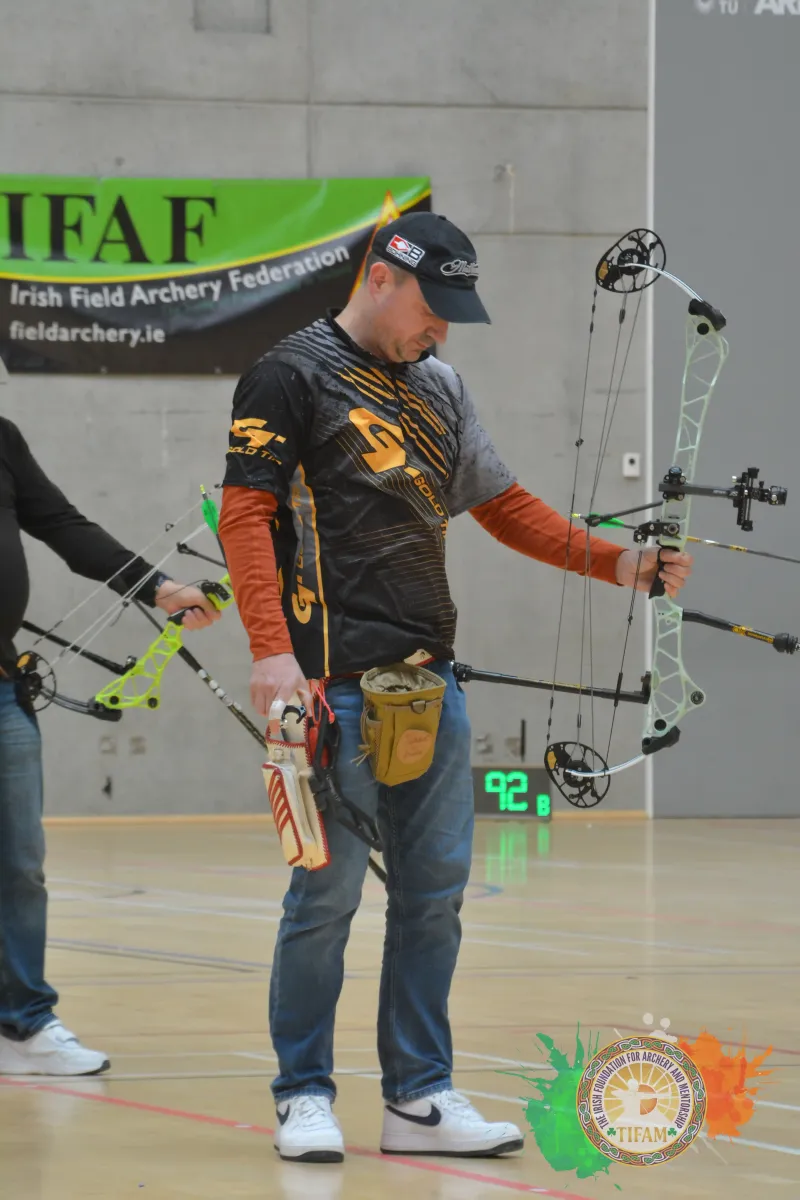
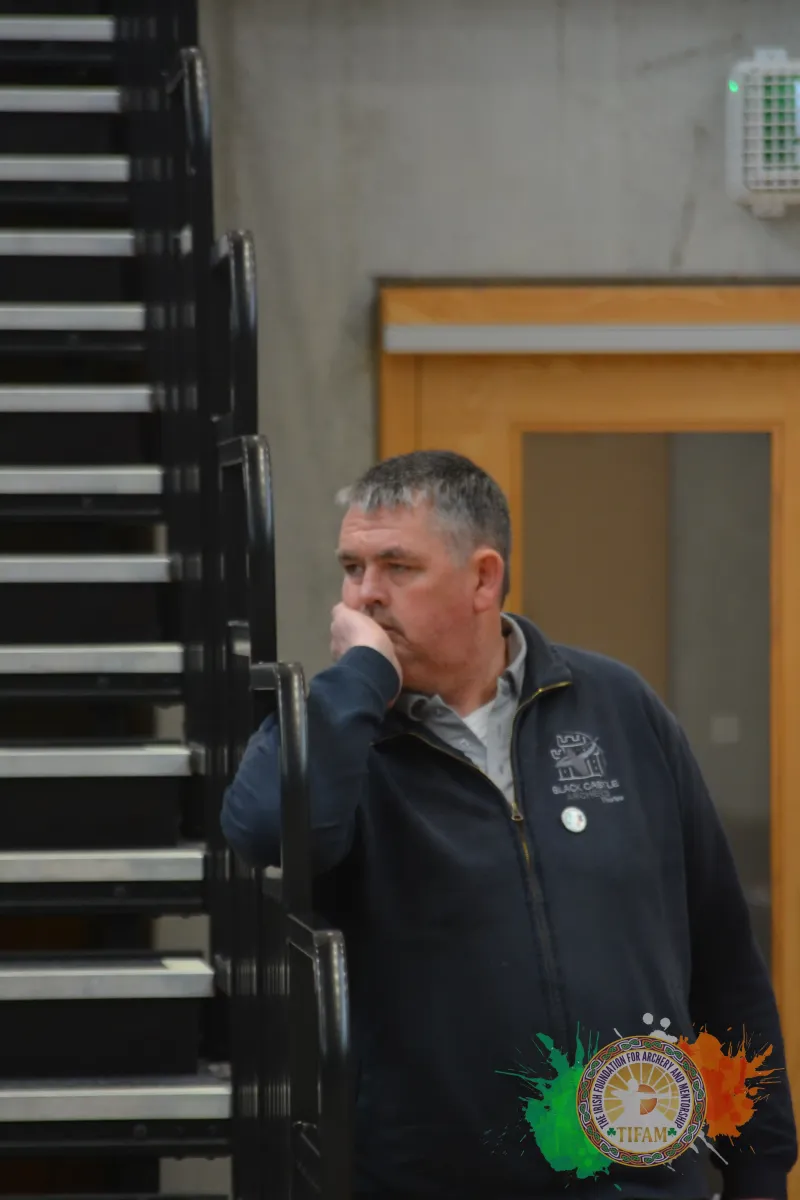
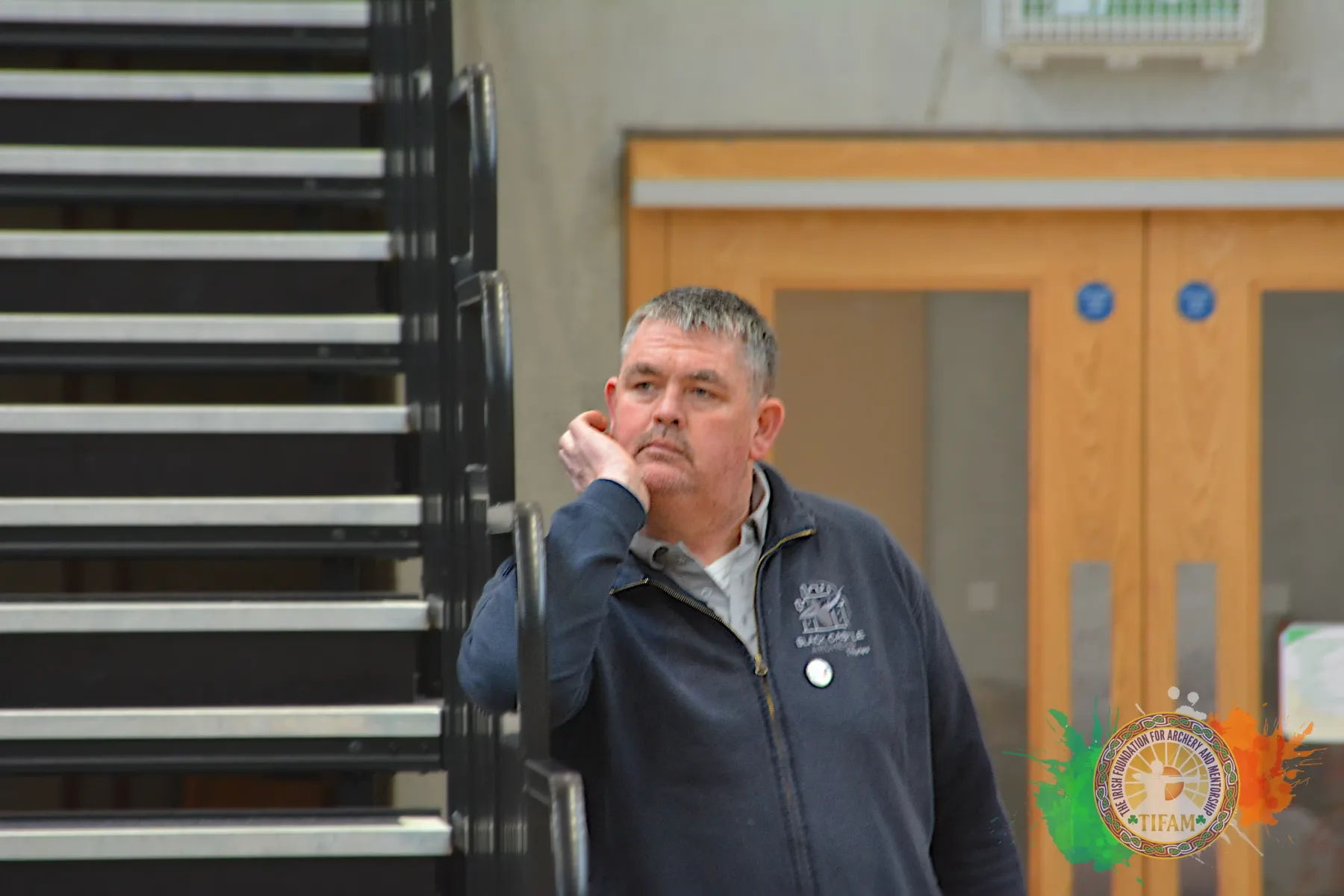
Bill Cashman’s safety role deserves emphasis, for safety forms the ground of every other sporting value. Indoor archery places bodies close to one another, with hard surfaces that carry sound and stress. A small lapse can become a serious incident. EIAC 2026 treated safety as a senior concern by placing Mr. Cashman at the heart of operational control. That pairing matters as a model. Safety gains real authority when it sits beside scheduling, floor flow, range control, and contingency planning. Future hosts can copy that integration: one senior figure should hold both the safety lens and the power to alter operations immediately, especially when crowd density, fatigue, or confusion begins to rise.
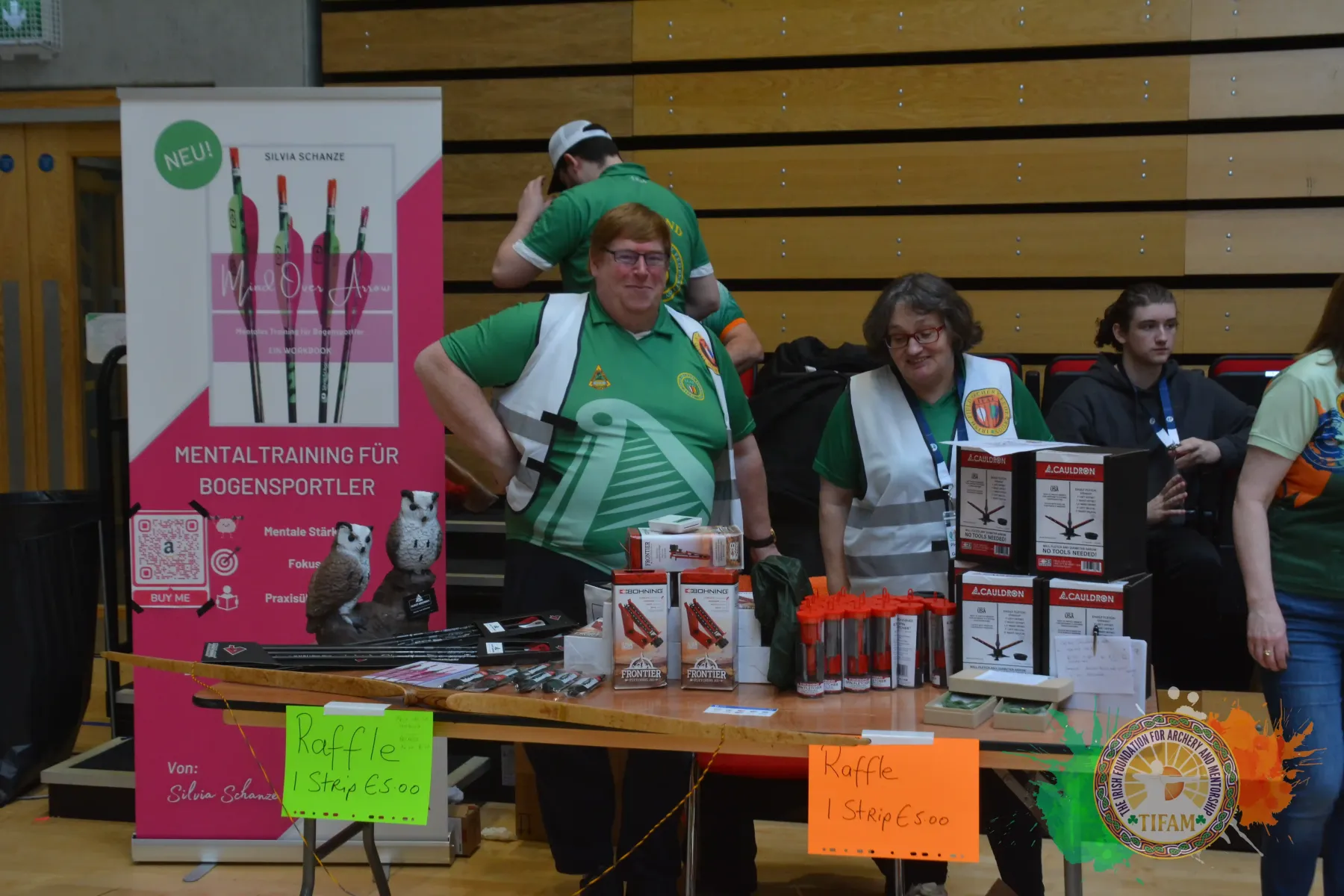
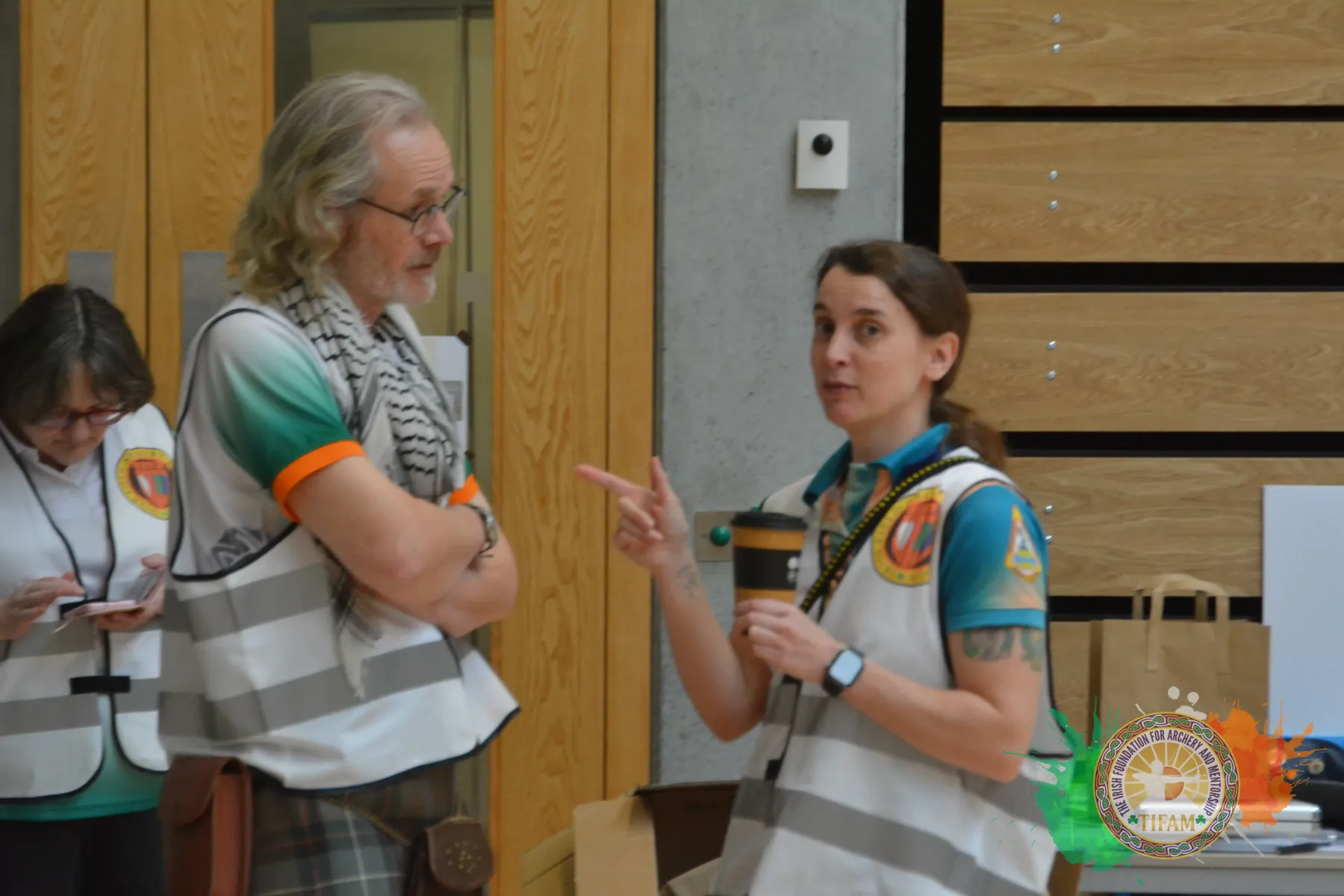
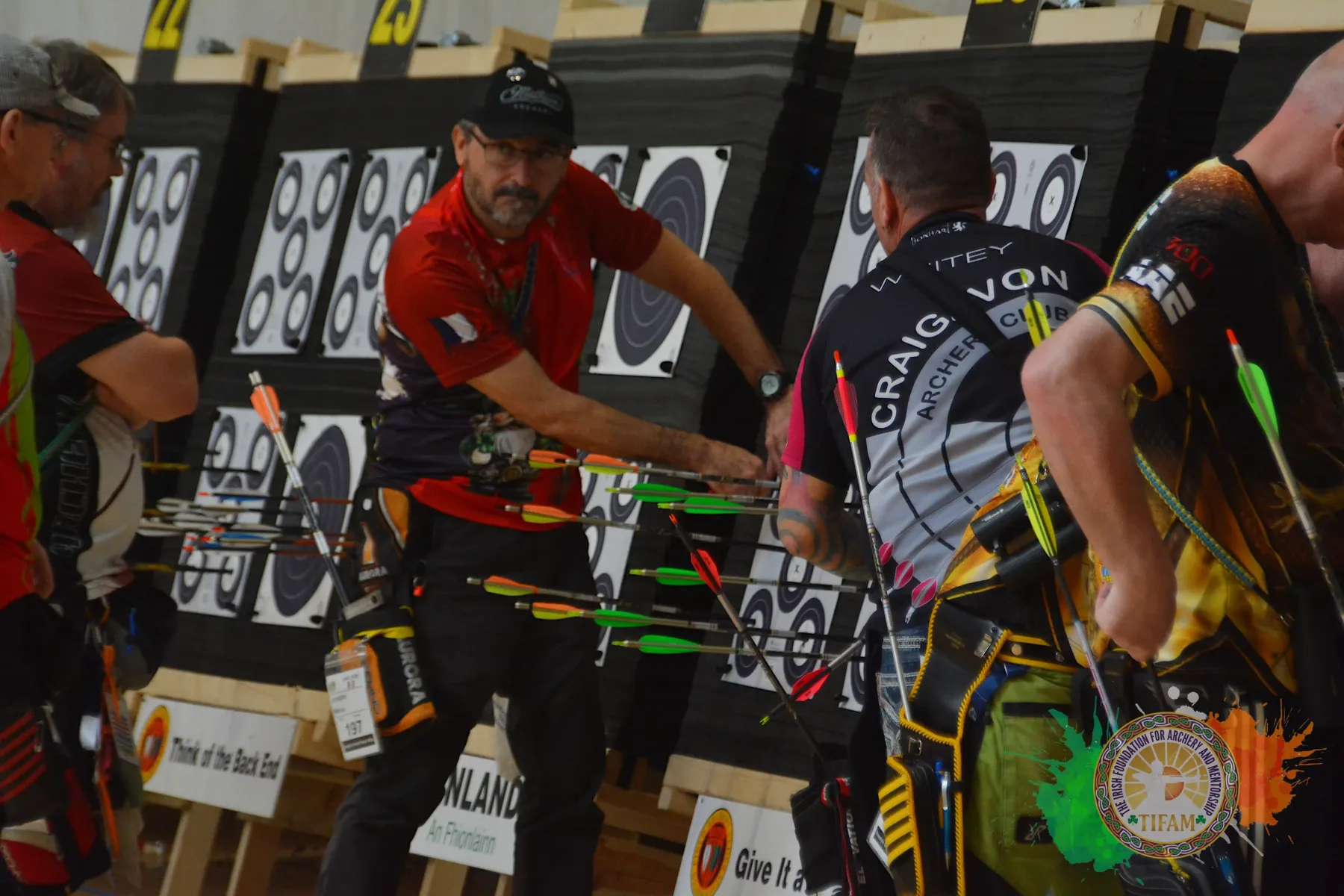
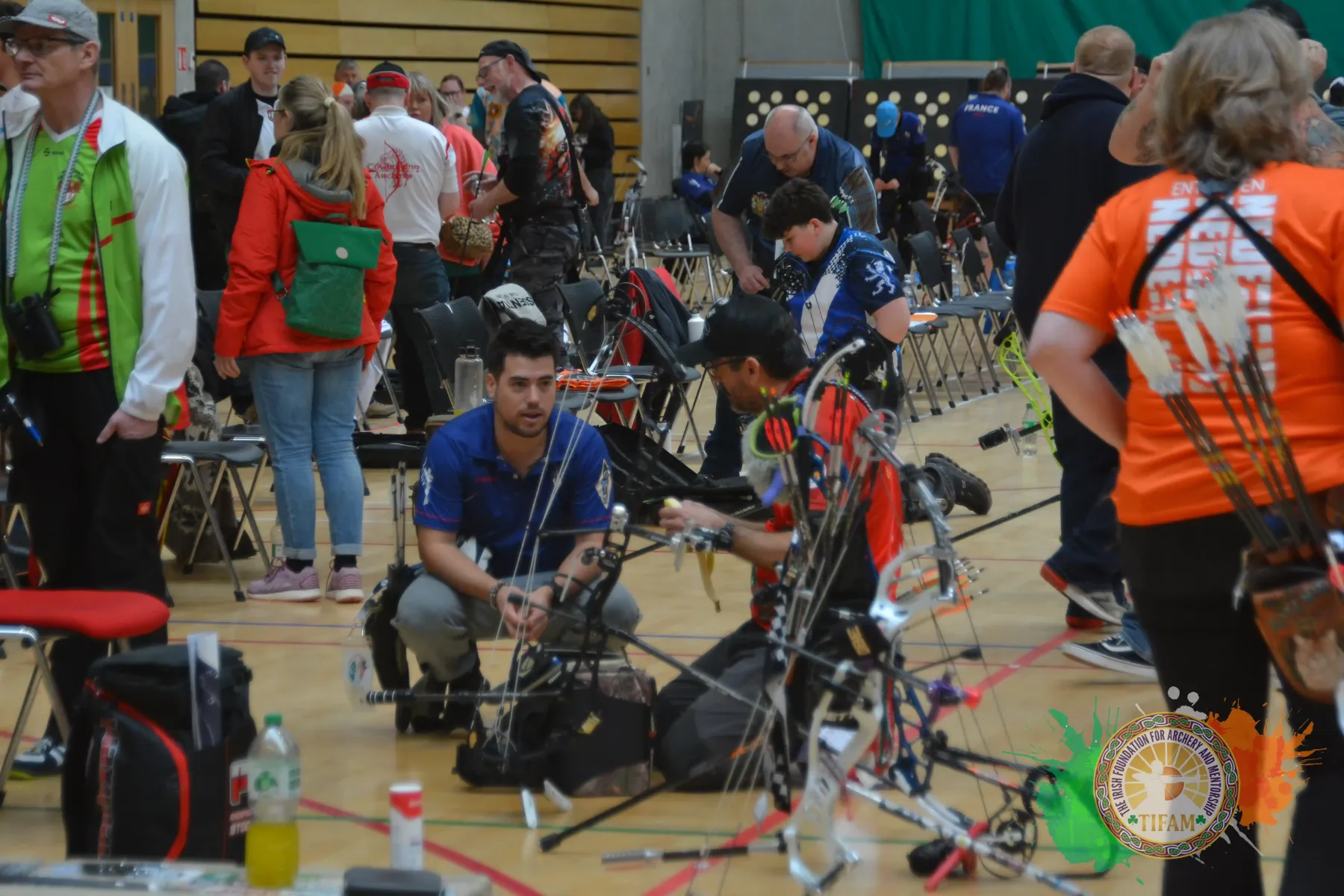
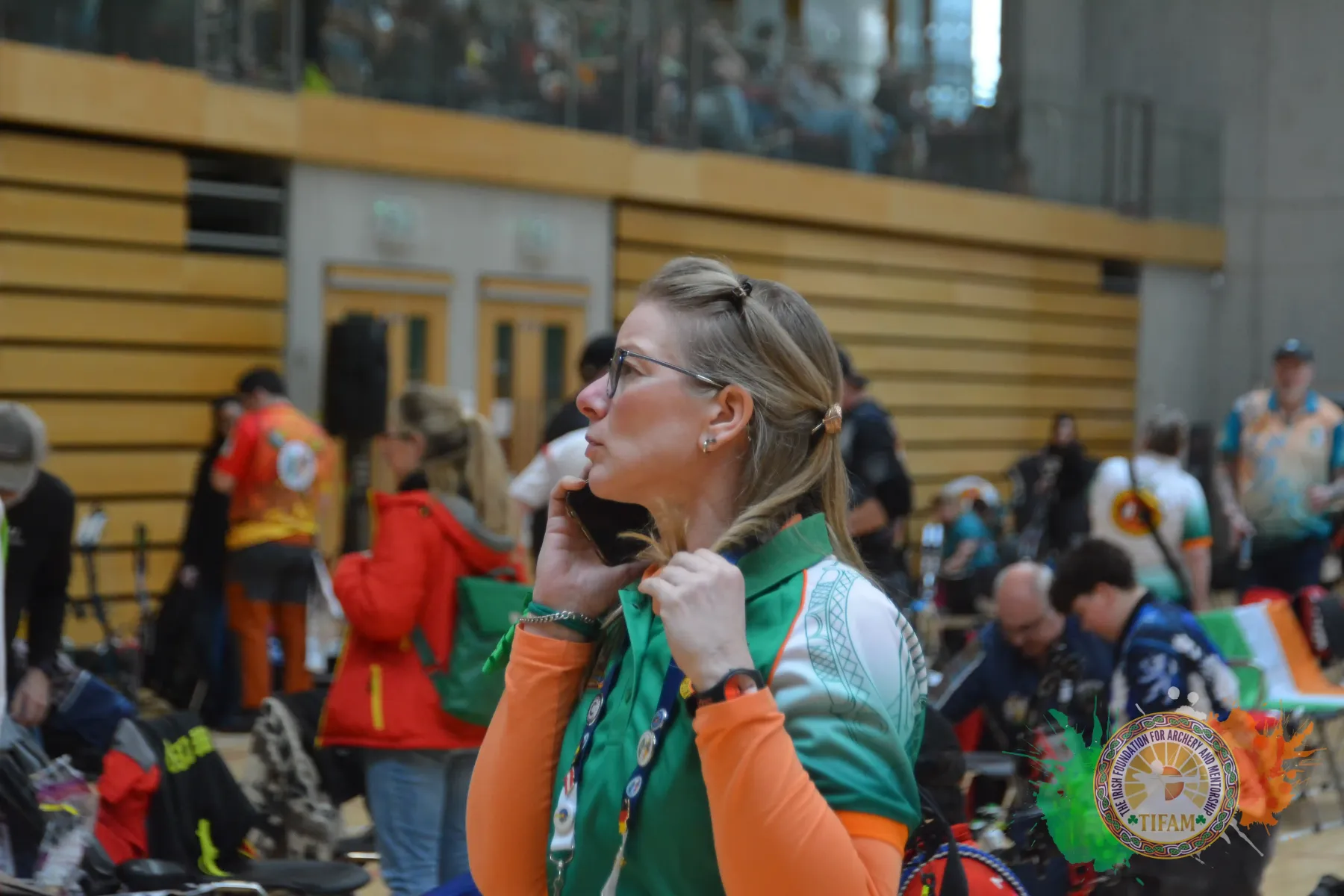
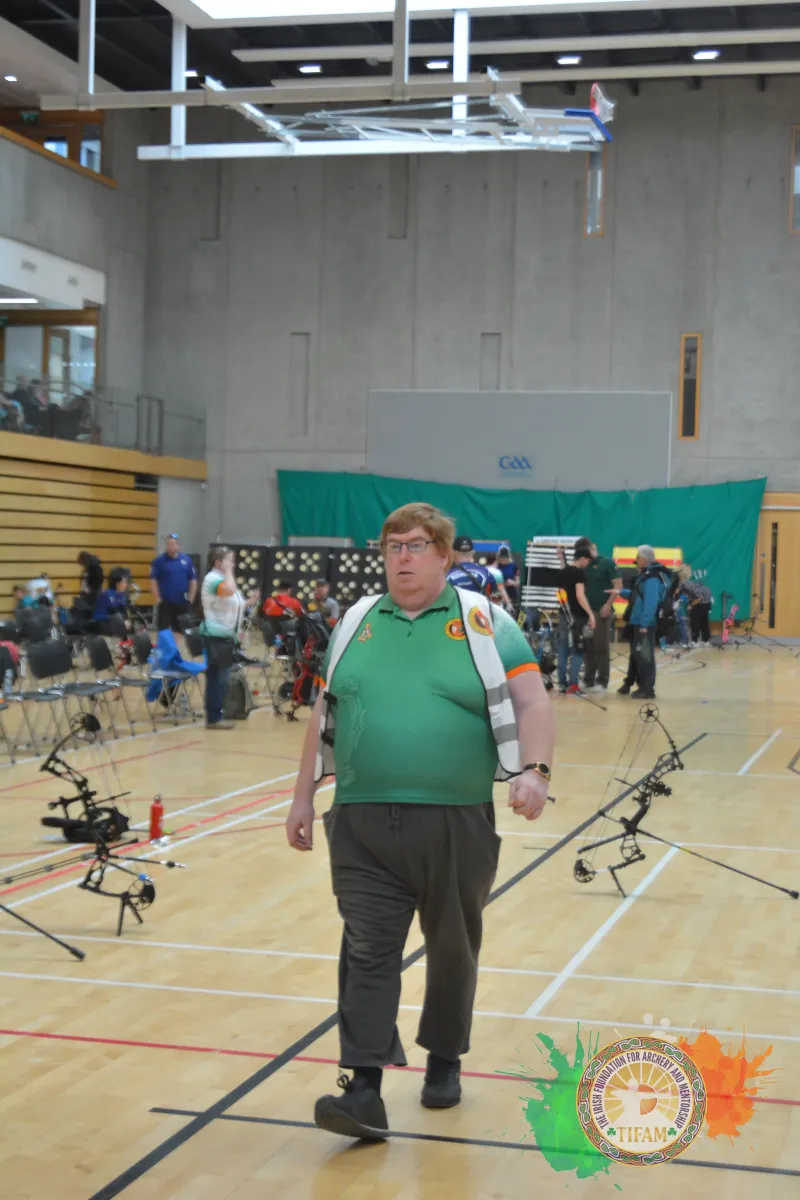
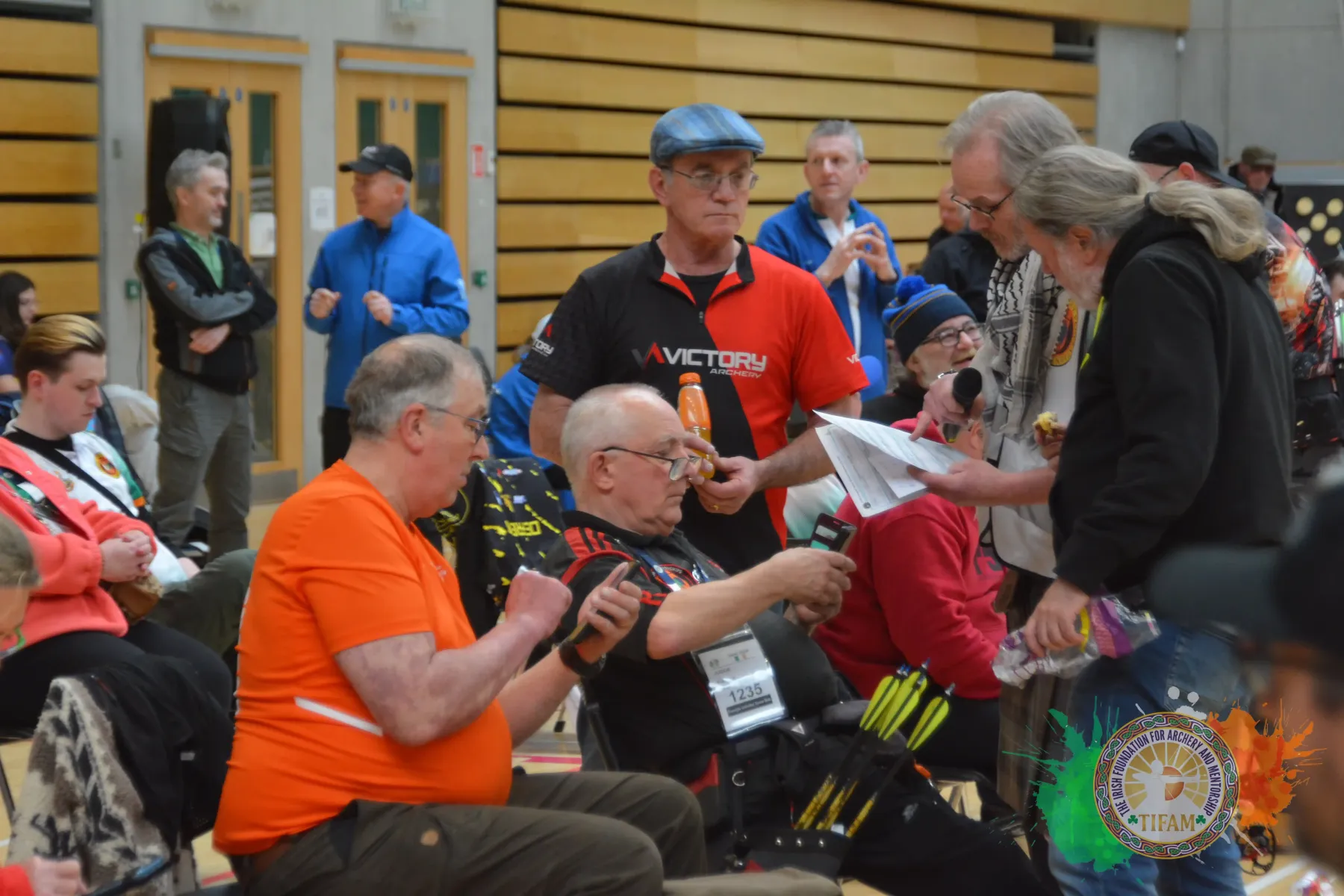
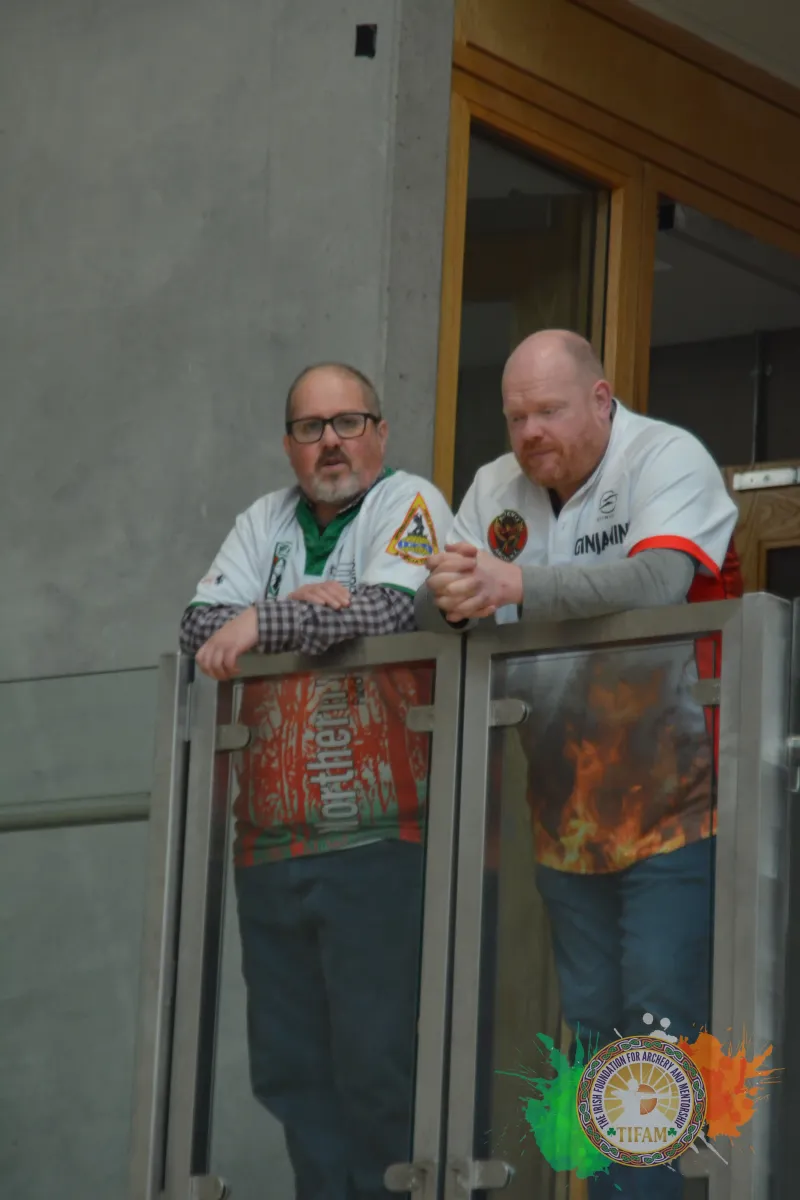
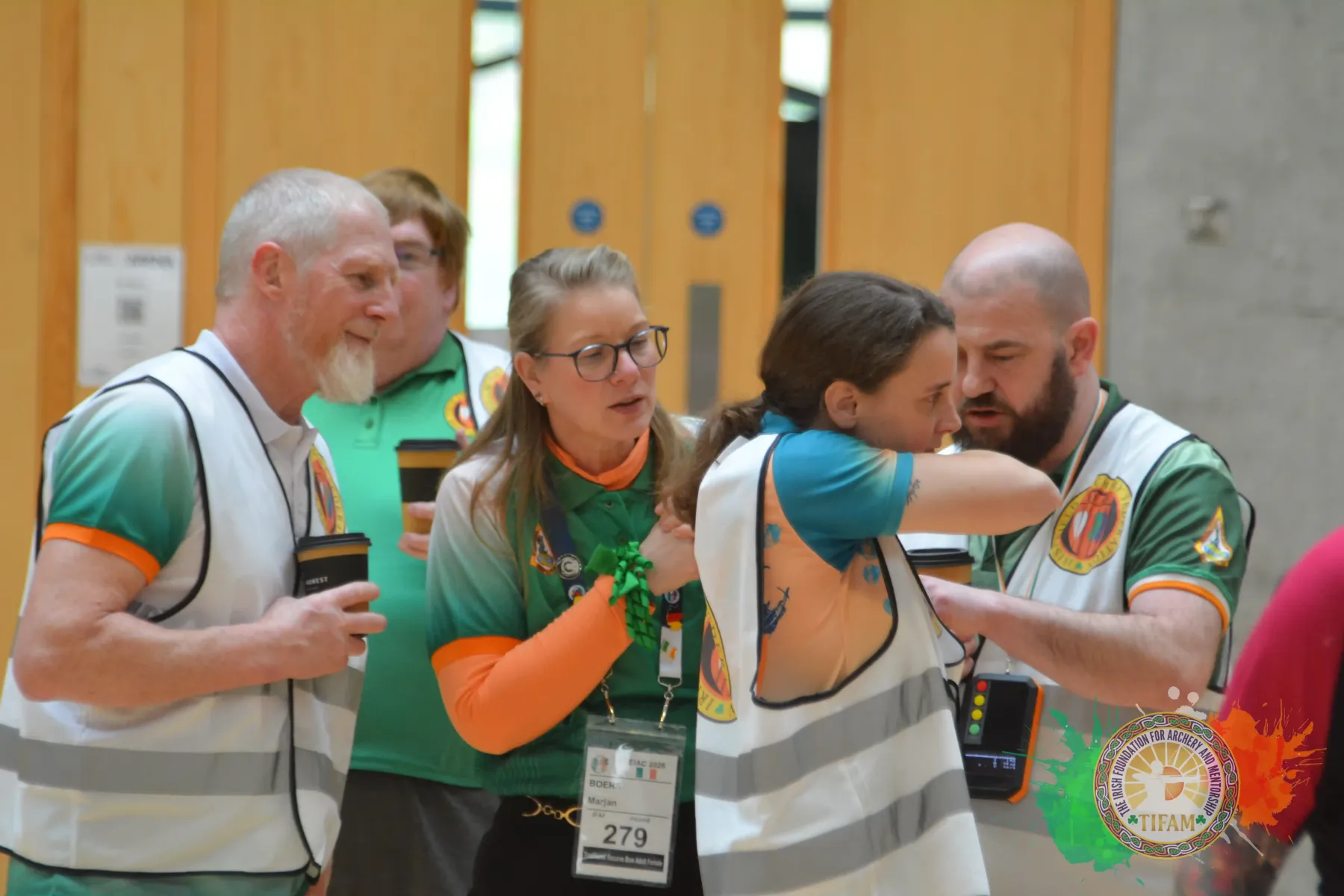
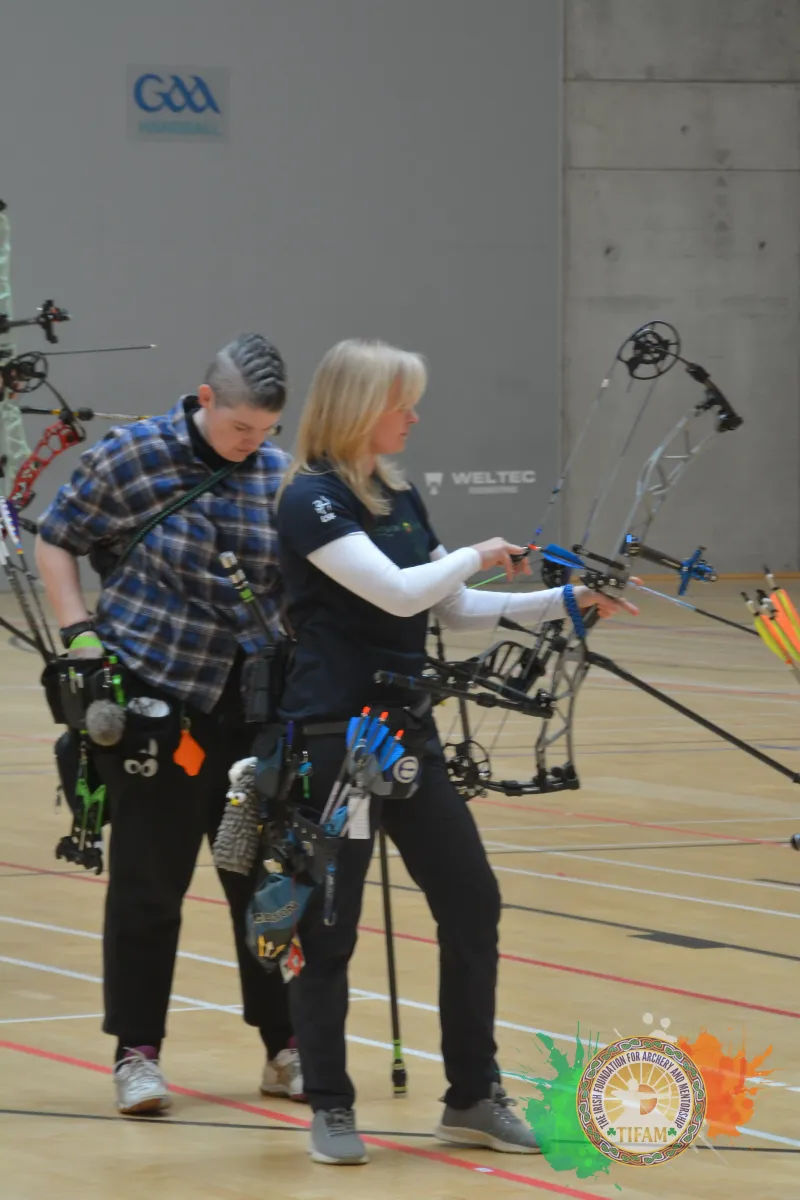
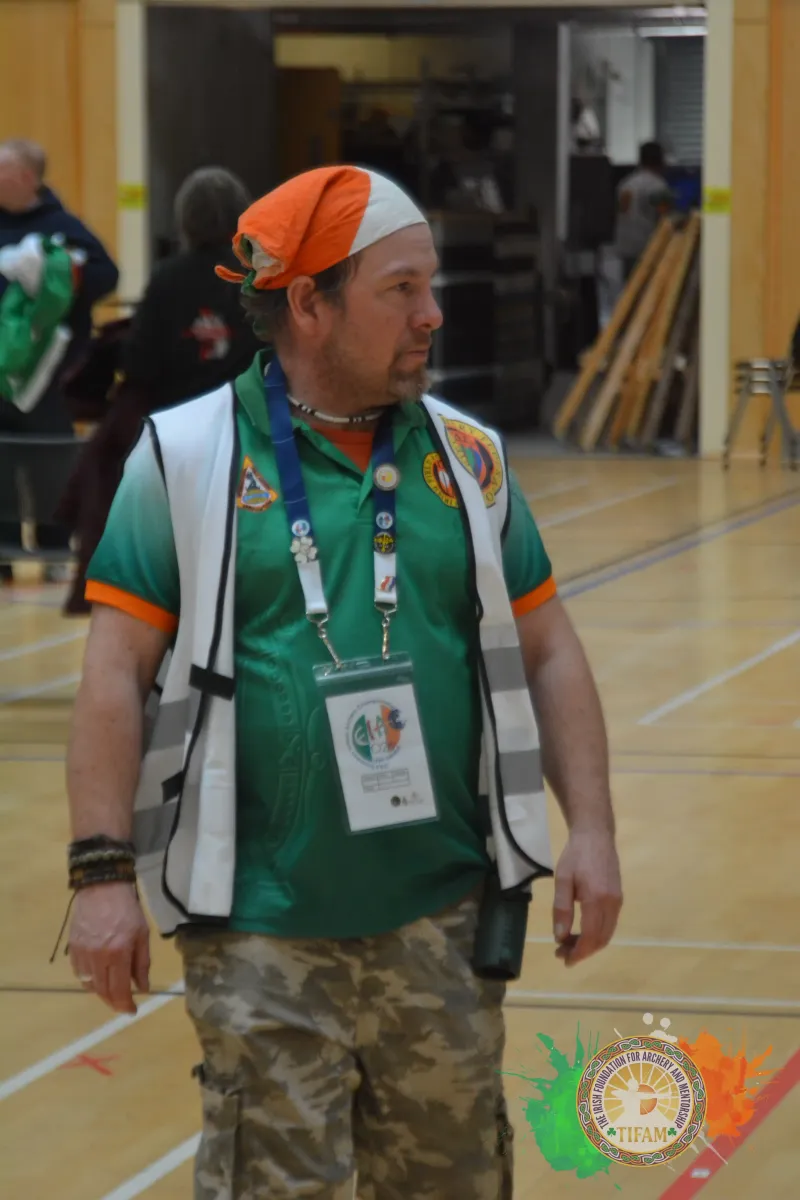
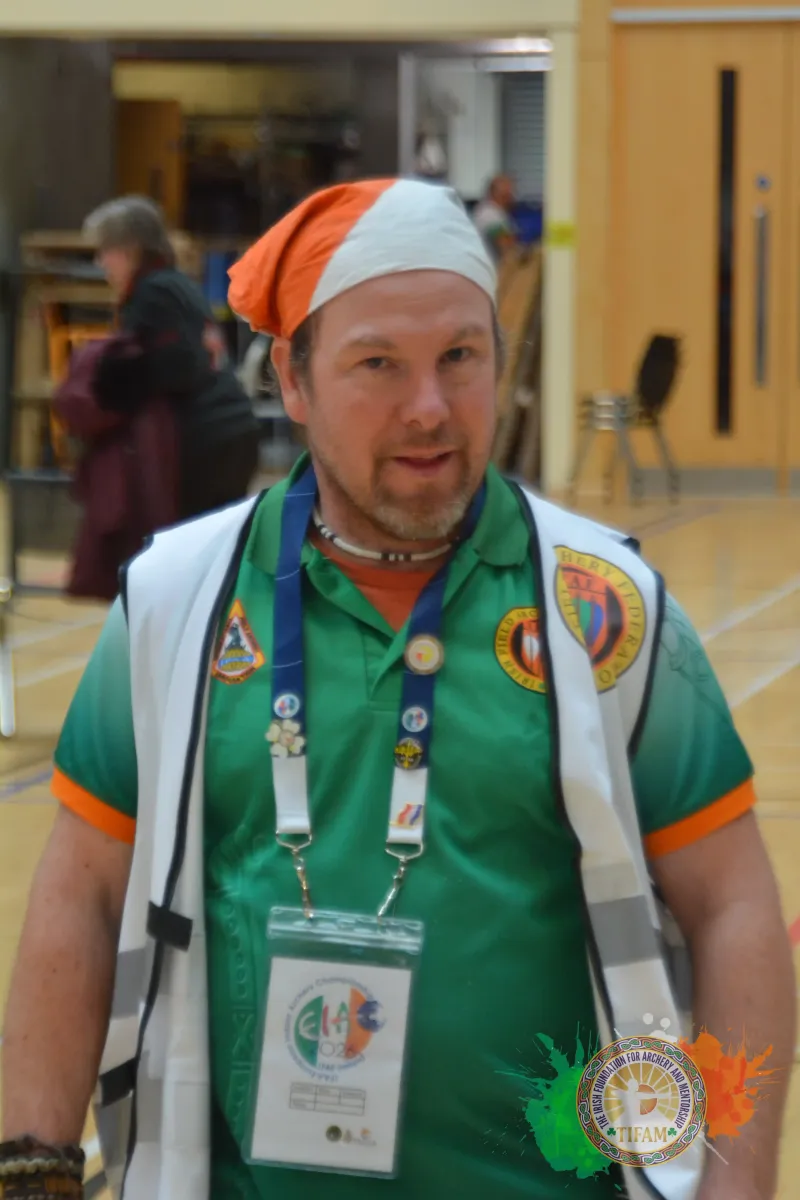
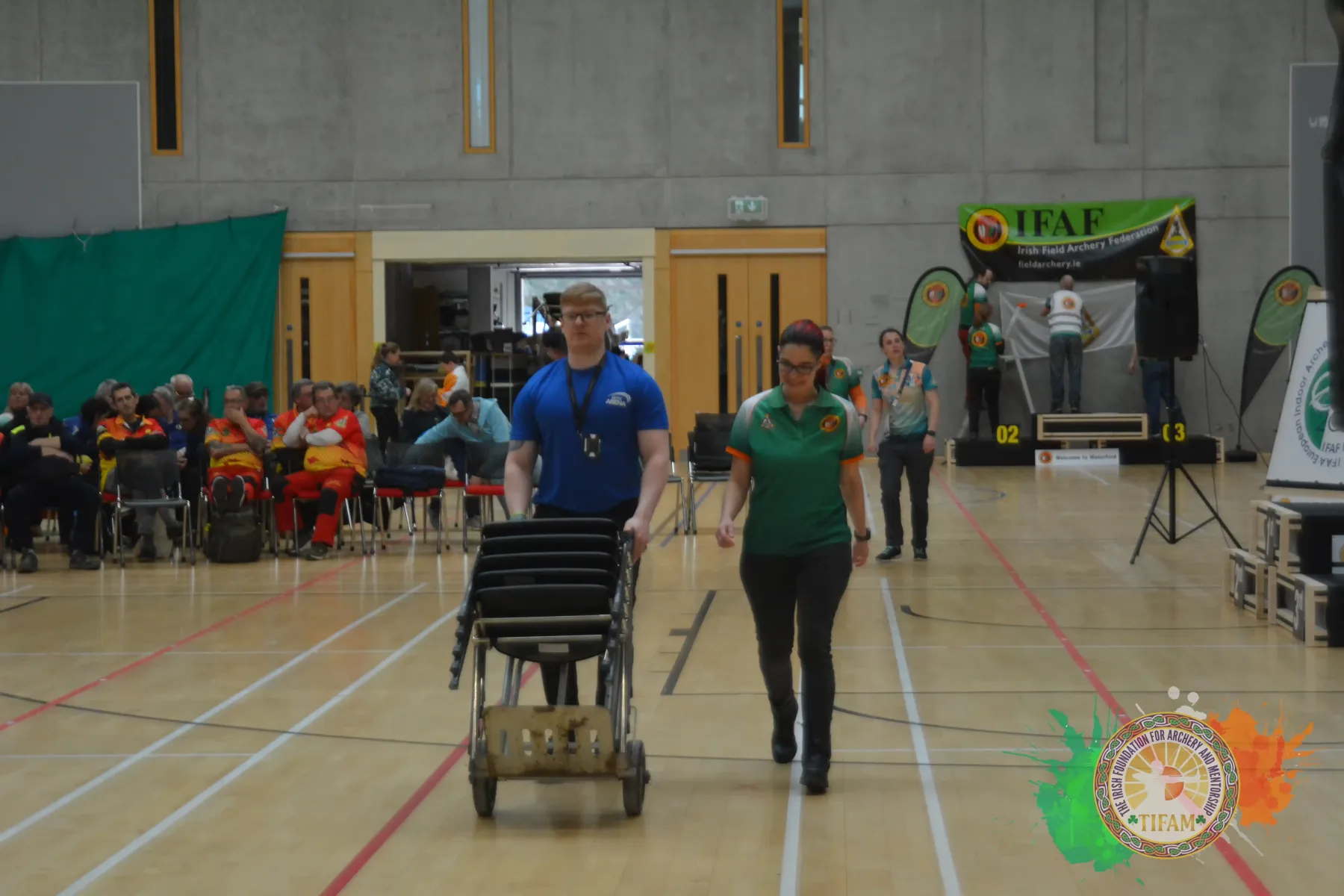
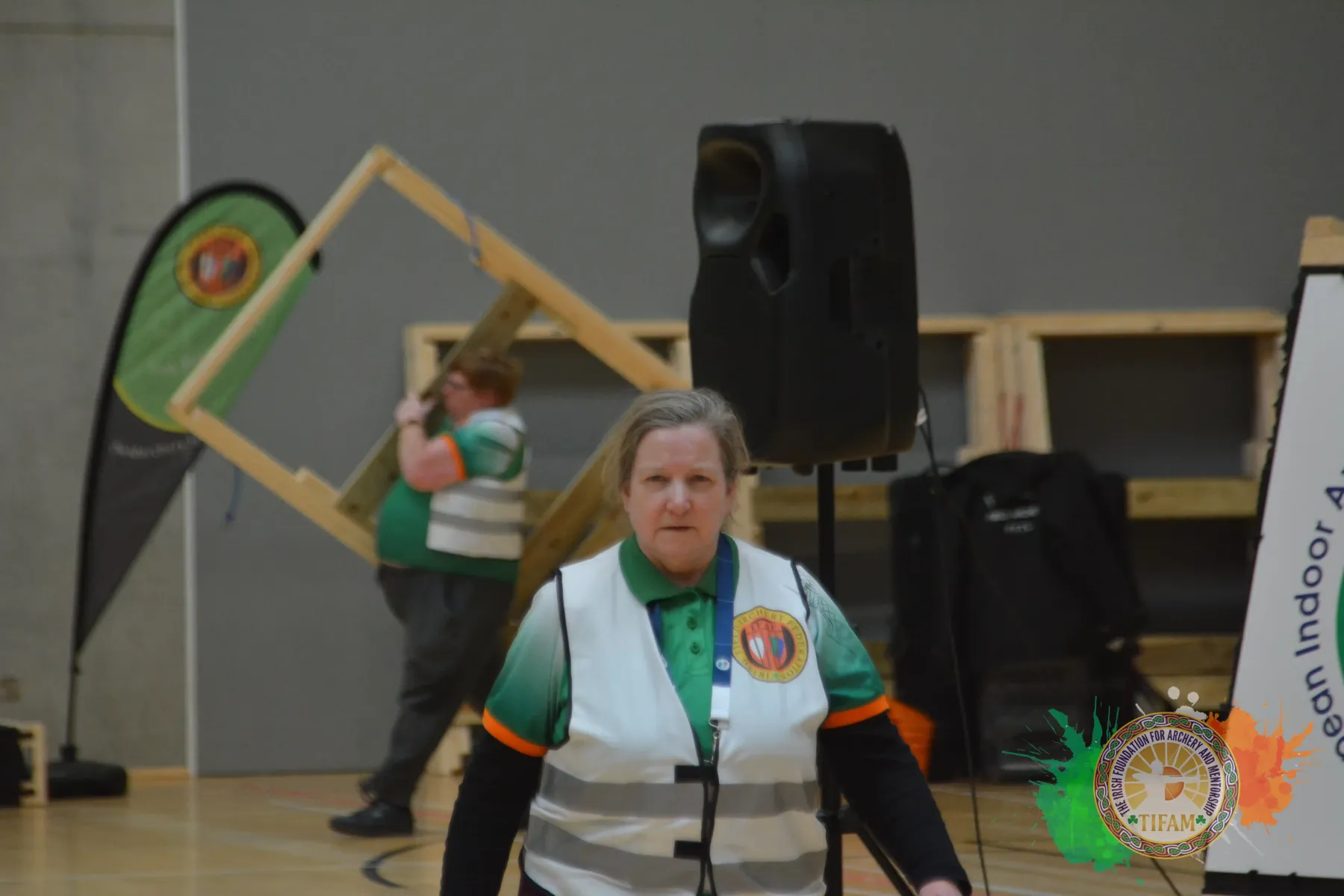
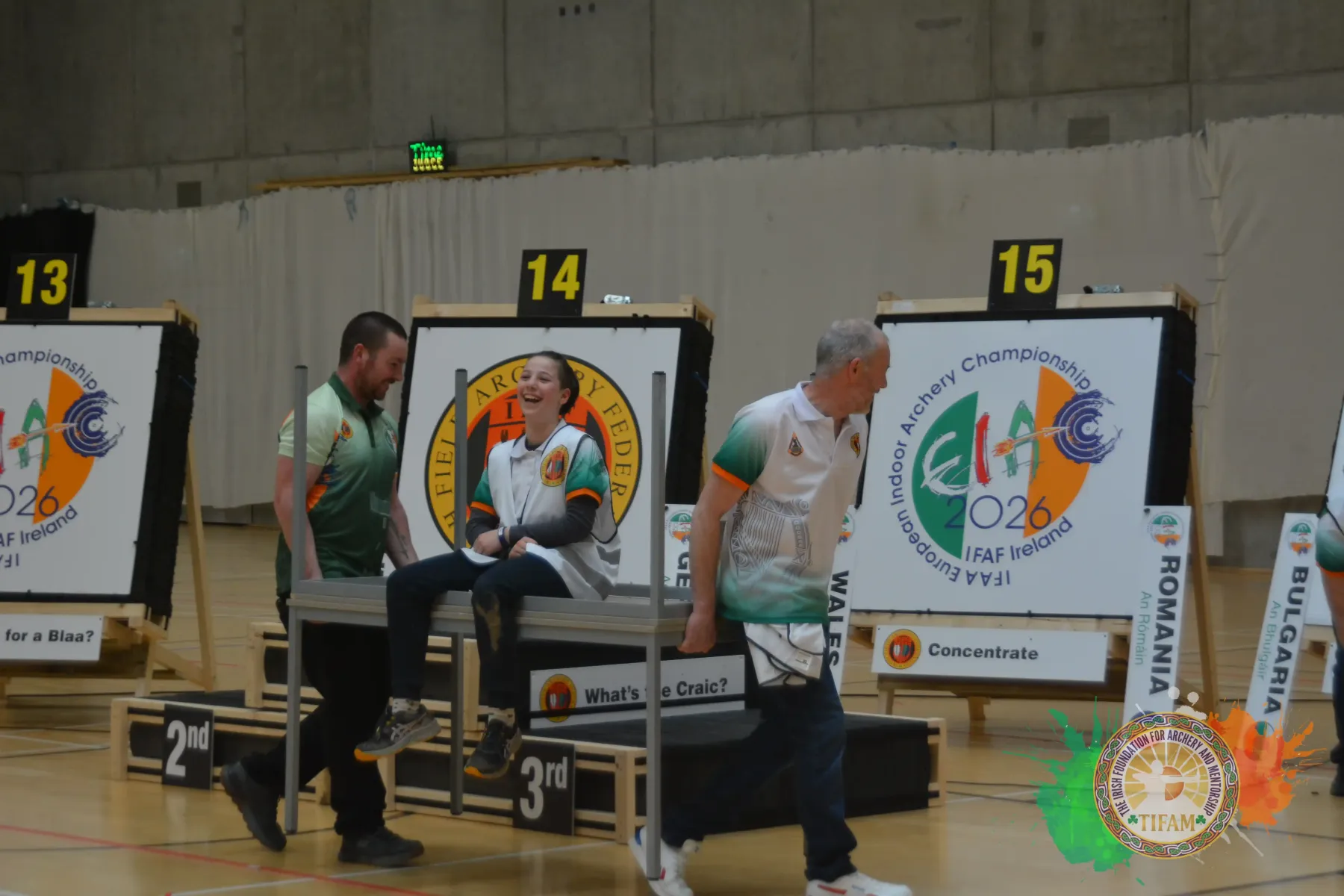
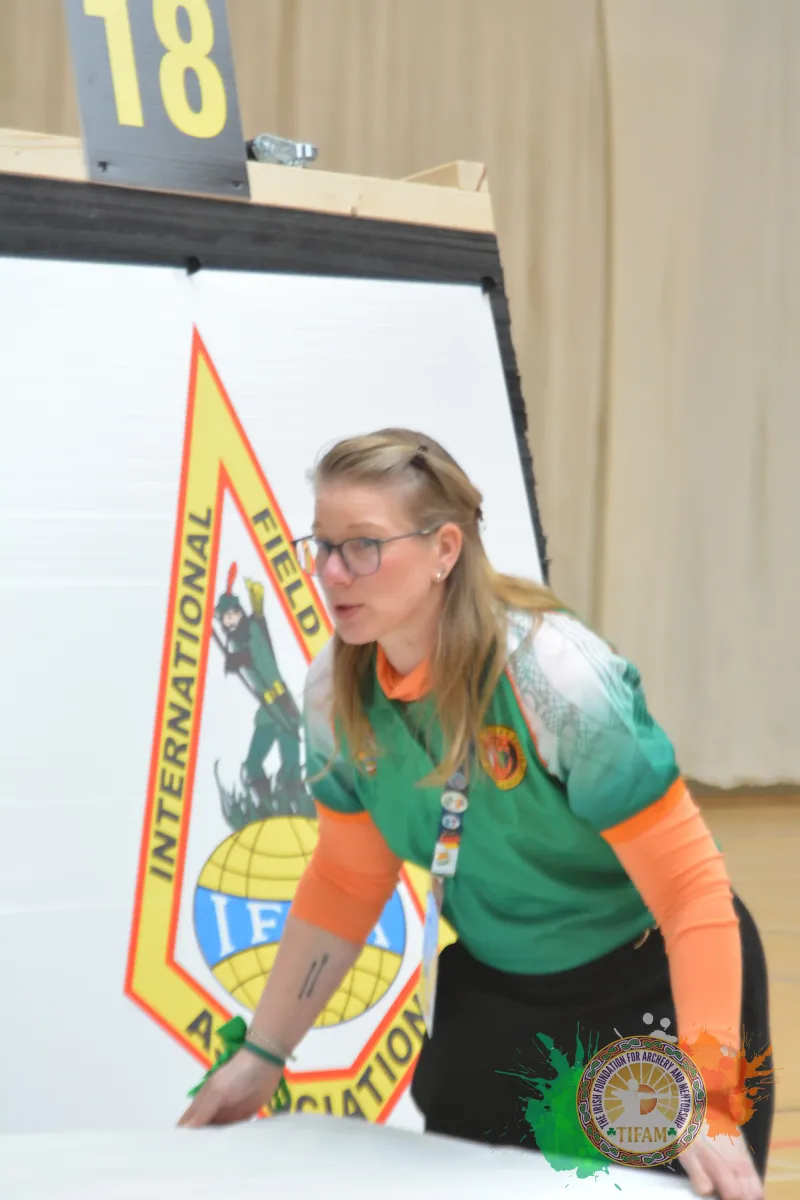
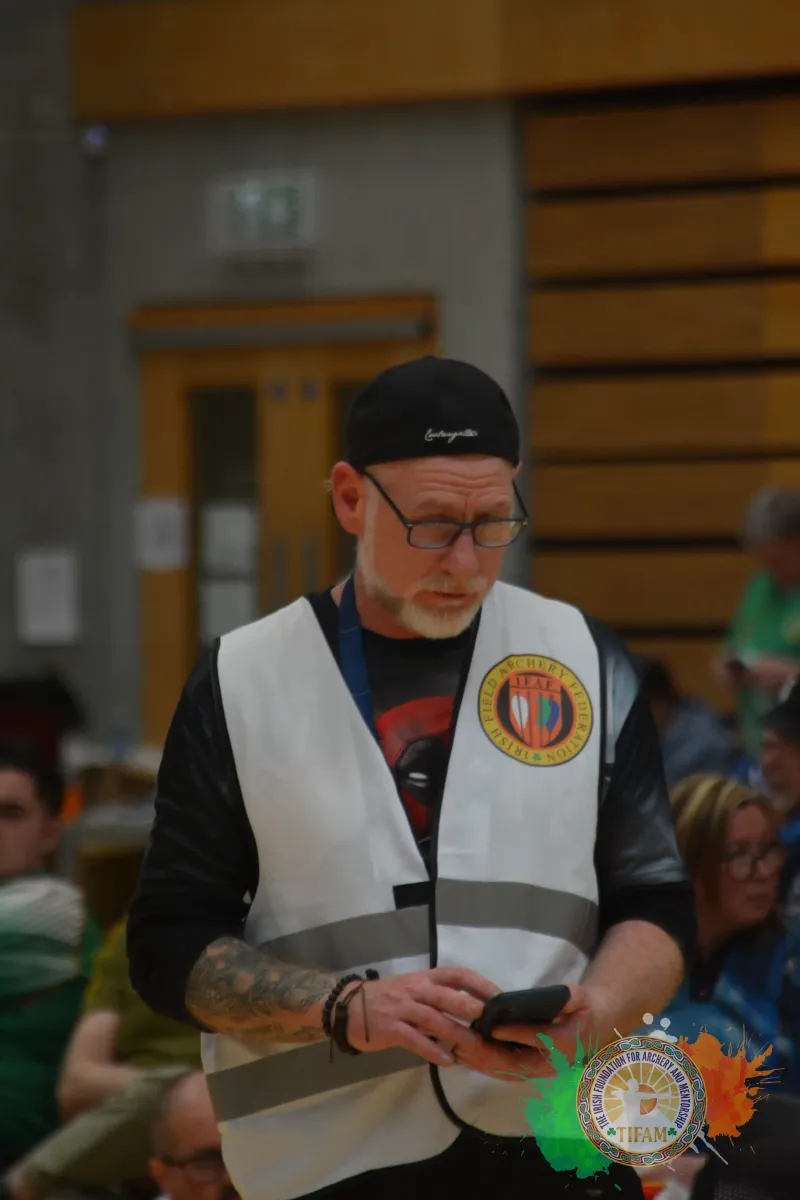
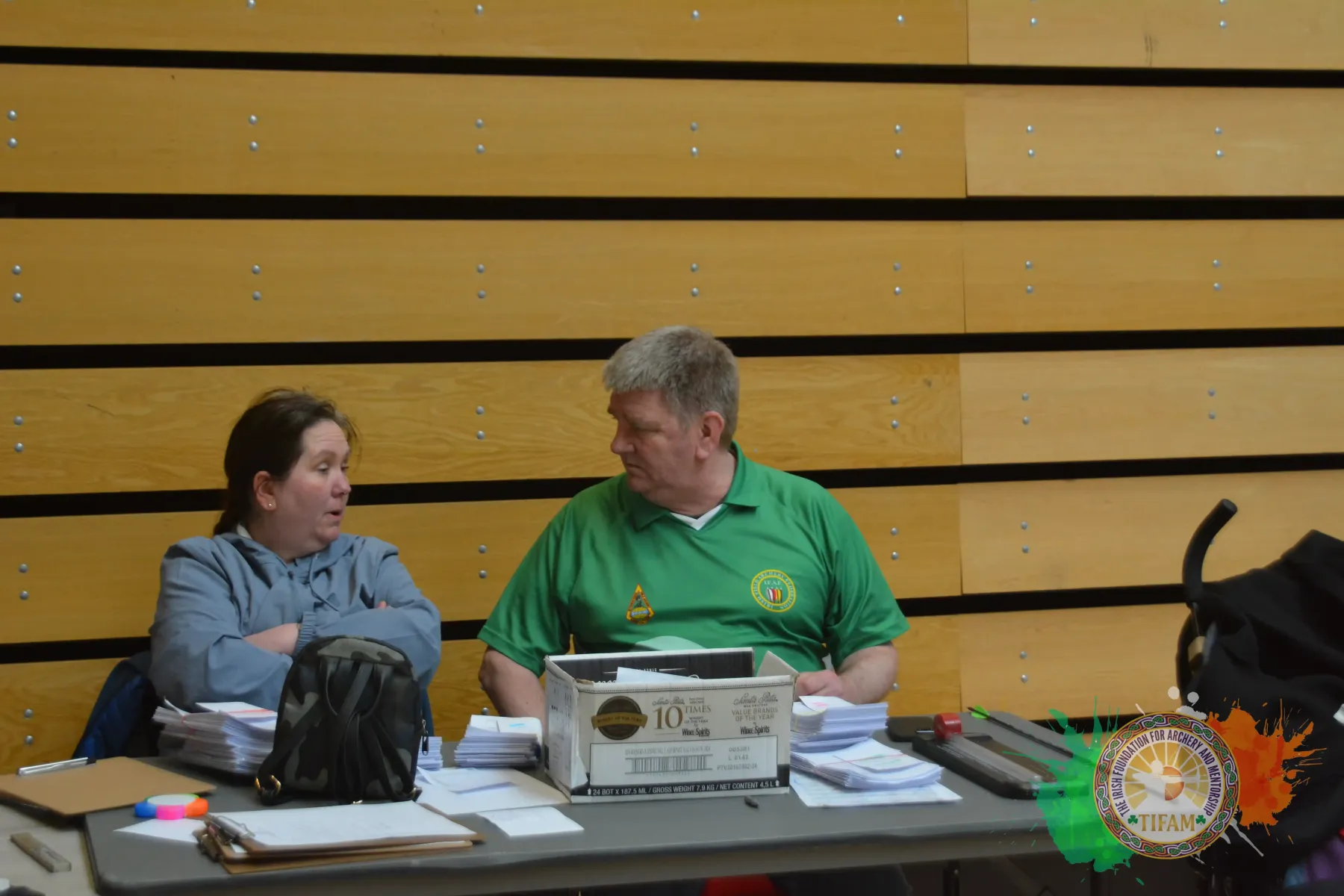
A second pillar of the blueprint concerns the volunteer corps. Large events depend upon unpaid labour that often goes unseen: check-in desks that keep moving, calm directions repeated hundreds of times, paperwork carried between stations, small problems solved before they grow teeth. Ethical organisation includes care for that labour. Clear roles support confidence. Briefings reduce guesswork. Rotas that respect fatigue protect judgement. Supportive leadership prevents the quiet burnout that turns helpful faces brittle. When volunteers feel held, participants feel held. Hospitality then stops being a slogan; it becomes a human atmosphere that visitors carry home.
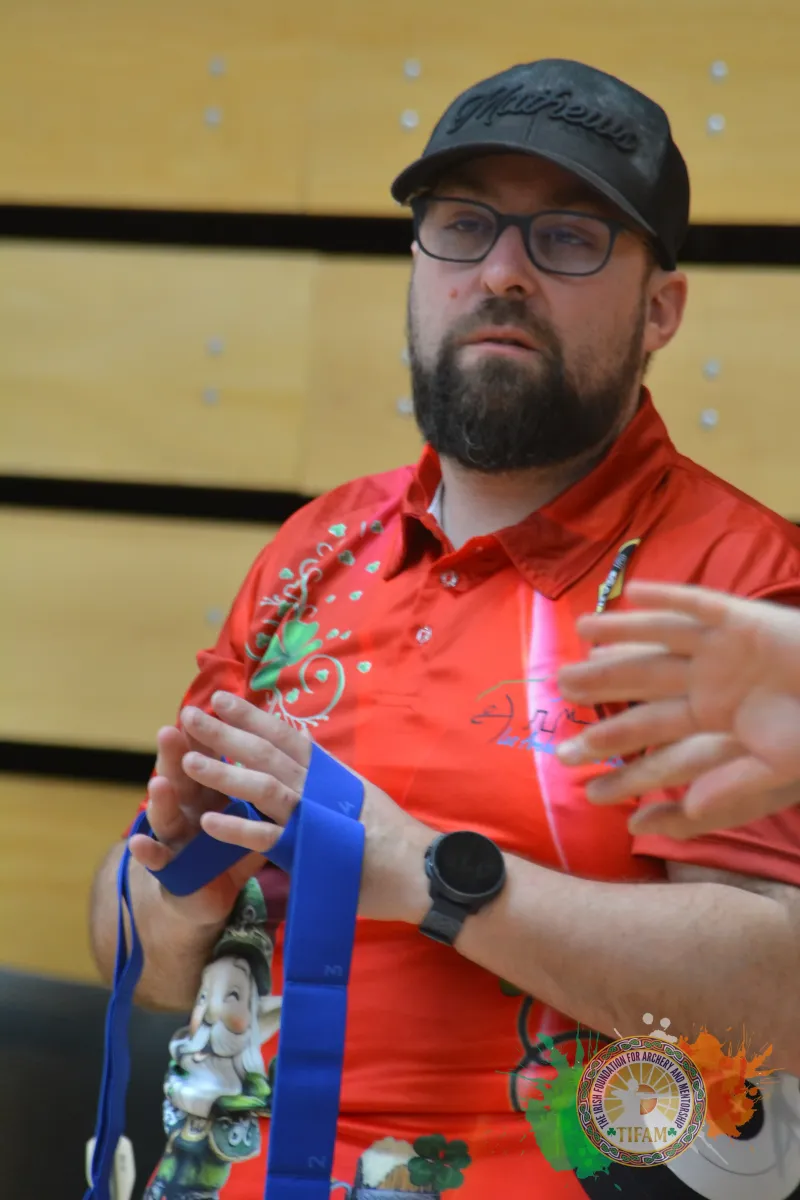
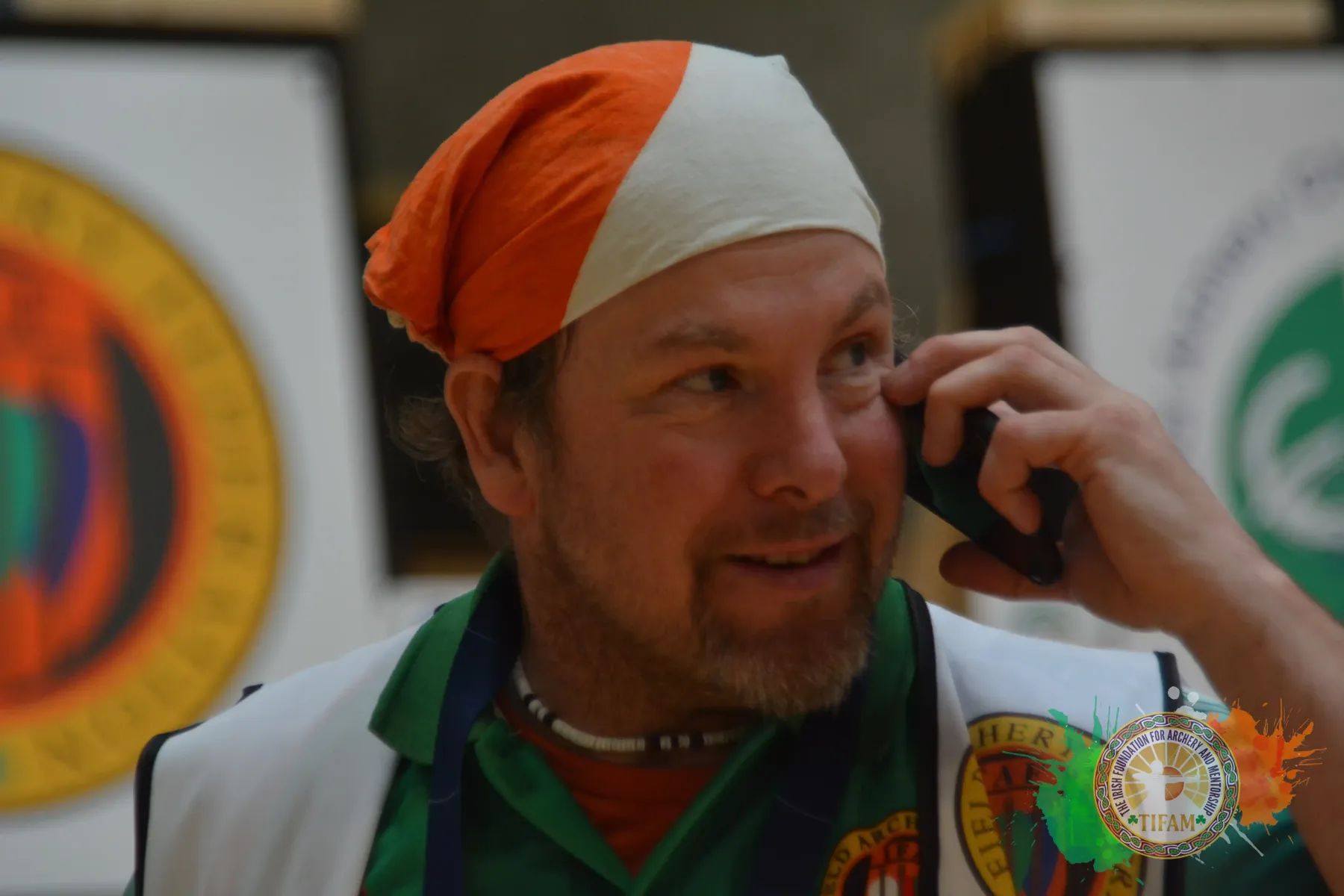
Communication formed the third pillar, with Noel Bannon serving as Event PRO, supported by Deirdre Ní Dhubhghaill in her IFAF PRO role, a remit that reached far beyond publicity. Public relations at this scale operates as a form of public ethics, since information shapes behaviour. Clear guidance about venue procedures reduces congestion. Plain statements about capacity prevent conflict at the start. Consistent messaging across platforms reduces rumours. Organisers who treat information as a public good strengthen autonomy: competitors plan travel, rest, arrival times, and equipment checks through what they read. From my own vantage, Noel Bannon’s help deserves particular recognition. For those of us involved with TIFAM who attended the event both as archers and as members of the press, his support was of immense importance. His responsiveness and practical assistance made reporting and photography possible in a smooth and orderly way. I would risk saying that, without him, our work as reporters and photographers would have approached the impossible. EIAC 2026 signalled that communicative ethic by publishing key information early, maintaining a clear public face, and supporting the media work through which the event entered public memory.
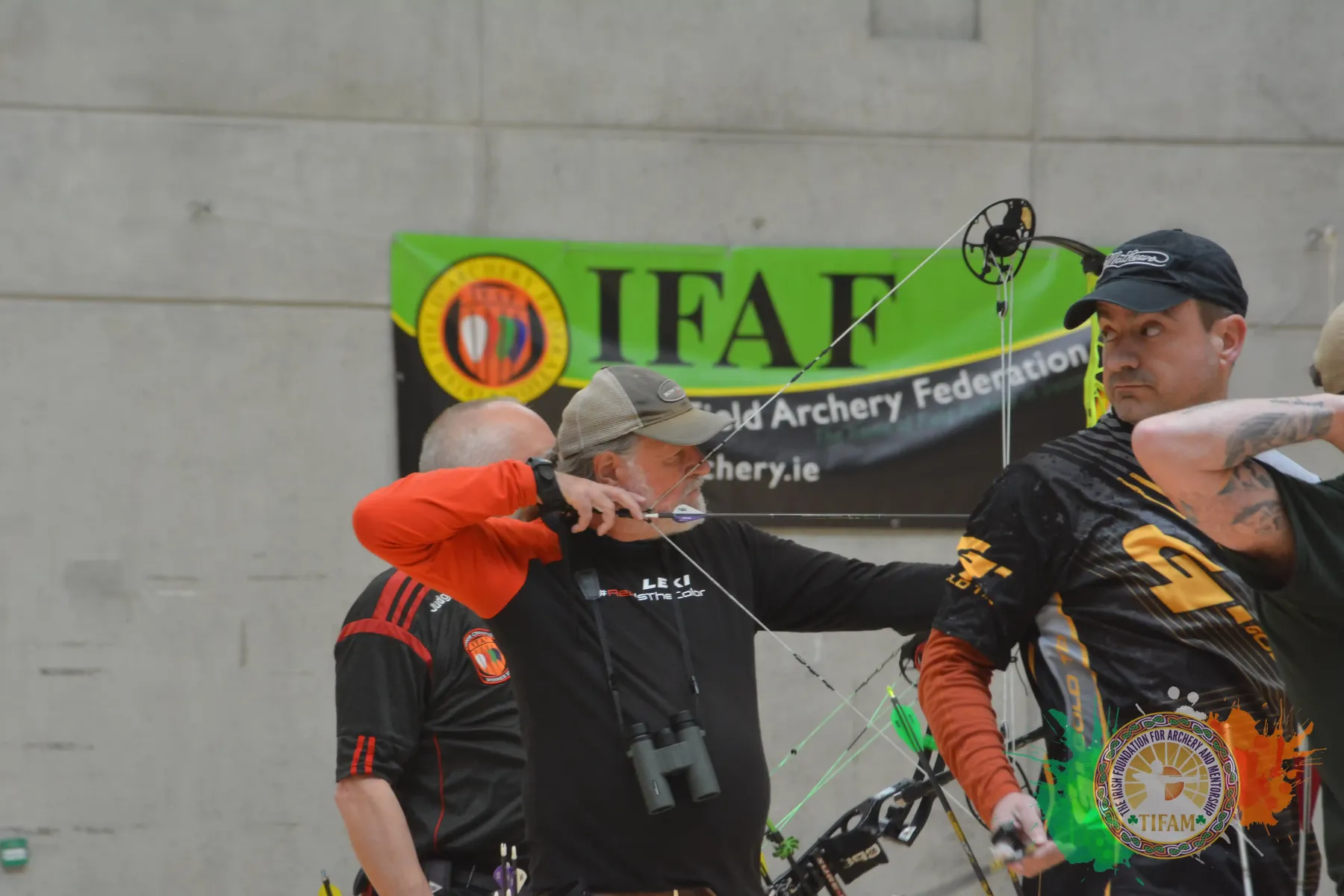
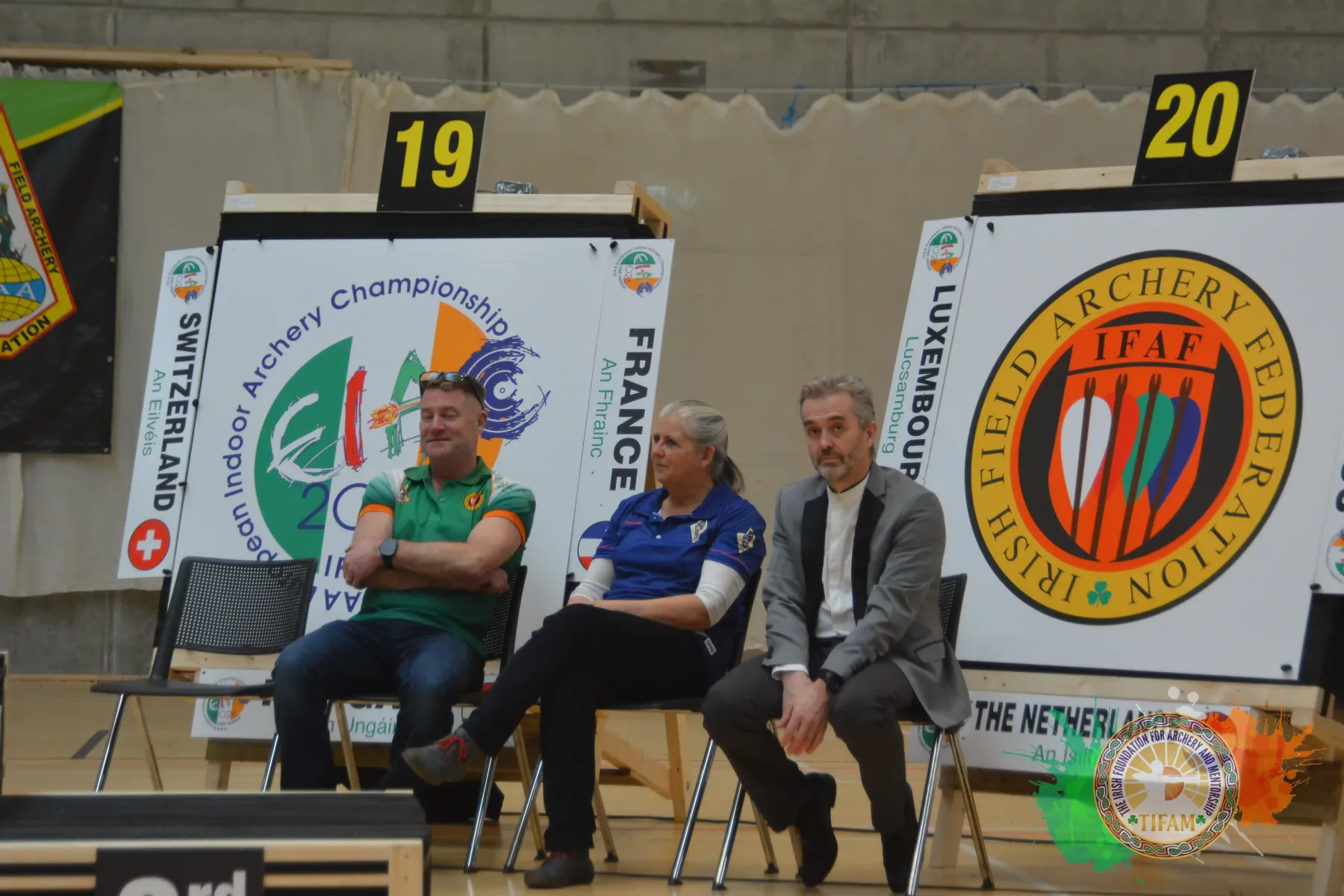
International coordination formed a fourth pillar, carried by Mark Deevy’s role. A European championship runs on shared expectations across borders. Sanctioning links a local host to a wider rule culture, then gives visiting teams confidence that procedures will look familiar. EIAC 2026 was presented as hosted by IFAF under the sanction of the International Field Archery Association. Such framing matters in ethical terms, for it commits the host publicly to standards beyond local habit. It also clarifies lines of responsibility when disputes arise, which helps prevent personal grievance from attaching itself to individual volunteers or judges.
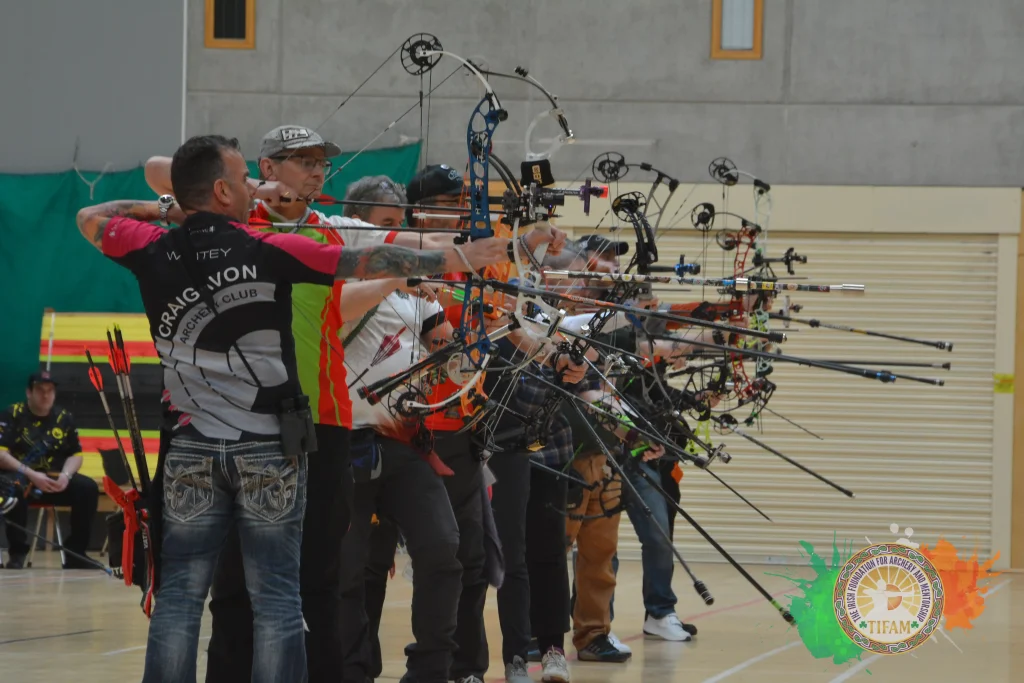
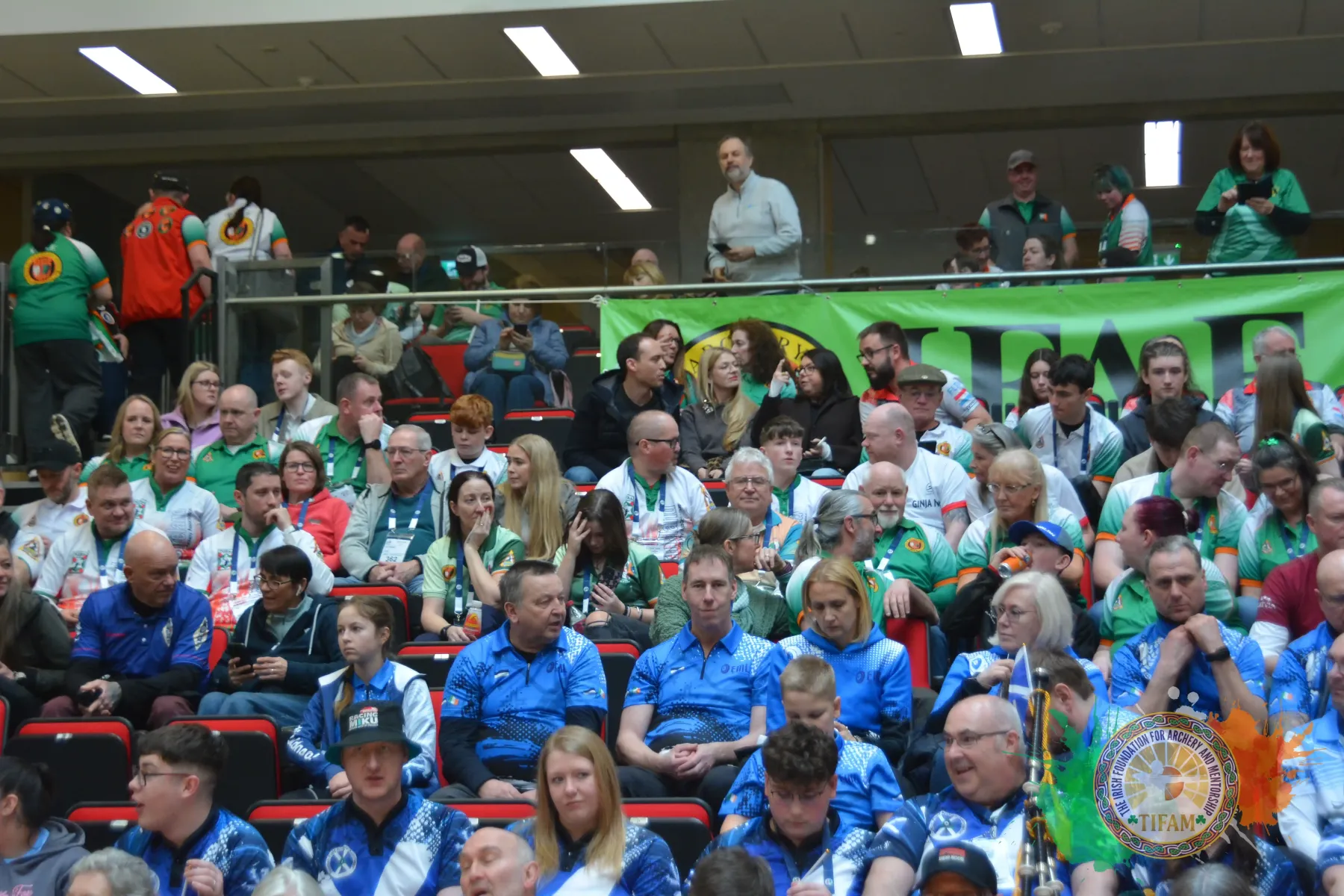
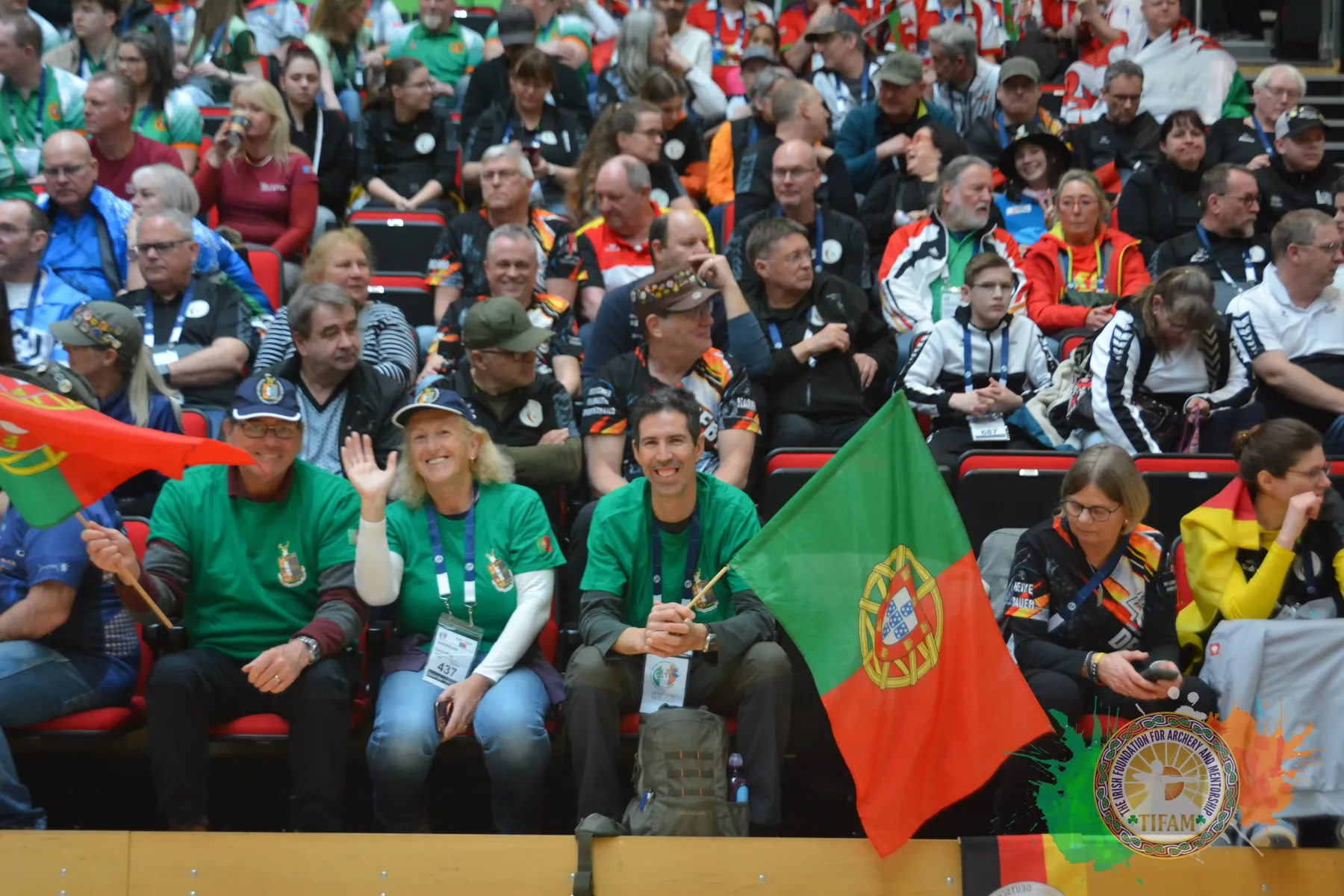
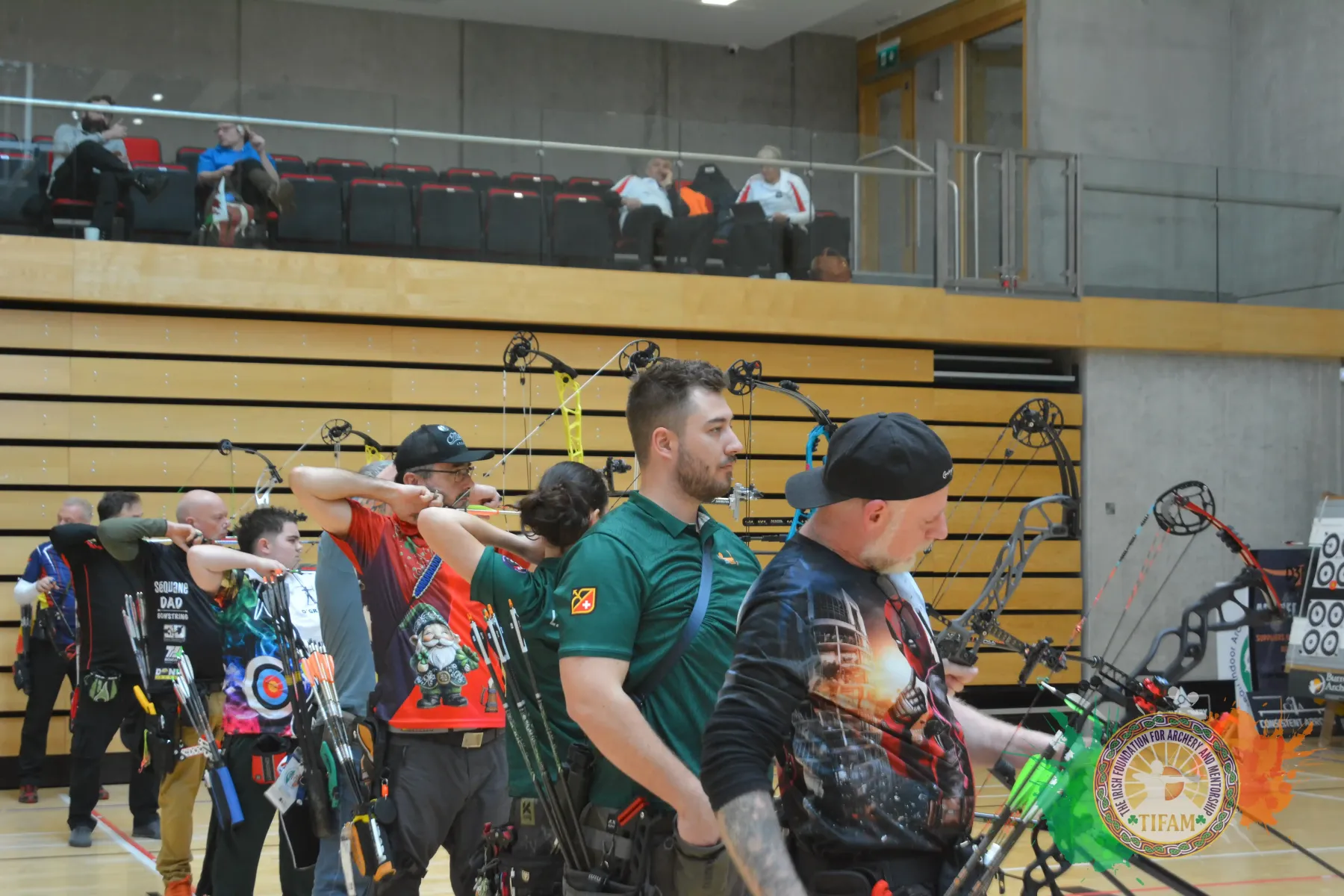
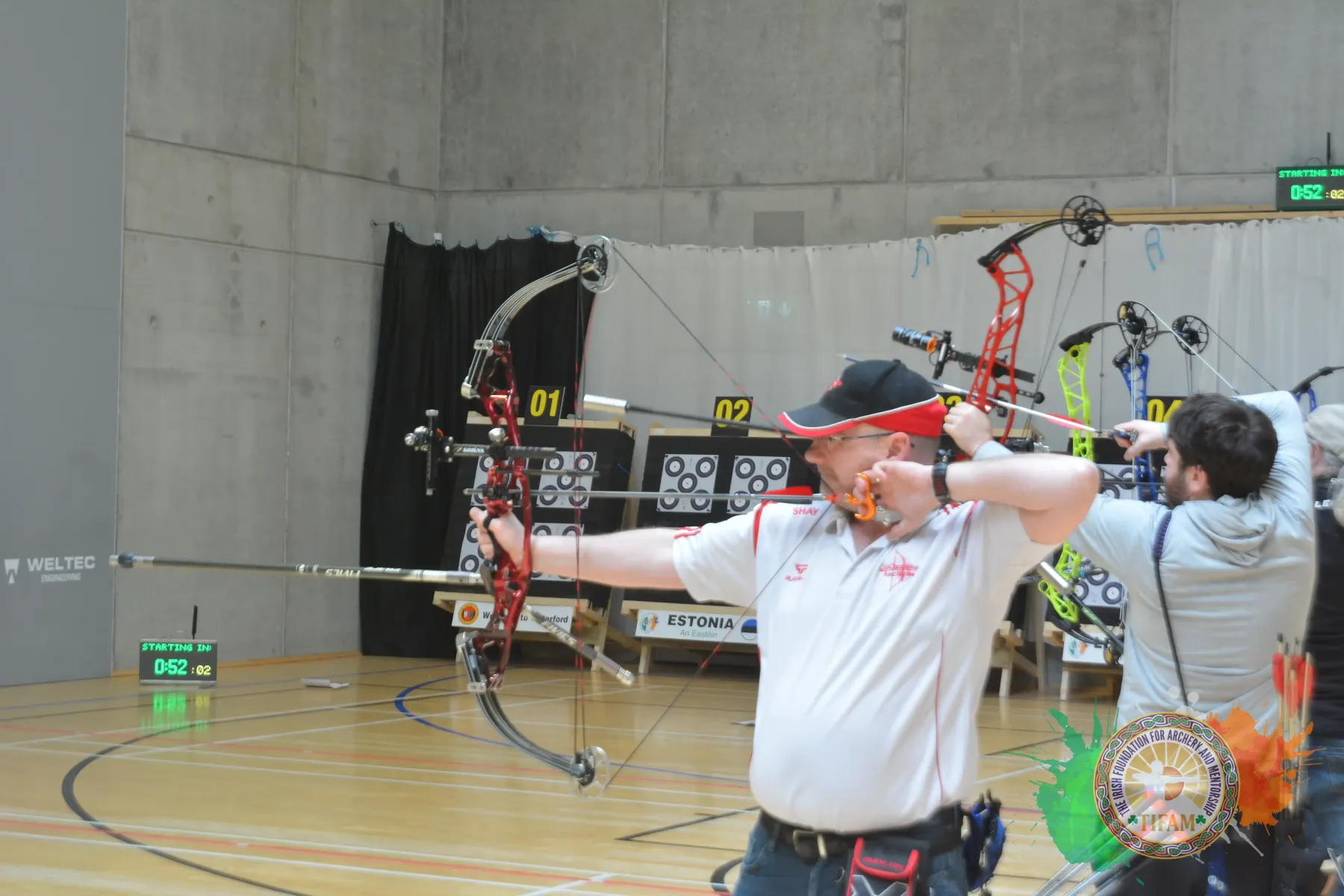
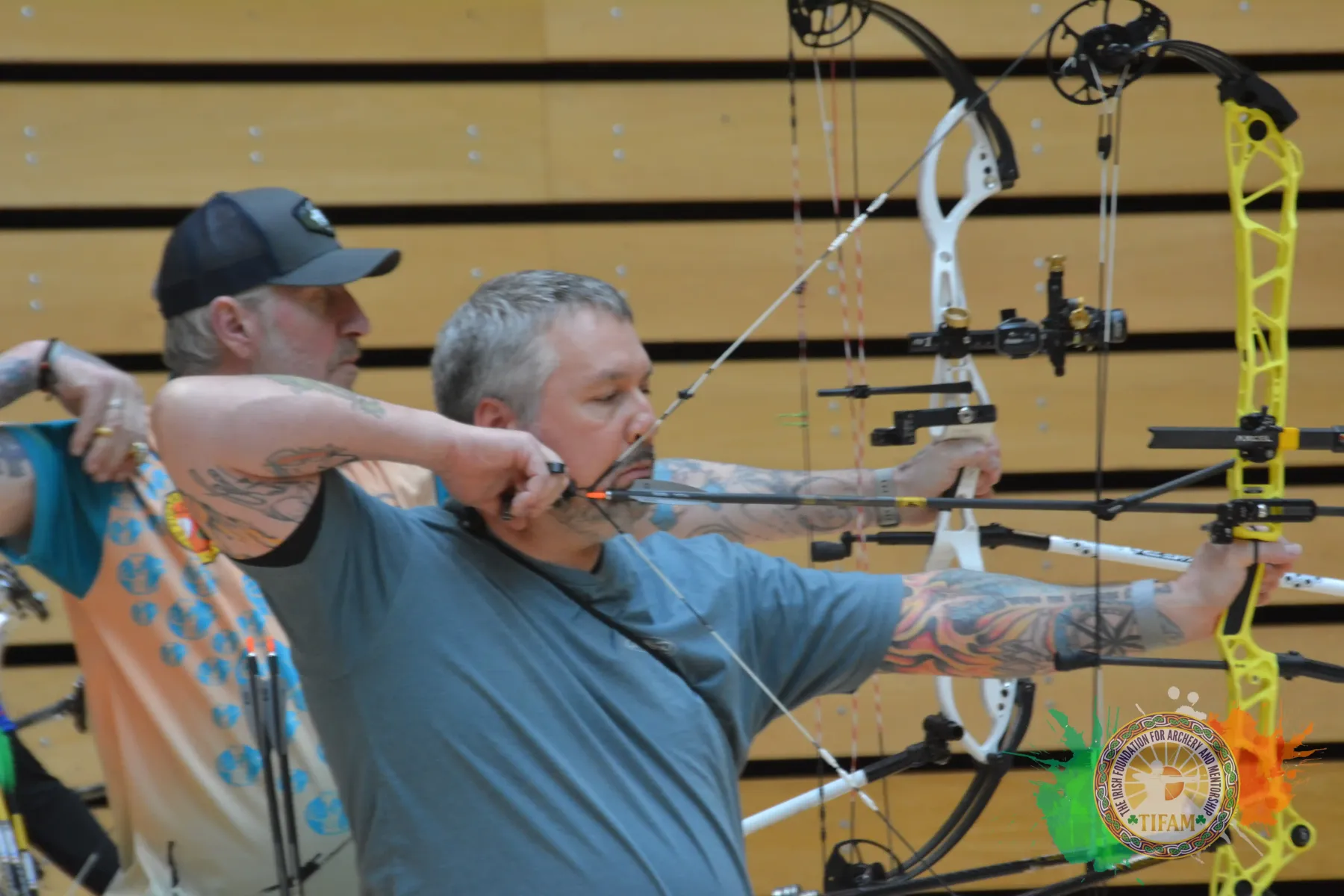
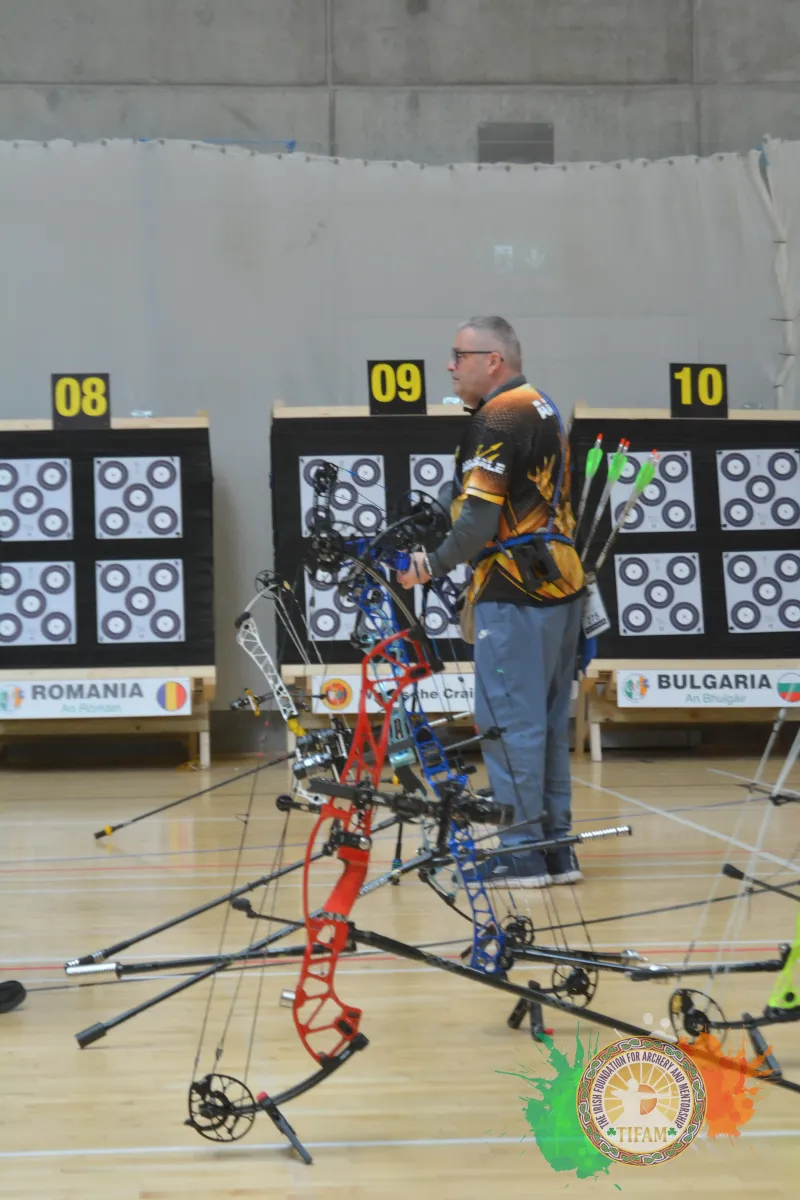
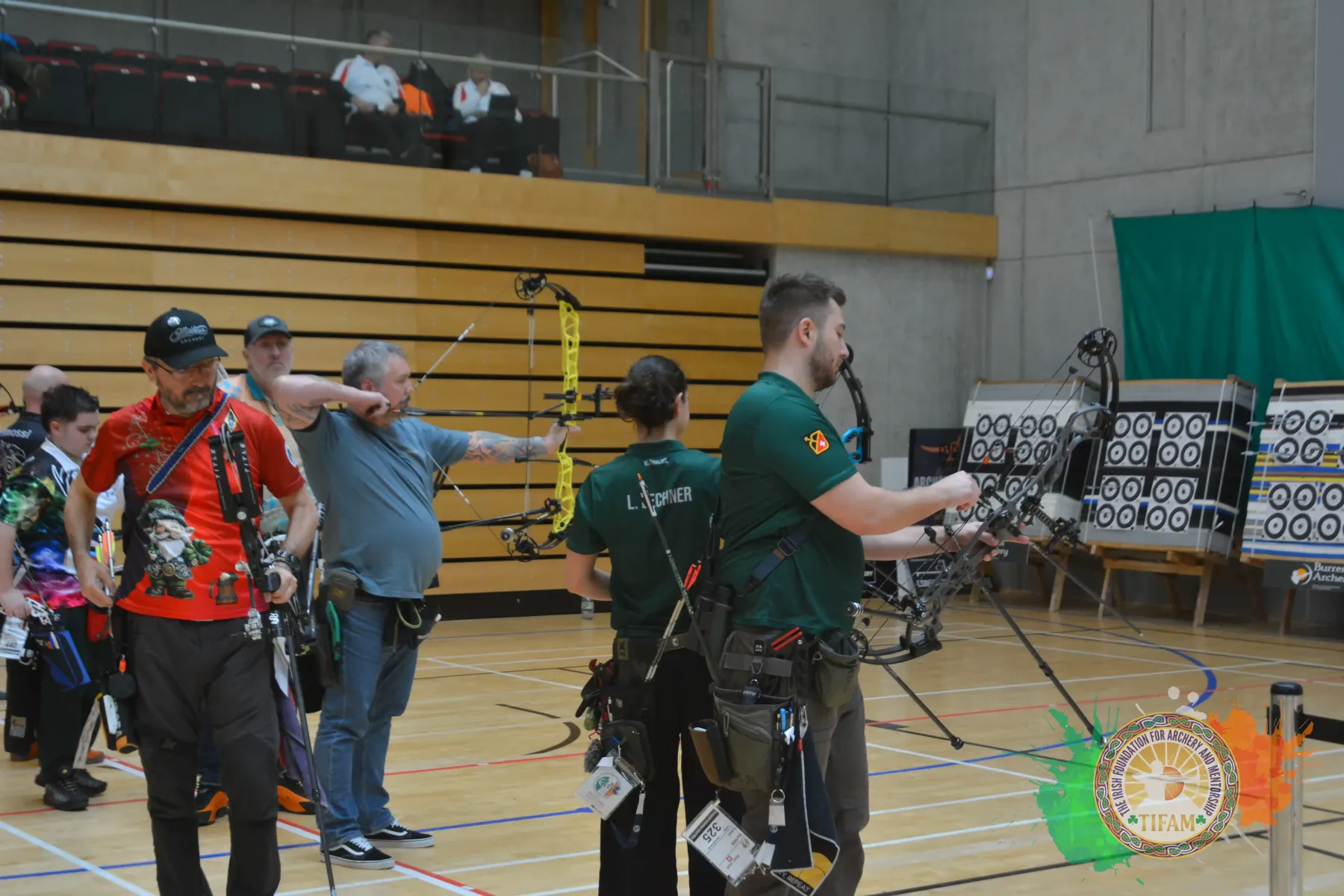
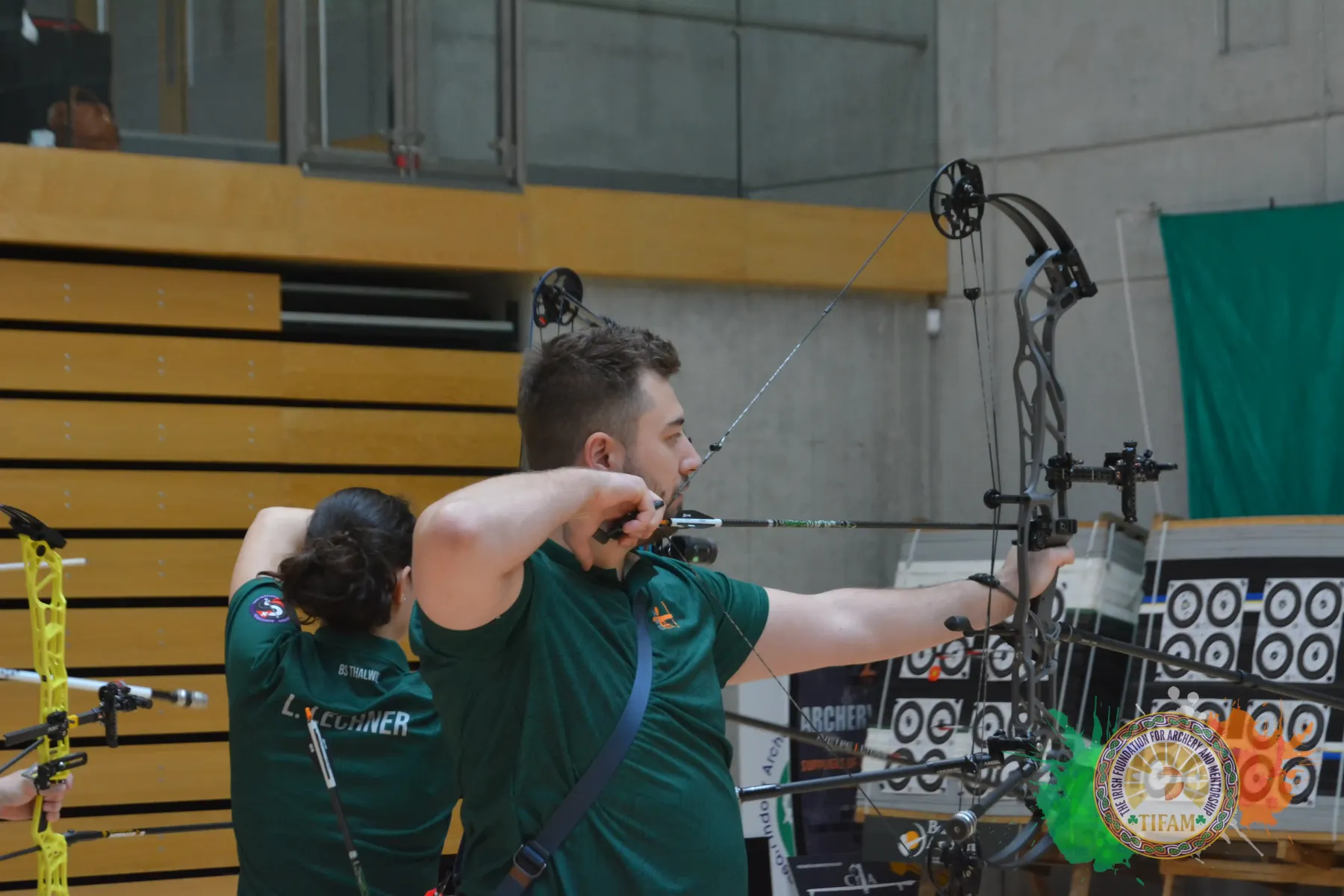
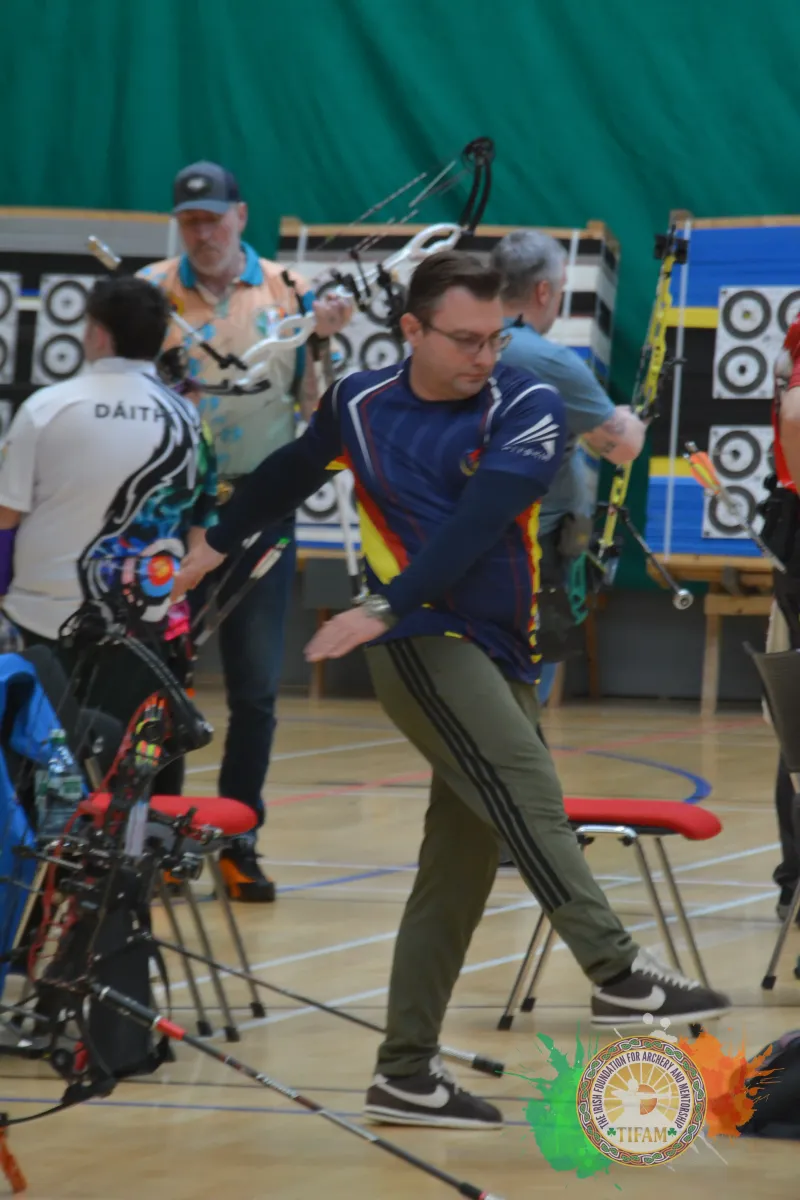
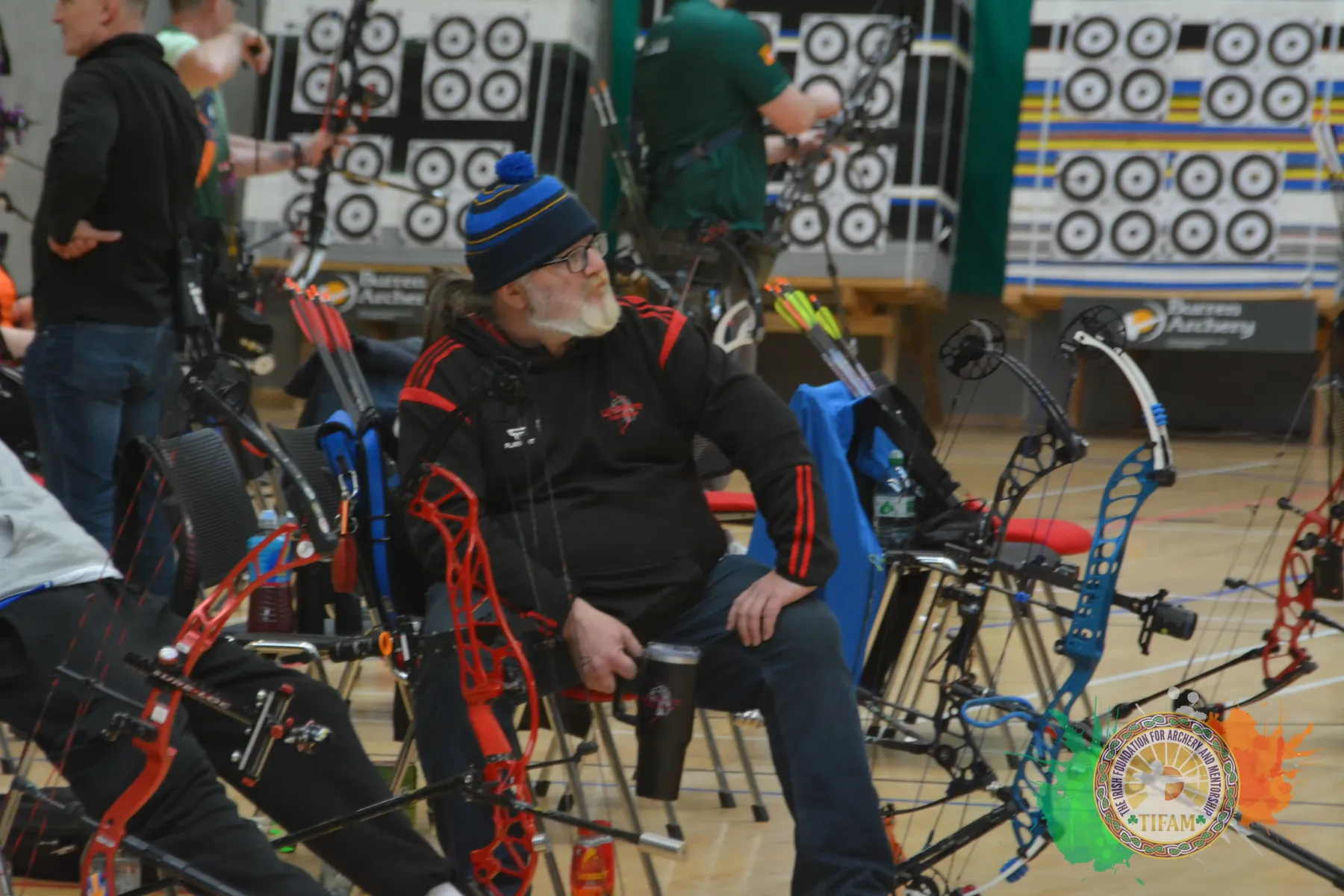
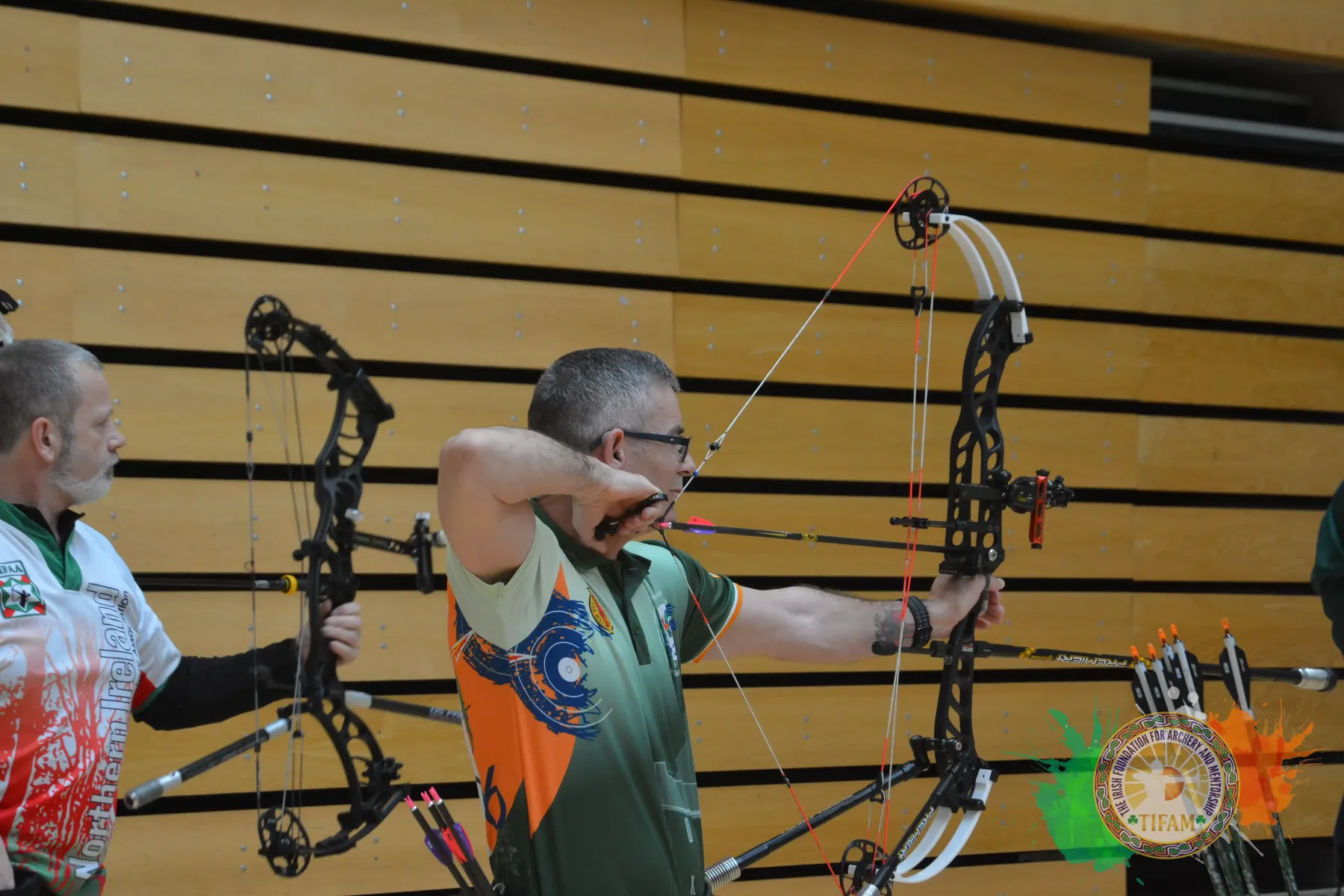
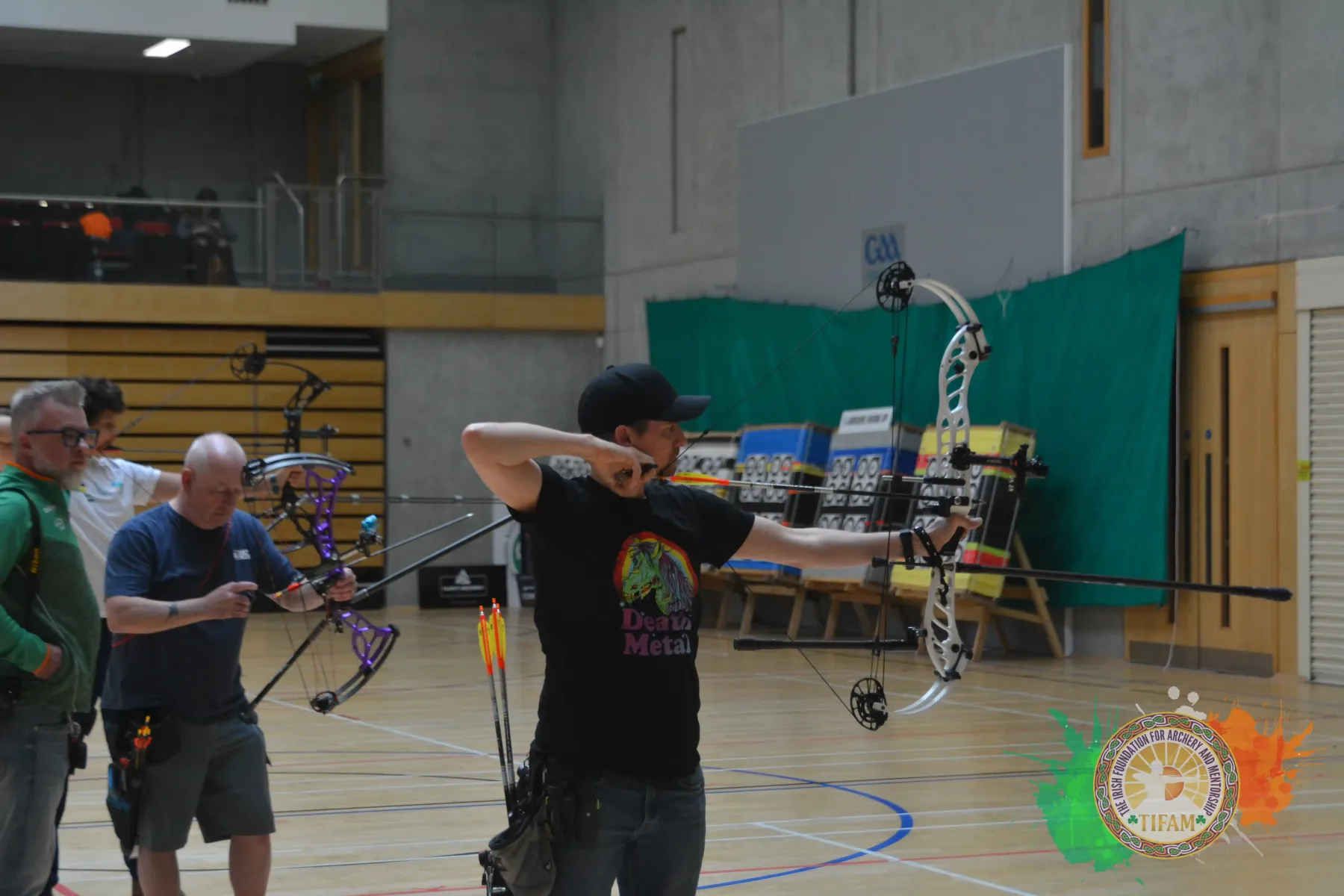
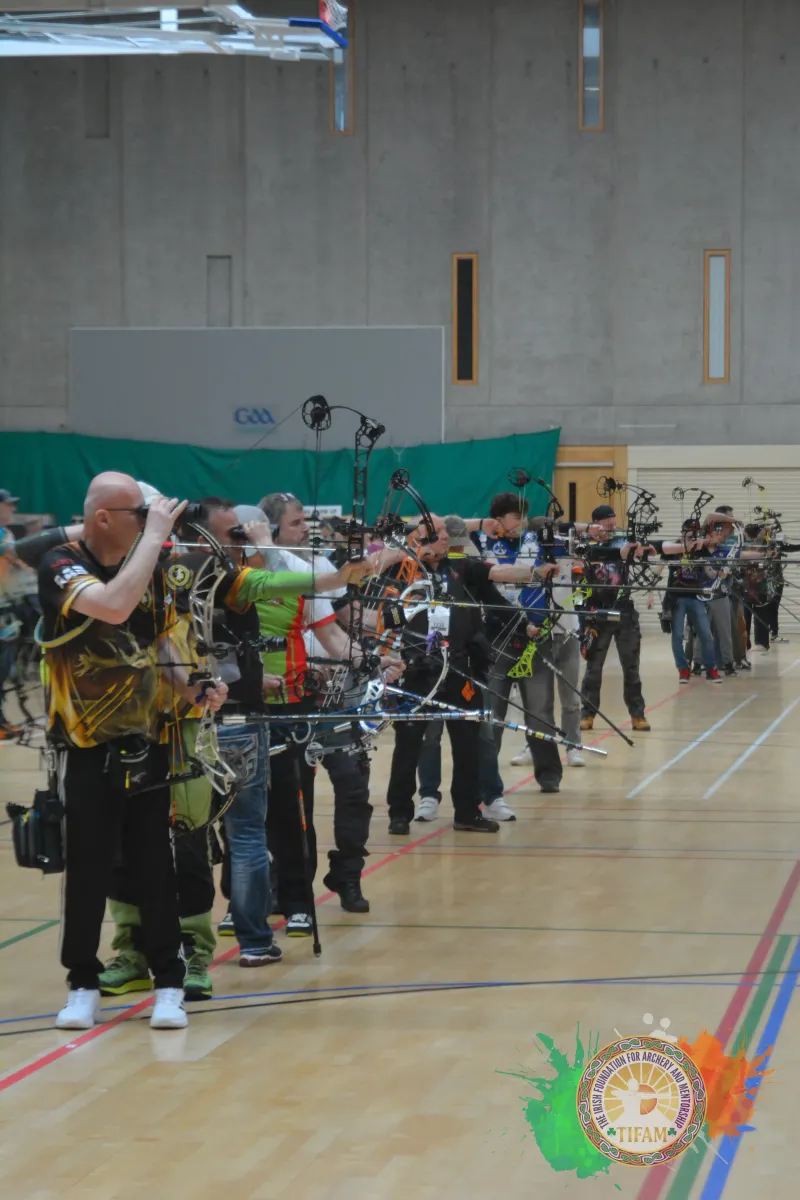
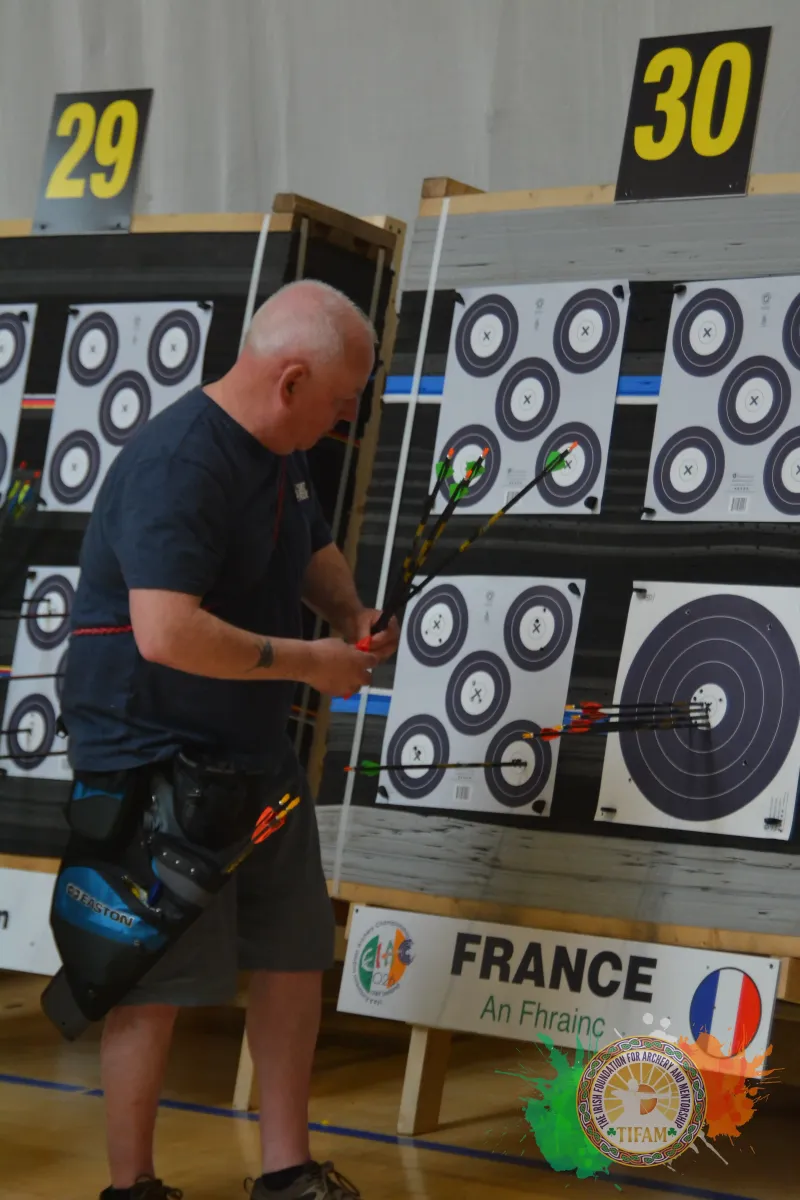
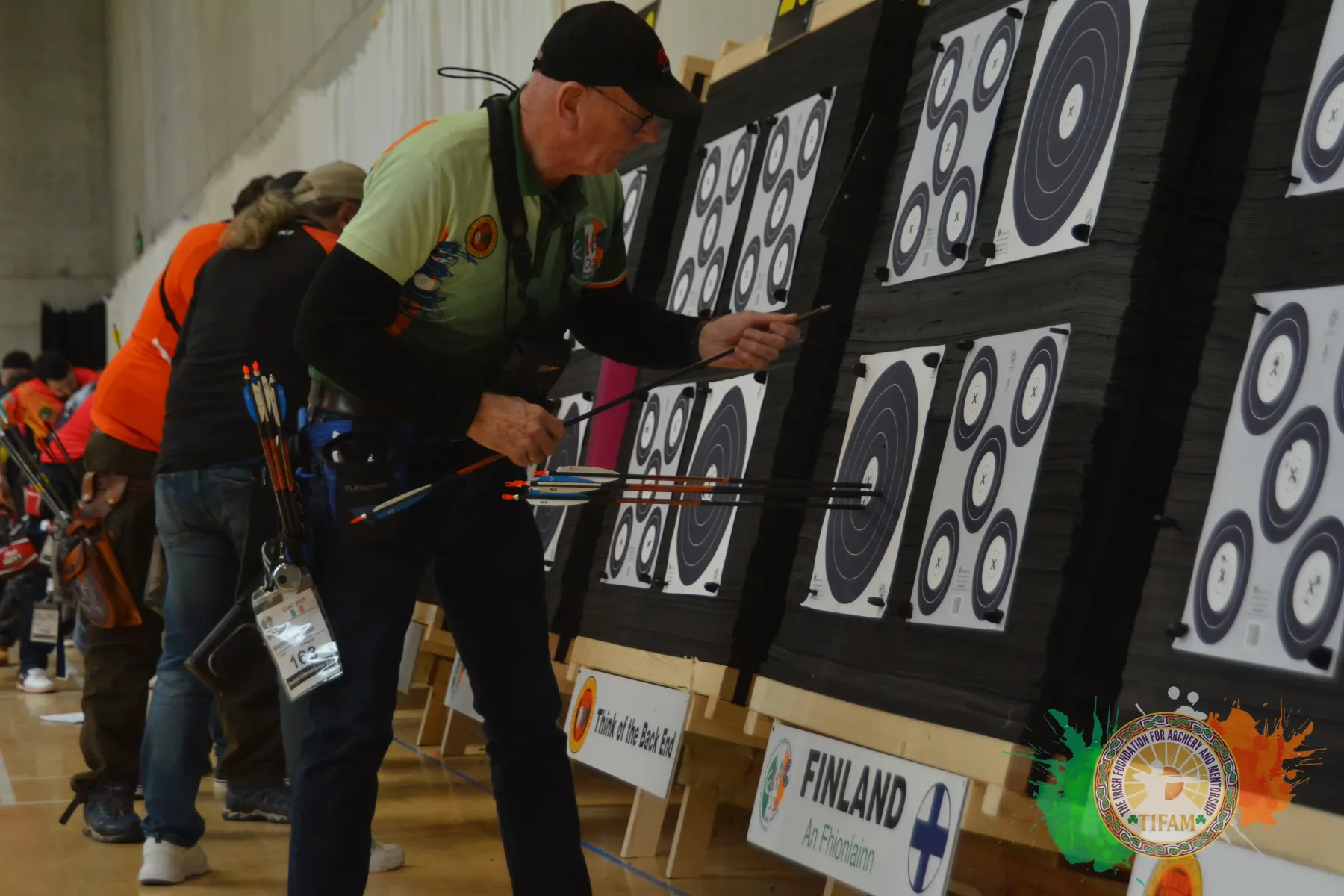
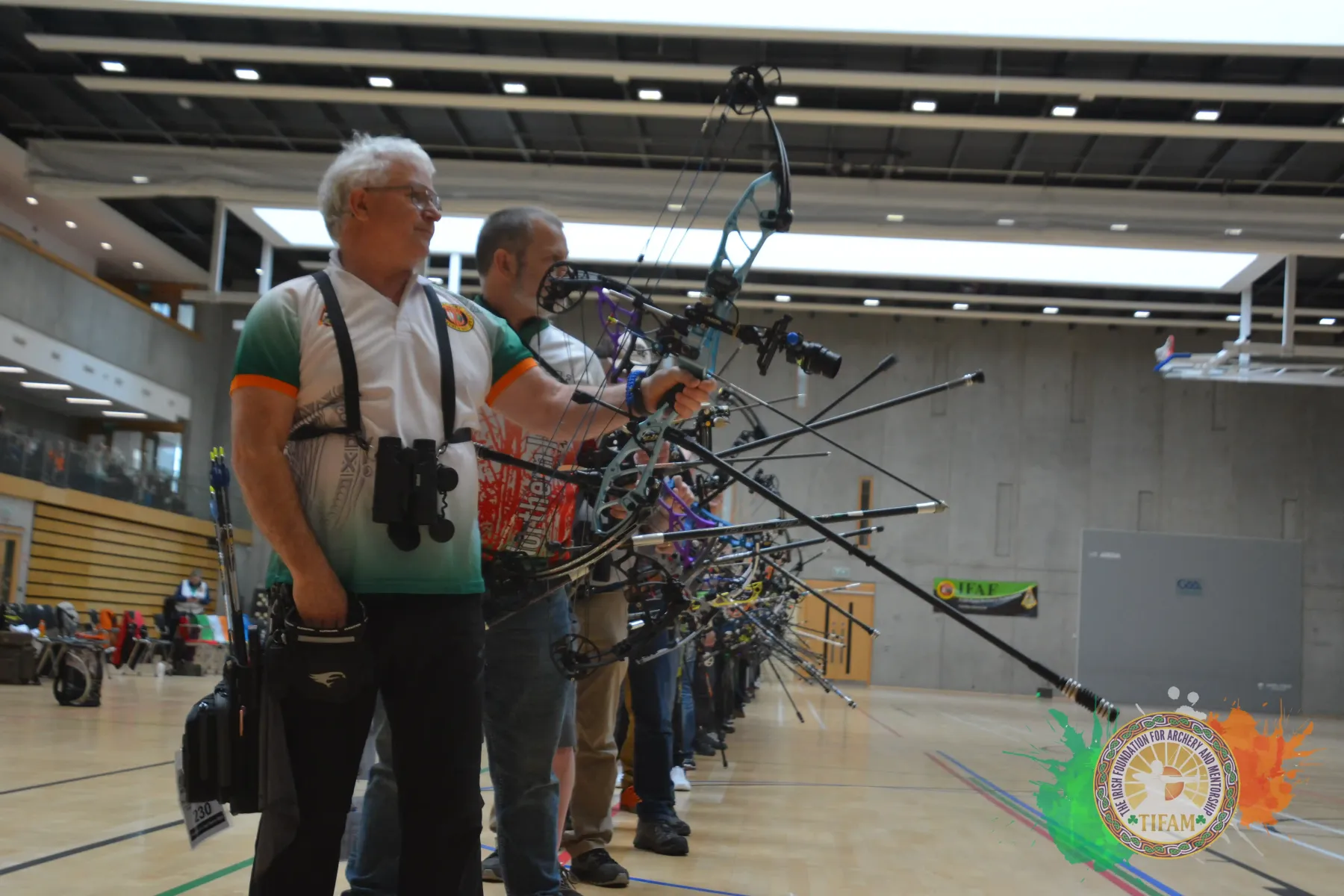
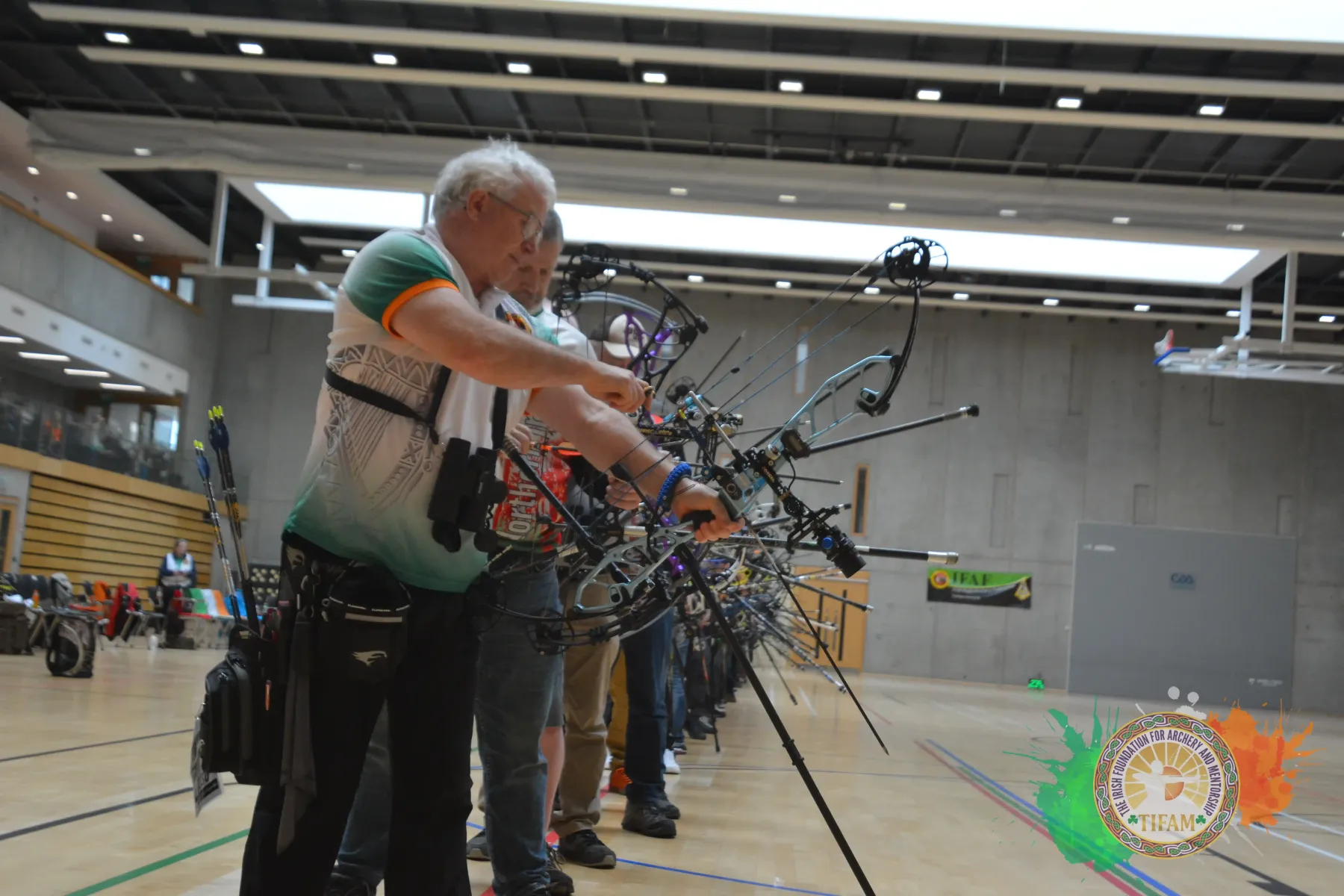
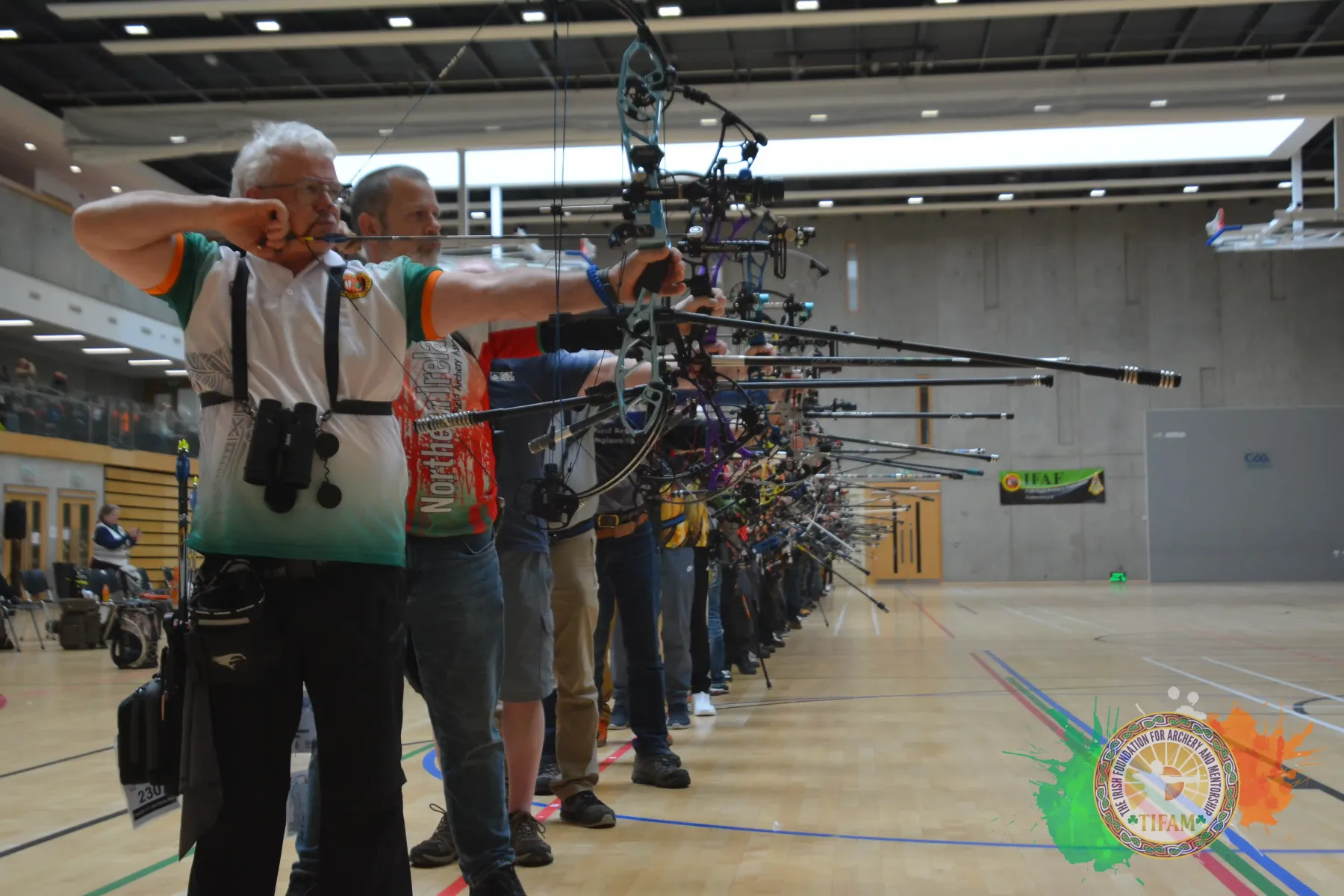
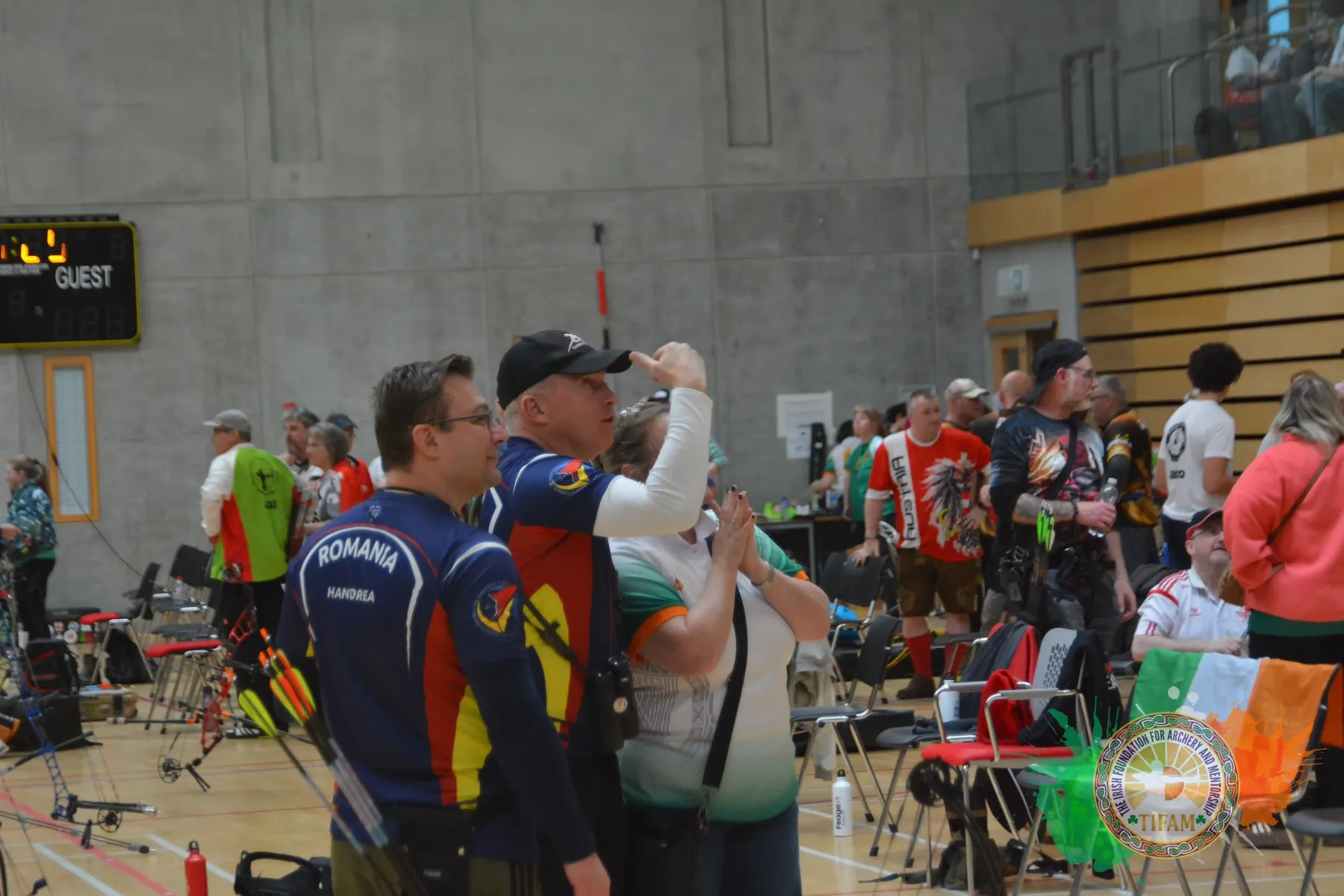
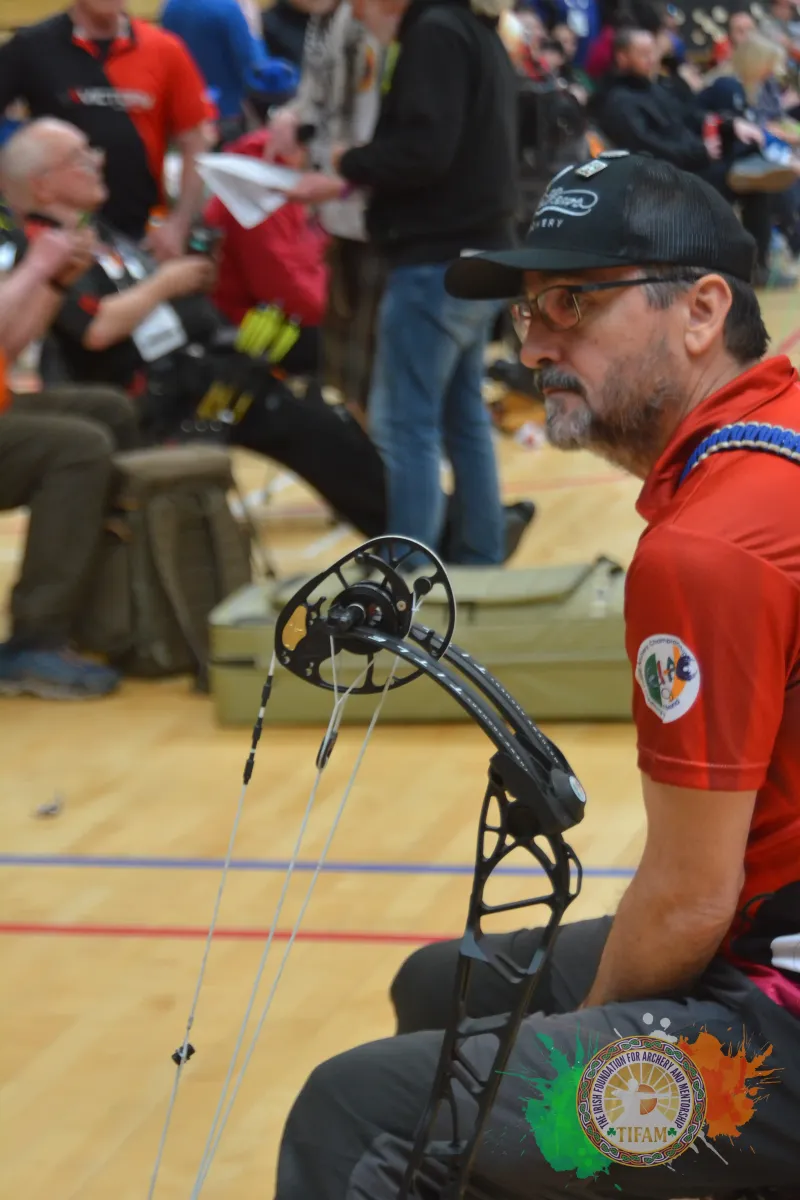
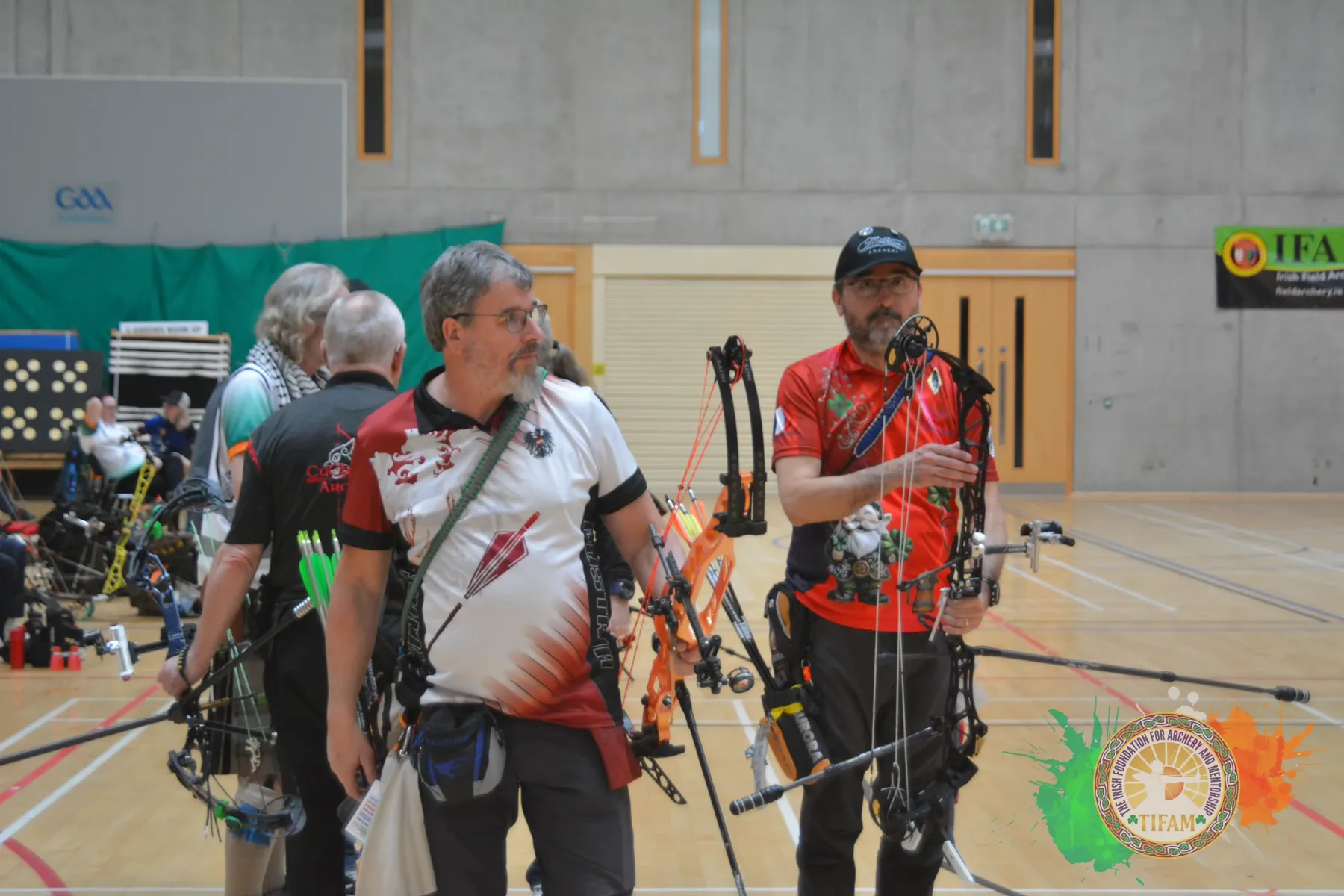
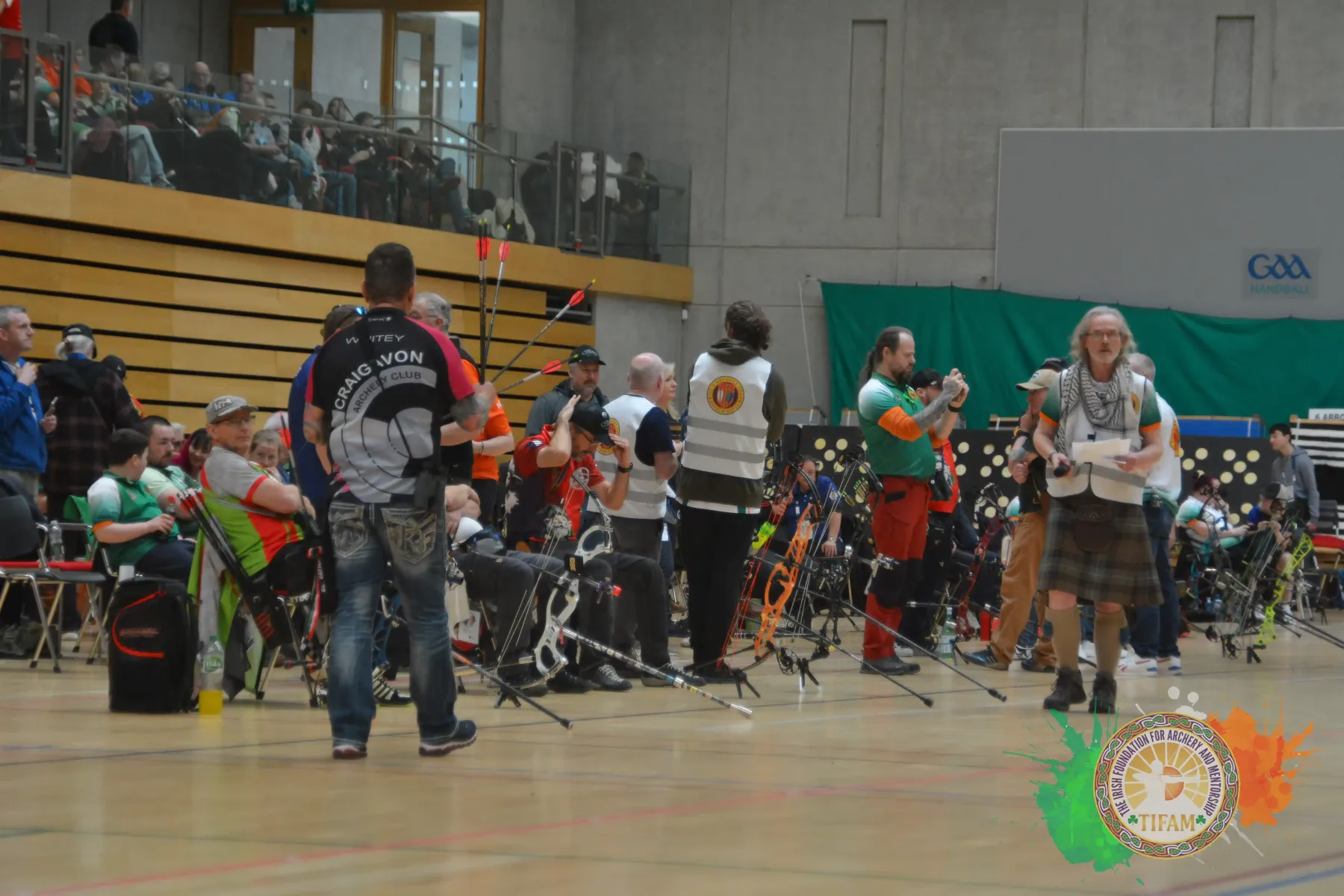
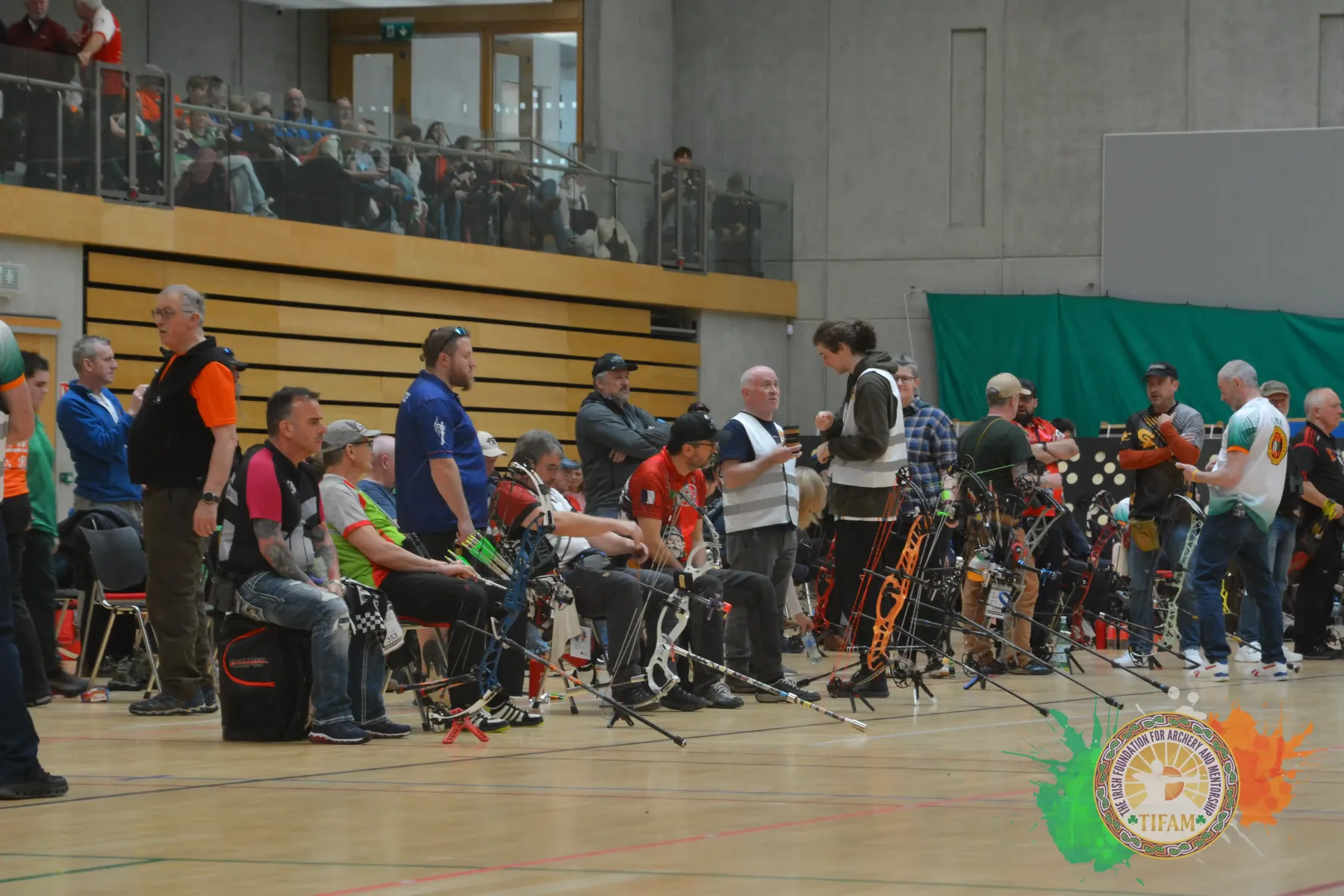
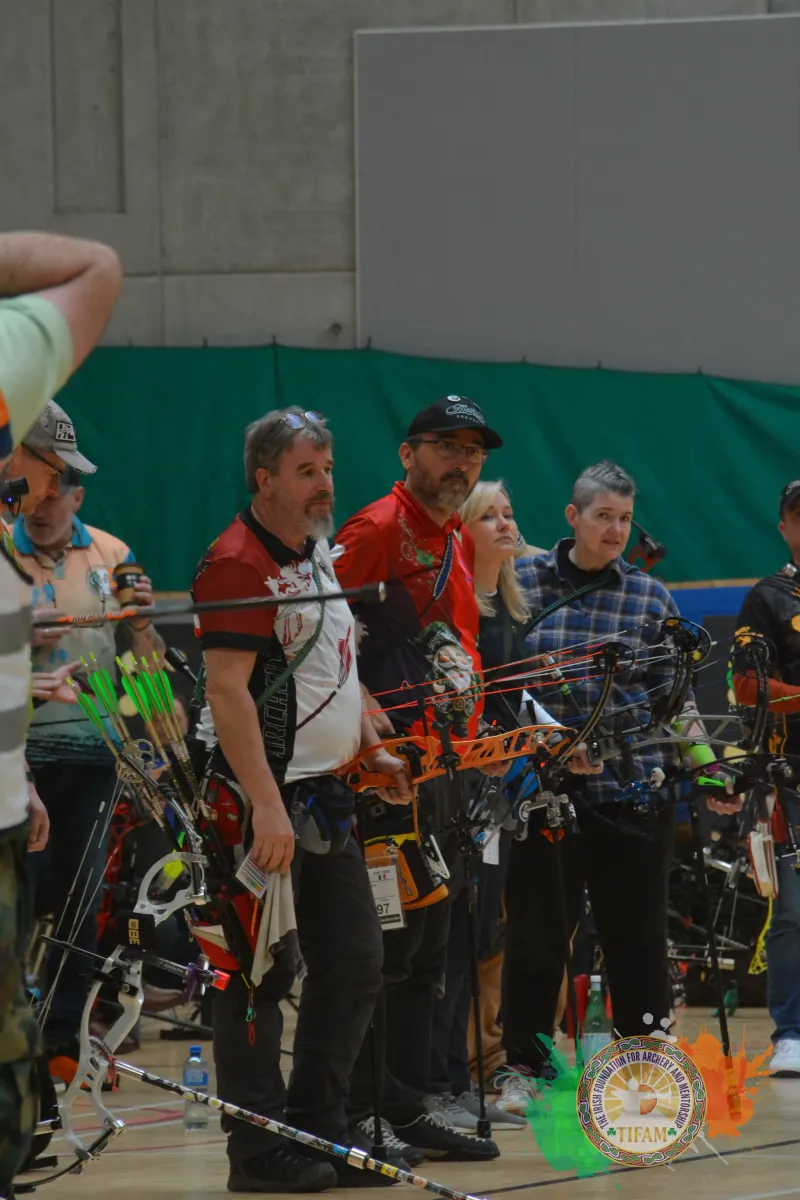
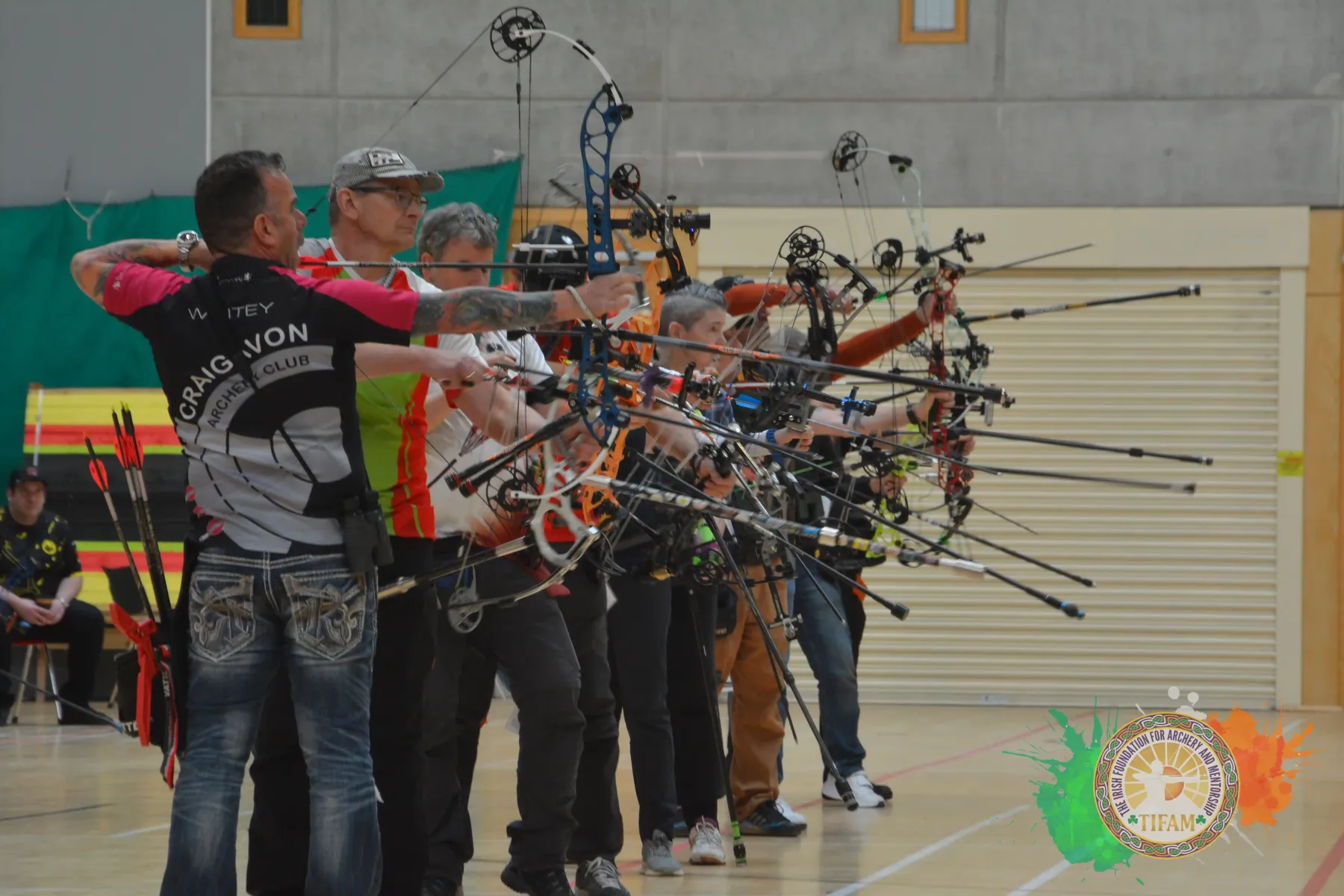
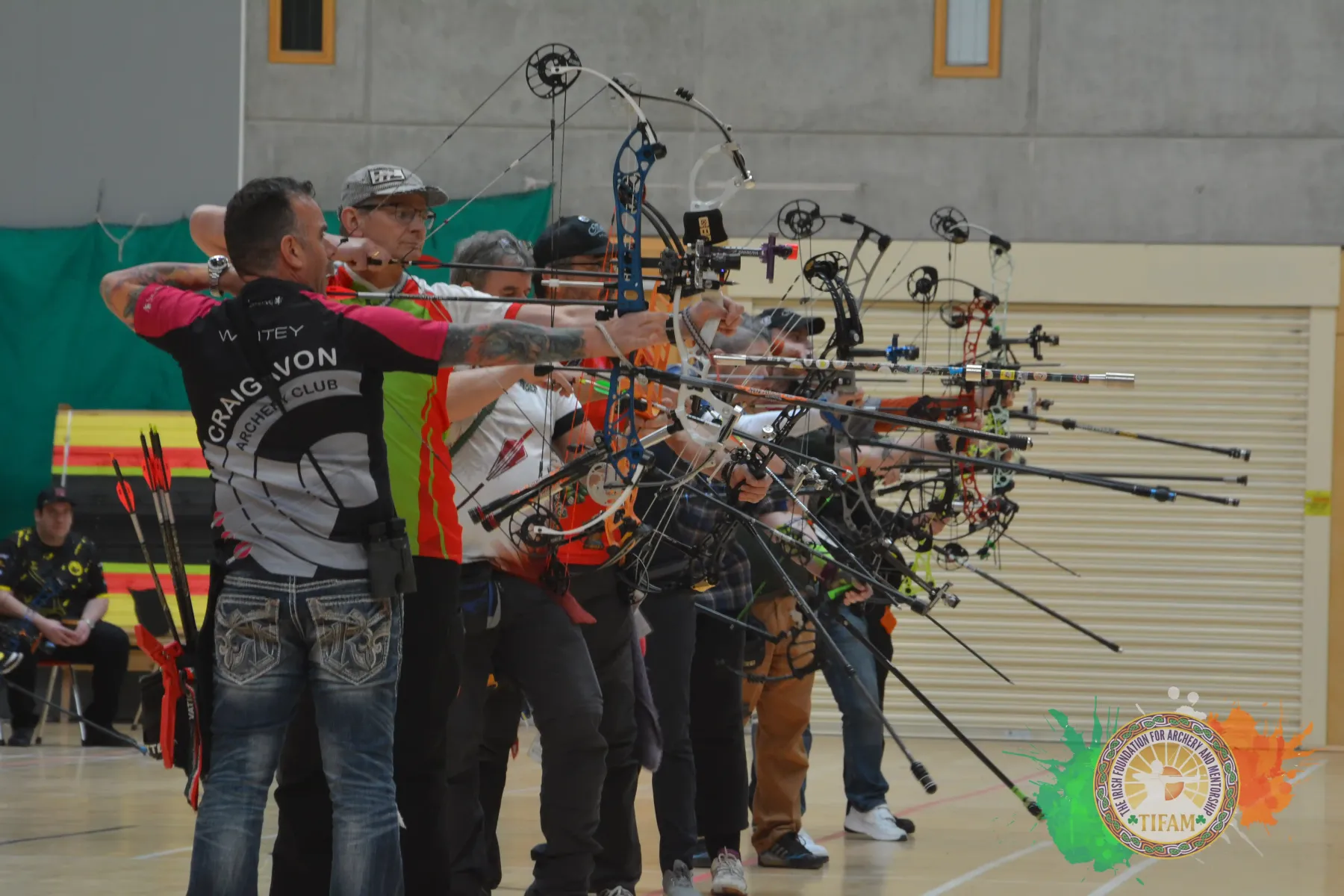
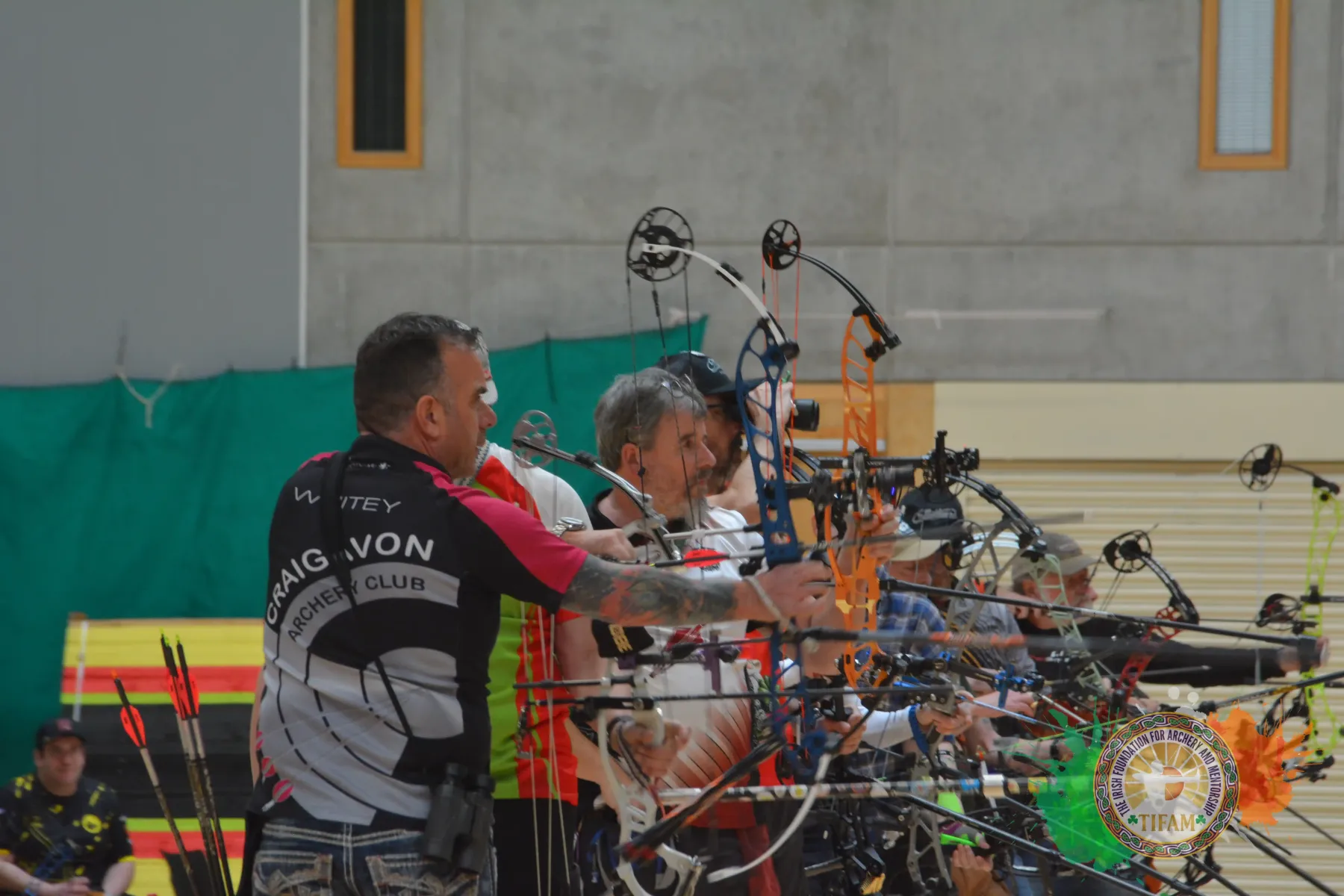
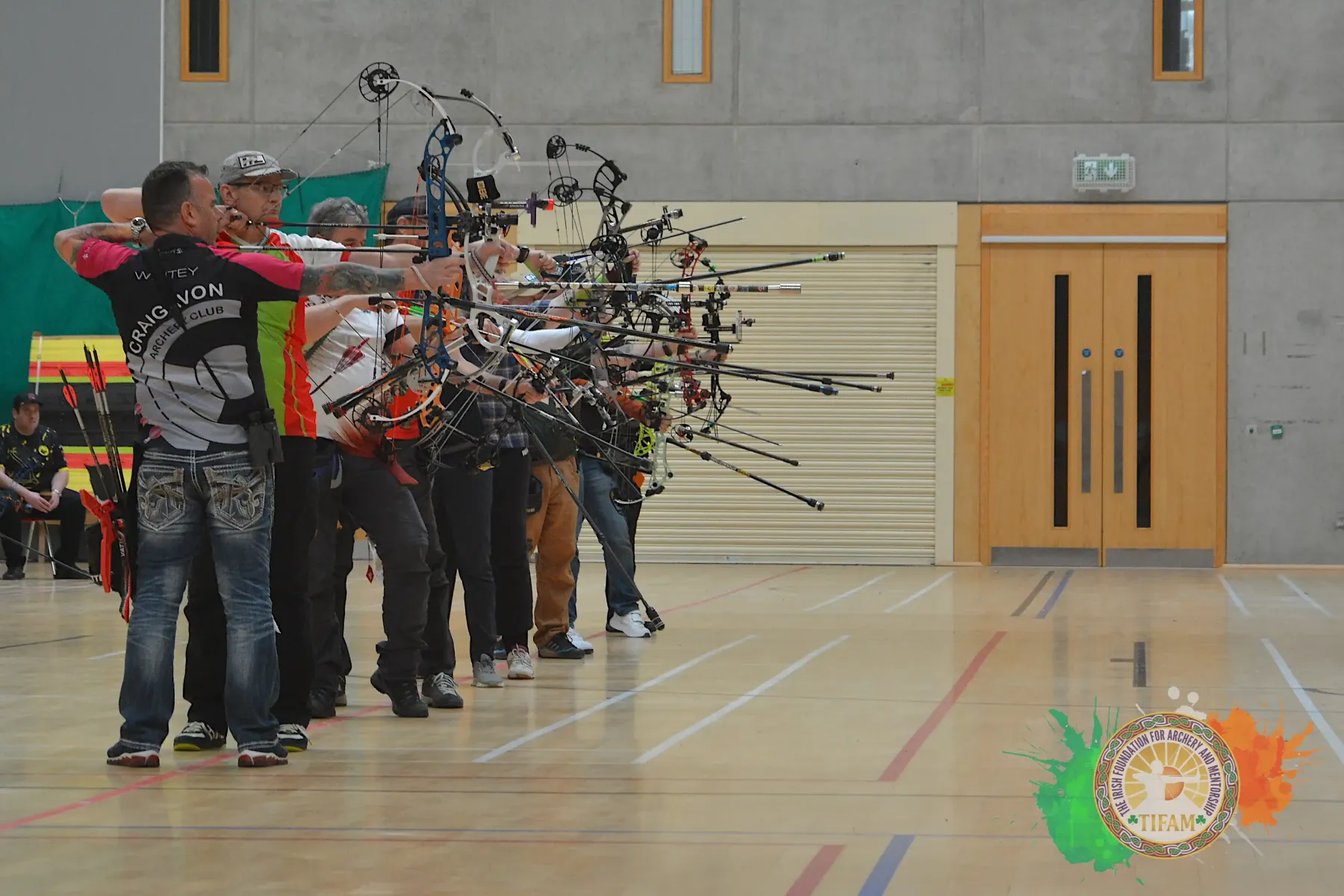
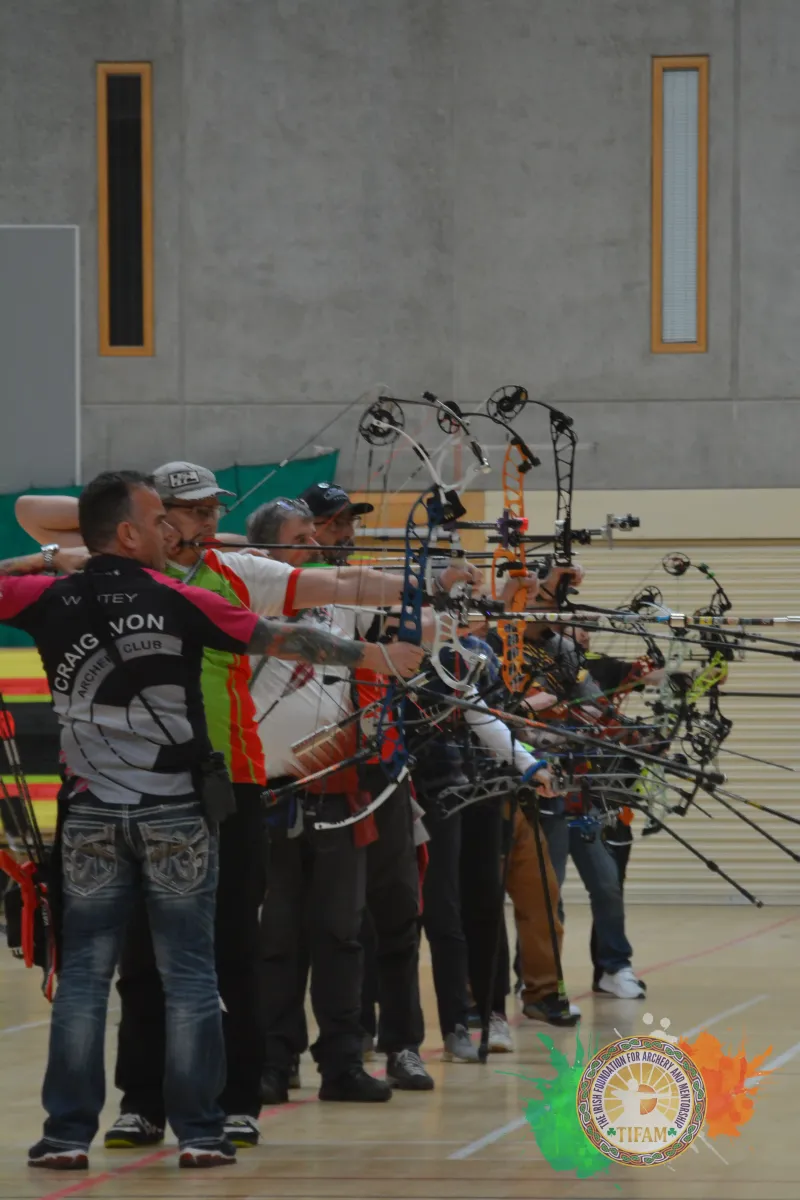
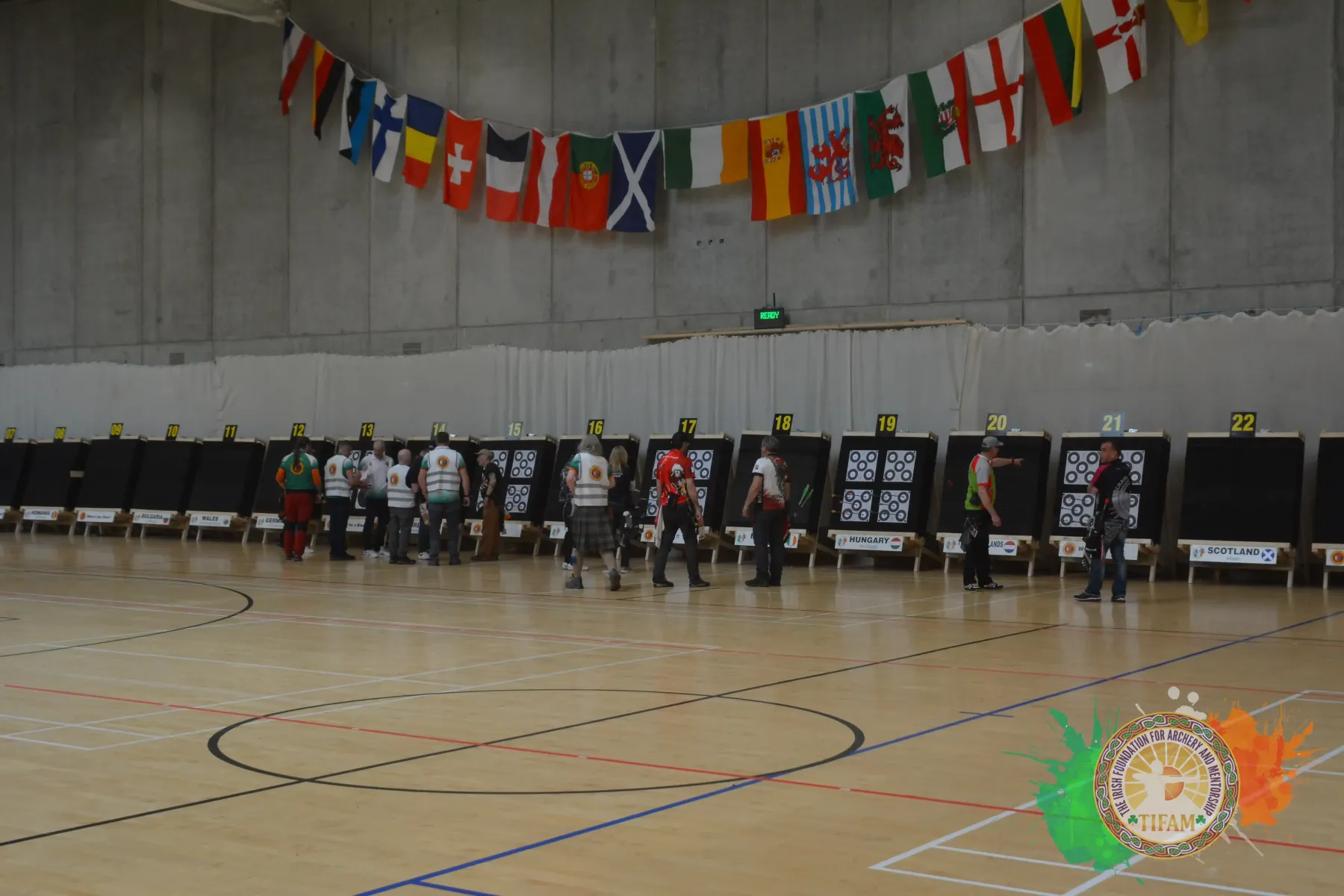
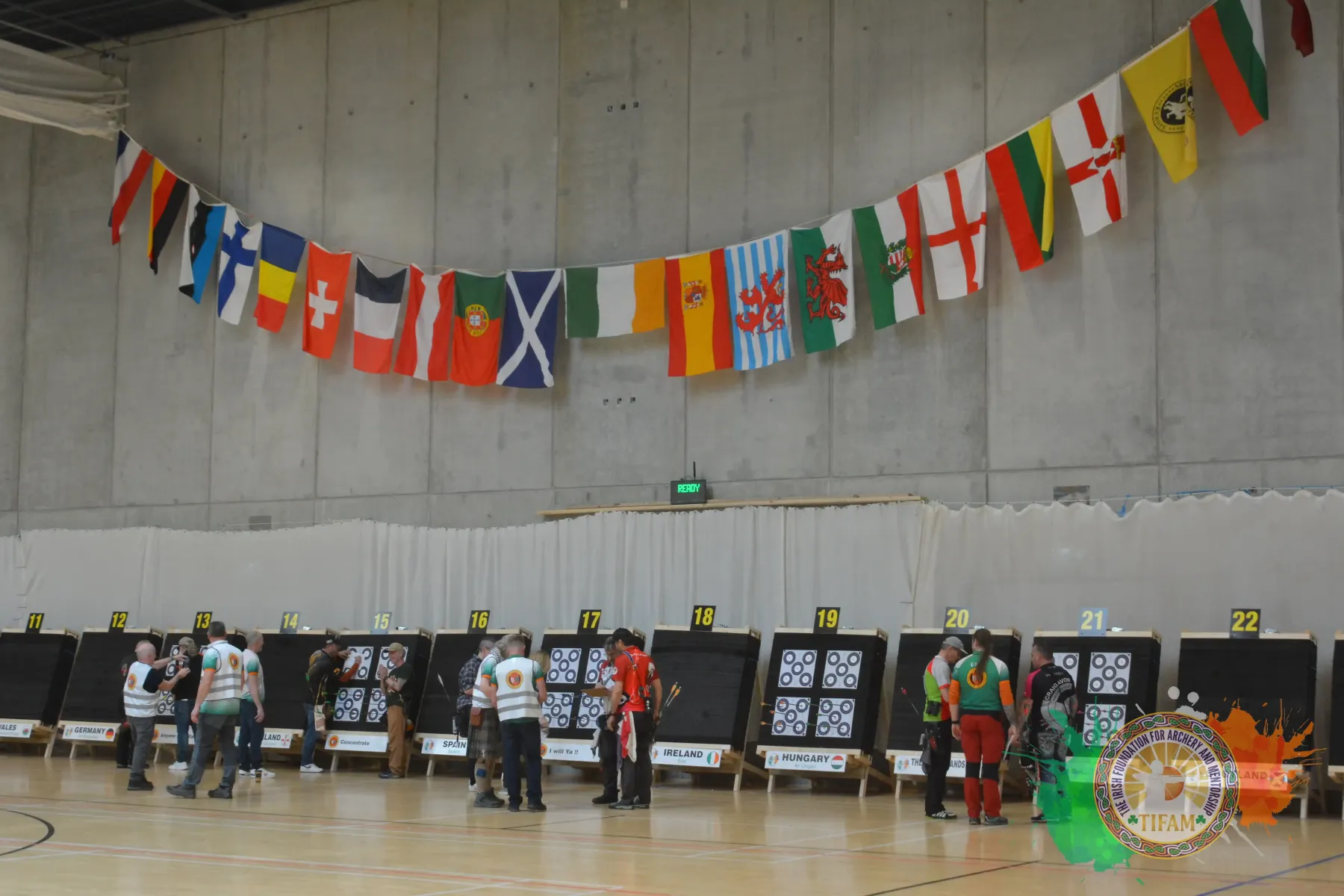
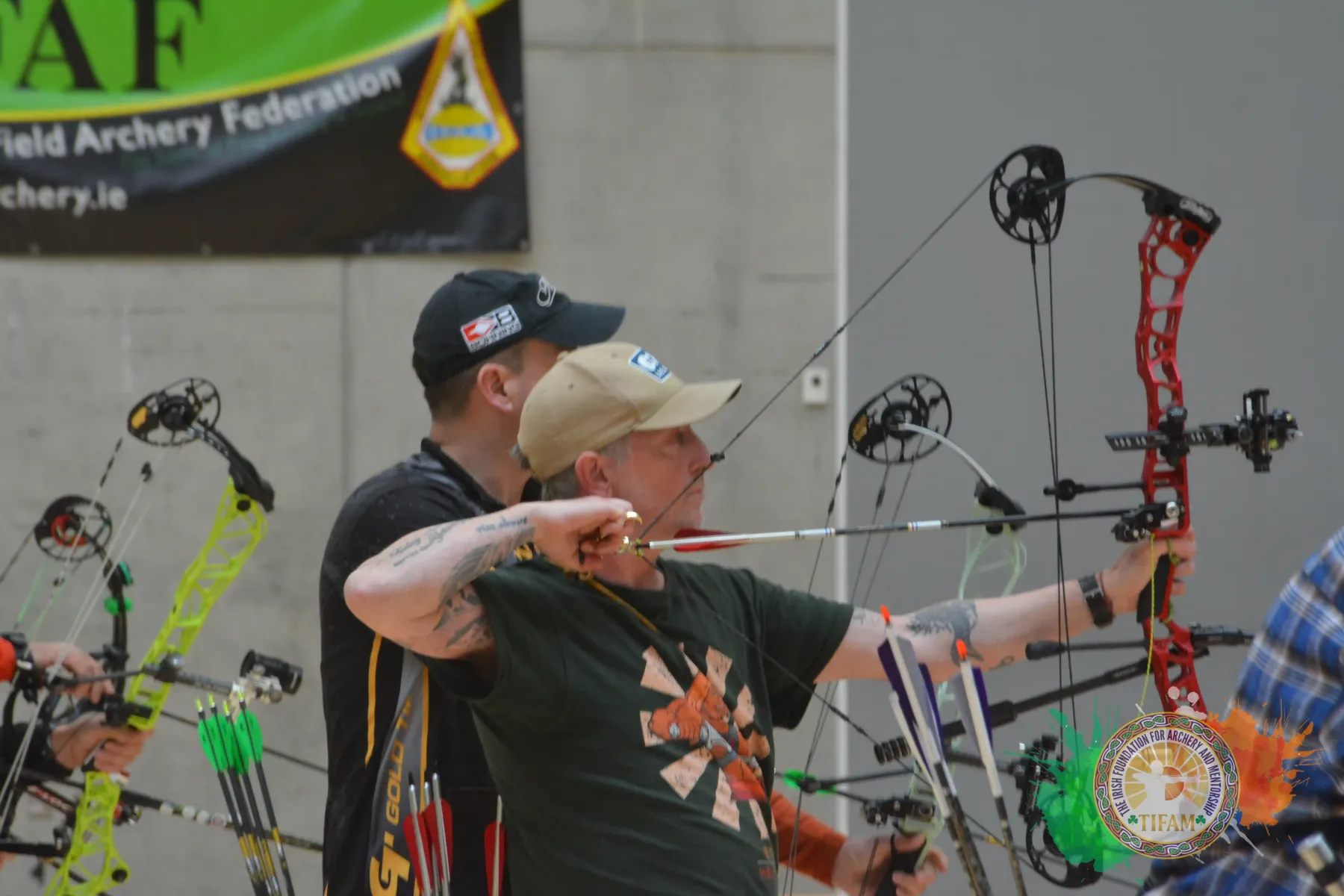
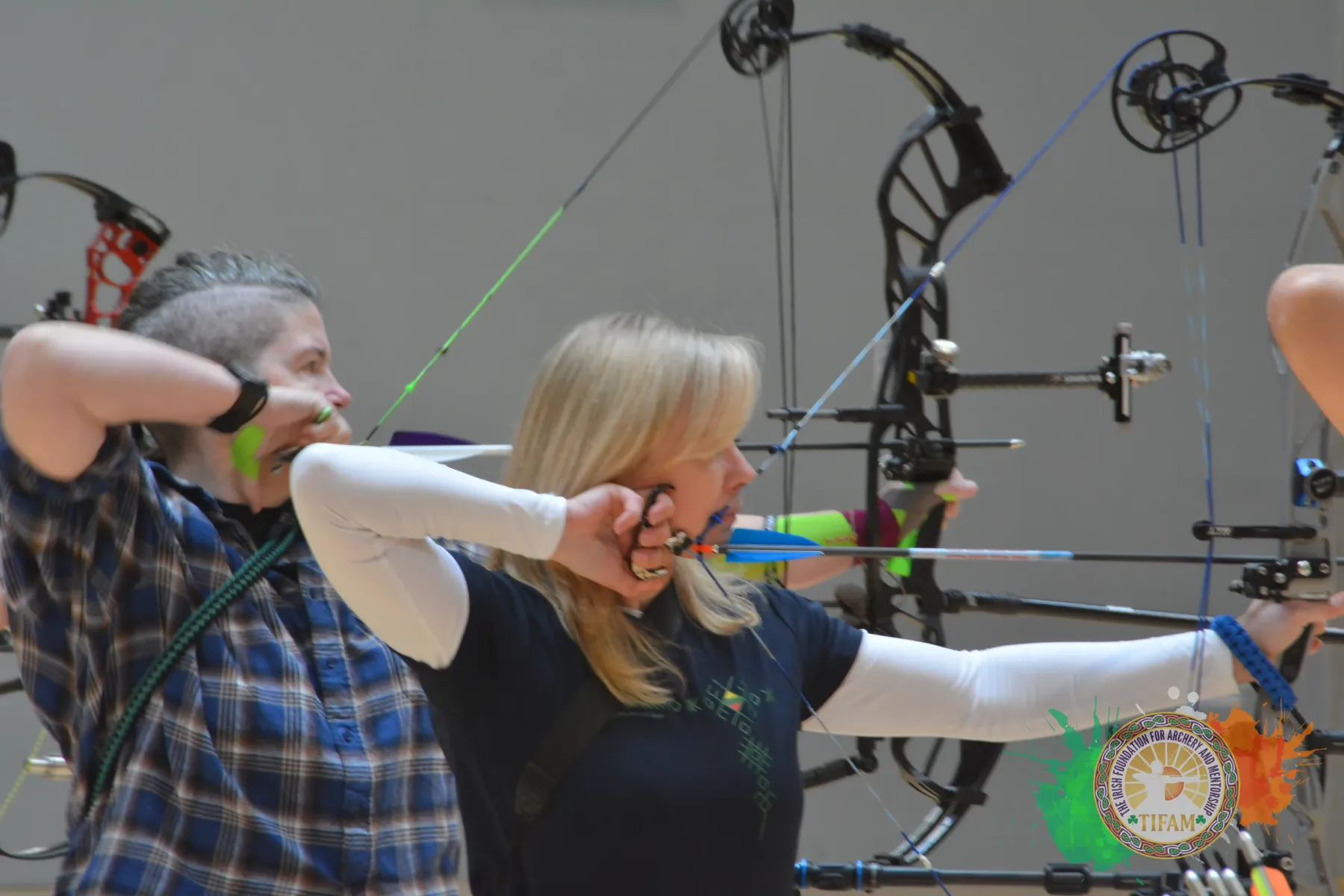
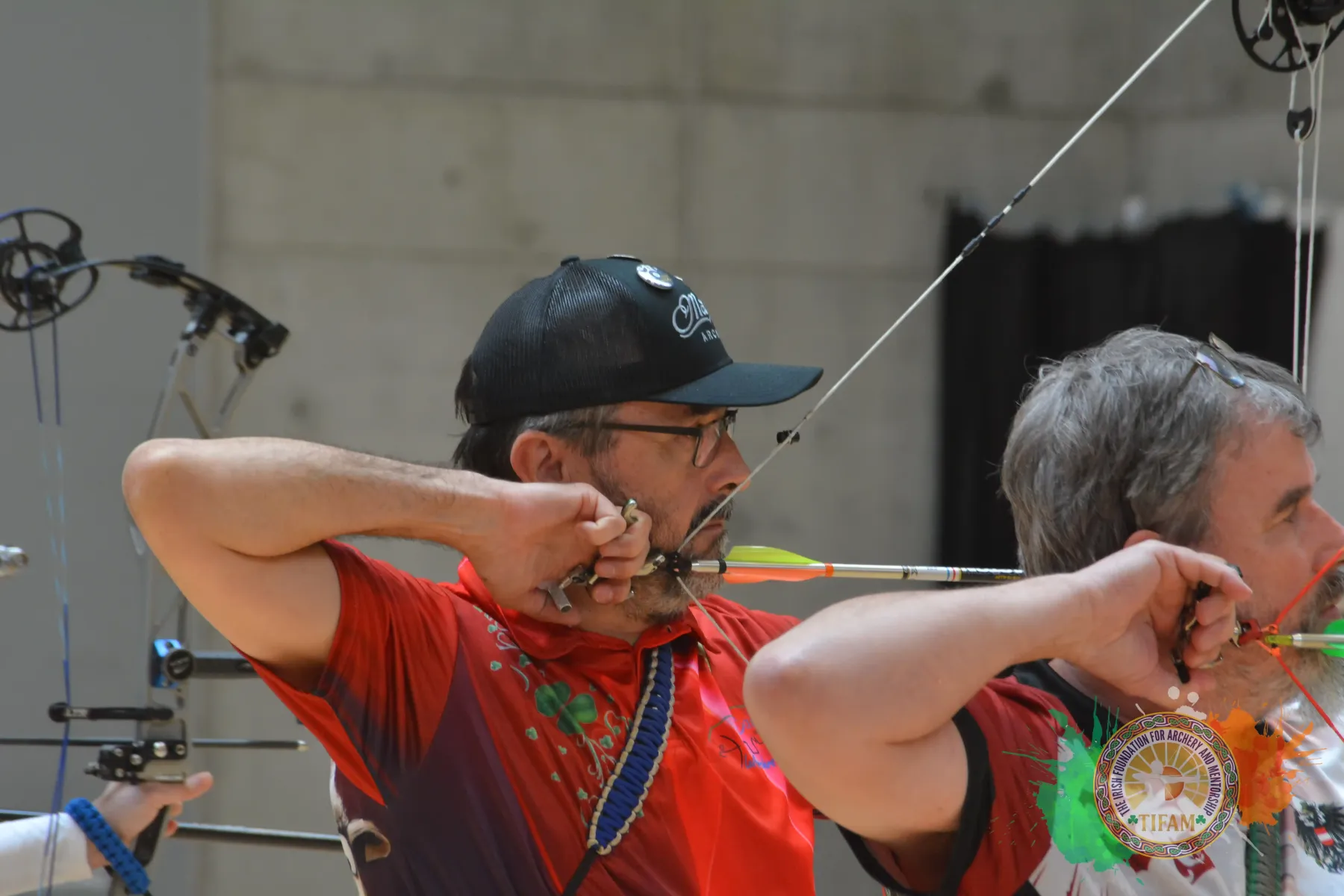
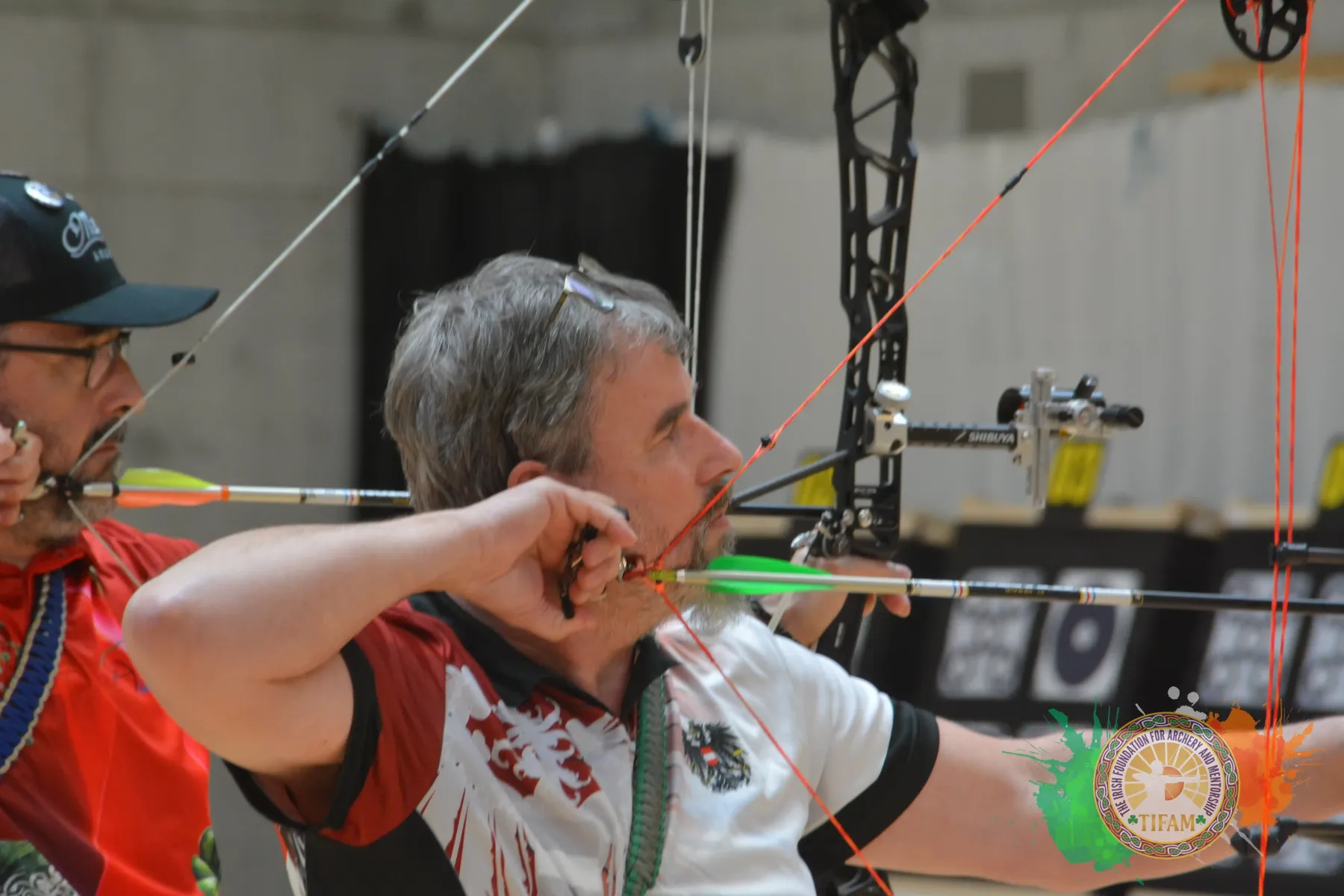
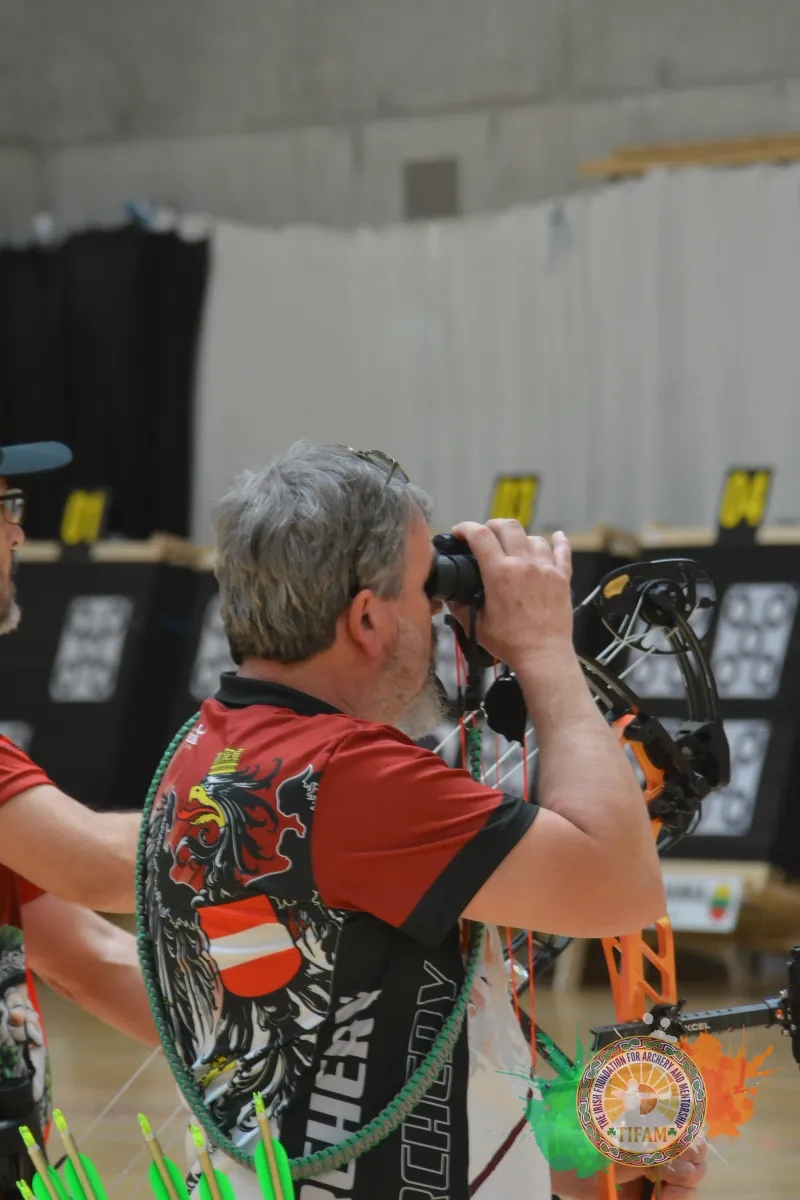
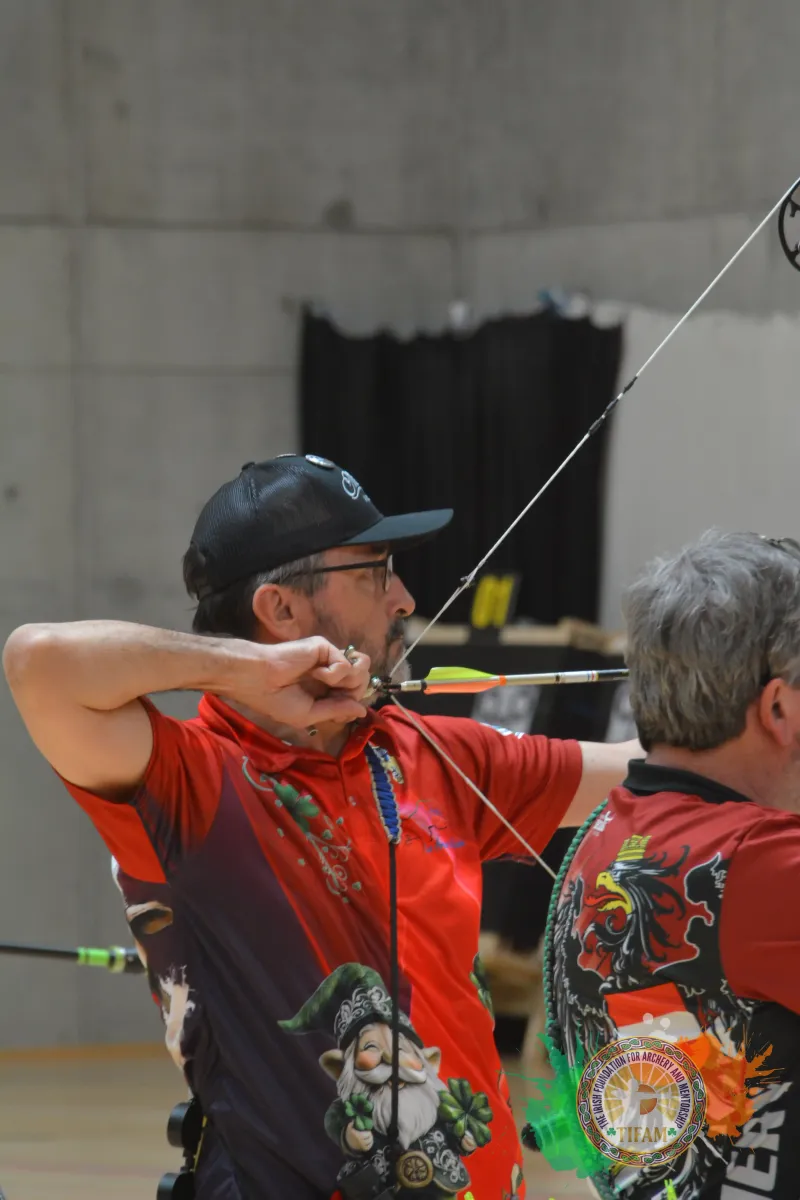
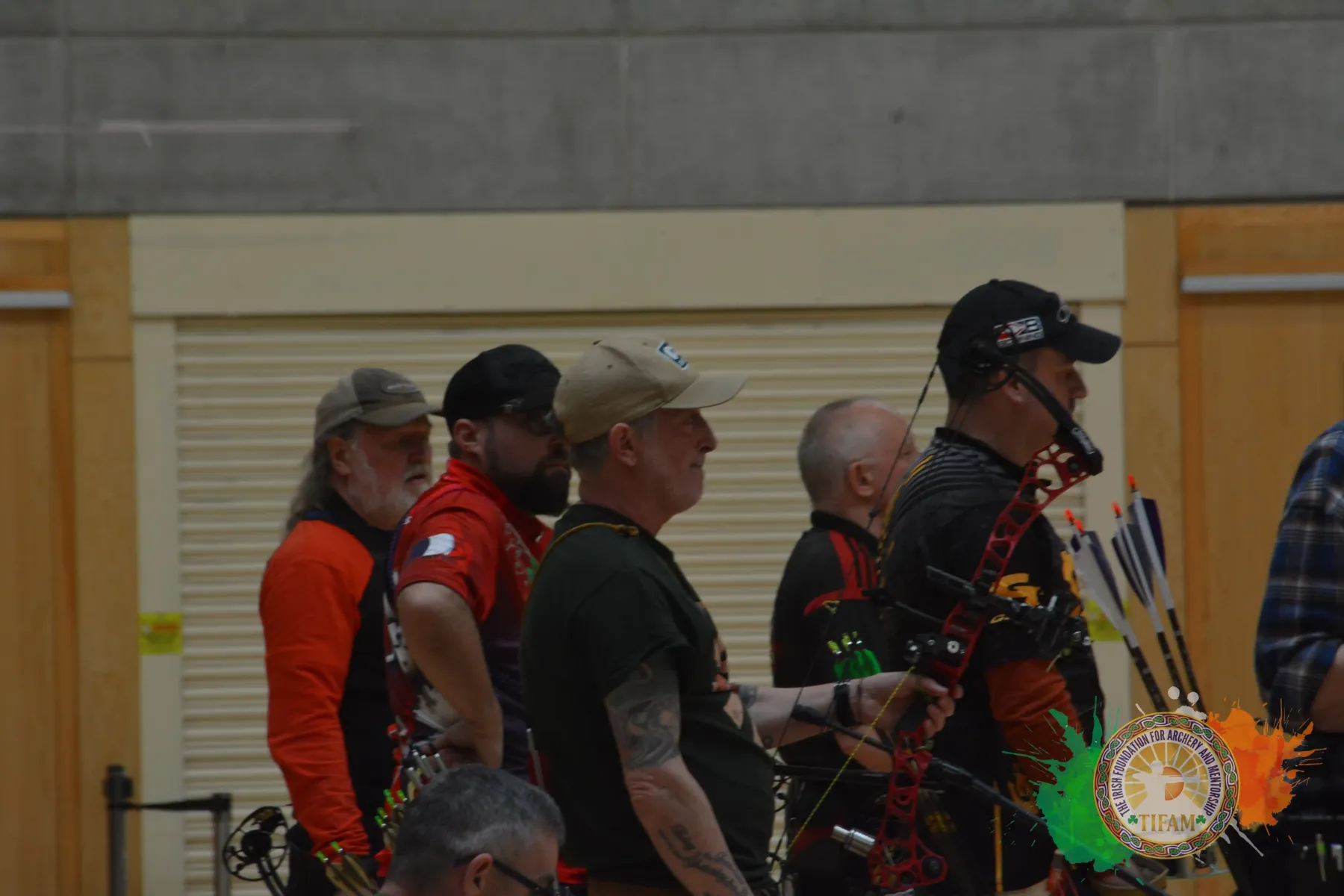
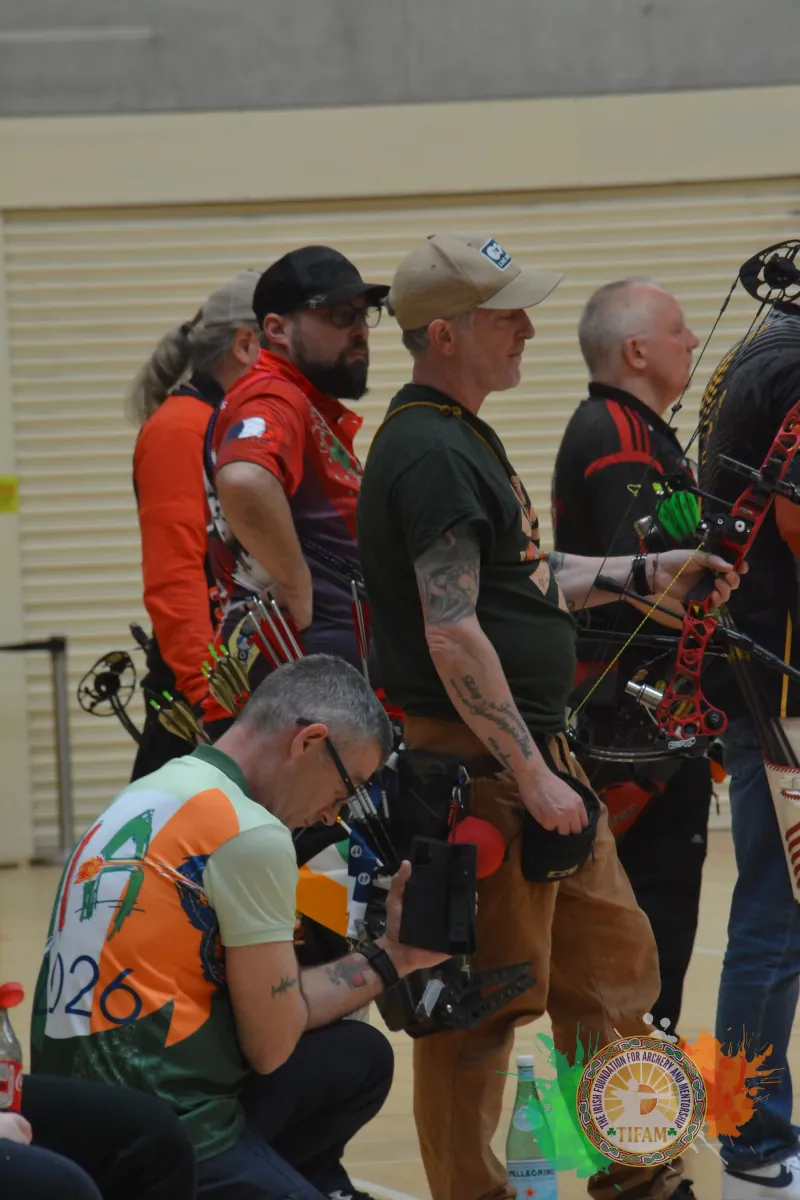
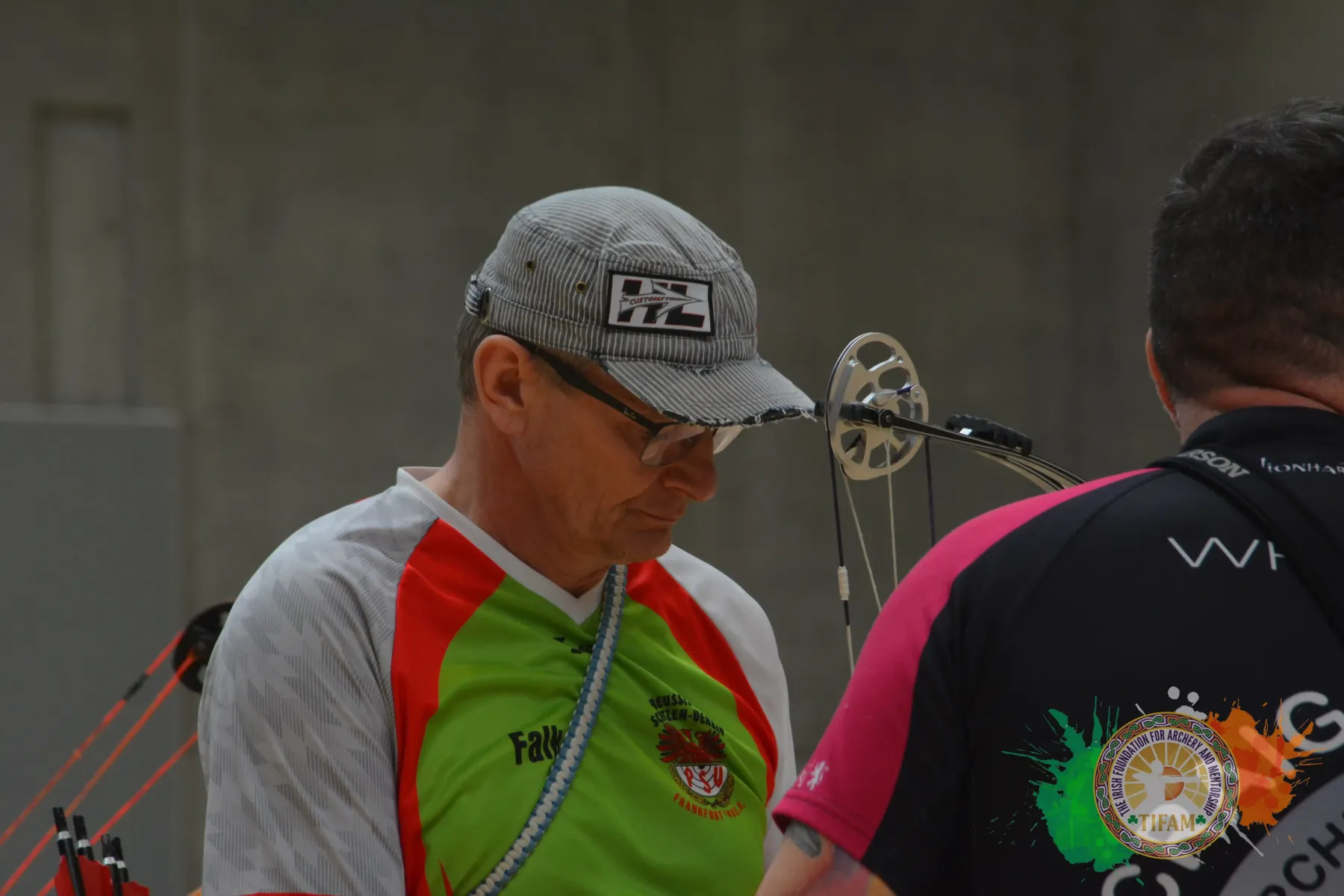
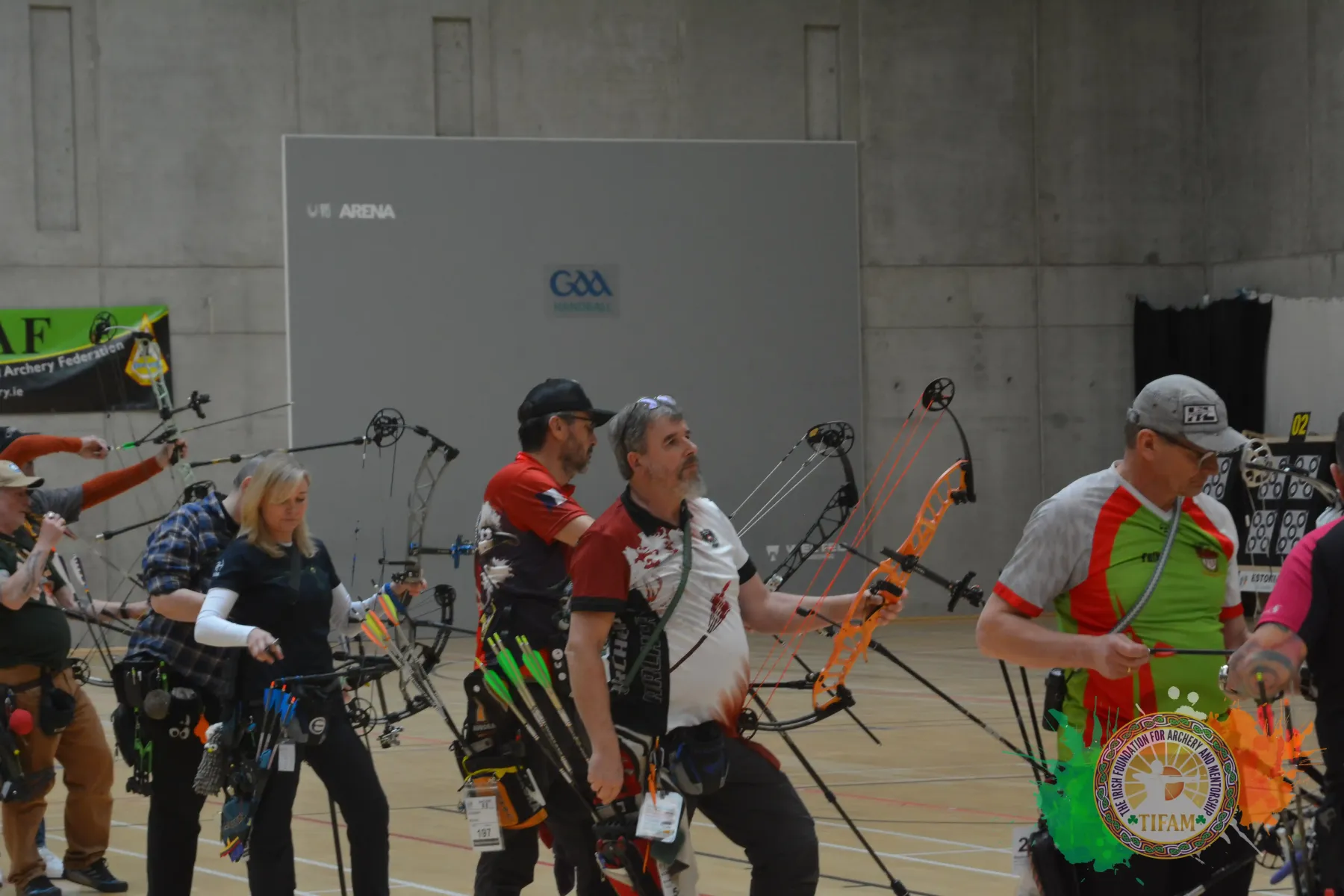
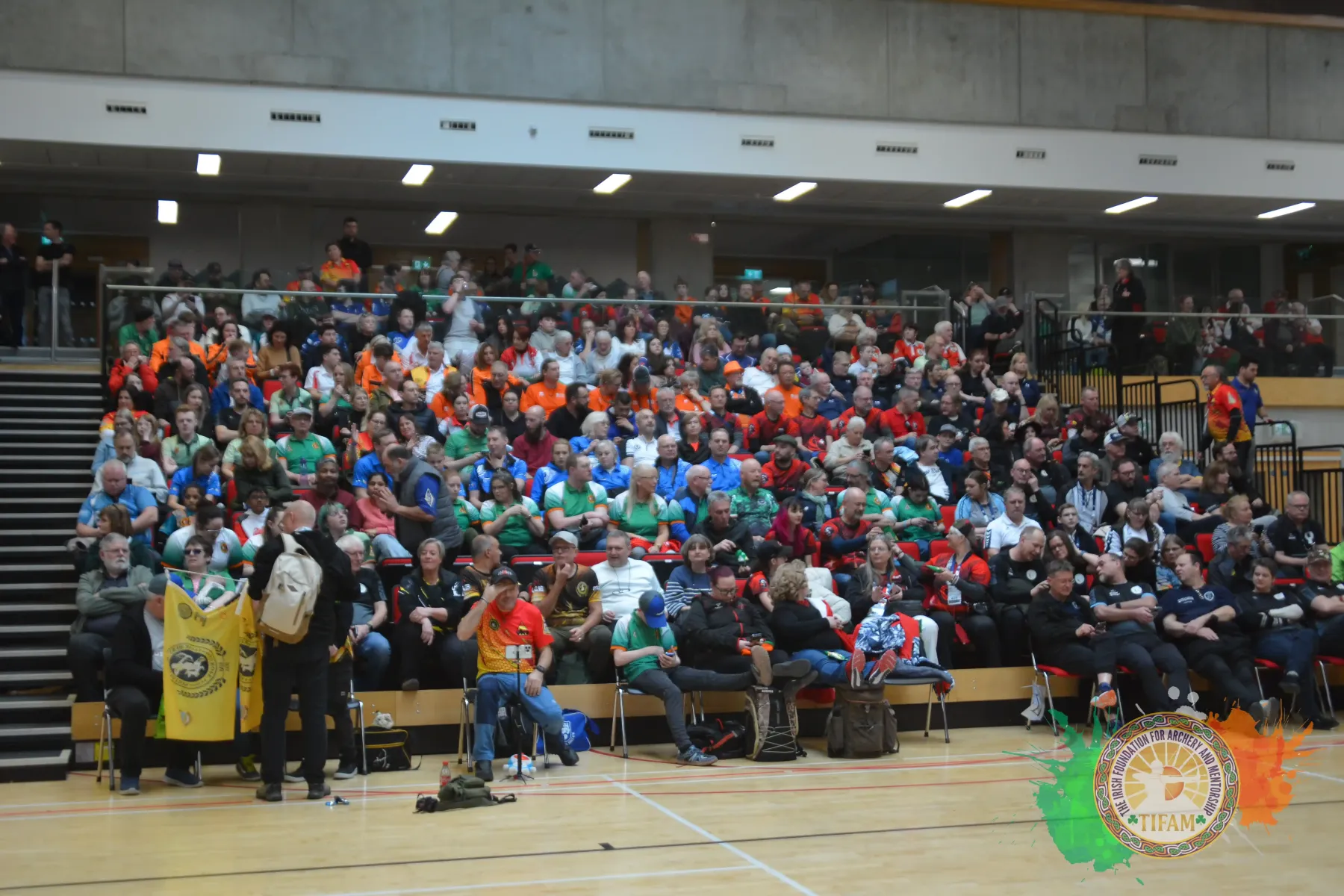
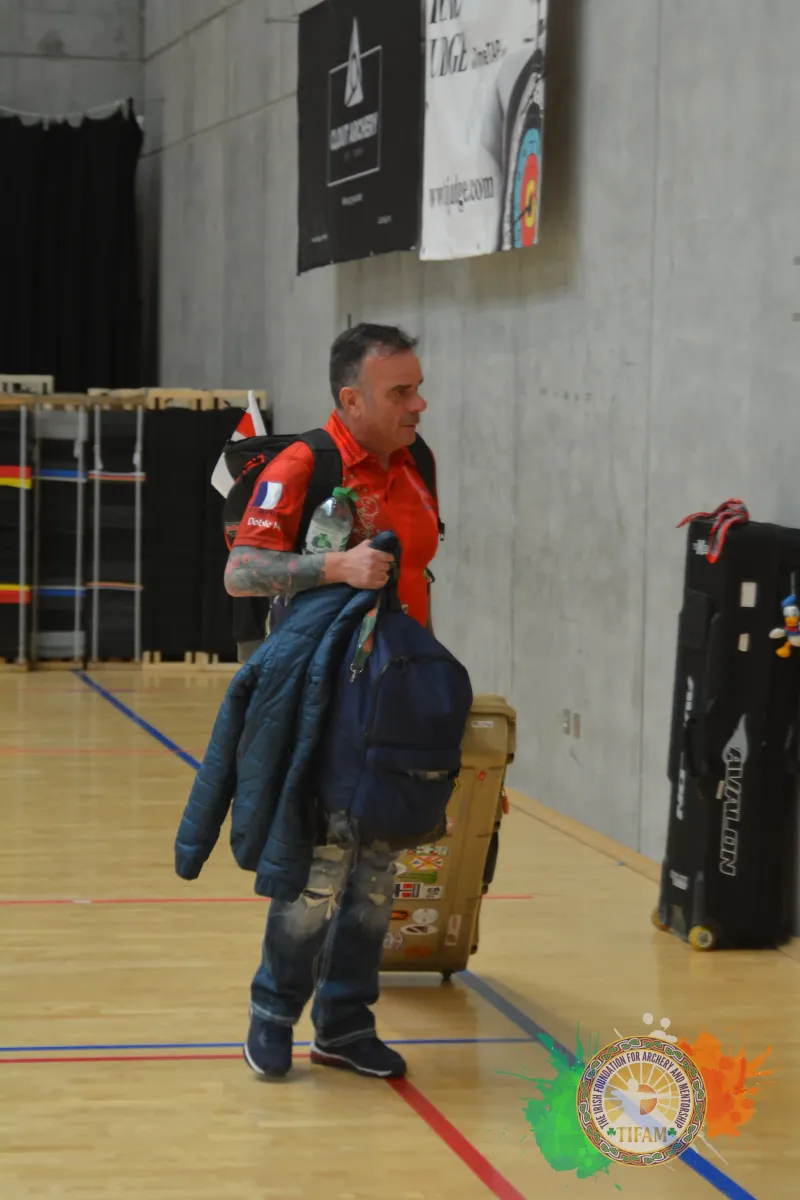
Scale sharpened every one of these demands. Public reporting described 460 archers from more than 20 countries arriving to shoot at the SETU Arena. Numbers at that level change everything. Queues become inevitable. Fatigue becomes predictable. Language differences become normal. A host earns ethical praise when the organising team treats crowd pressure as a design problem, then builds the venue’s “yes” into the floor itself. Signage belongs where tired eyes land after travel, so movement stays purposeful instead of anxious. Bottlenecks shrink when flows are staged in time as well as in space, with entry, check-in, warm-up, shooting, and retrieval each receiving its own rhythm. Marshal presence does more than direct bodies; it makes the boundary feel real, which keeps spectators from edging toward risk. Medical readiness carries the same logic, given that support placed near the lived points of strain turns care into something immediate. Practical measures appear on the surface, yet their combined effect declares a moral choice: dignity sets the pace.
Fairness also depends upon the feel of procedure. Competitors accept hard outcomes when processes appear consistent and visible. A clear rhythm on the line matters. Reliable calls establish authority. A recognised route for questions reassures competitors. A stable appeals process gives the wider structure credibility. Together, these features reduce the sense that the institution rules by mood. They also protect officials from personal confrontation, shifting disagreement into a structured channel. In a crowded hall, that shift can decide whether the atmosphere stays calm.
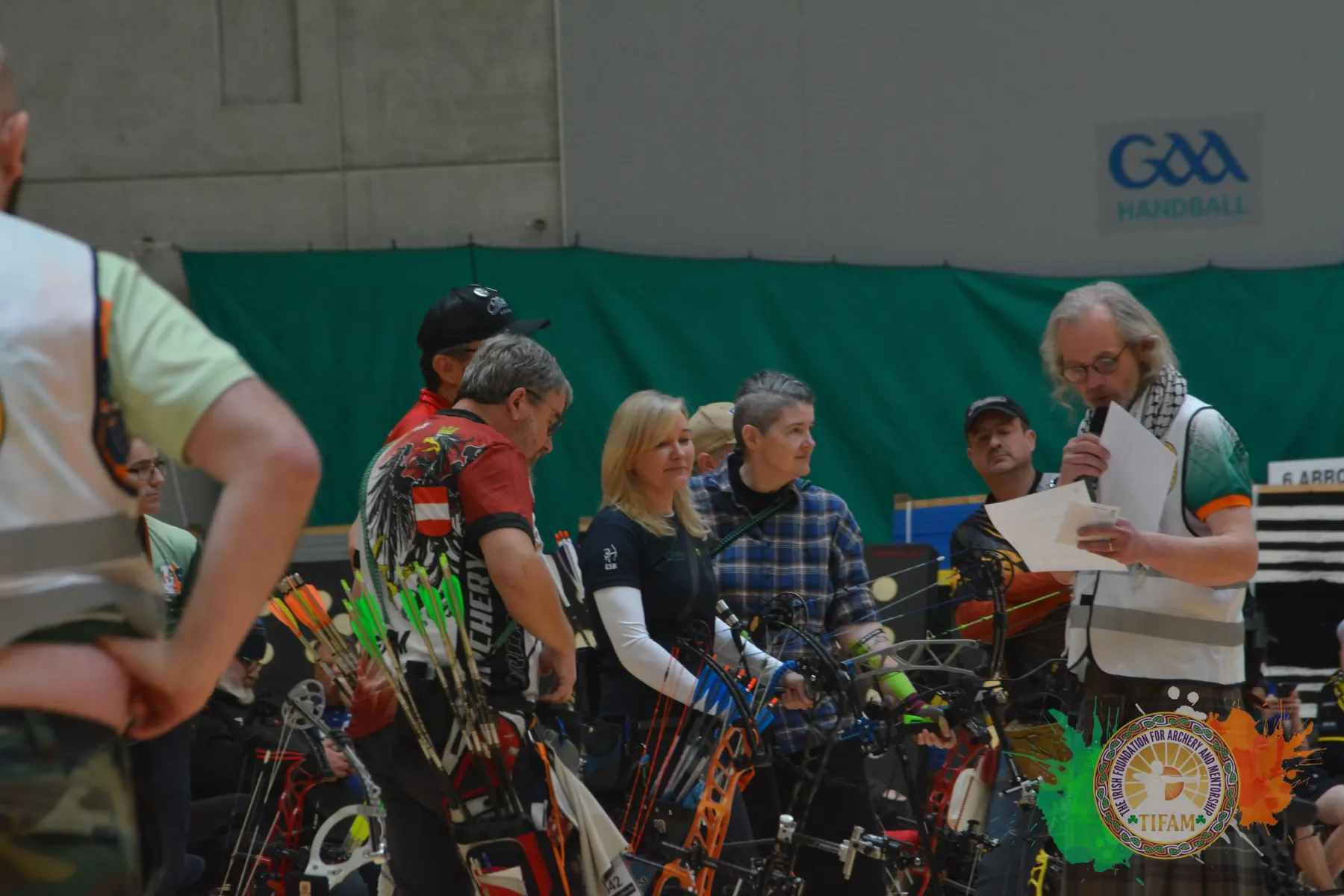
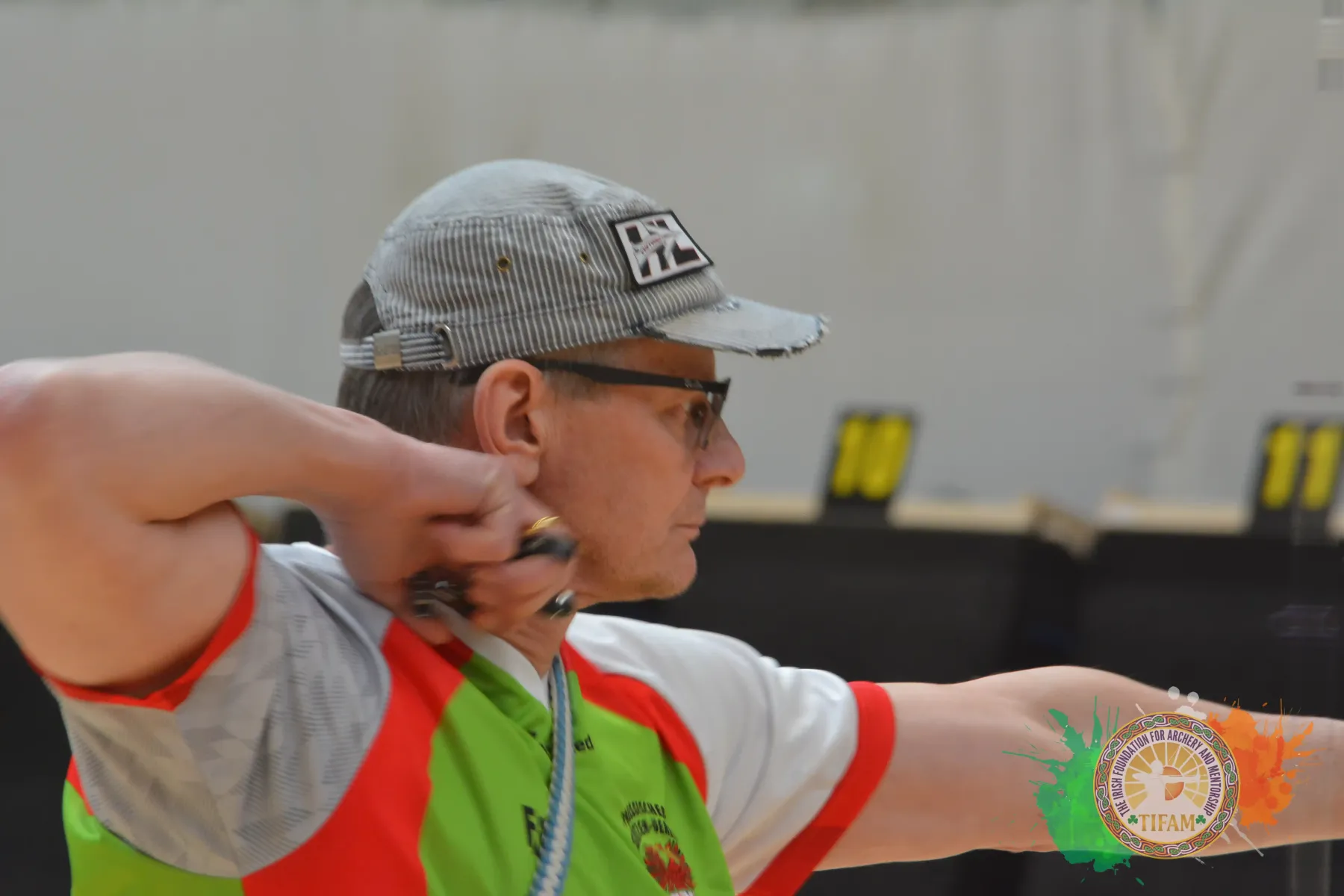
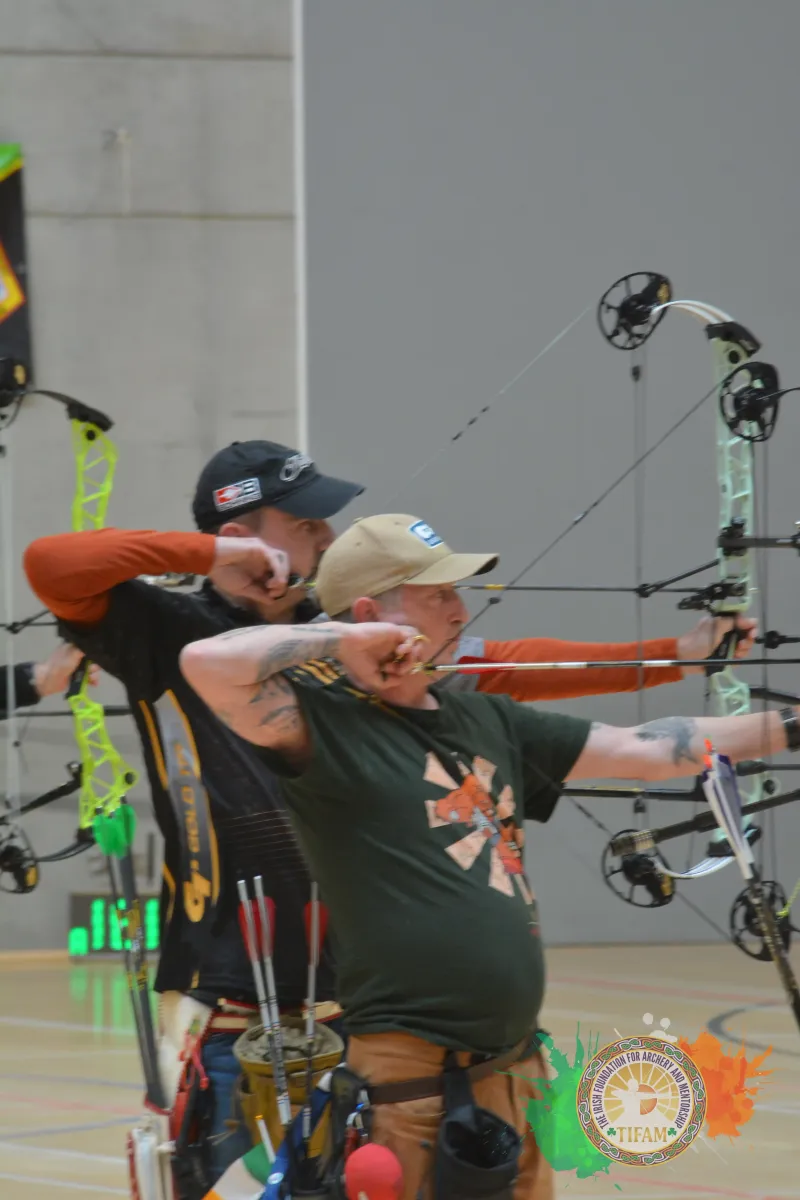
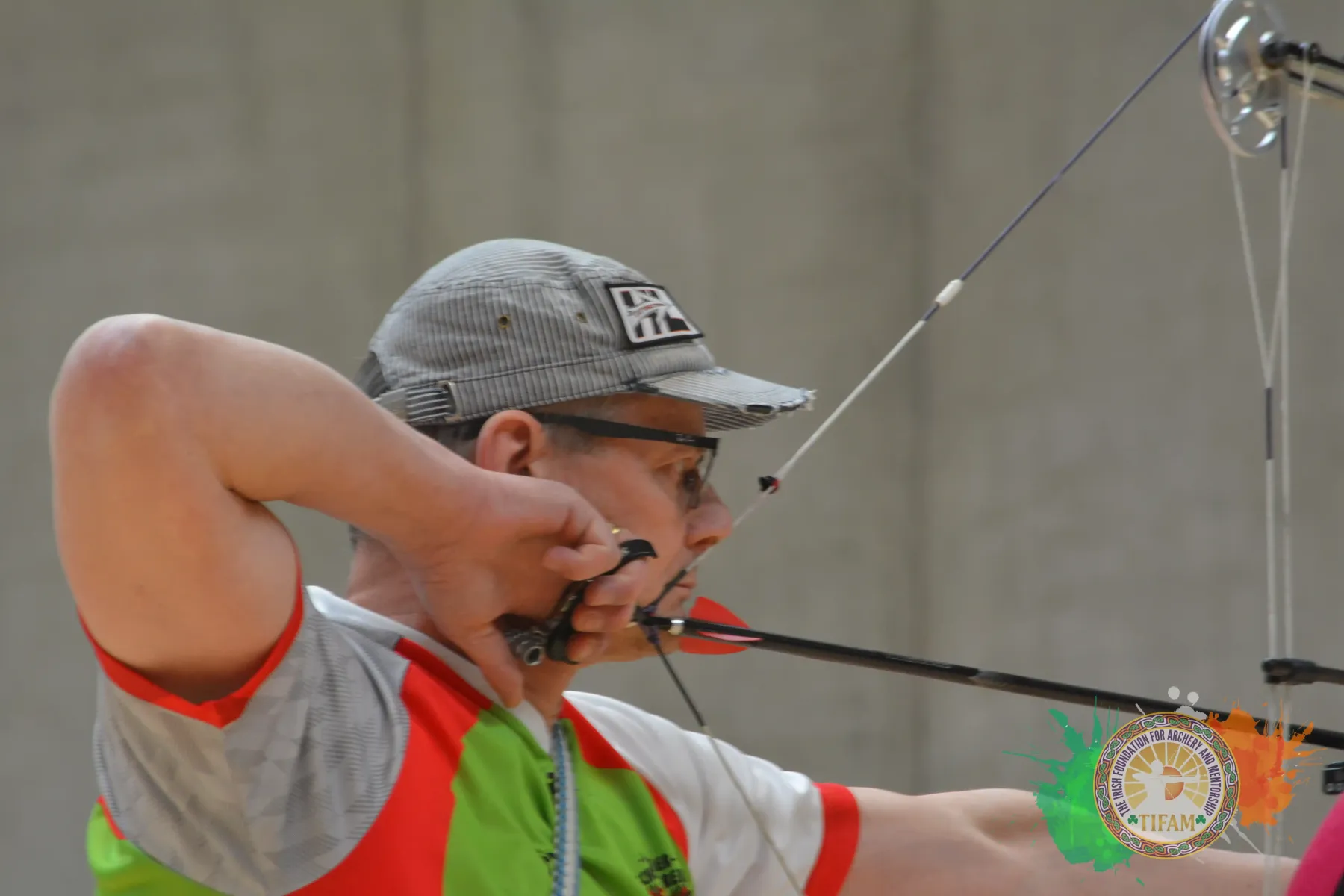
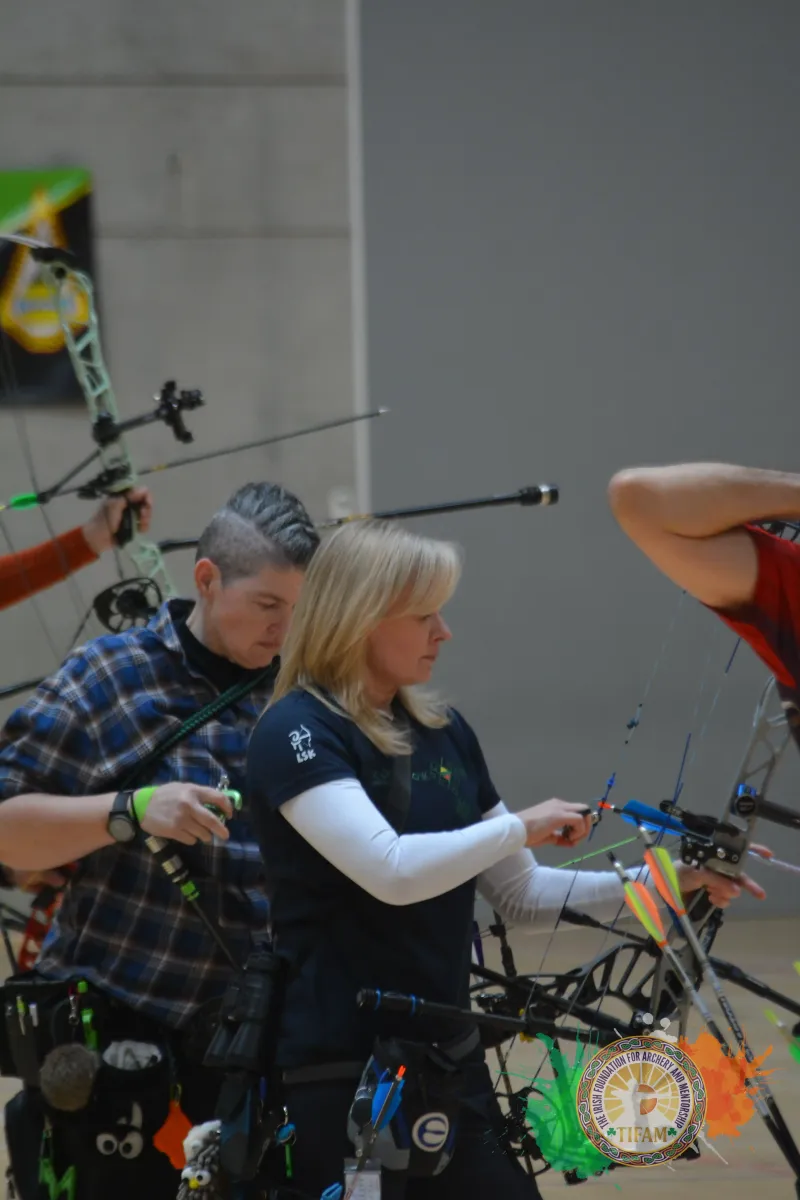
The quality of the organisation made itself felt, as is usually the case in such situations, at the least expected moment. After the results had been summarised, it emerged that five pairs of archers had achieved exactly the same score, so a play-off had to be organised. What followed could easily have become confusion or delay. Instead, from the vantage of one who stood there and watched it unfold, the shoot-out was managed masterfully, both in terms of time and technique. It became a display of complete control and professionalism on the part of the IFAF team. The immediate winners were the archers who prevailed on the line, yet the first and most important victor in that moment was the organising body itself. Through its preparedness, composure, and technical command, IFAF turned a logistical complication into a spectacle of fairness. Procedure revealed its highest value precisely there: under pressure, before a crowd, with reputations and medals still in play.
The same point touches safety again. Indoor ranges place the public near risk. A well-run event communicates safety rules in a way that feels firm yet respectful. Volunteers and marshals become the living voice of that safety culture, repeating guidance patiently until it becomes habit. A safety officer who holds senior authority can reinforce that culture consistently, then adjust operations when conditions change. This is where blueprint thinking becomes concrete: safety belongs in planning, in staffing, in floor layout, in timing decisions, and in the authority structure itself.
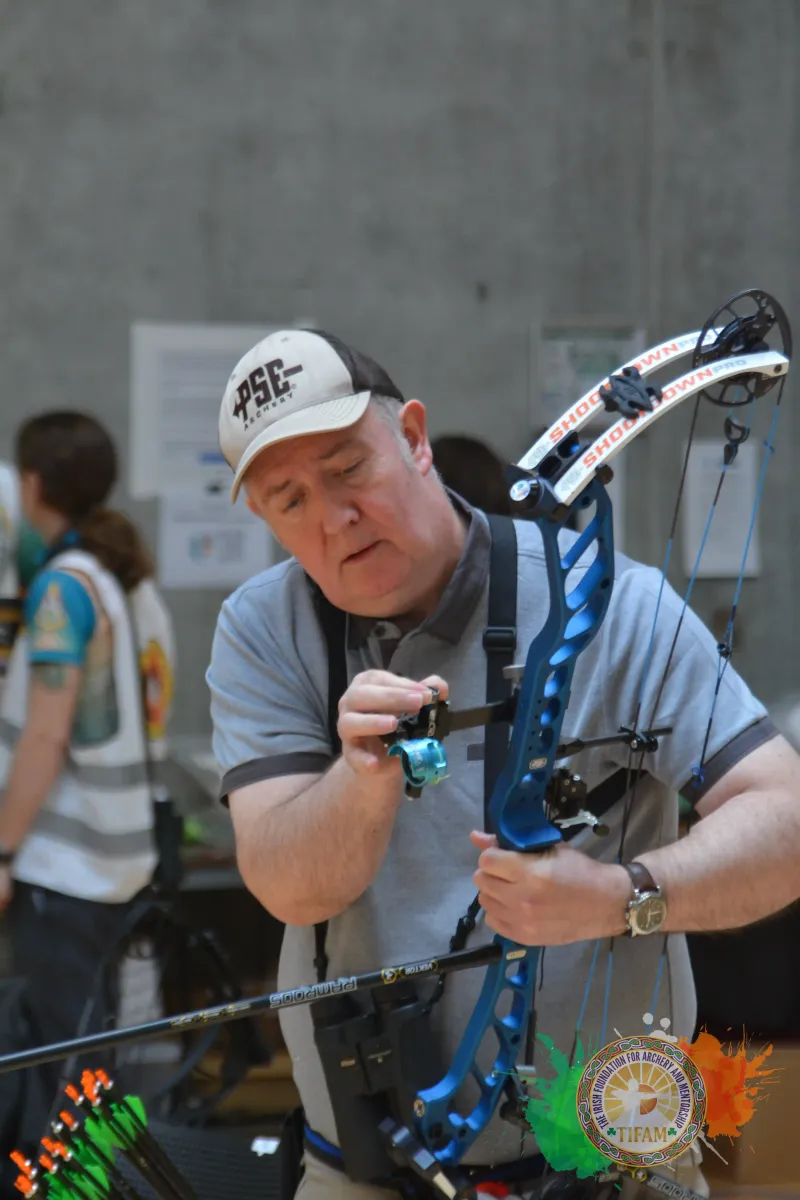
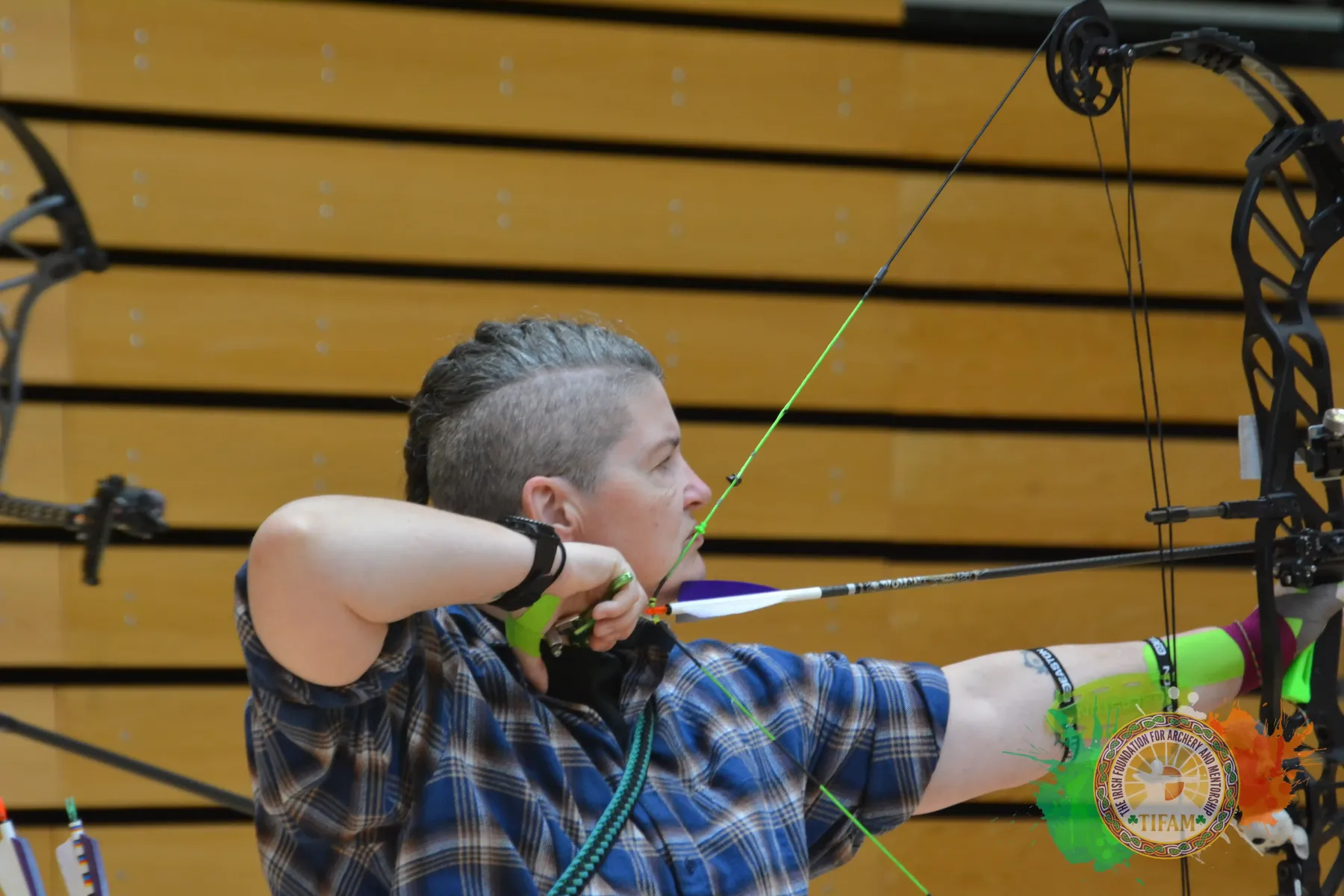
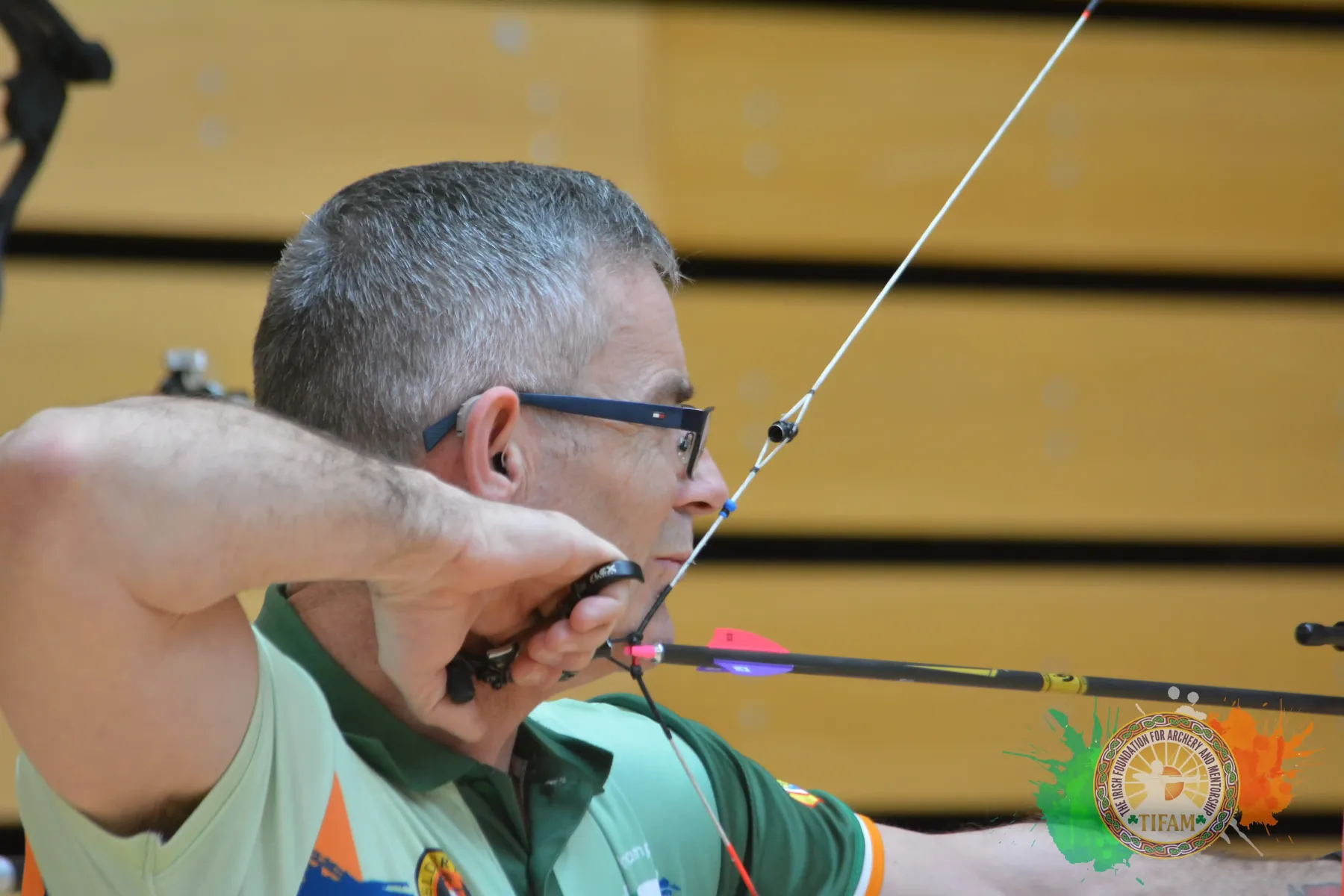
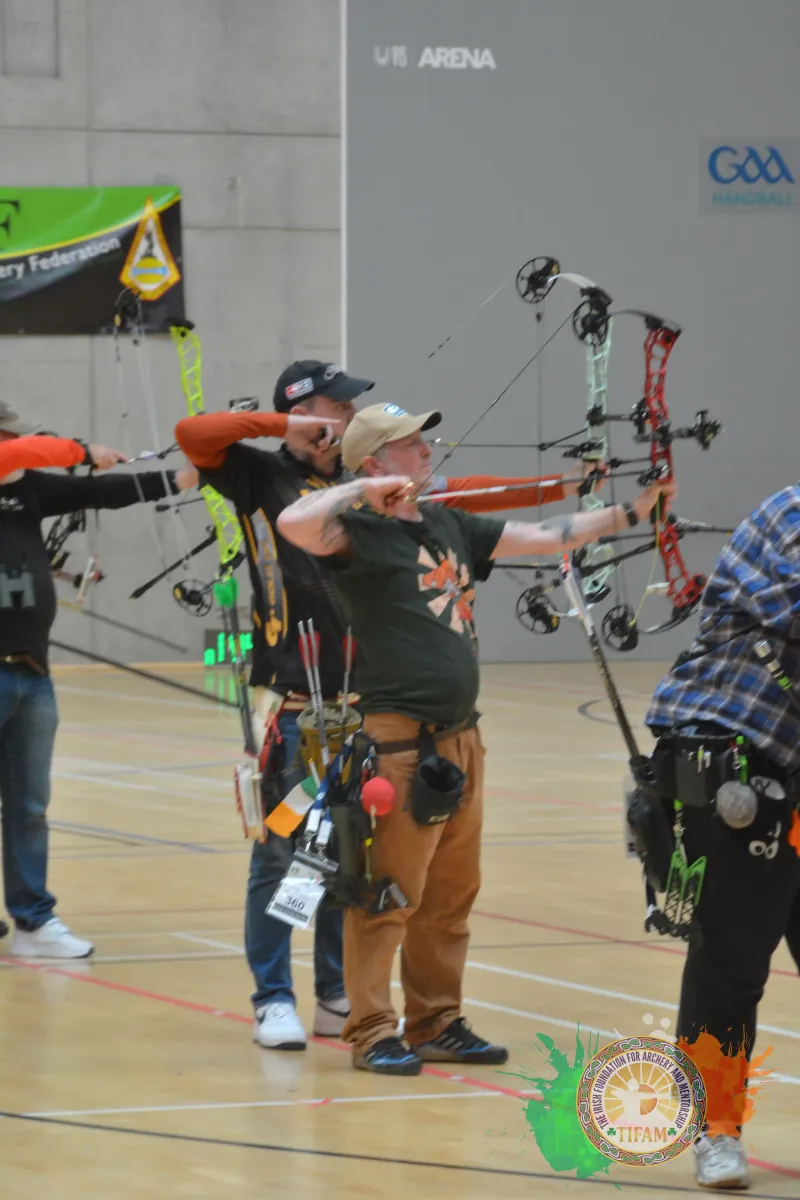
A broader ethical frame also concerns the meaning of the sport. Archery carries goods that appear only when competition remains honest: steady form, disciplined attention, truthful scoring, respect for rivals, care for shared space. Those goods survive only when the event removes avoidable confusion and prevents hidden advantage. Equal conditions on the line, consistent judging, clear equipment checks, and predictable timing all help skill speak clearly. In that sense, IFAF’s organisational success served the sport itself, not merely the schedule.
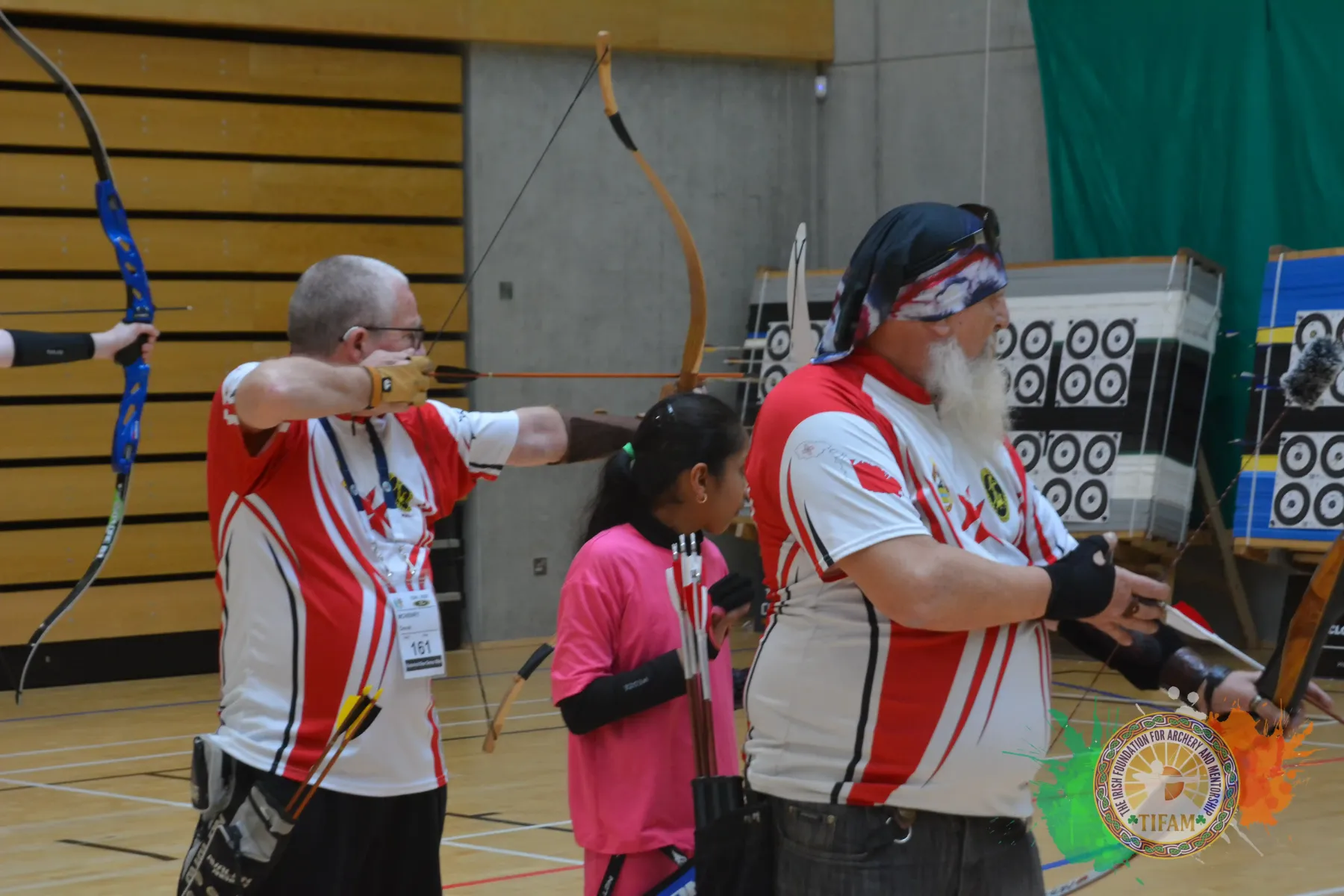
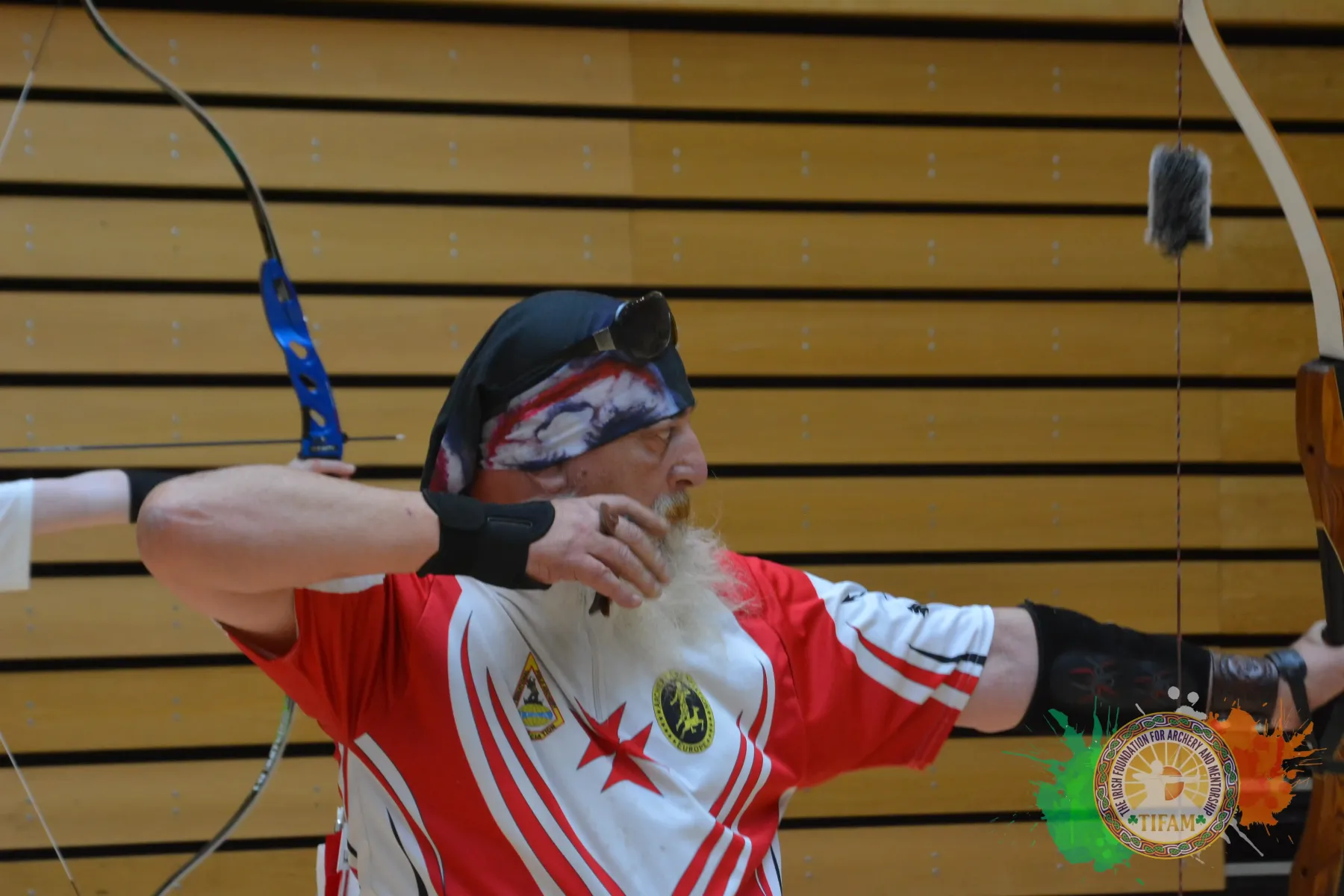
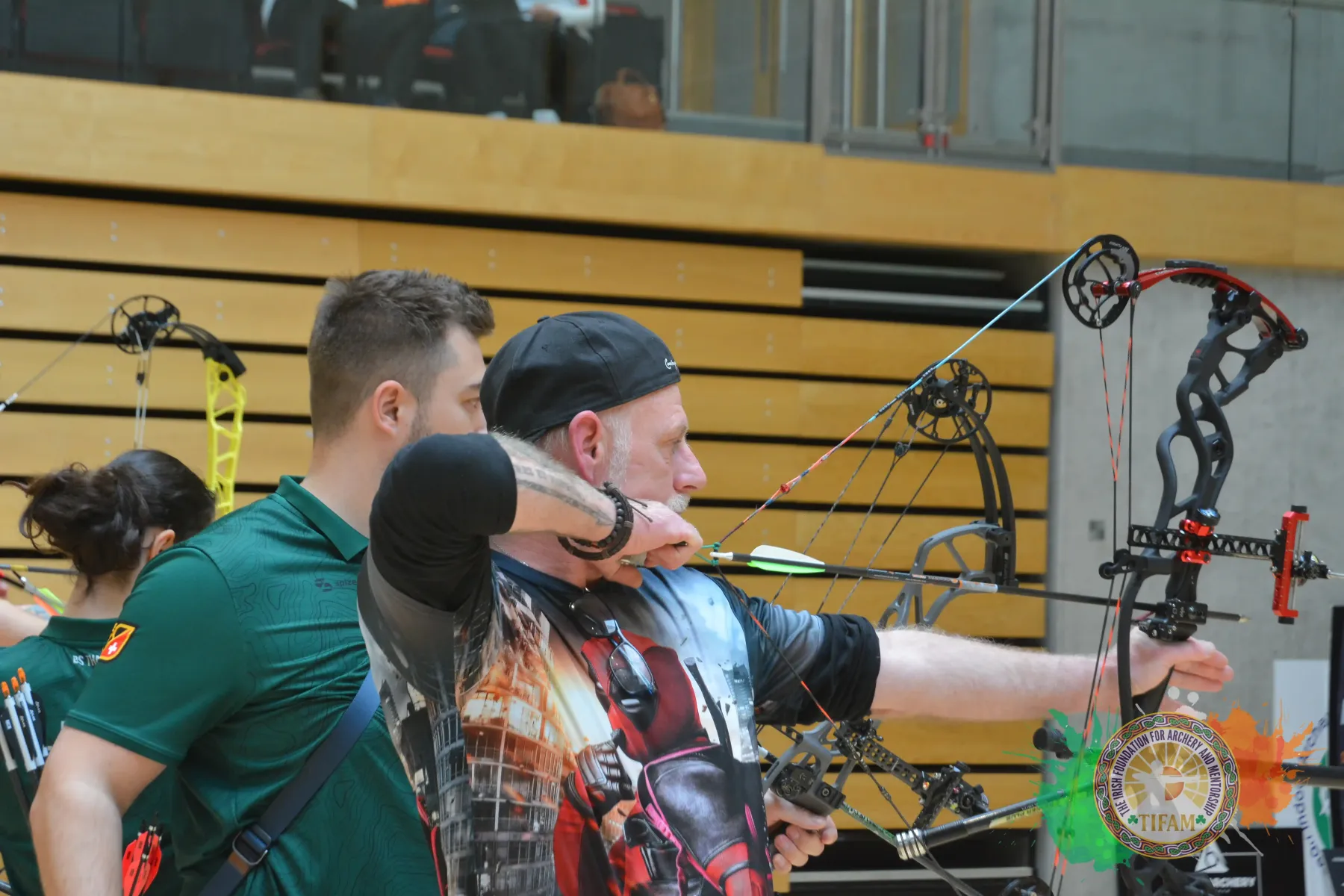
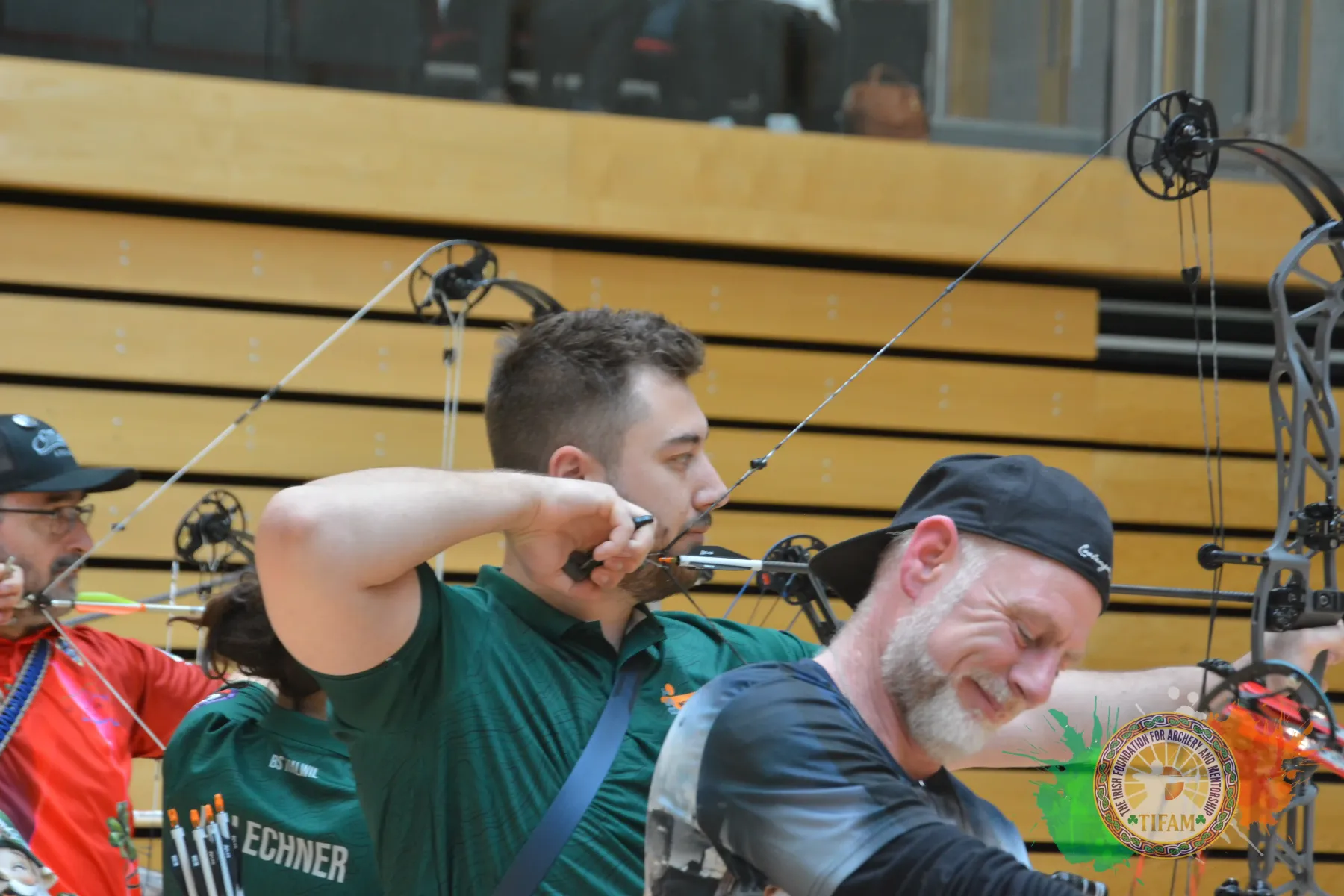
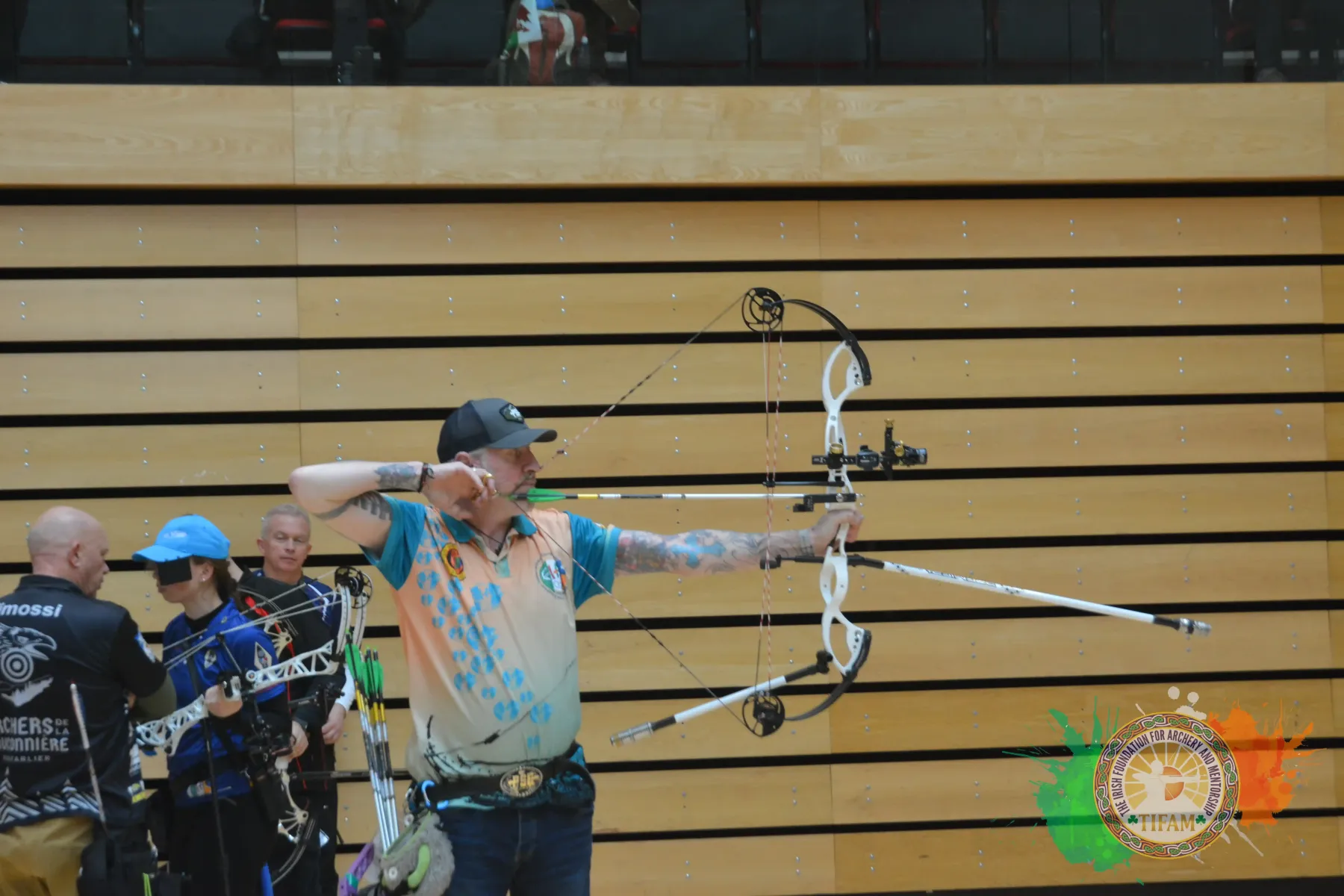
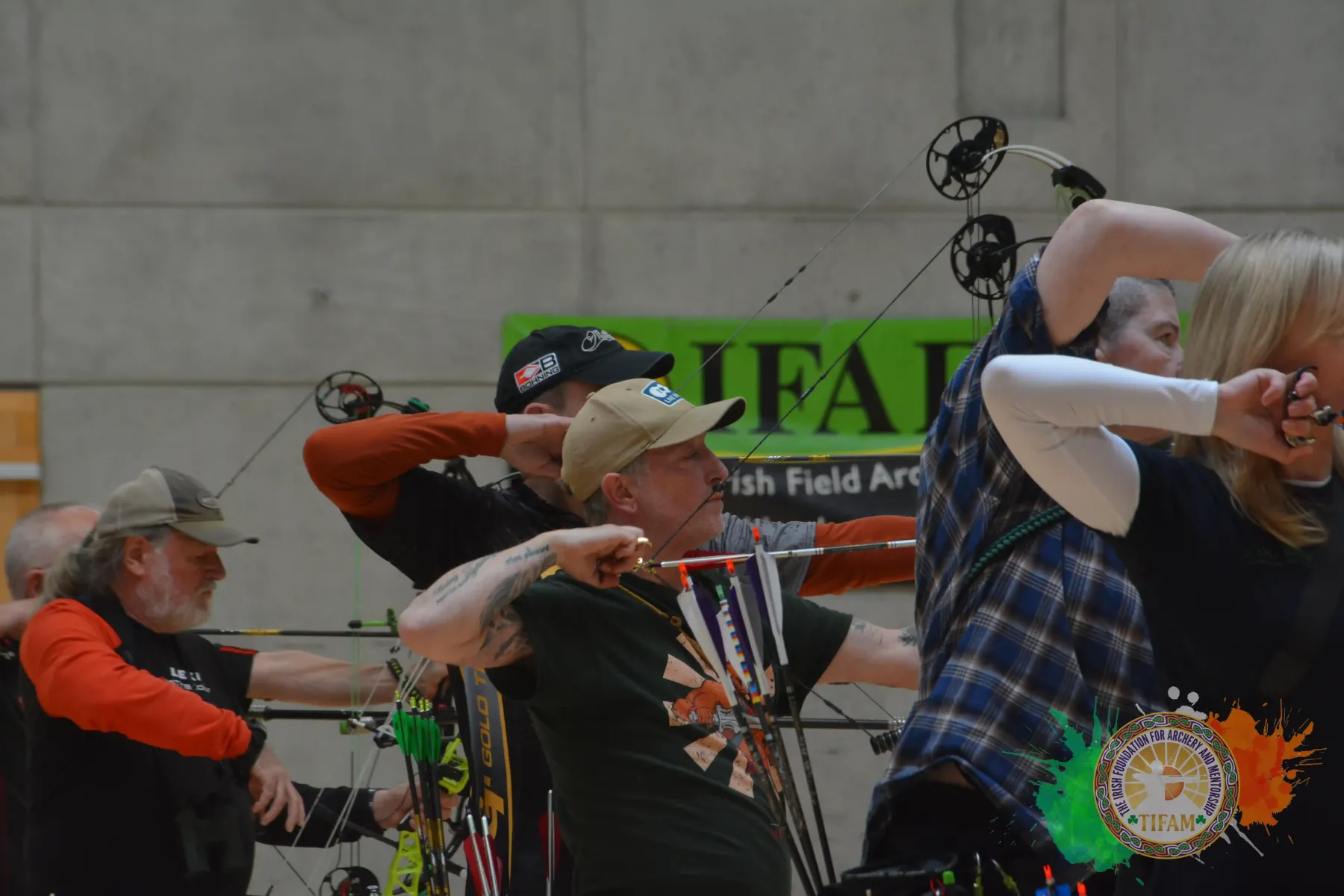
Play takes its meaning from agreed boundaries. Those boundaries can feel oppressive when they appear arbitrary, yet they can also feel liberating when they hold steady. EIAC 2026 showed the liberating form. A marked line, kept consistent, gave competitors a stable world. A sound-prompt sequence, repeated faithfully, gave bodies a shared rhythm. A clear separation between shooting space and spectator space gave safety its proper dignity. The crowd learned the rules through living repetition, then the hall quieted into concentration.
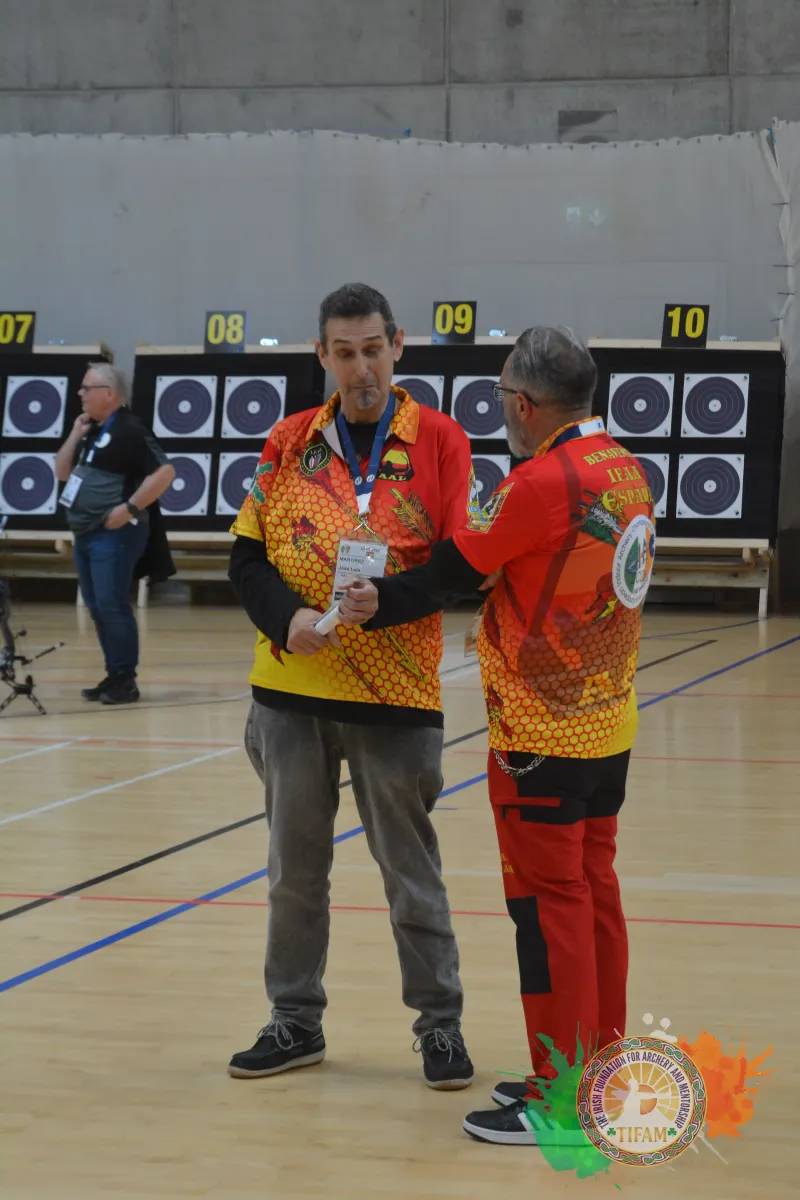
Social trust in such settings grows through role clarity and visible cues. A badge that matches a function. A station that stays in its place. An instruction that matches the posted rule. These small consistencies create a larger confidence: the institution means what it says. Once that confidence exists, participants can disagree inside procedure without treating each other as enemies. Emotional temperature drops. The sport’s seriousness becomes easier to carry.
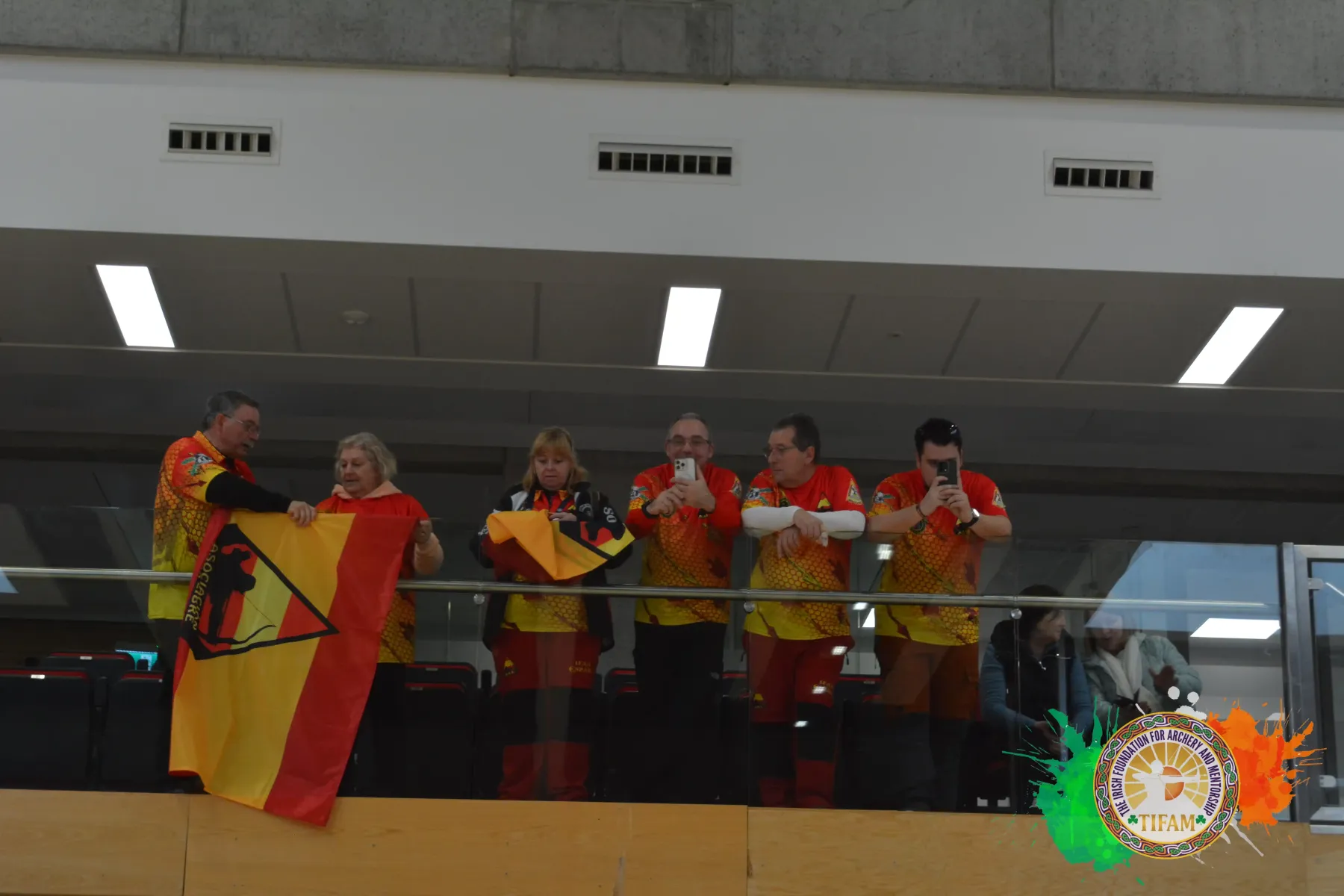
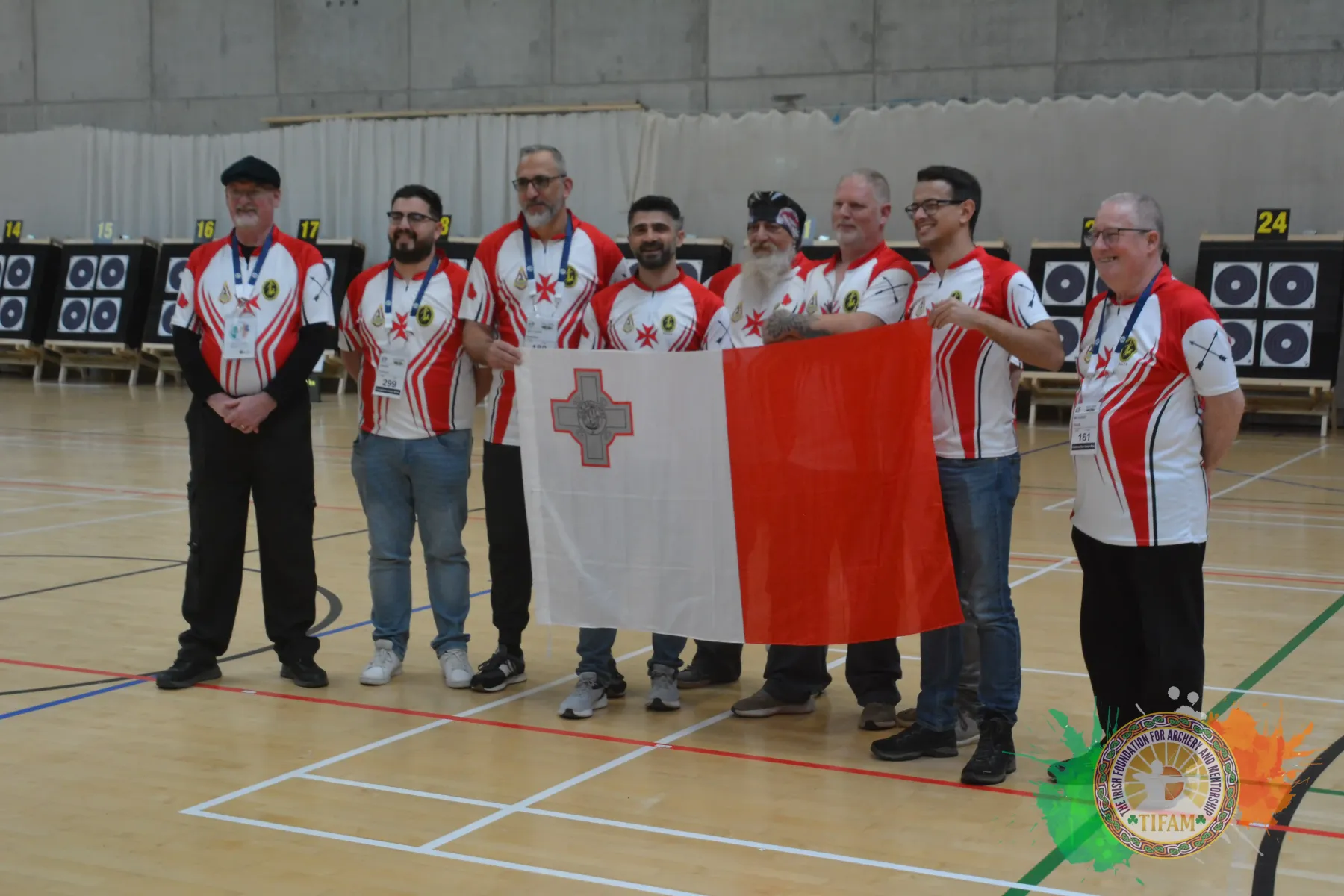
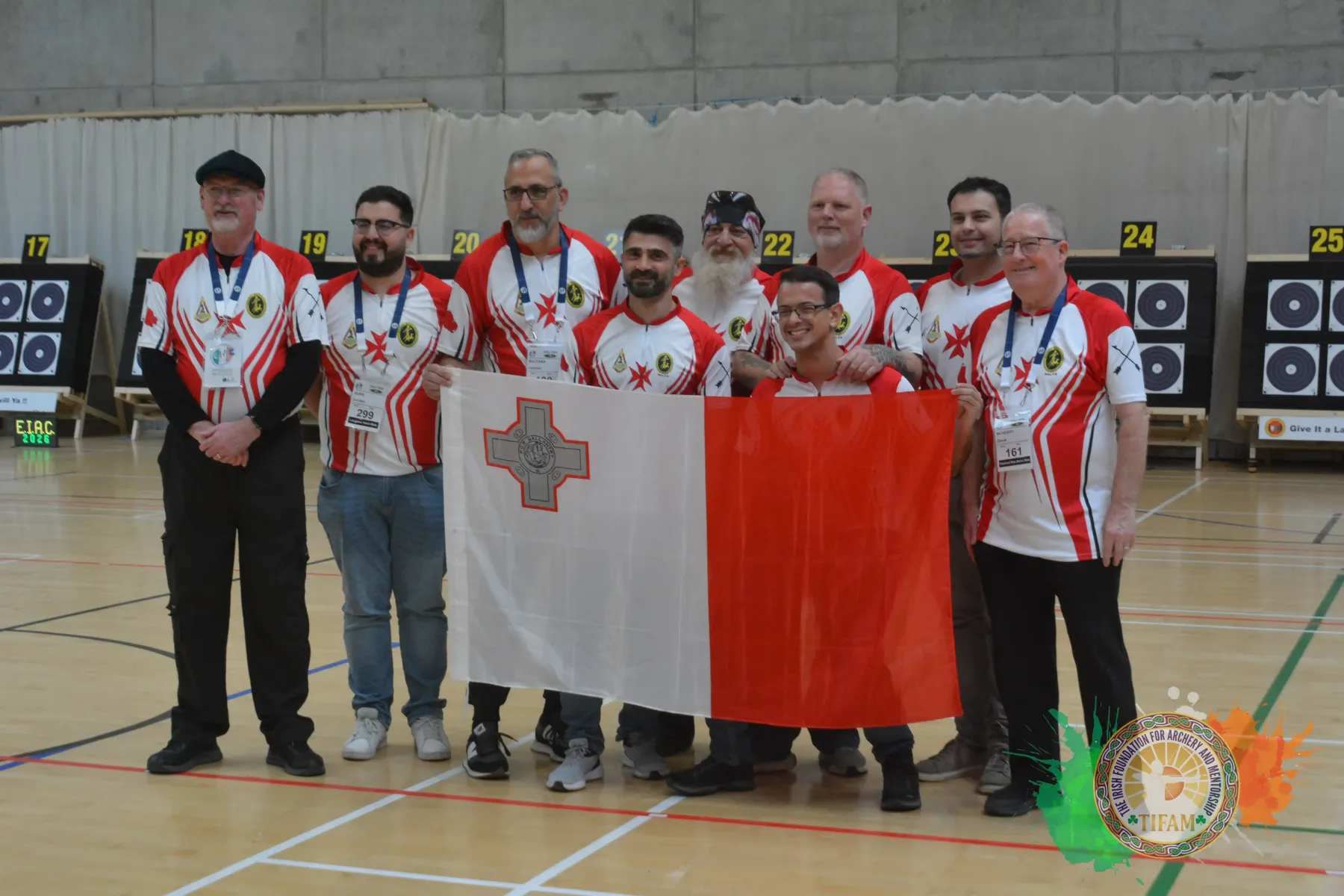
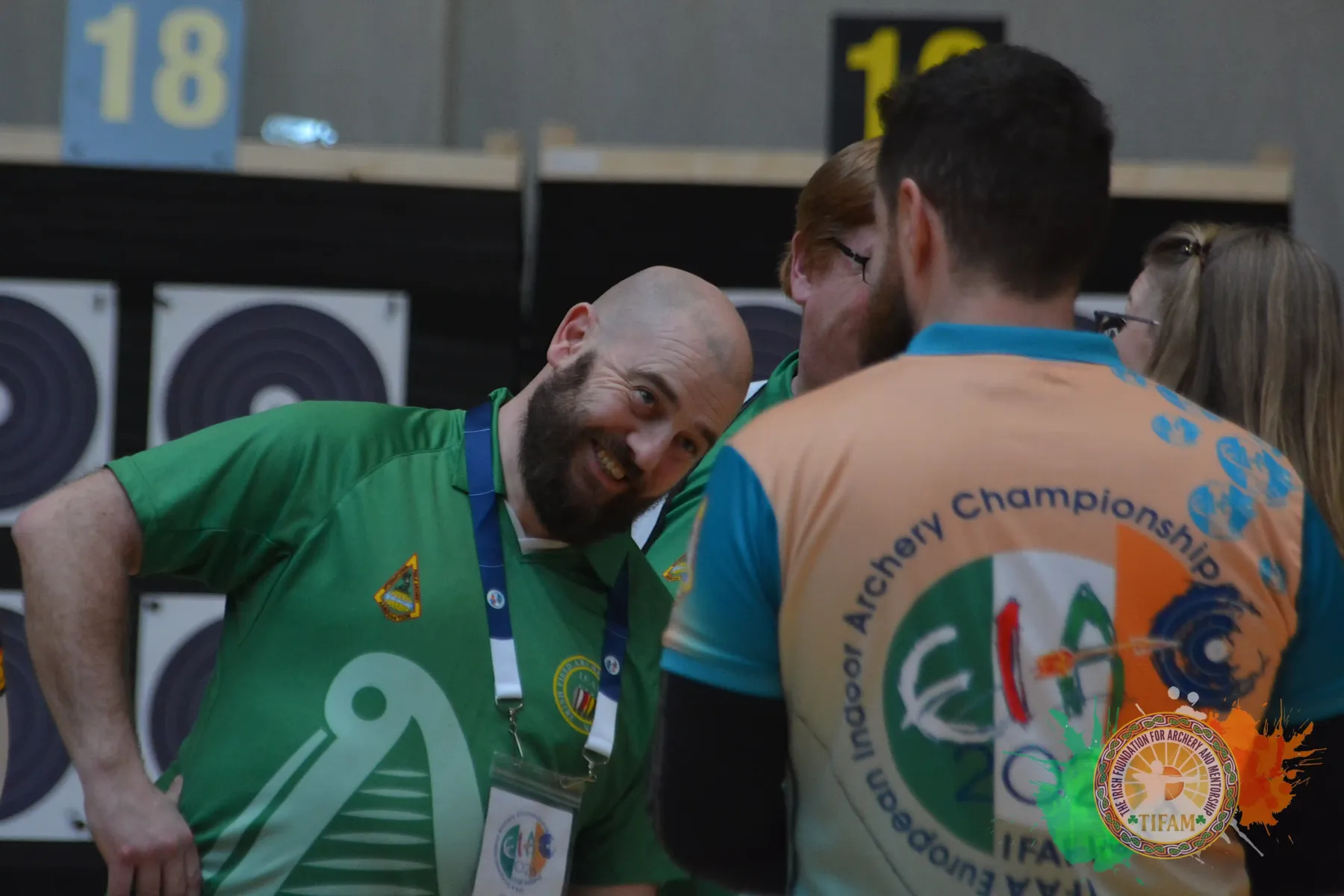
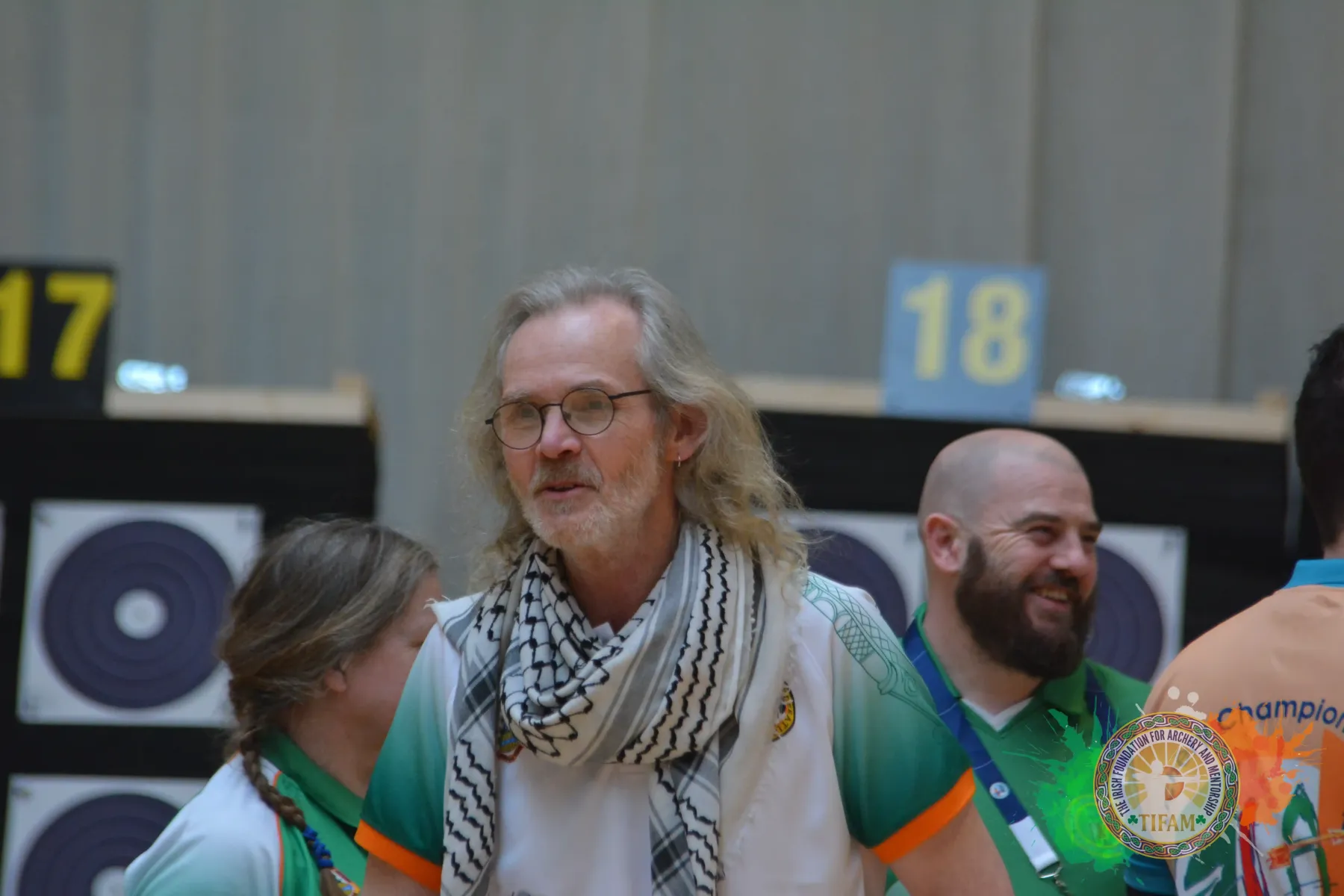
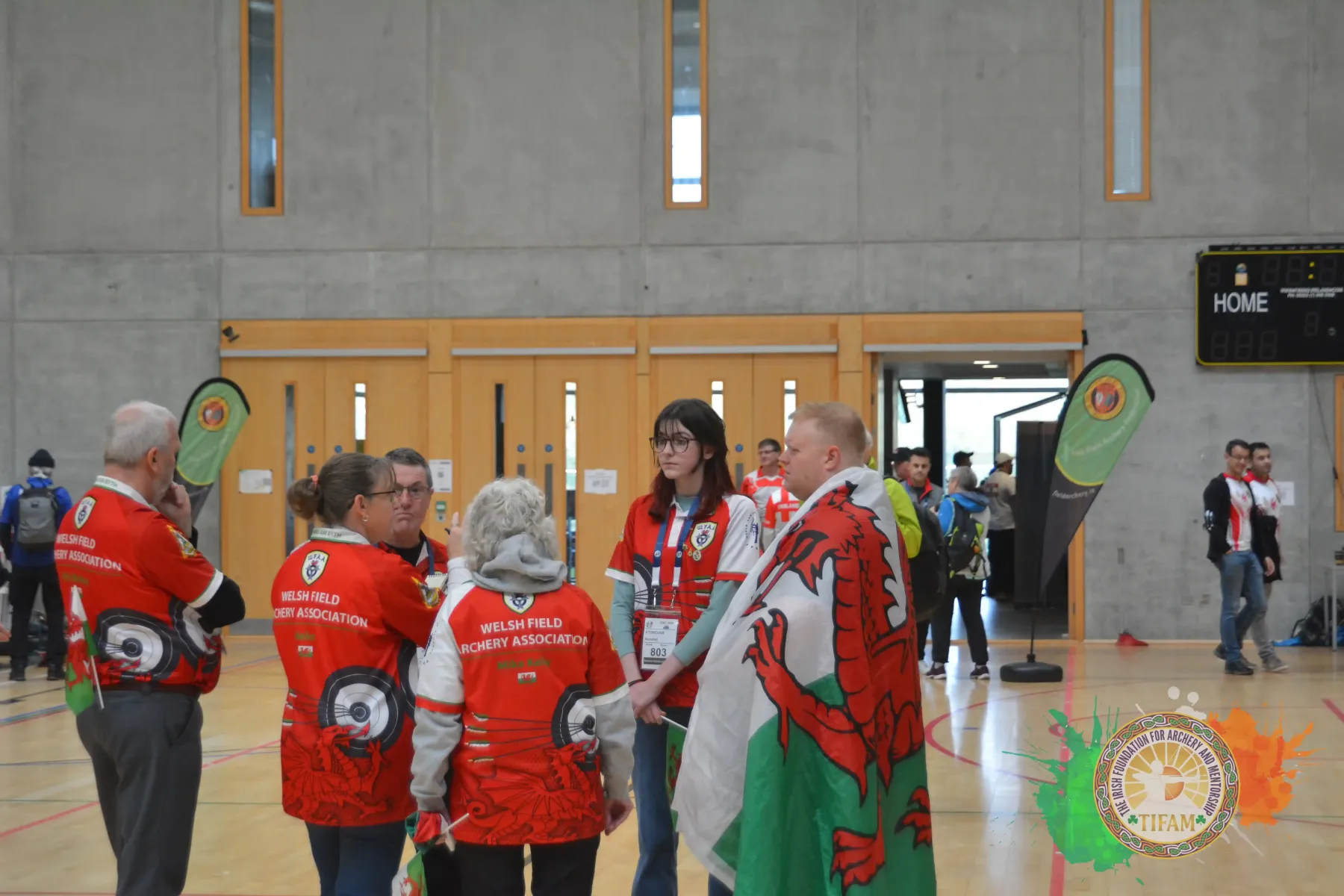
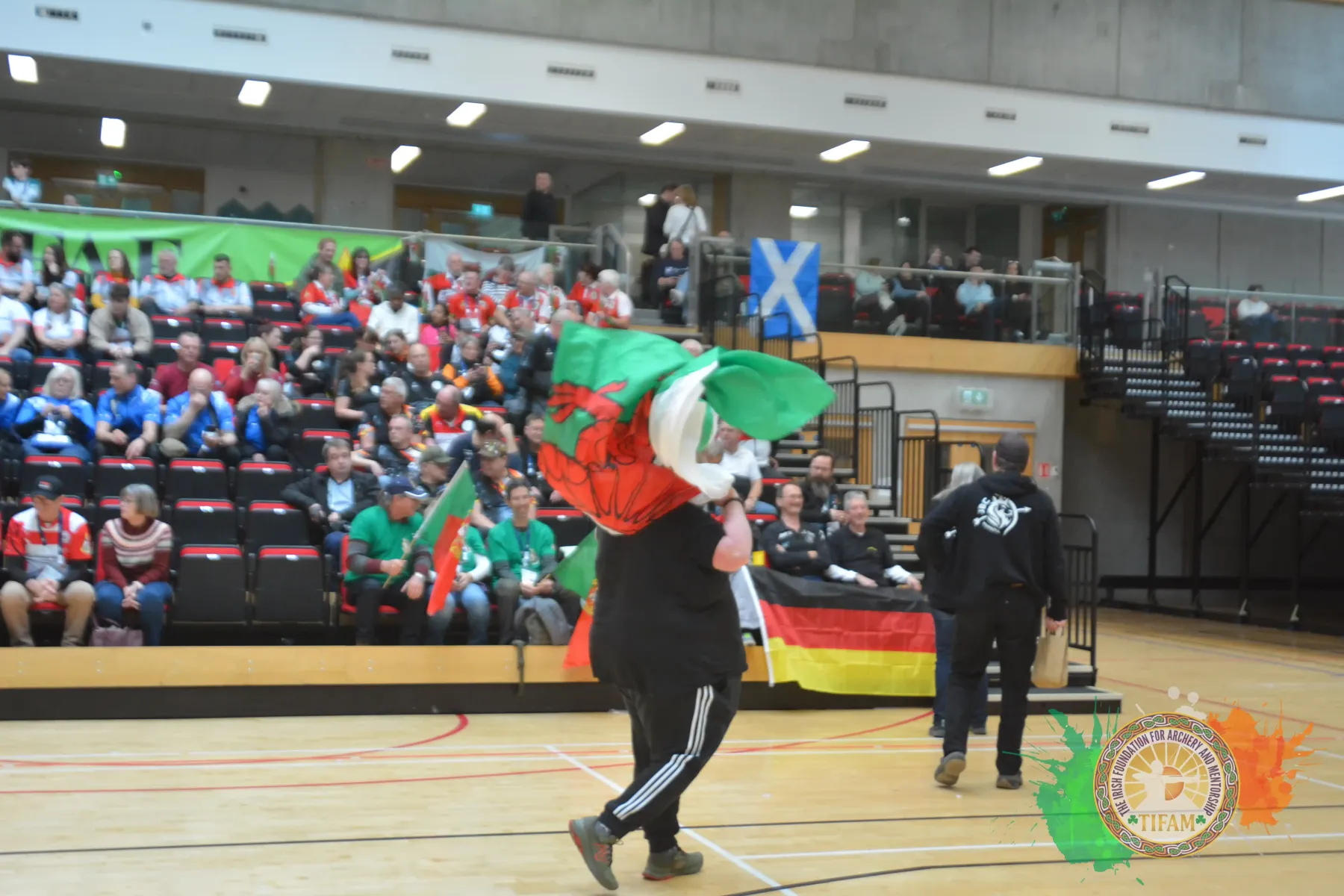
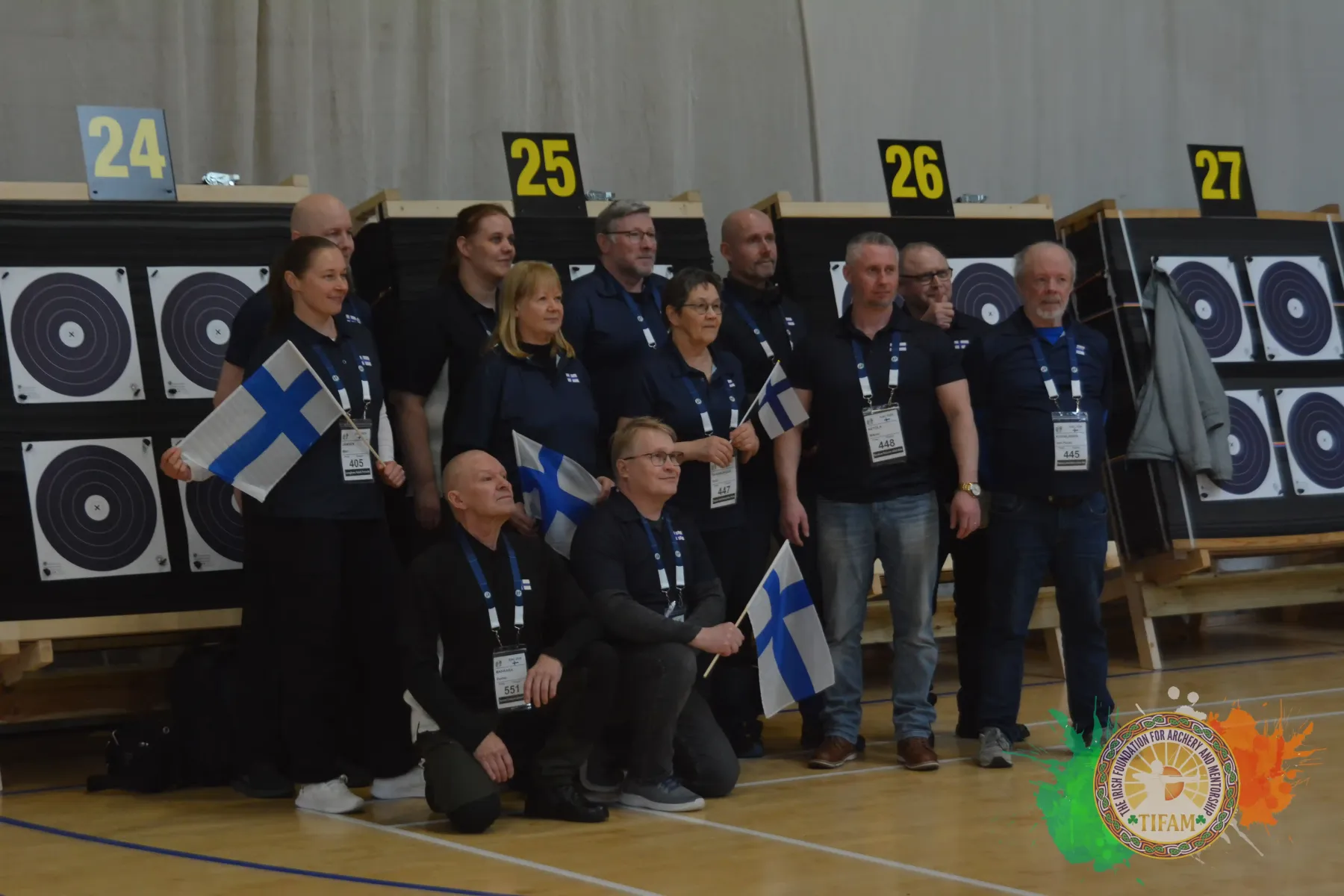
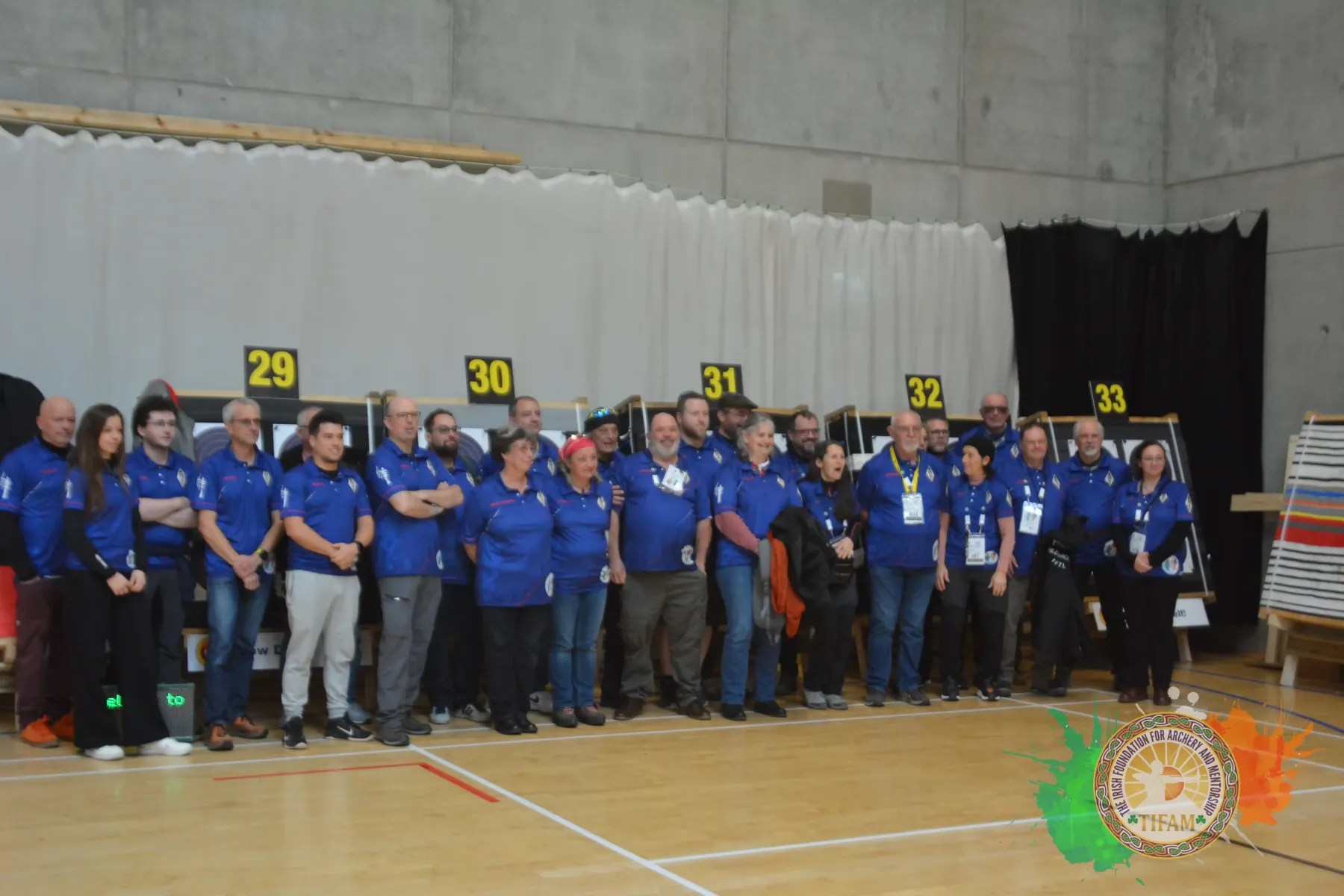
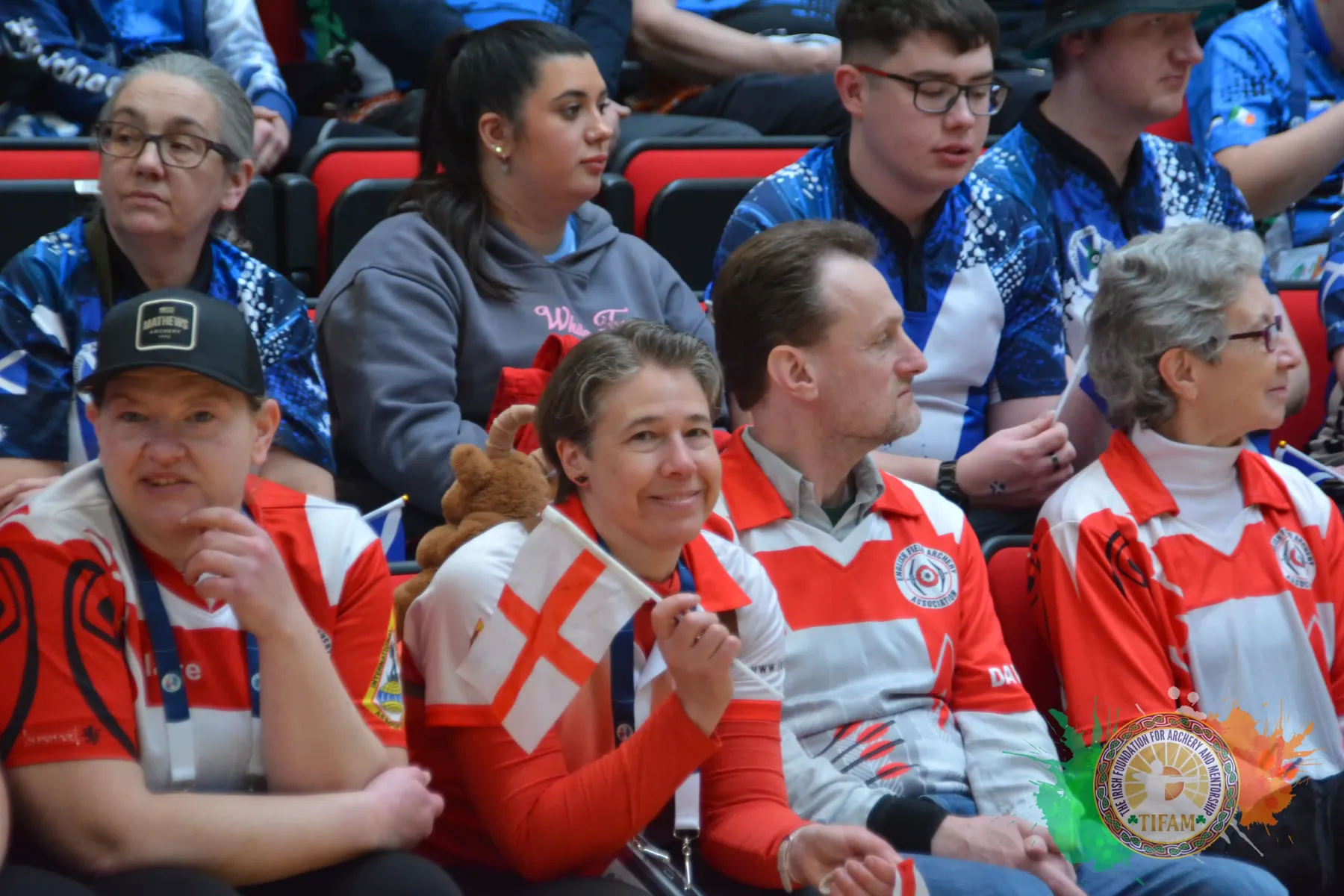
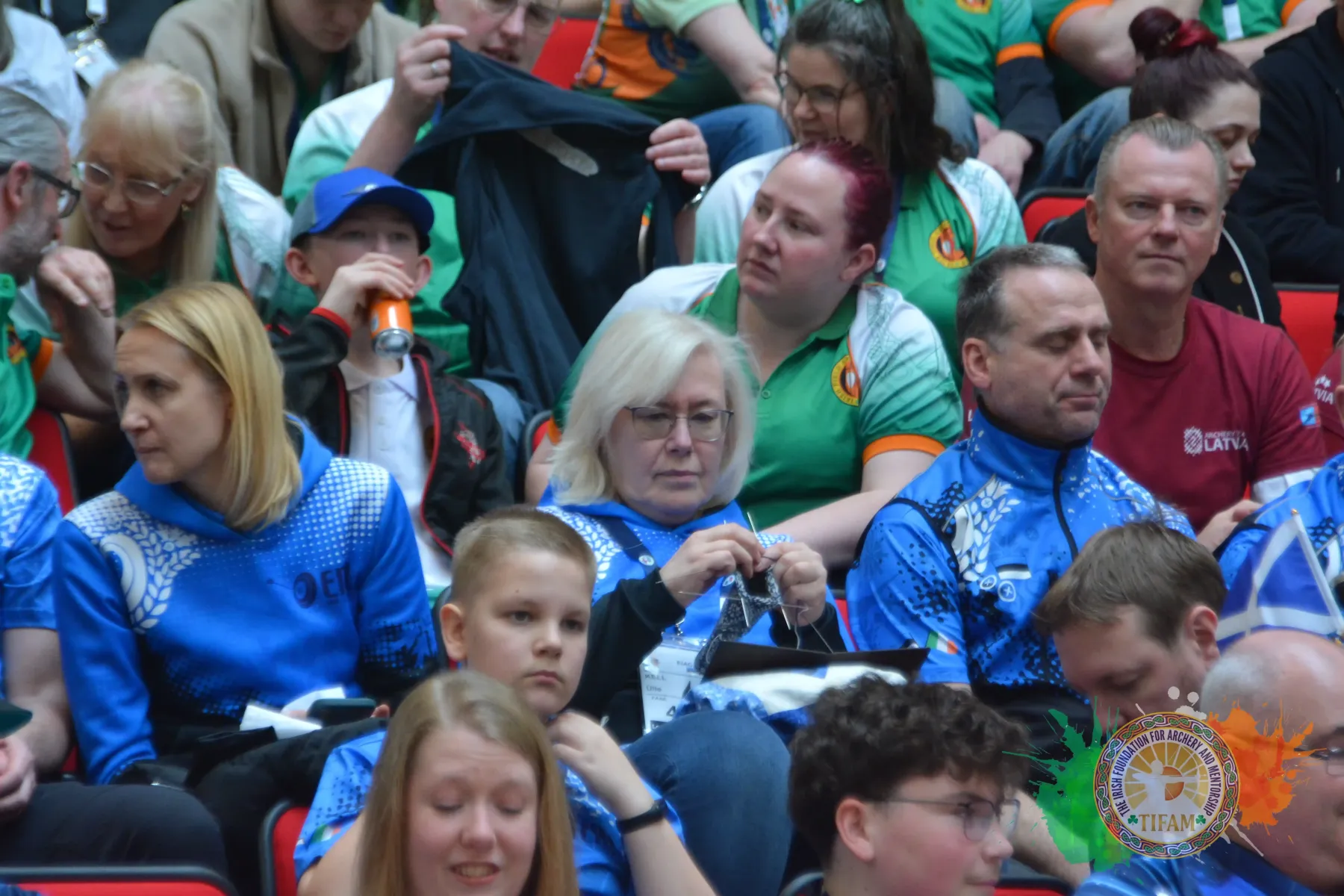
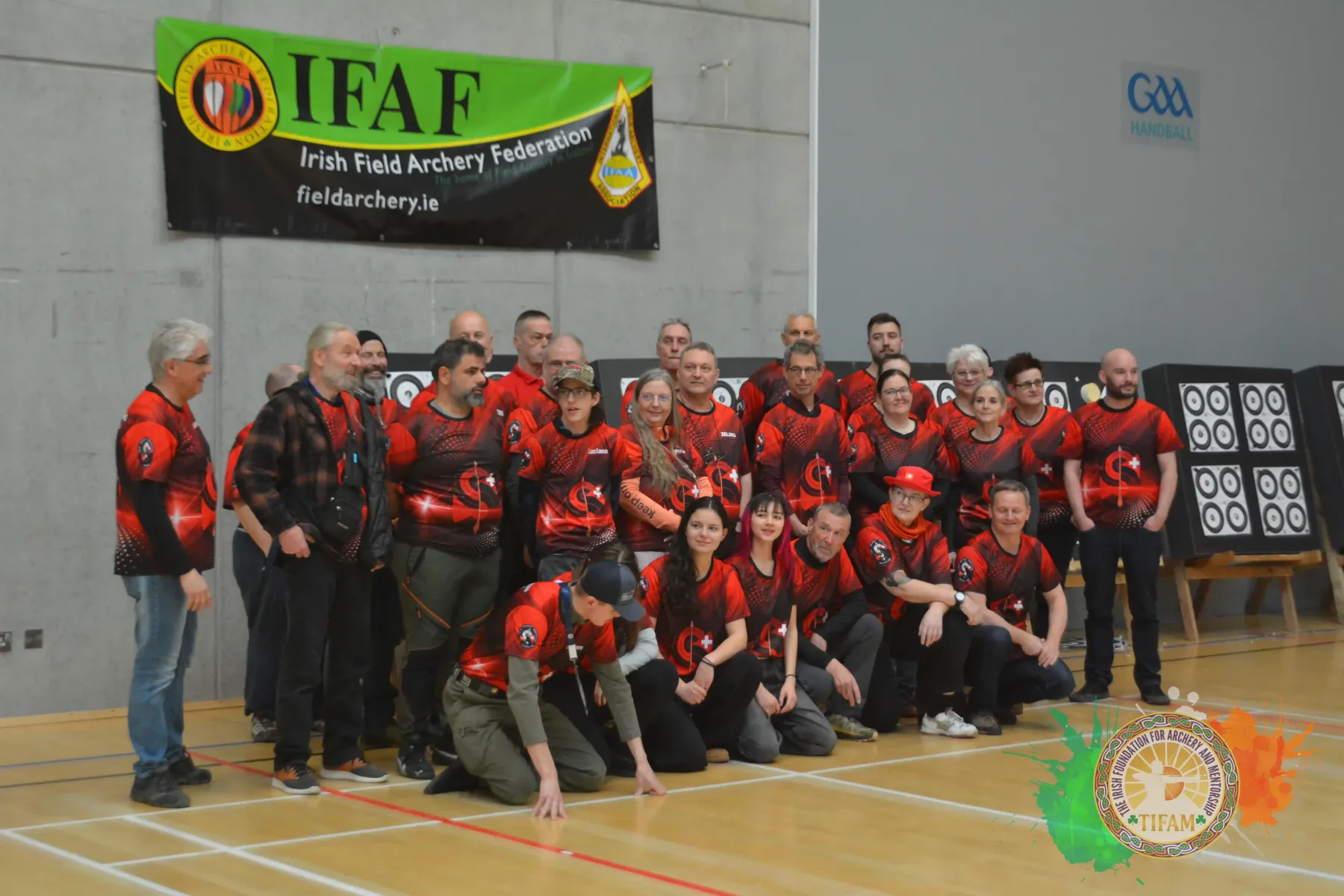
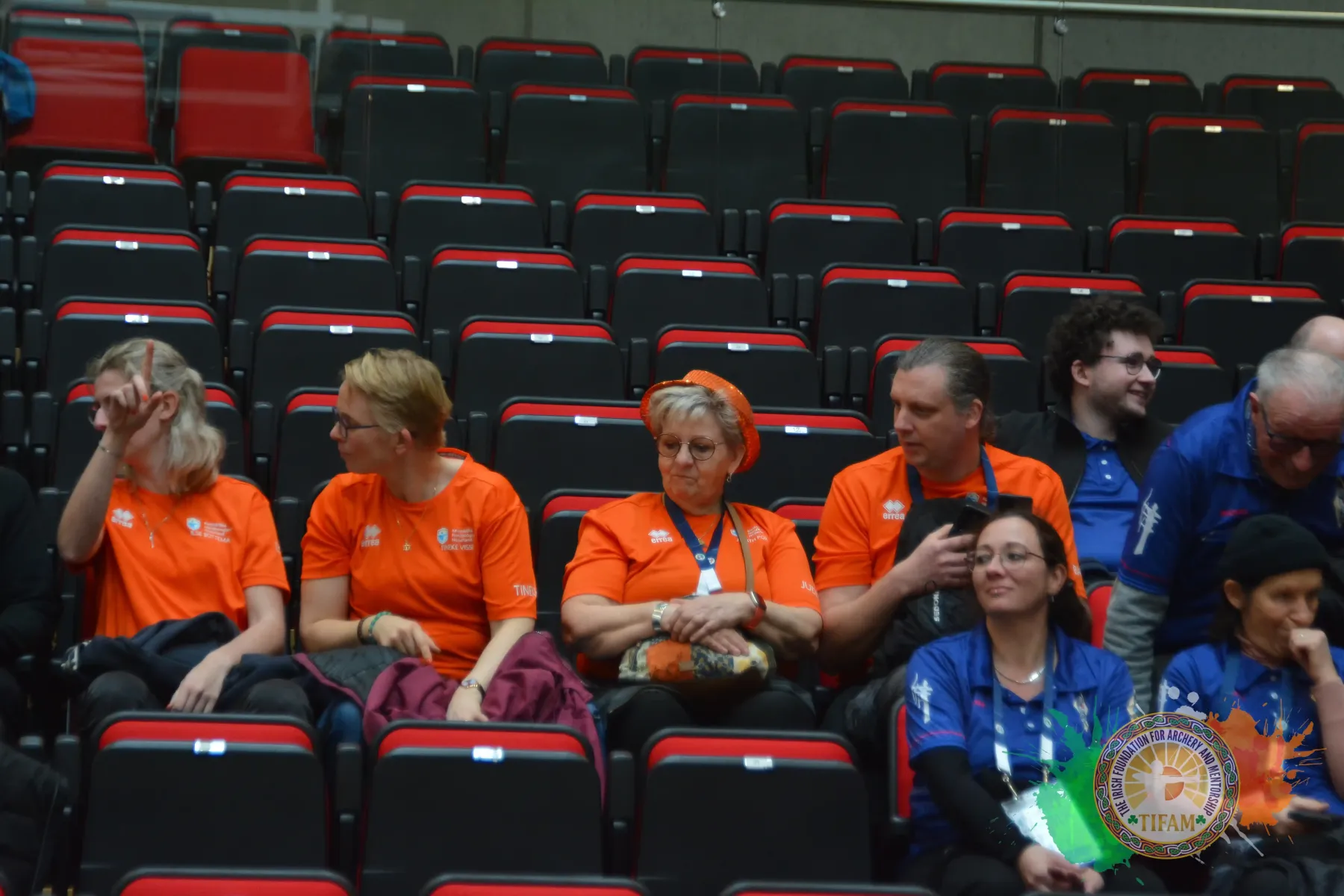
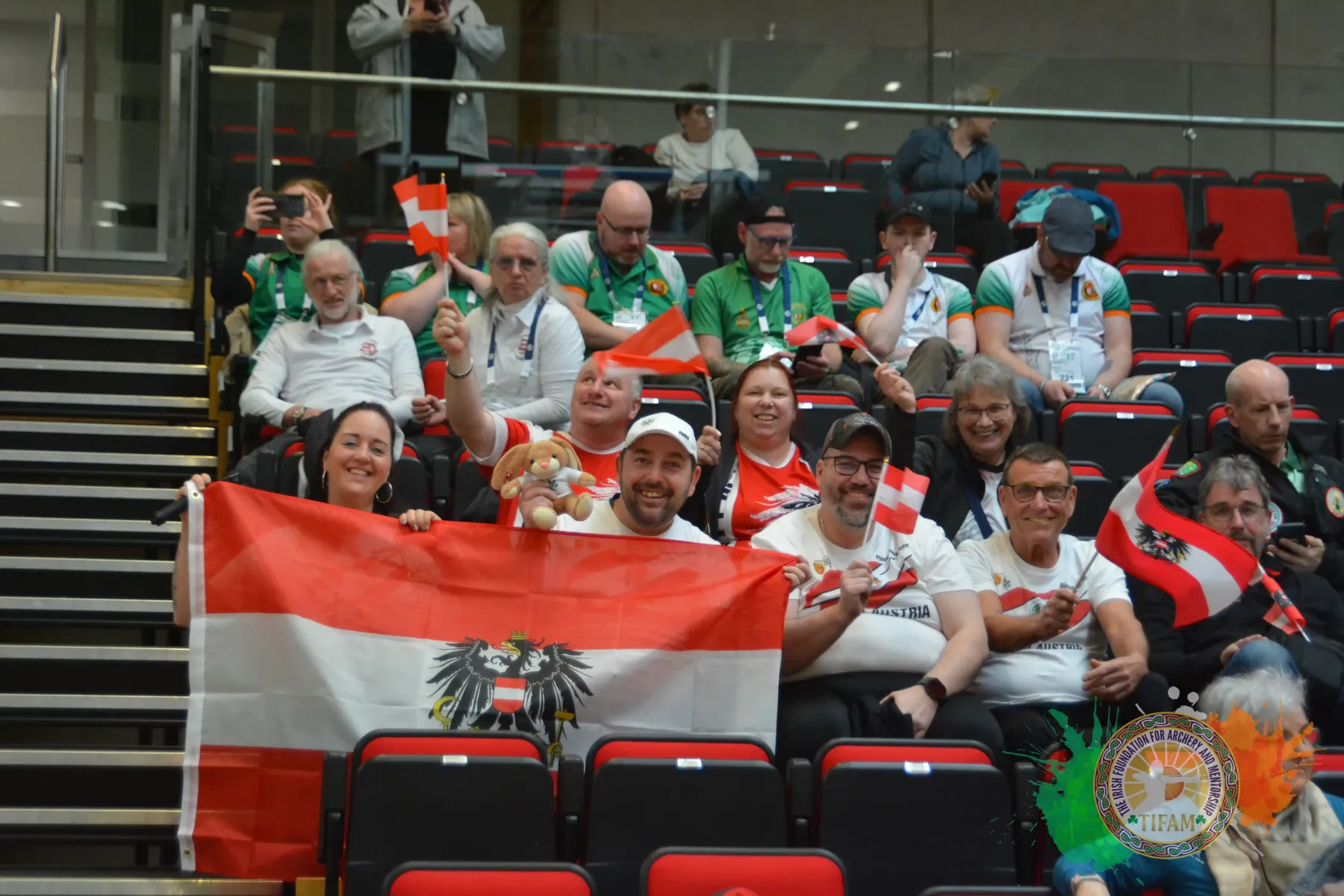
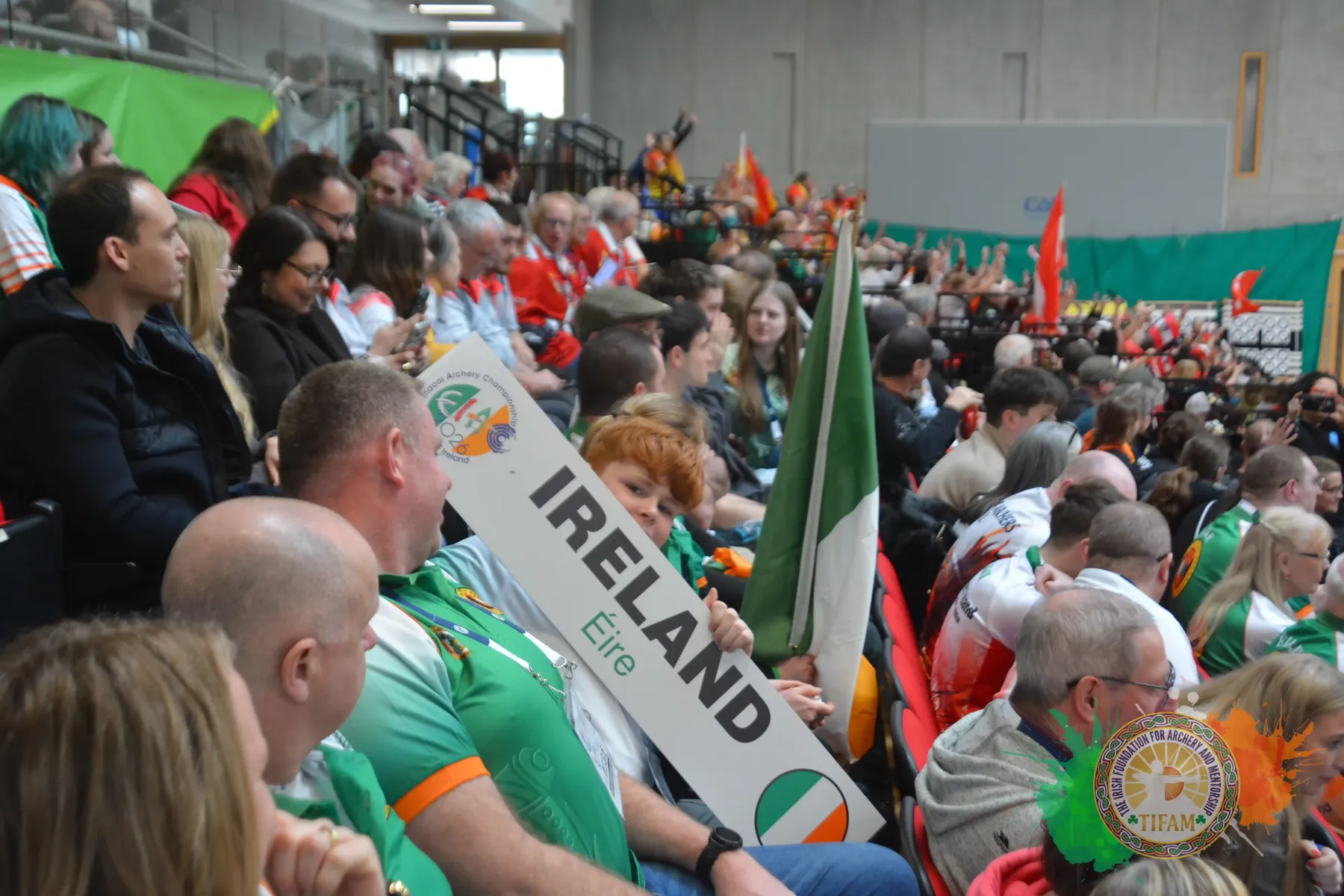
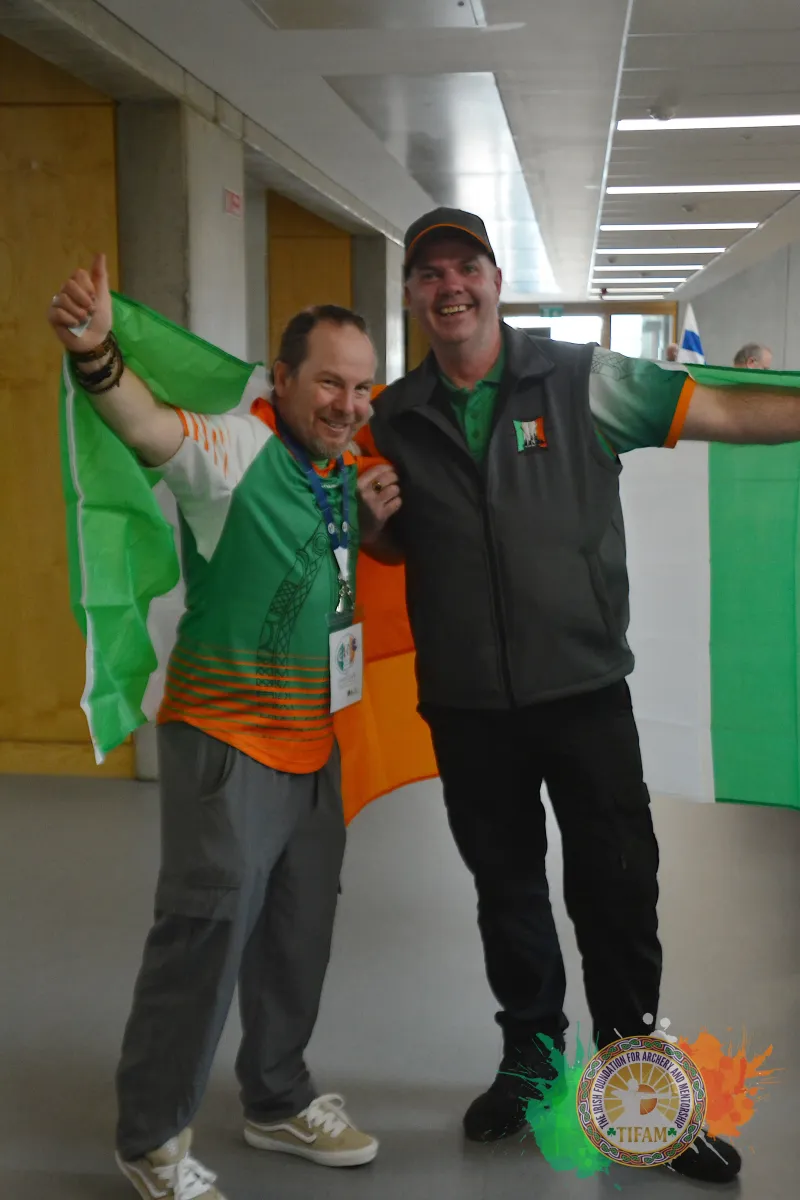
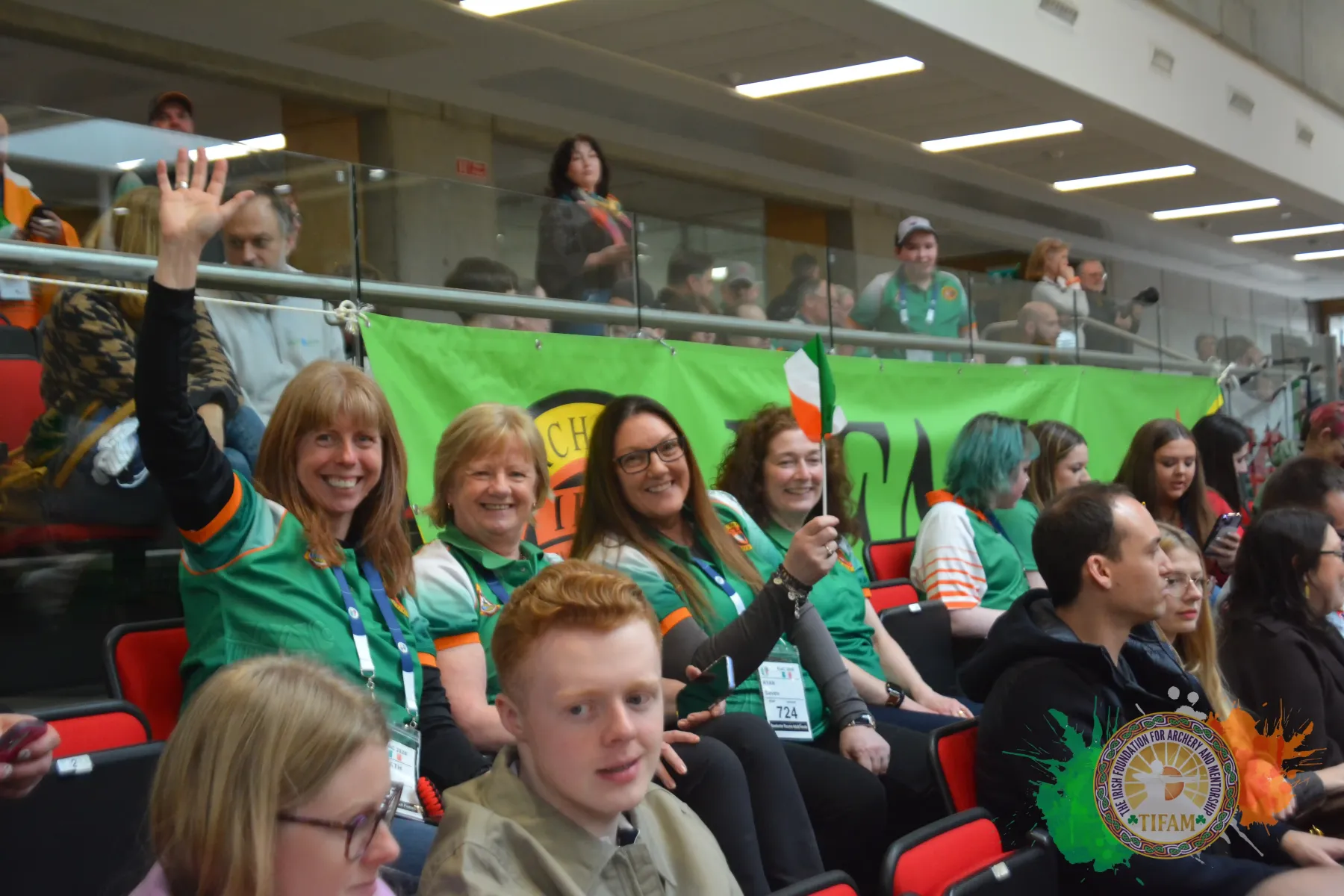
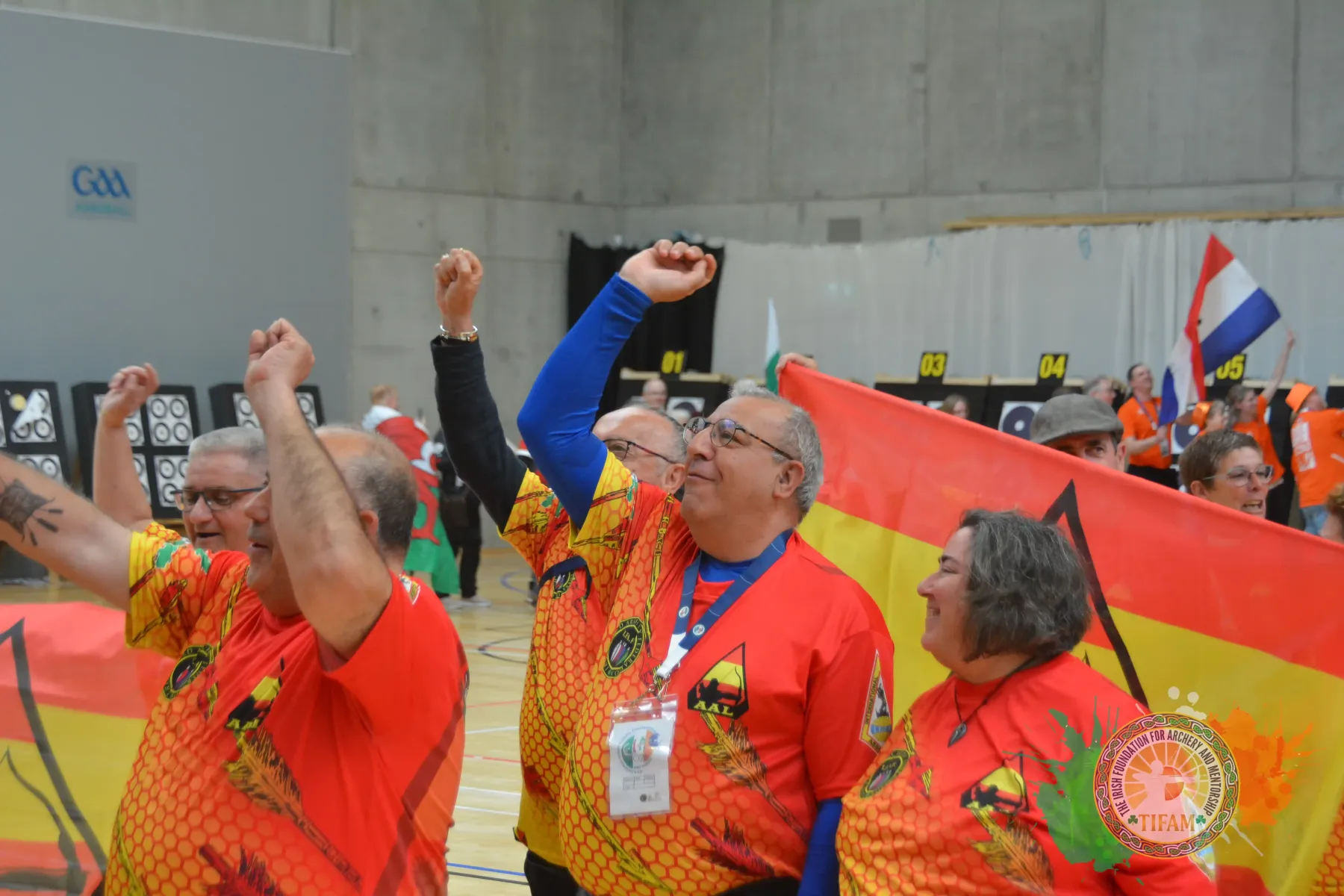
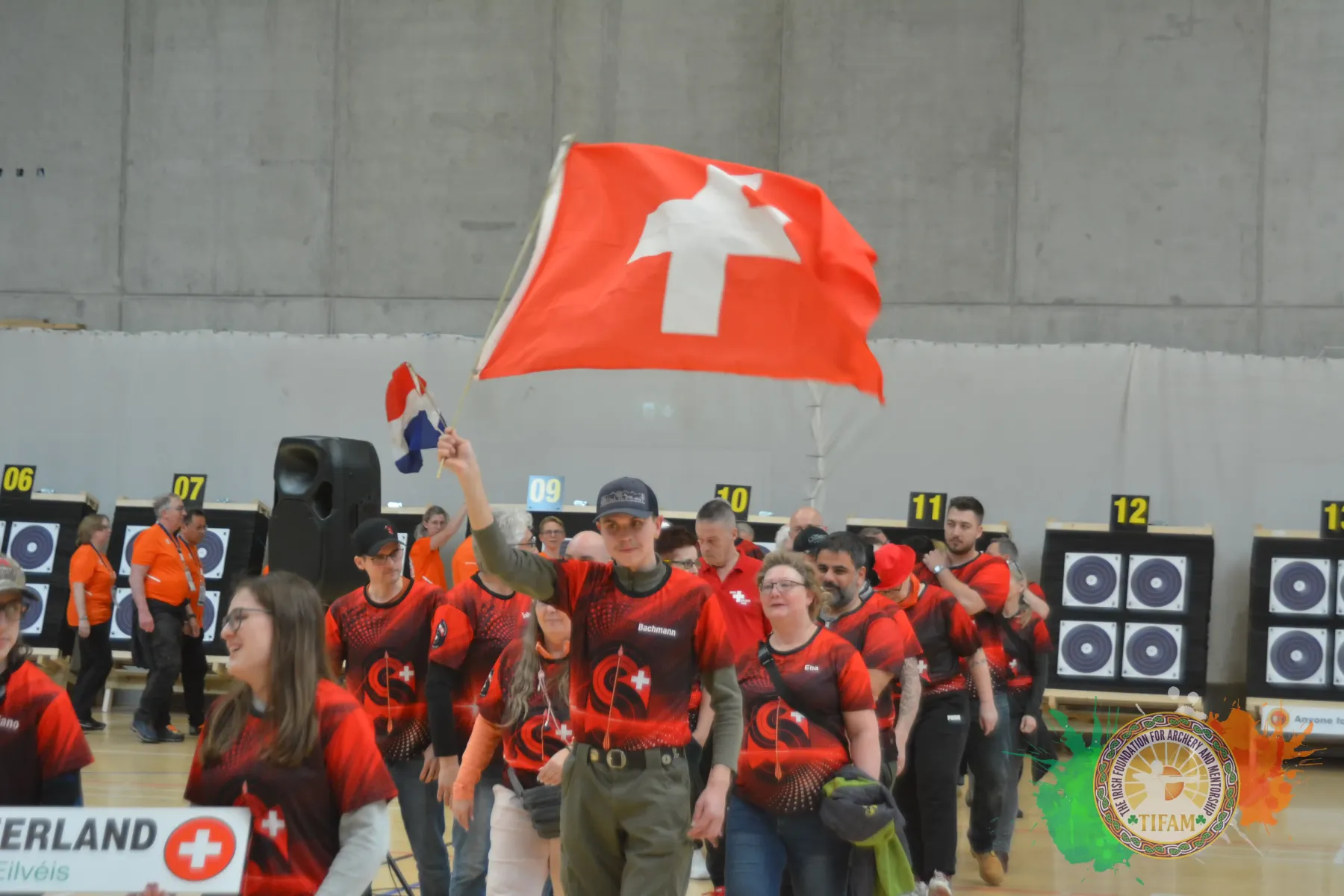
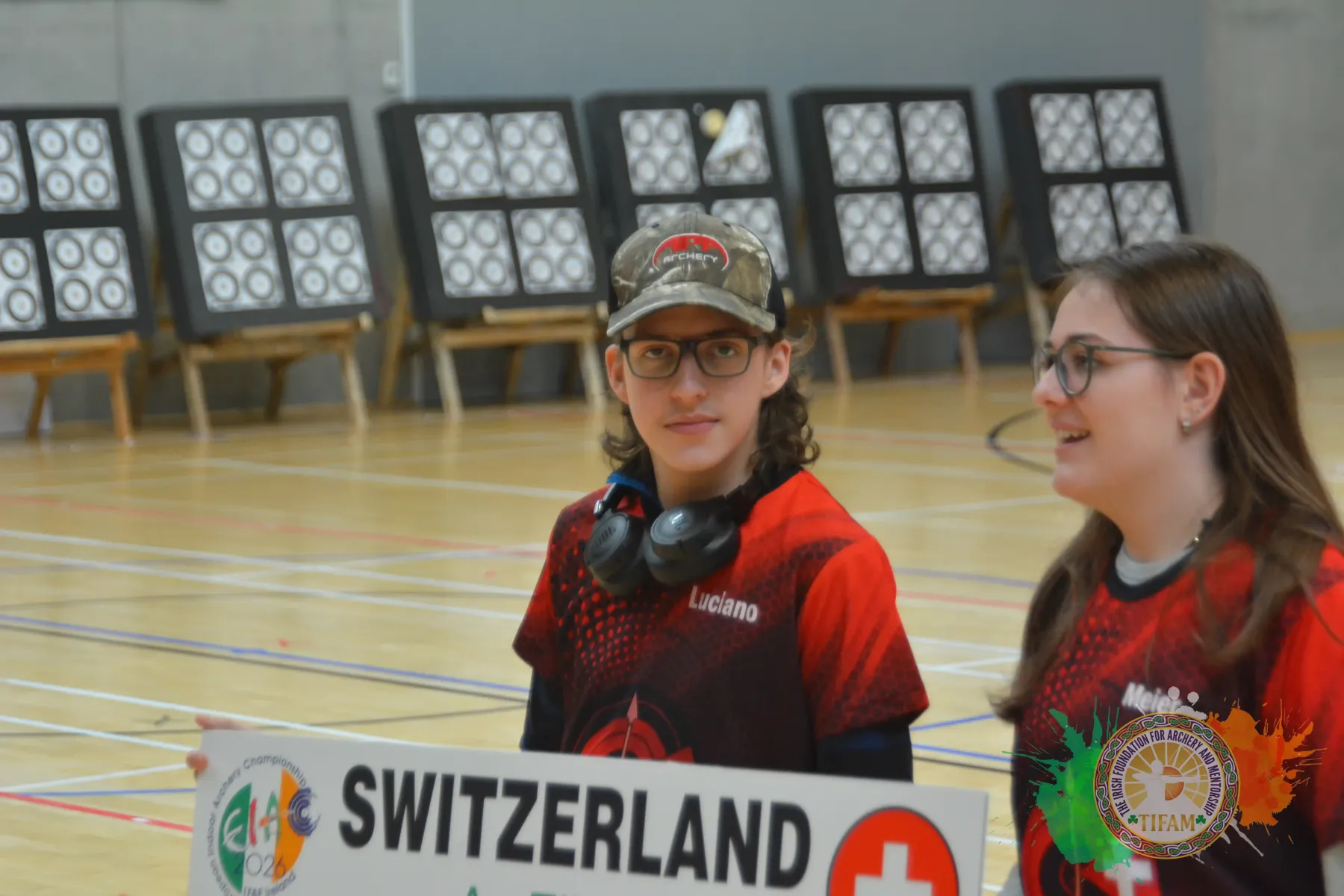
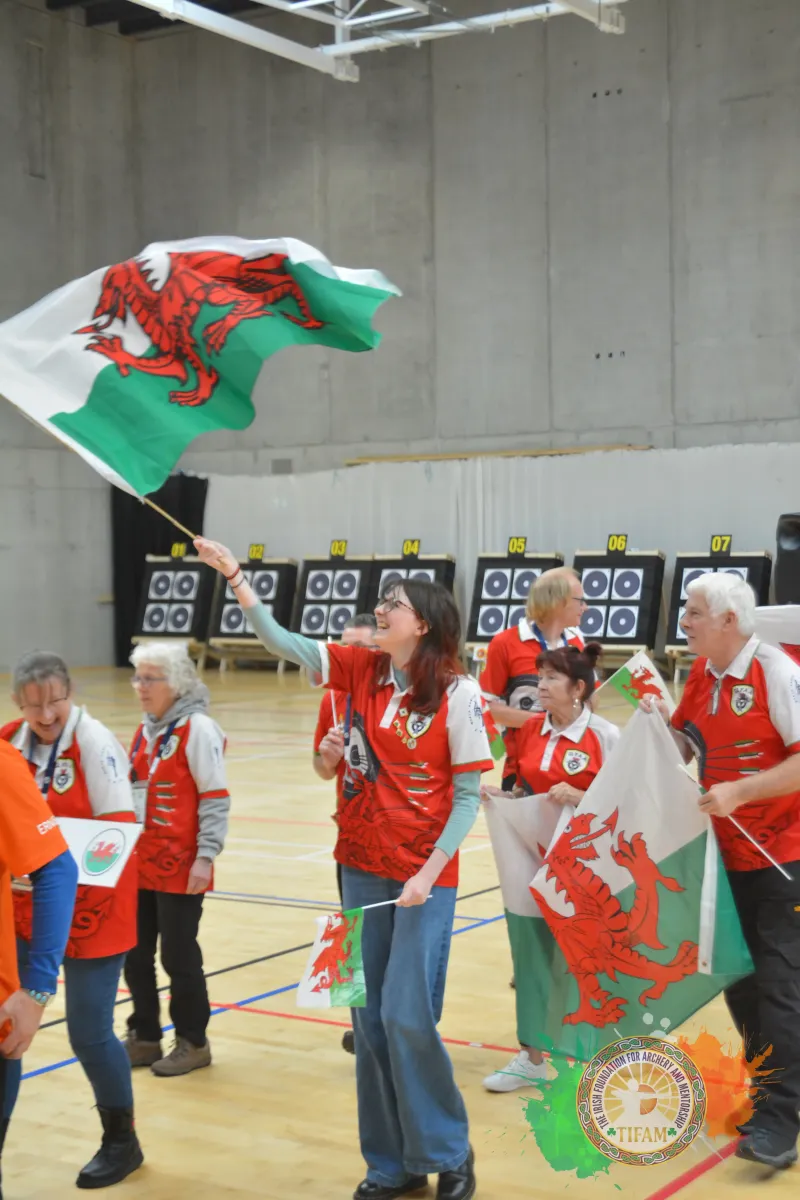
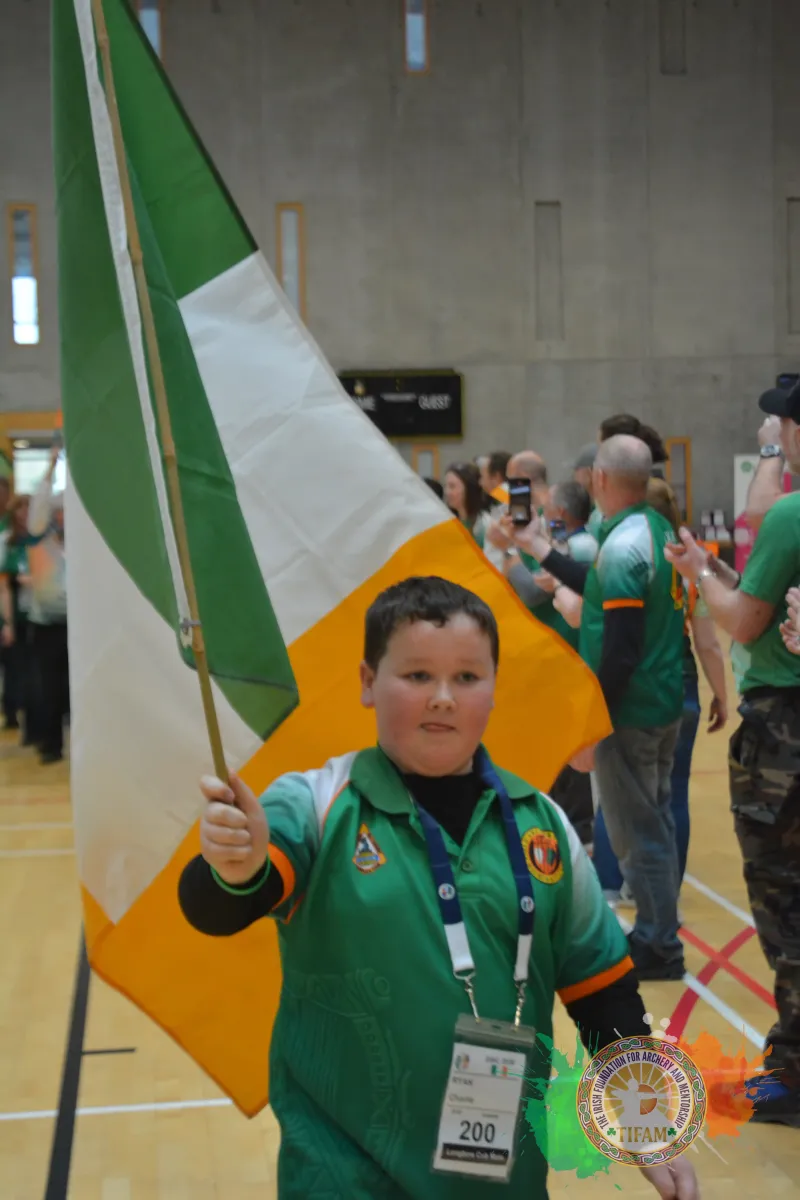
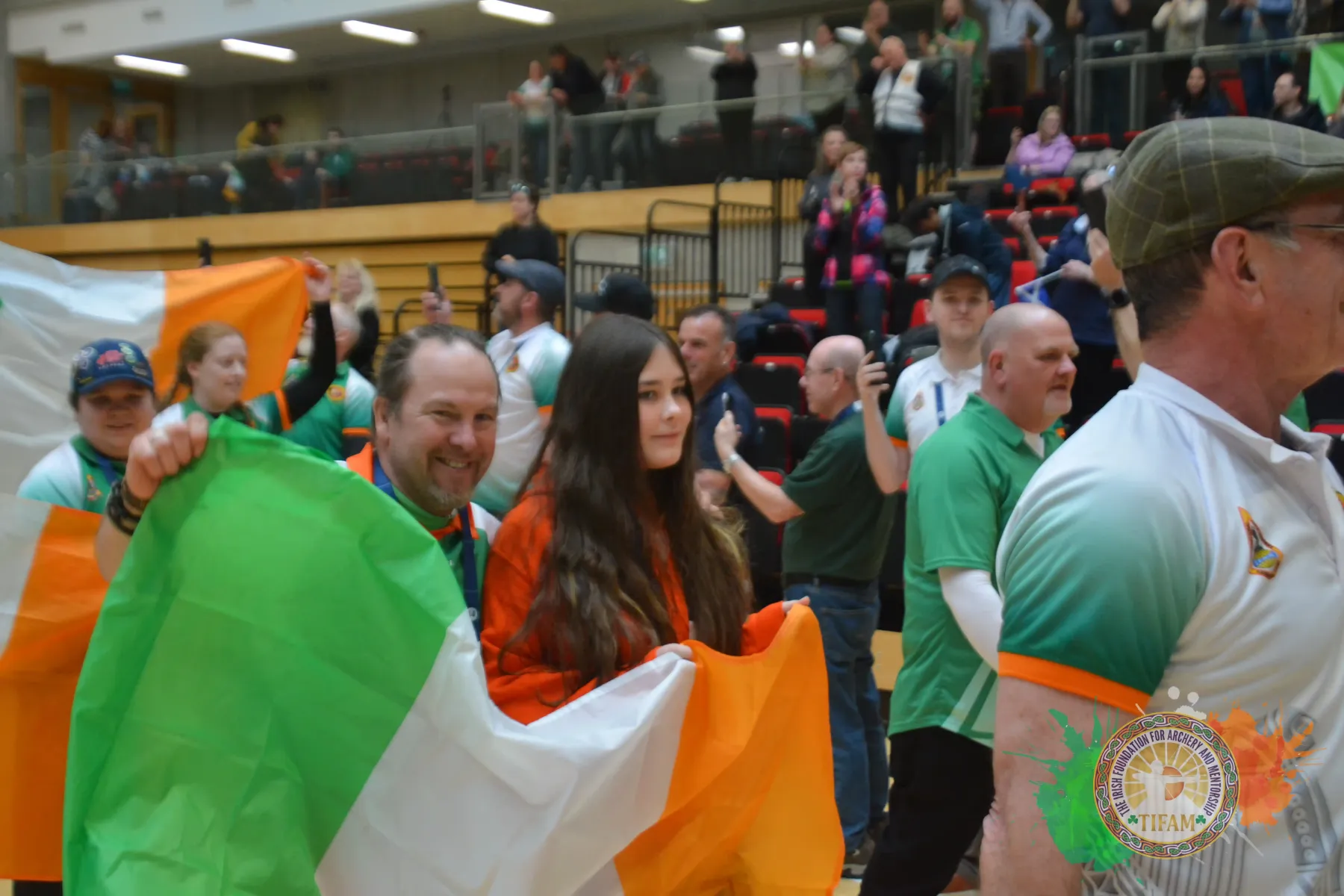
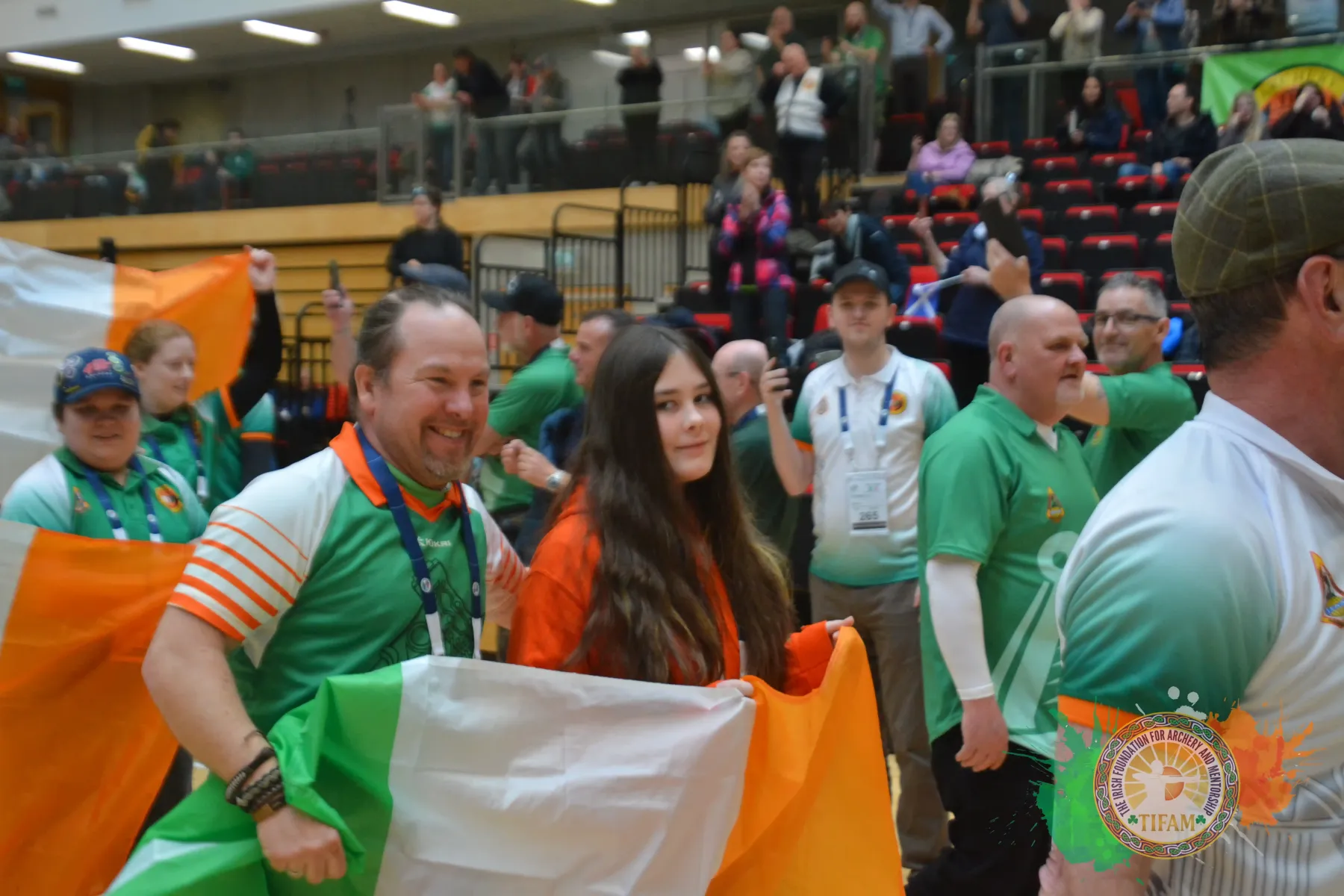
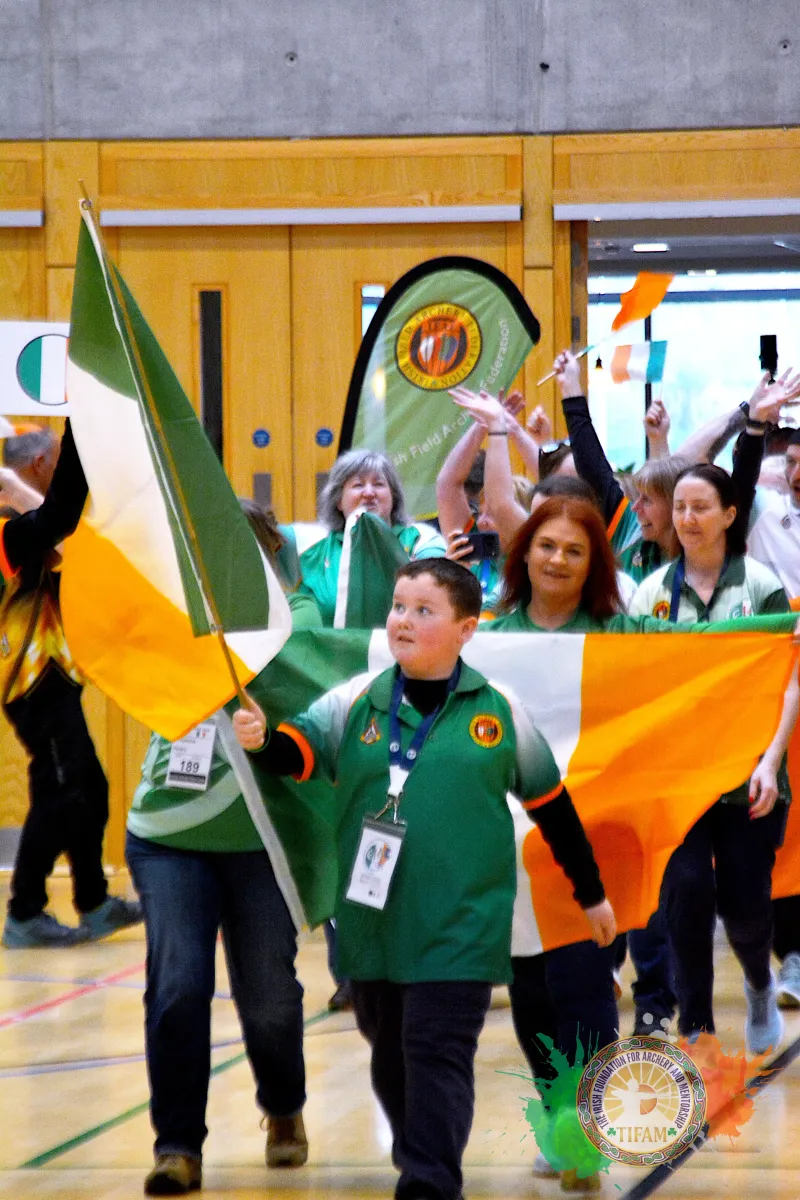
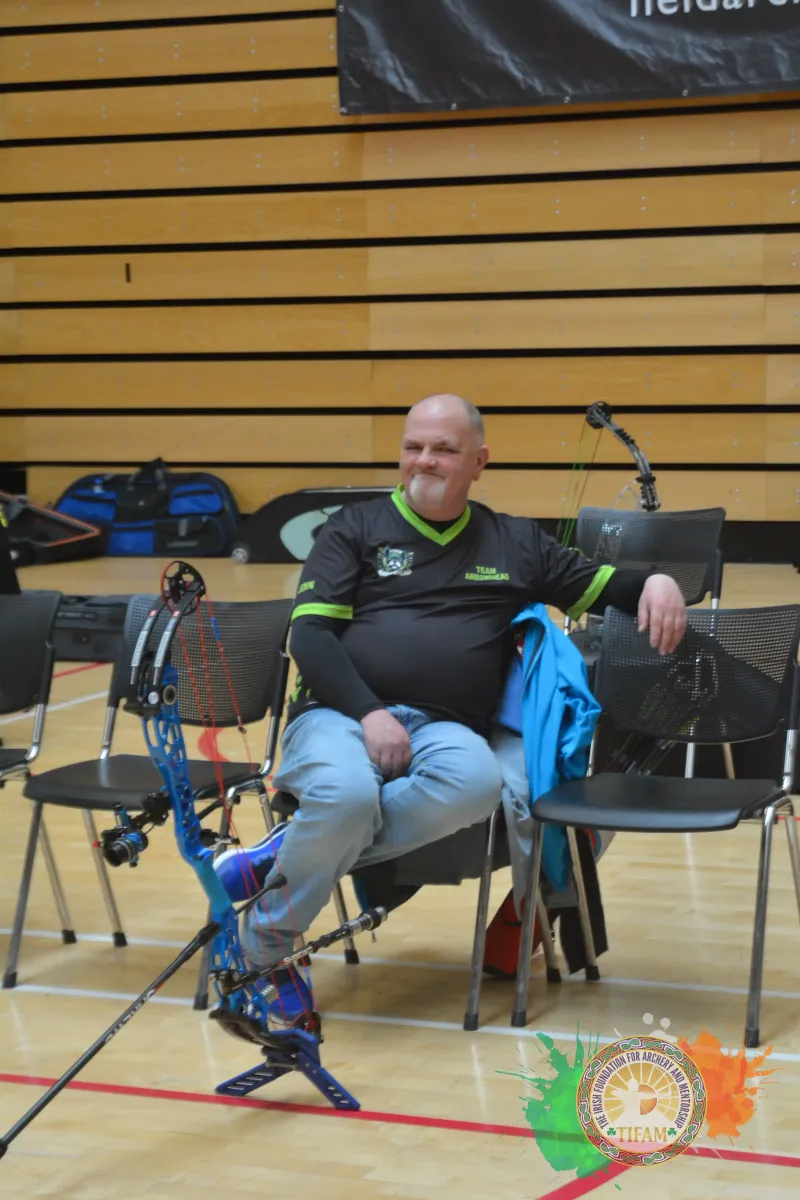
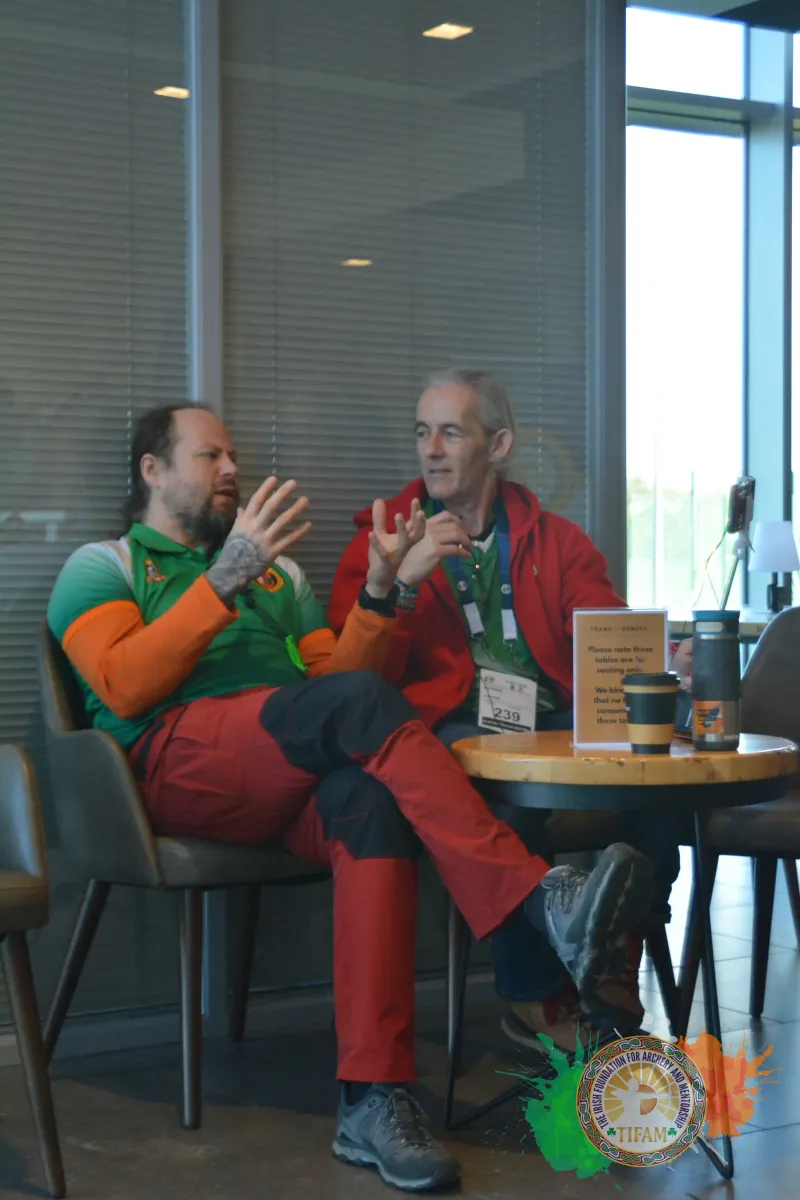
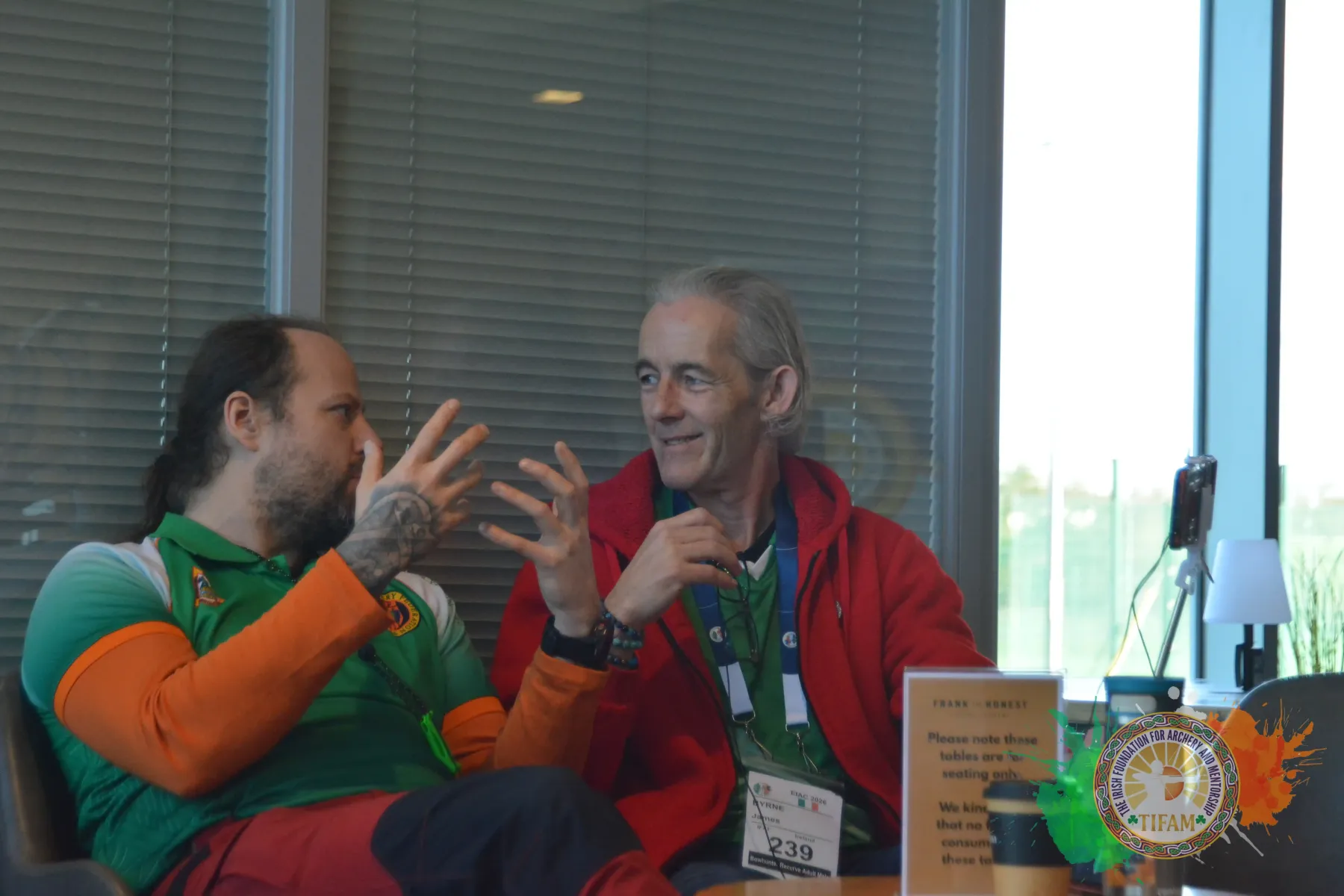
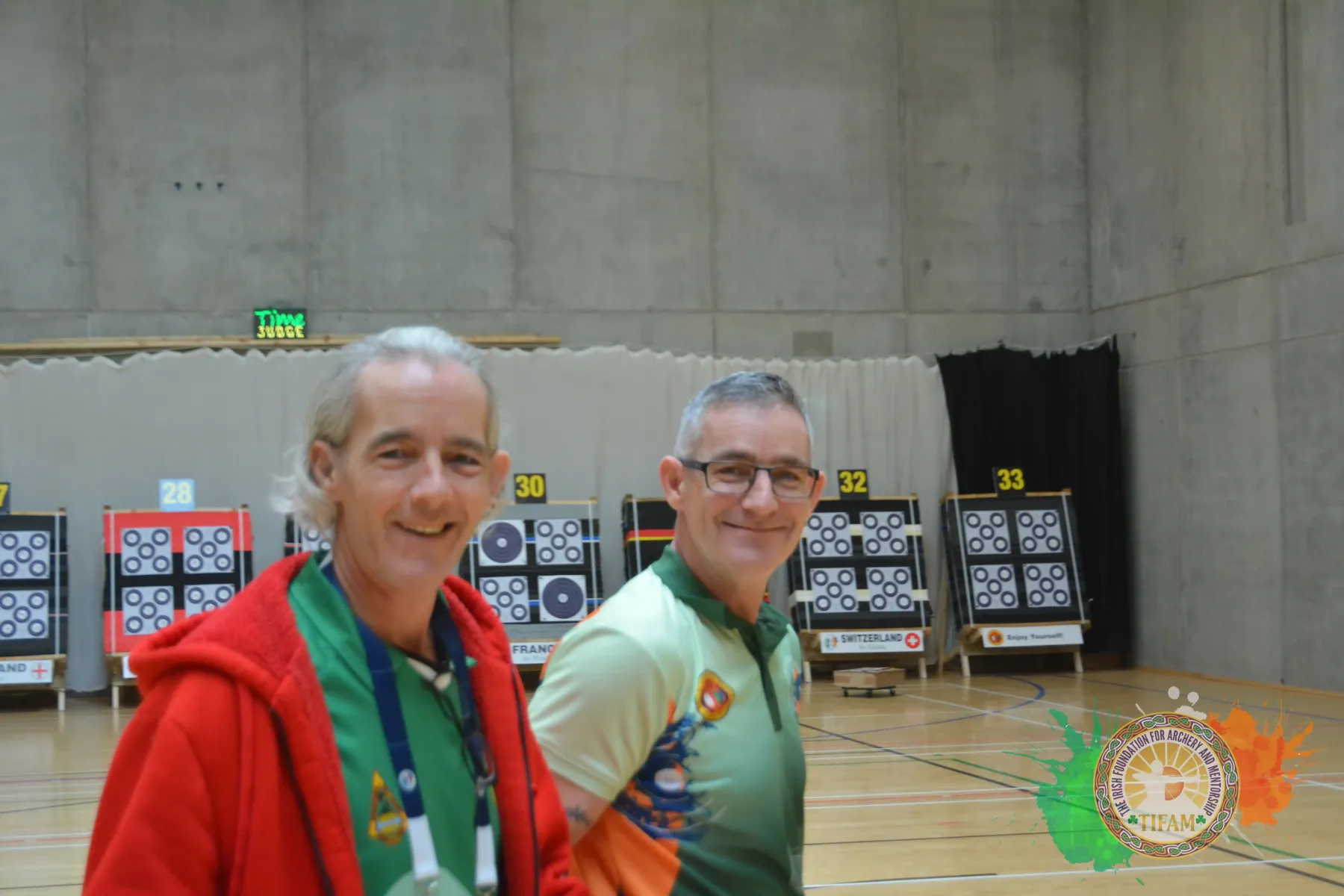
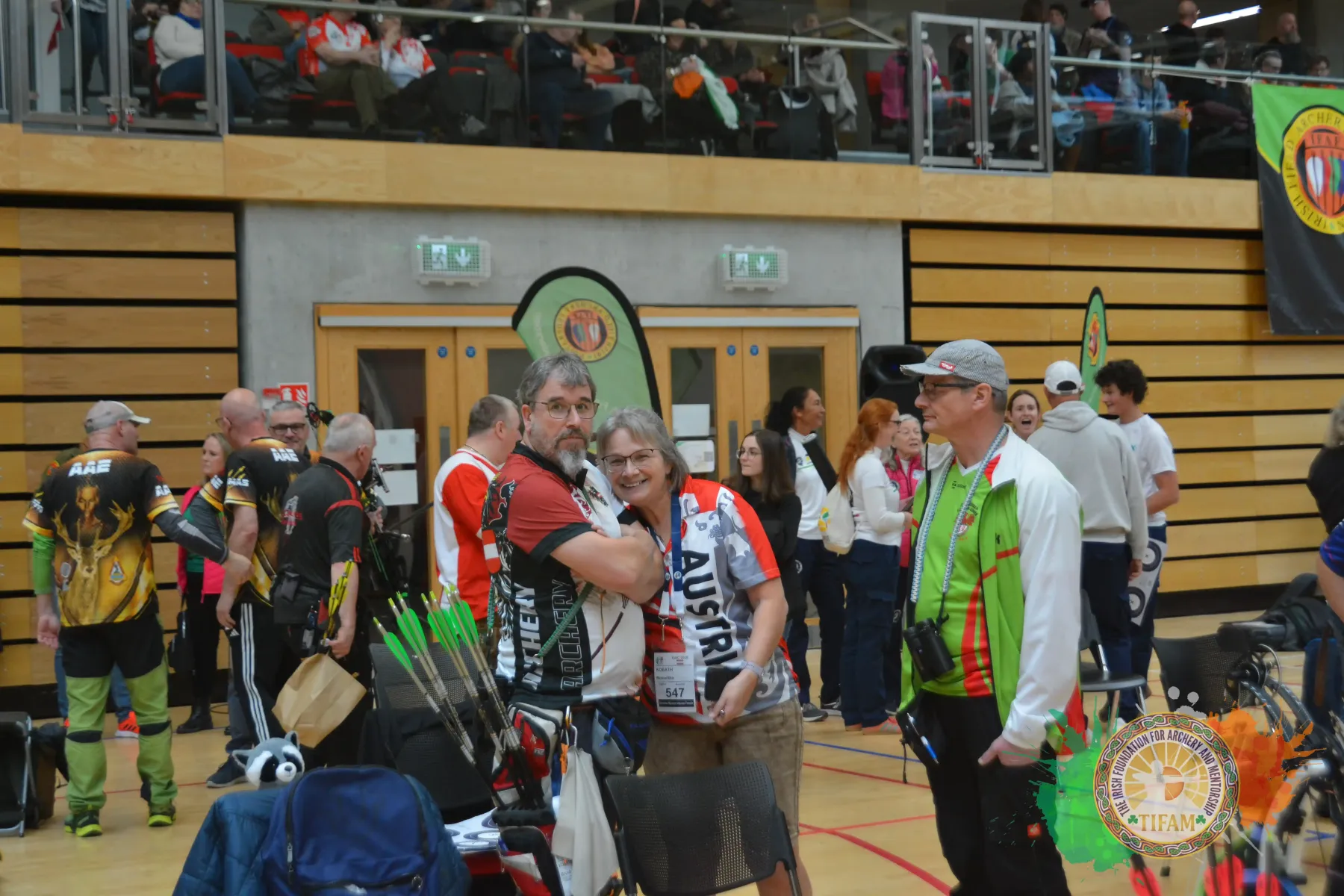
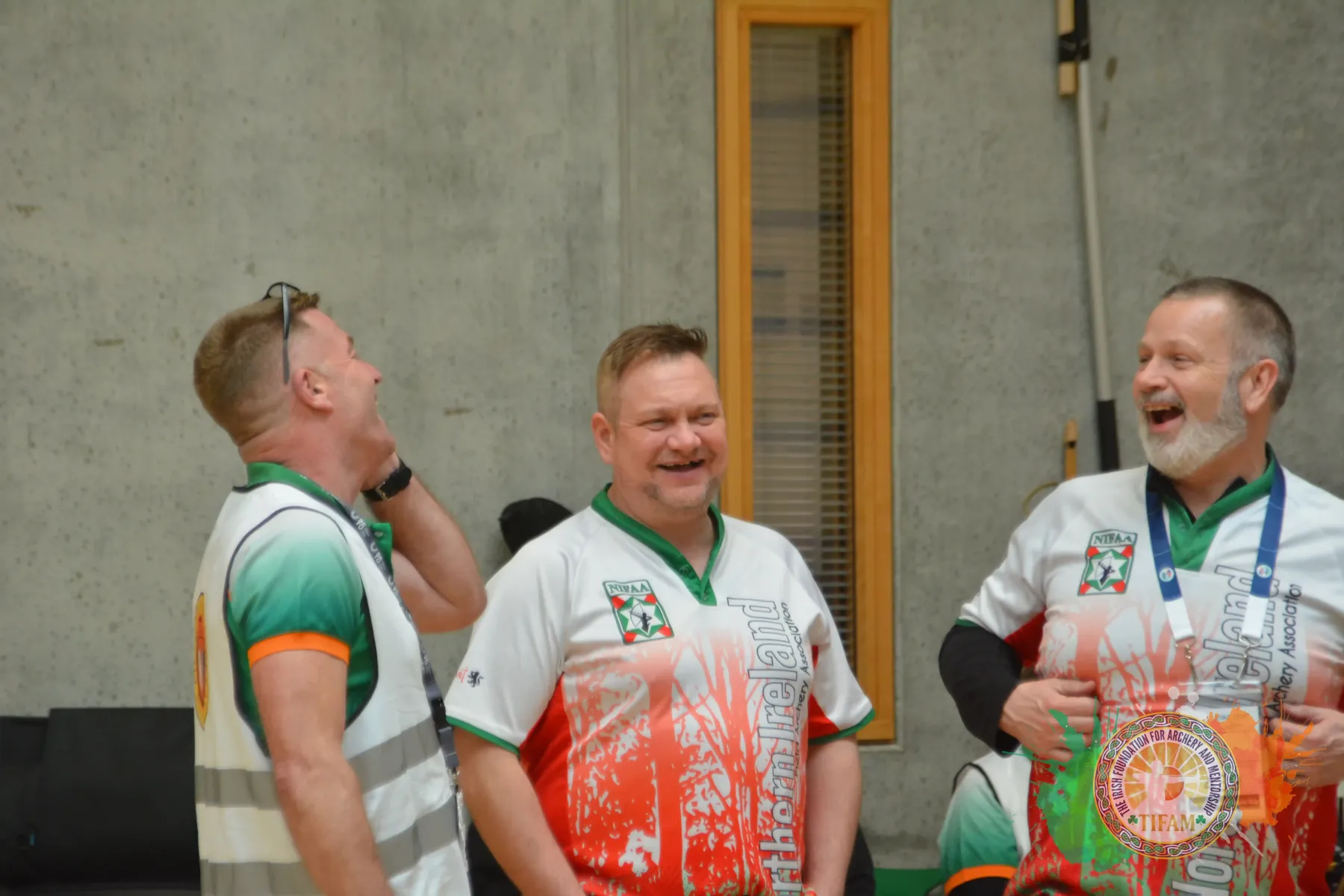
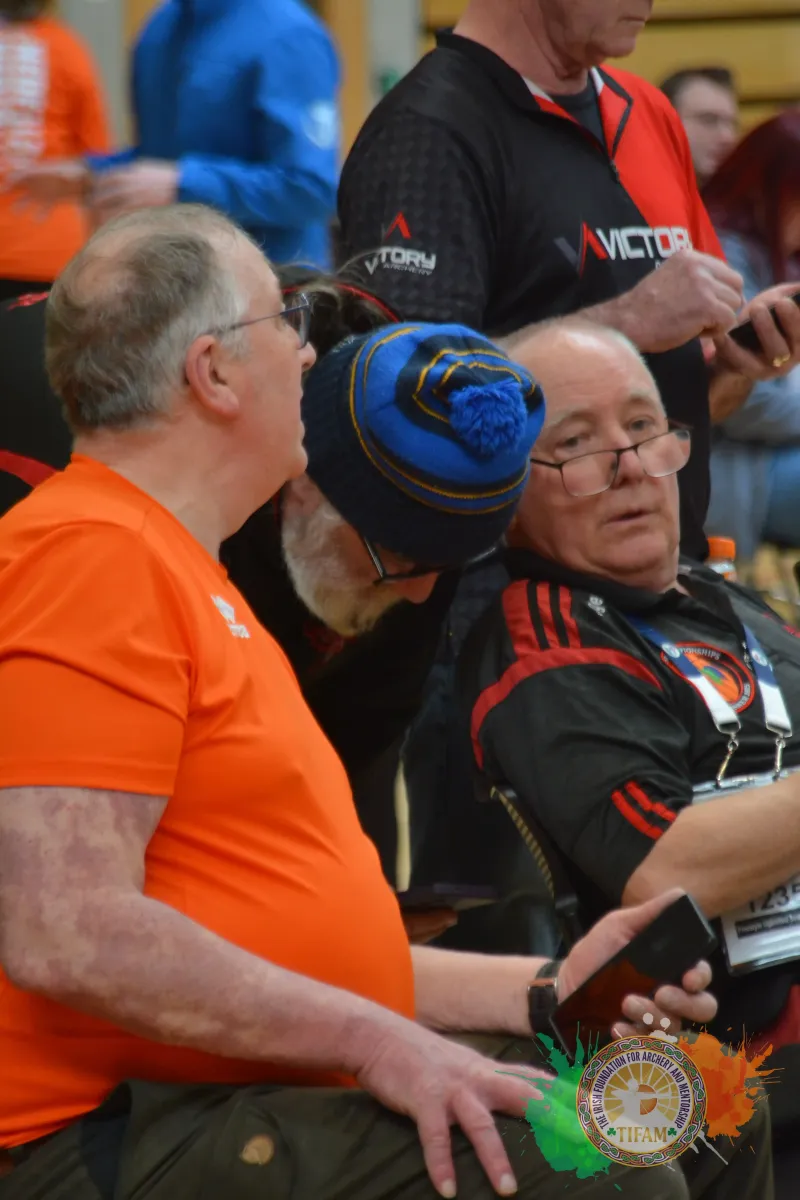
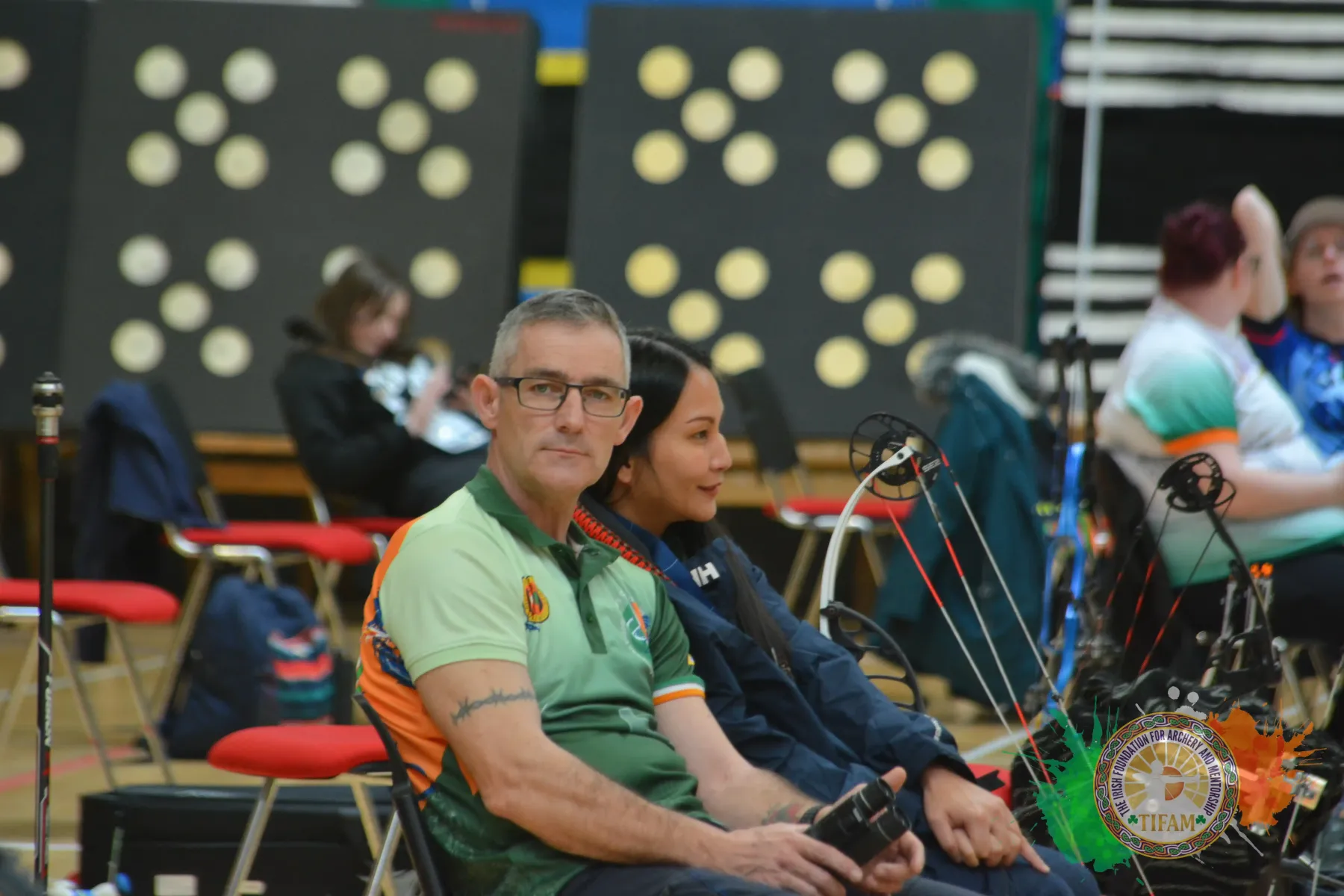
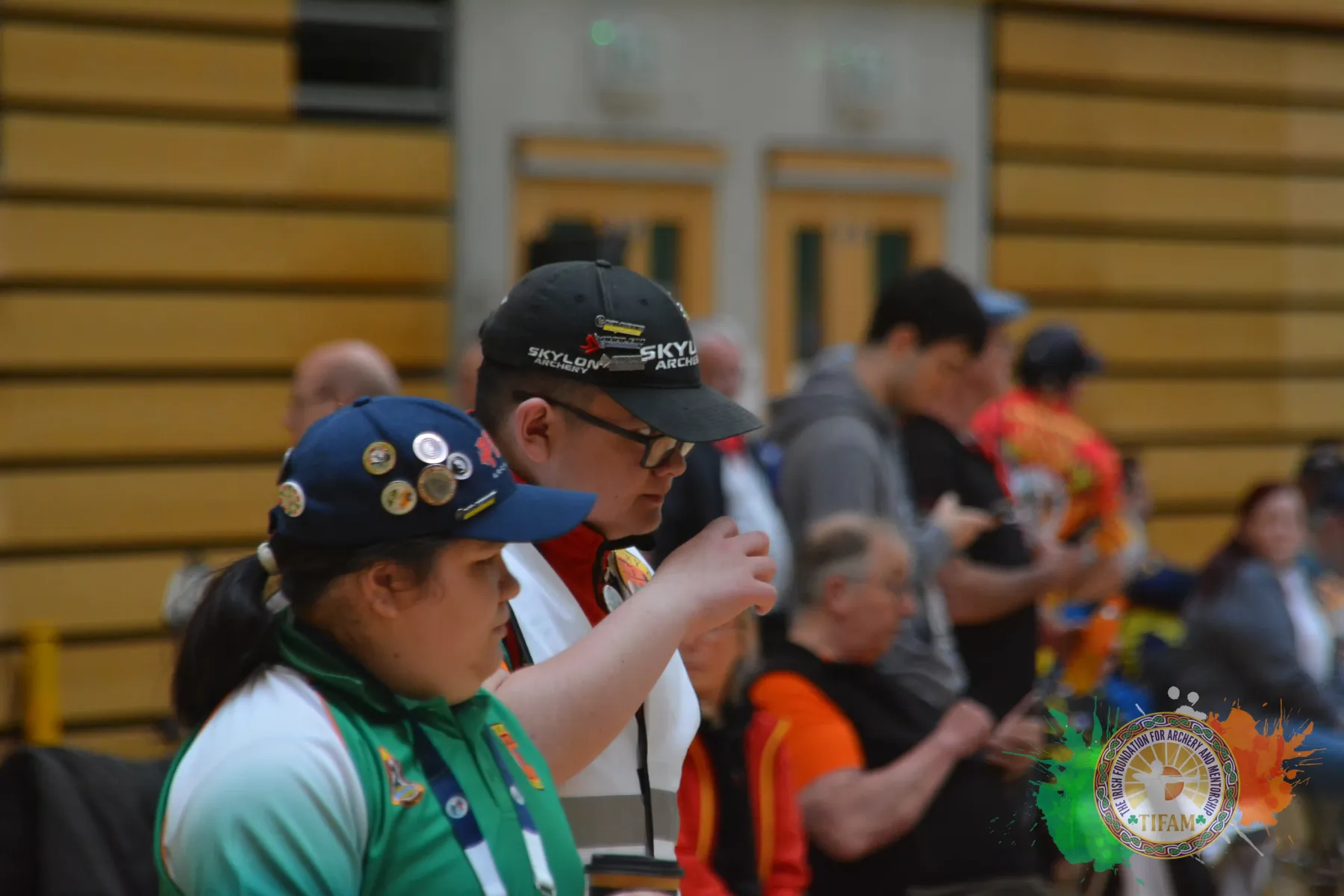
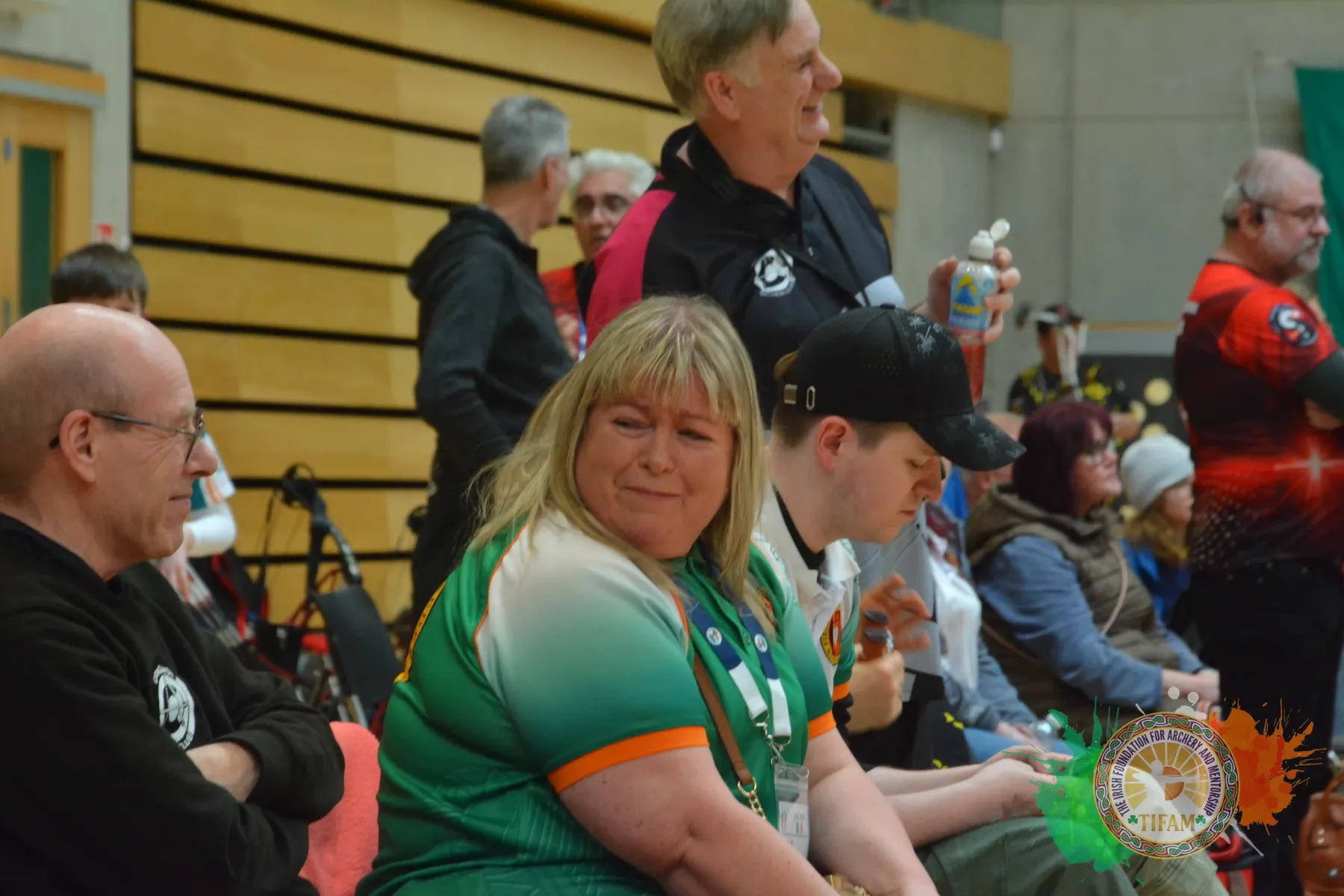
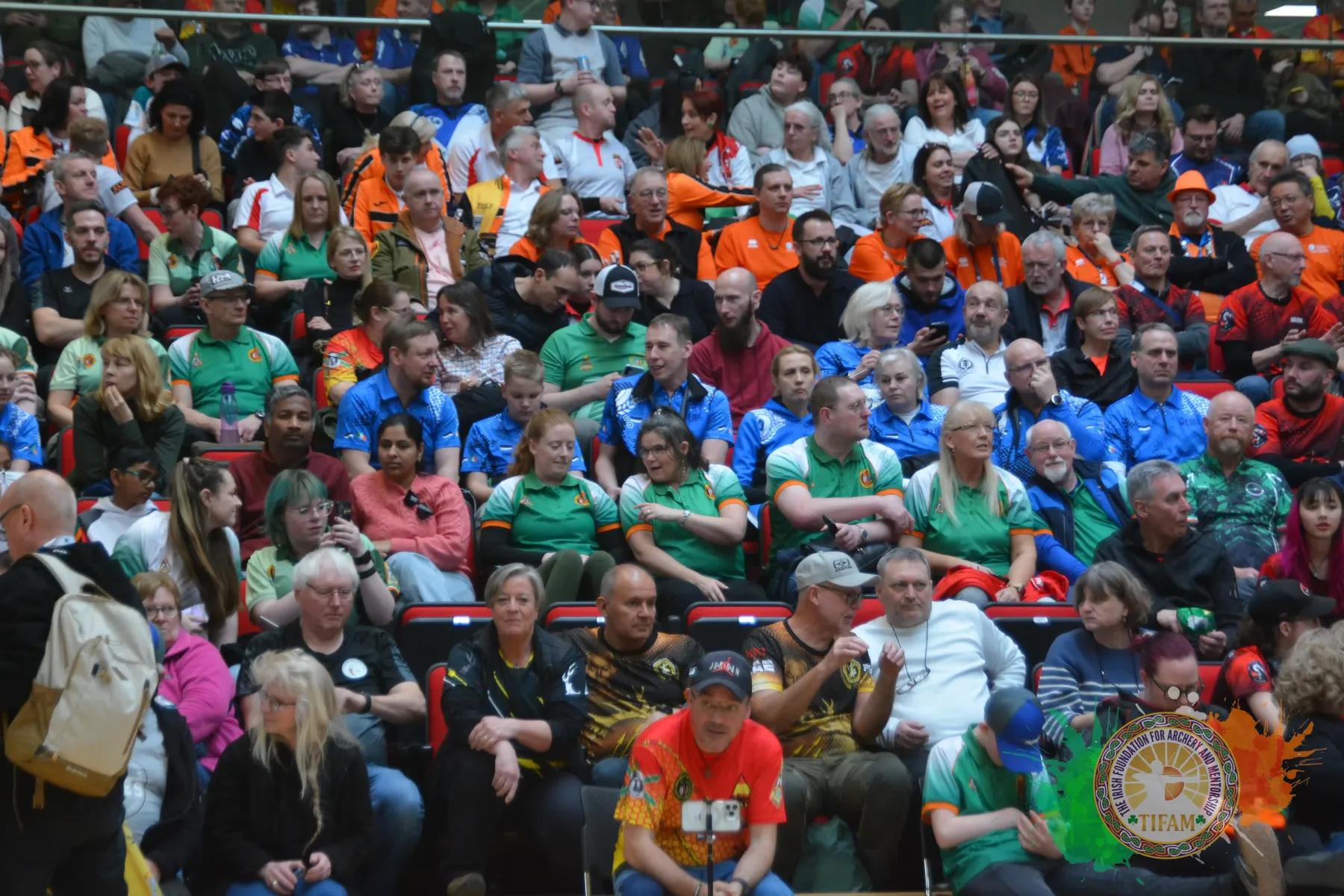
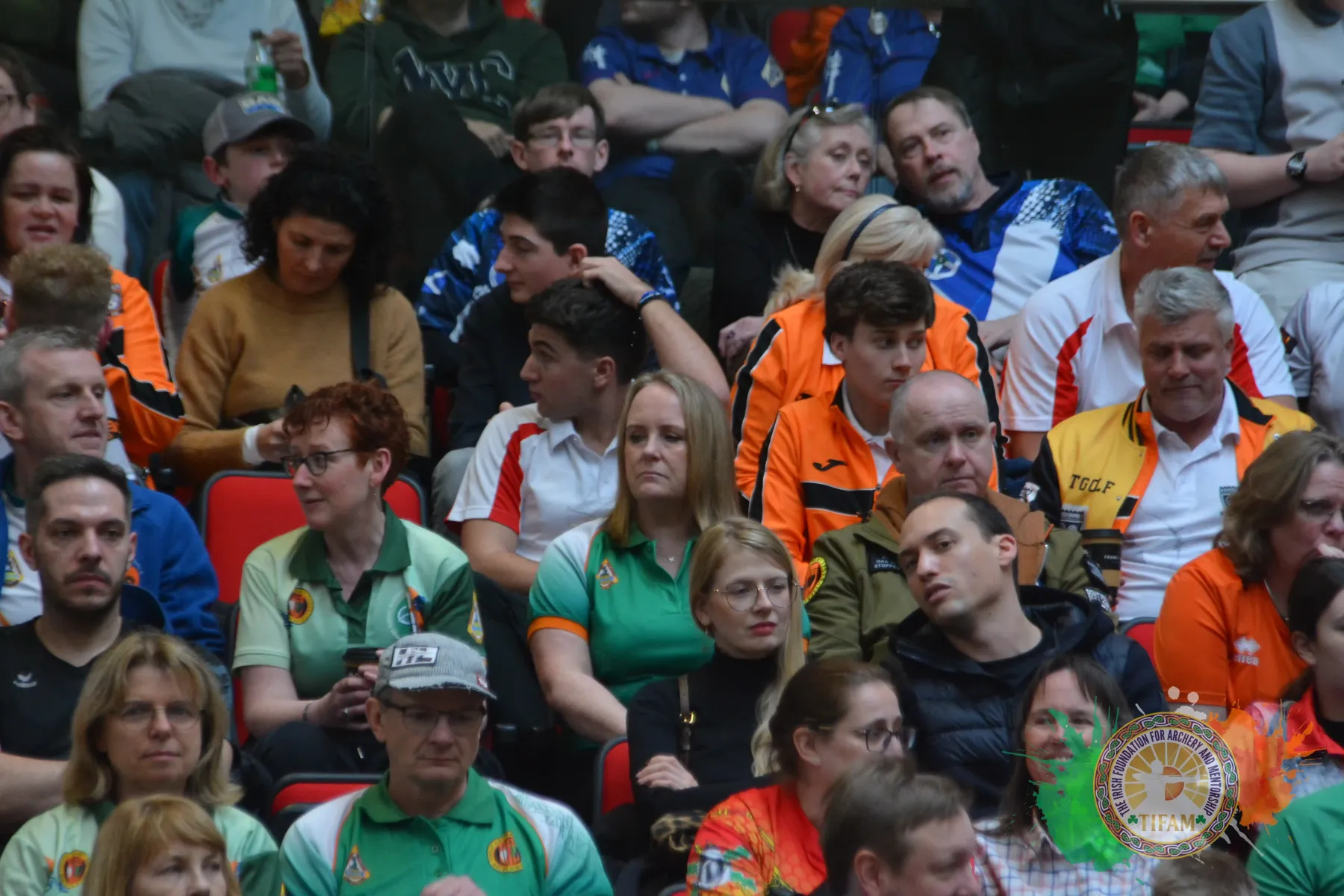
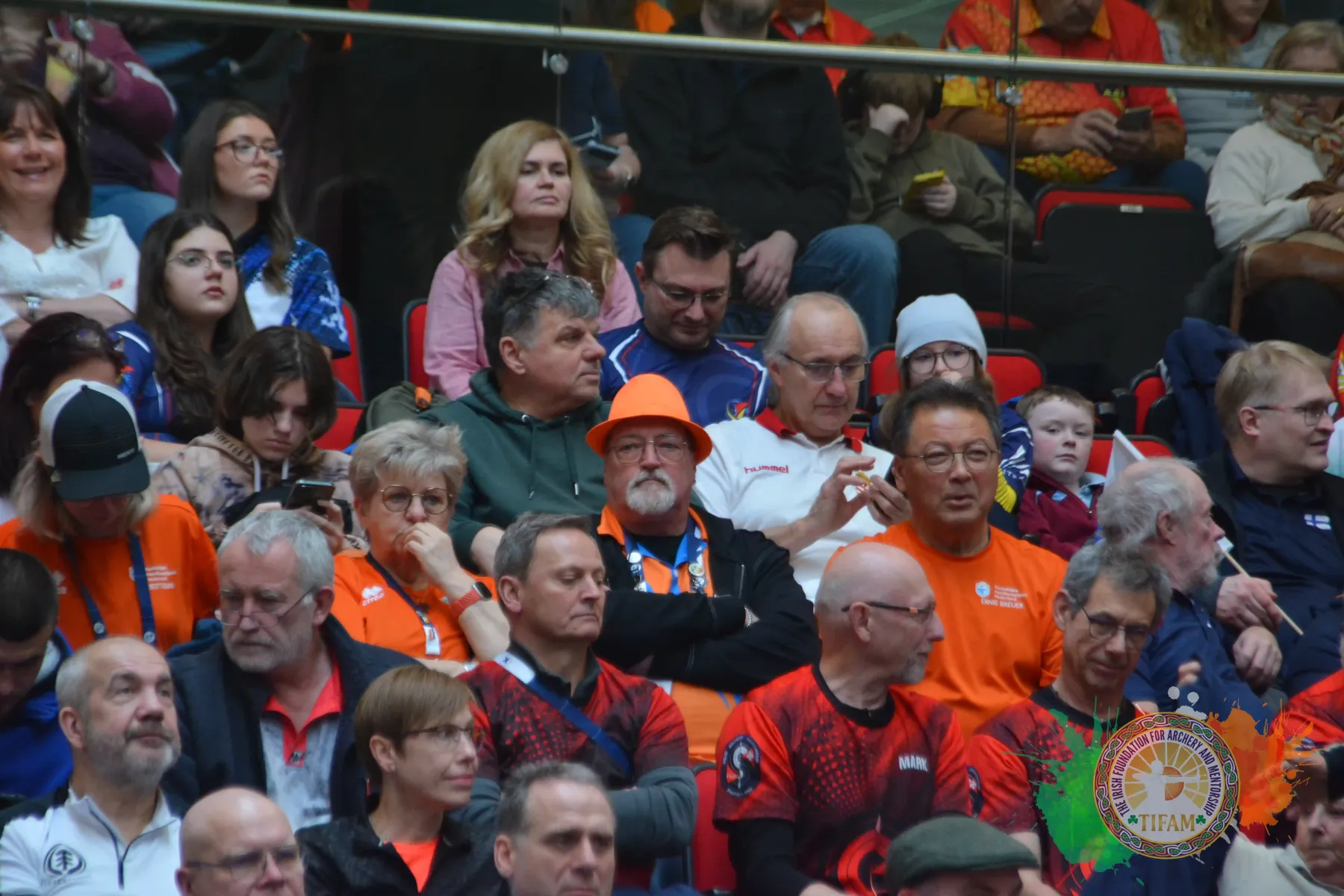
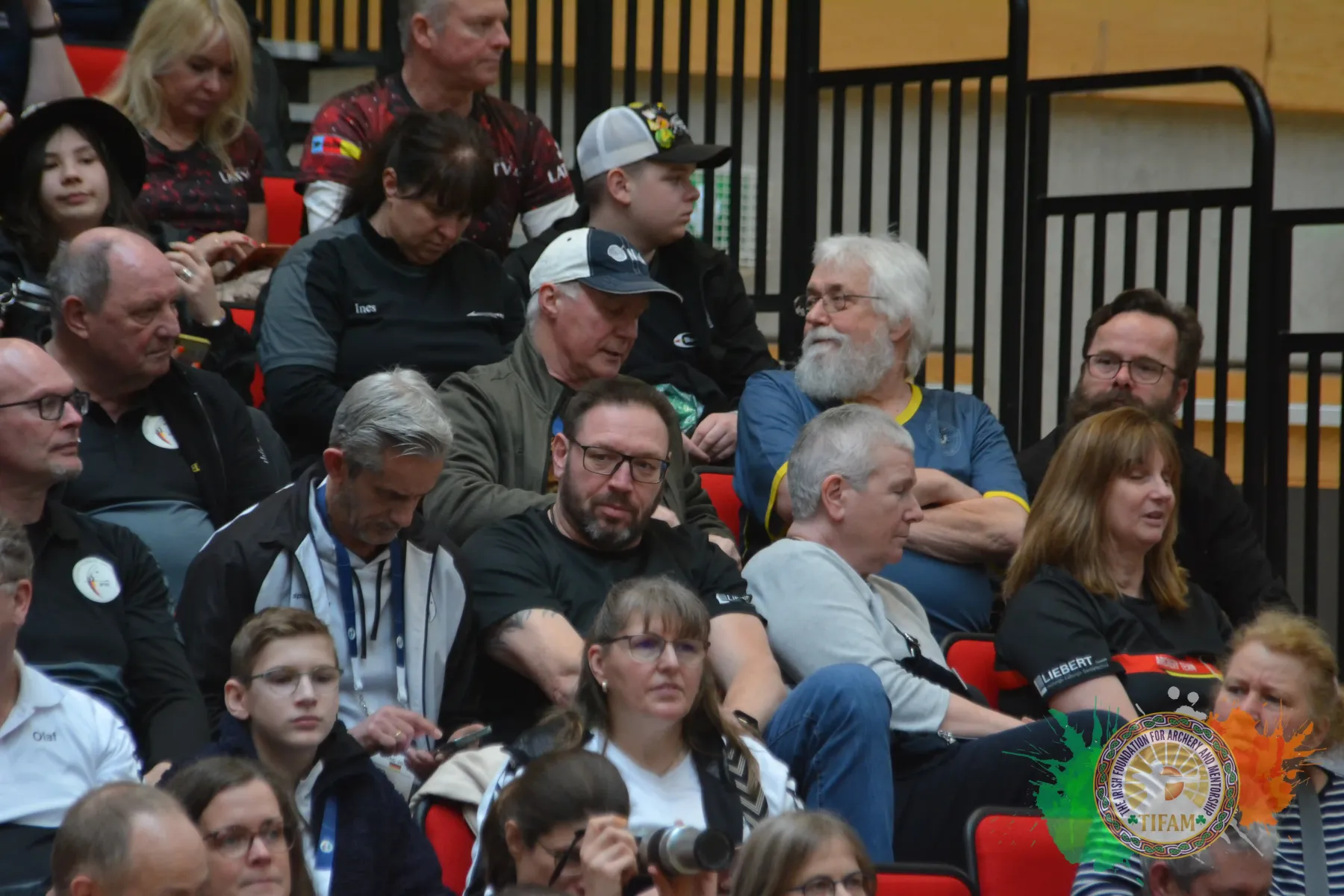
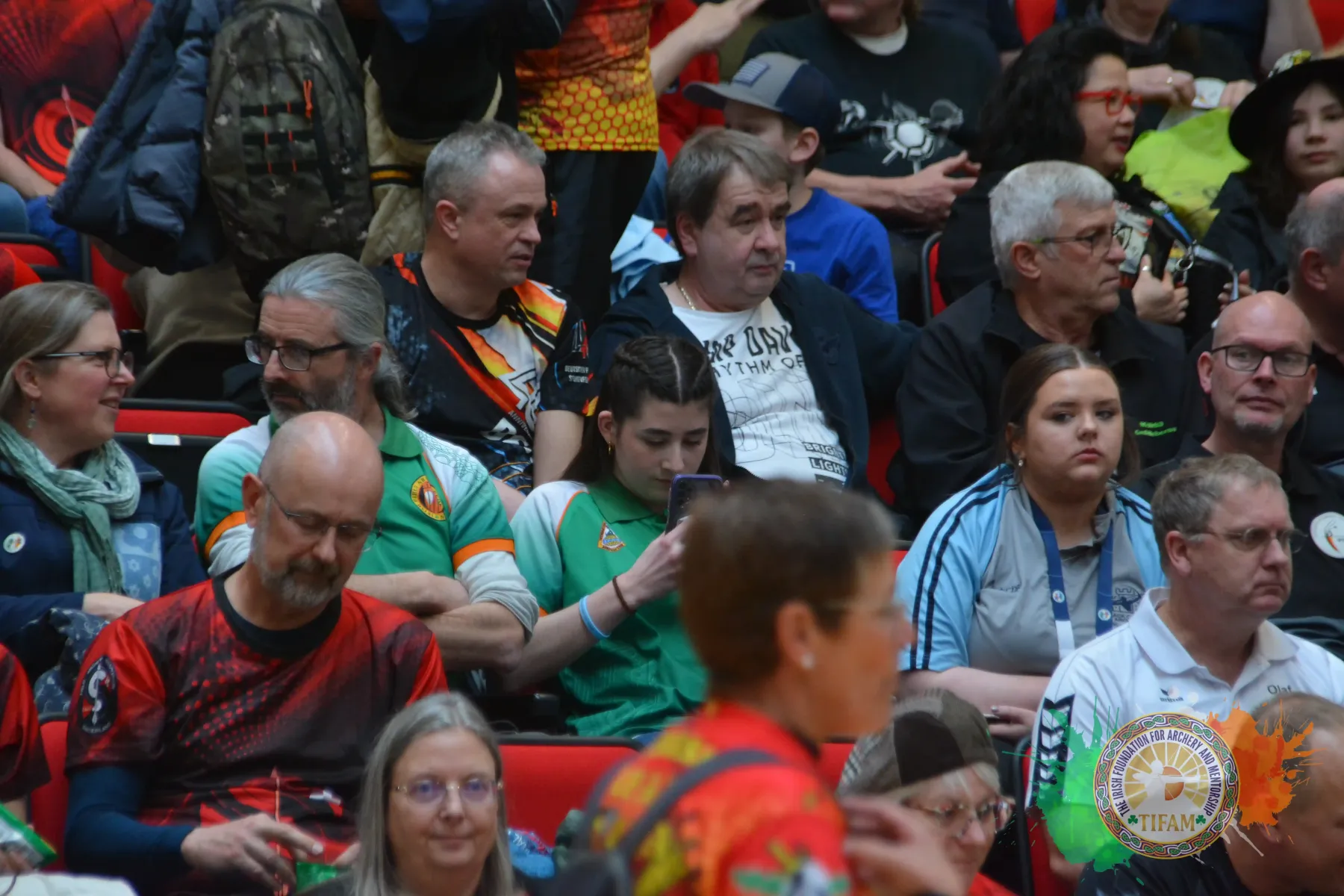
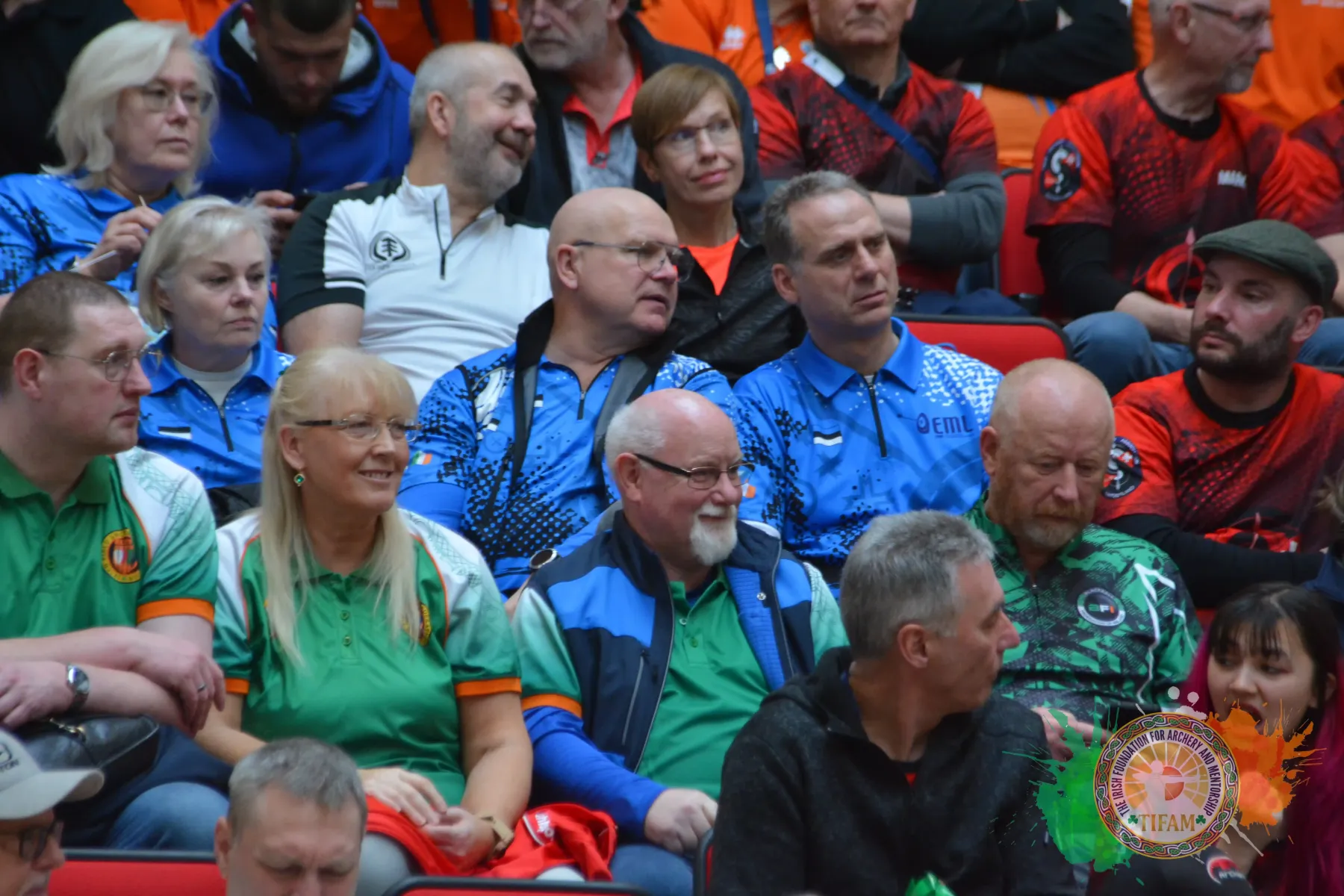
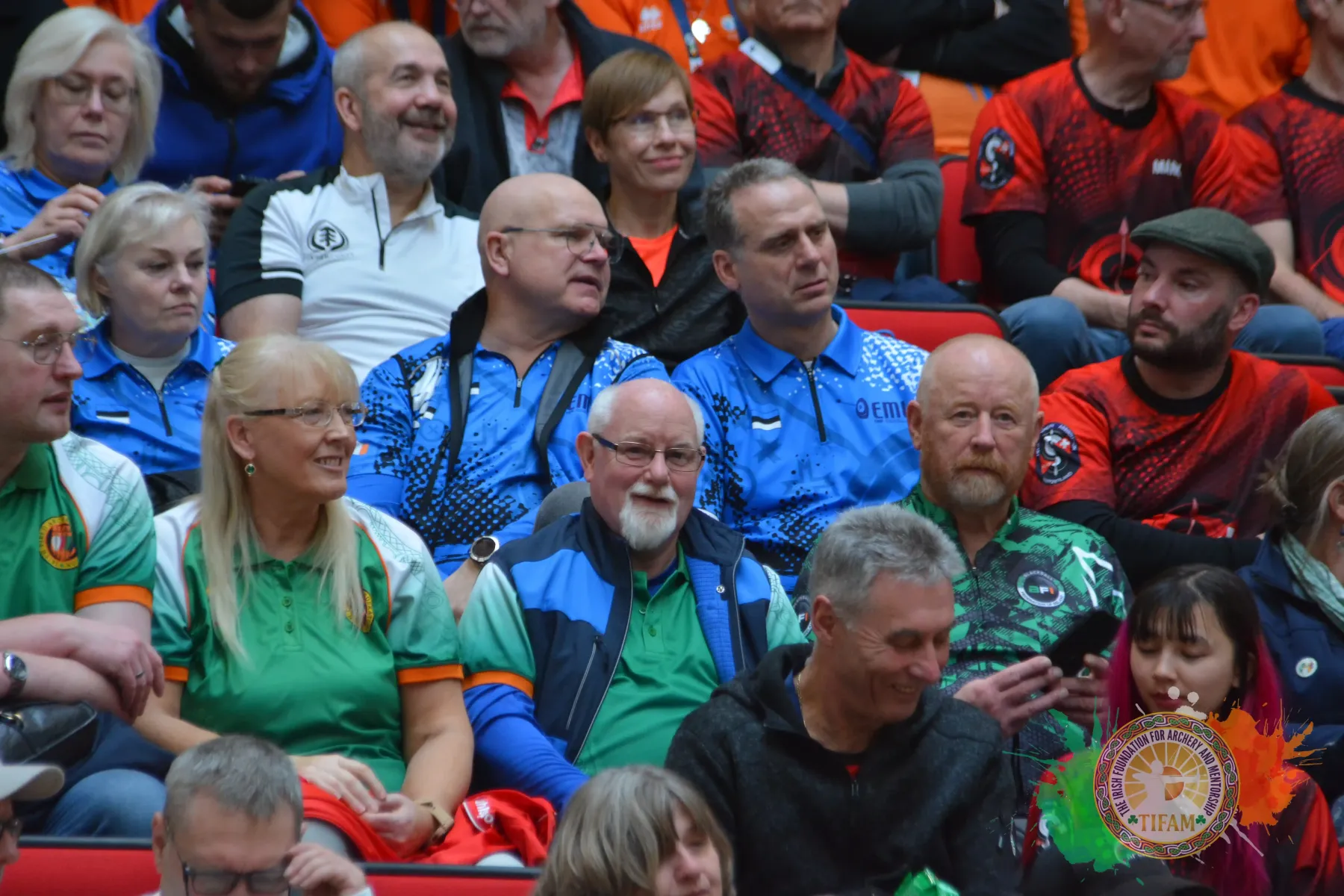
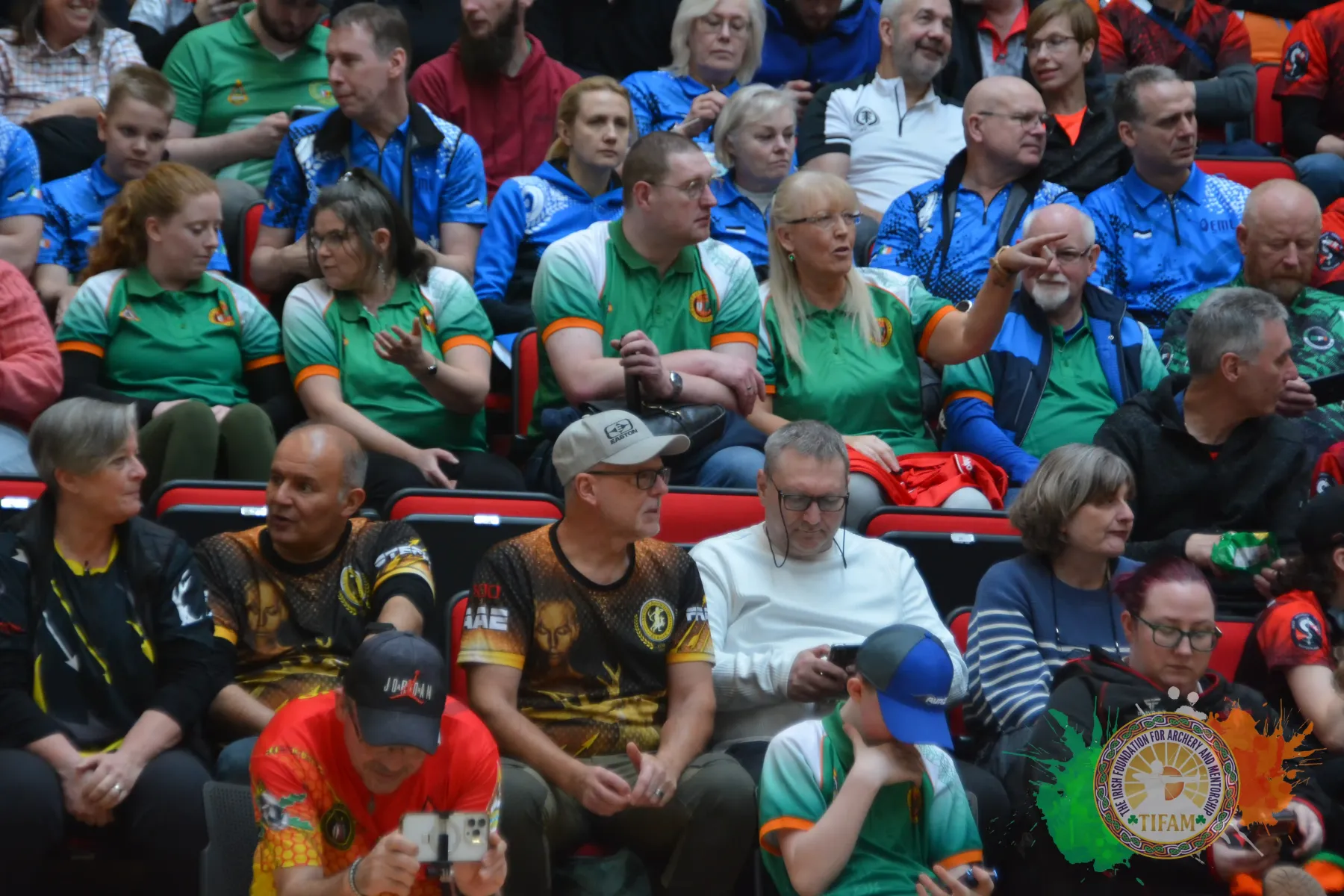
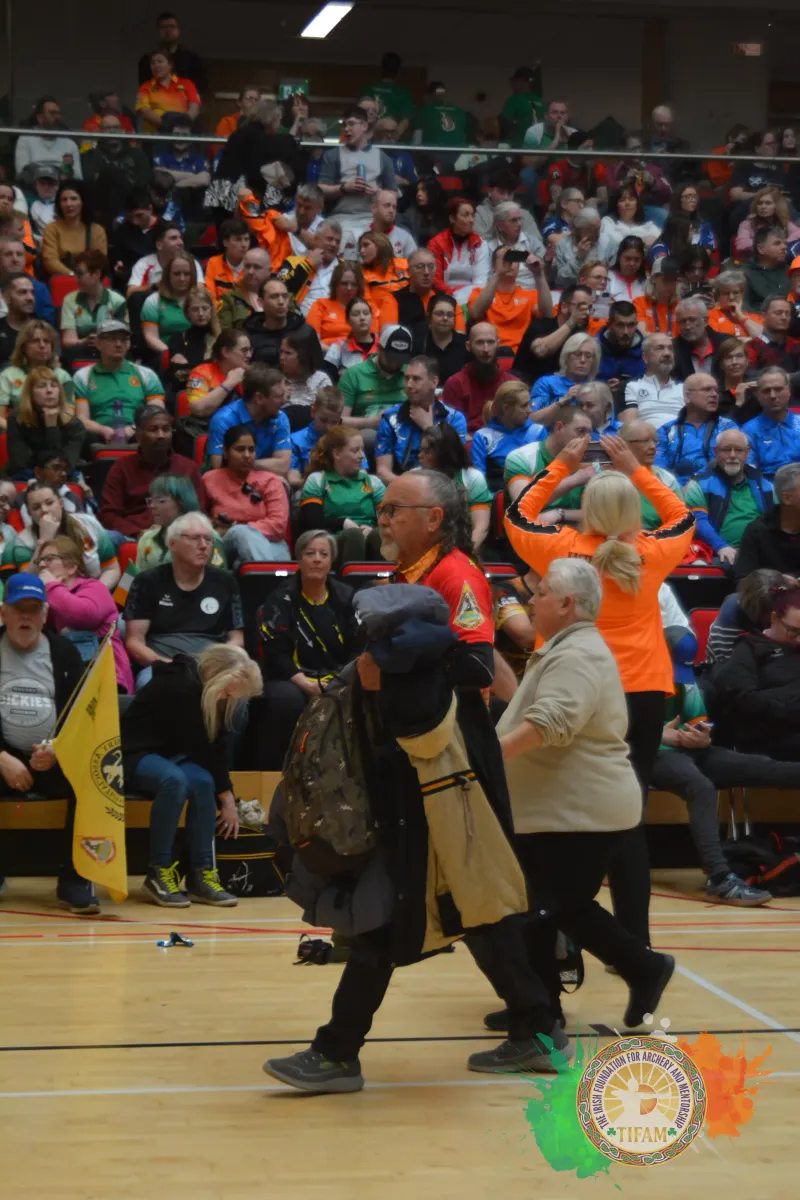
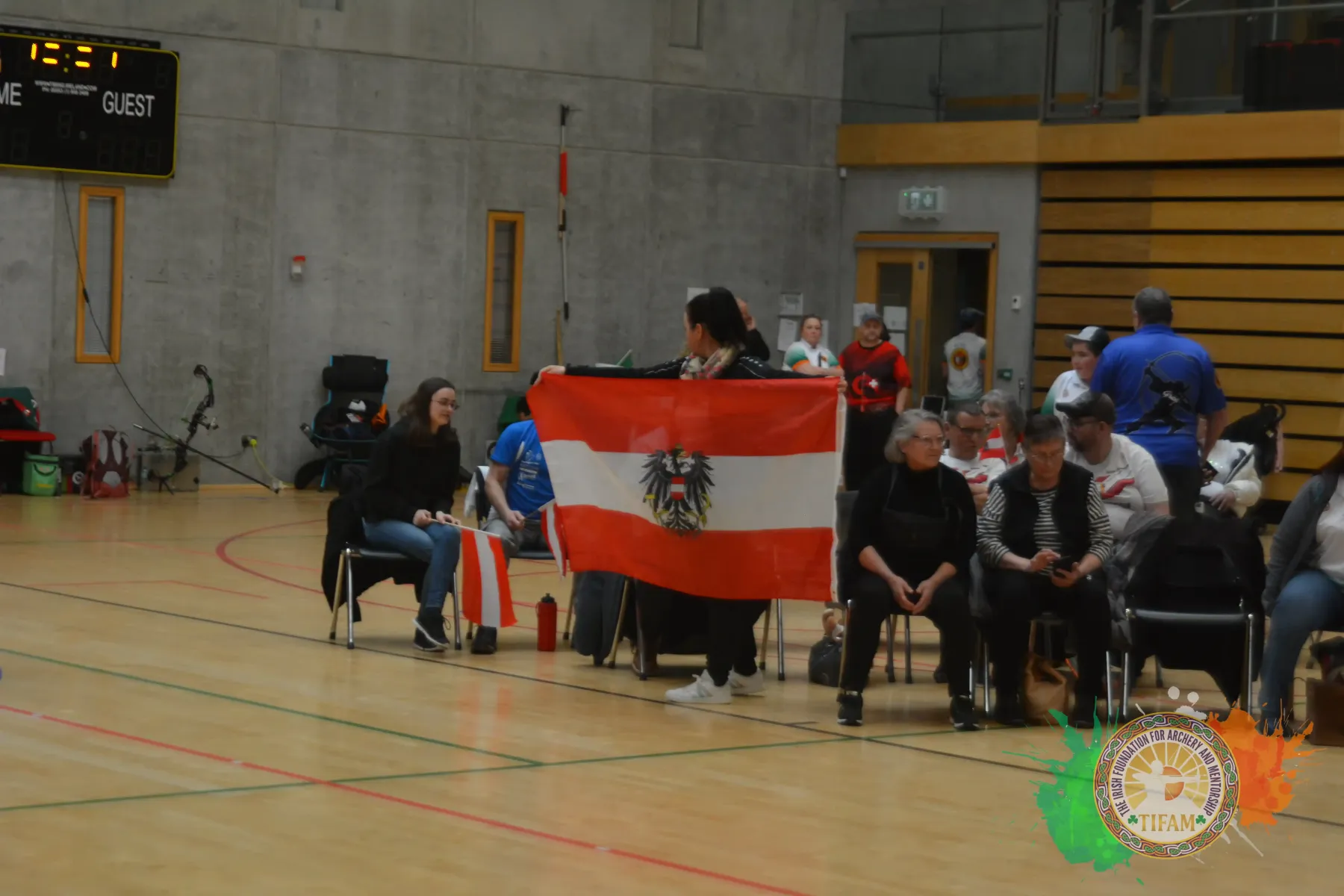
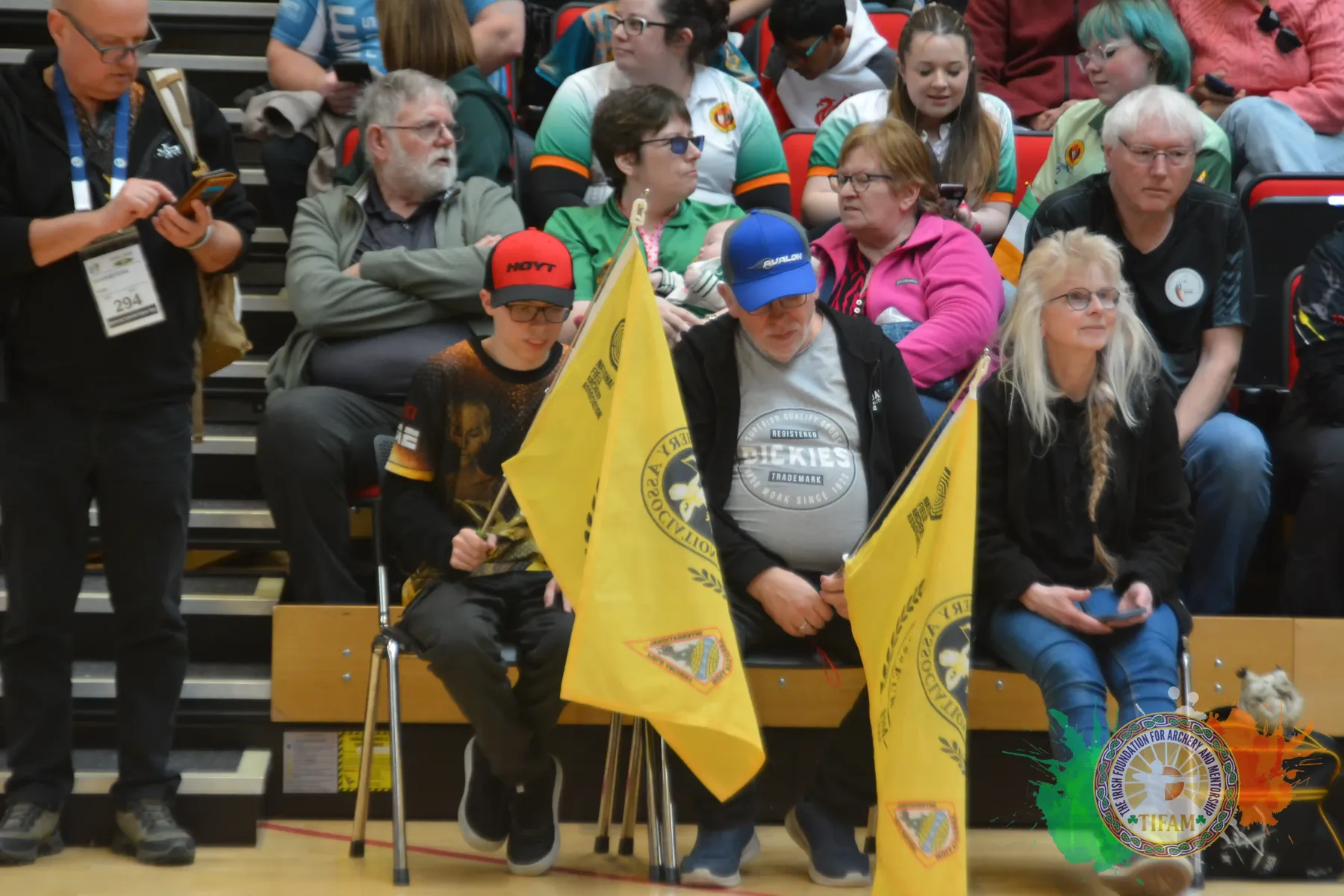
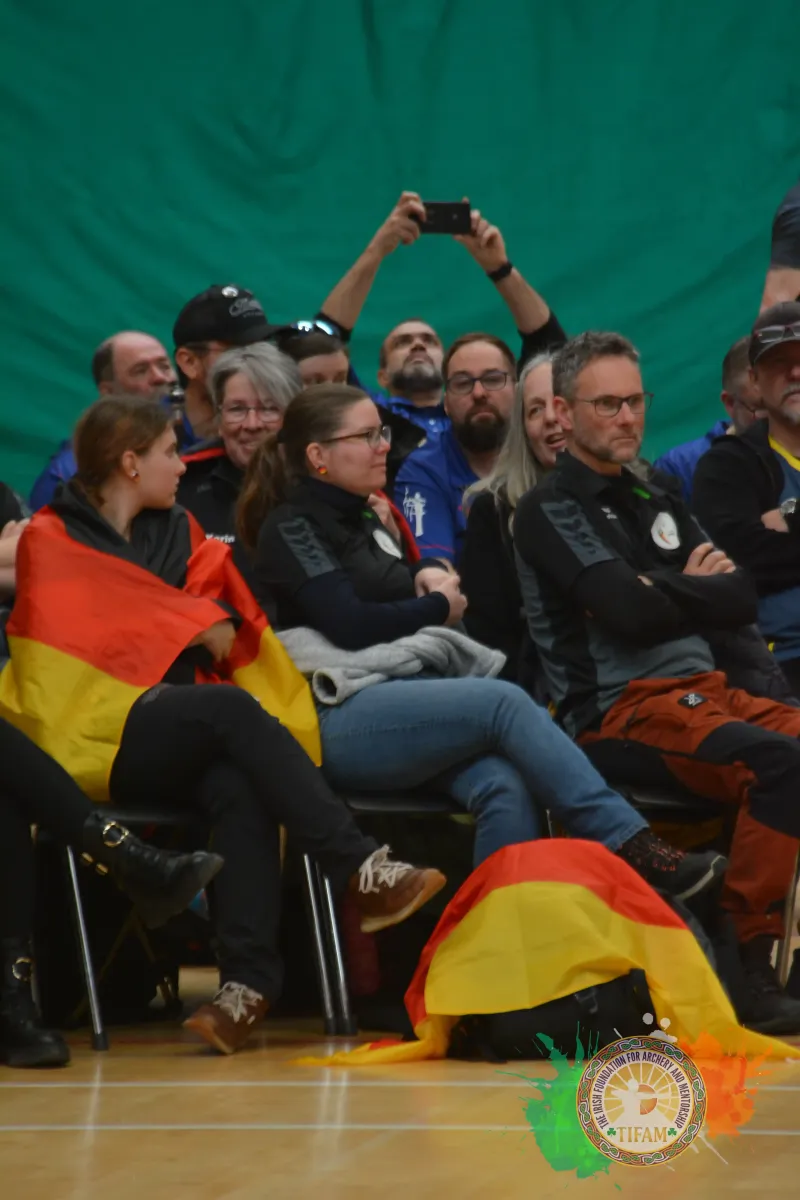
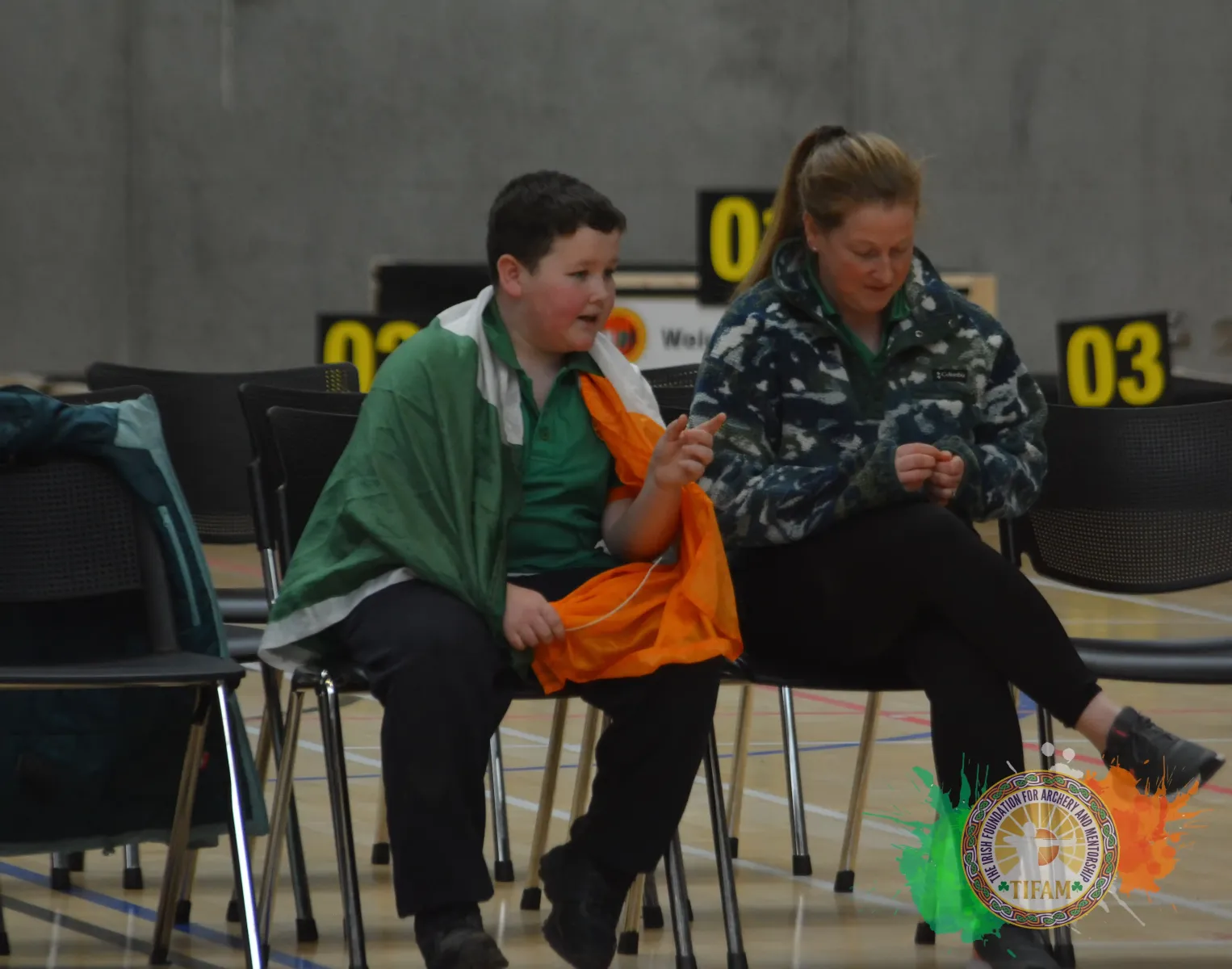
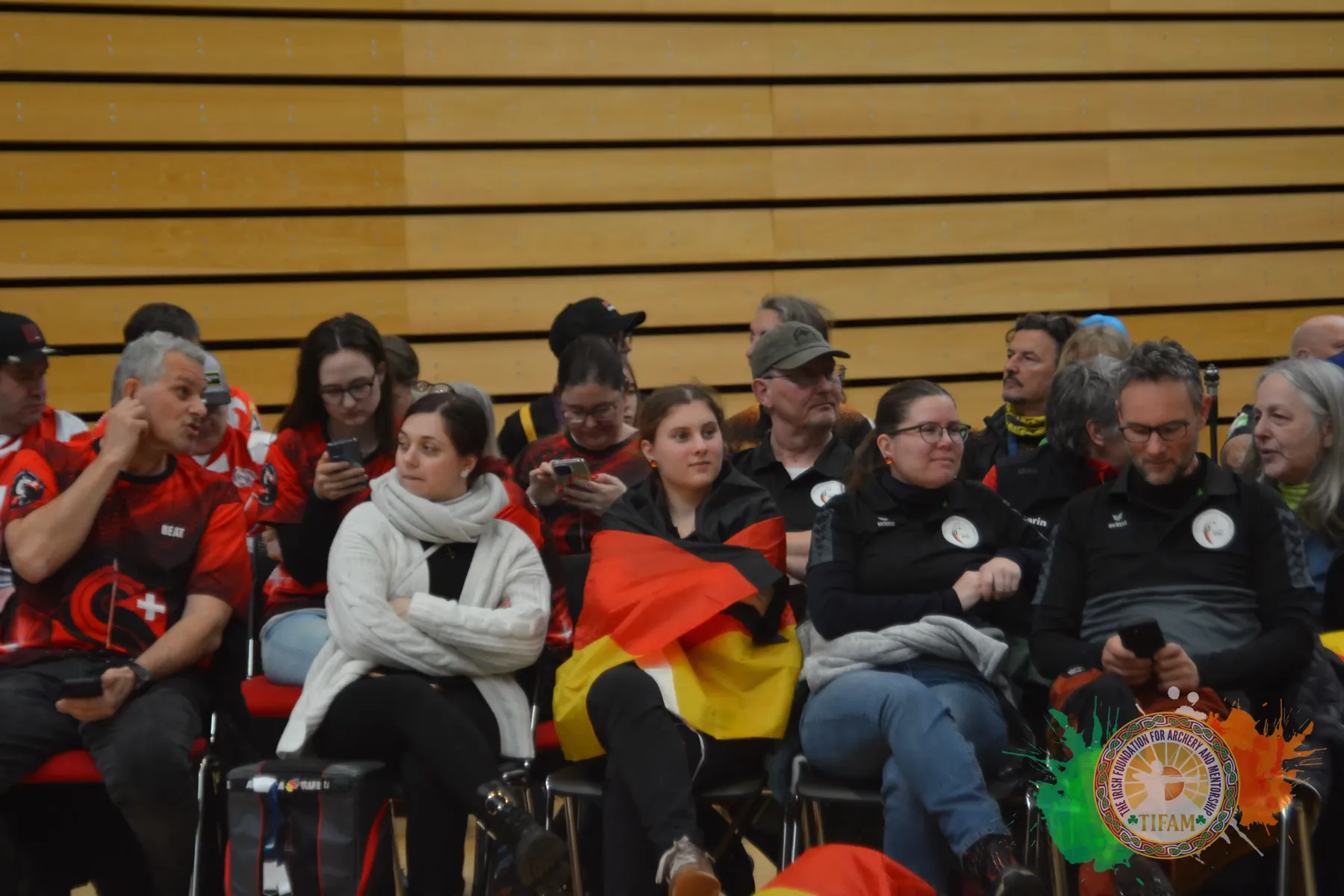
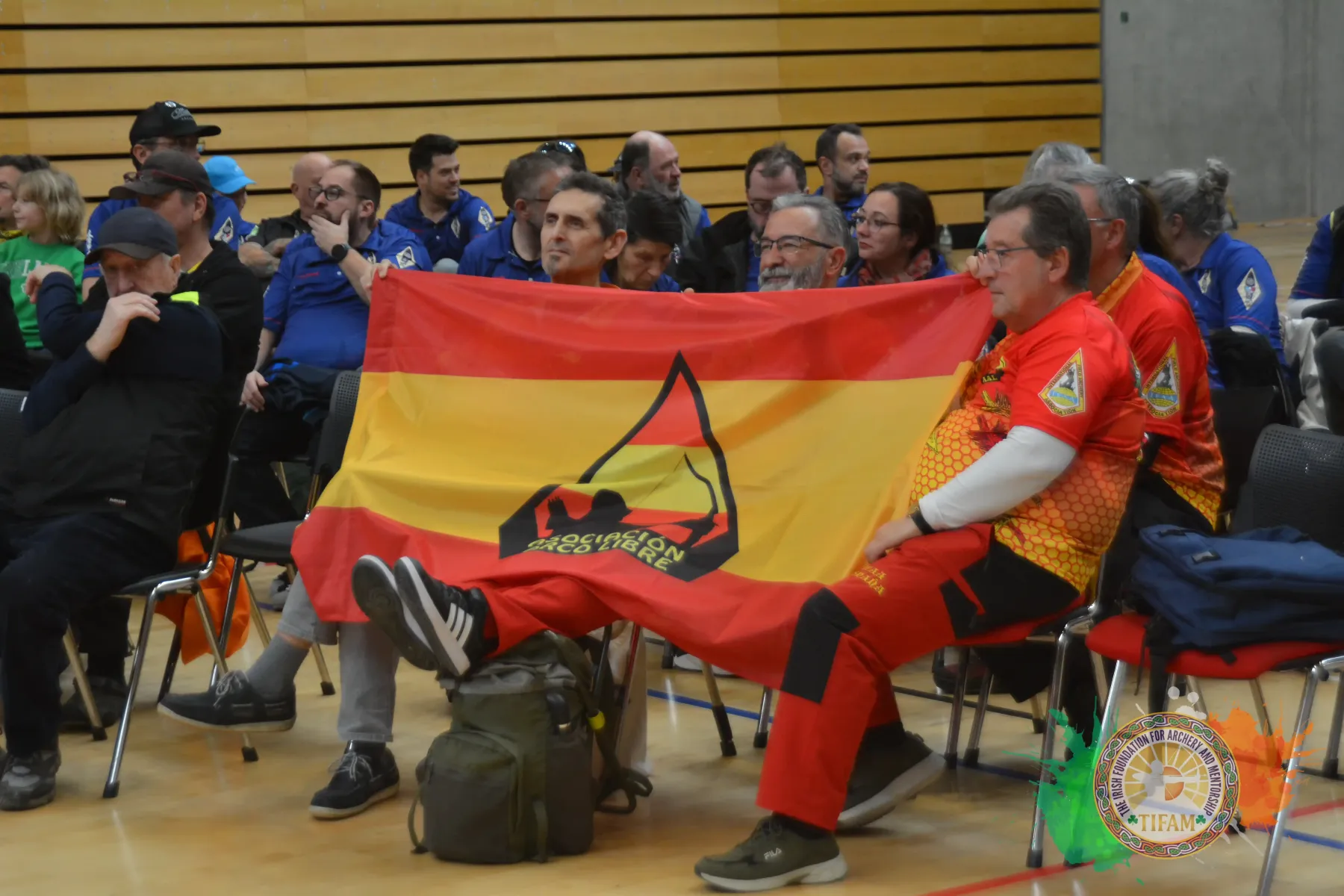
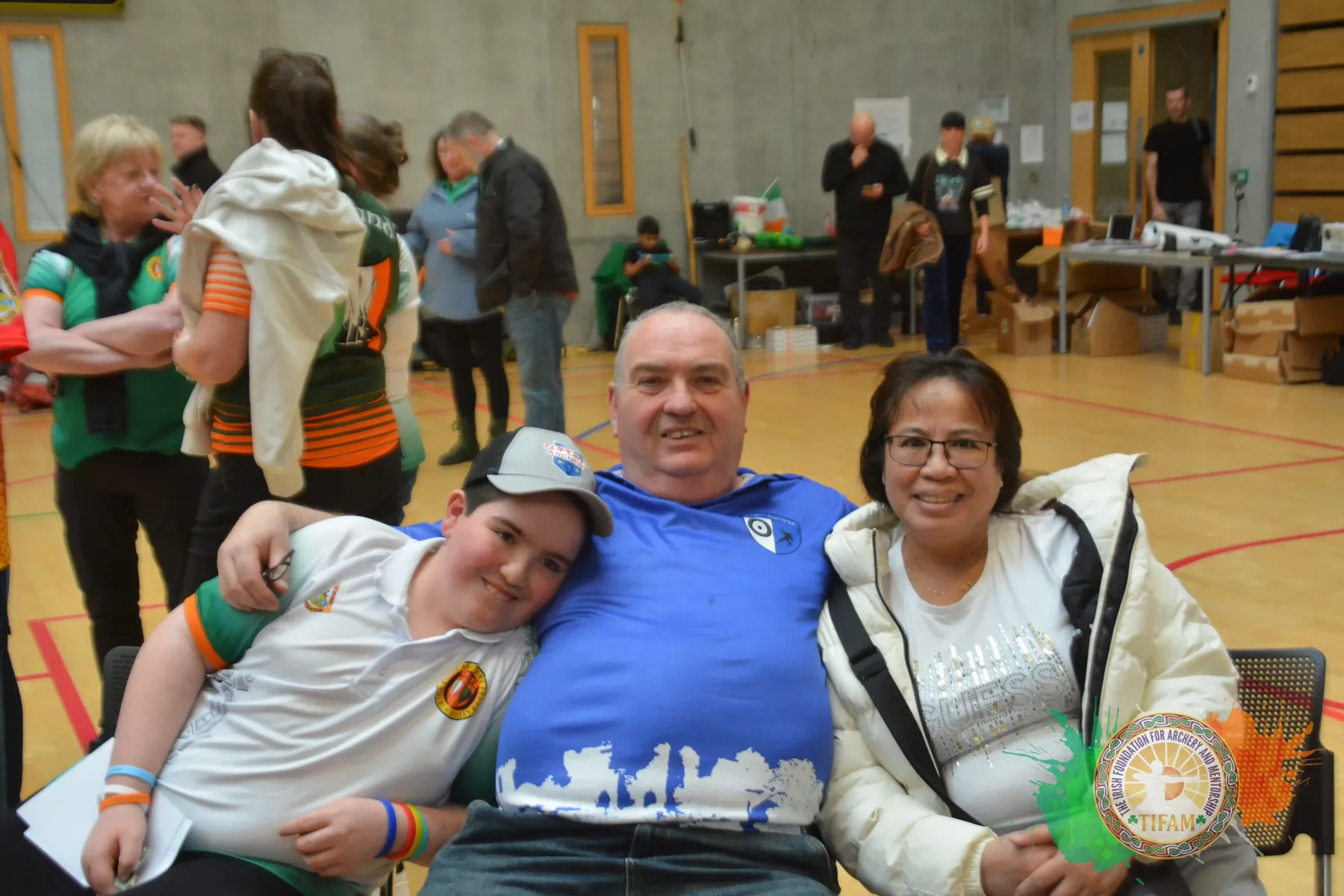
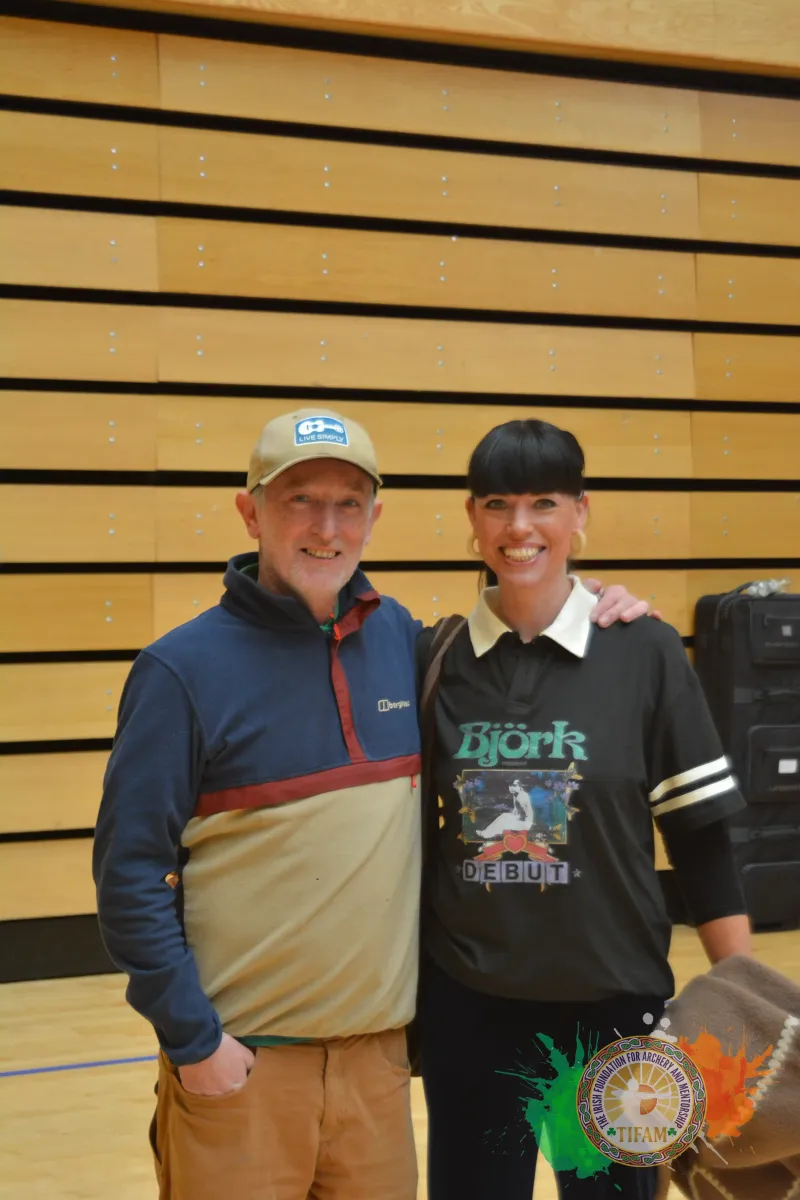
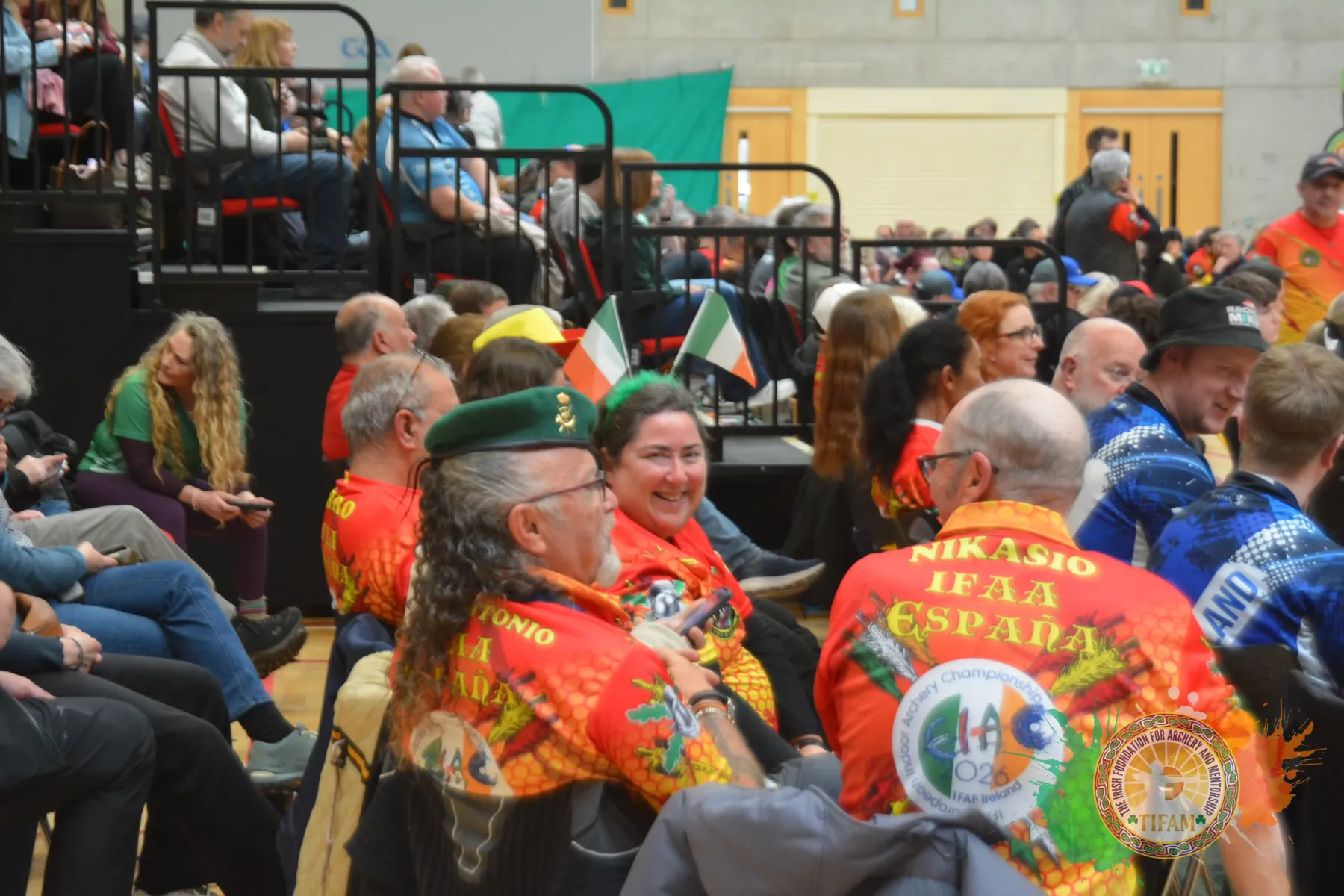
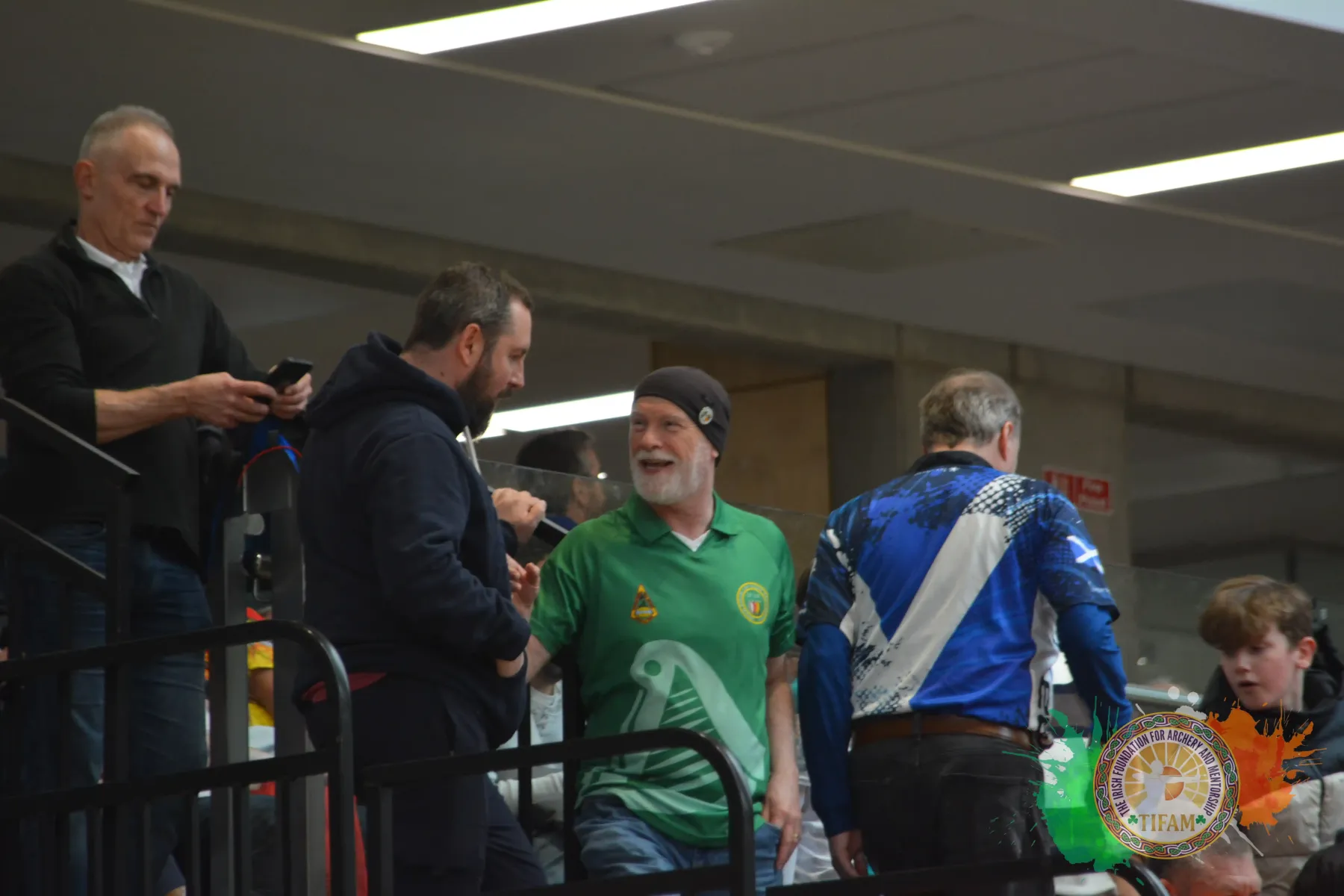
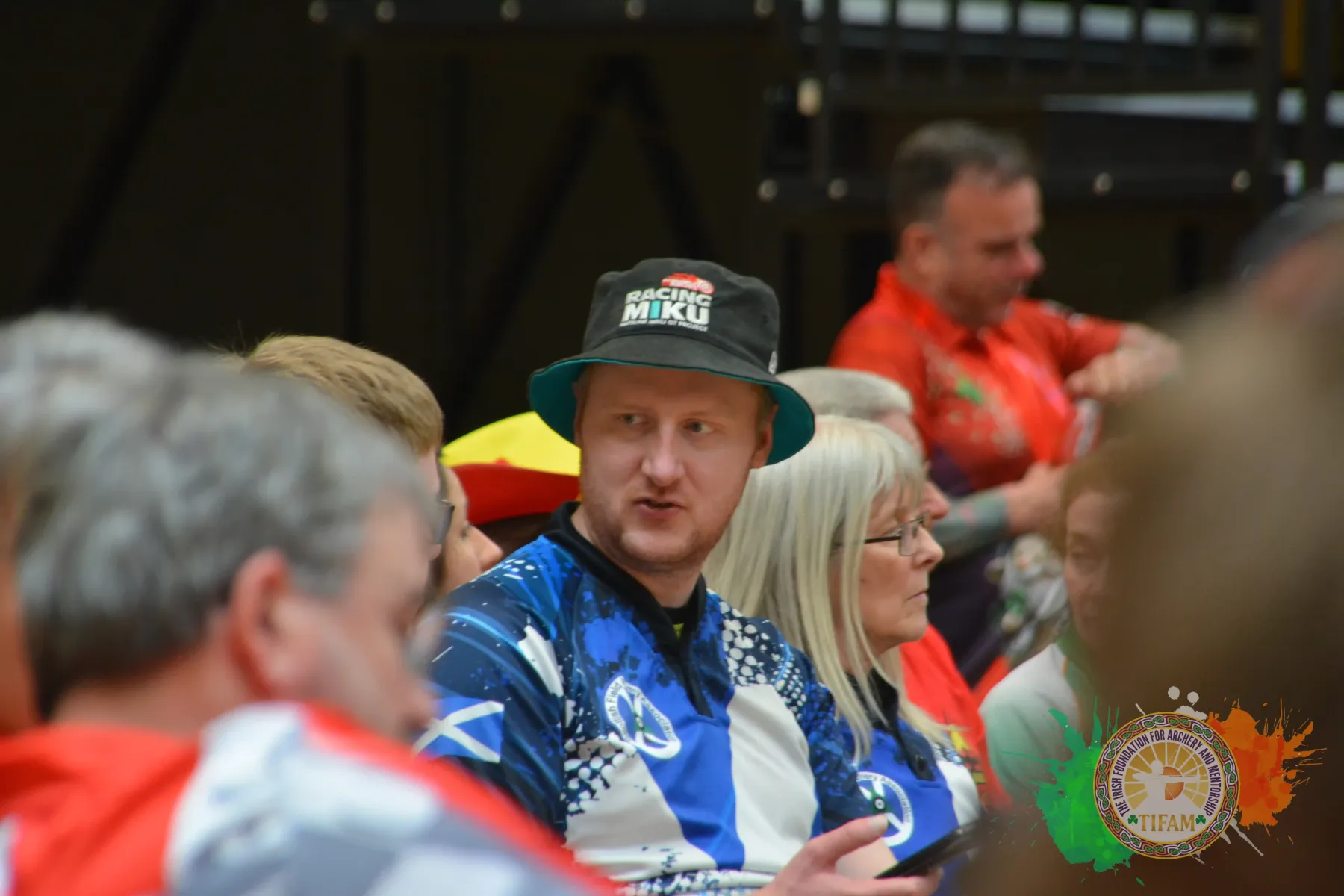
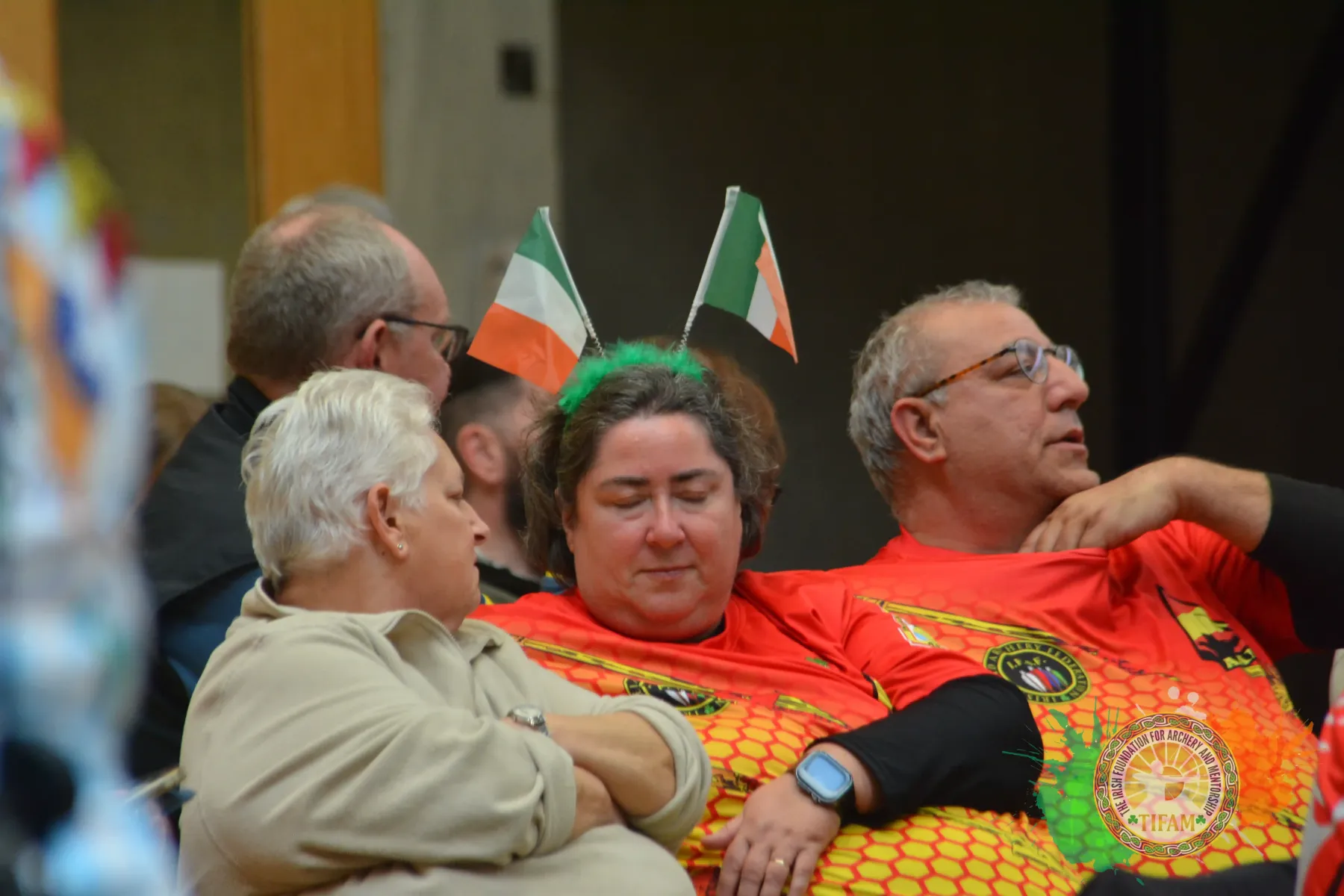
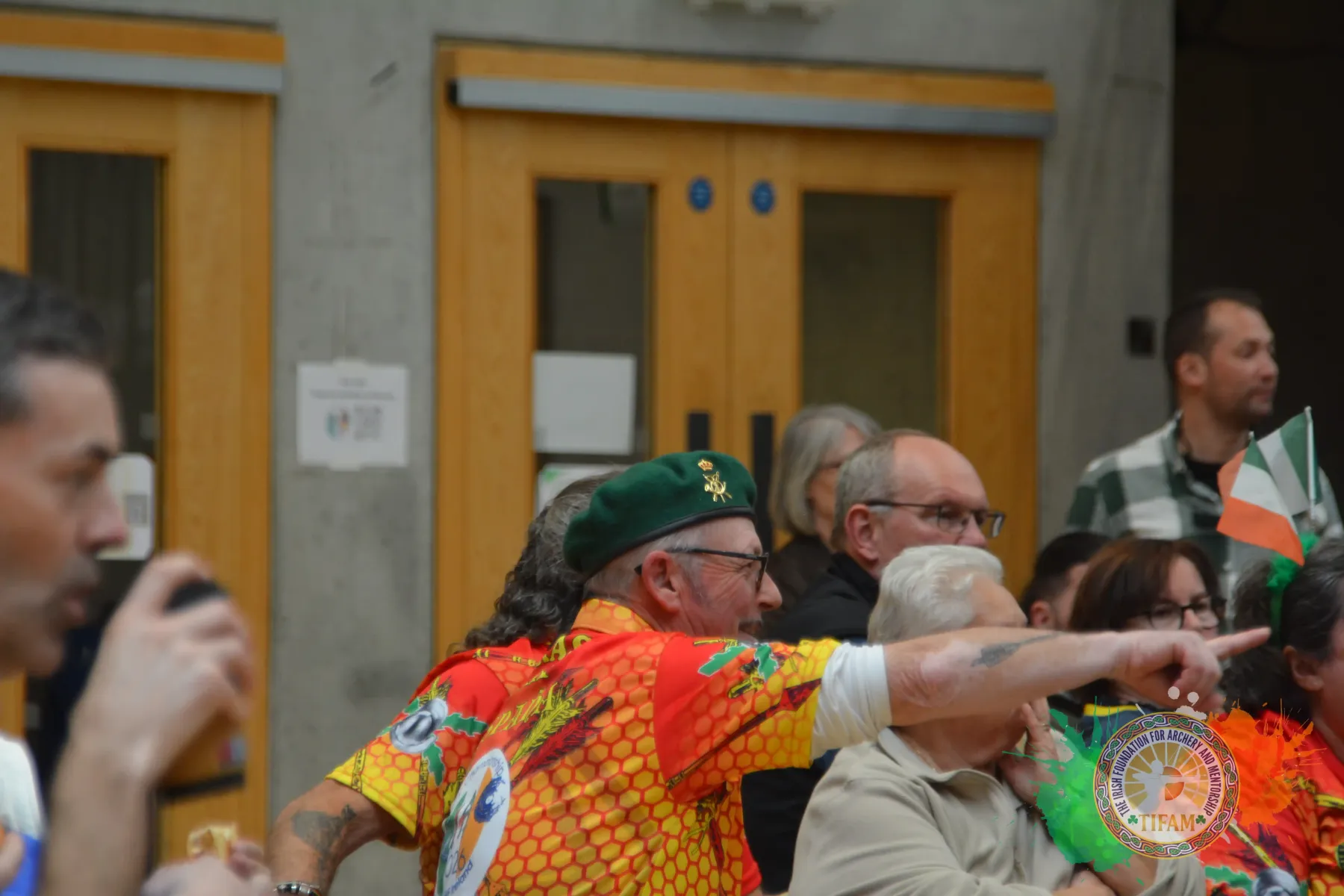
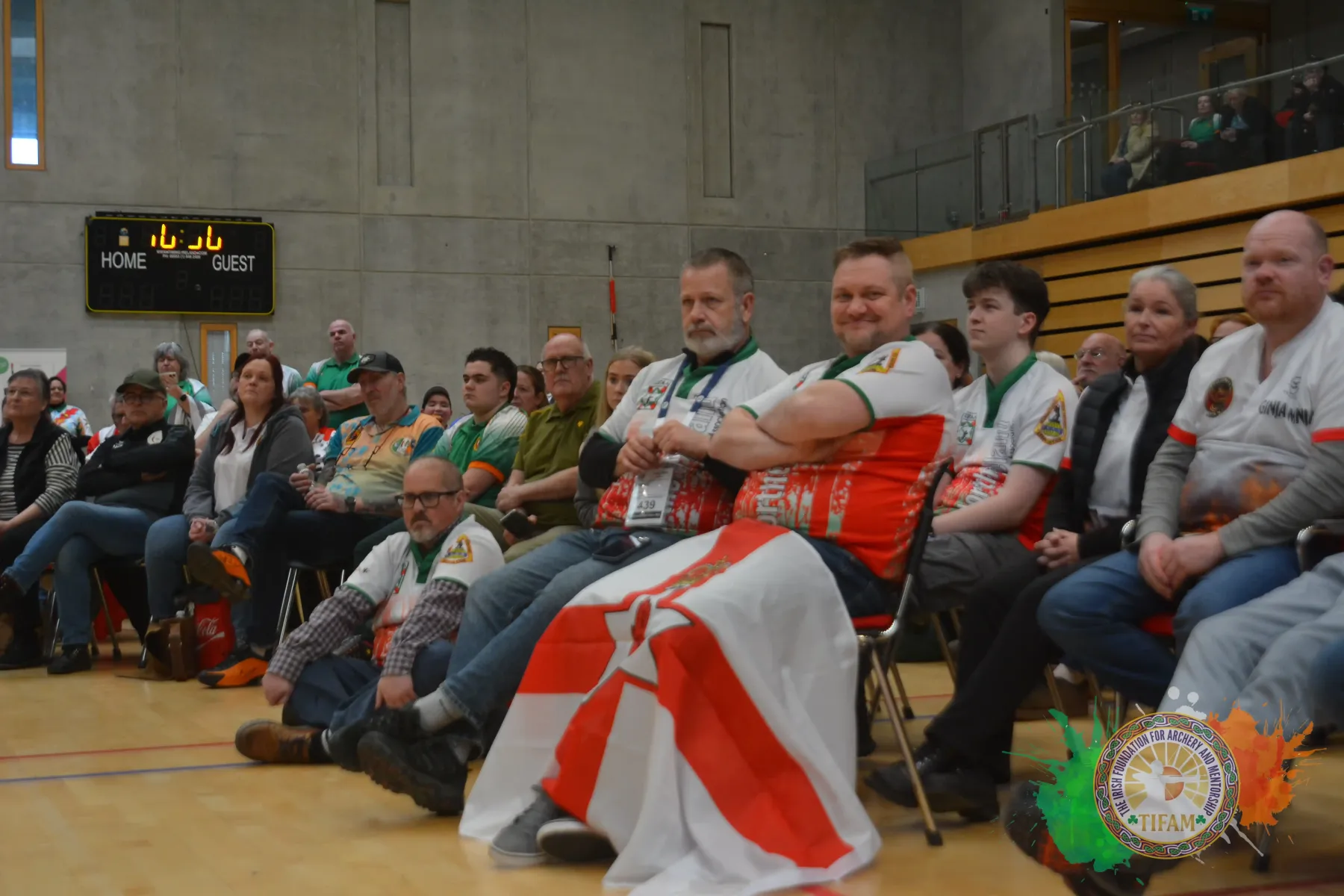
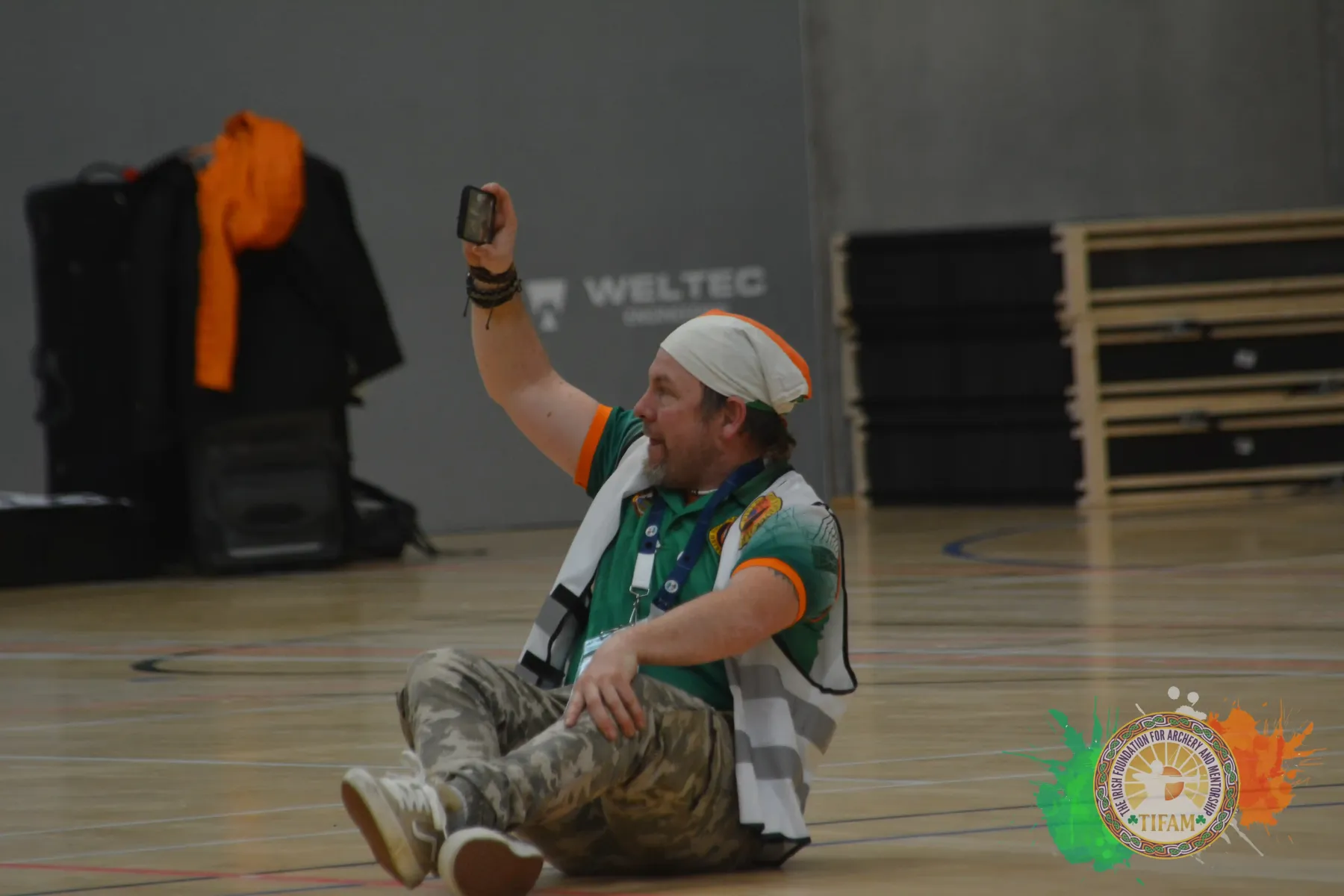
Yet organisation alone would not have given EIAC 2026 its full moral force. Another element moved through the venue and gave the event its memorable human finish: camaraderie. A championship of this scale could easily settle into mere efficiency, but Waterford carried more than efficiency. The atmosphere remained warm, generous, and spirited throughout. Competitors, officials, volunteers, and spectators created a sense of shared occasion that lifted the event above routine success. That quality became, in truth, the cherry on top of the EIAC 2026 cake.
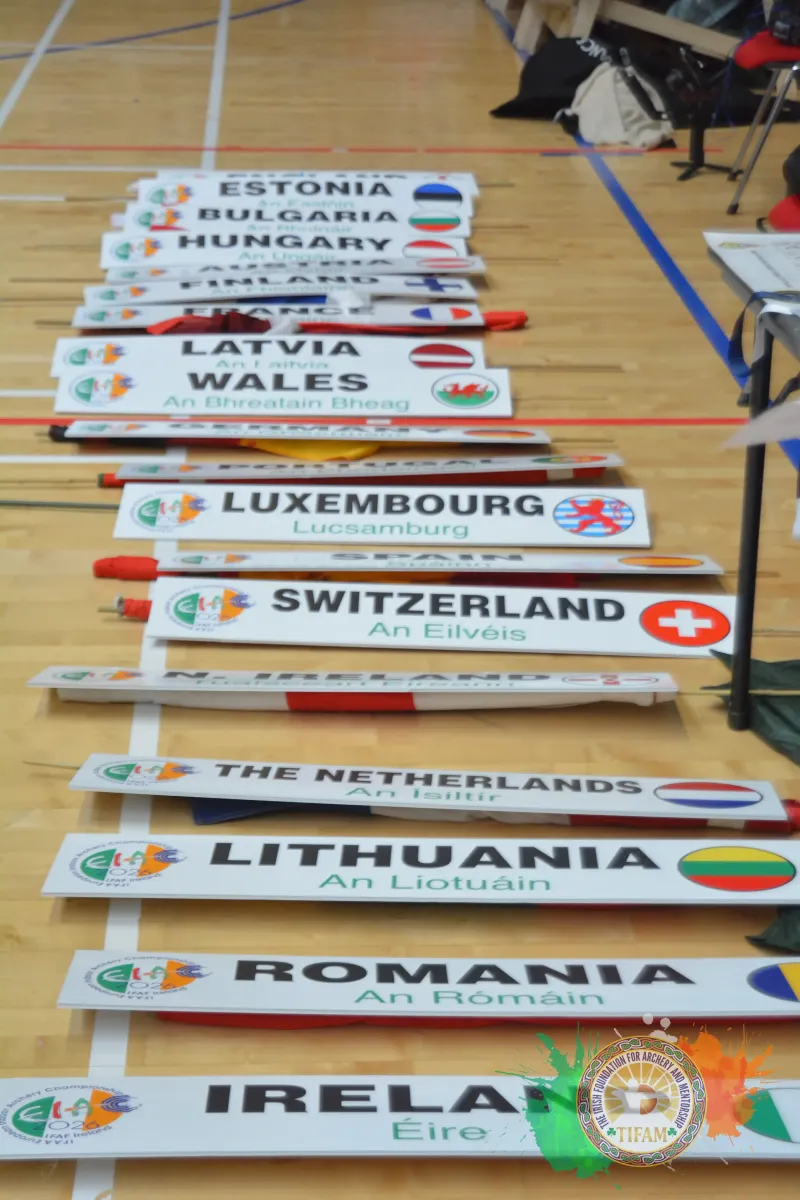
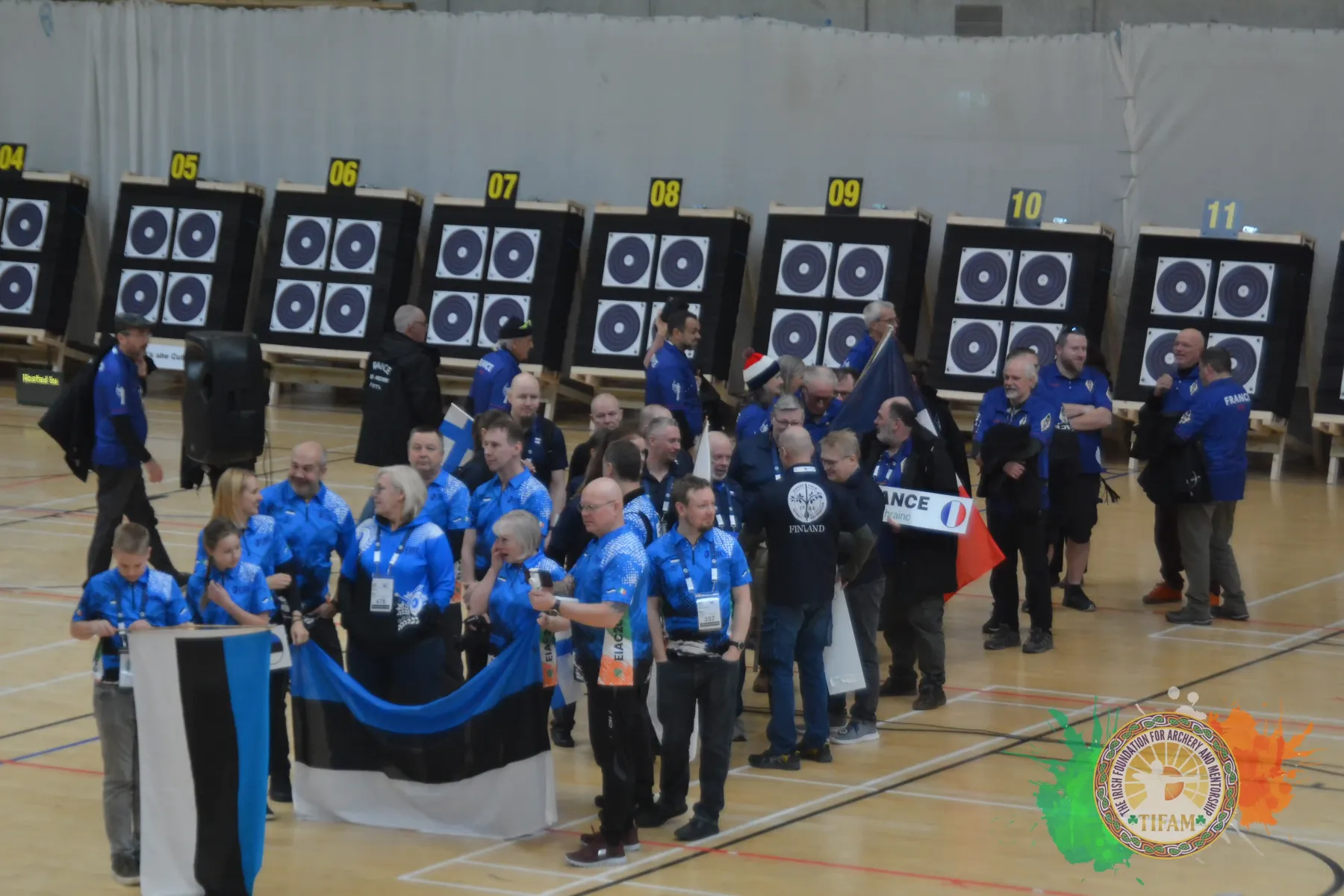
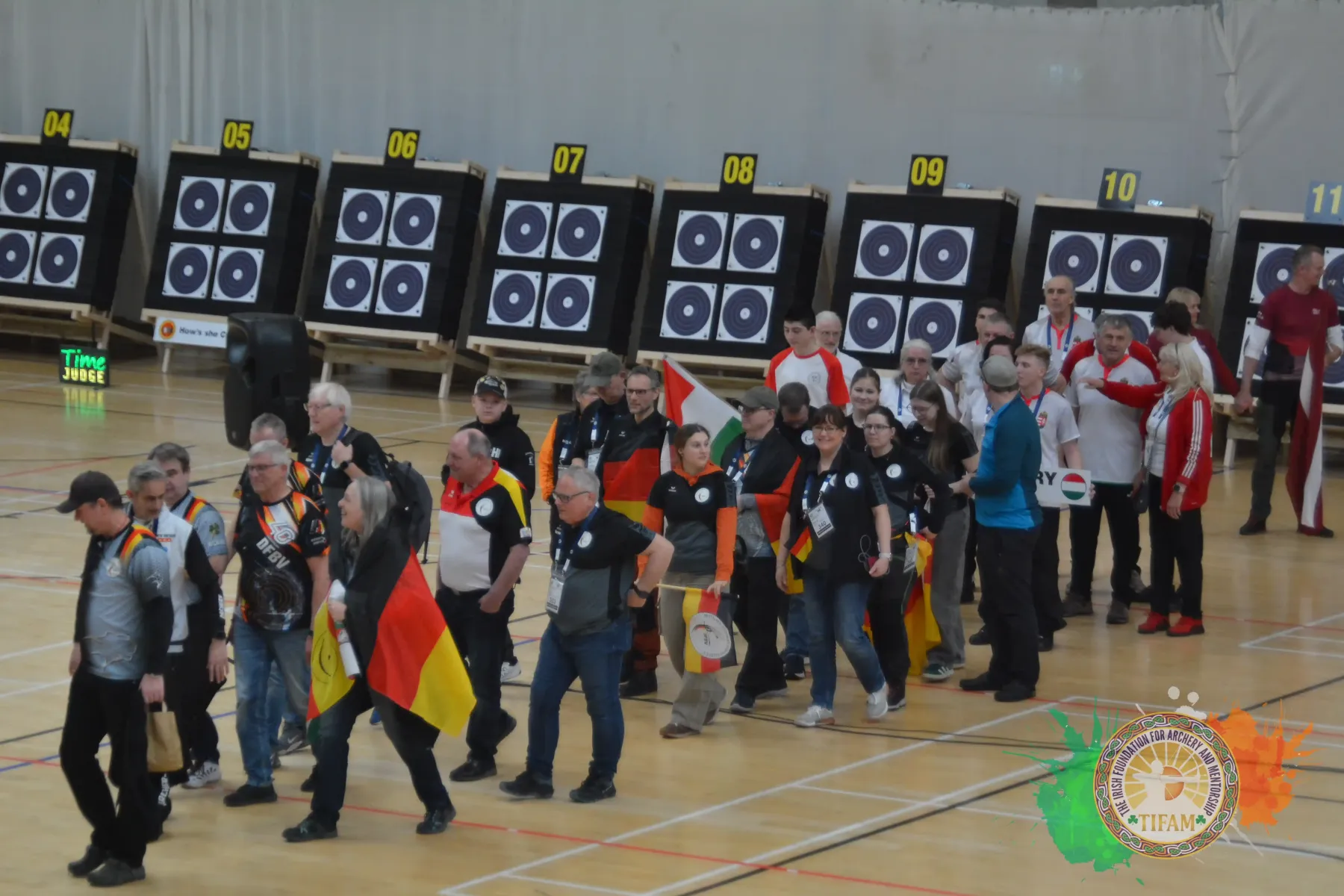
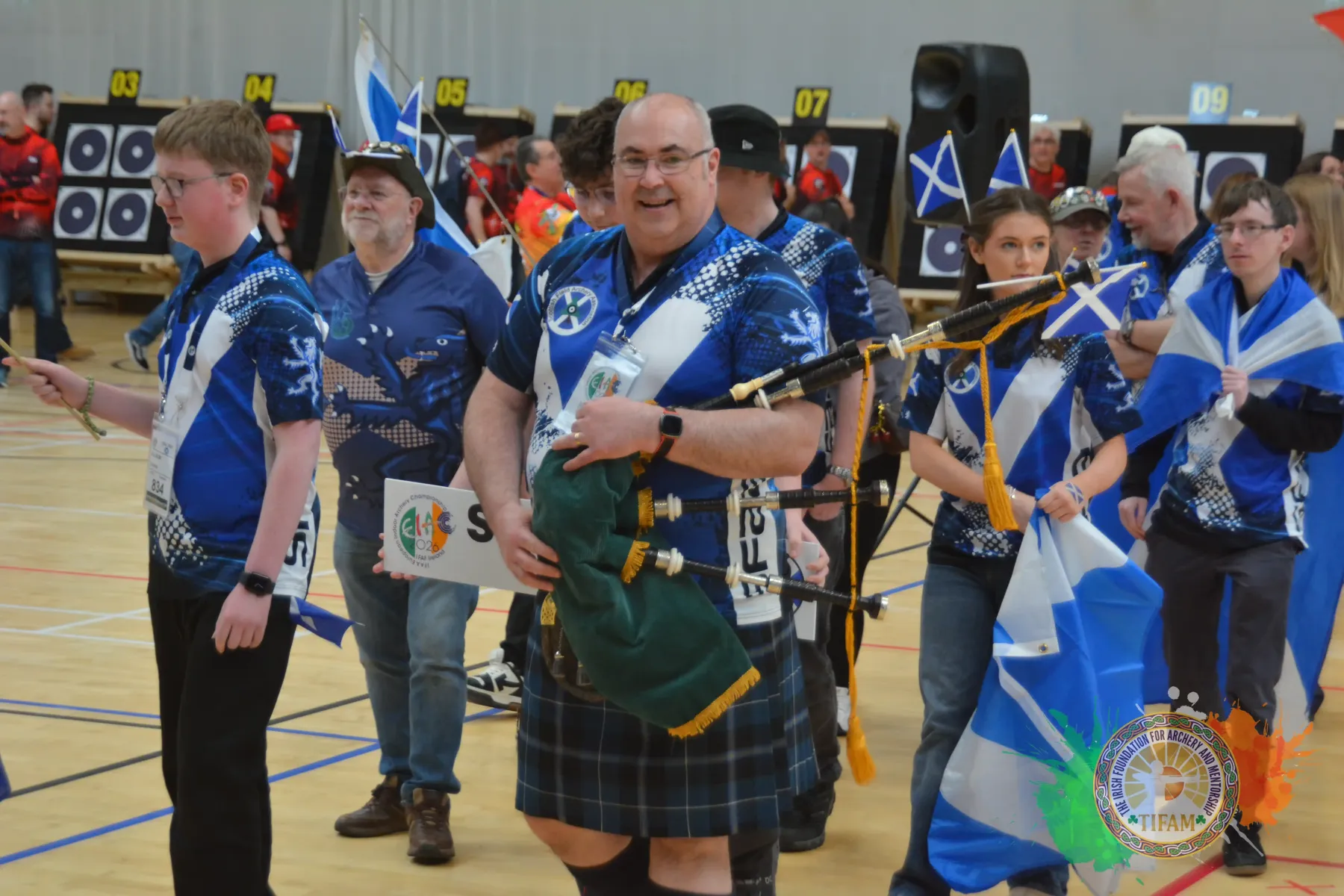
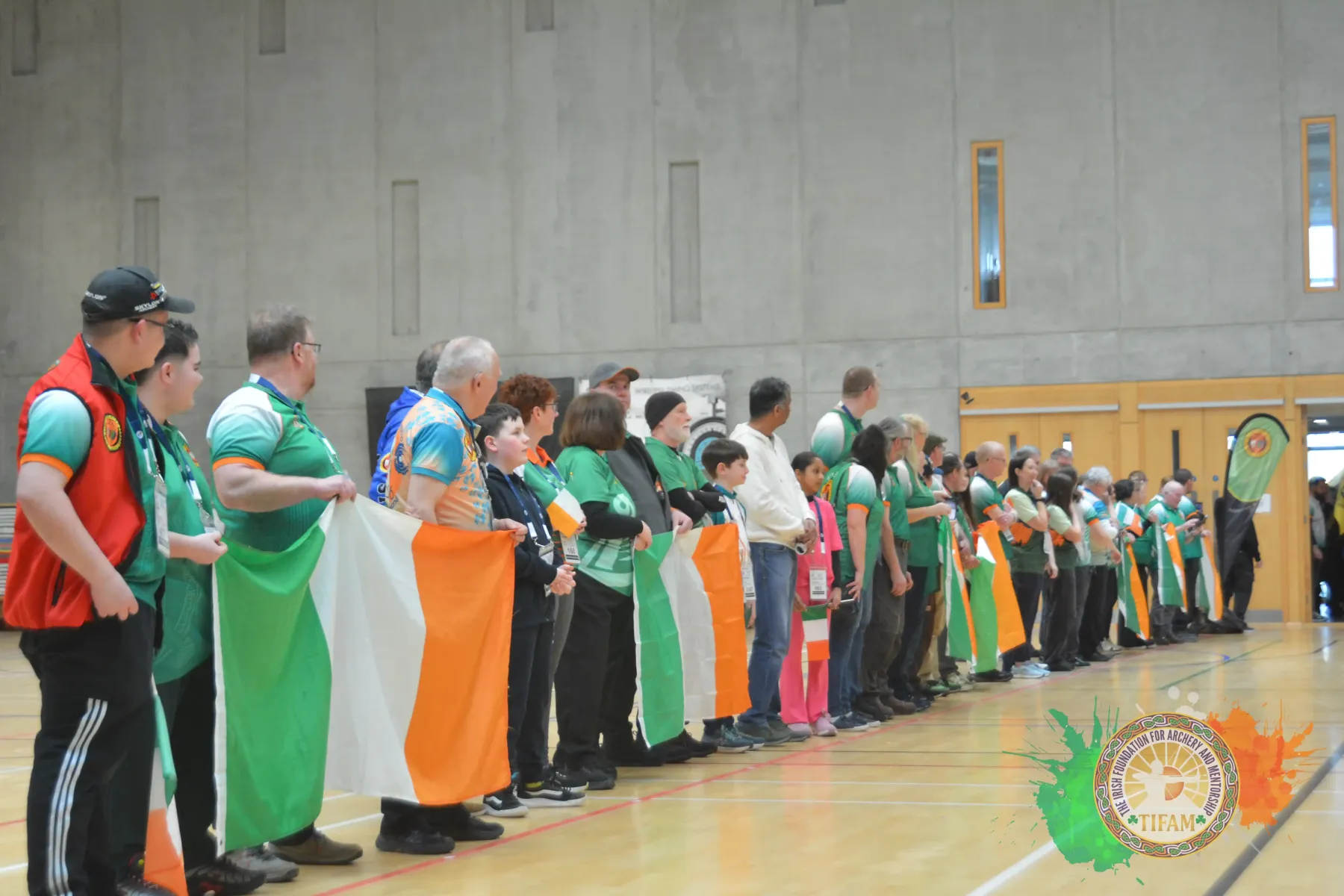
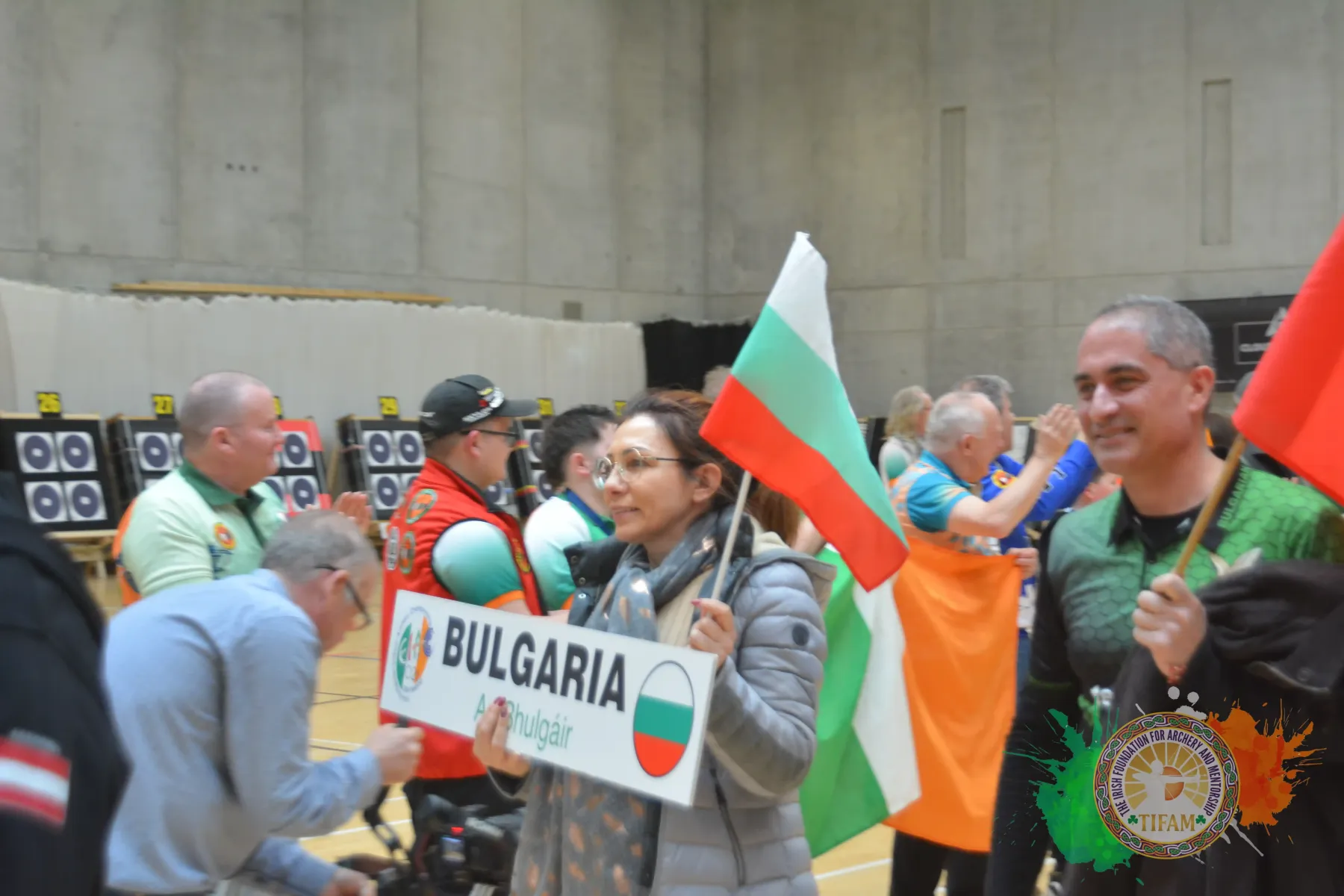
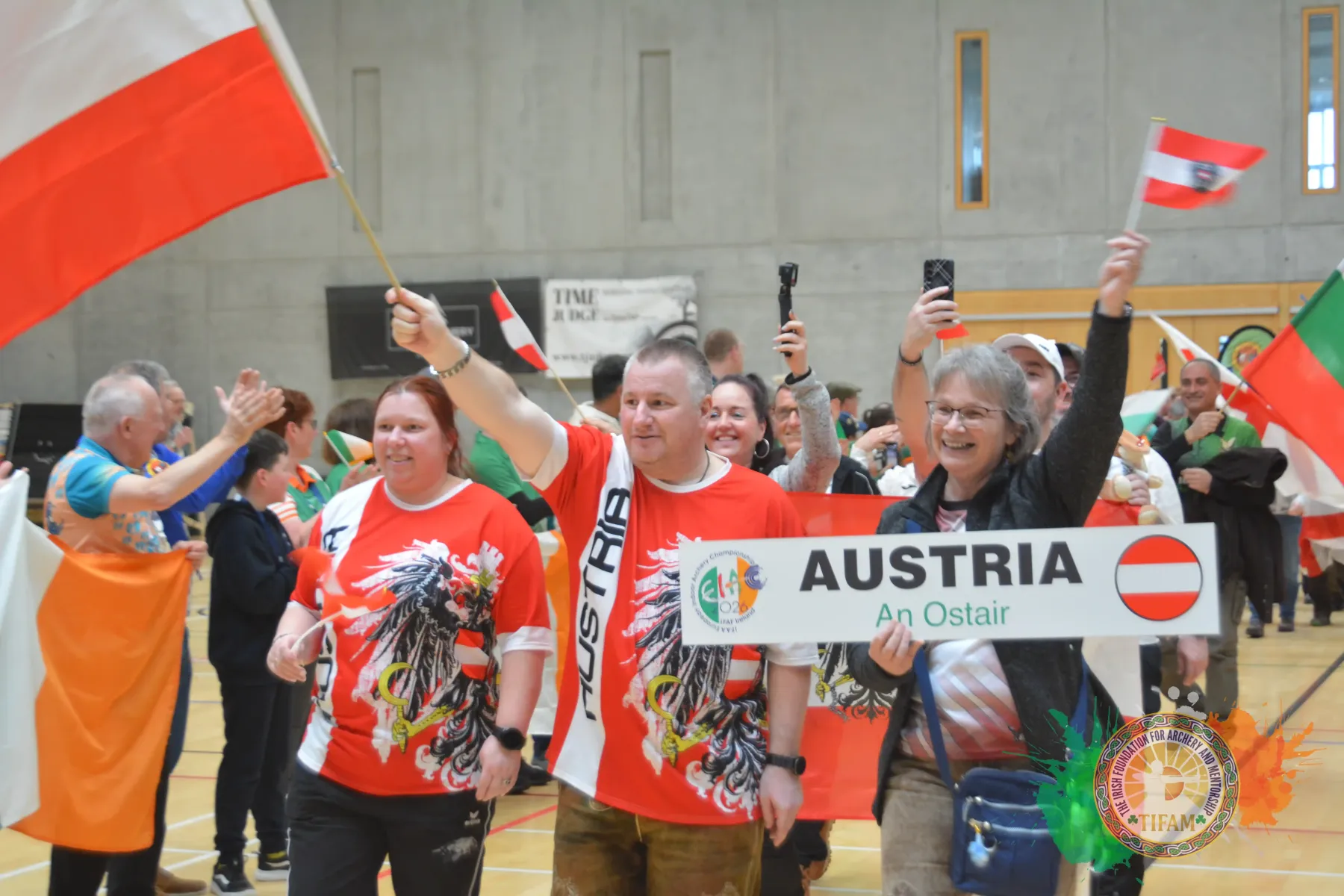
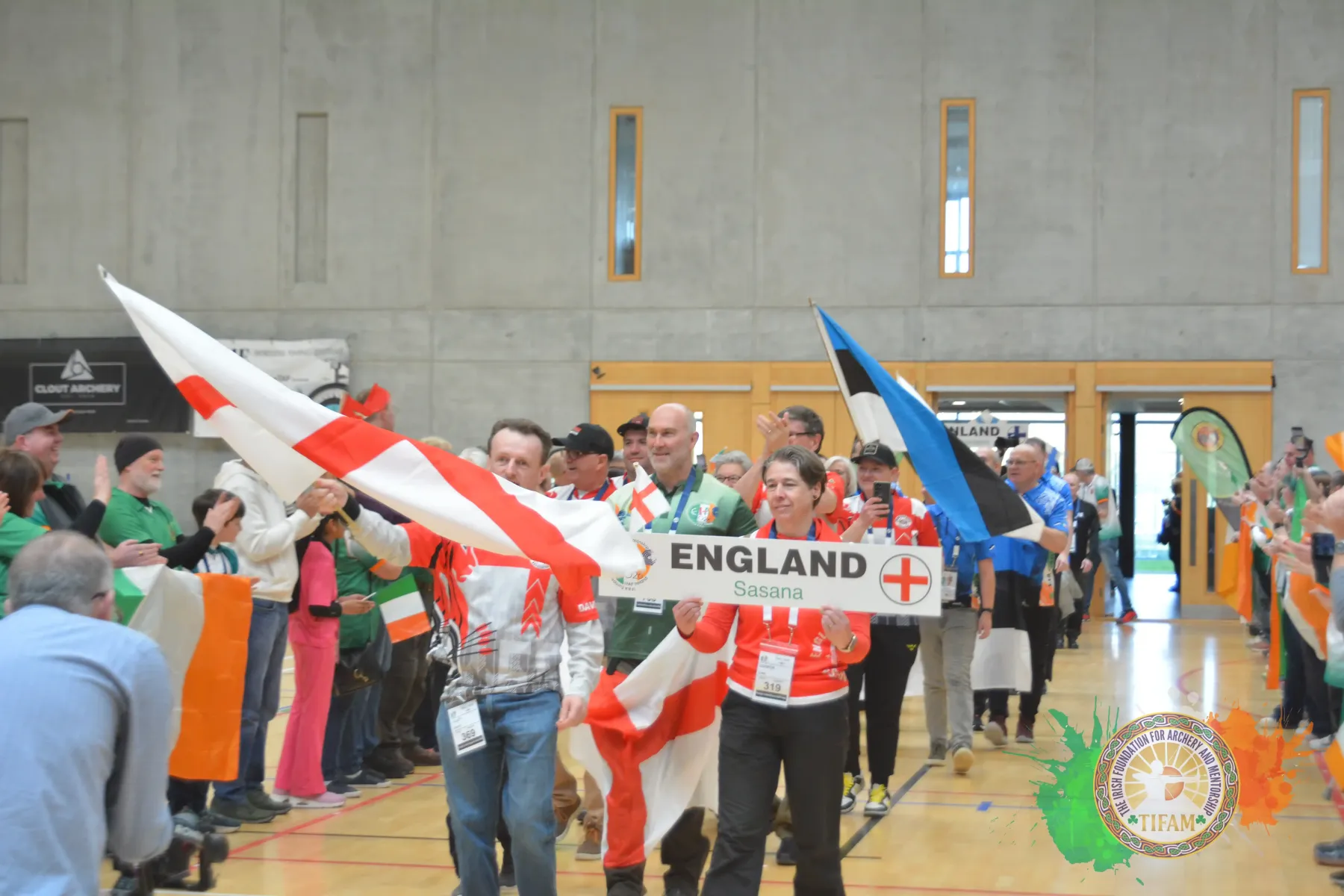
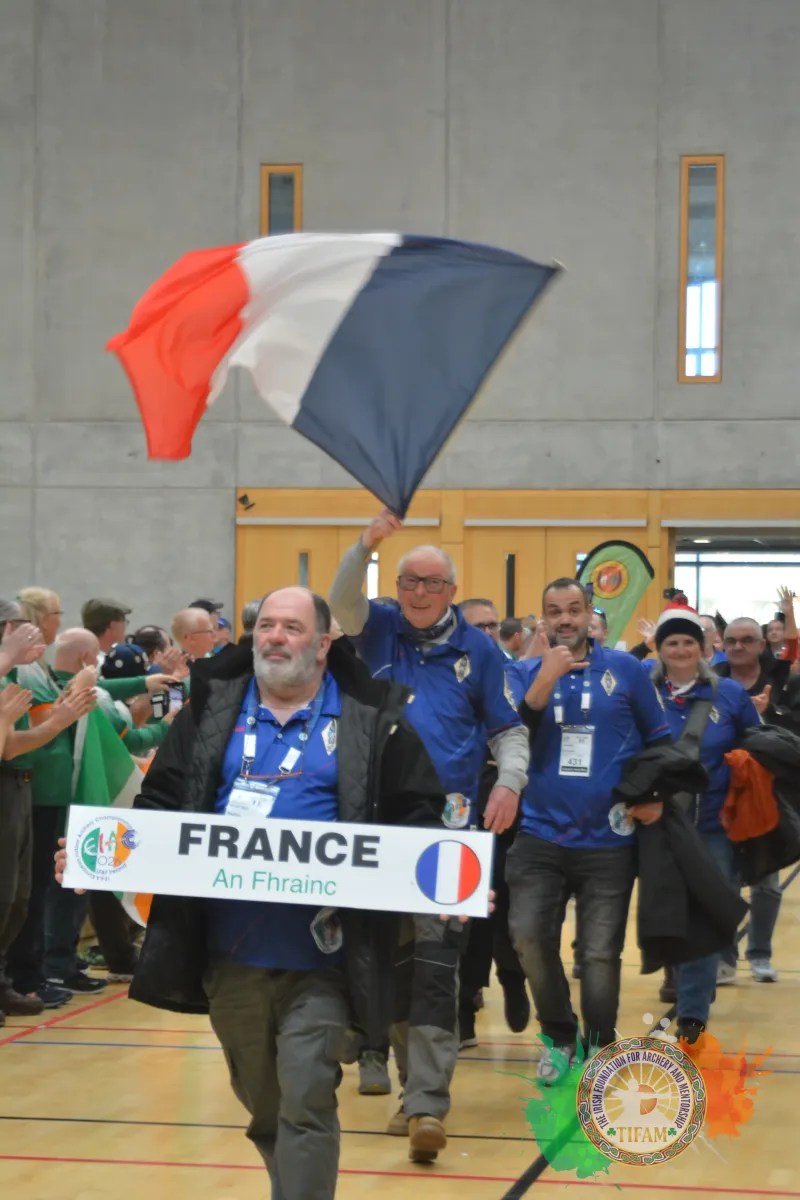
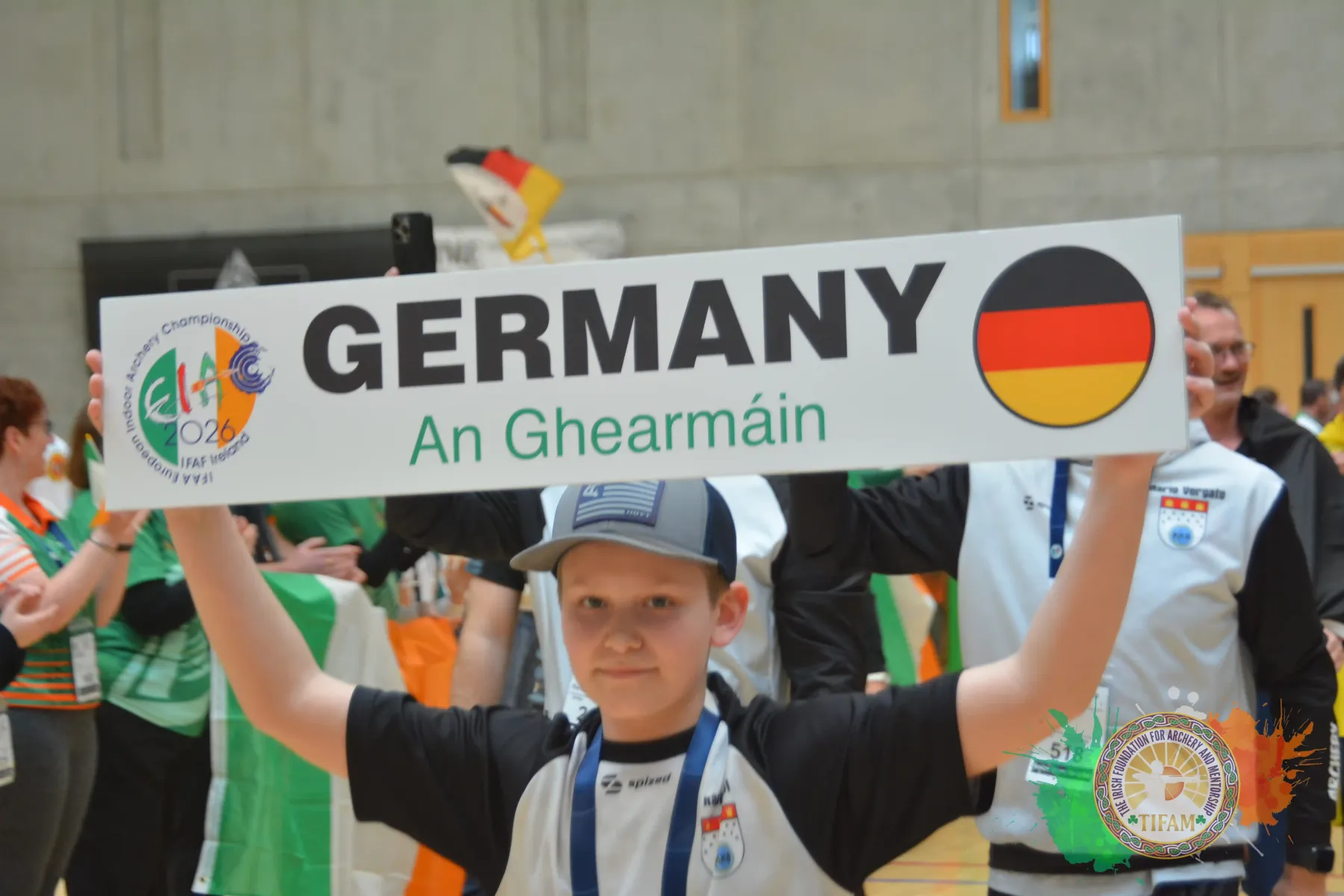
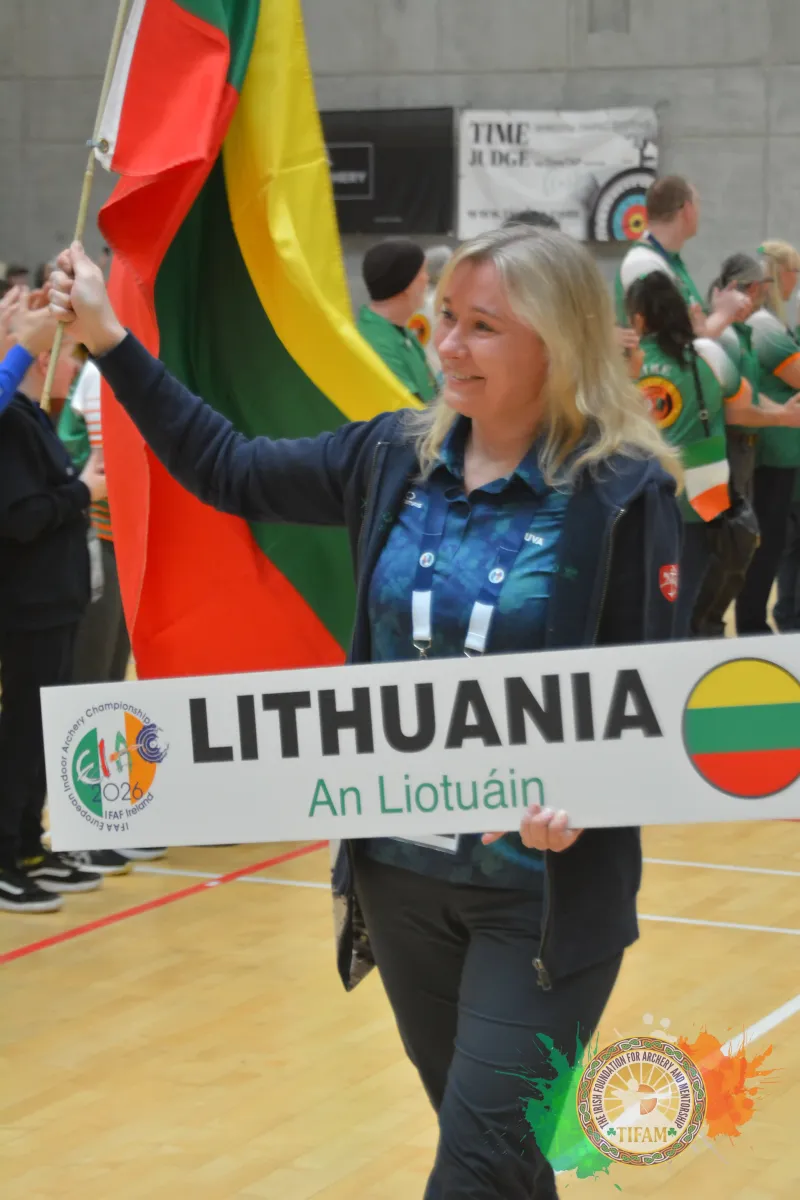
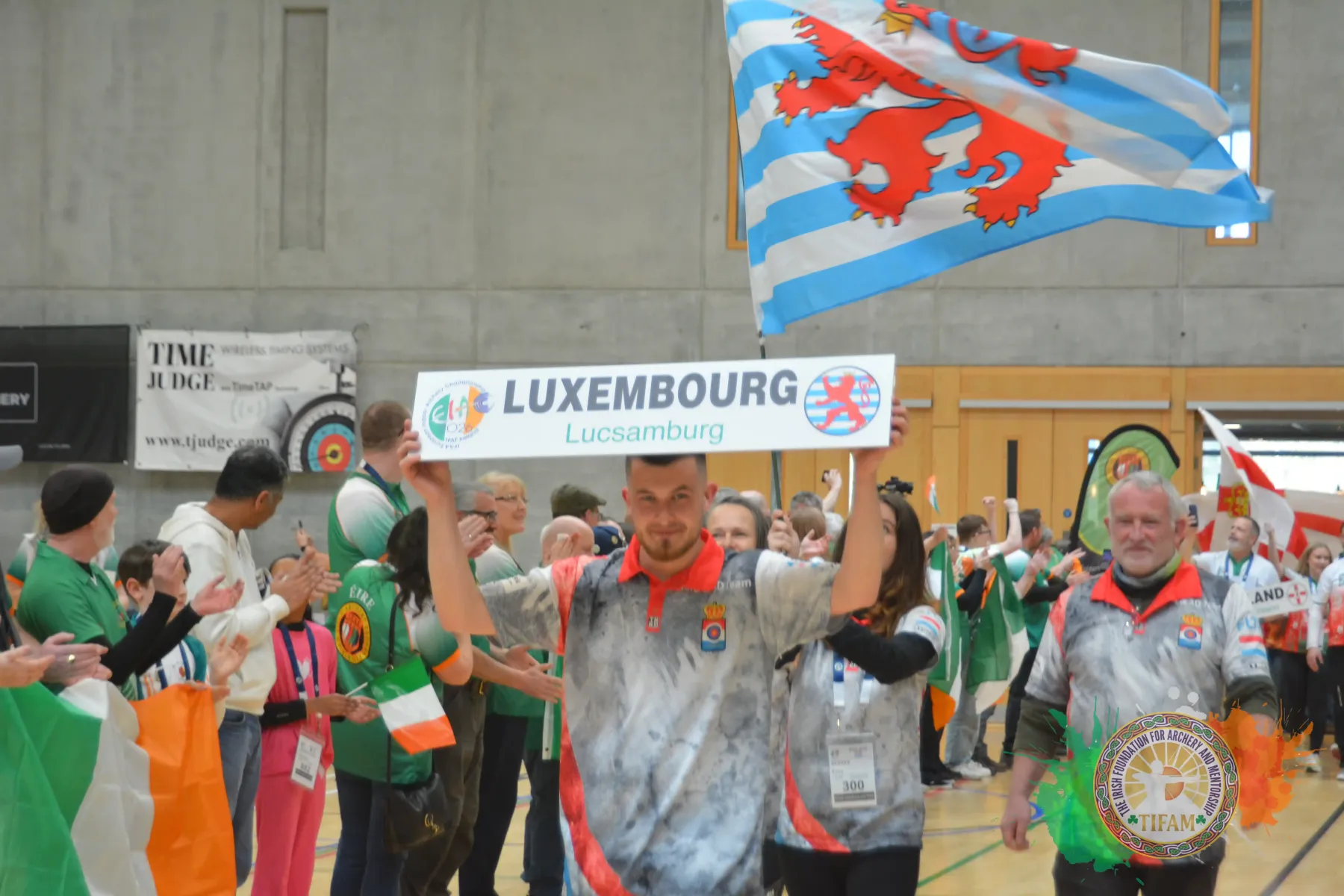
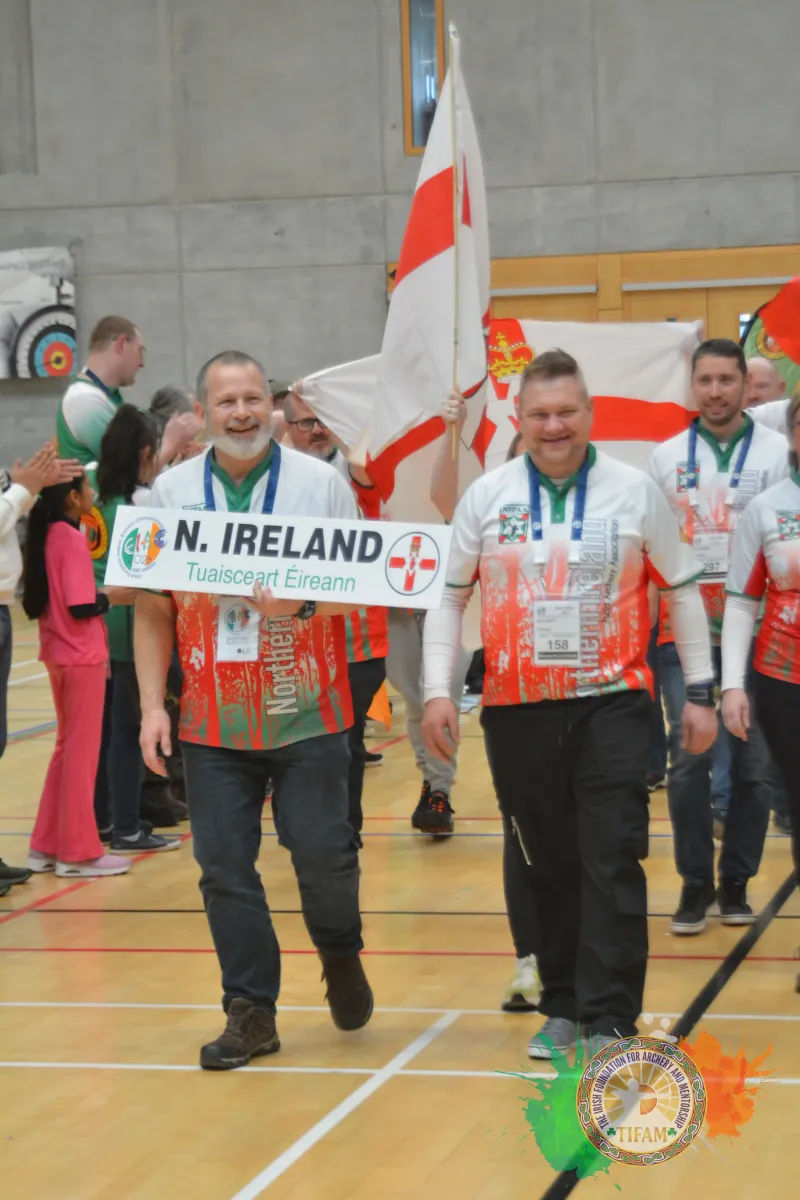
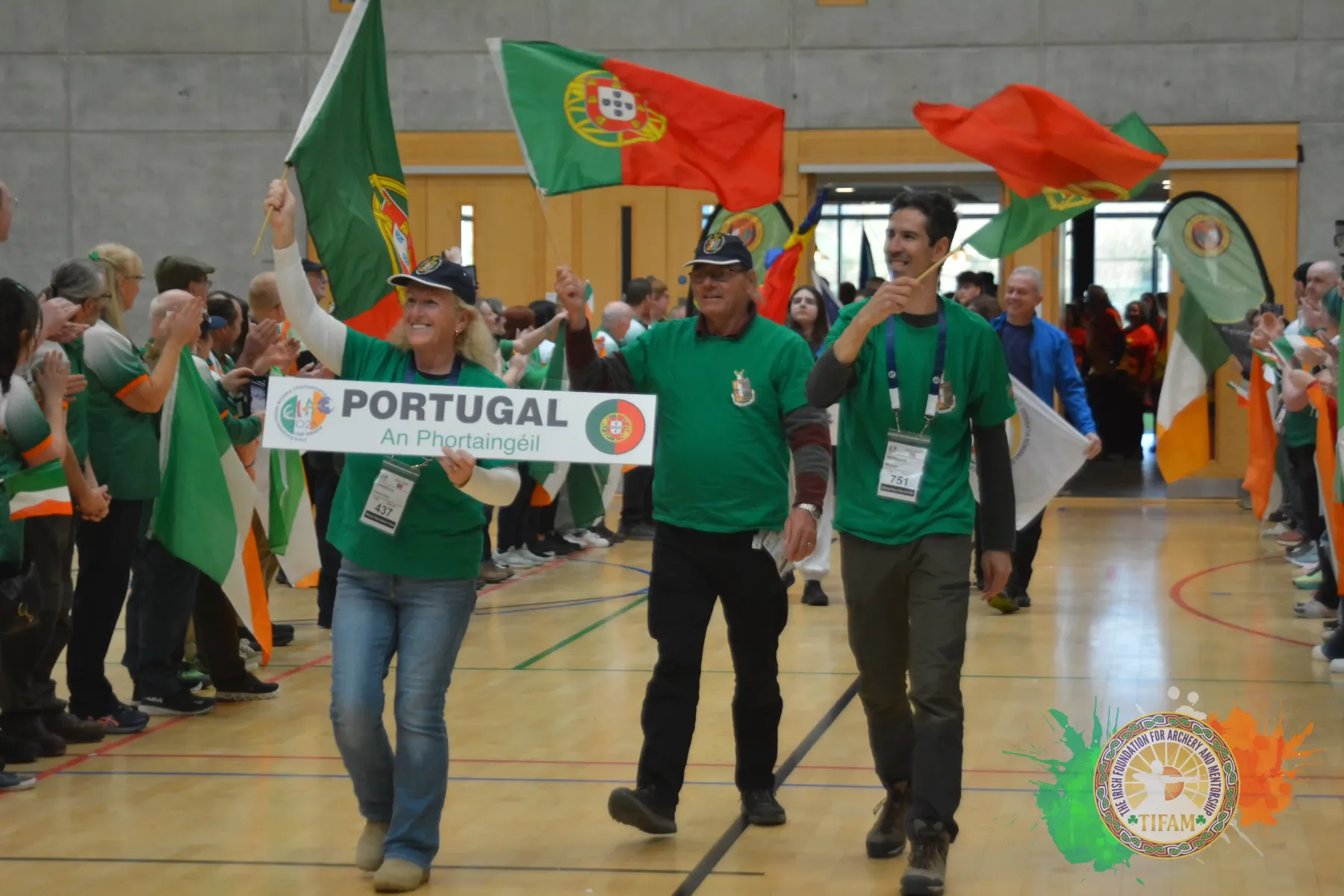
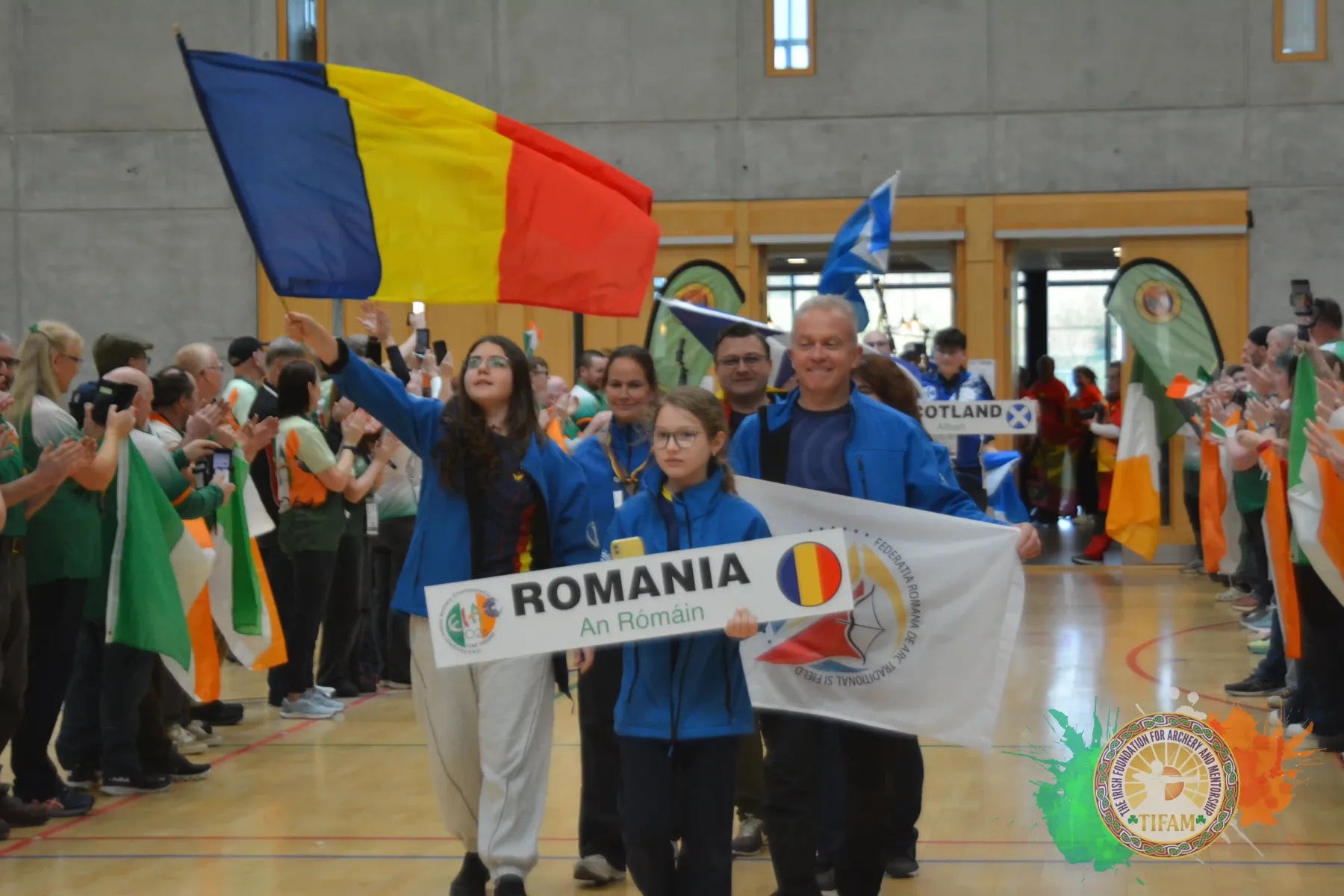
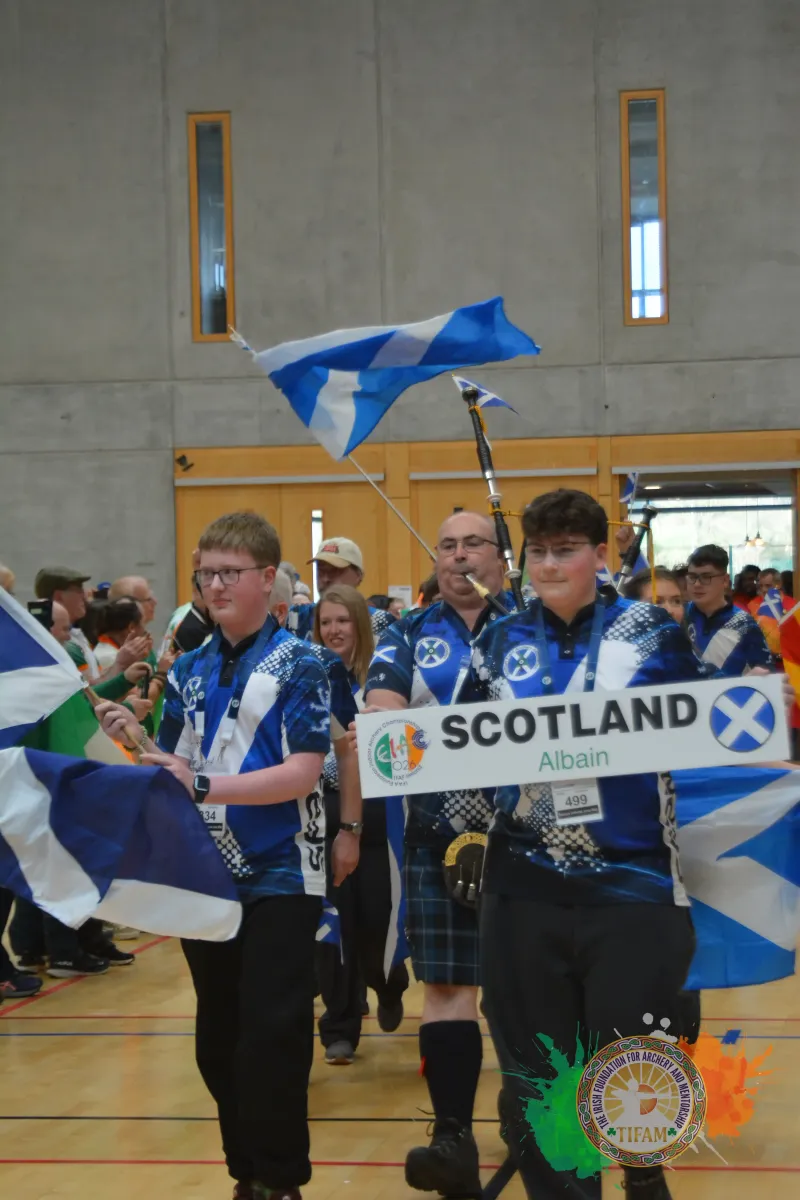
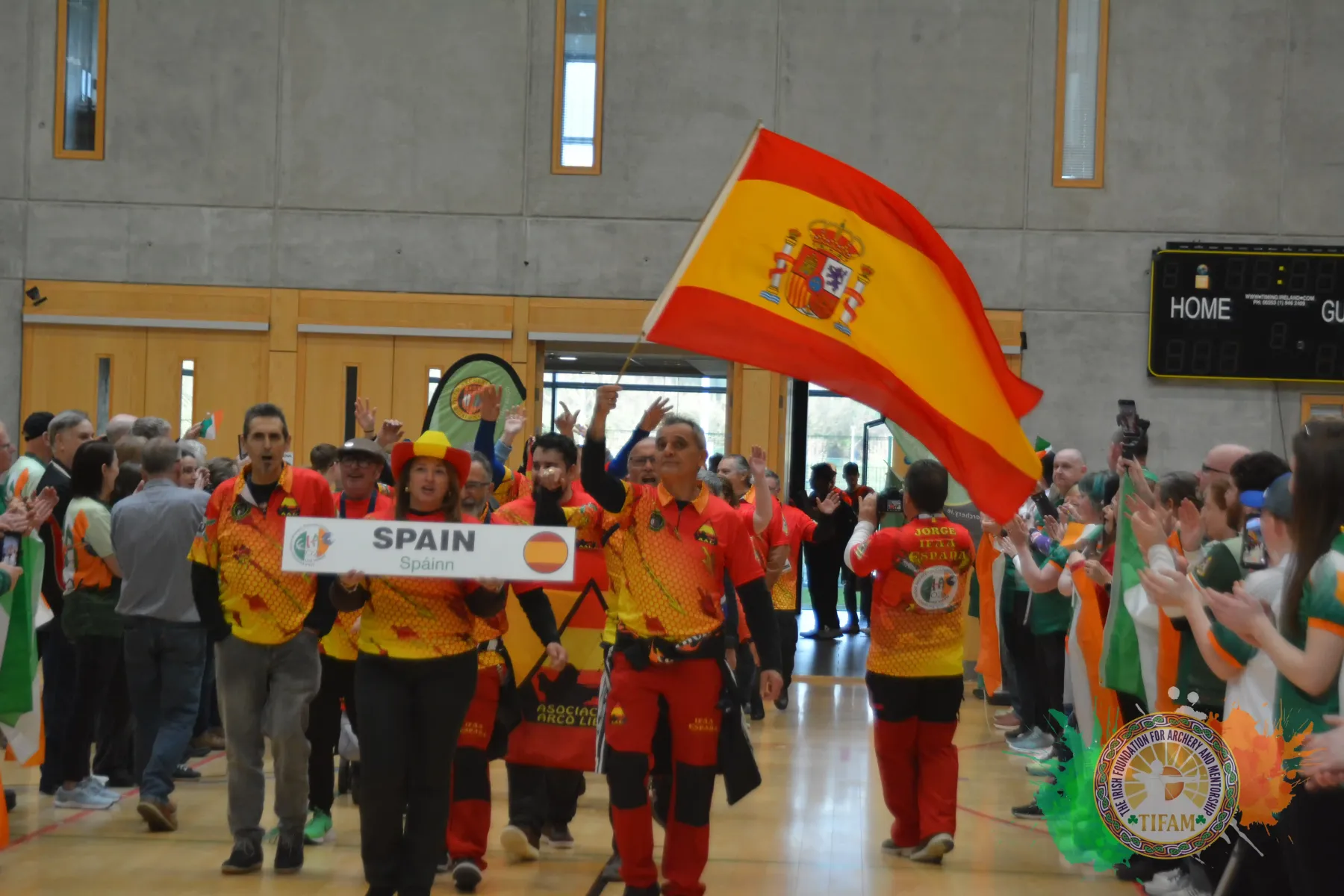
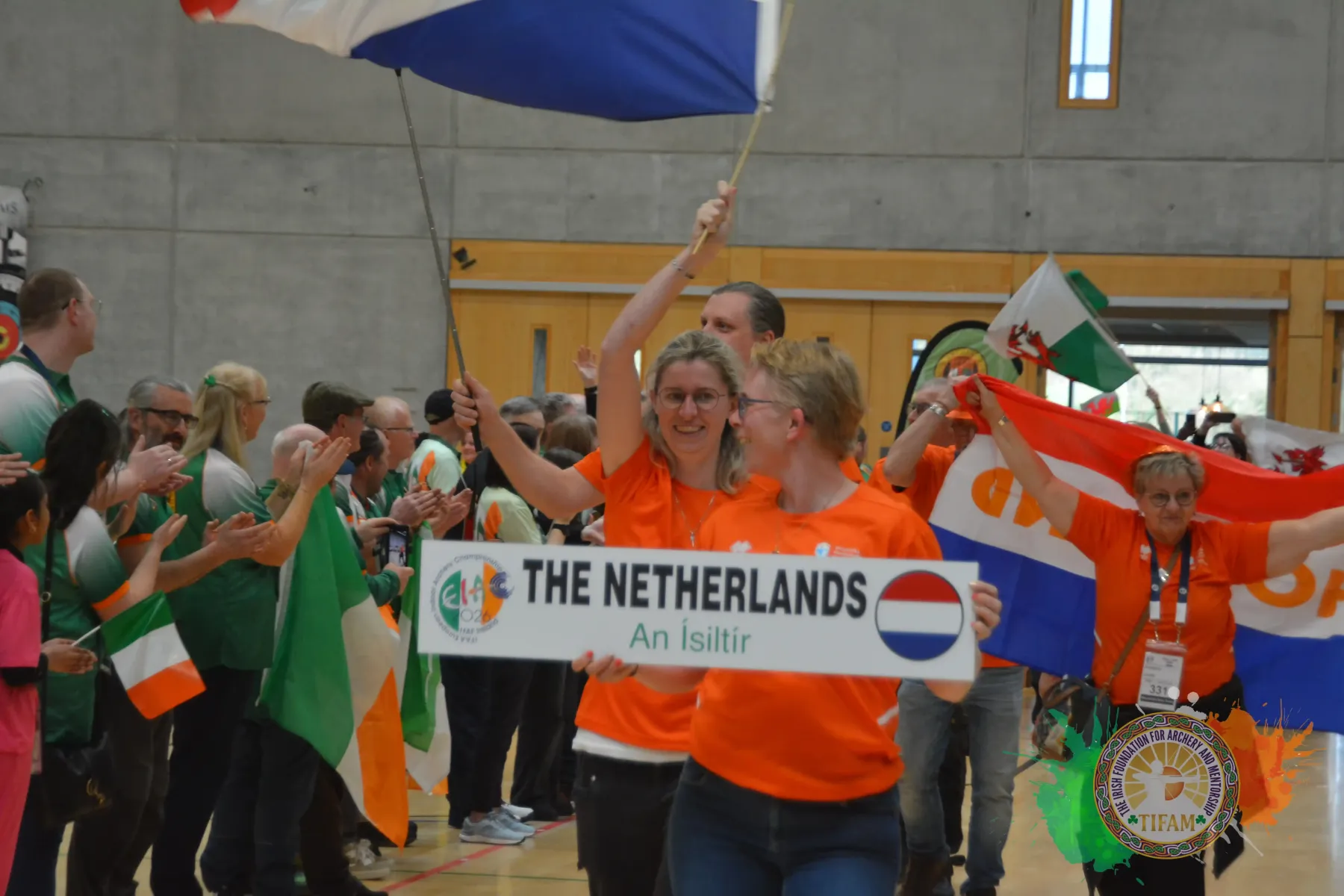
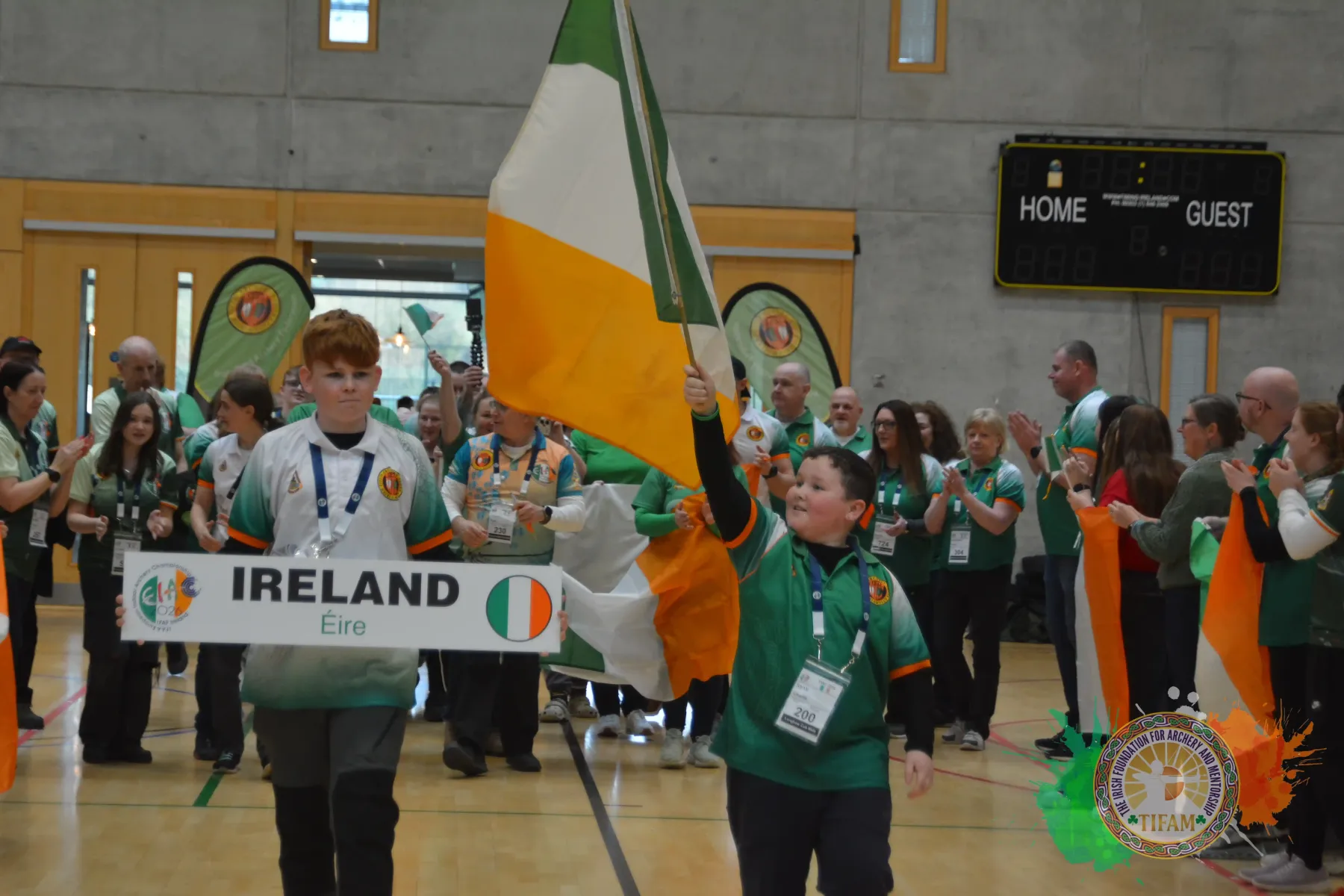
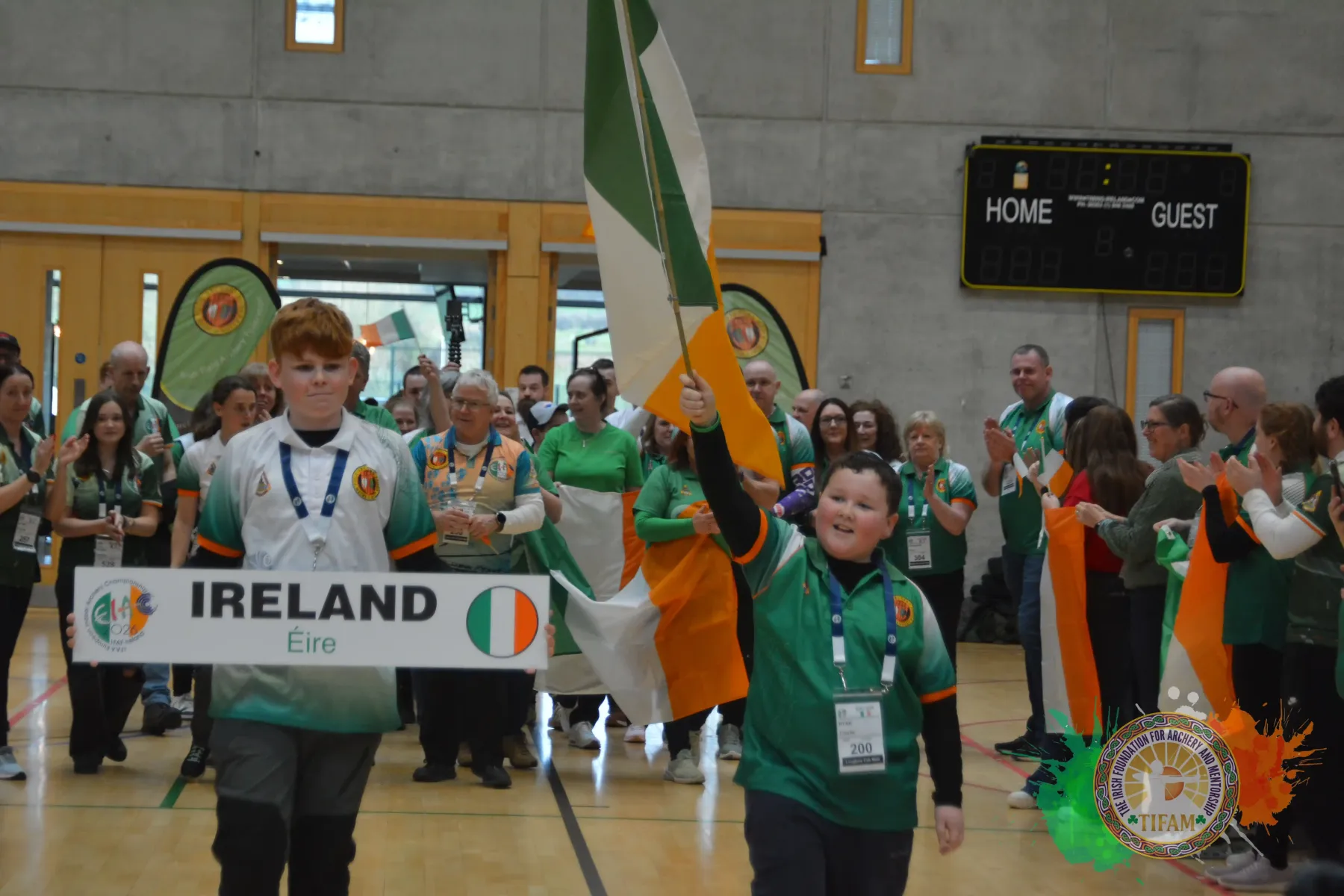
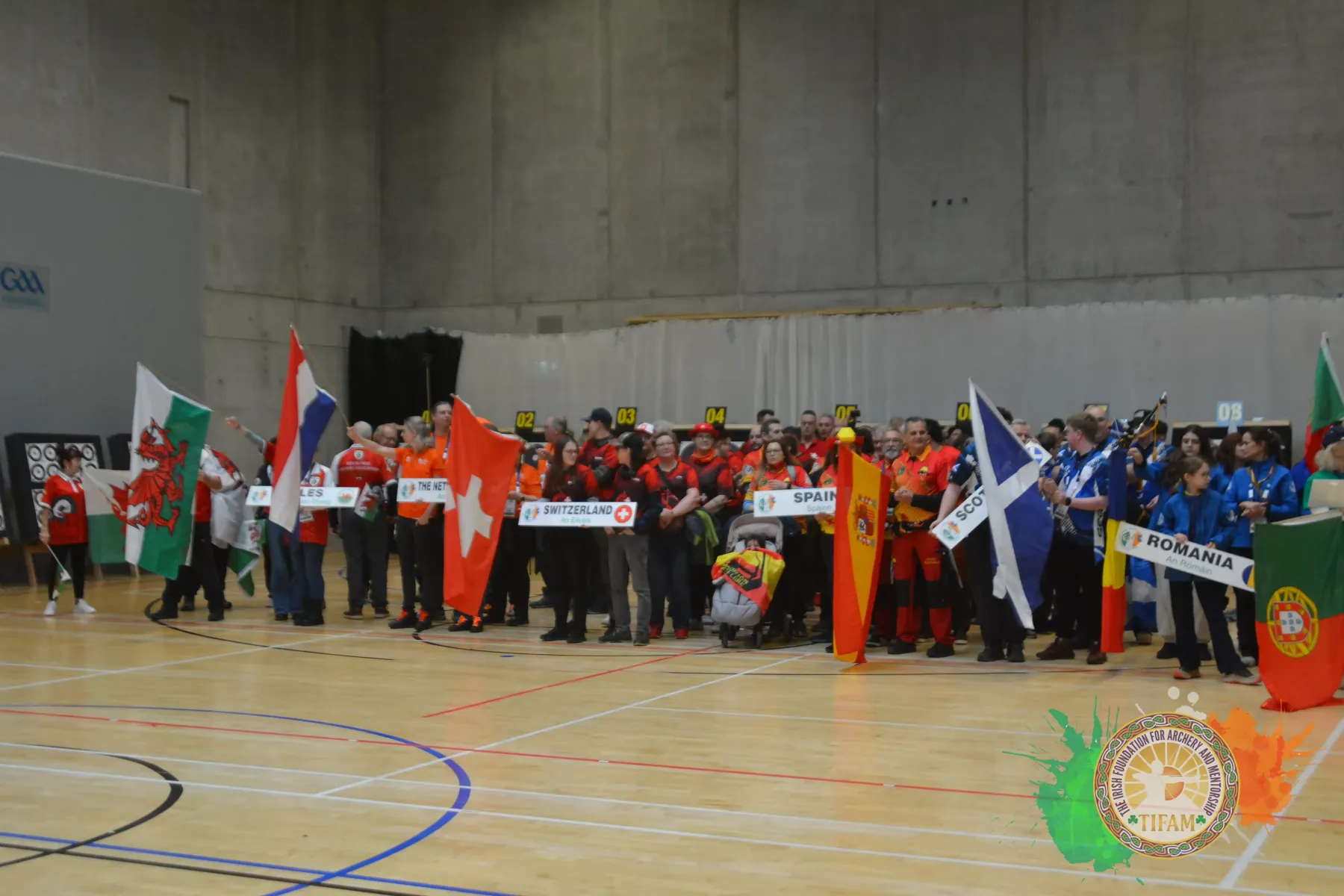
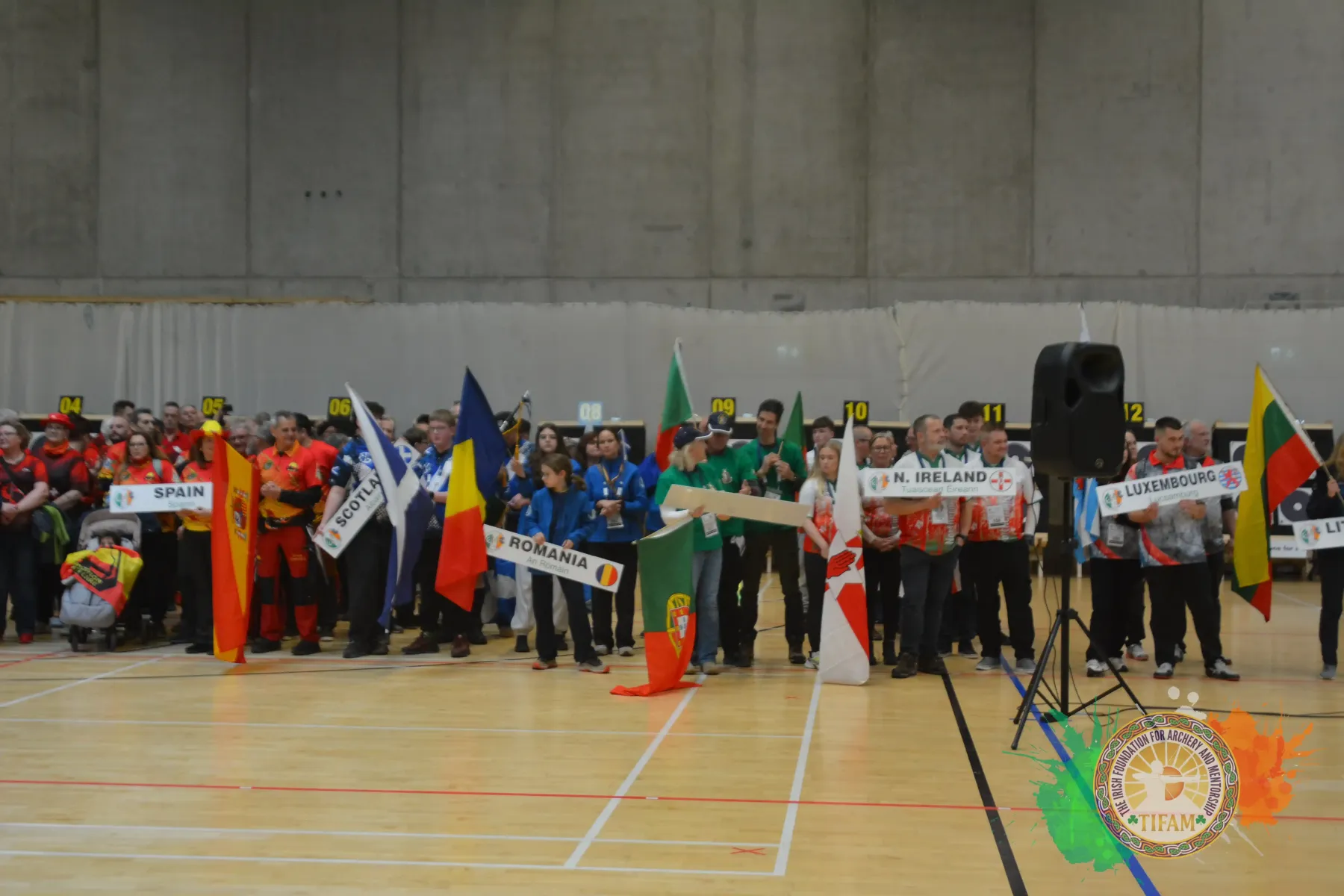
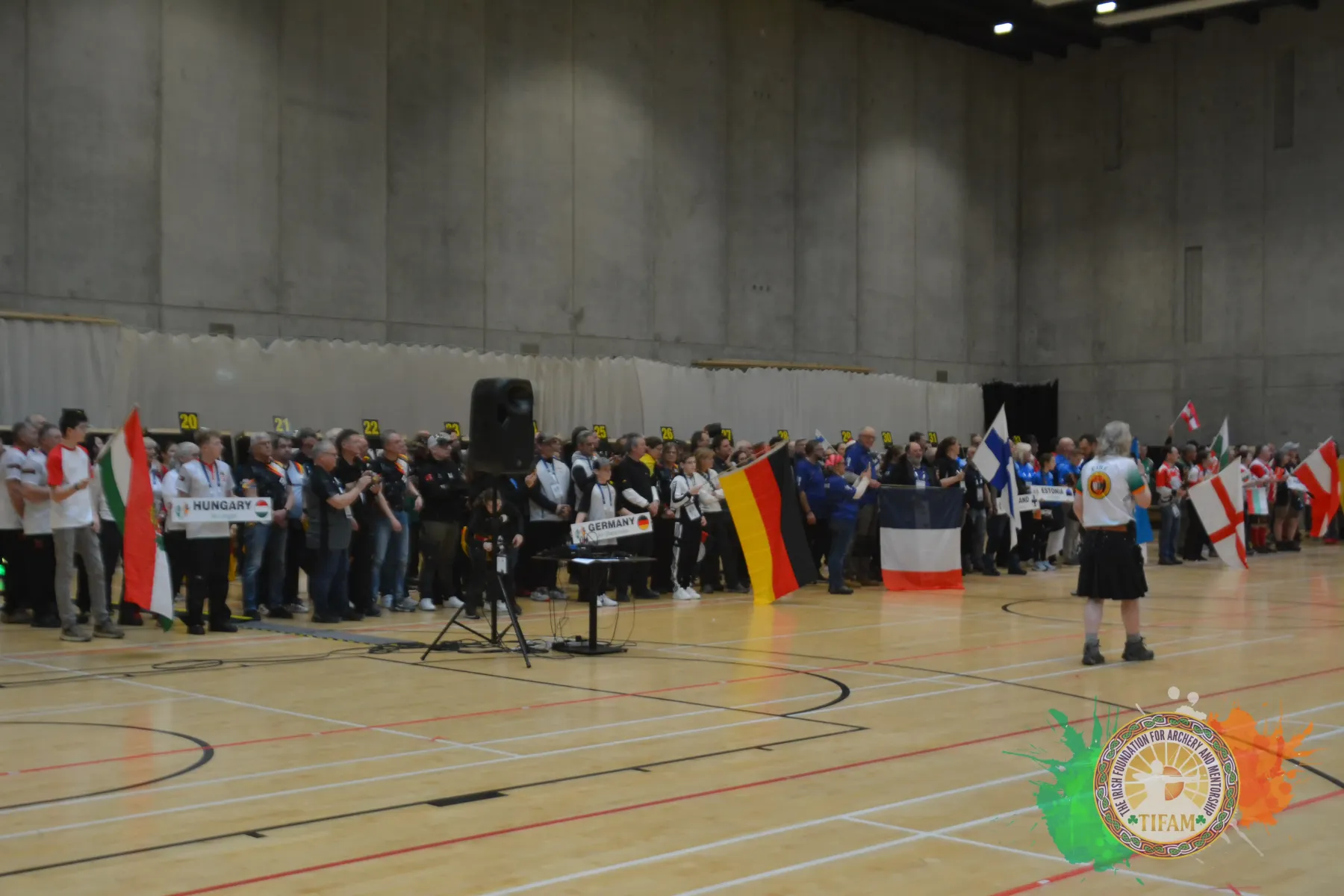
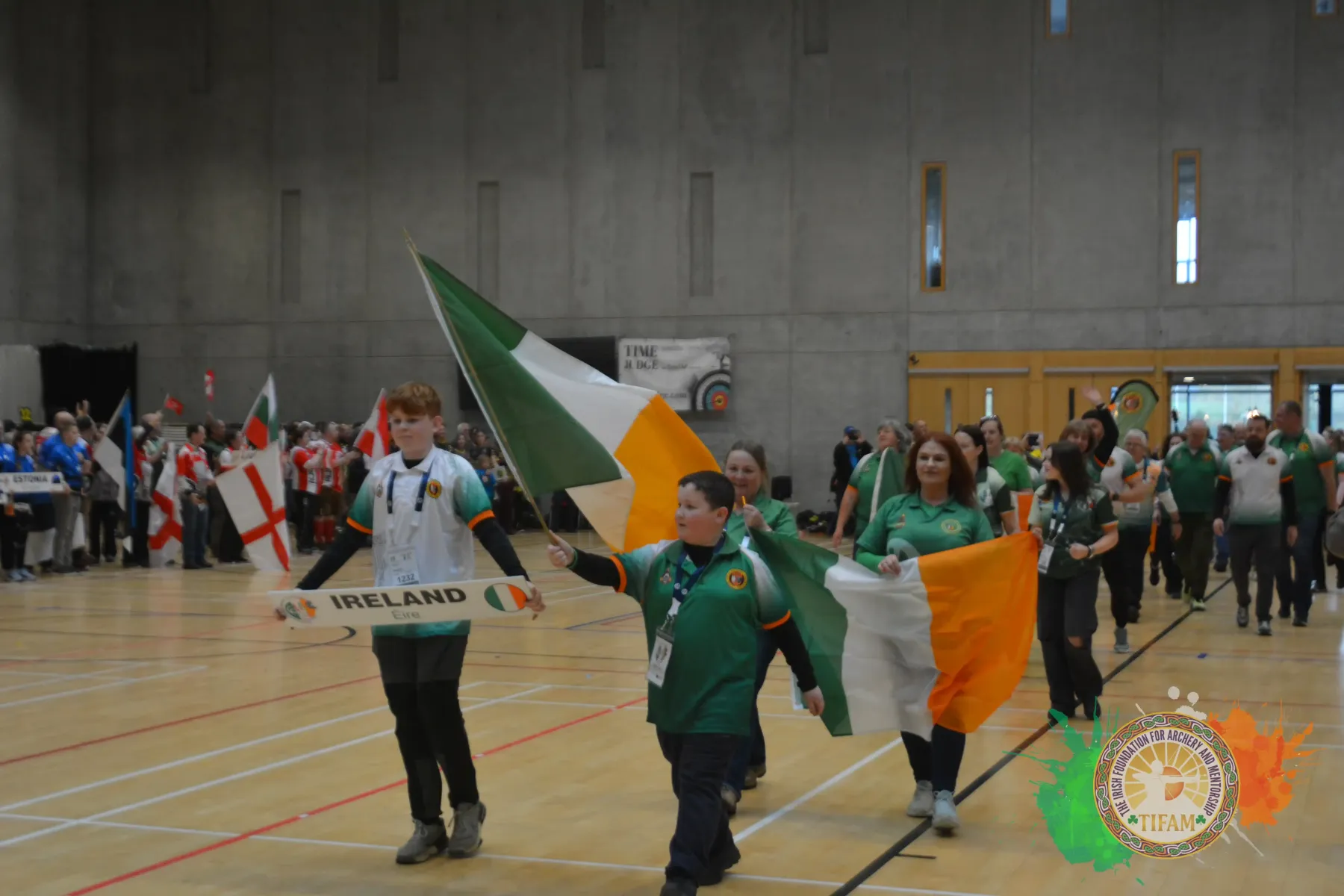
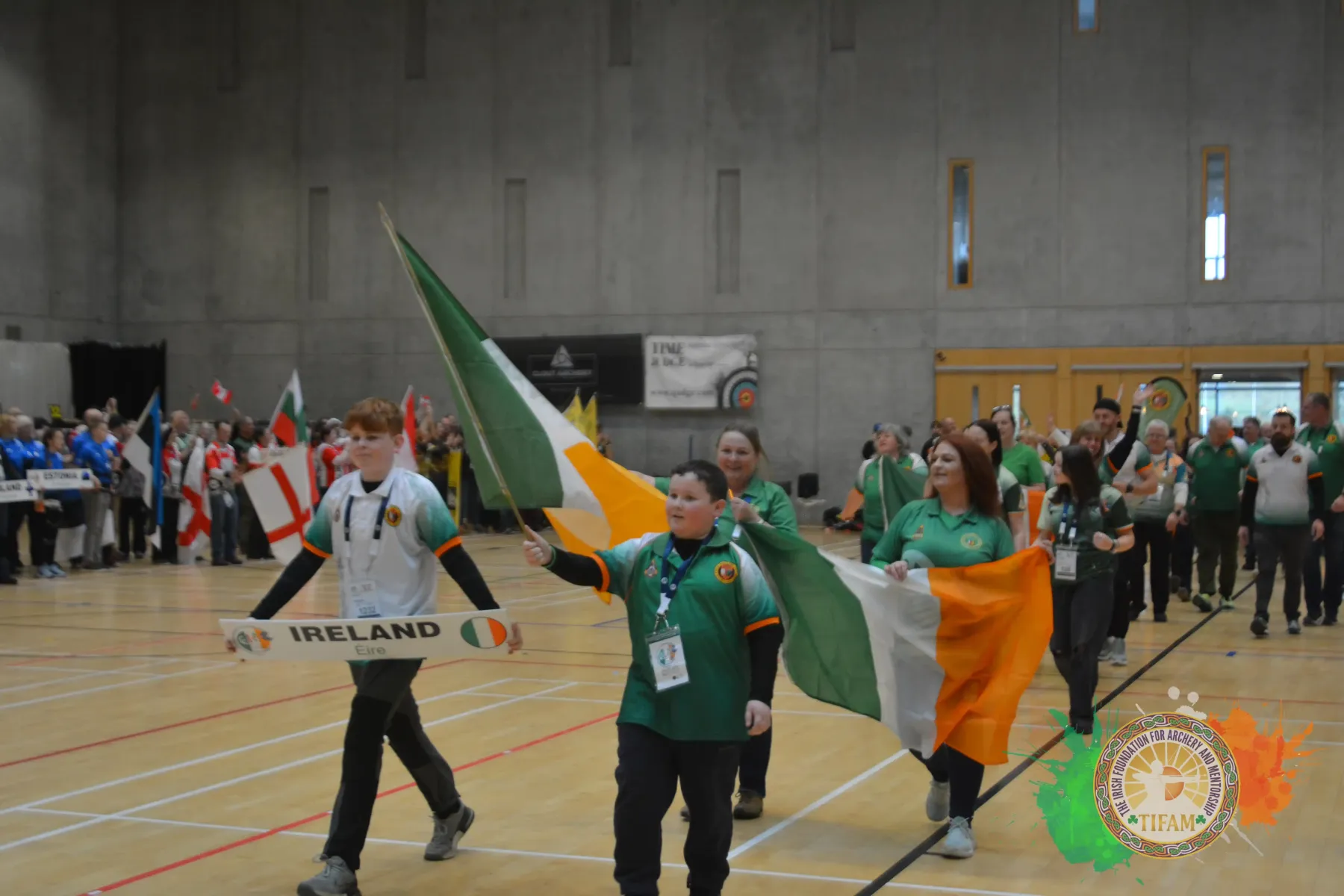
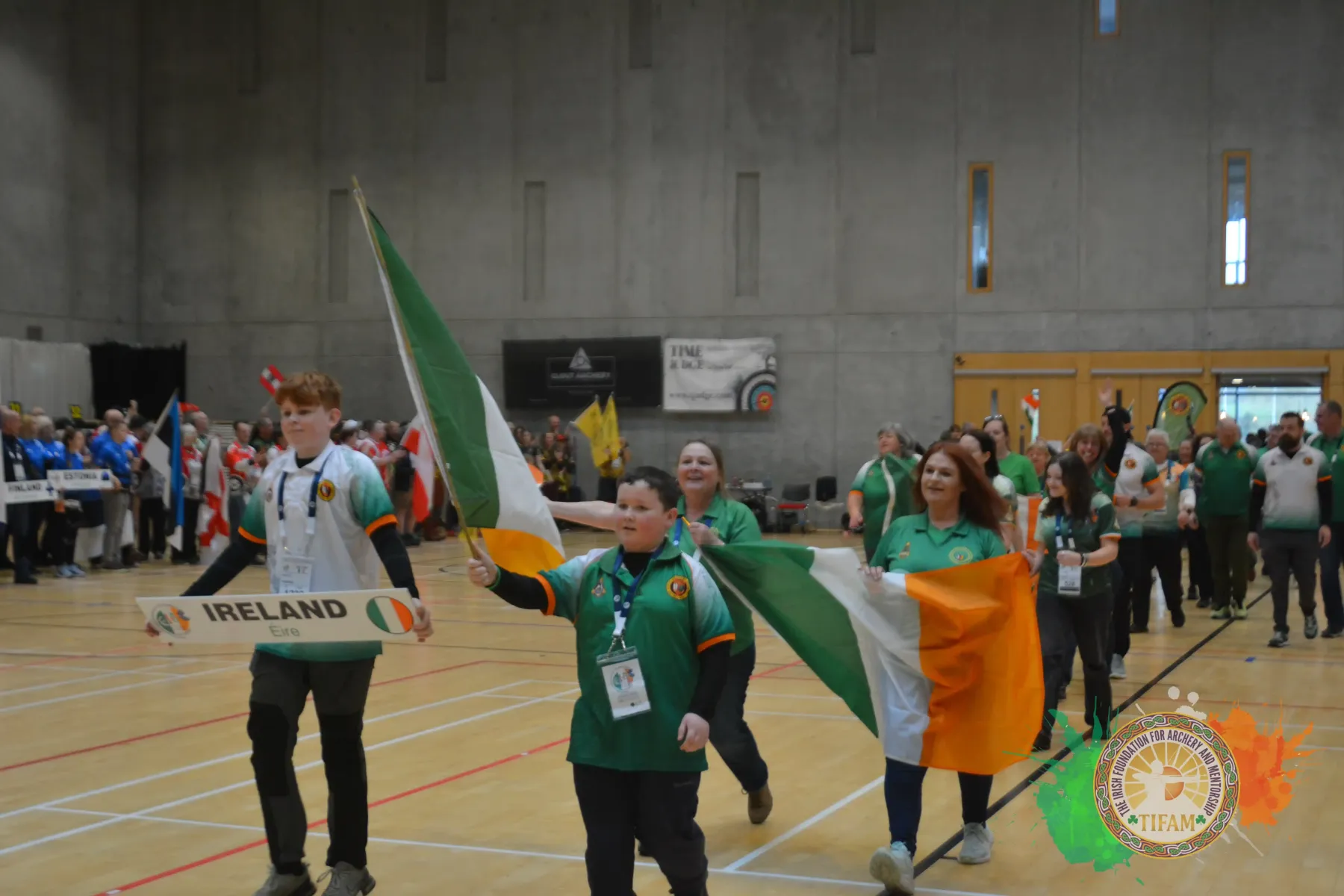
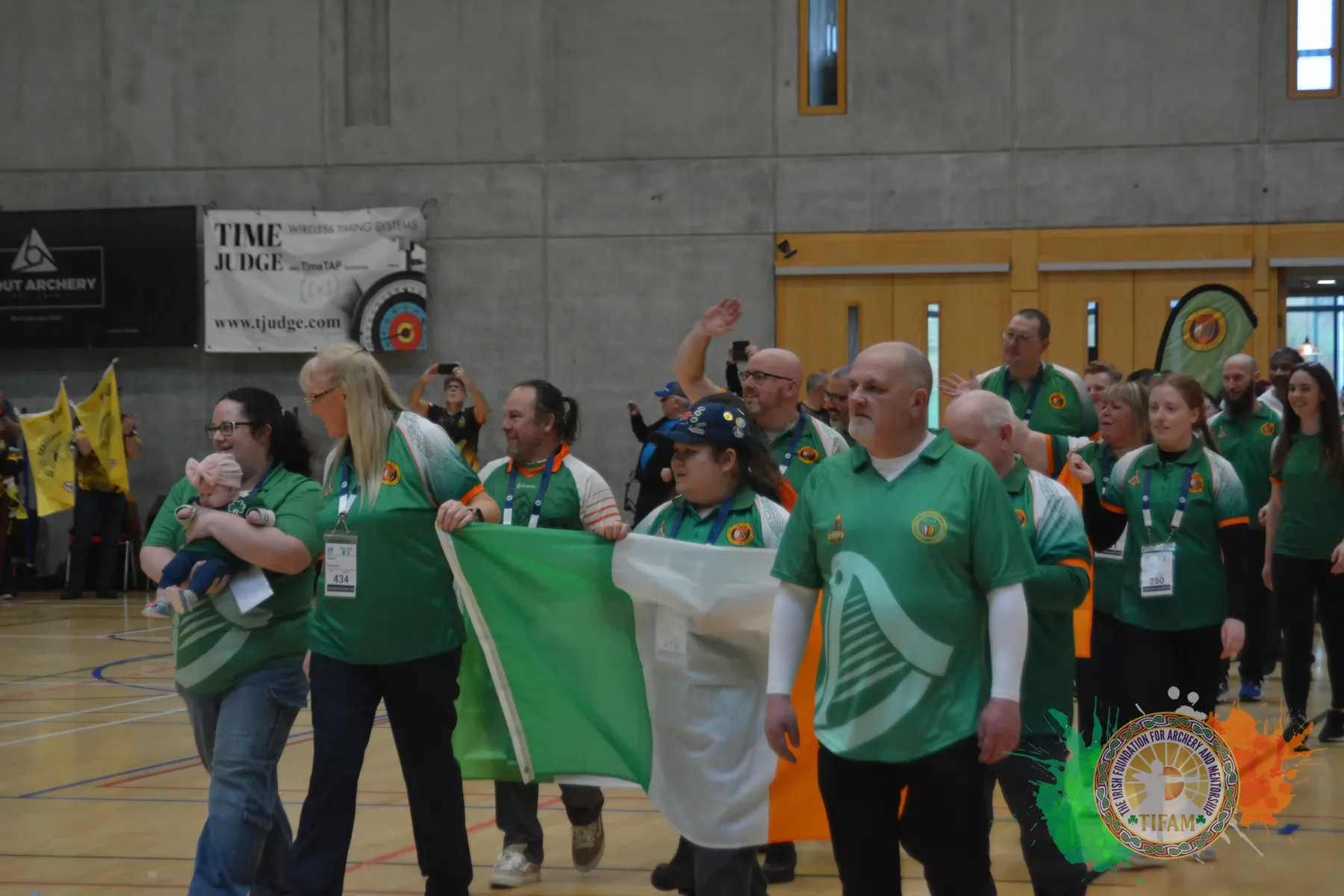
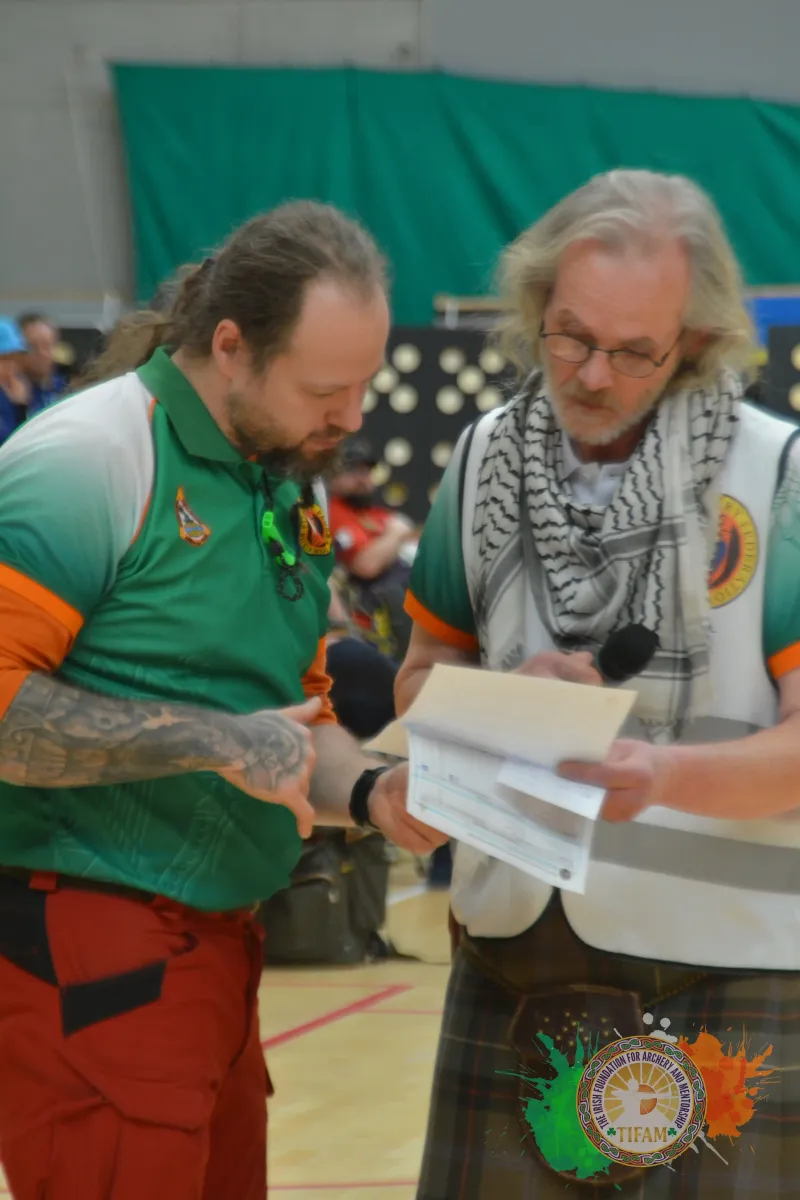
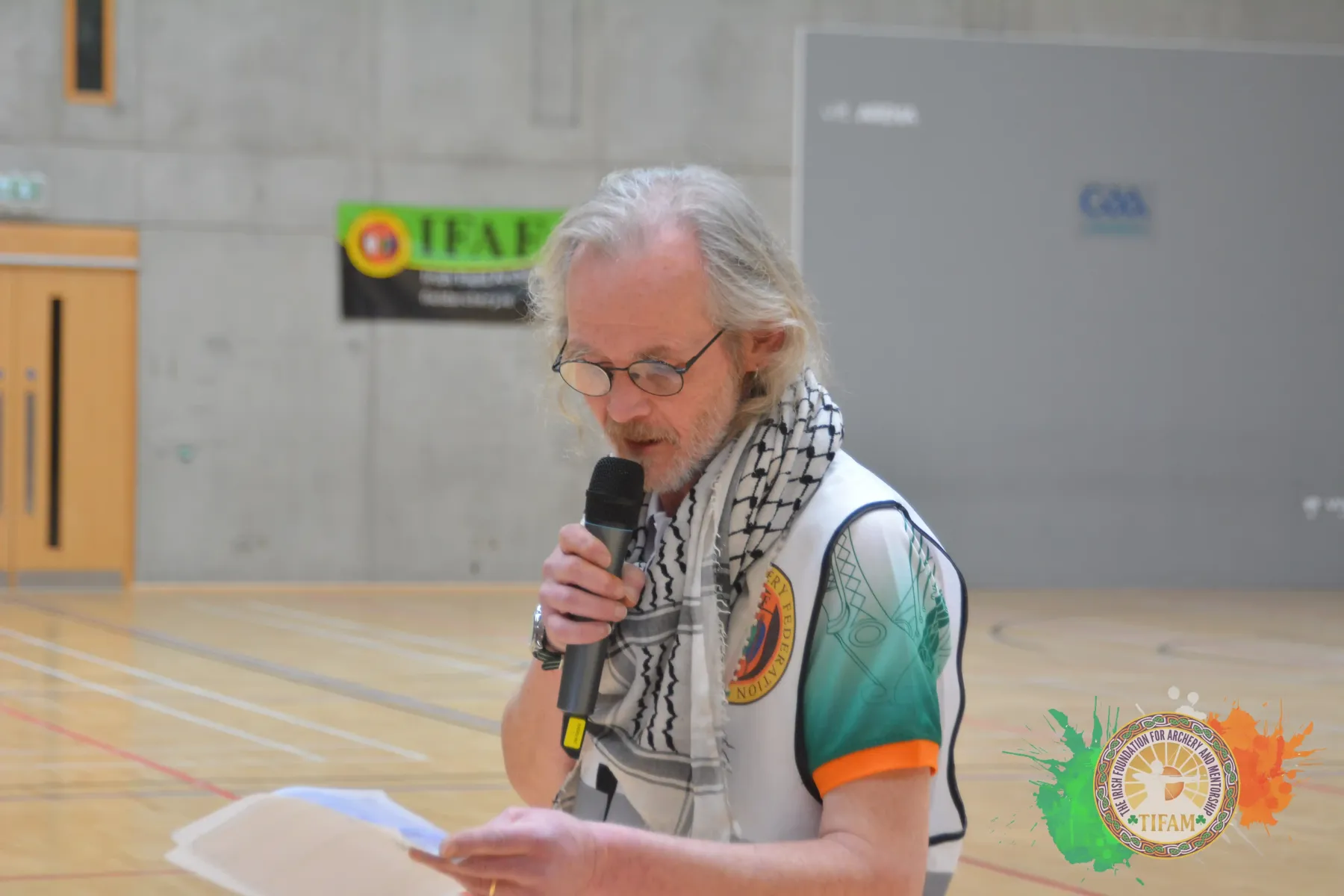
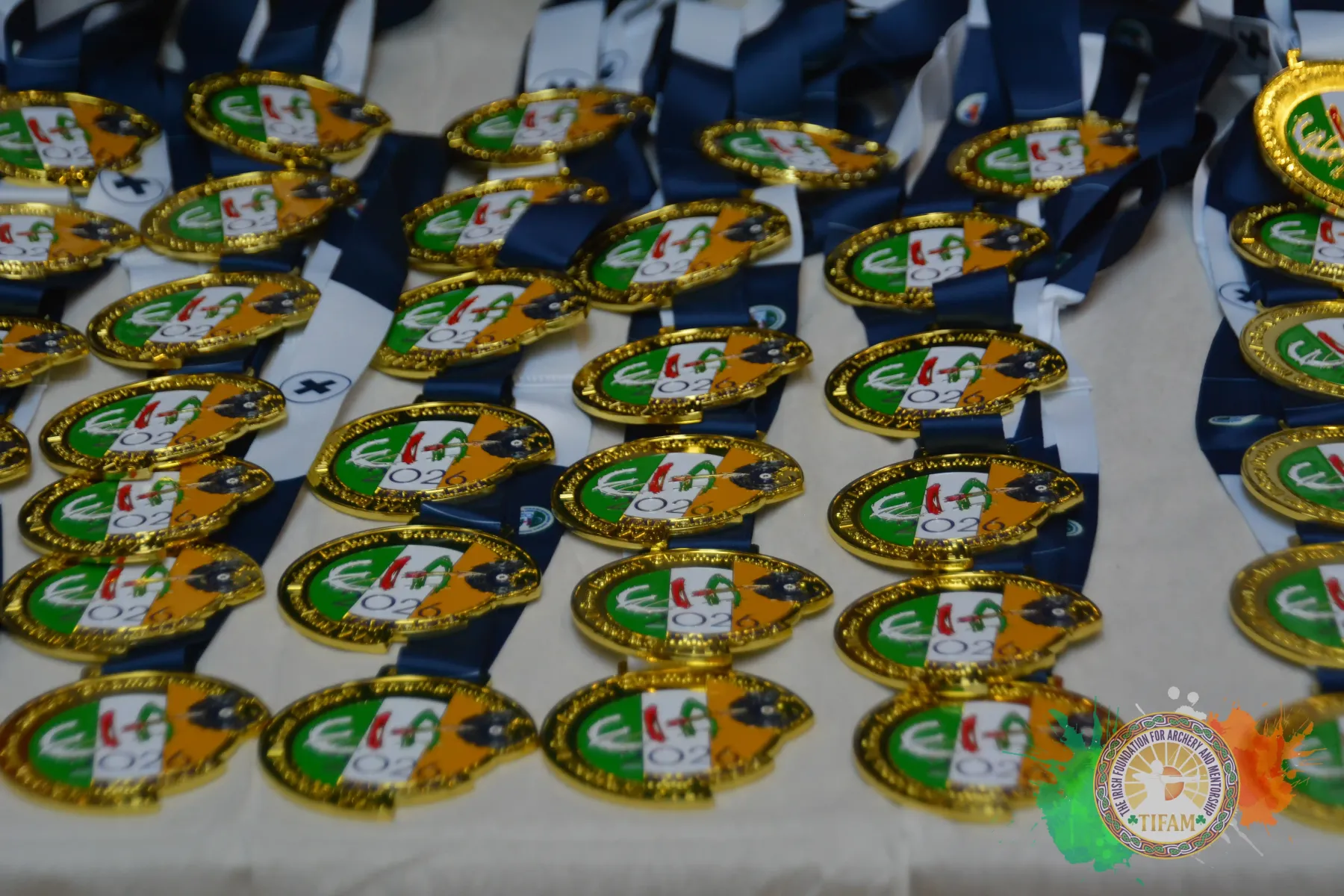
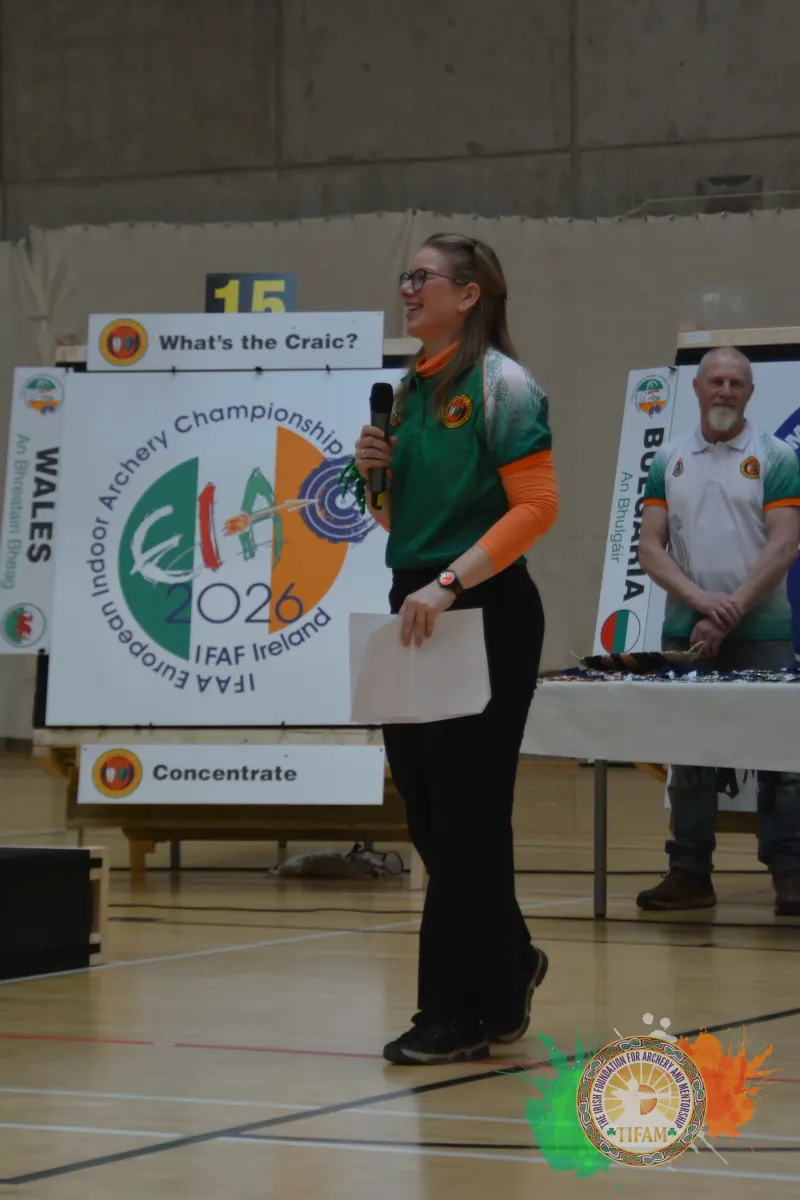
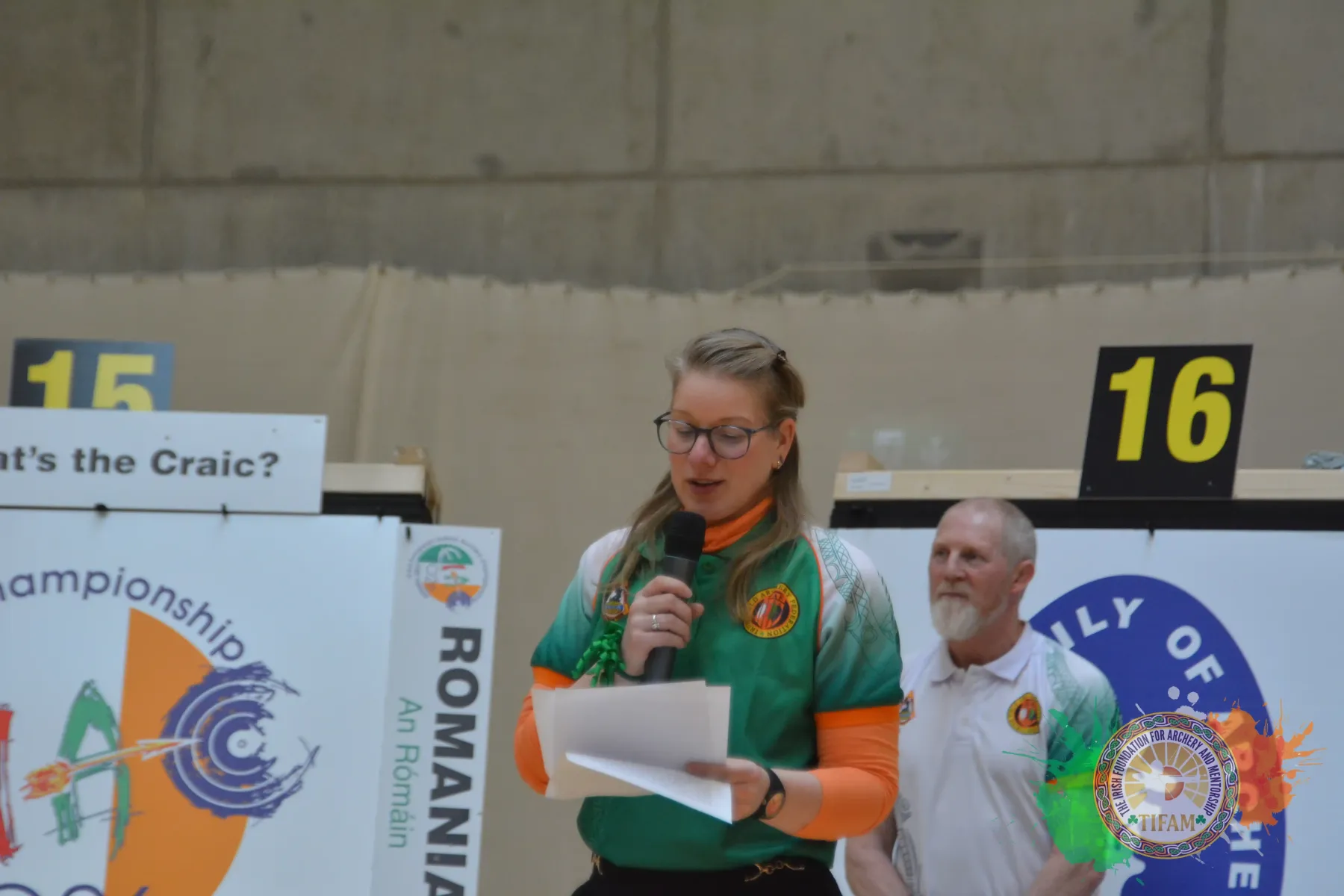
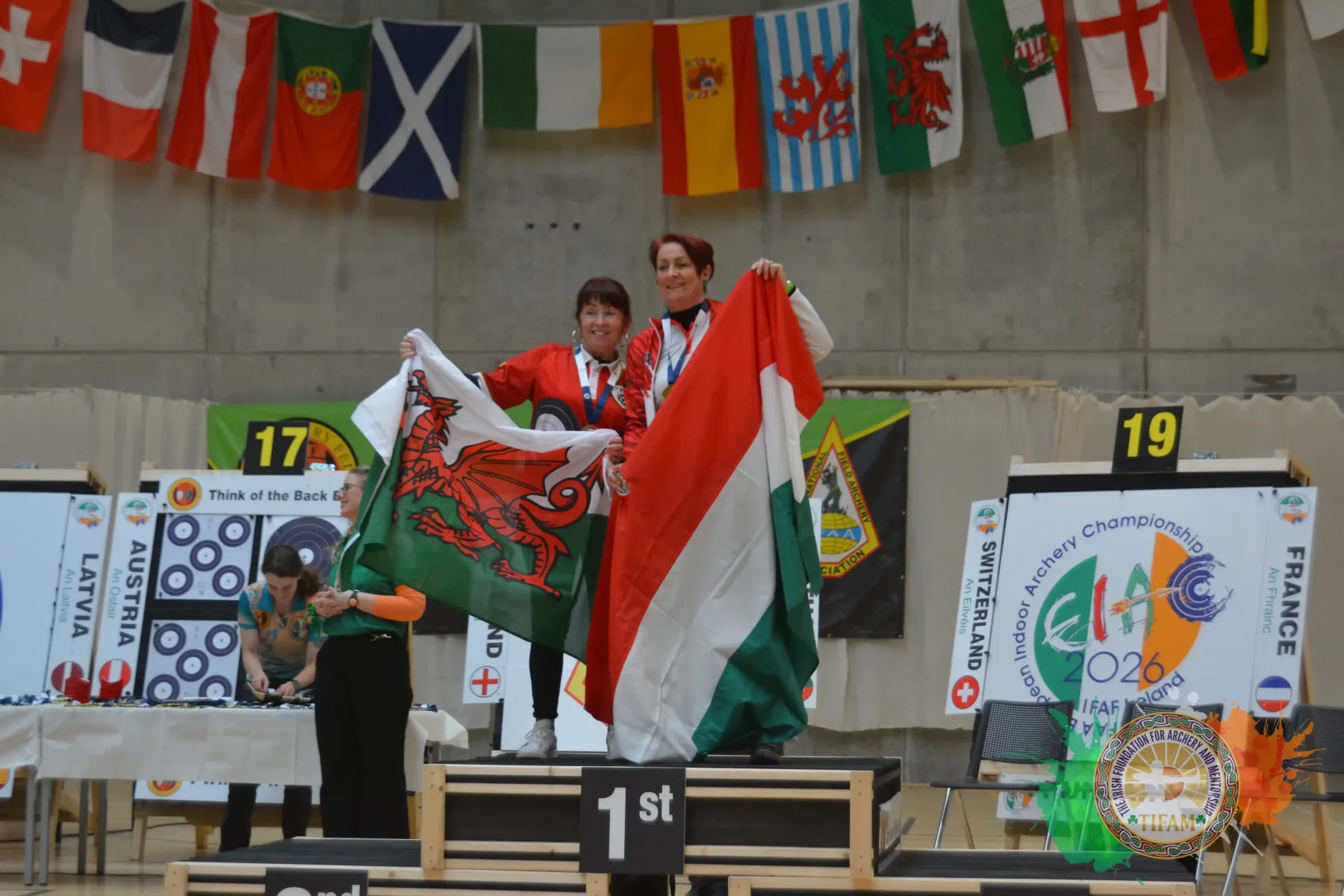
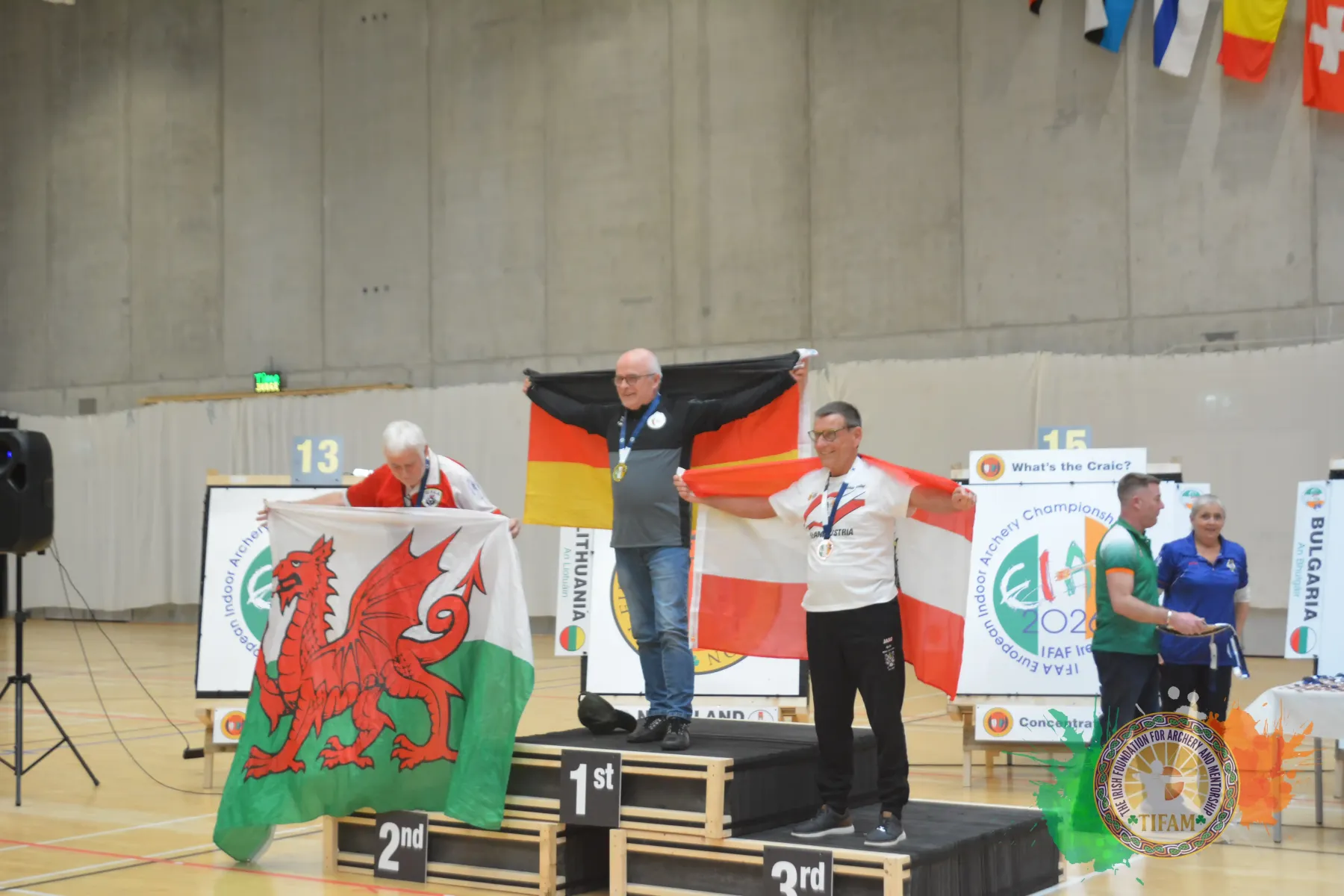
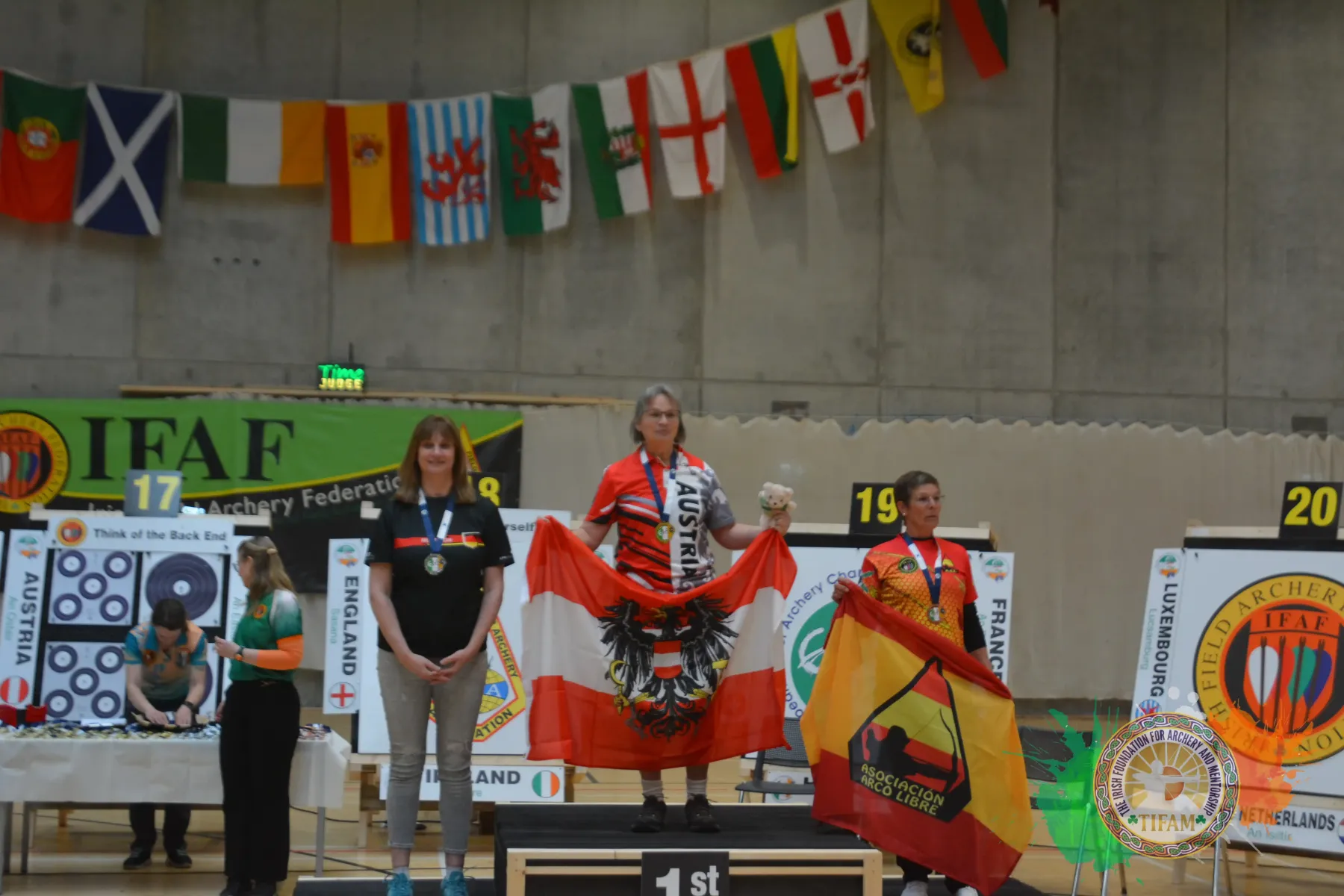
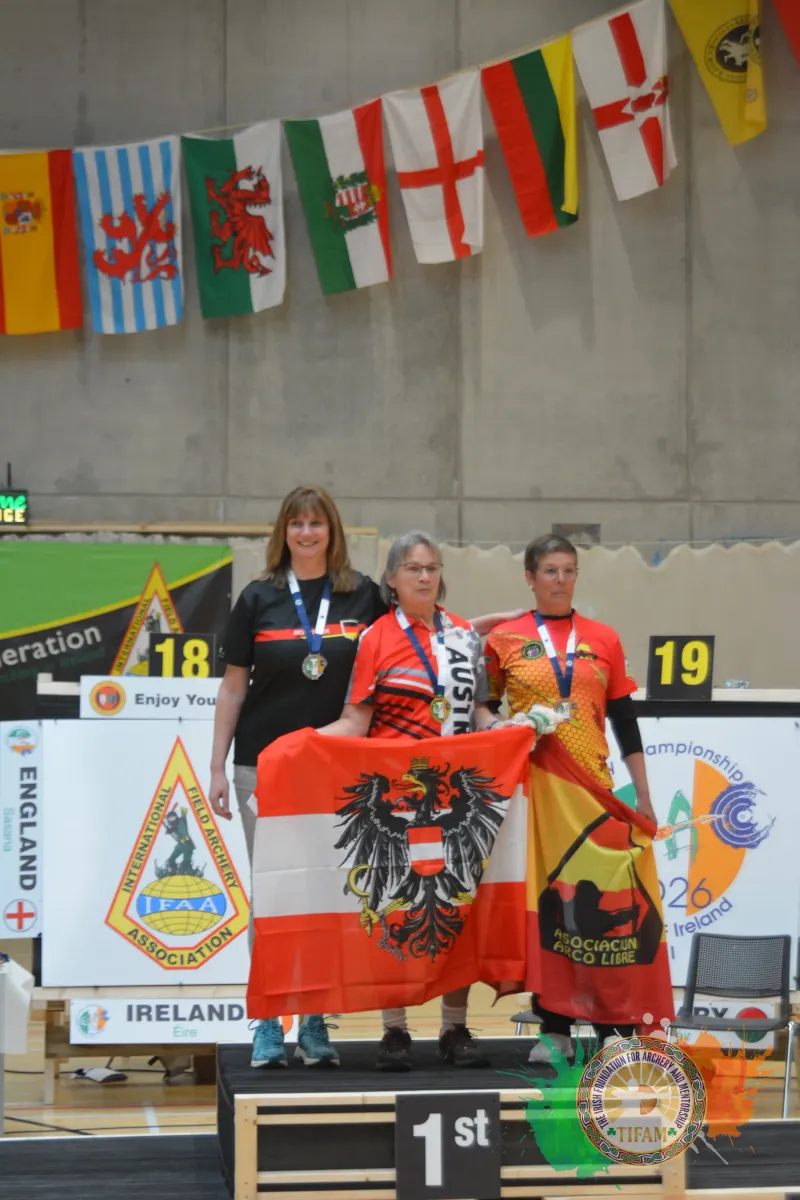
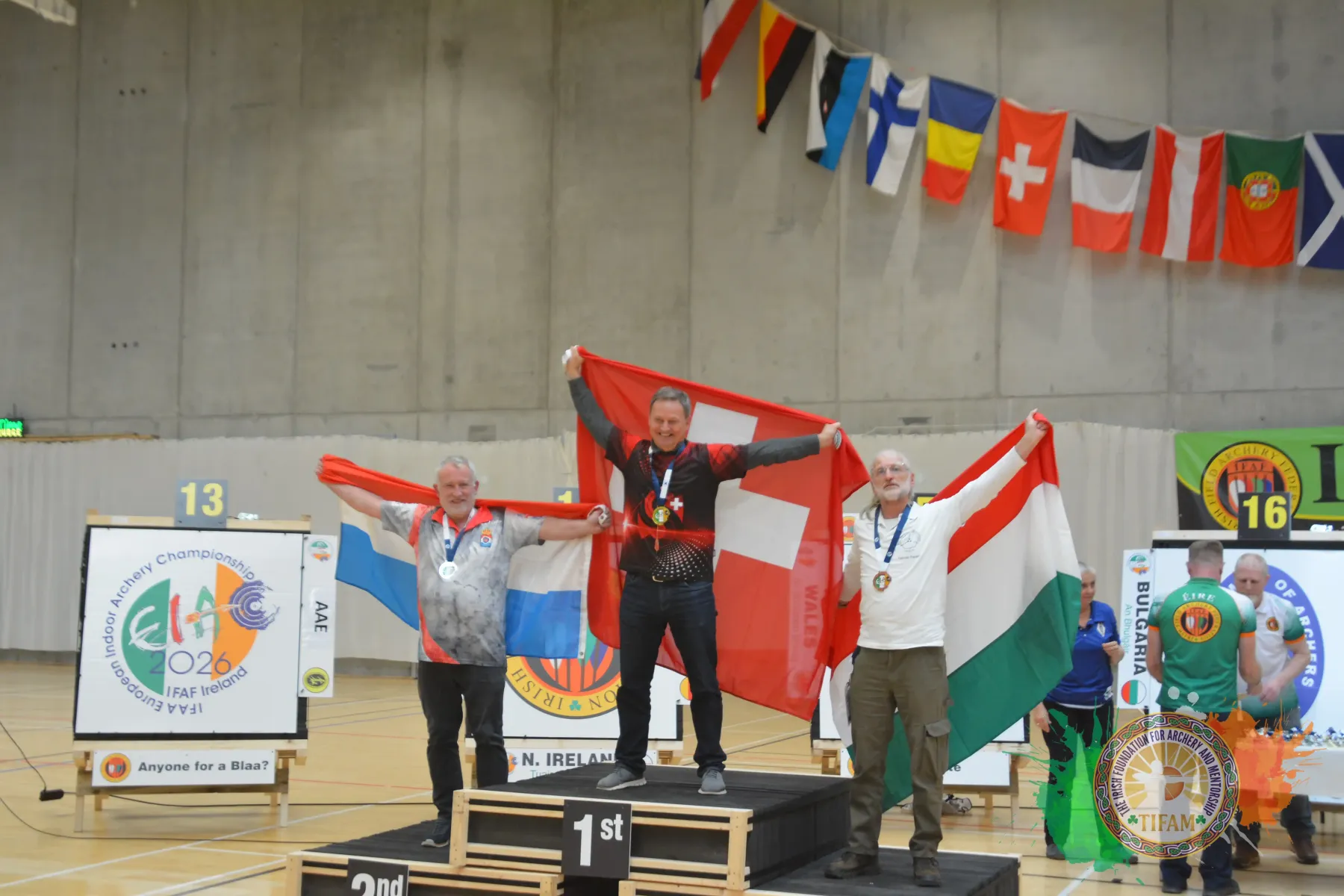
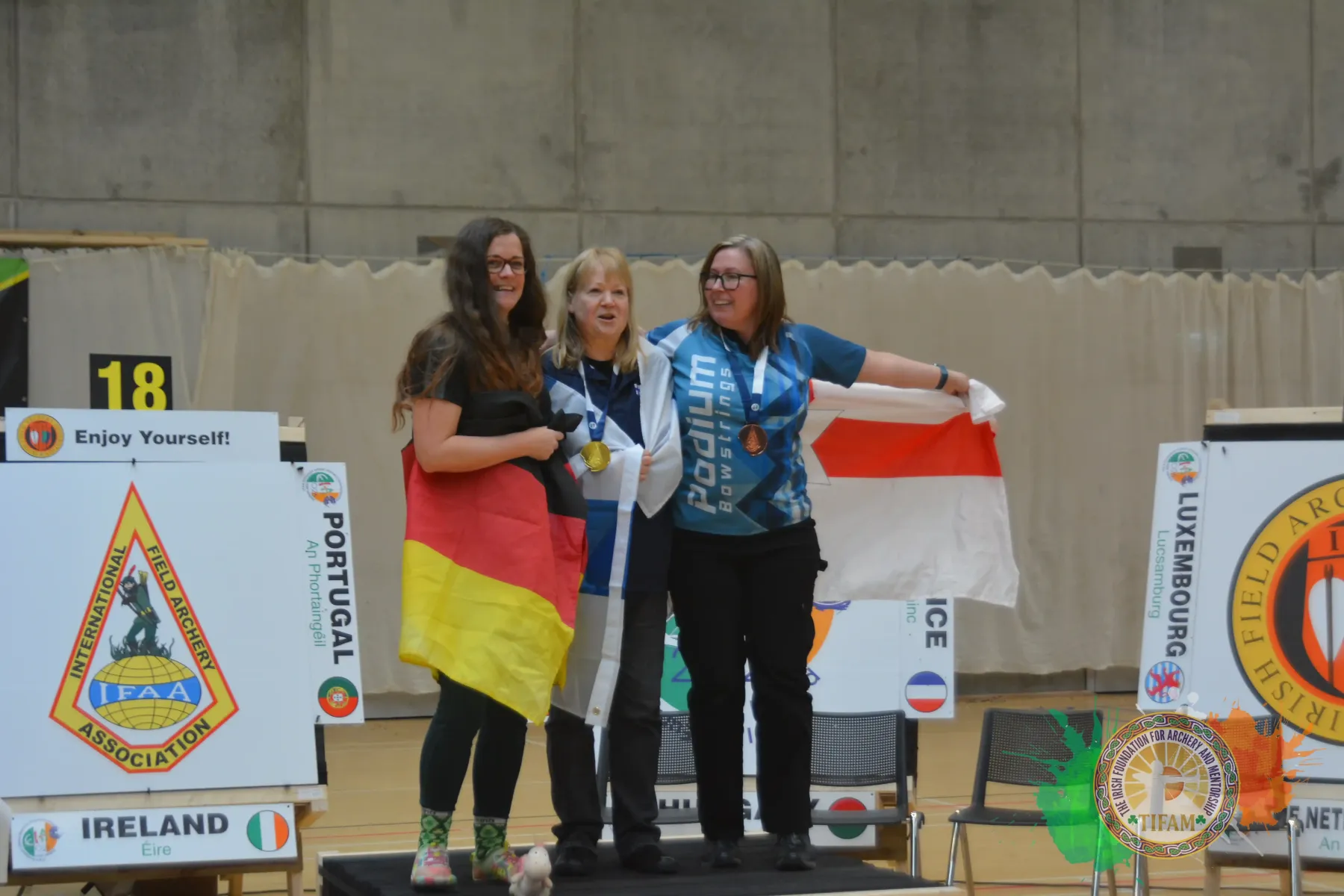
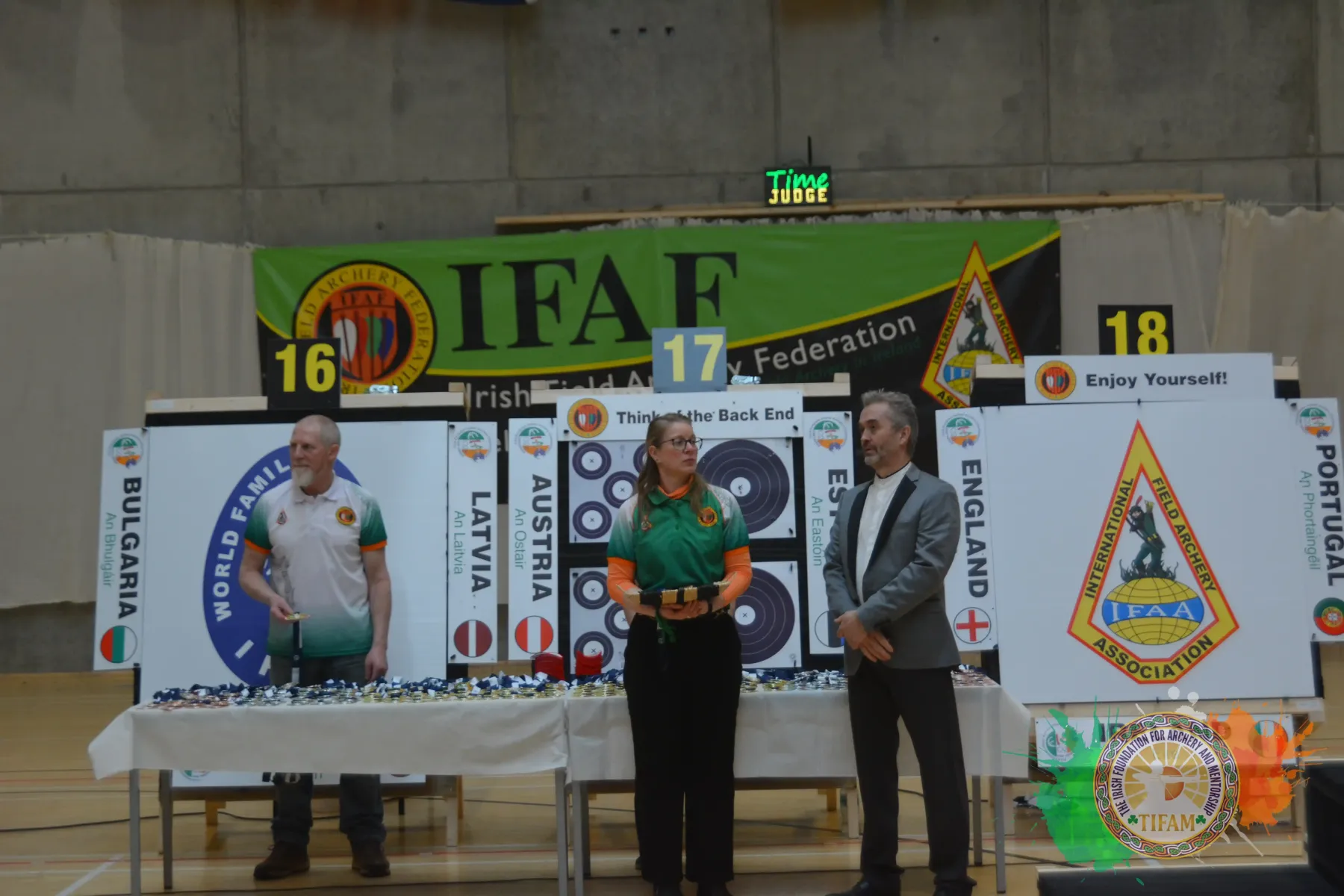
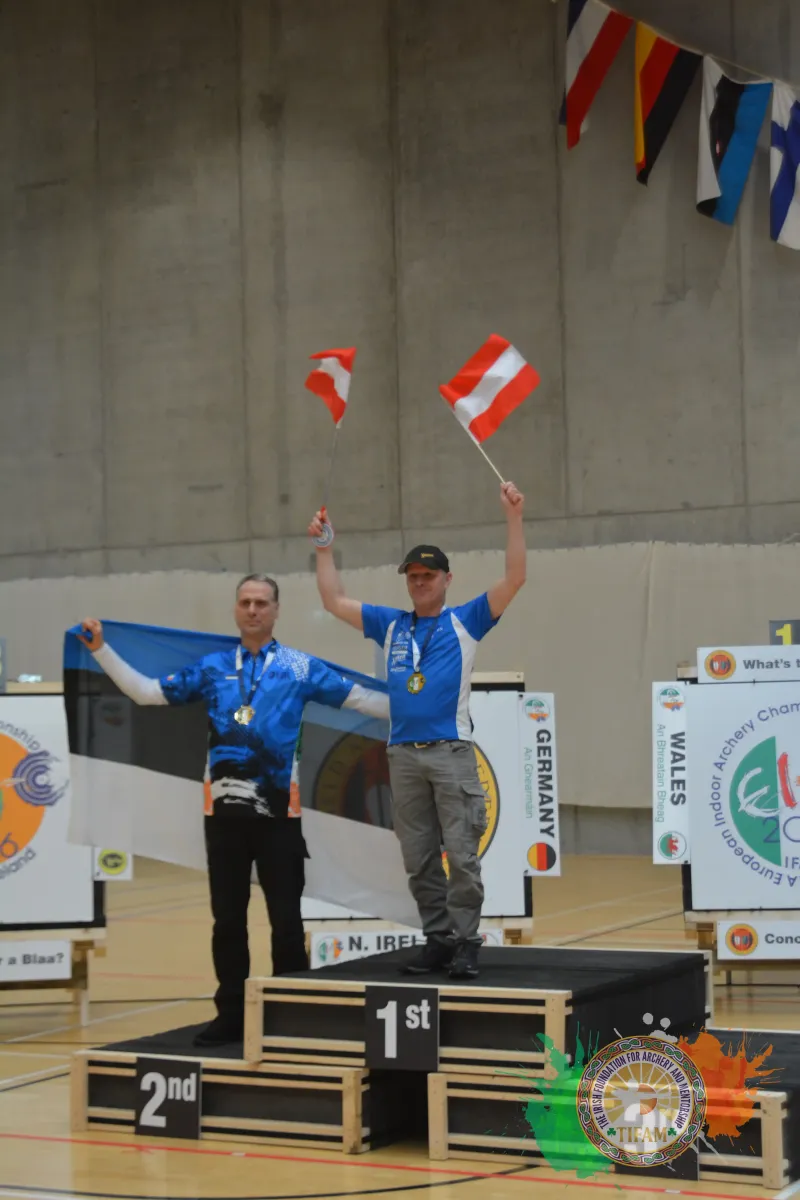
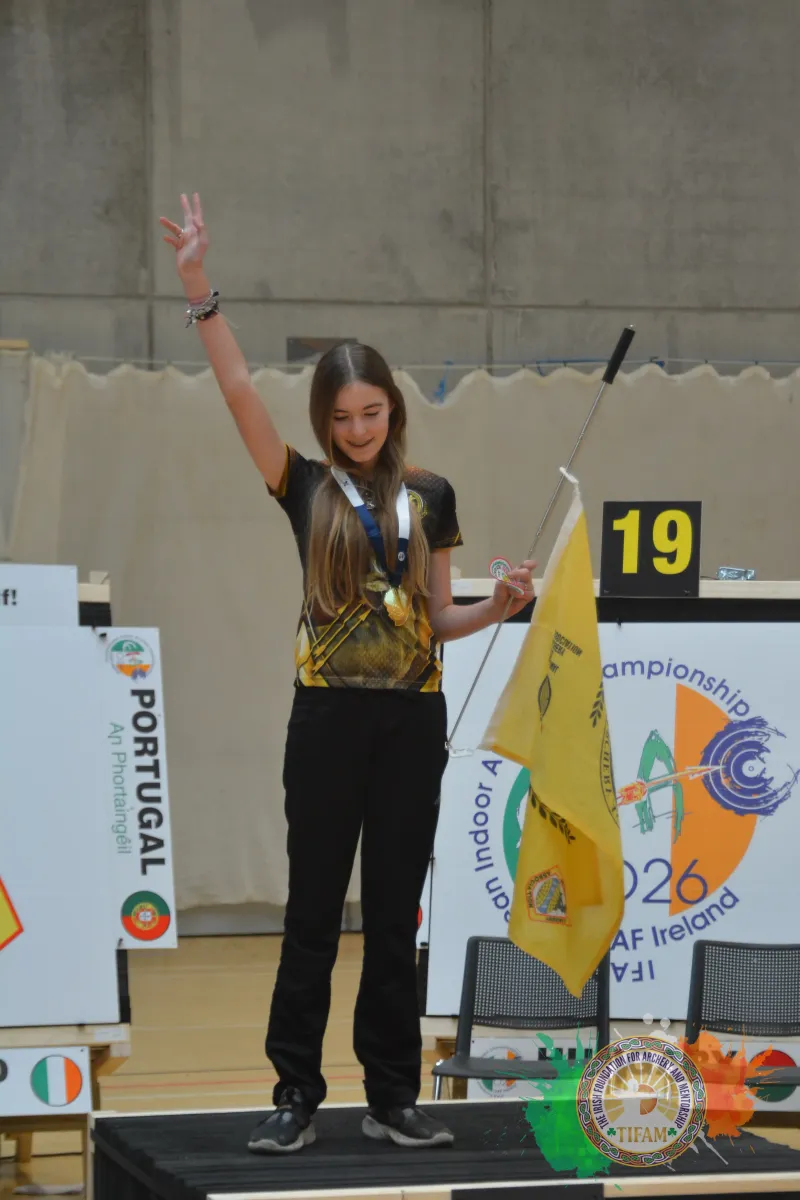
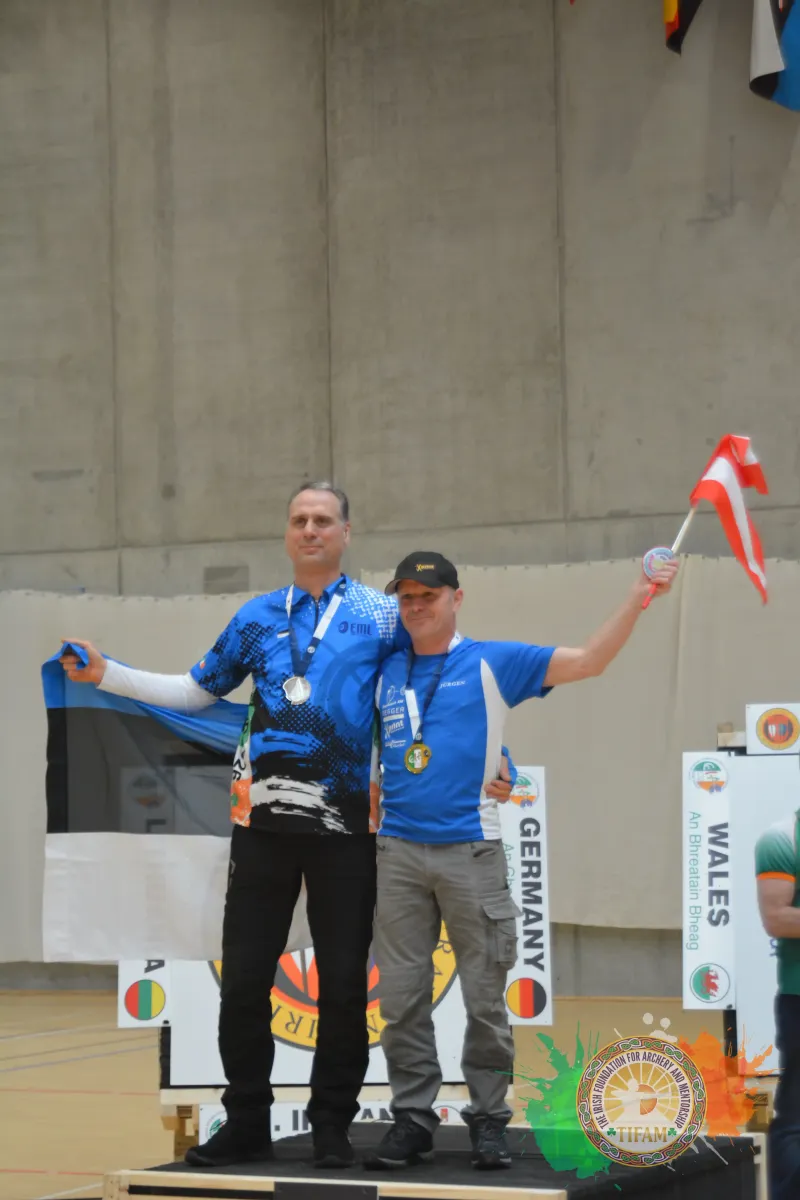
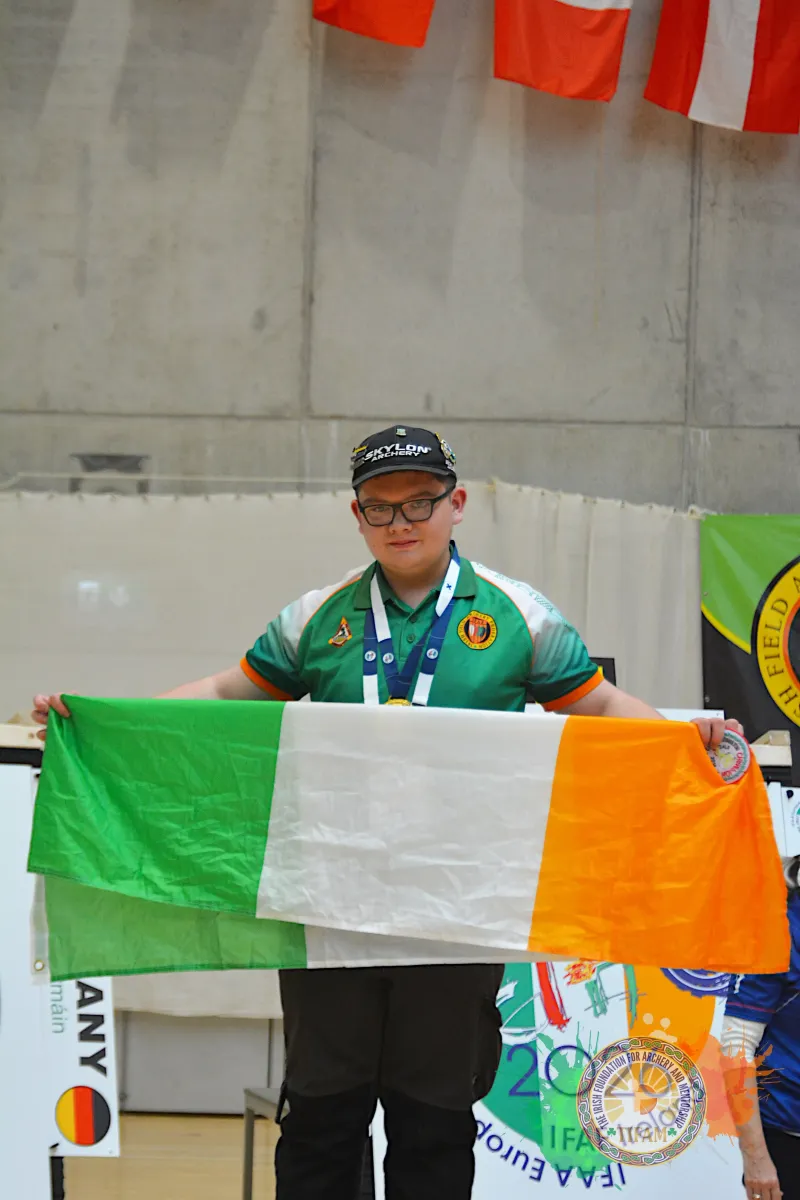
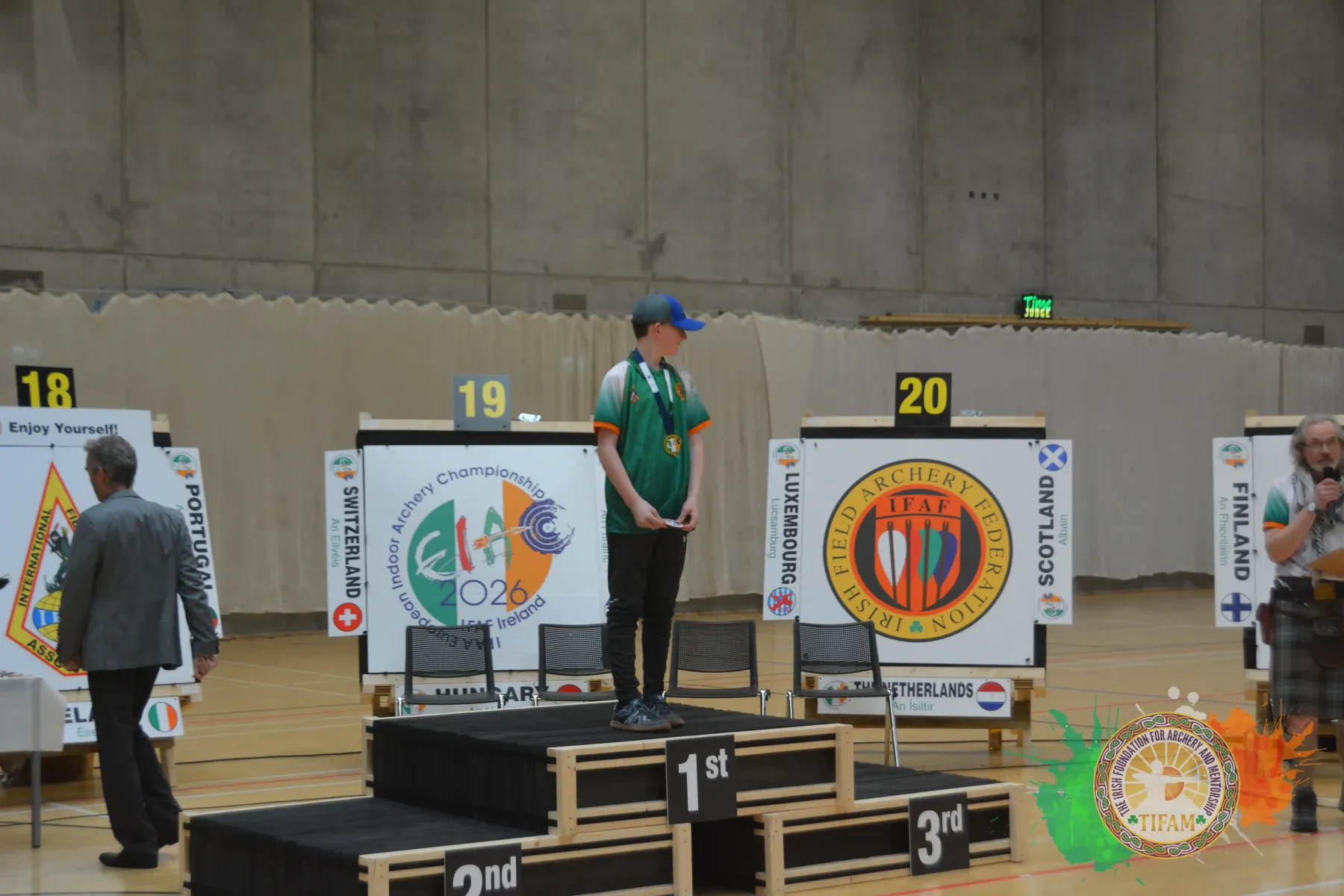
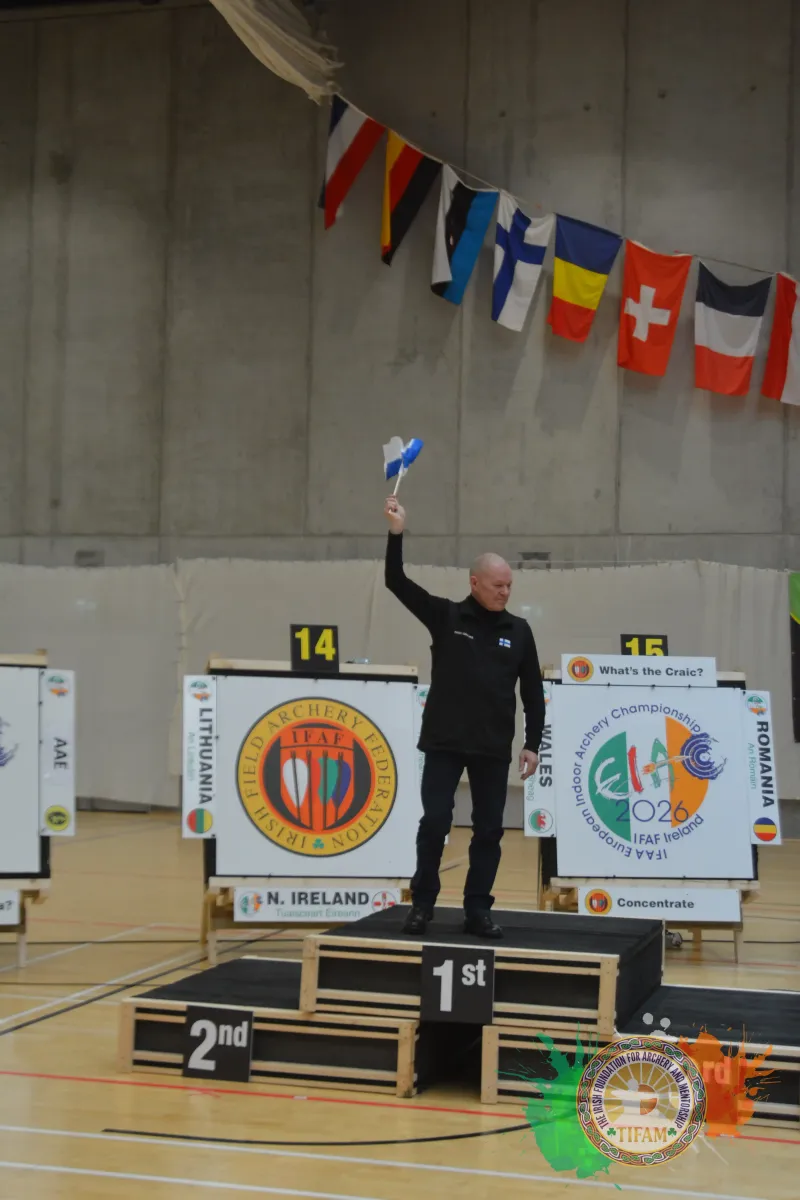
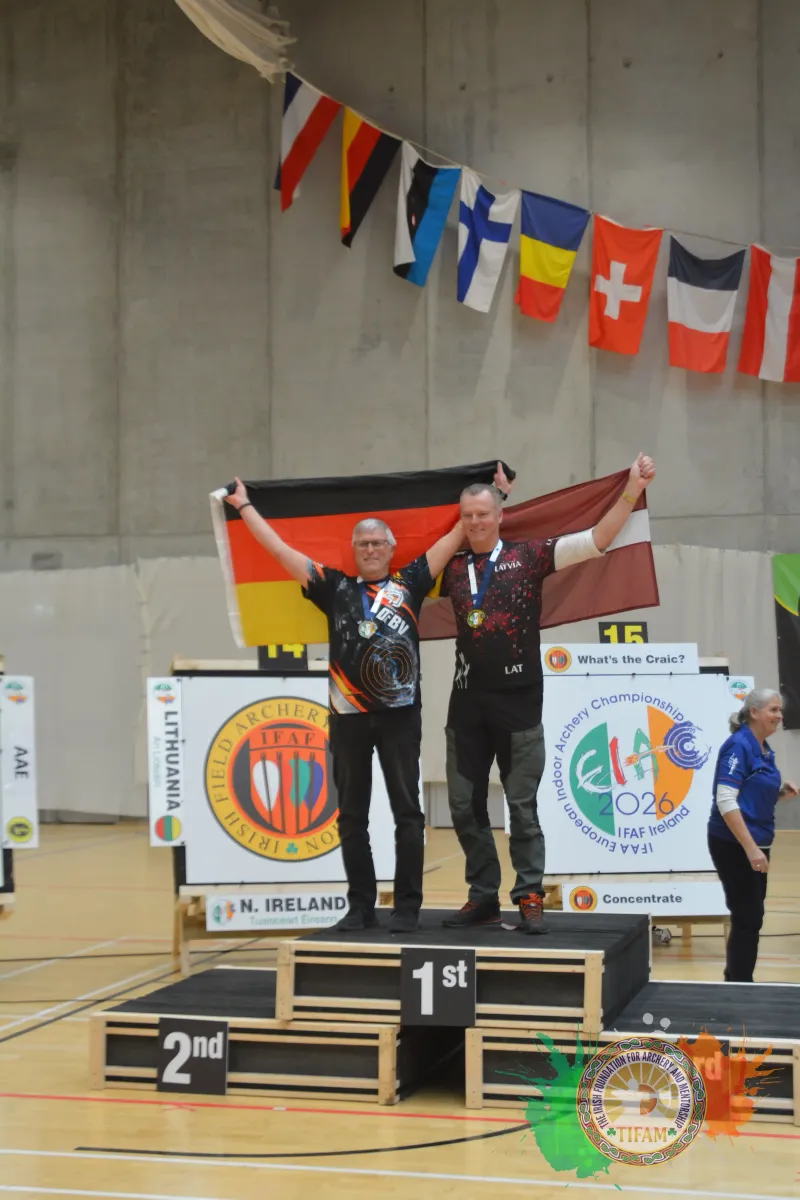
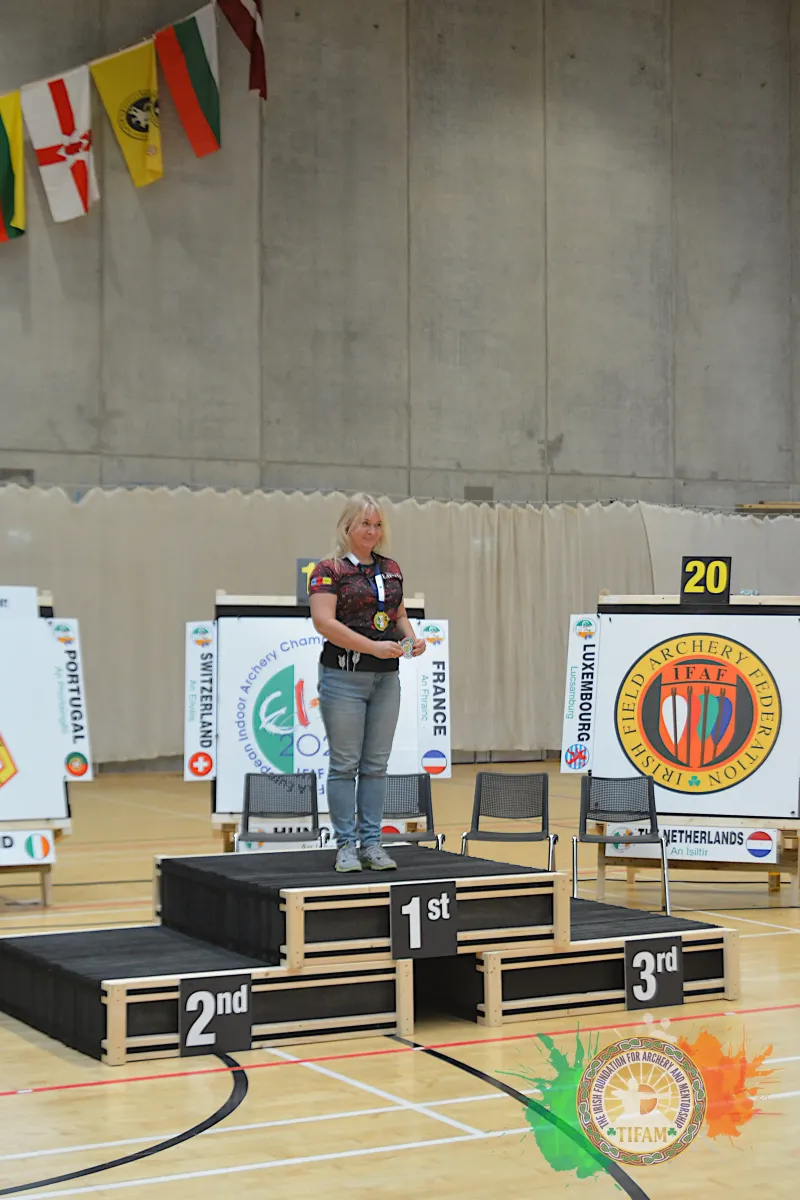
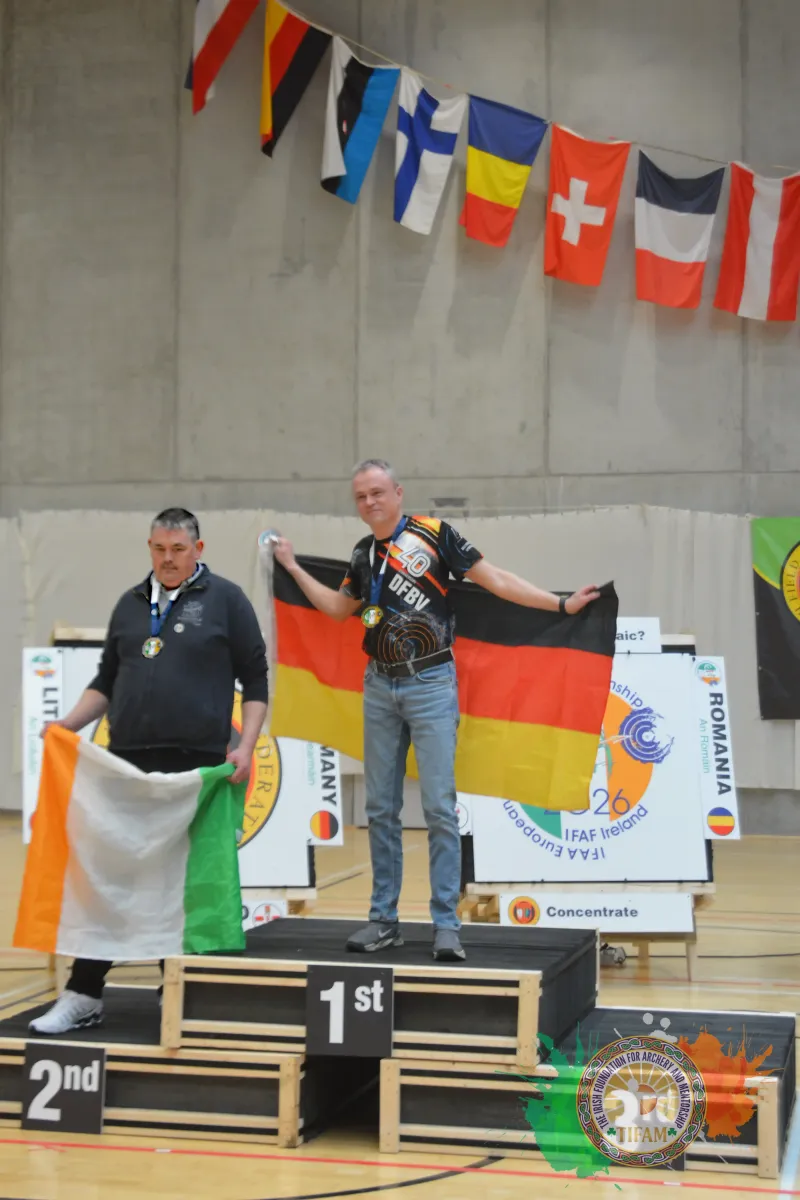
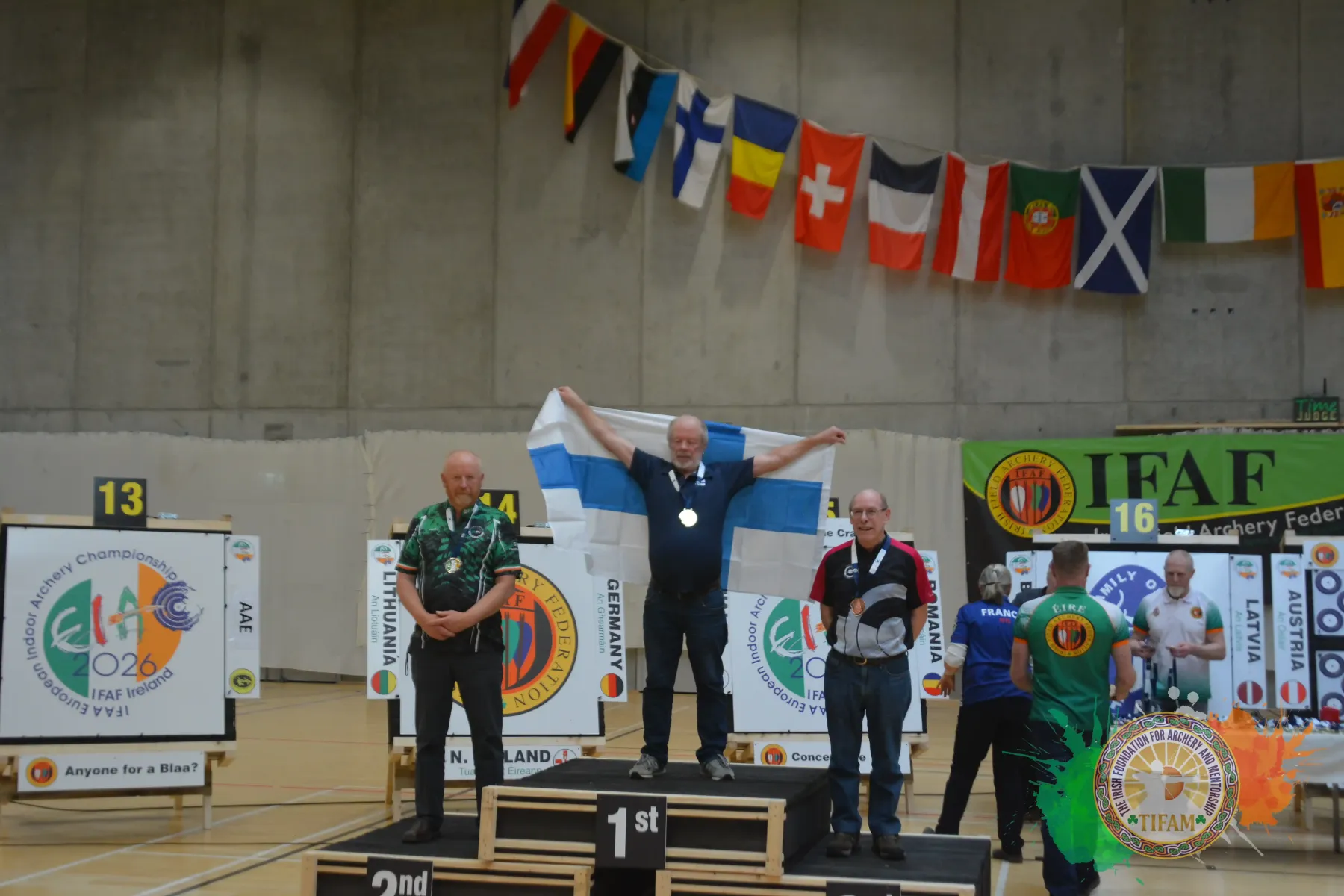
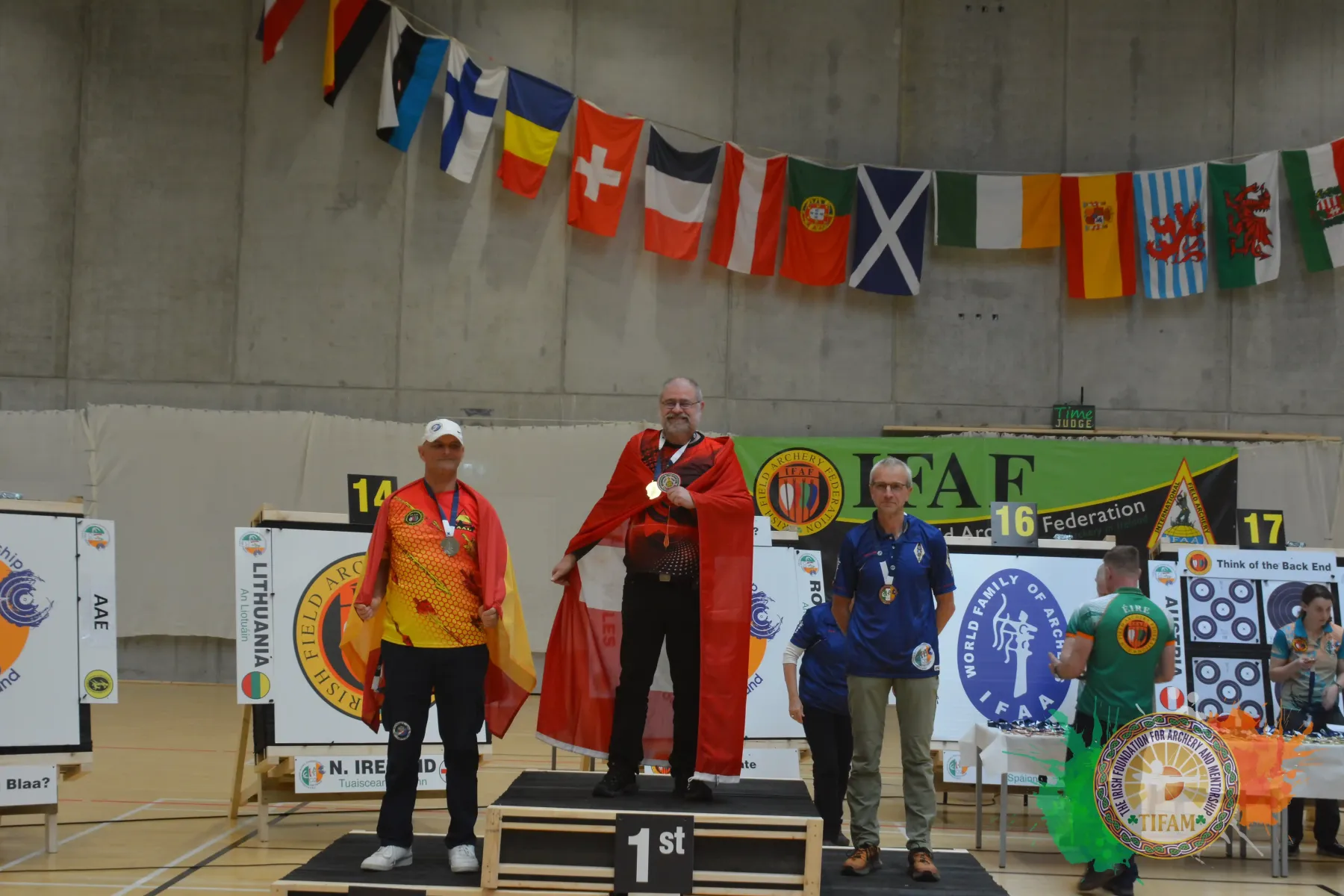
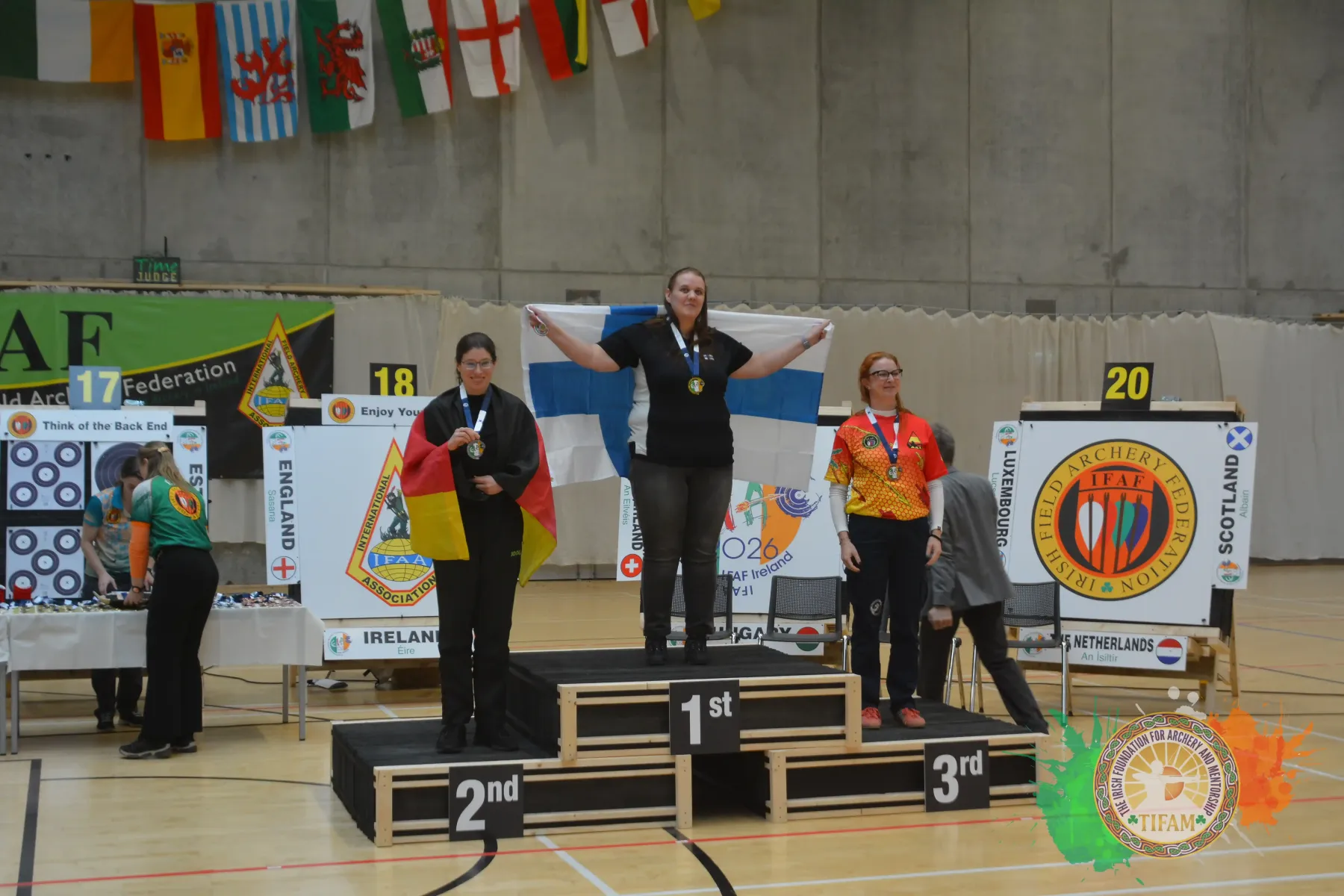
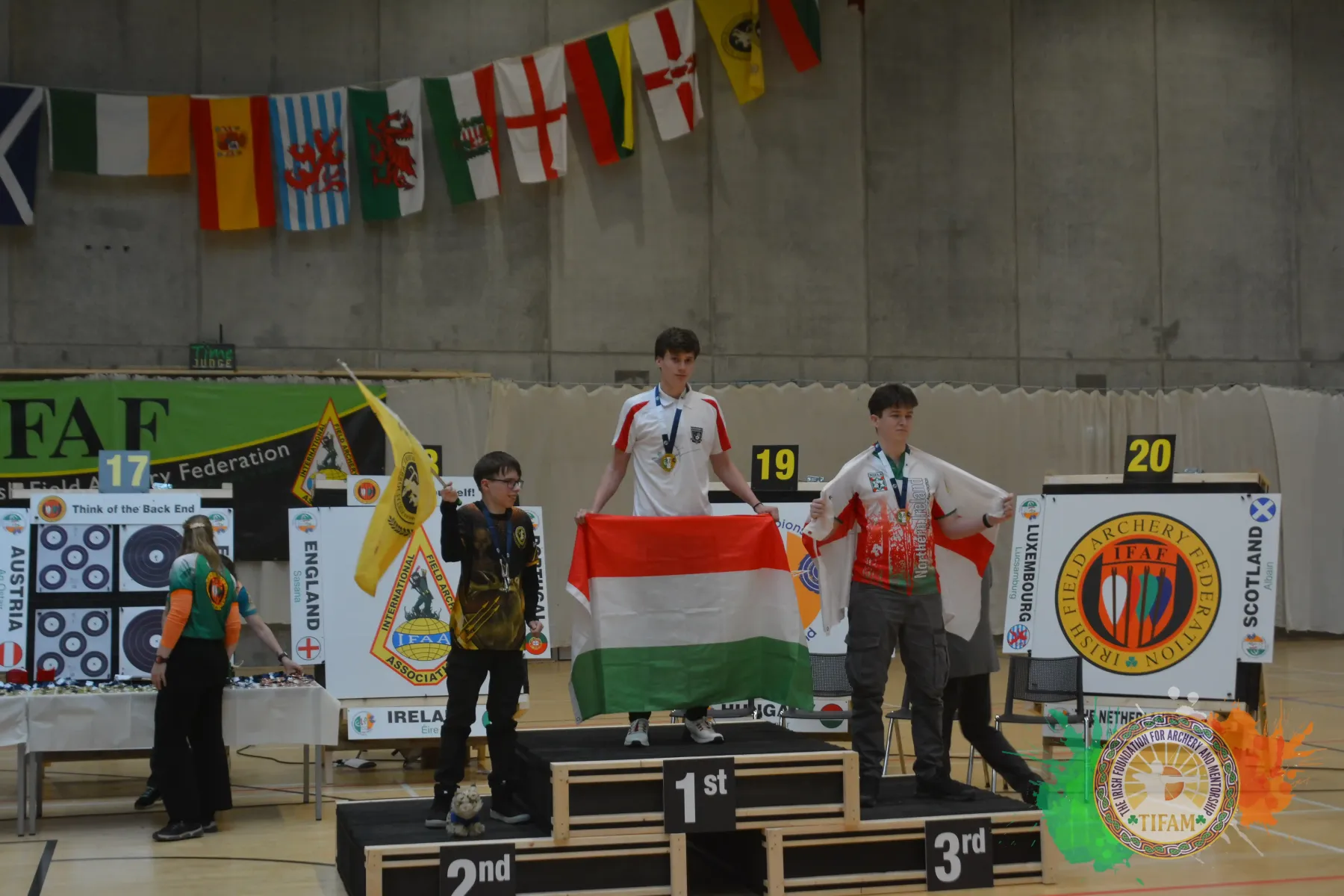
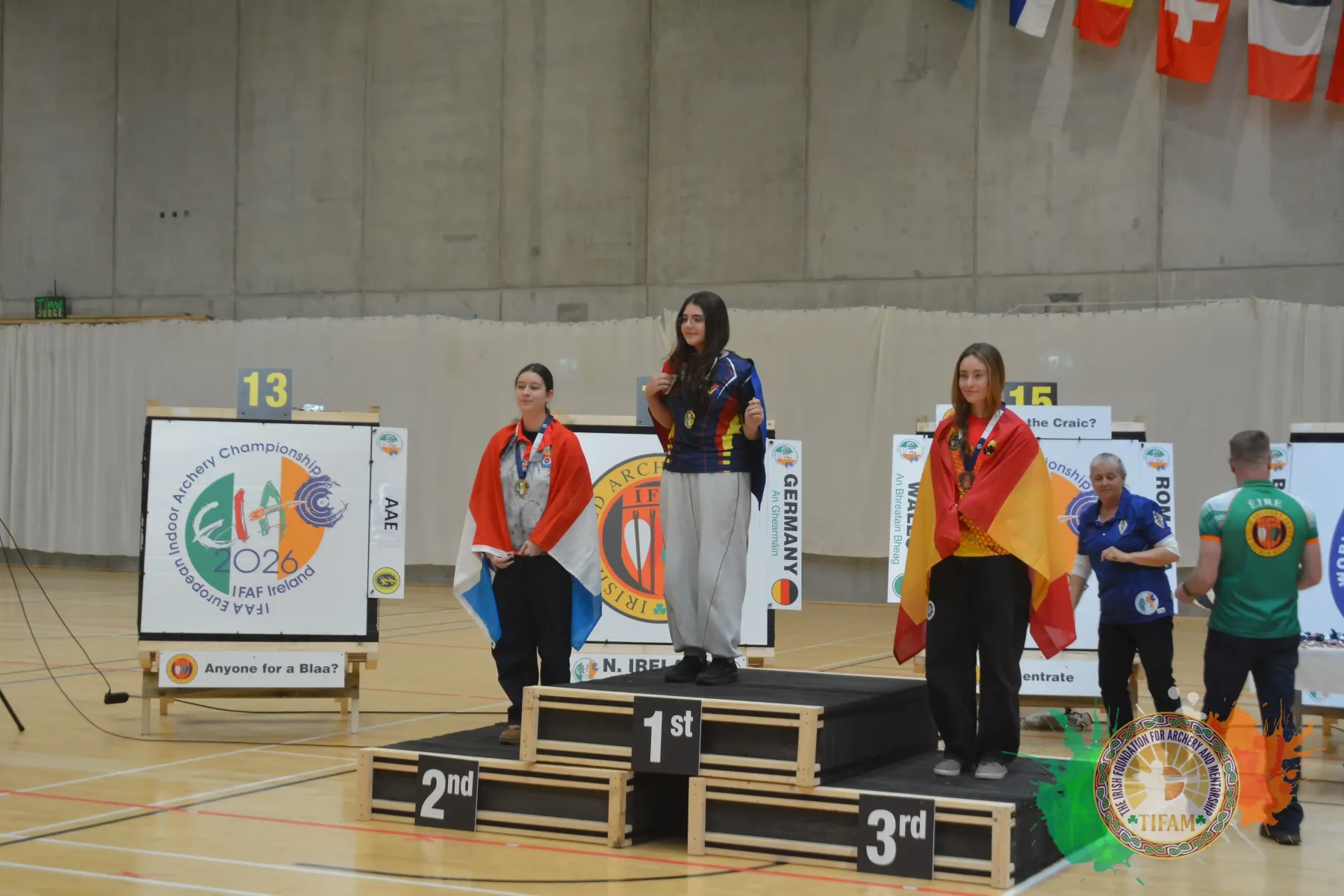
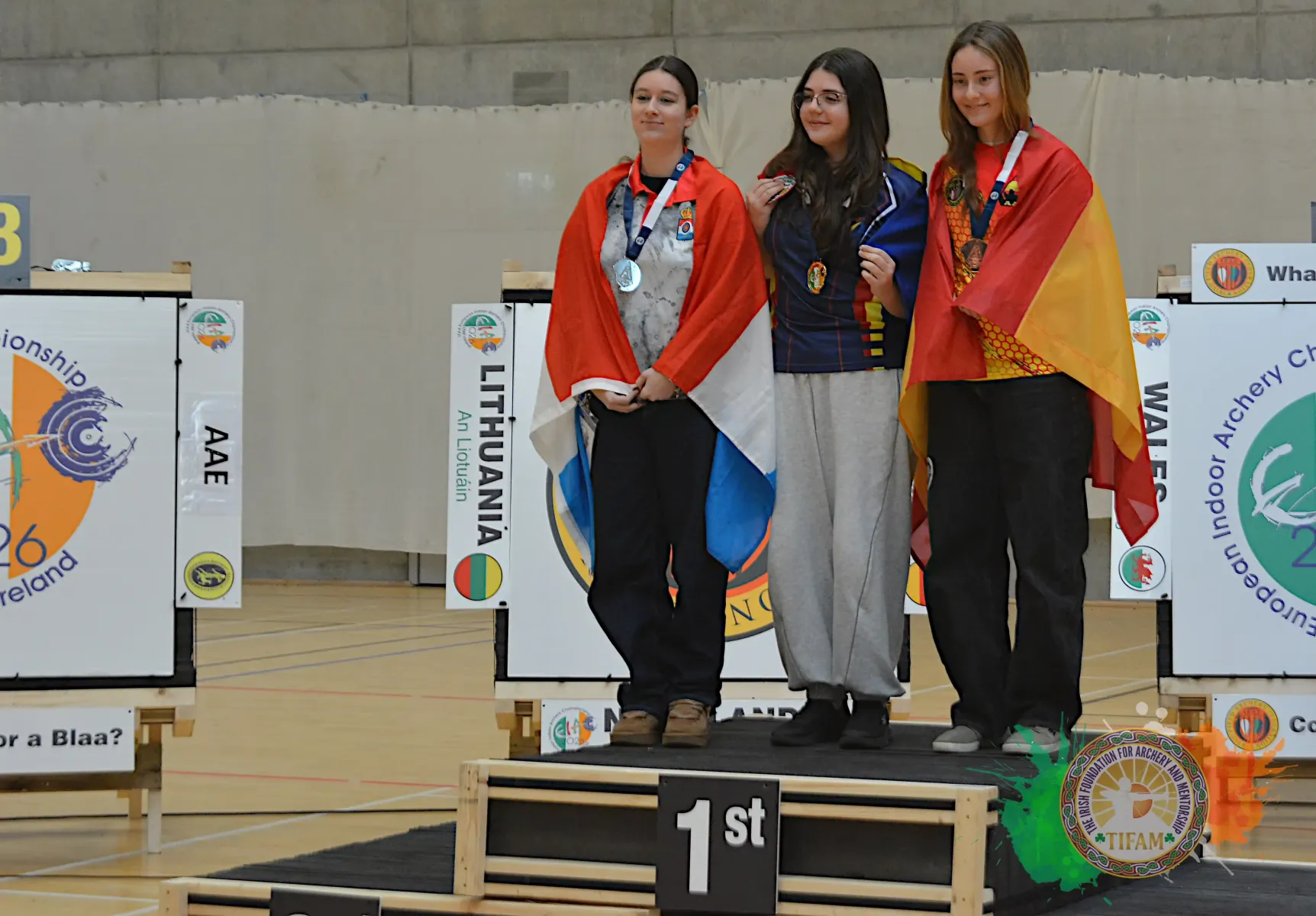
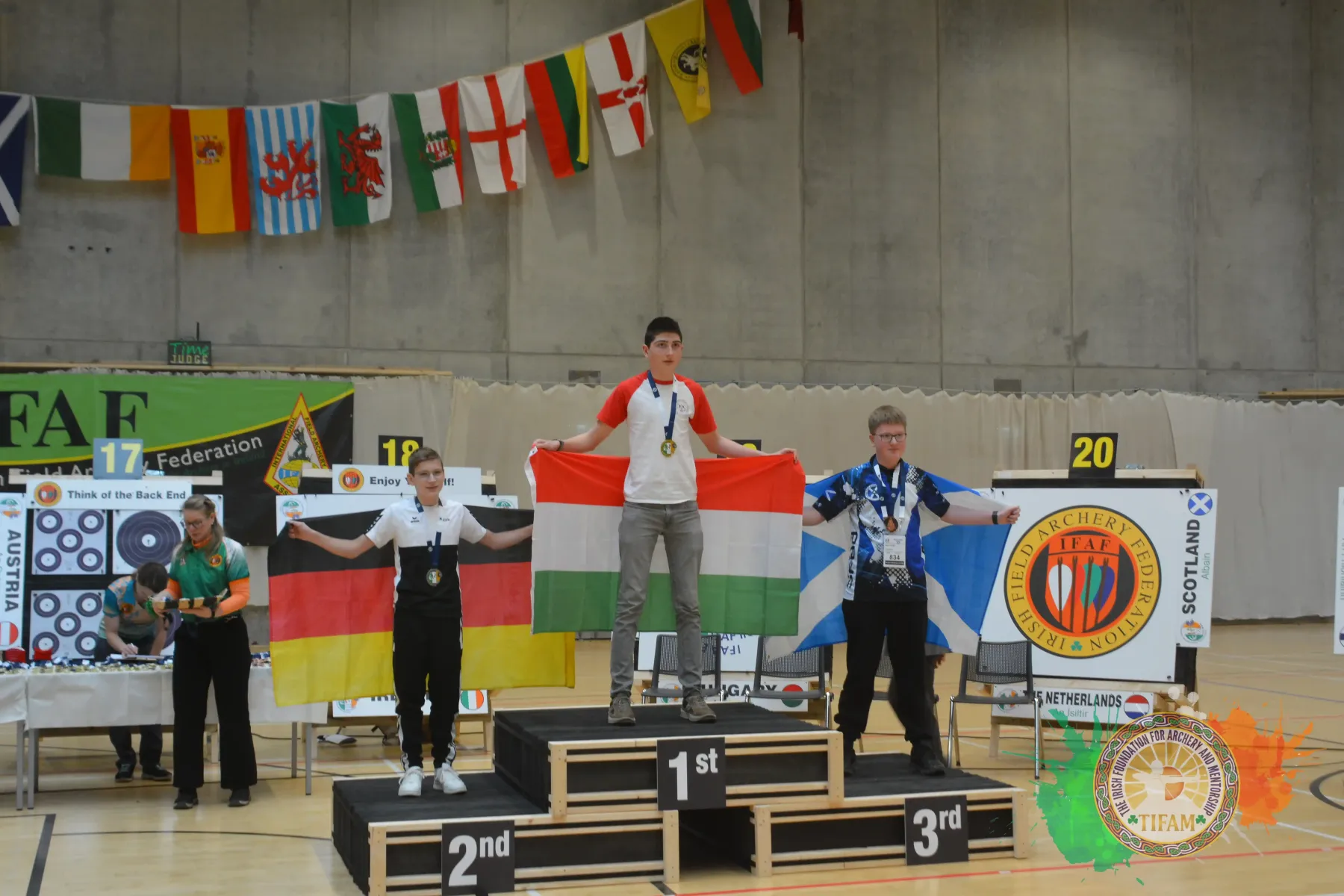
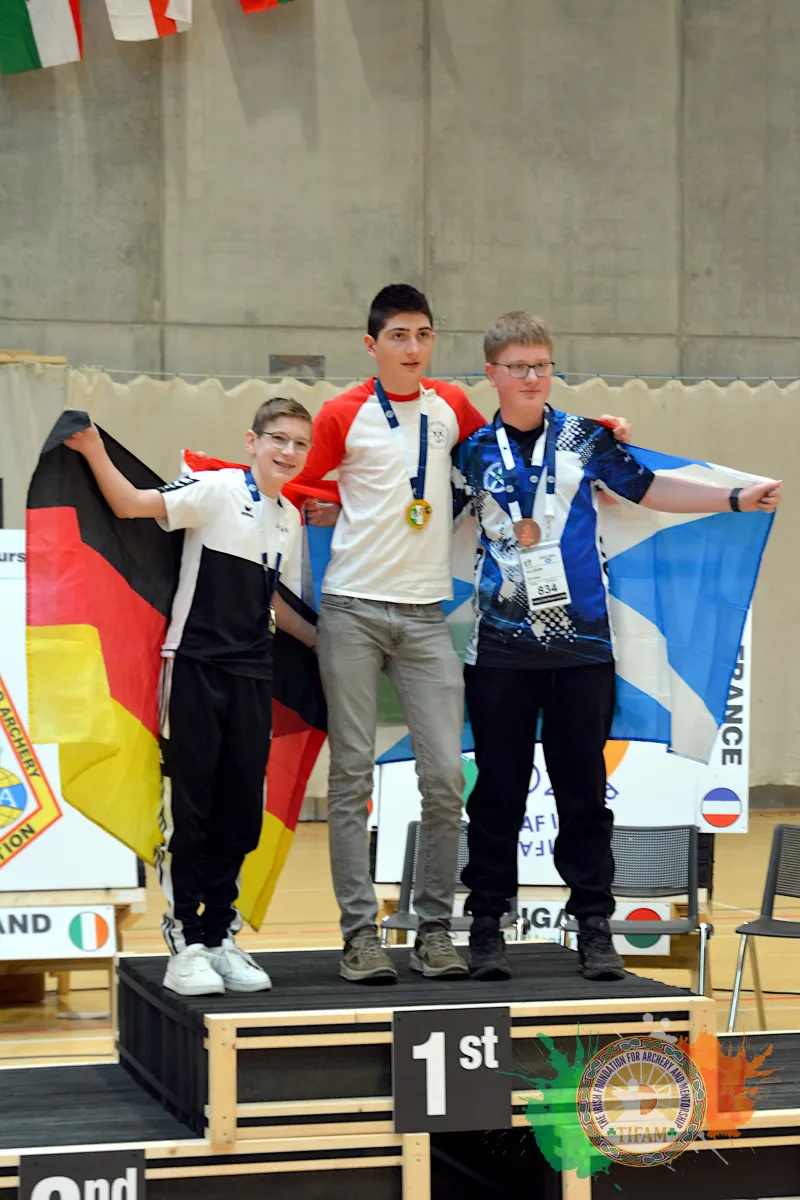
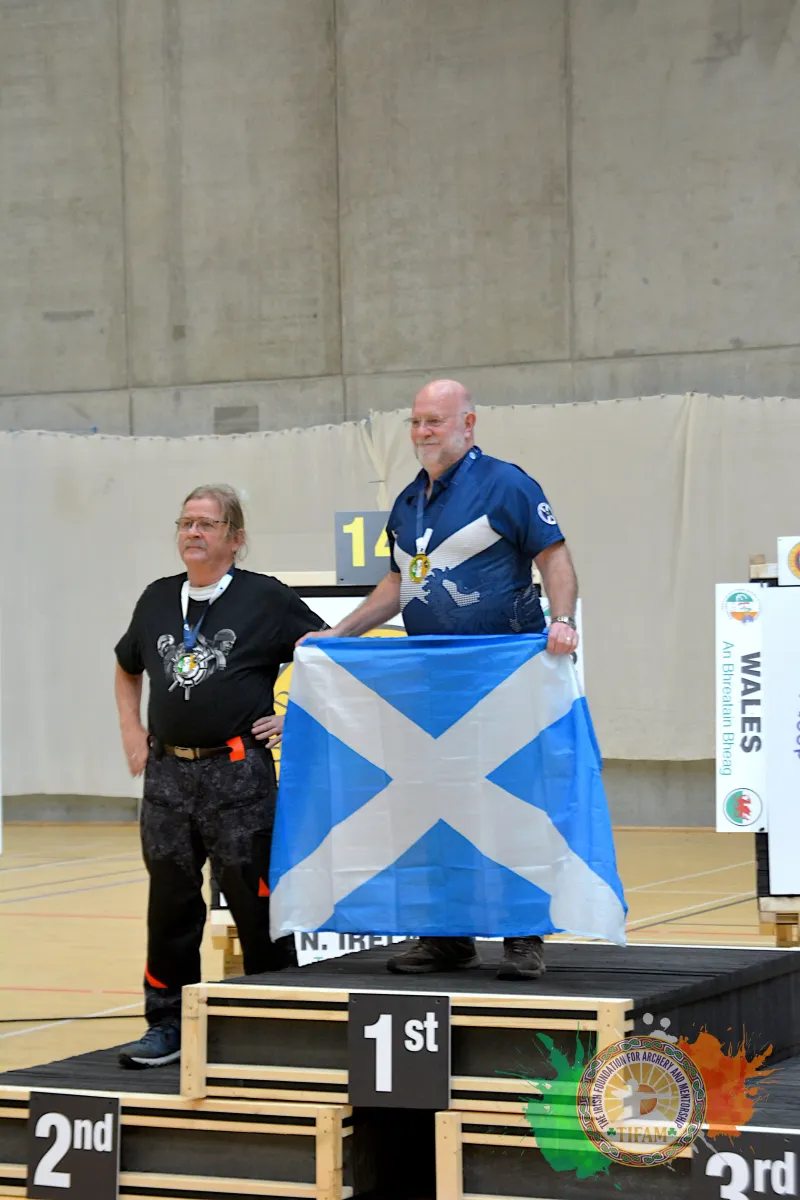
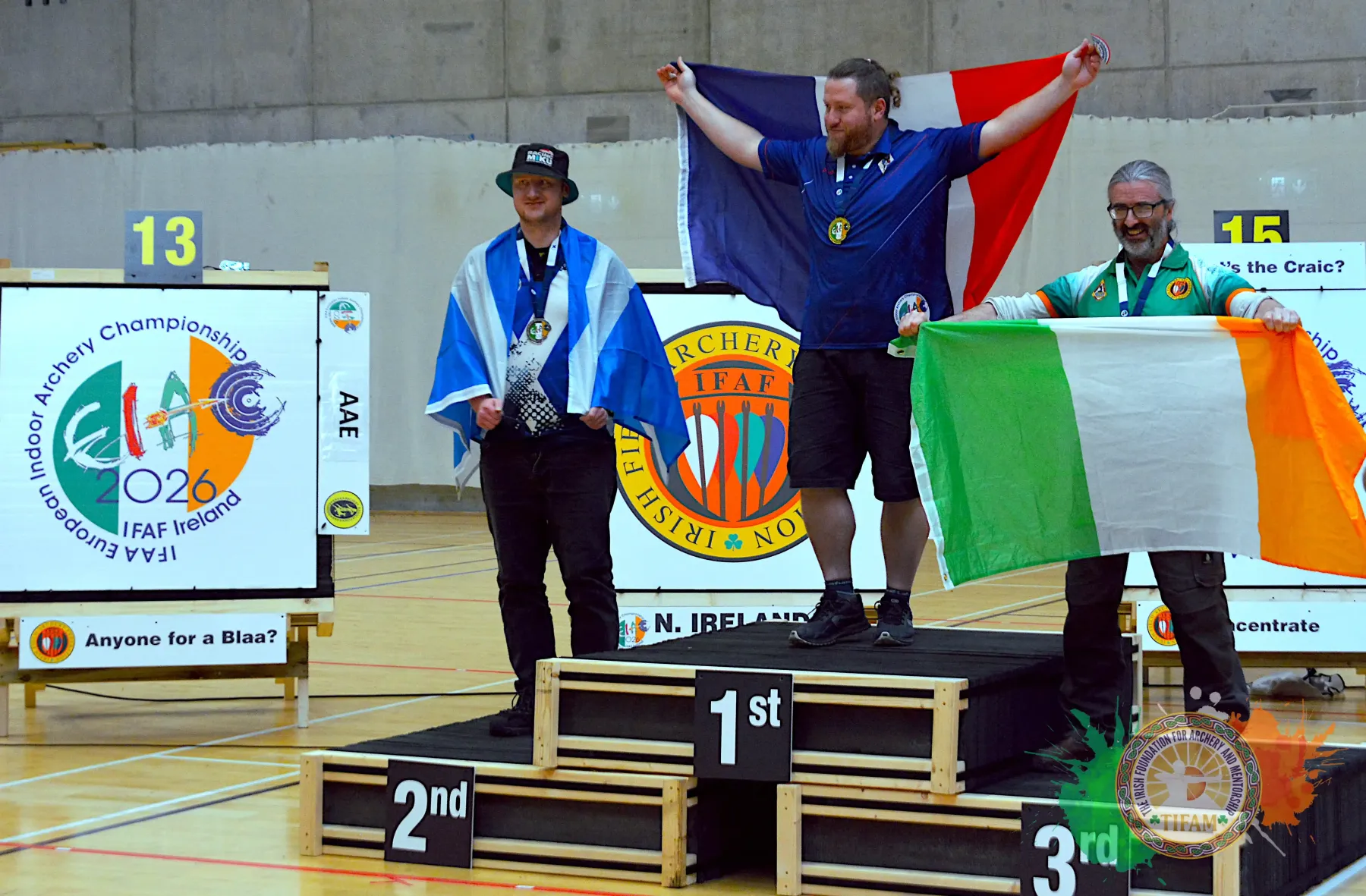
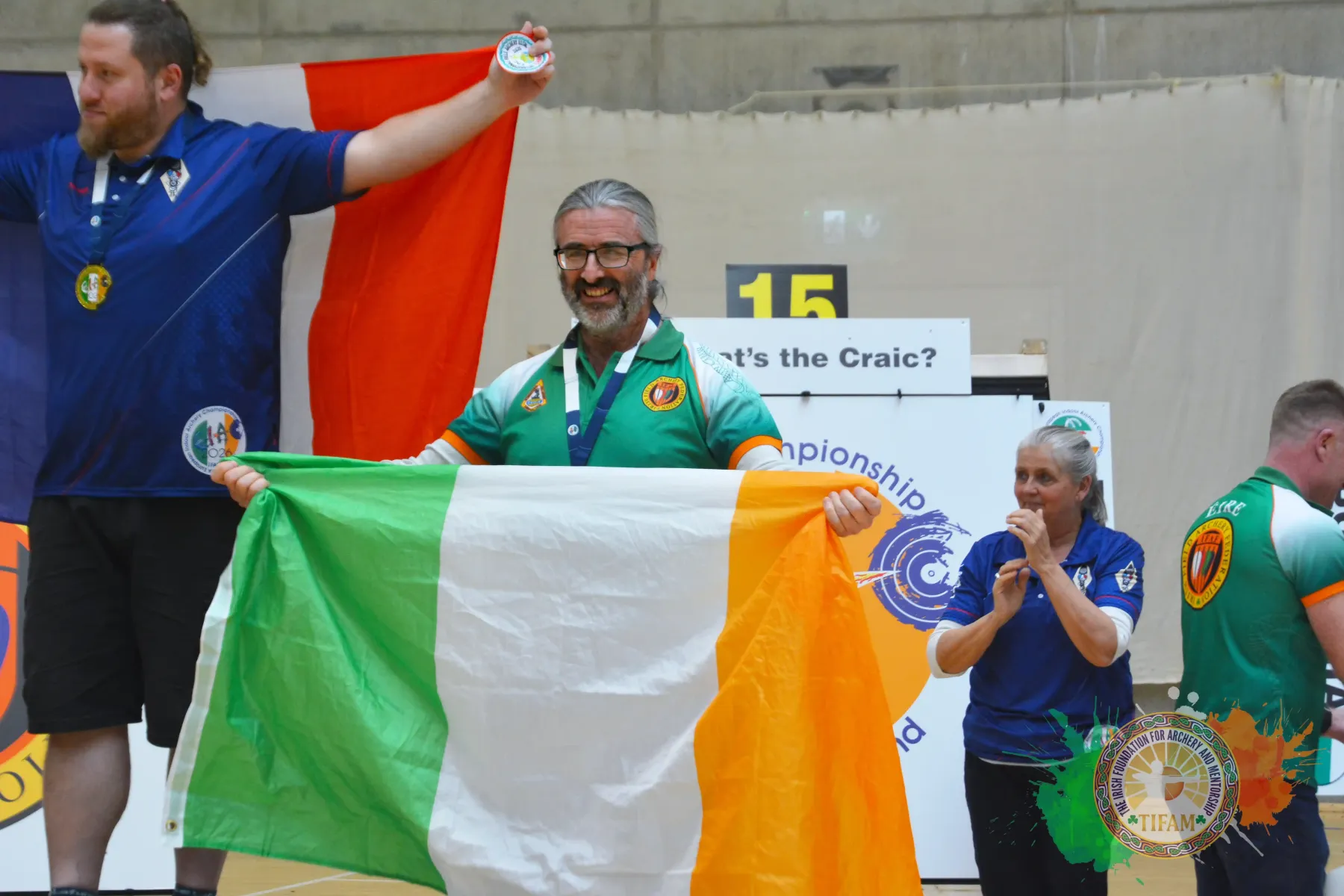
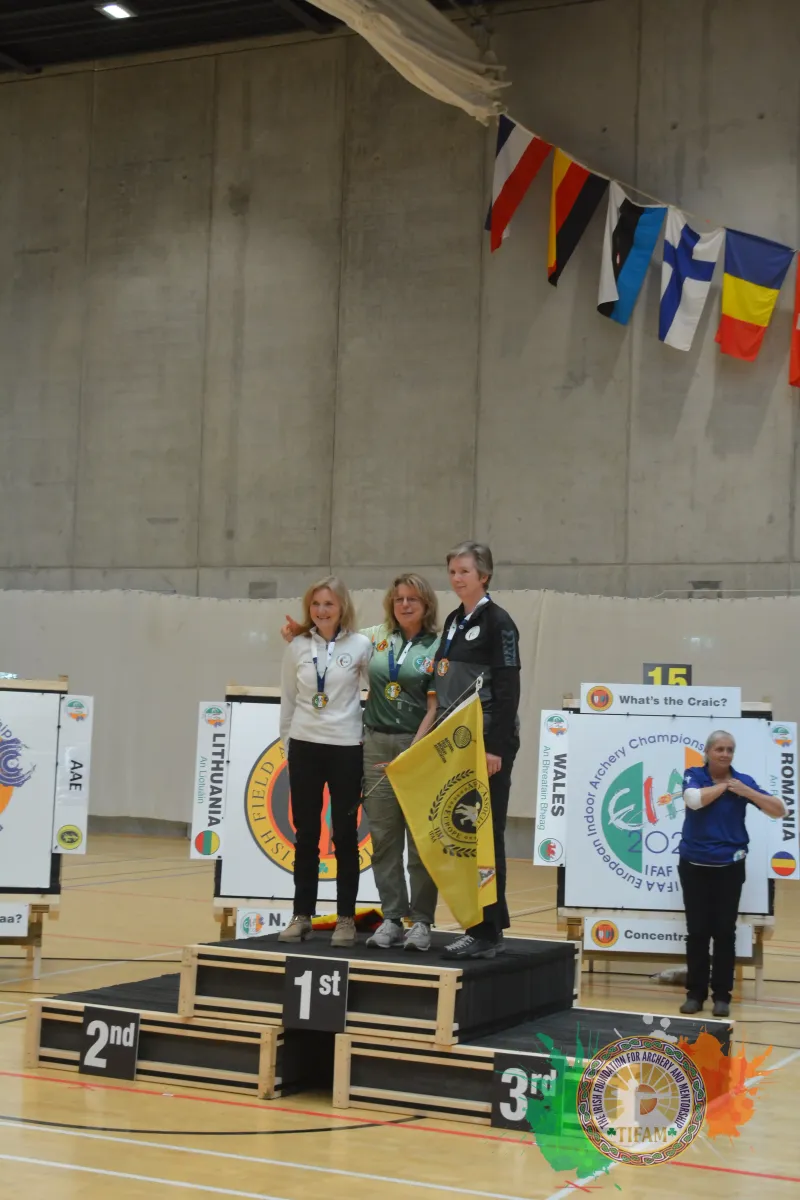
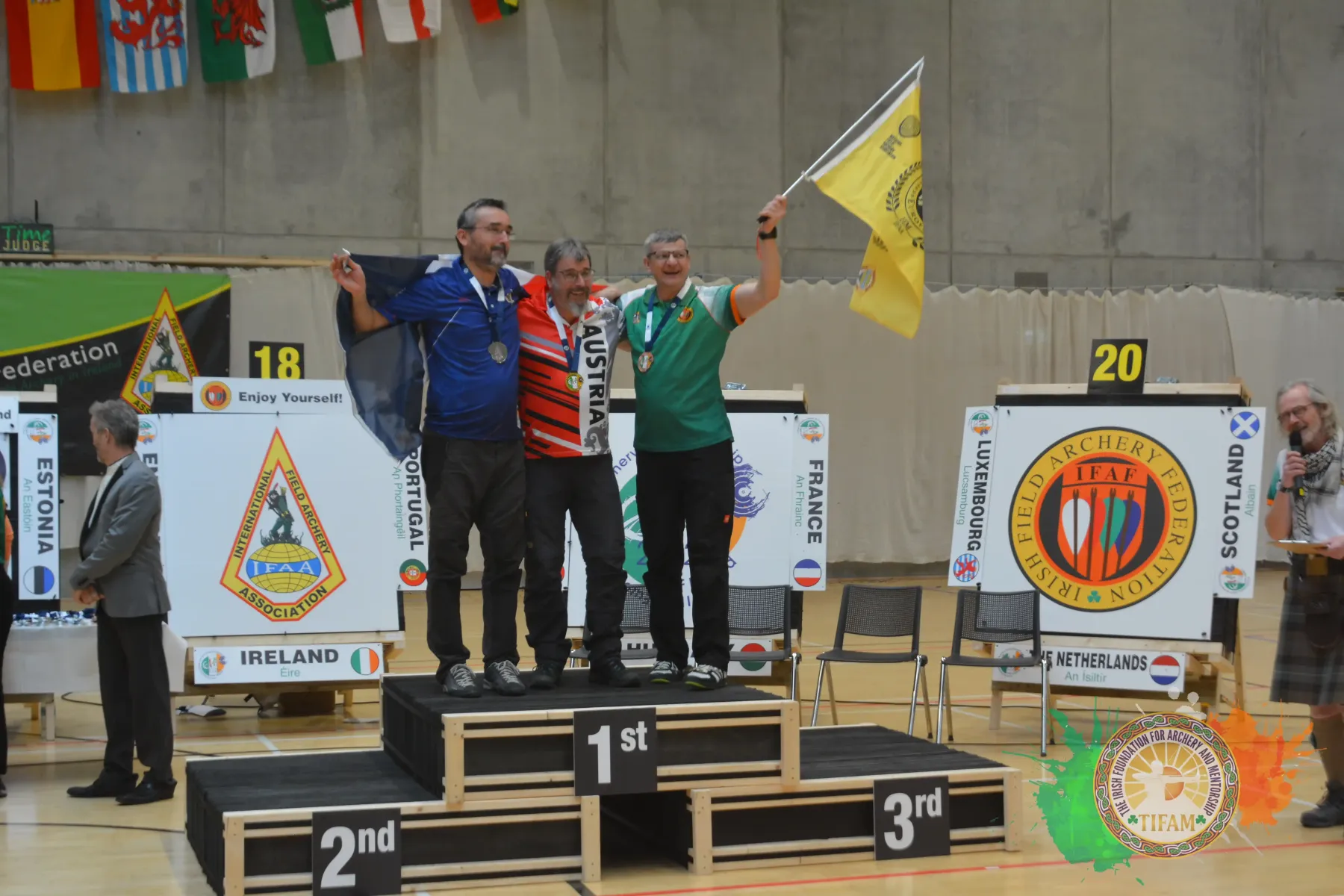
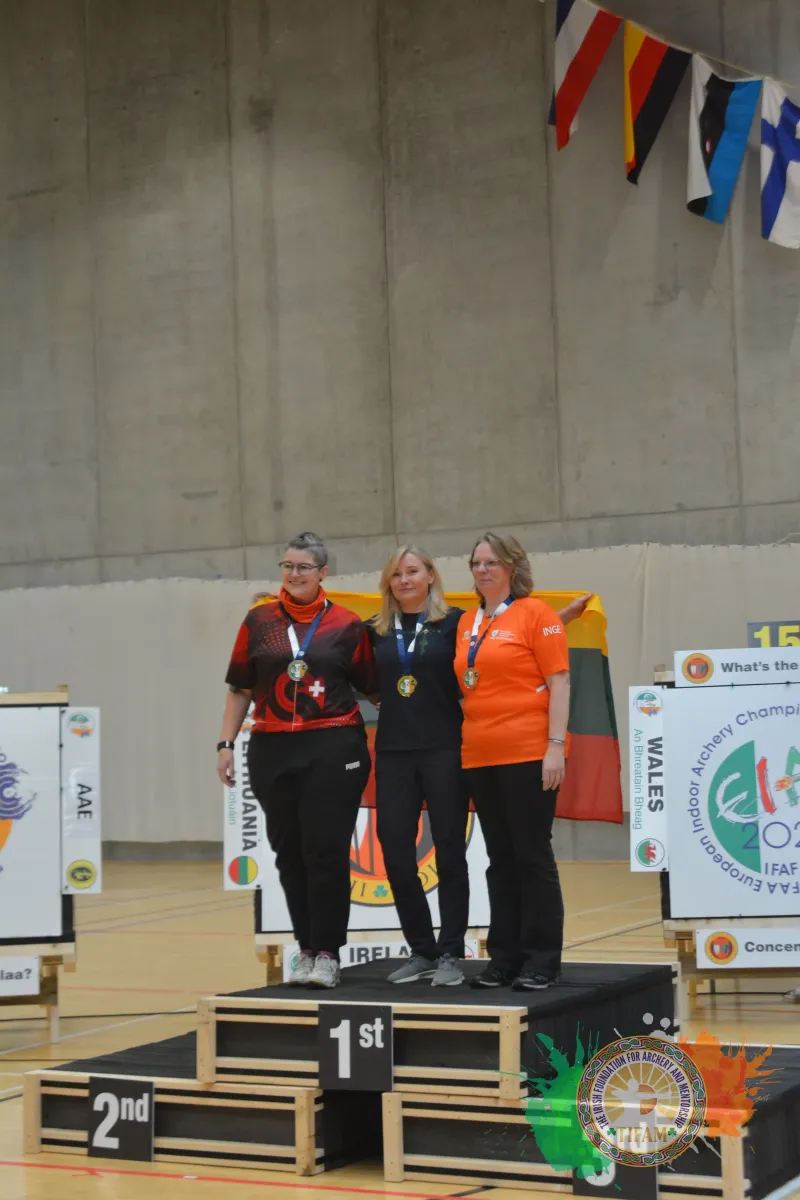
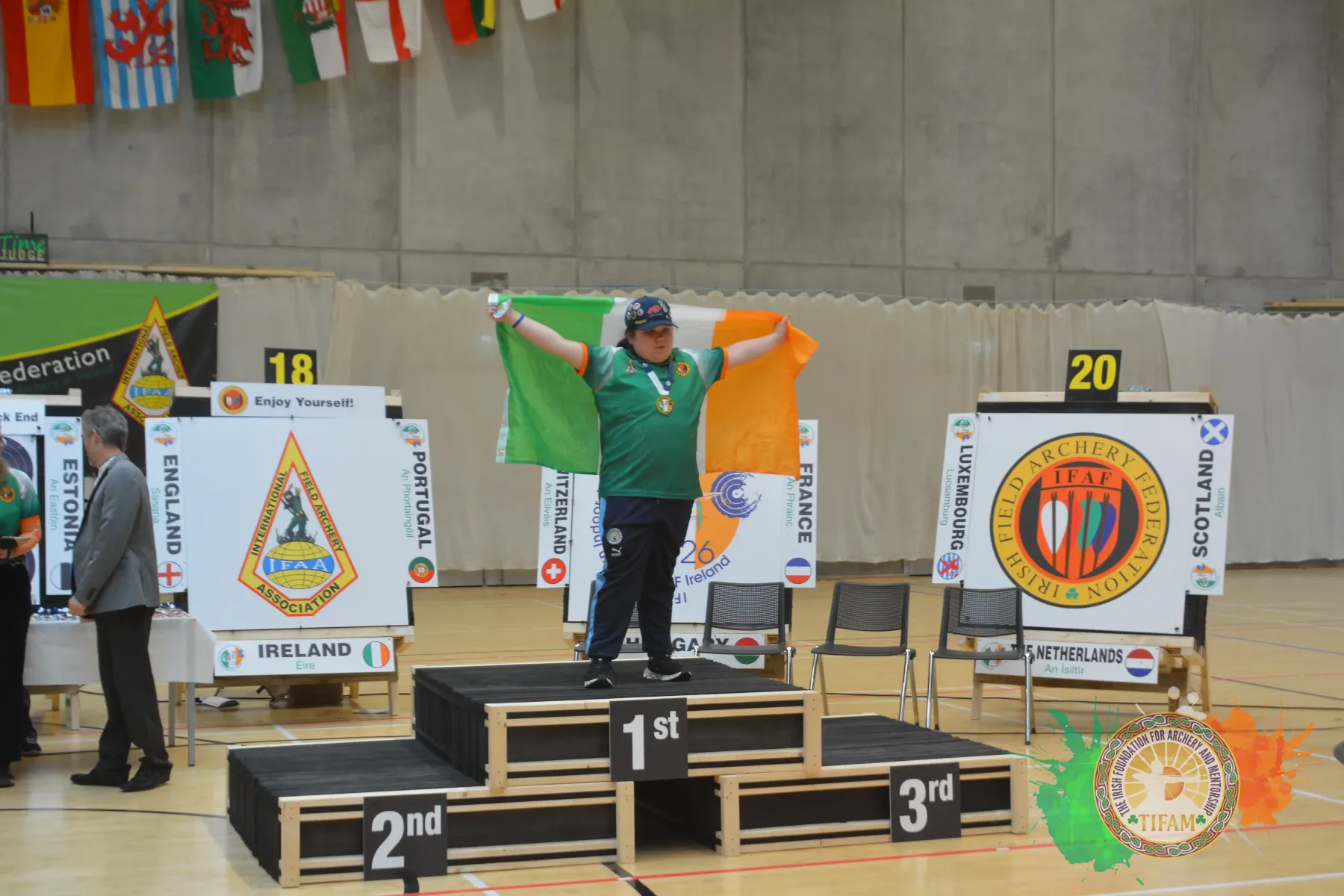
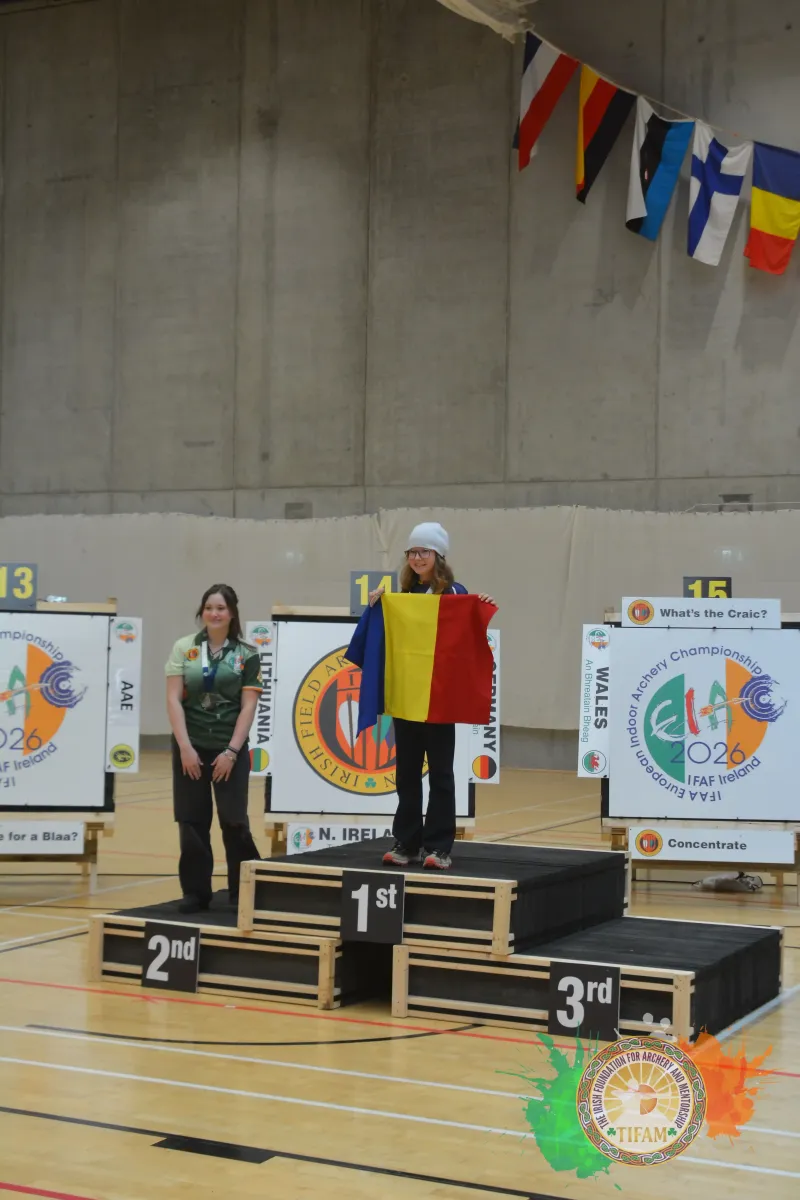
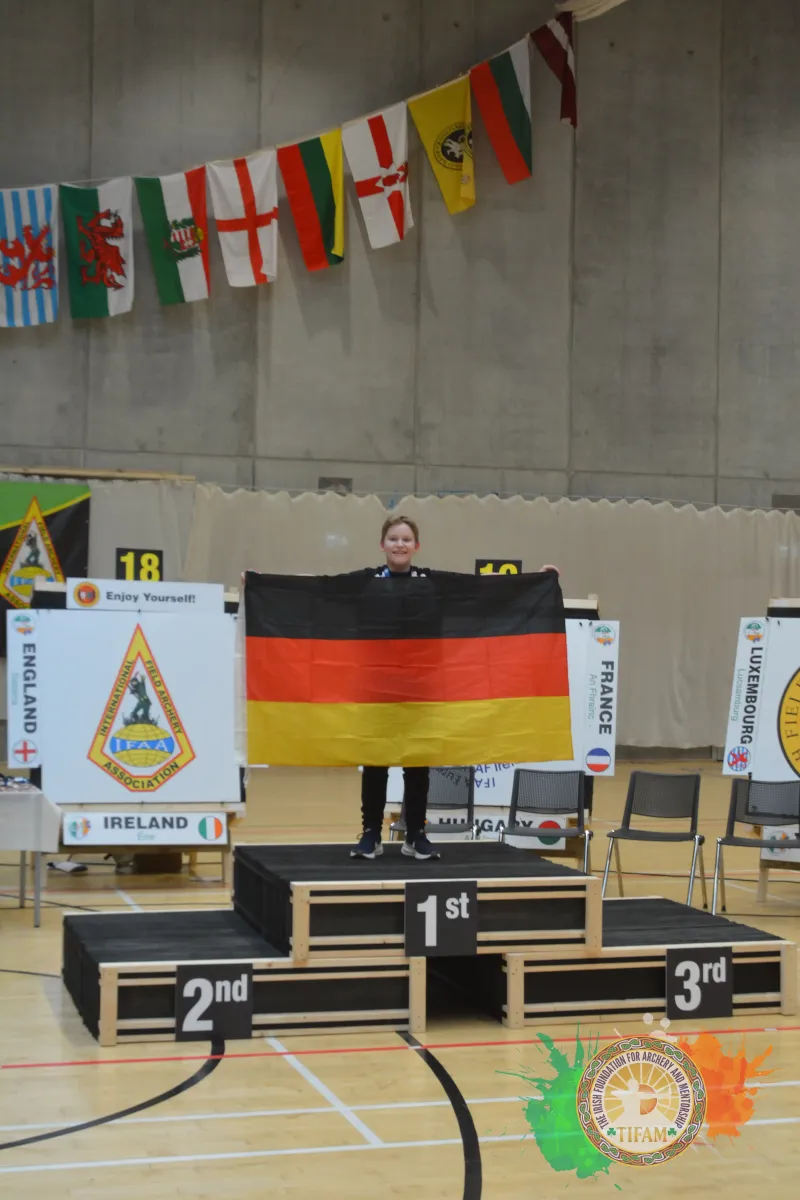
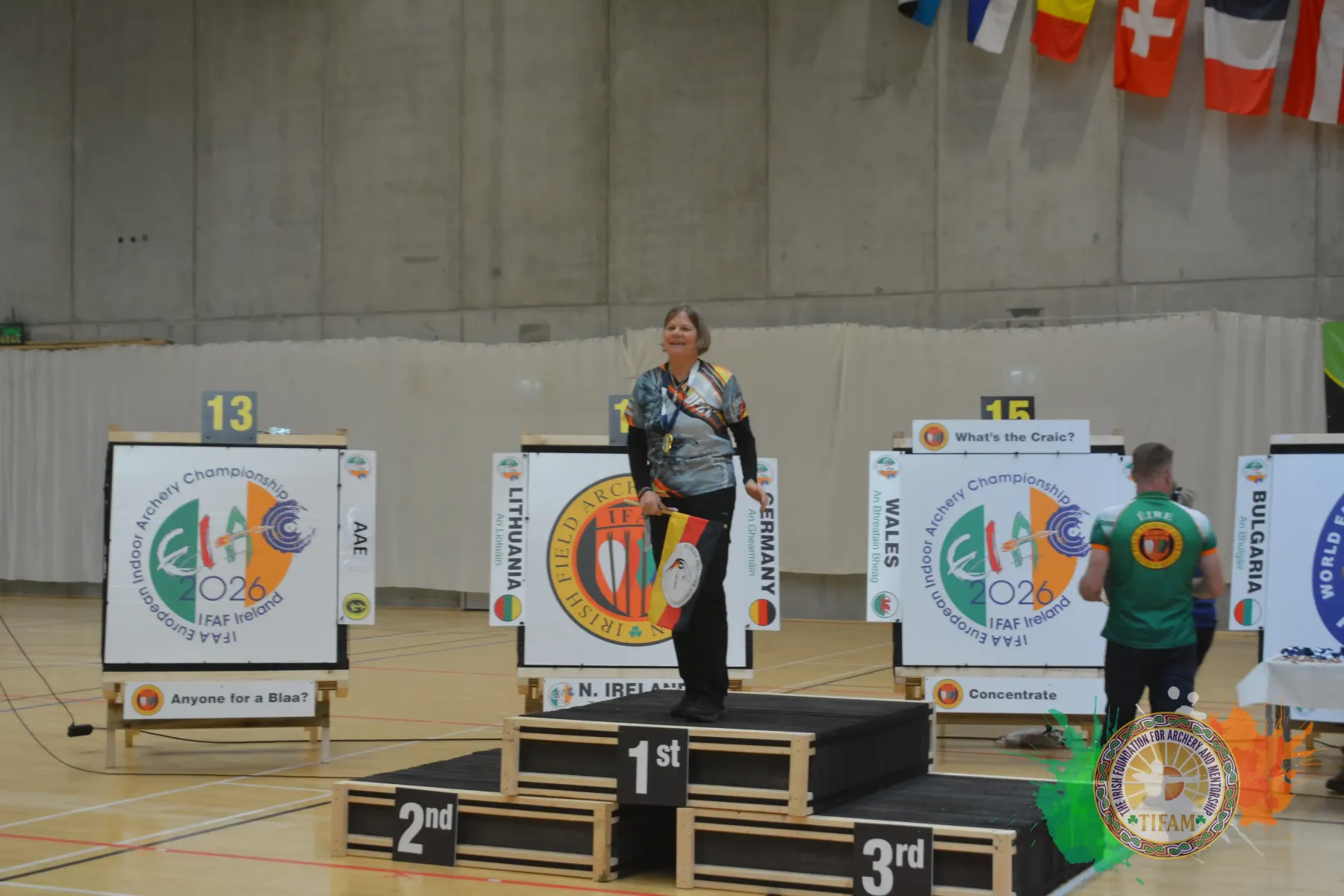
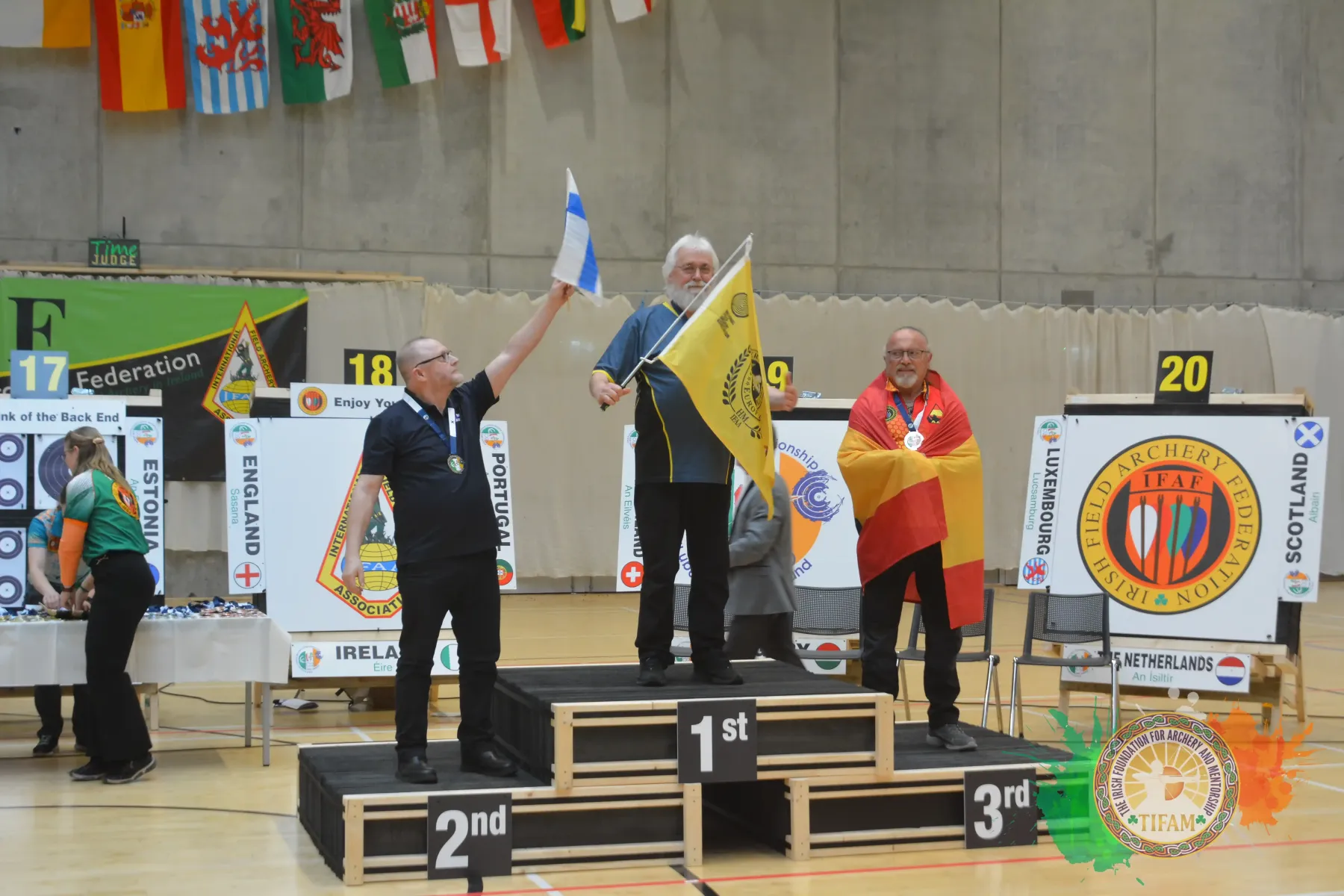
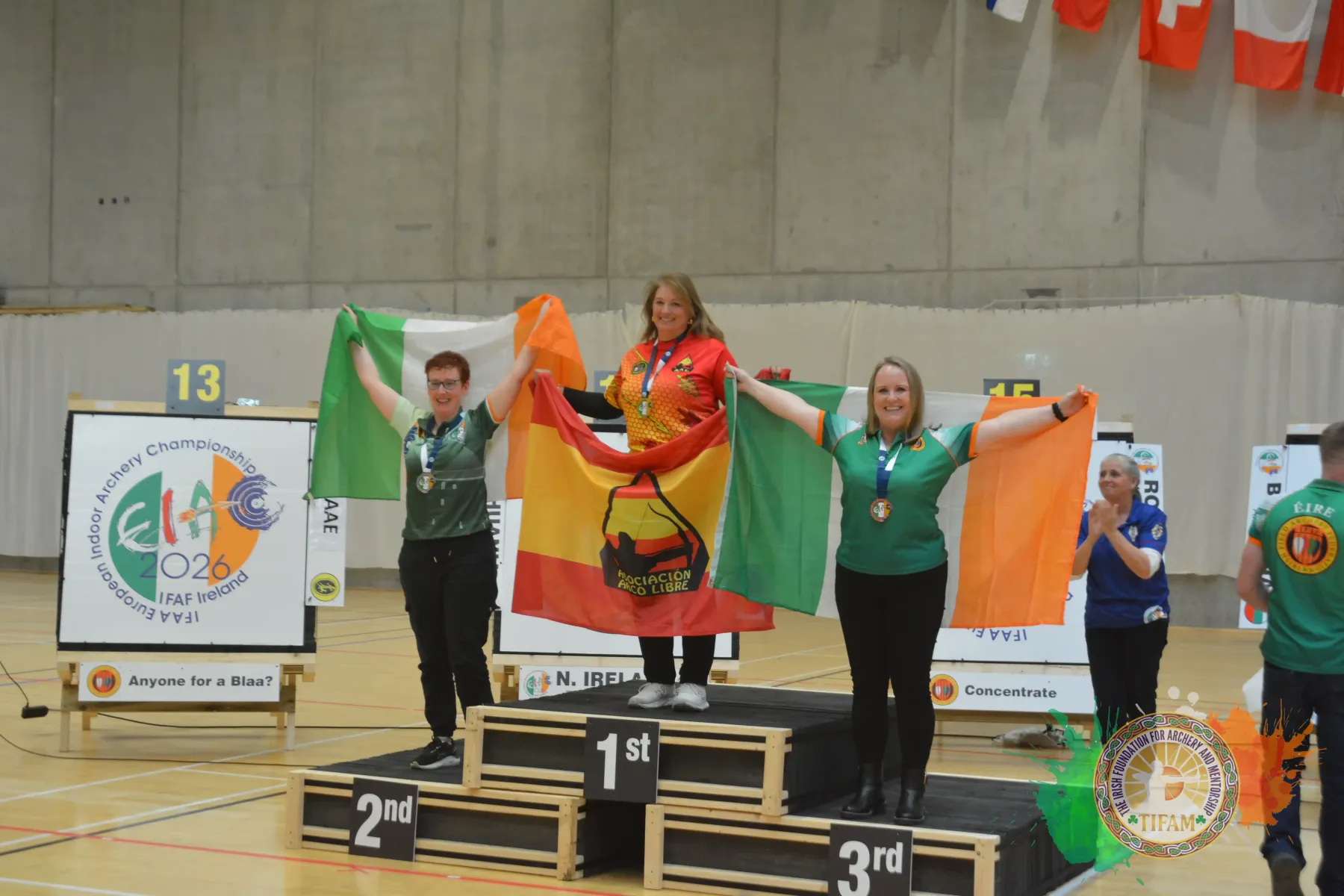
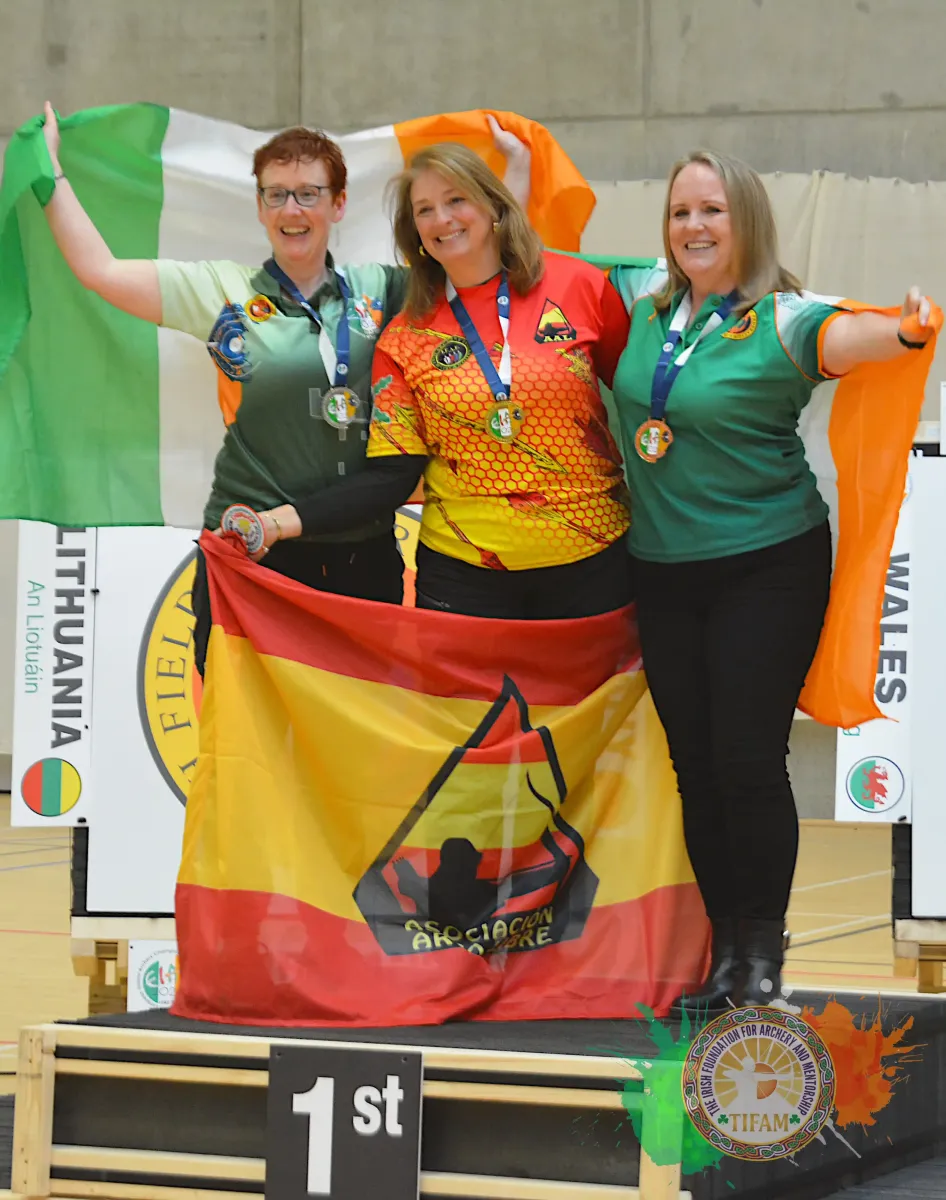
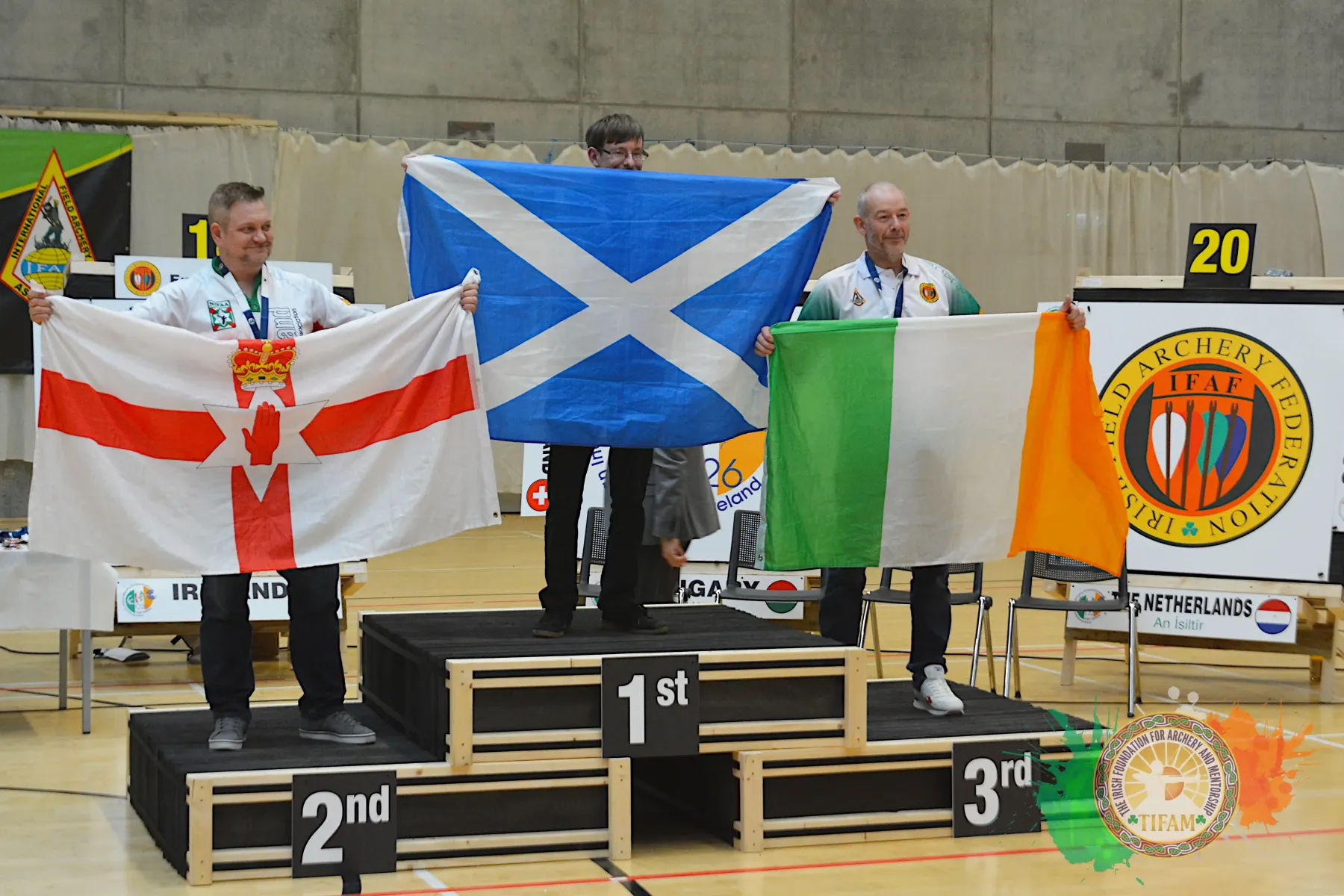
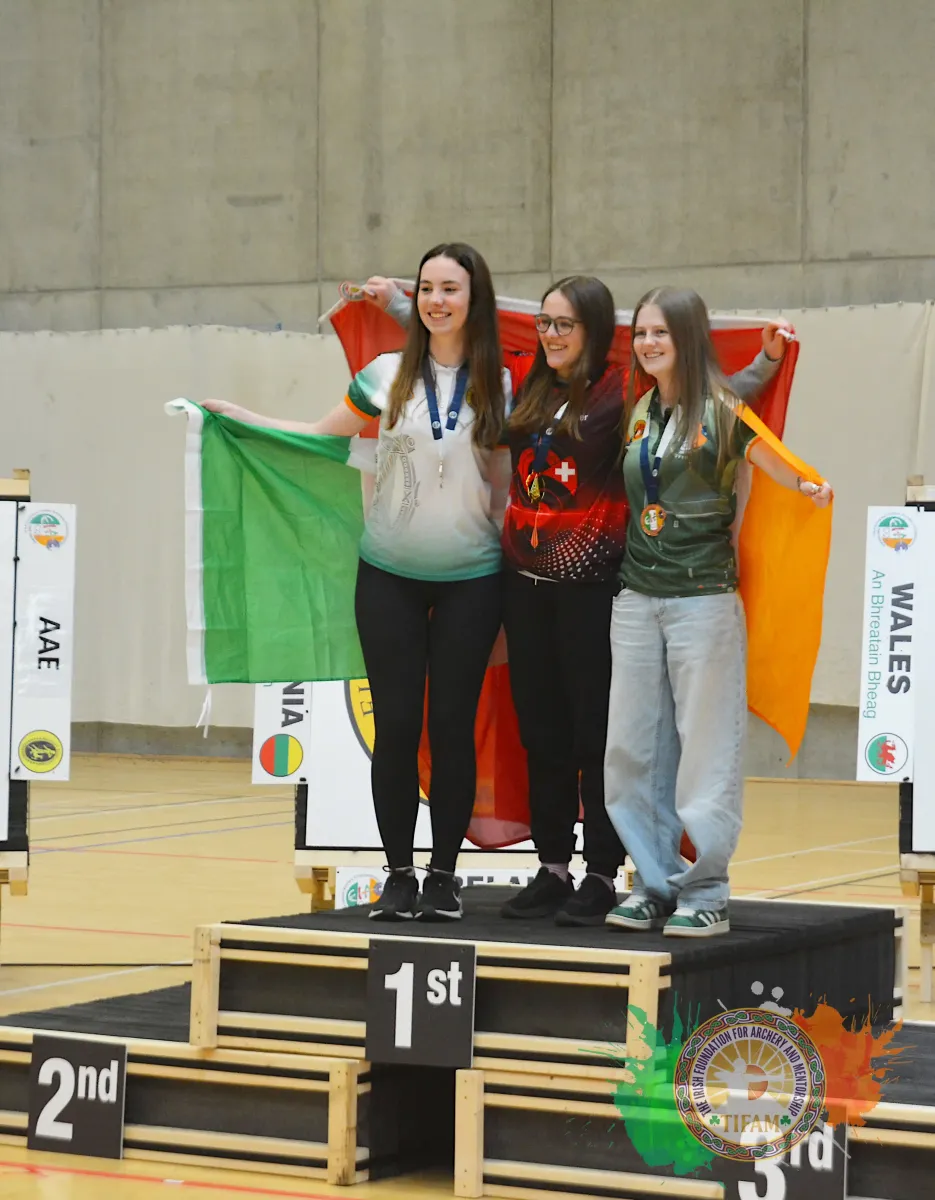
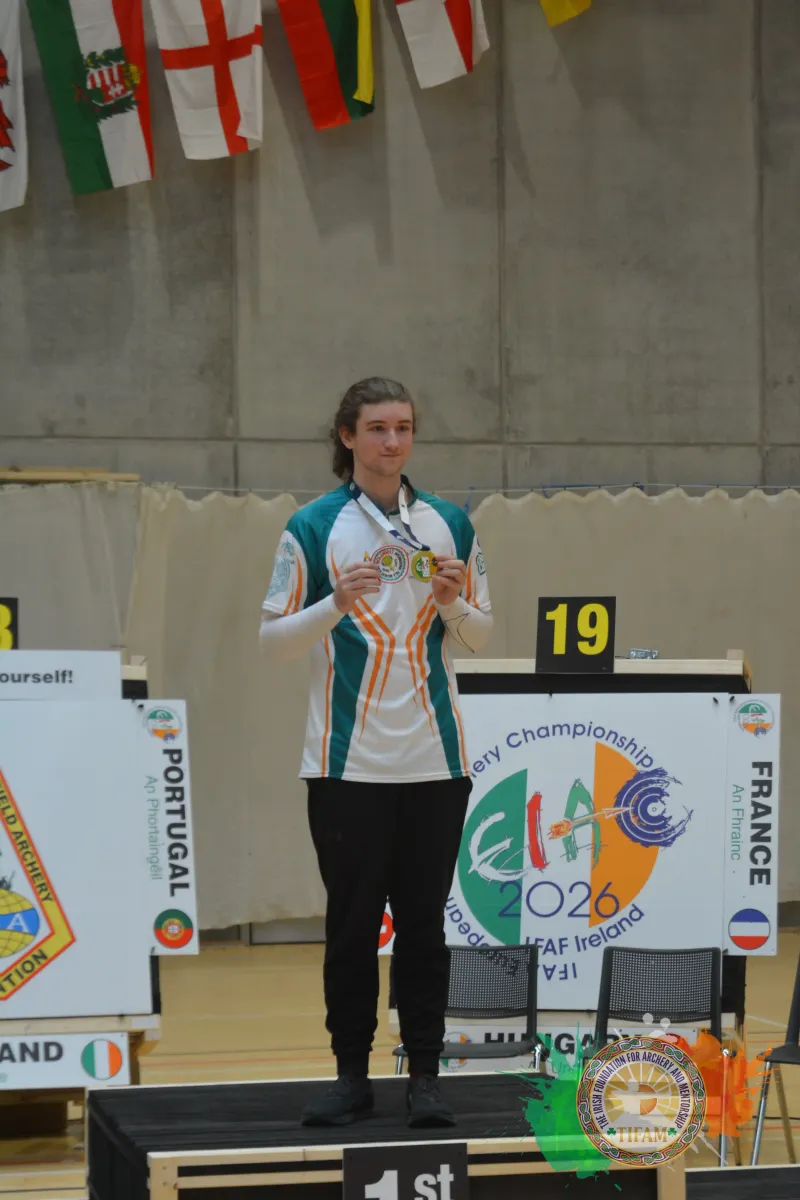
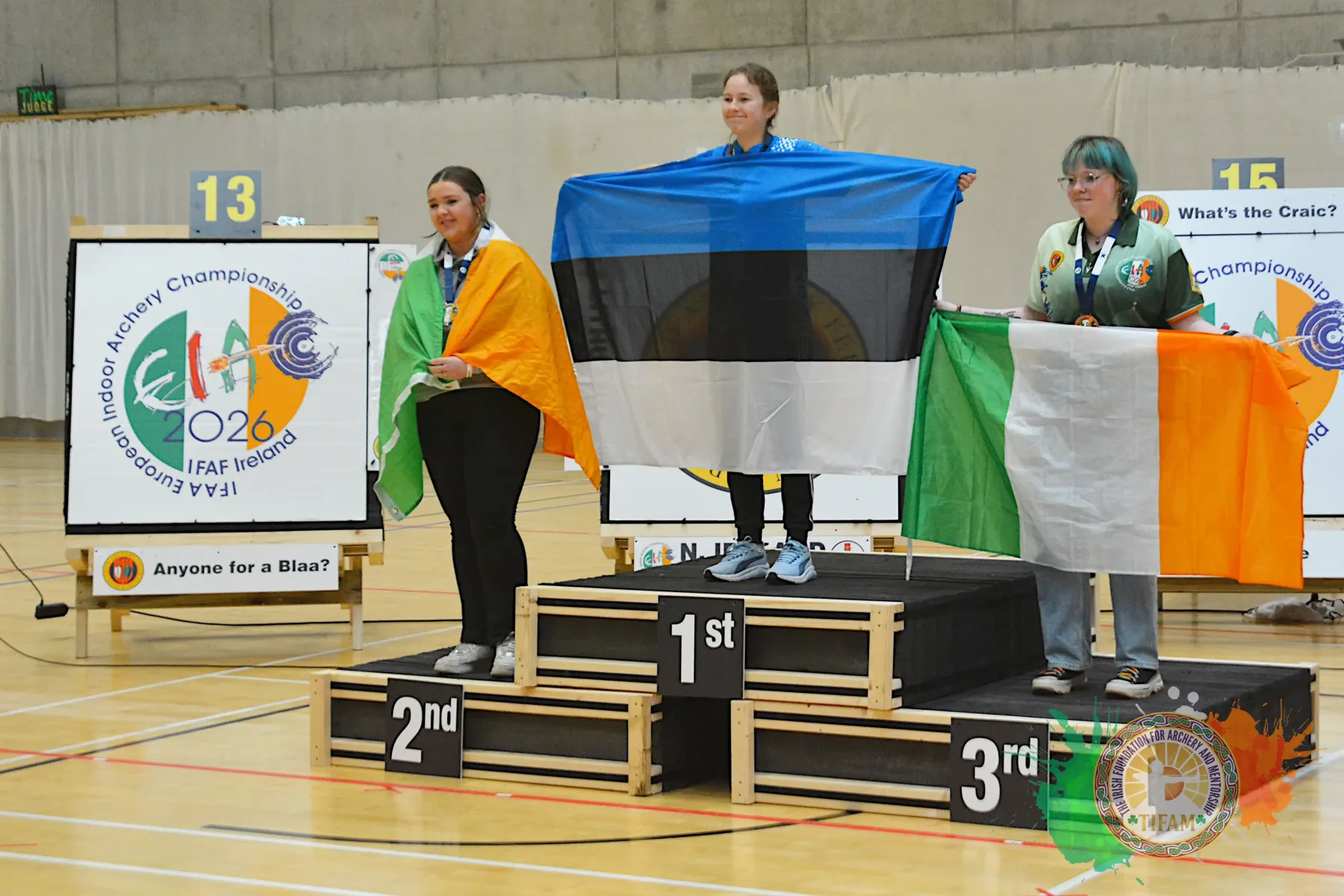
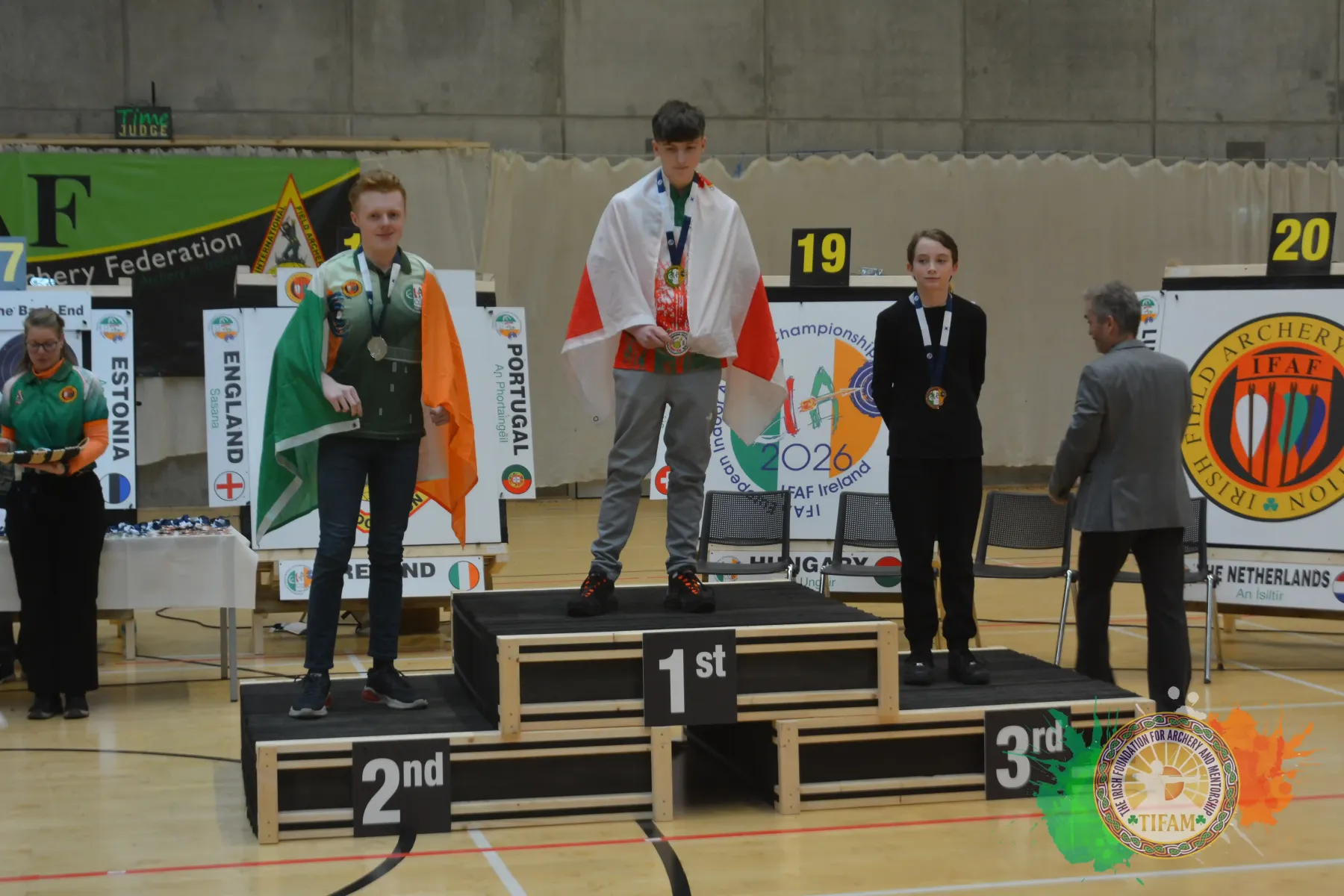
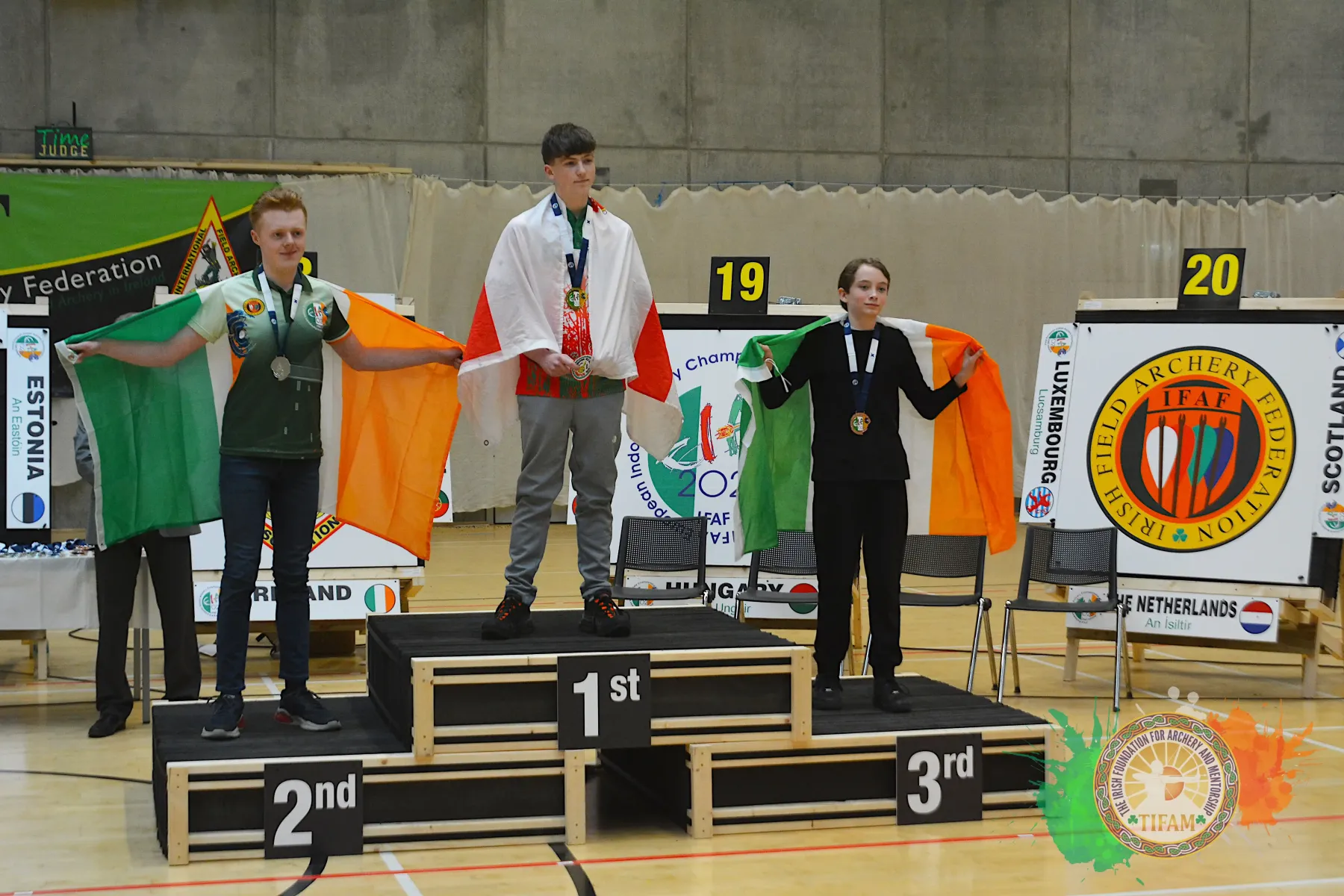
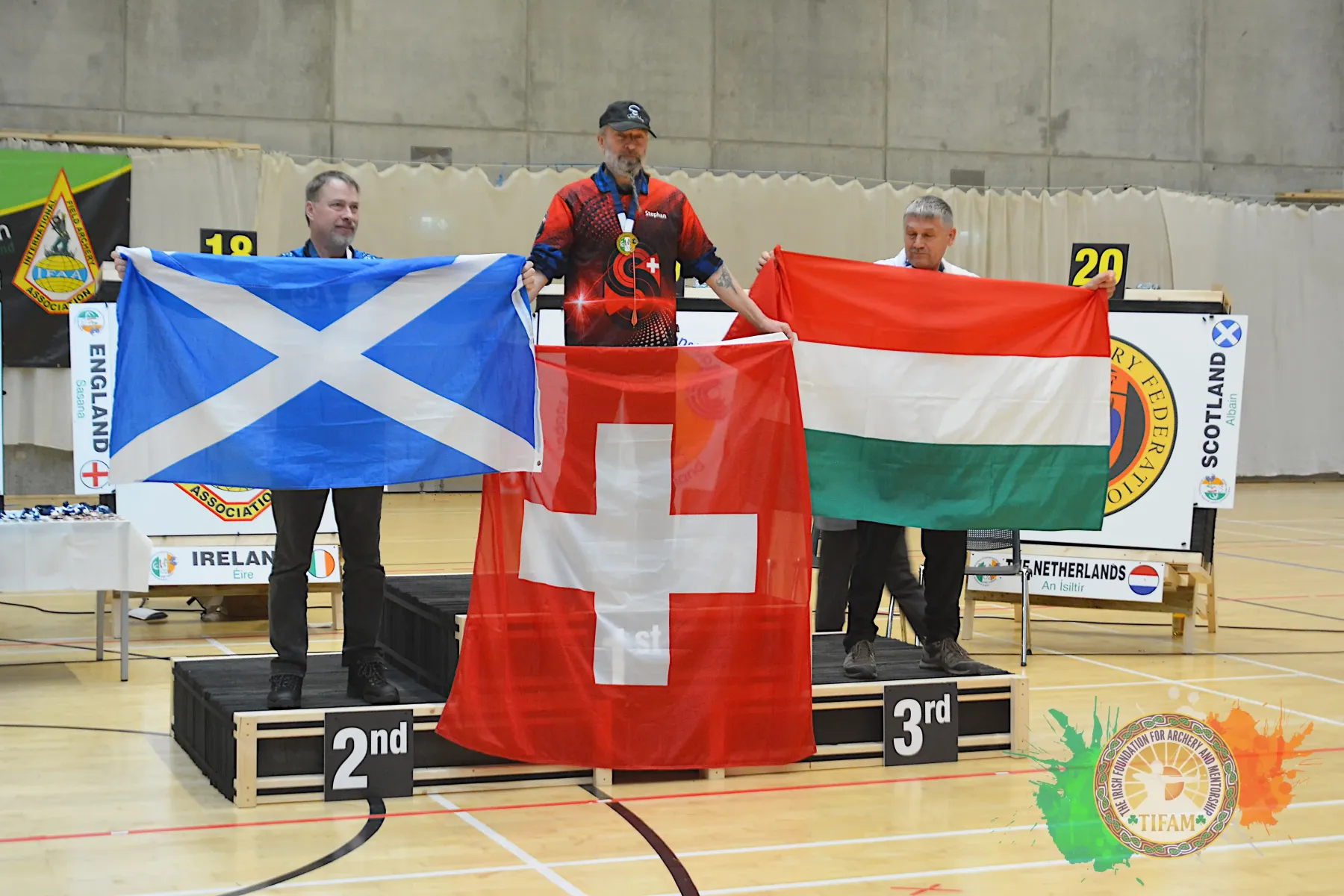
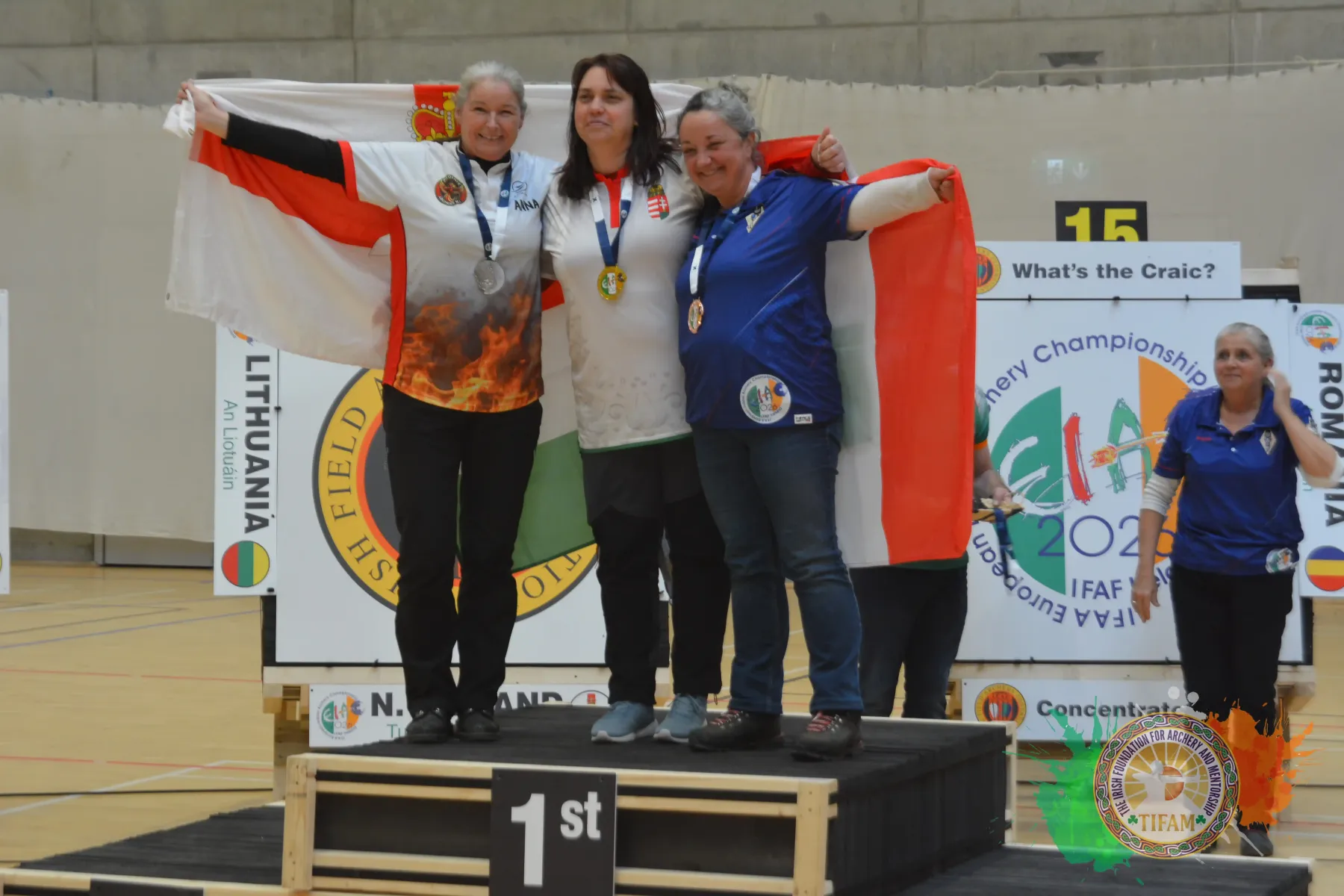
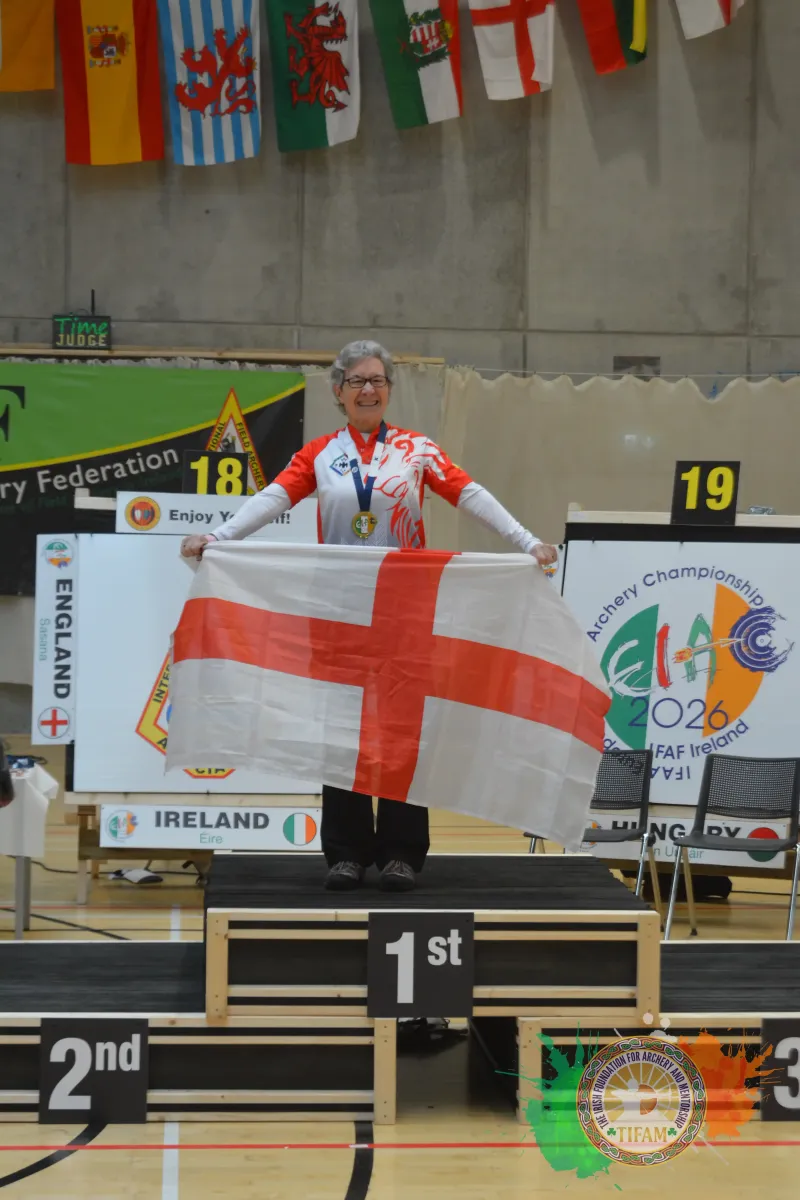
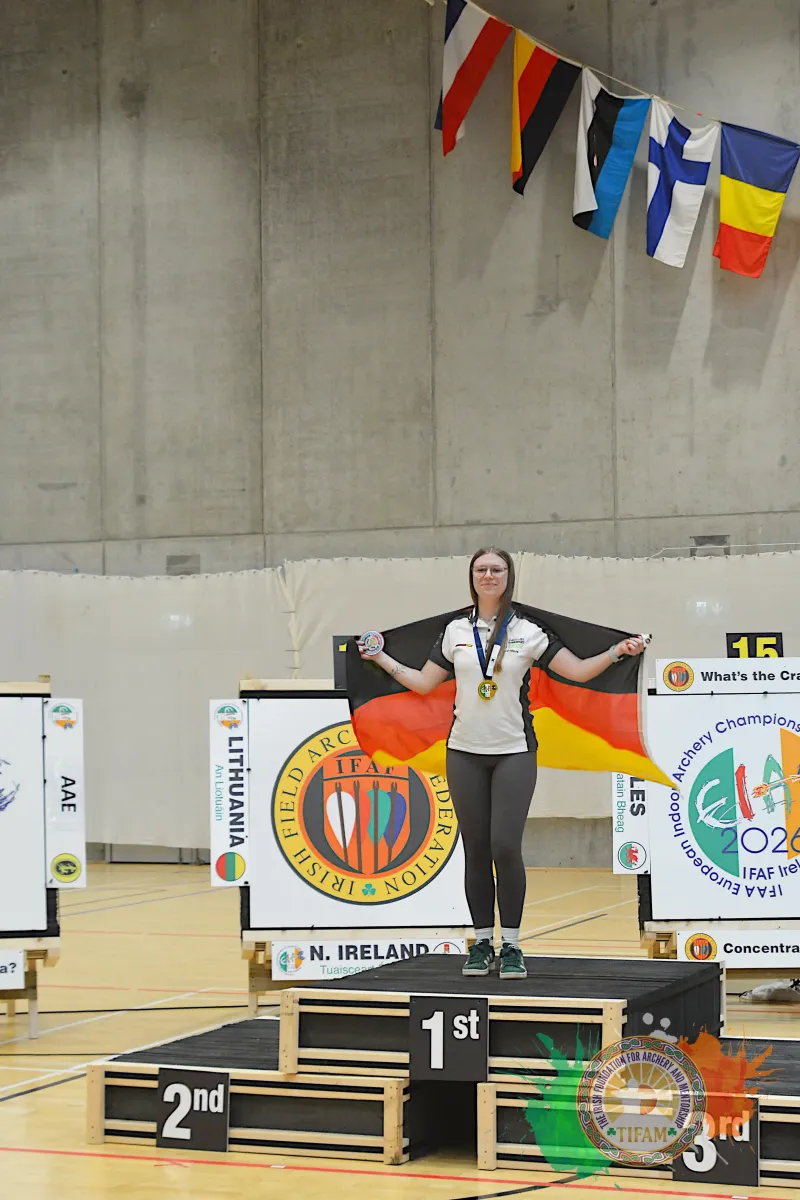
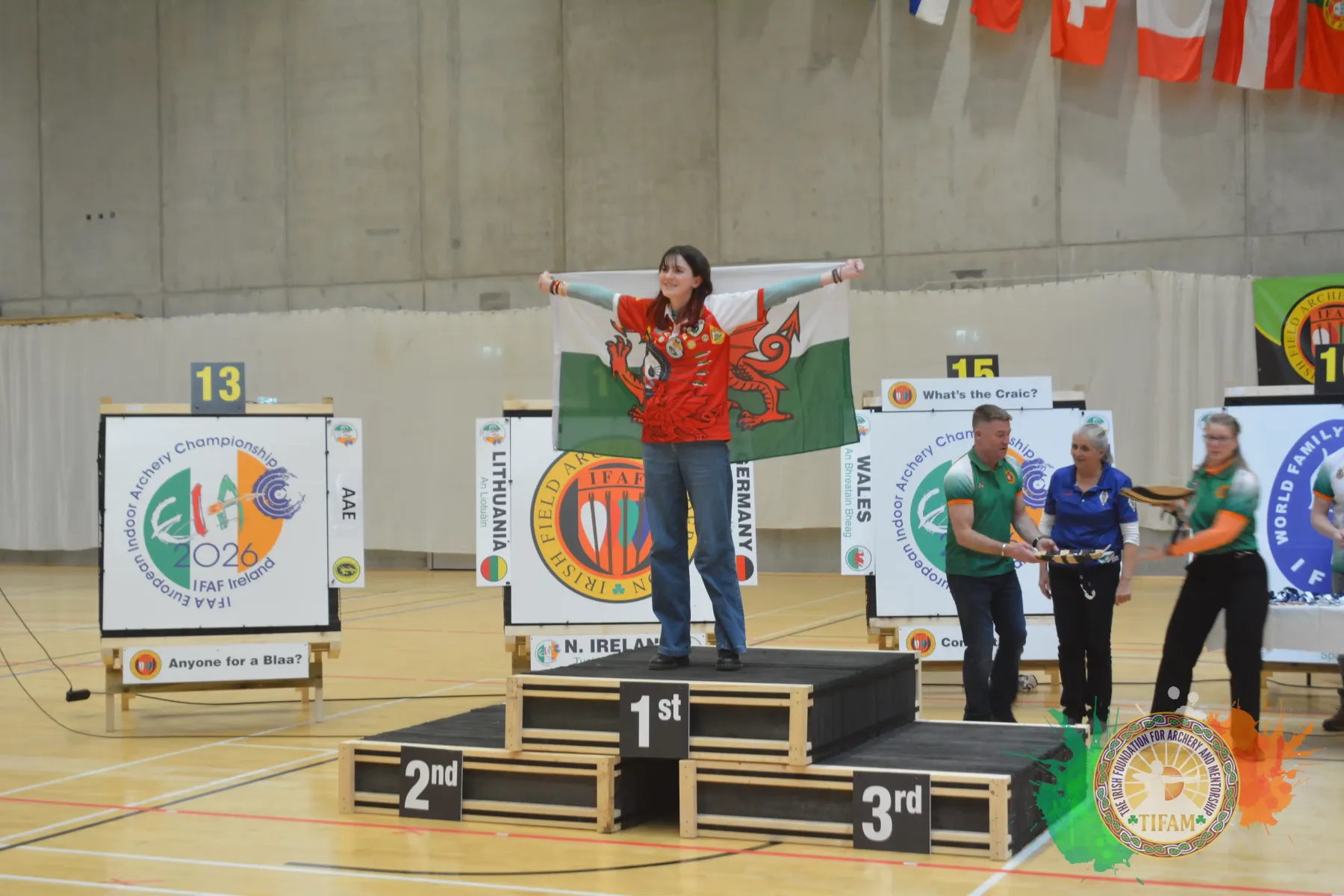
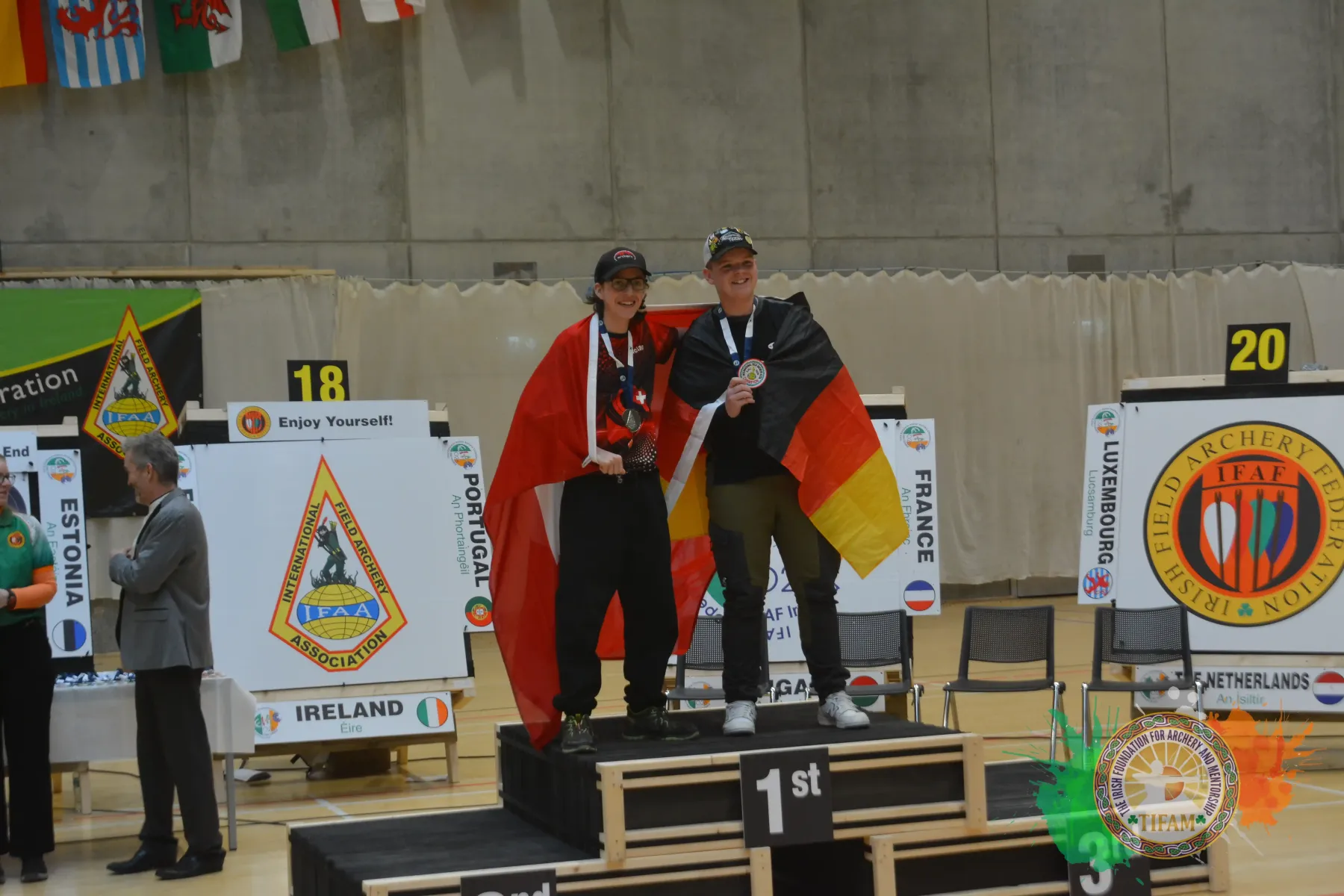
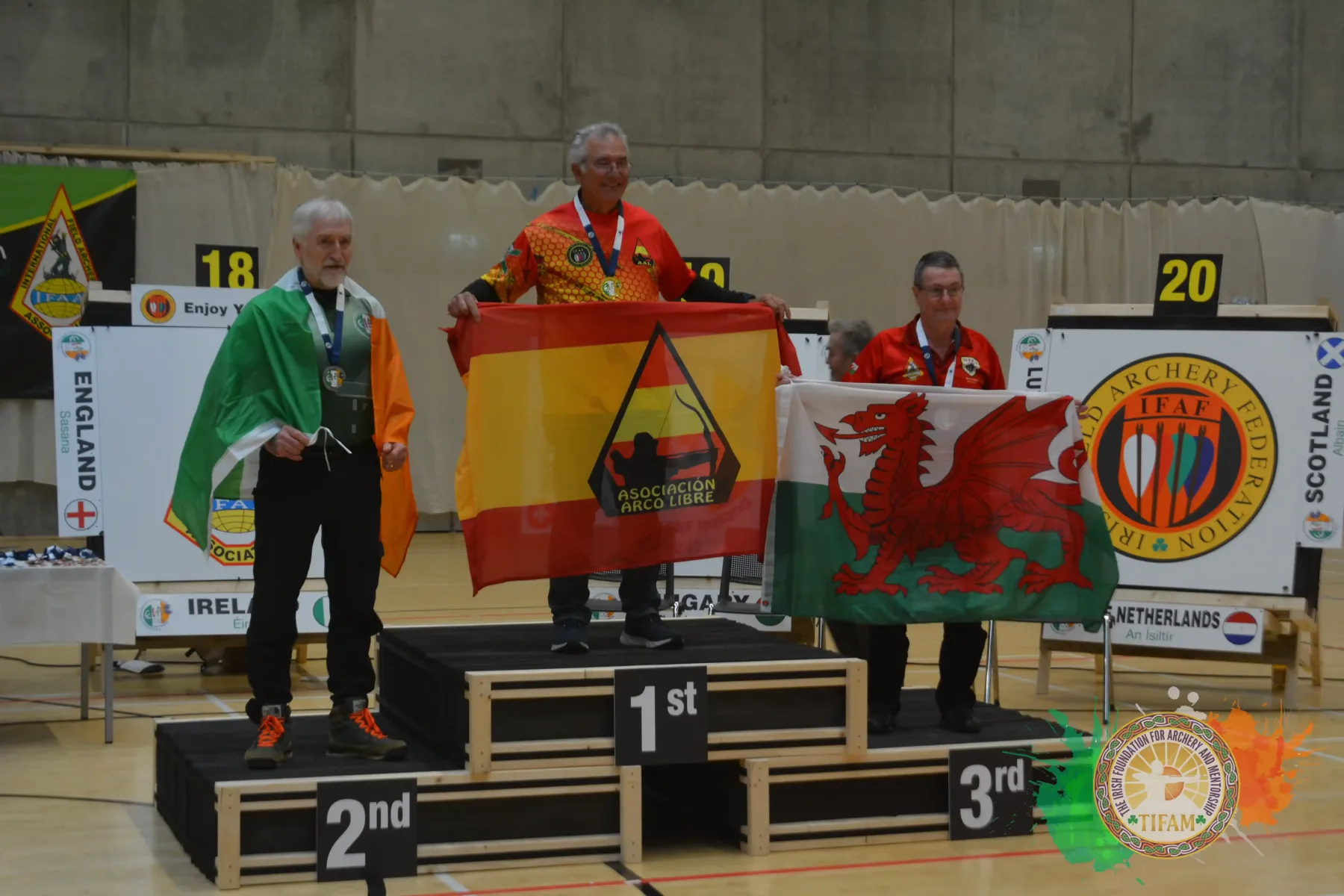
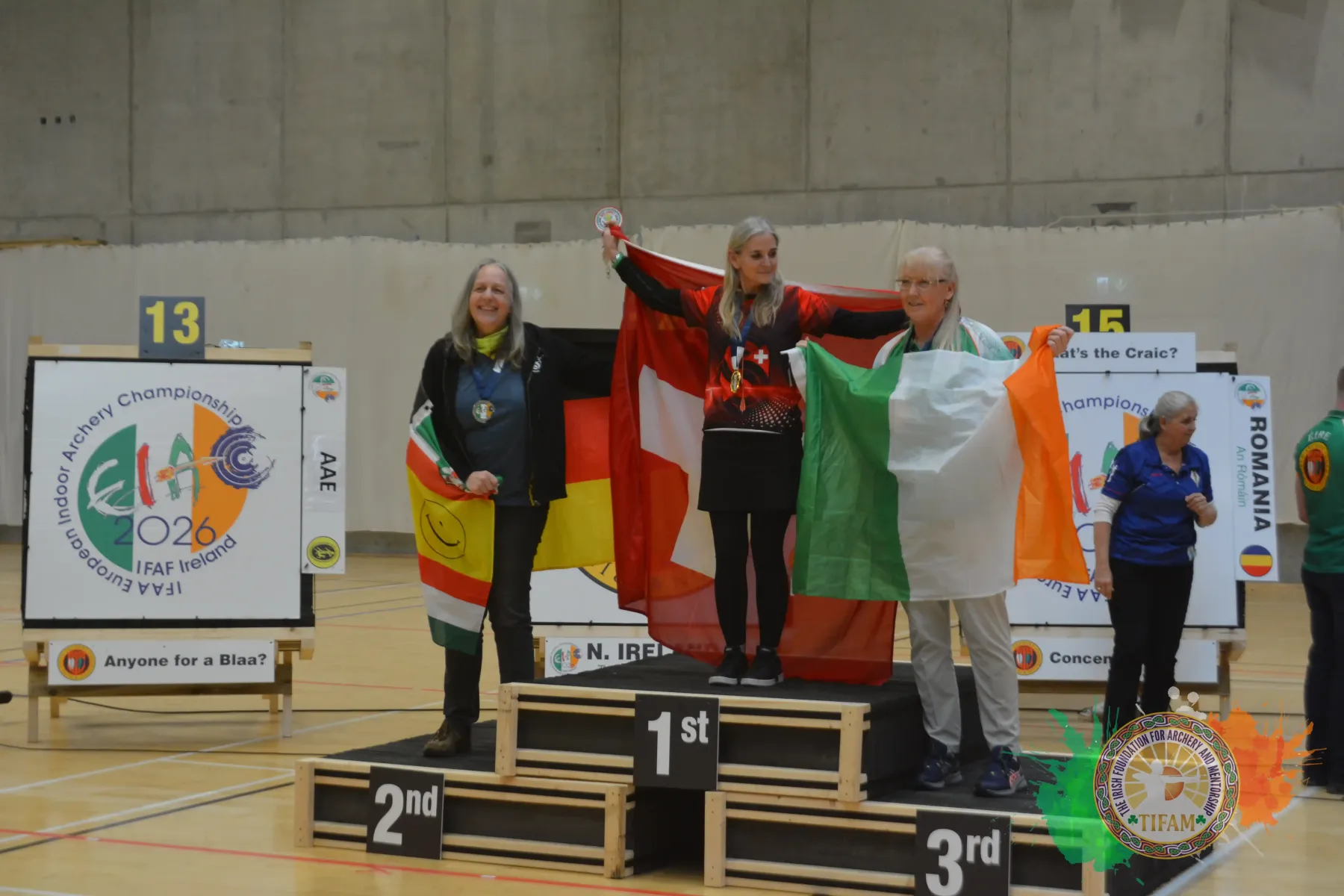
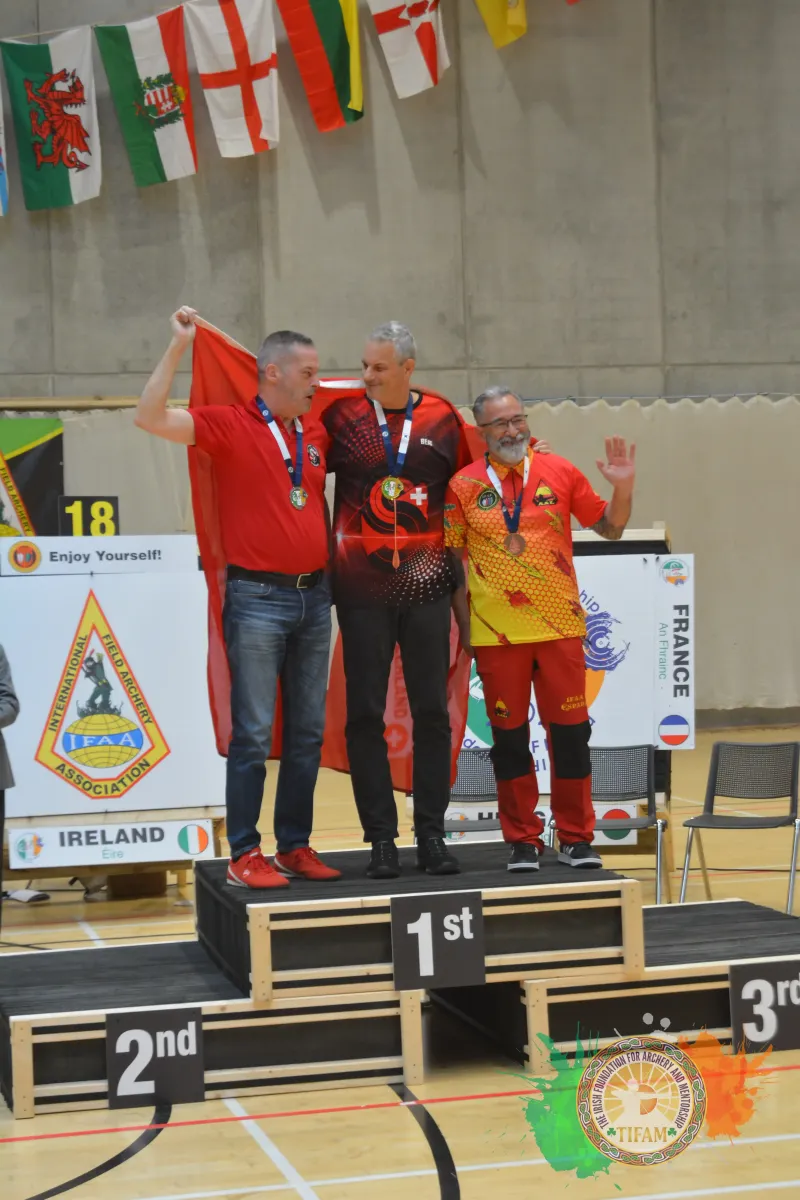
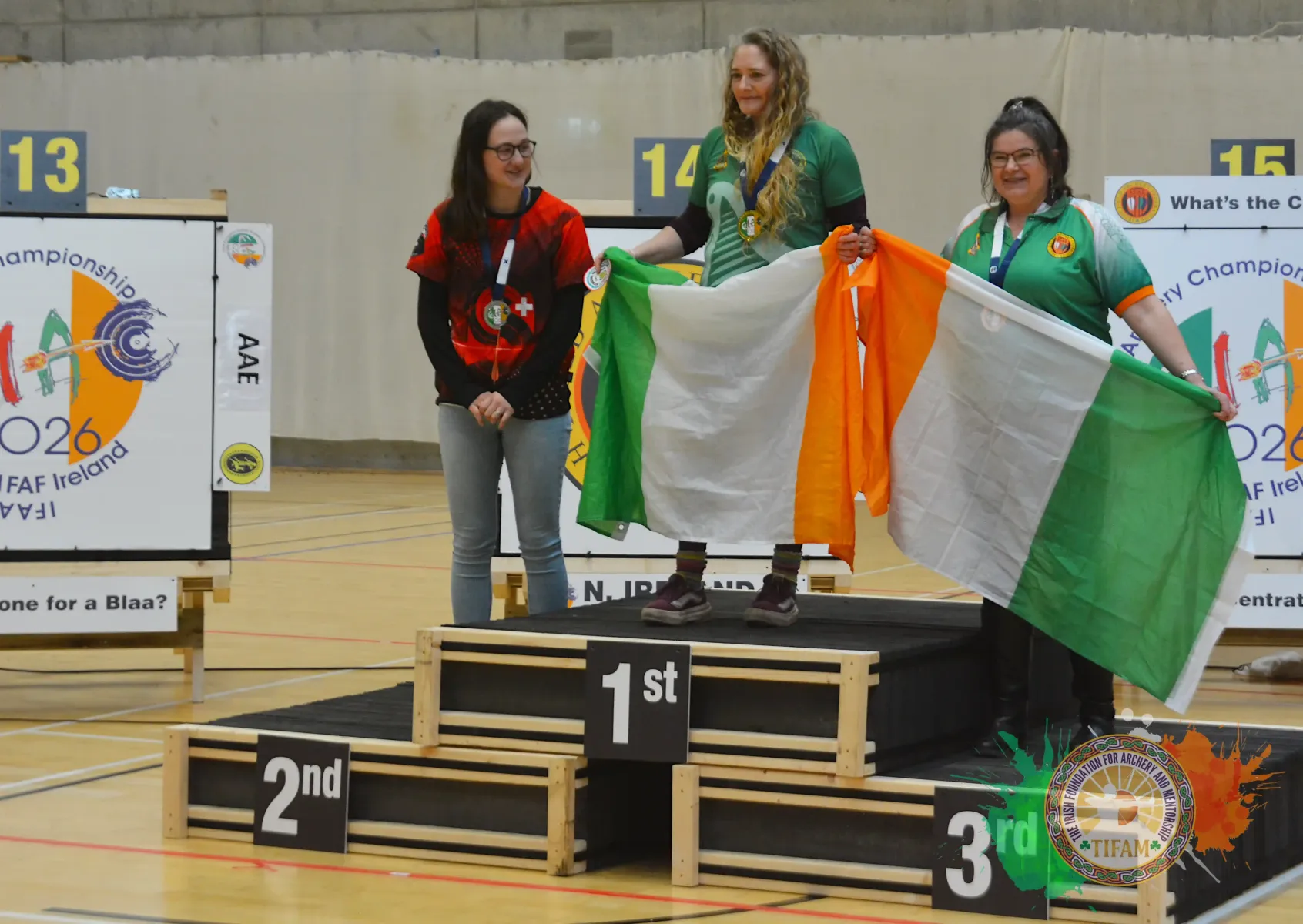
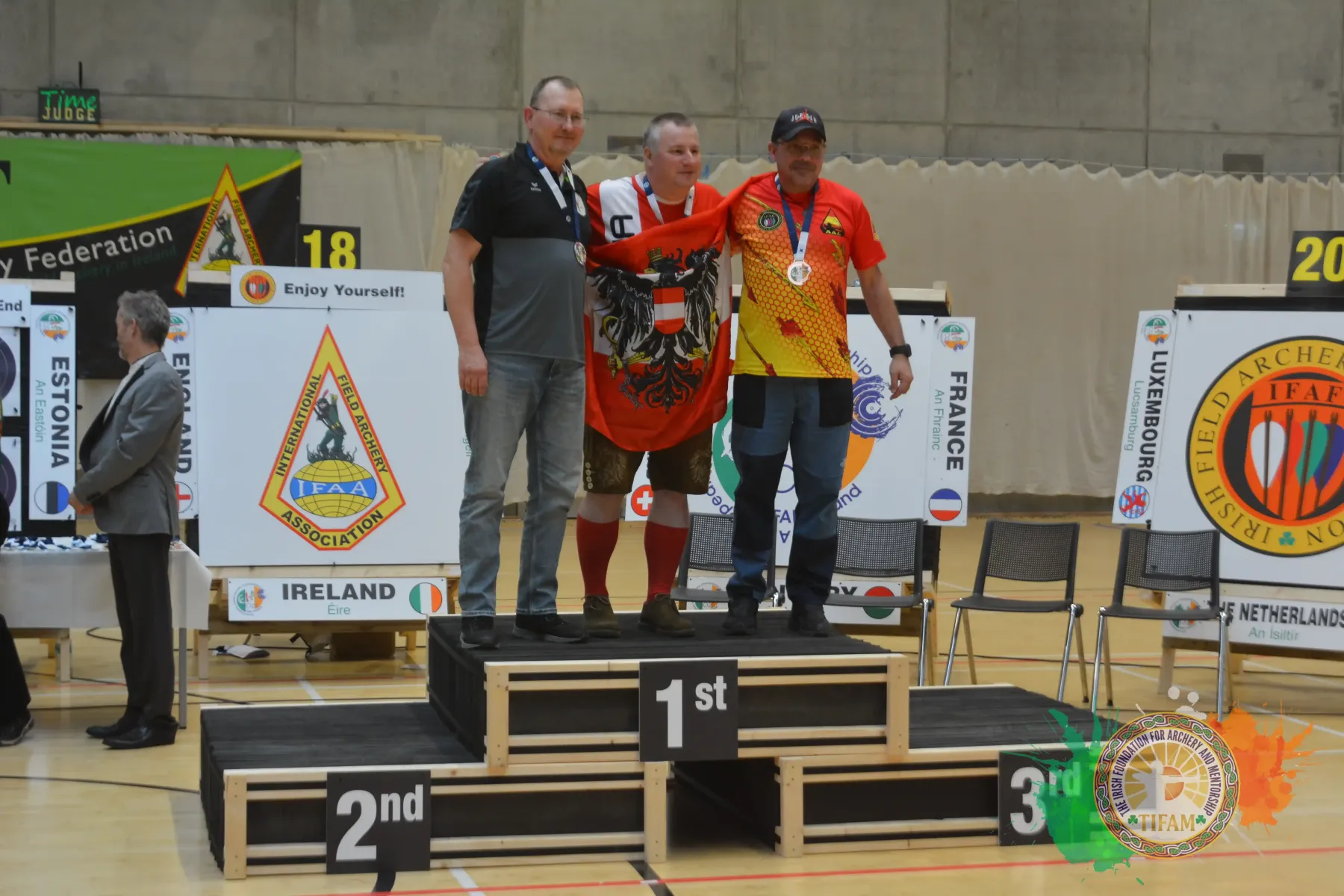
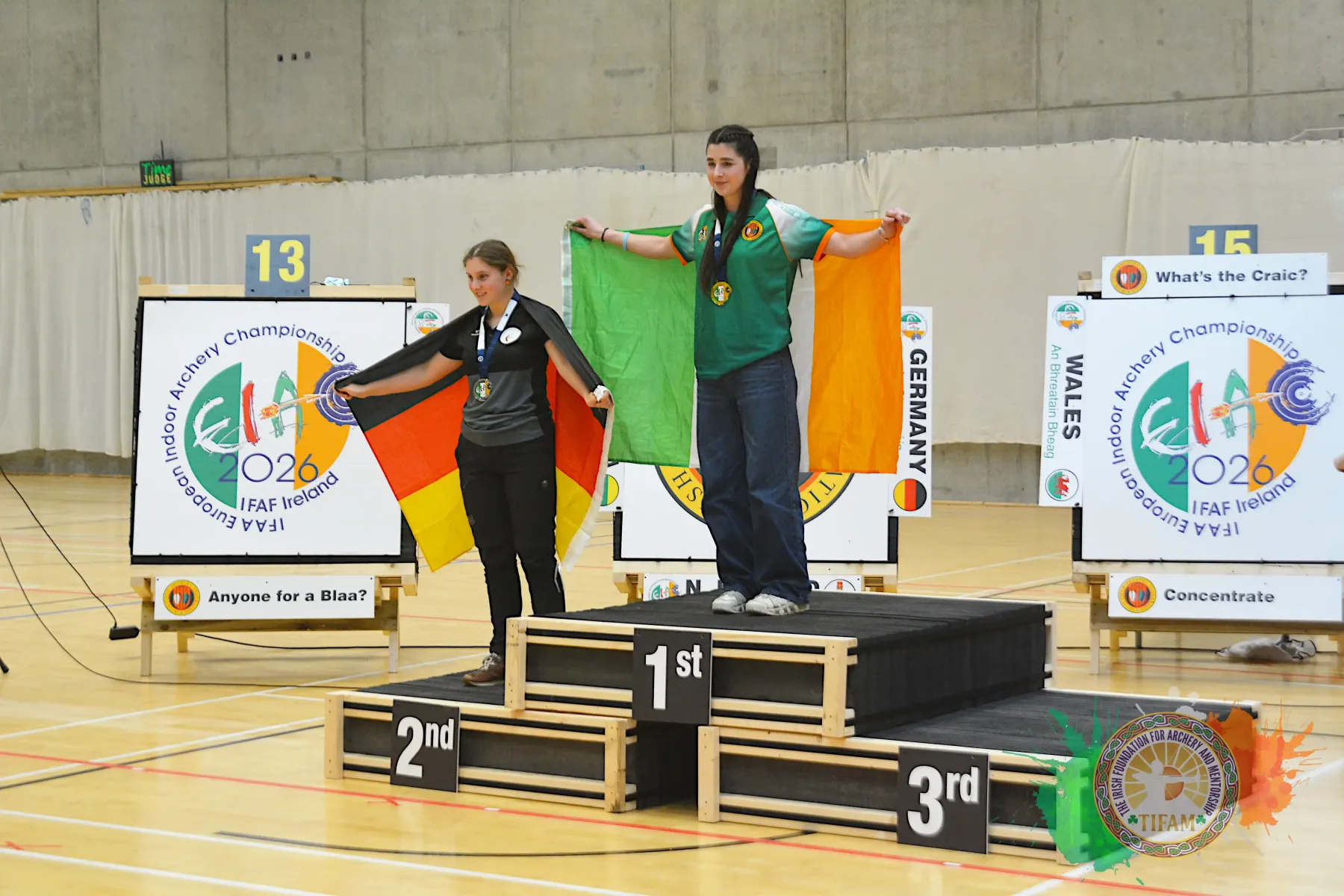
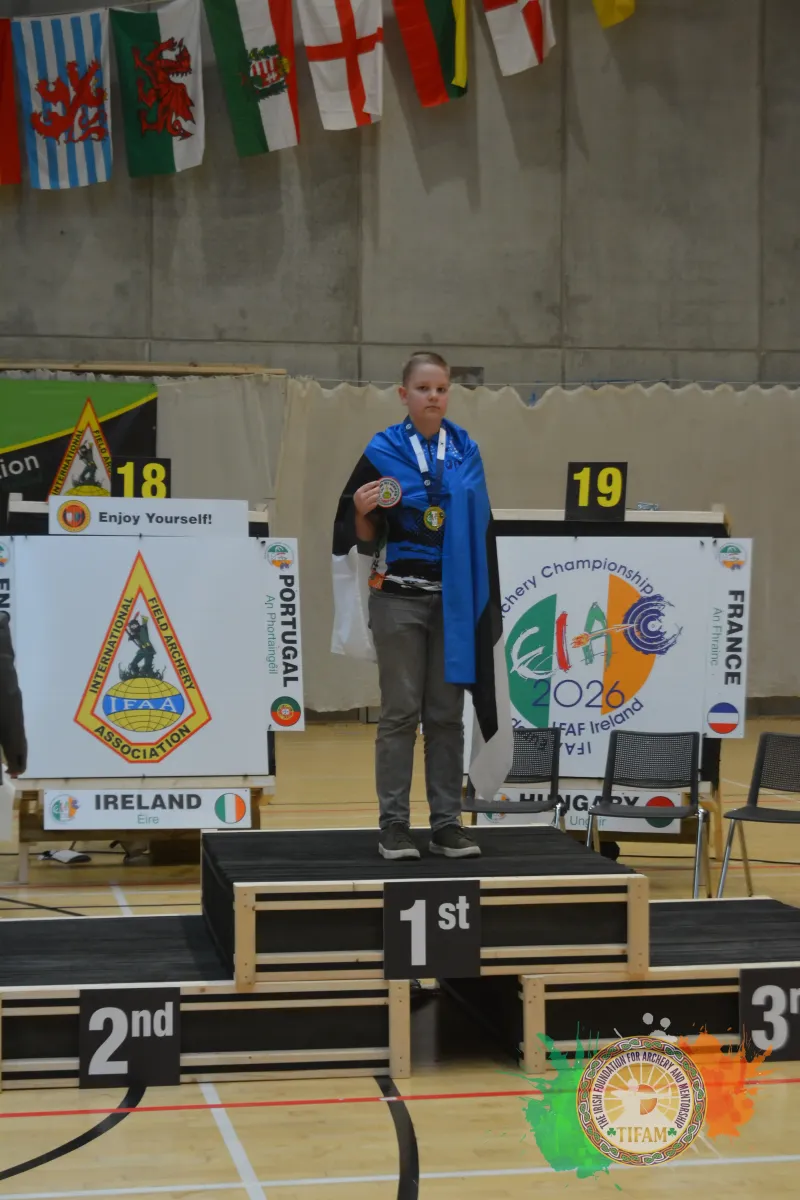
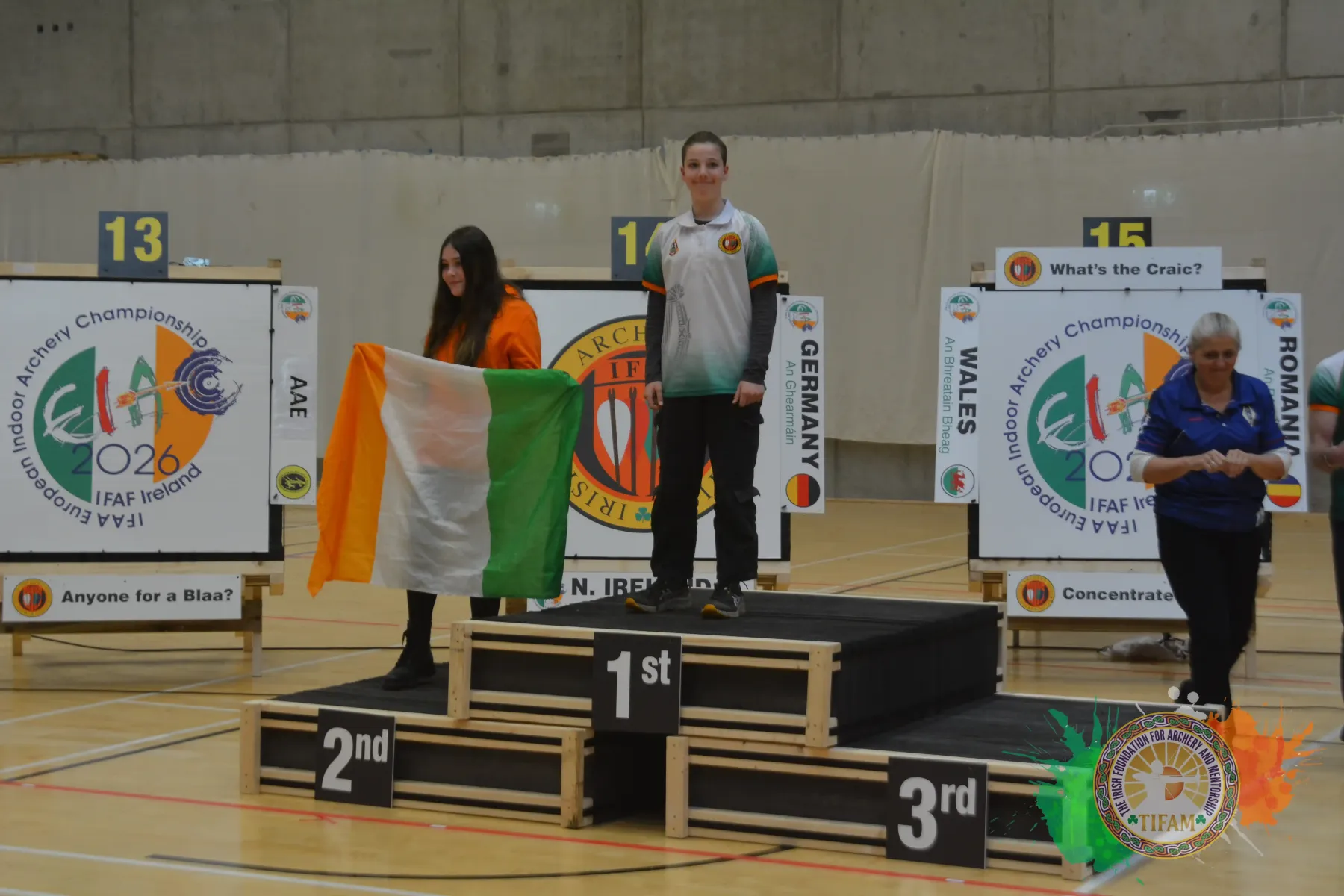
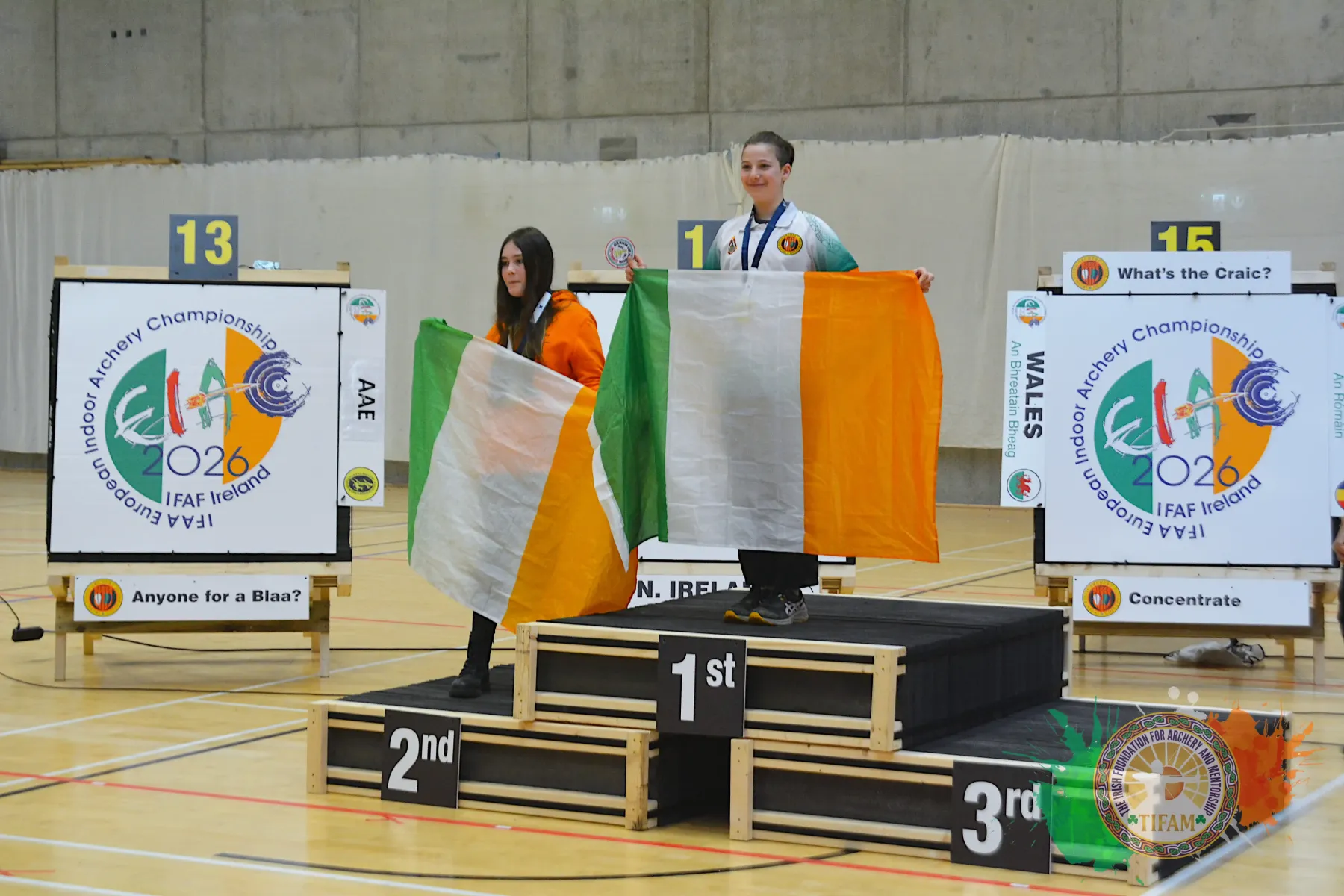
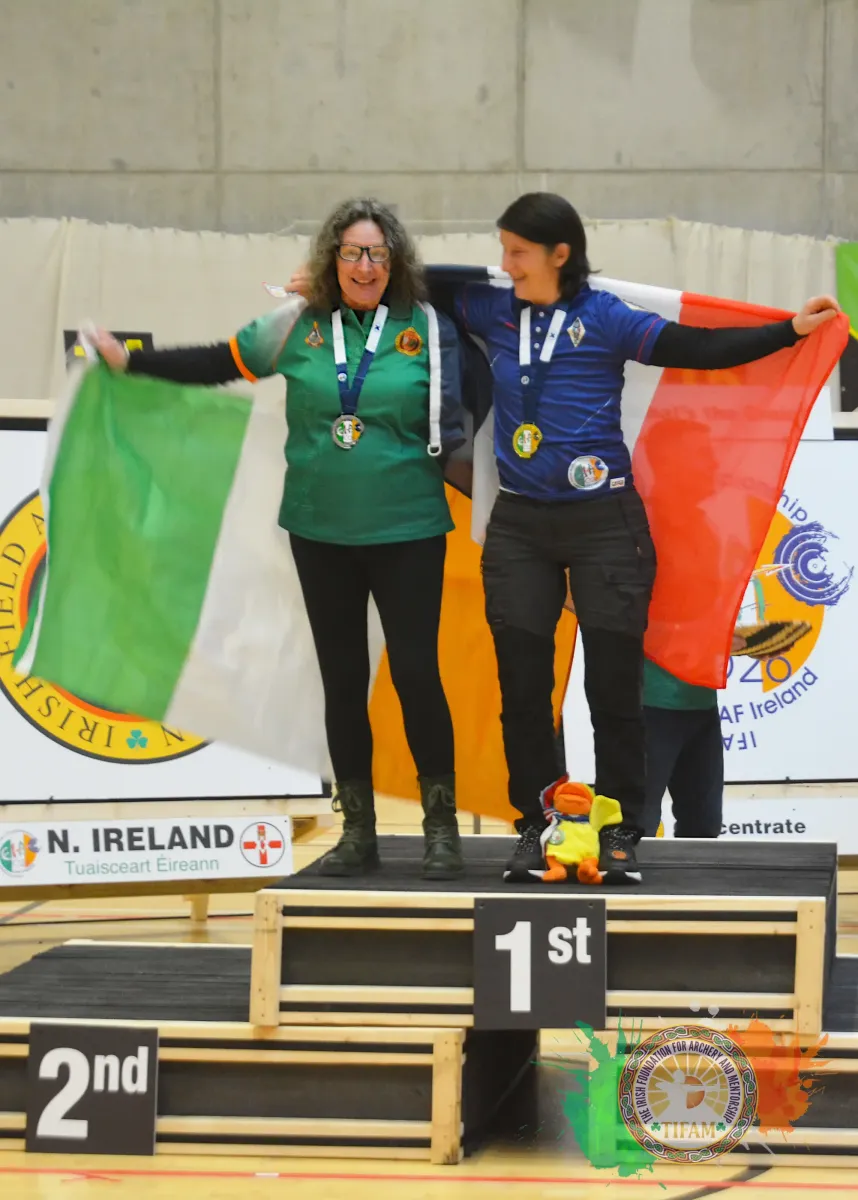
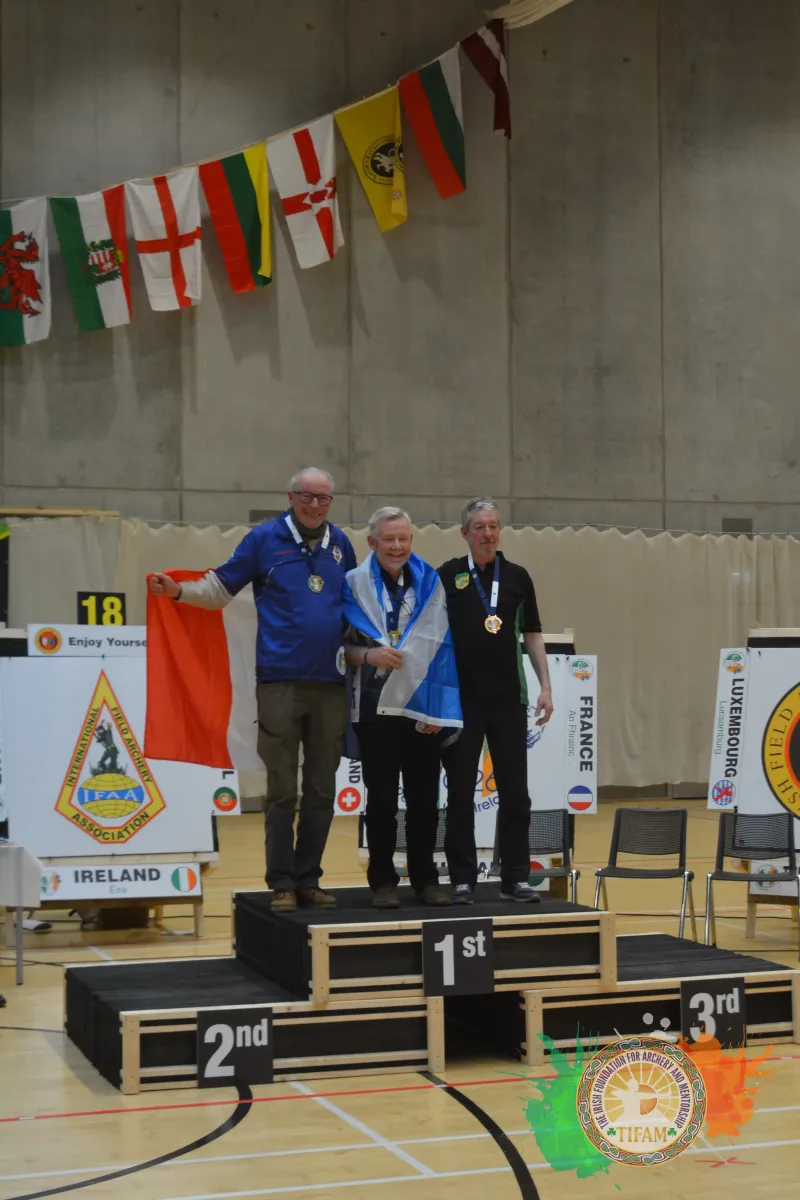
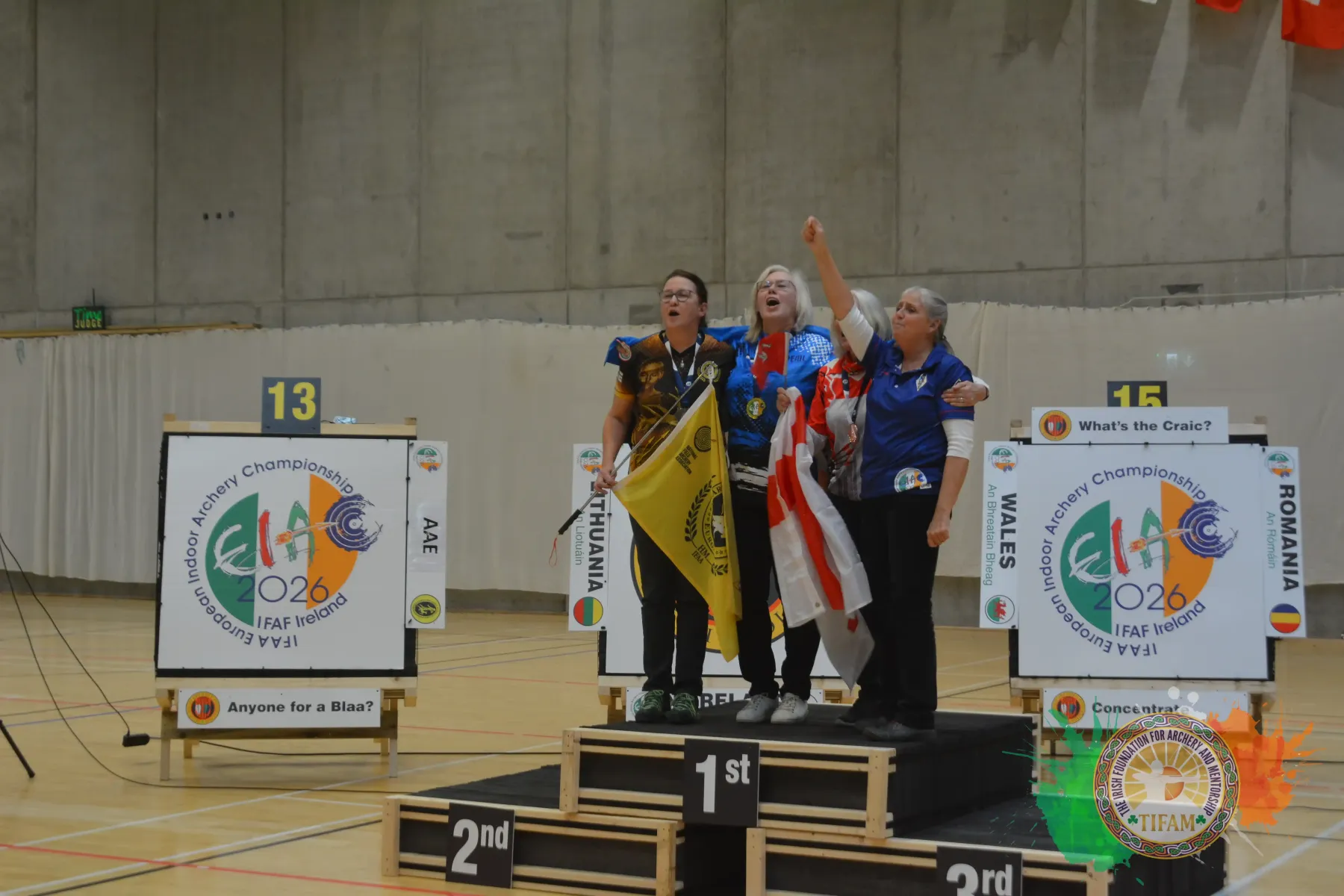
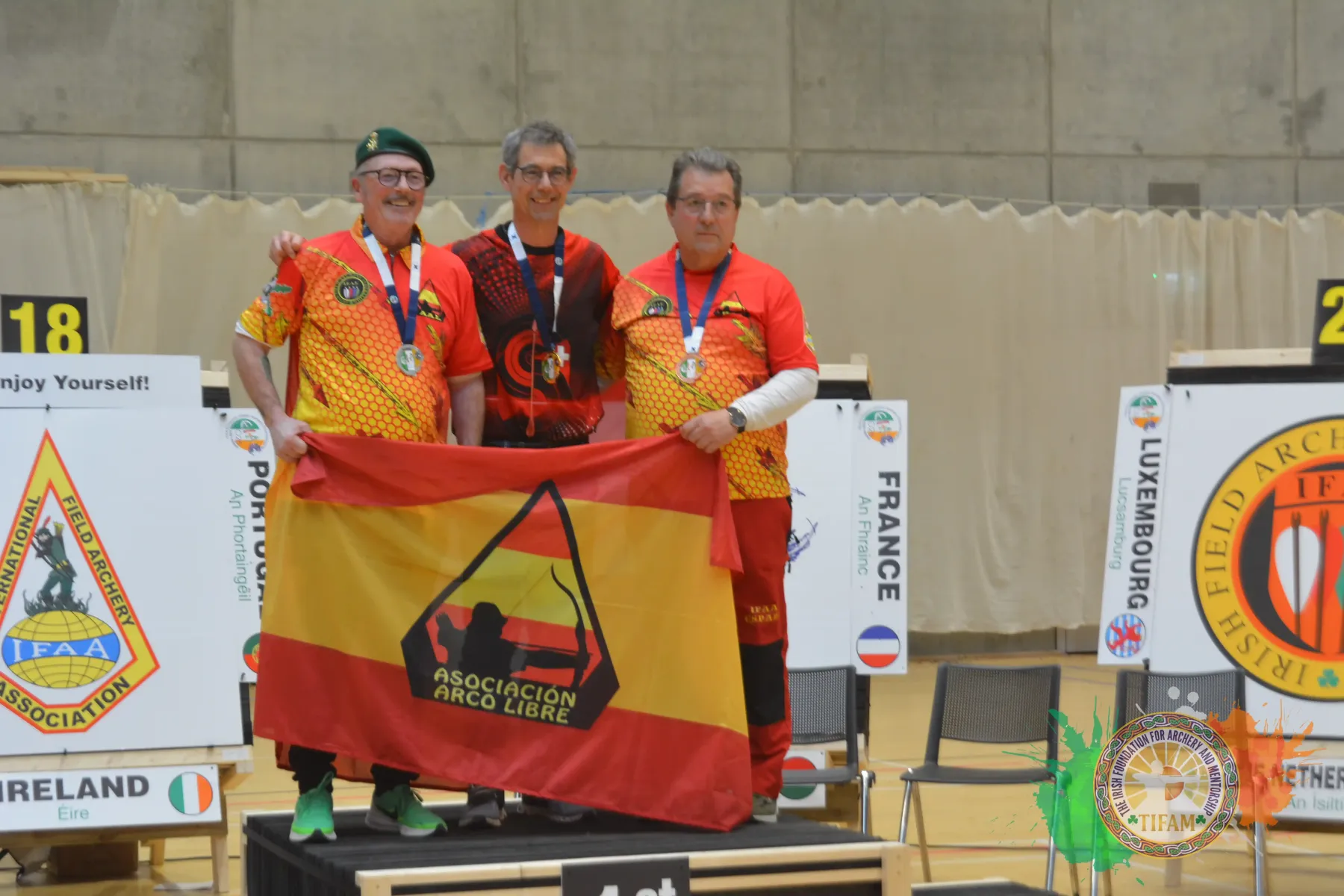
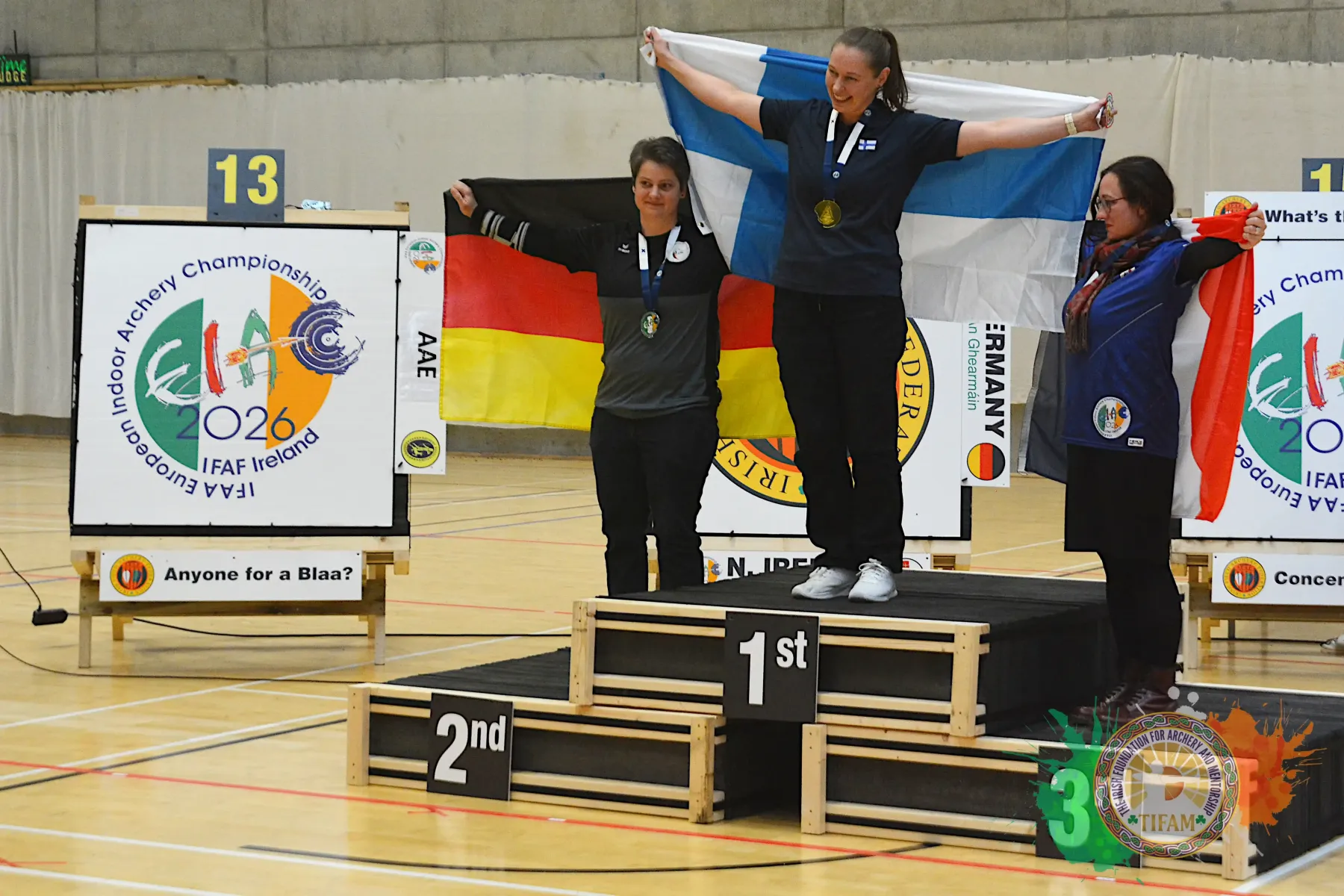
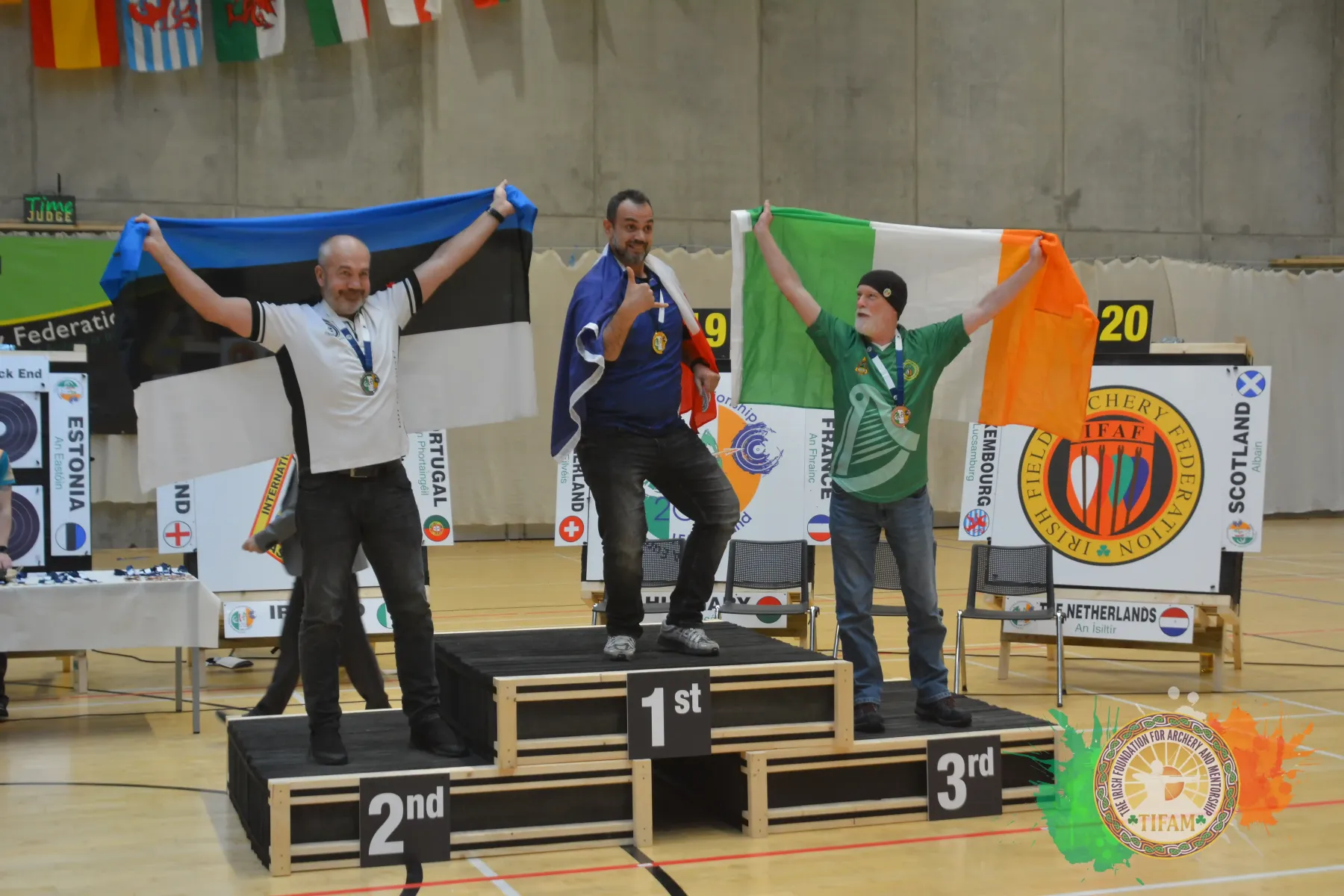
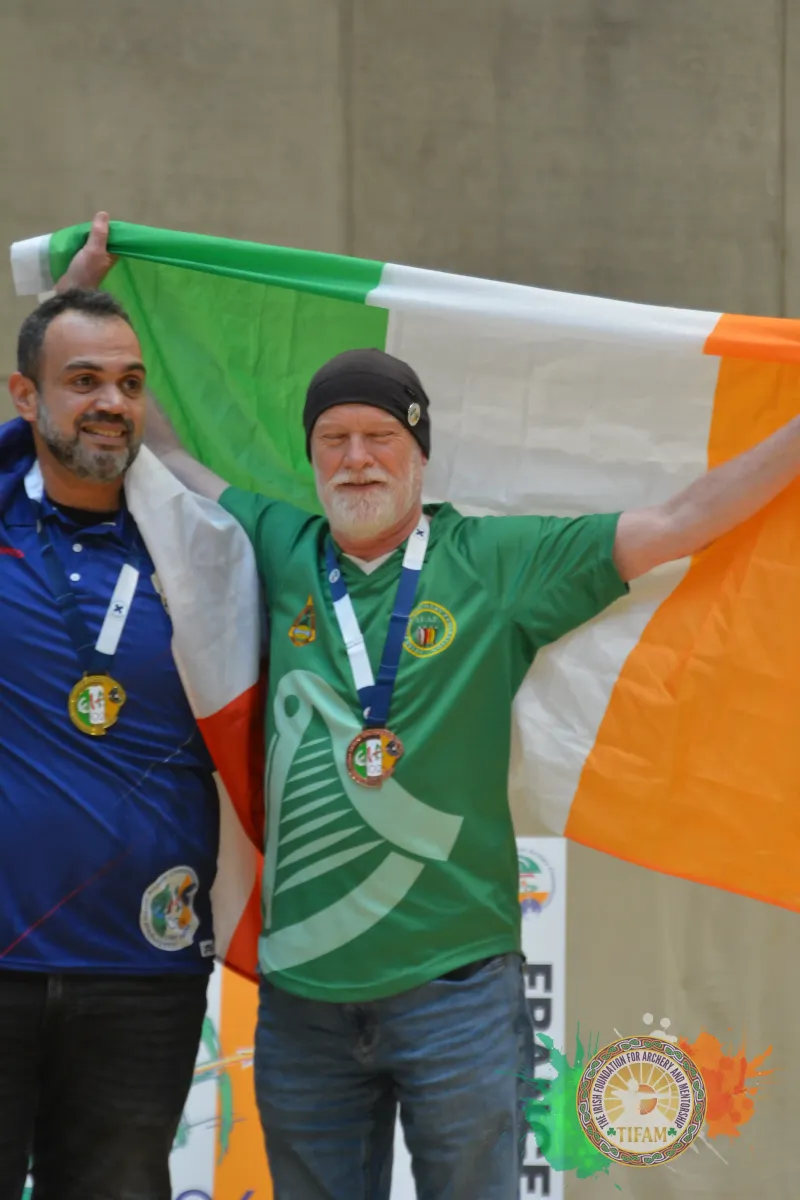
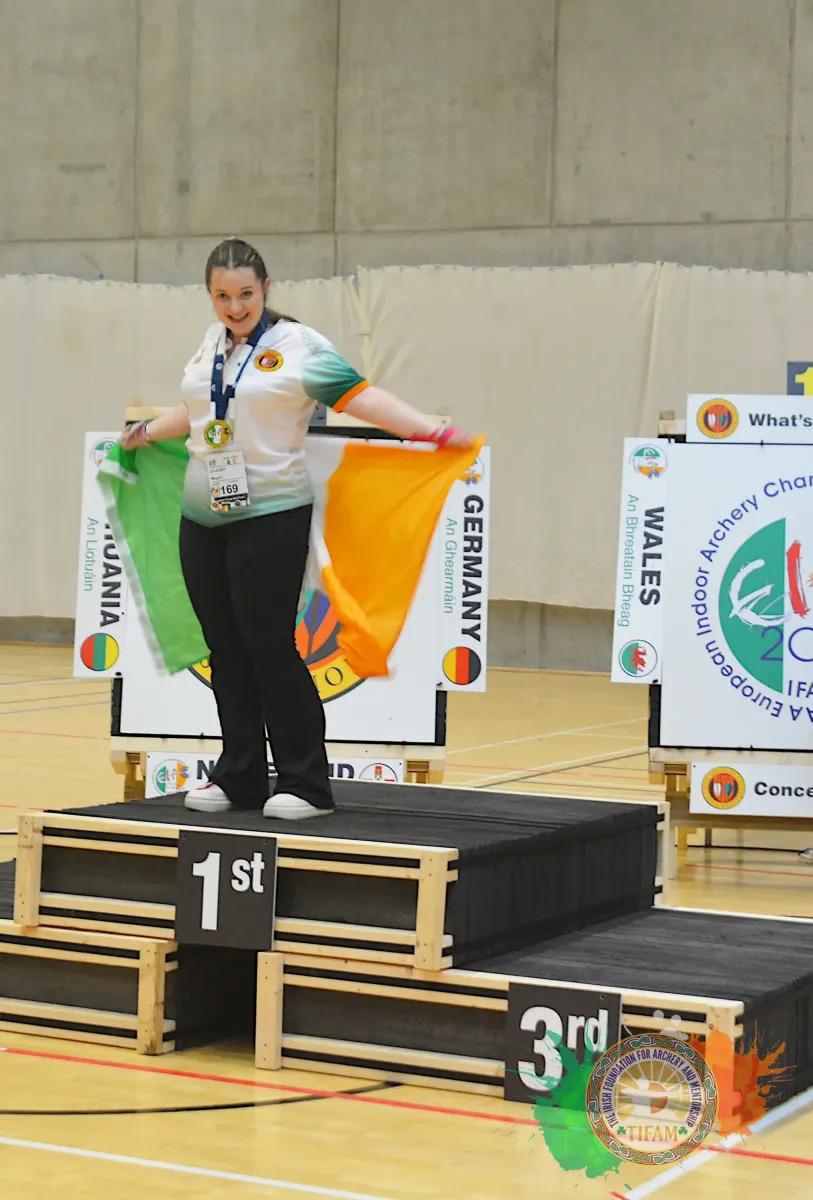
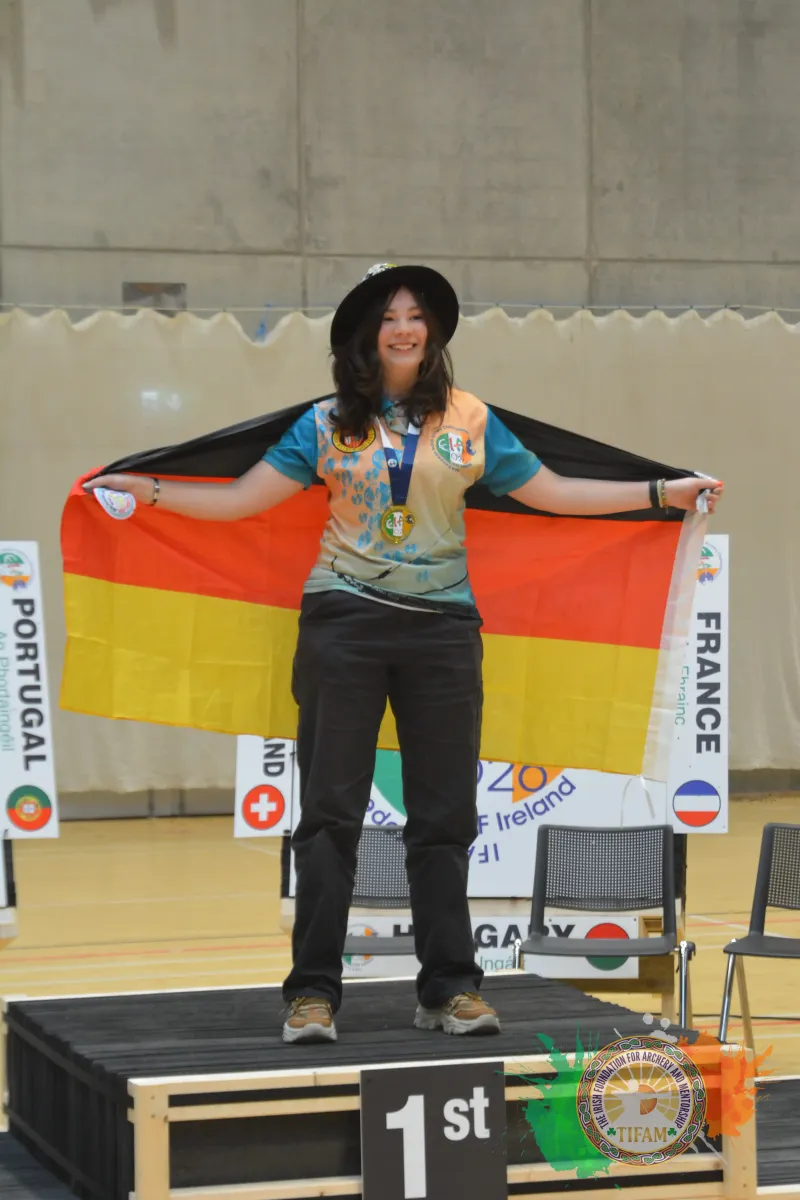
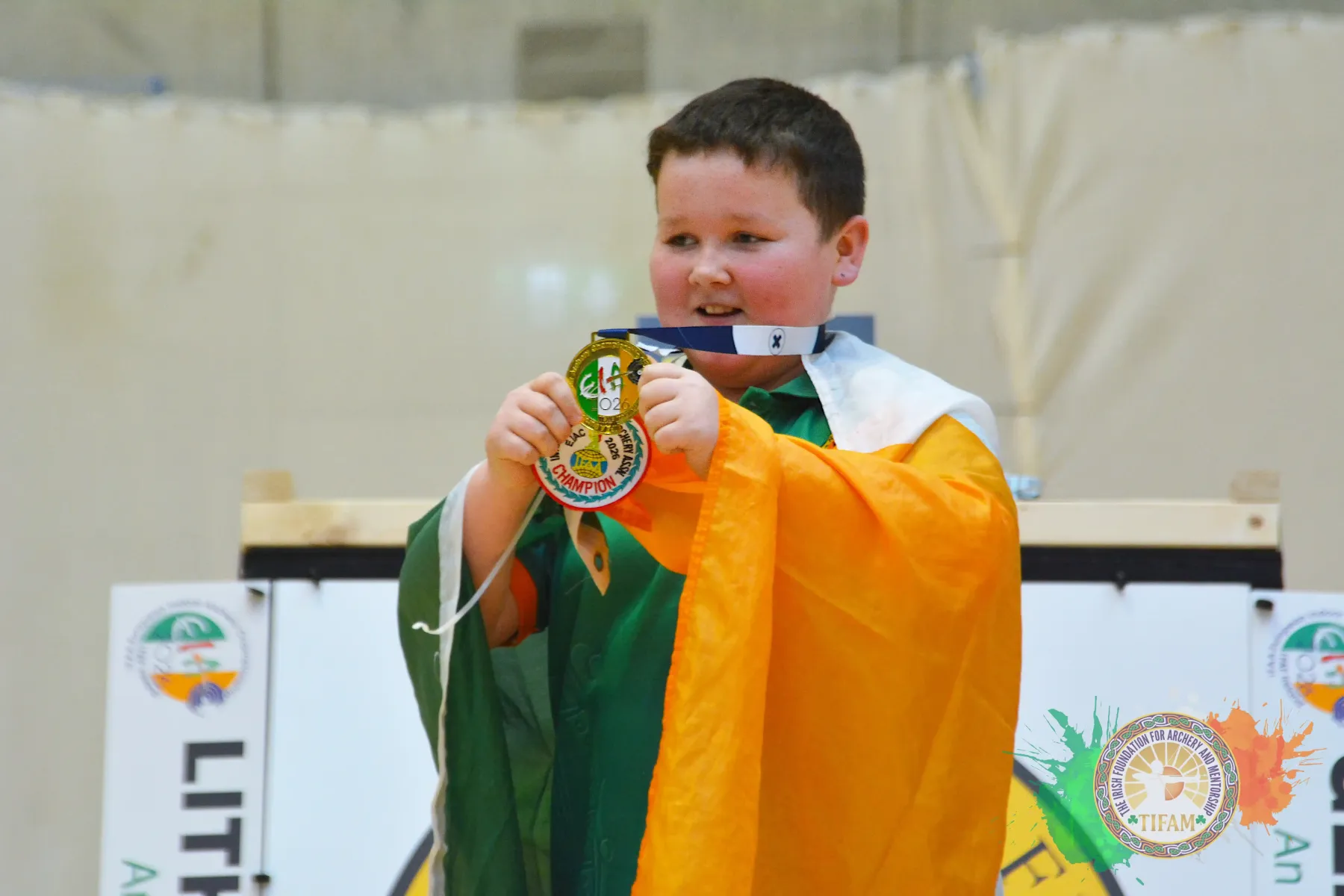
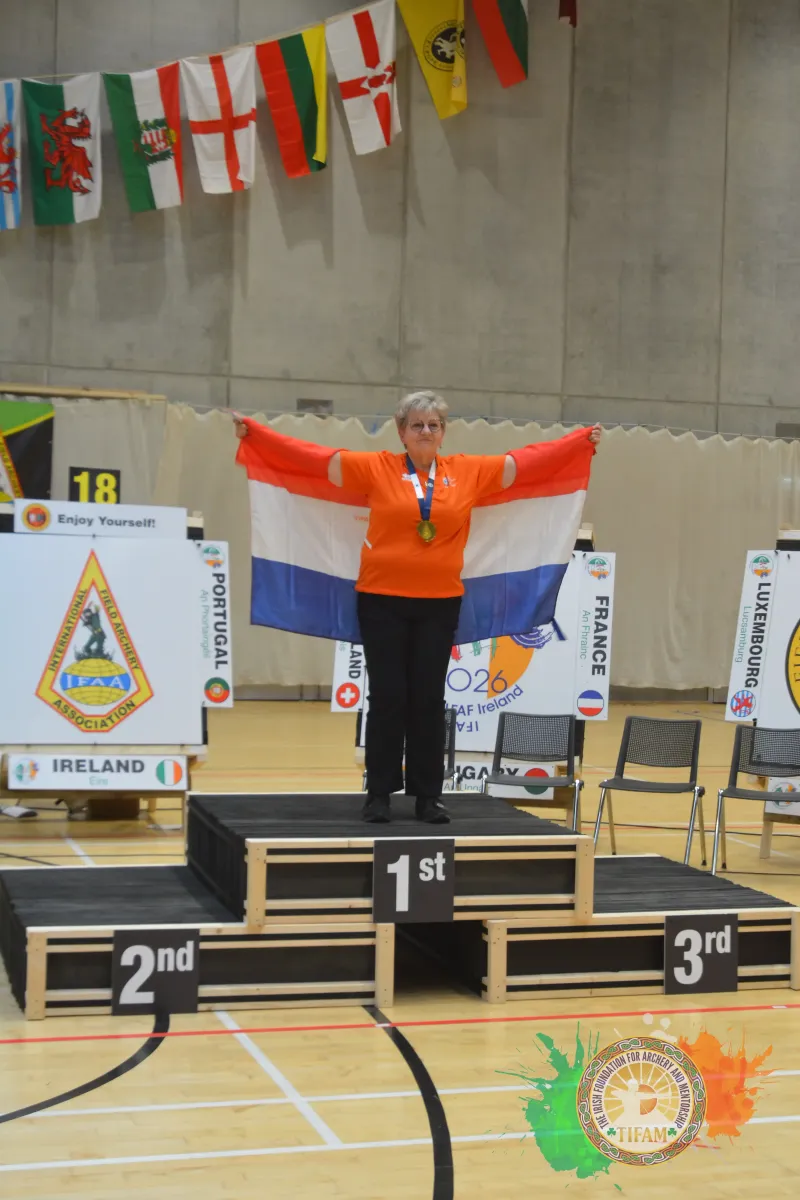
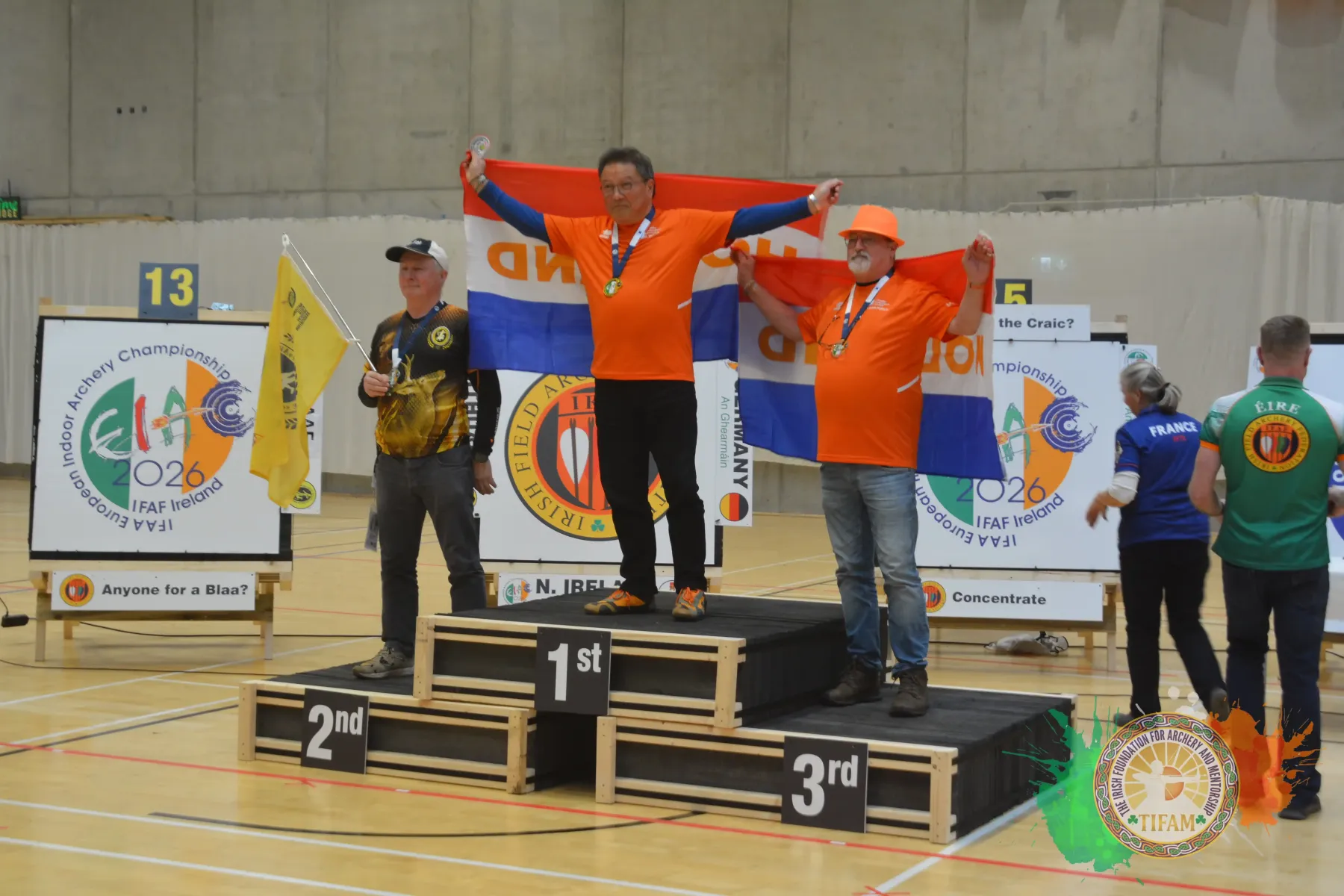
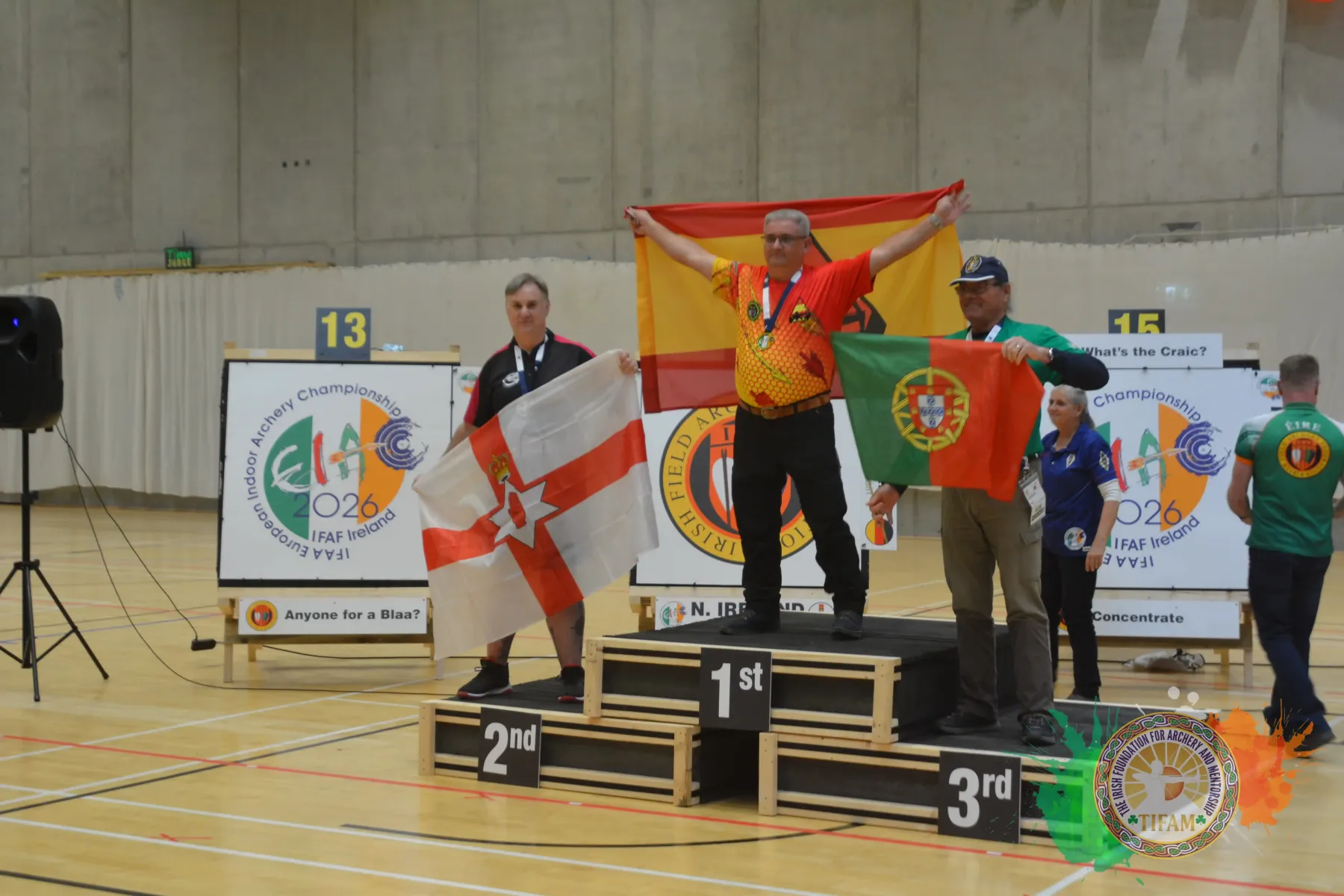
The presentation of the teams was organised and carried out flawlessly. Scoring moved with clarity and confidence. The ceremony itself, along with the awarding of medals, was conducted in exemplary fashion. Nick Anton, as host, did more than a merely excellent job. He brought poise to the formal moments and ease to the celebratory ones. In addition to talent and a visible love of hard work, he possesses something every fine performer ought to have, though few can name it exactly. Perhaps one might call it a spark of fate. In any case, the result was plain to anyone present: the occasion felt serious and fun, dignified and entertaining. What had long been awaited arrived at last as a genuine event, and it met that expectation fully.
That achievement matters more than sentiment allows. Ceremonies test an organising team in a different register from the shooting line. Precision remains necessary, yet pageantry enters the room. The crowd must feel included. Teams must feel seen. Winners must feel honoured. Those who fell short of medals must still feel part of the common enterprise. EIAC 2026 succeeded in that delicate work. The event retained discipline while allowing joy to breathe. It preserved dignity while welcoming delight. Such balance seldom appears by accident. It grows from preparation, confidence, and an instinct for the moral texture of public celebration.
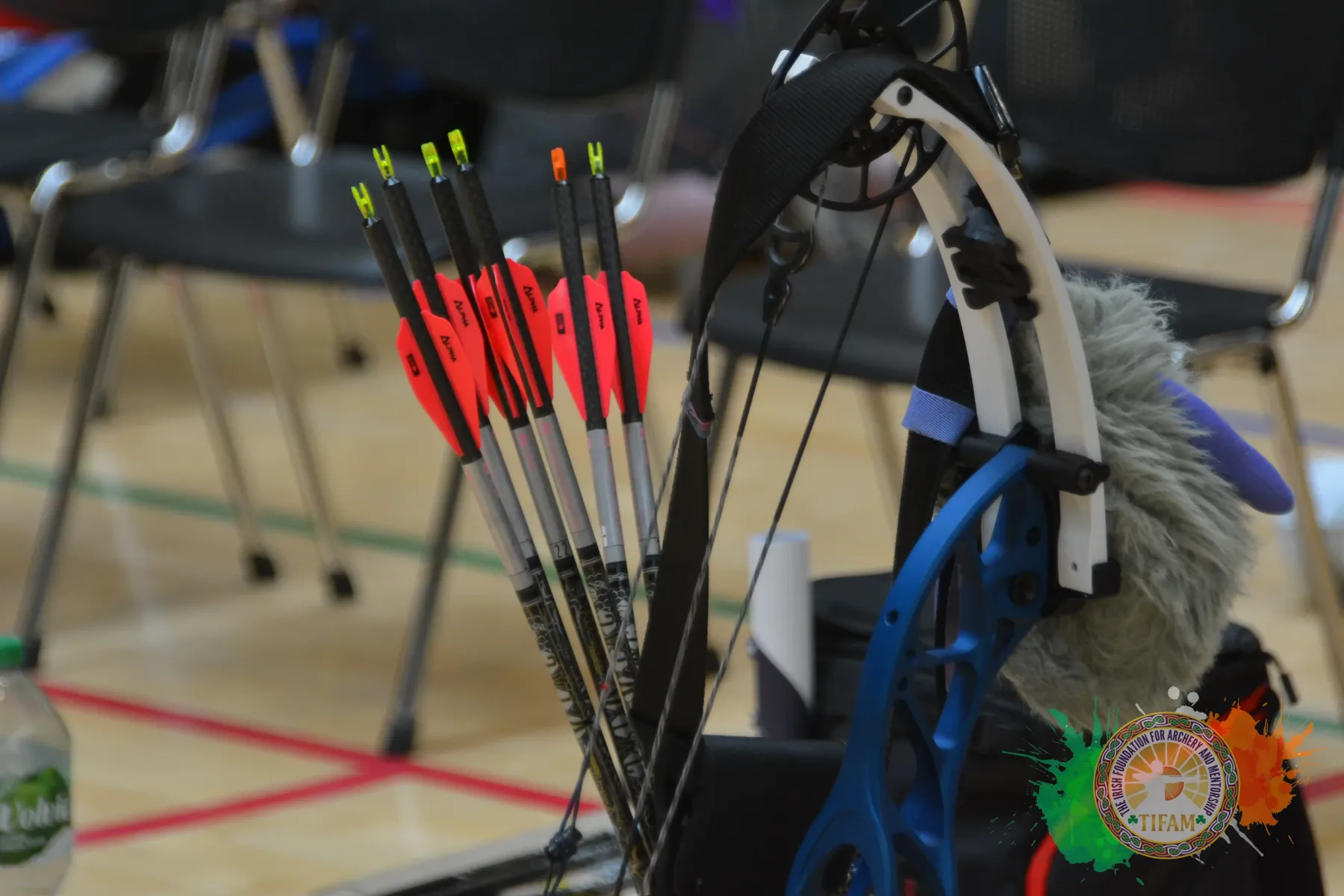
The opening riddle asked what carries law in flight. EIAC 2026 answered through its organisation as much as through its arrows. Consent appeared through clear information offered to the public. Measure appeared through procedures that held steady under crowd pressure. Scale tested coordination, then revealed the value of named roles within IFAF’s committee. Safety gained real authority through senior operational control. International trust gained support through sanctioning clarity and cross-border governance work. Volunteers, giving time for the public good, supplied the humane texture that turned a large event into a welcoming one. The play-off revealed procedural excellence at the very instant when lesser structures might have faltered. The ceremonies and the atmosphere showed that technical competence had found its human counterpart in fellowship, celebration, and shared pride. Under those conditions, a single hole in paper could stand as a clean sign of fair contest, then as a model other hosts can study when events grow to this scale.

Views: 309
This article is part of our free content space, where everyone can find something worth reading. If it resonates with you and you’d like to support us, please consider purchasing an online membership.